Governorship, Oyo South senatorial candidates meet traditional rulers, religious leaders and community groups
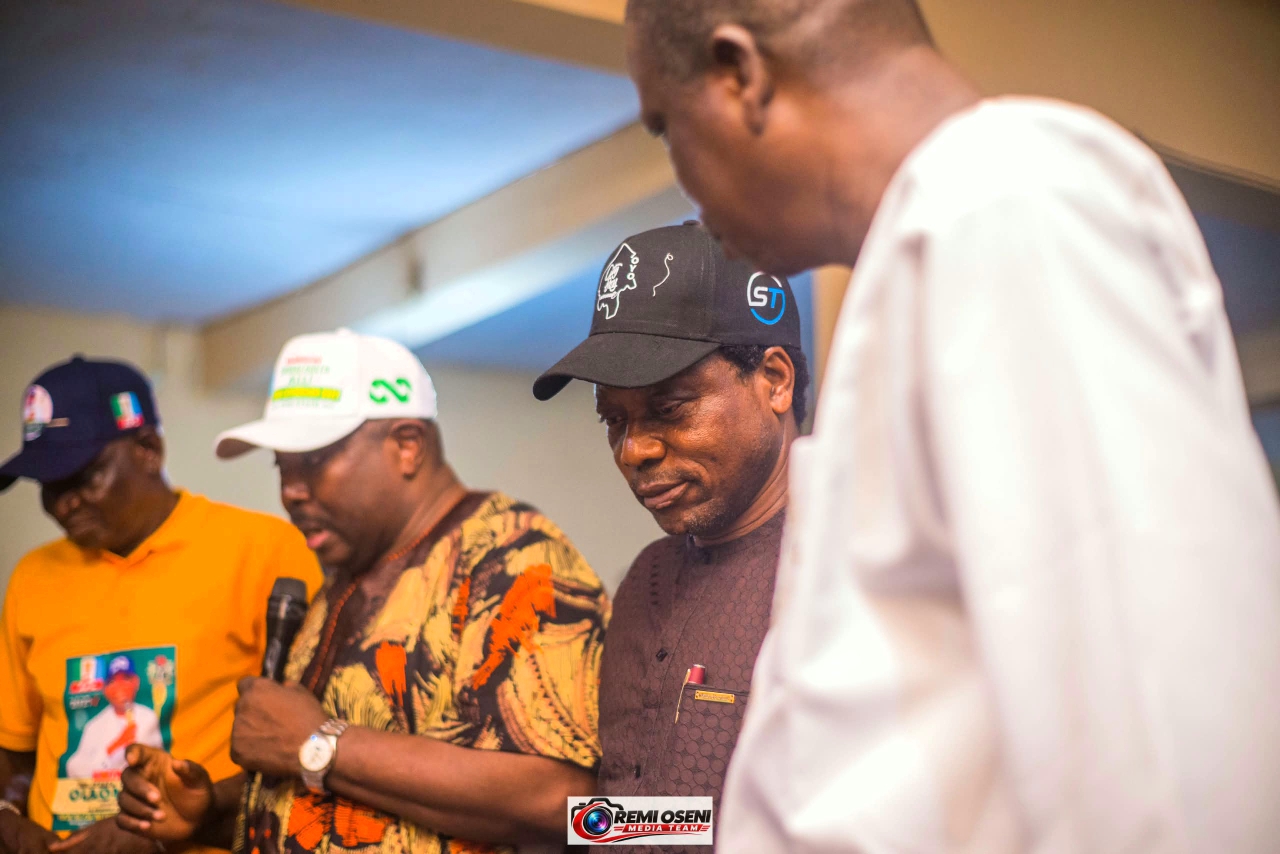
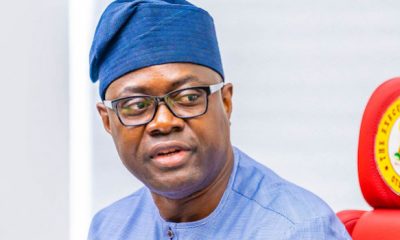
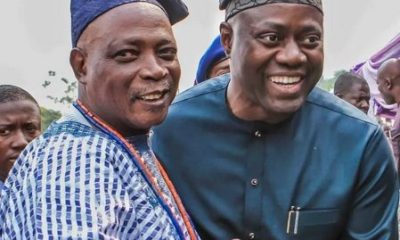
The All Progressives Congress (APC) governorship candidate in Oyo State, Senator Sharafadeen Alli, and the party’s Oyo South senatorial candidate, Hon. Remi Oseni, have toured Ibarapa North, Central and East Local Government Areas to seek stakeholders’ support for their 2027 candidacies and other APC candidates across the ballot.
The two-day tour, which took place on Monday and Tuesday, covered Igangan, Tapa, Ayete, Idere, Igbo-Ora and Eruwa, where the candidates met traditional rulers, religious leaders, community groups and other stakeholders to discuss the area’s development challenges and solicit their backing ahead of the 2027 general elections.
During the engagements, Alli outlined his priorities for Oyo State, promising to prioritise the reconstruction of the Ibadan-Ibarapa road, extending to Igangan, improve the education sector, revive public water supply and strengthen local government administration if elected governor.
The delegation visited the palaces of the Asigangan of Iganganland, Oba Rafiu Adeniyi; the Asawo of Ayete, Oba Emanuel Ewuola Okeniyi; the Elempe of Tapa, Oba Sunday Oyekanmi Titiloye (Abioje I); the Olu of Igbo-Ora, Oba Jimoh Olajide Titiloye (Asoroolu Ayinla V); and the Eleruwa of Eruwa, Oba Samuel Adebayo Adegbola (Ajobo Olurin I). The team was also hosted by Dr. Olusola Ayandele Eruobodo at his residence on Monday evening.
Speaking during the meetings, Alli identified effective local government administration as critical to grassroots development, noting that local councils must be empowered to deliver meaningful improvements to their communities. He pledged to work towards a functional local government system that would make development more visible at the grassroots.
On education, the APC governorship candidate expressed concern about the standard of learning in the state and proposed limiting class sizes to a maximum of 30 pupils to improve teaching and learning outcomes.
He also promised to ensure that Oyo State’s financial resources, including federal allocations, translate into tangible improvements in infrastructure and public services. As part of his plans to improve residents’ welfare, he pledged to work towards reviving the state water corporation to ensure a more reliable supply of clean water across the state.
On infrastructure, Alli reiterated his commitment to reconstructing the Ibadan-Ibarapa road, extending to Igangan. He also promised to create greater opportunities for indigenous construction firms in the award of public contracts, while engaging external contractors for projects beyond the capacity of local companies.
The APC candidate also criticised the reported N5.5 billion expenditure on a stadium, questioning whether the facility met international standards and adequately served the needs of the state’s football clubs, particularly Shooting Stars Sports Club (3SC).
He cited difficulties faced by the club in arranging matches, including playing several away fixtures within a week and receiving a hostile reception at its temporary home ground in Ogun State. He attributed these challenges to the stadium facility’s reported failure to meet the required standards.
Also addressing the gatherings, Oseni, who is seeking election to the Senate to represent Oyo South Senatorial District, highlighted his contributions to the development of communities across Ibarapa and appealed to residents and community leaders to support his senatorial ambition.
He urged stakeholders to support APC candidates across the ballot, arguing that stronger cooperation between the state and the Federal Government could improve Oyo State’s access to federal opportunities, resources and development initiatives.
At a meeting with the League of Imams in Igbo-Ora, Alli acknowledged that disunity within the Muslim community might have affected communication with political leaders. He assured the religious leaders that his administration would not marginalise any religious group and appealed for their support for his aspiration and those of other APC candidates.
The tour was attended by APC leaders and campaign officials, including the Director-General of the Sharafadeen Alli Campaign, Hon. Yemi Aderibigbe; the Director-General of the Remi Oseni Campaign Council, Chief Lowo Obisesan; and the APC Deputy National Auditor, Hon. Gbenga Ariba, alongside other party leaders from across Oyo State.