Connect with us

Politics

Nigeria at a Crossroads: The Upcoming Elections || By Tibor P. Nagy, Jr

Published

on

THE Department of State agrees with the view that Nigeria’s February 2019 national elections are a critical test. The conduct of the elections could have significant consequences for the democratic trajectory of Nigeria, West Africa, and the entire continent.

The conduct of the 2015 Nigerian elections, although by no means perfect, was a step forward for Nigeria’s democracy. That contest resulted in Nigeria’s first-ever democratic transfer of power to a non-incumbent party, thereby increasing capacity and improving conduct of Nigerian democratic institutions and election bodies.

Key Goals and Actions 

In advance of the 2019 elections, the U.S. government continues to support the Nigerian goal of free, fair, transparent, and peaceful elections that reflect the will of the Nigerian people. Through diplomacy, robust public engagement including with Nigeria’s youth and civil society, and democracy and governance programs, we are helping the country to strengthen its democratic institutions and processes. The United States does not support any single candidate. We support a democratic process that is free, fair, transparent, peaceful, and reflects the will of the Nigerian people.

The U.S. government has developed a comprehensive election strategy to plan and coordinate our efforts. We have three main objectives:

  1. Support a free and fair electoral process, including technical assistance to Nigeria’s election institutions, civil society, and political parties as well as U.S. government monitoring of the election around the country;
  2. Prevent and mitigate electoral violence, including conflict monitoring, peacebuilding programs, and peace messaging;
  3. Support civic and political engagement, including support to Nigerian civil society election observation and parallel vote tabulation, social media campaigns to engage youth including through our Young African Leaders Initiative (YALI), “get out the vote” campaigns, voter education, and Nigerian efforts to counter disinformation.

To advance our strategy, we have sustained high-level diplomatic engagement from Washington as well as robust and regular engagement by our Ambassador, Consul General, USAID Mission Director, and other officials based in Abuja and Lagos. Earlier this year, President Trump welcomed President Buhari to the White House and conveyed our expectations for a credible election. Two Secretaries of State, USAID Administrator Green, Deputy Secretary of State Sullivan, and many others have either traveled to Nigeria or met with senior Nigerian officials in the United States to underscore our commitment to free, fair, transparent, and peaceful Nigerian elections in the last twelve months.

The State Department also hosted the Nigerian Independent National Electoral Commission (INEC) Chairman in late October to observe U.S. preparation for mid-term elections and discuss challenges surrounding Nigeria’s elections. During this visit, INEC Chairman Yakubu observed early voting in Maryland, and met with Congressional staff, U.S. electoral civil society and legal experts, and U.S. government officials. The Chairman also met with USAID Administrator Green and Under Secretary for Political Affairs Hale.

I recently returned from Nigeria as part of my first trip to the continent. It was great to be back in Nigeria where I served as Charge d ’Affairs in 2016 and Deputy Chief of Mission from 1993-1995, and convey our expectations and concerns for the elections in person. I met with leadership from the two main political parties, INEC Chairman Yakubu, and civil society organizations, delivering public messages on the elections in a speech and in press engagements and private messages with key stakeholders.

That is just a summary of our Washington-focused diplomatic engagement on these elections. Our Ambassador and the Mission in Nigeria are working to advance our goals every day. My colleague from USAID will tell you more about the USAID programs in support of our three objectives. And, I can assure you that the U.S. government will remain intensely focused on the Nigerian elections in the coming months.

Expectations and Concerns 

I know many of you are watching the election closely. We share many of the areas of concern that you have voiced. We are monitoring and messaging – both publicly and privately – to mitigate a few key areas of risk that could jeopardize a free and fair process. For example:

  • potential attacks on the legitimacy of INEC and the electoral process for political gain;
  • intimidation and partisanship by security forces;
  • heightened insecurity, terrorist attacks on elections institutions, or violence towards voters, observers, or electoral officials;
  • an inability of large numbers of internally displaced persons or persons with disabilities to vote;
  • voter suppression, the use of armed gangs for voter intimidation, and other drivers of electoral violence, including a lack of official condemnation of hate speech and disinformation;
  • wide-spread vote buying that challenges the integrity of the electoral process.

On November 18, the start of official campaigning, our Mission in Abuja released a statement with 25 like-minded missions to express our desire to see free, fair, transparent, and peaceful elections, specifically naming many of these concerns. I can assure you we will be watching closely for instigators of violence or those attempting to undermine the democratic process.

Many of you have expressed particular concern about violence around these elections. I can tell you from my impressions during my travels and my previous service in Nigeria that I fear there will be some violence around these elections, as has been the case with previous elections. I do not anticipate large-scale nation-wide conflict, but rather localized violence. We are already seeing increased tensions and polarization as the election approaches. We assess that politicians are turning to narratives of identity politics in an attempt to improve their popularity, with potentially serious consequences for national unity. However, Nigeria’s political system and society have weathered such tensions before.

But, let me underscore that the U.S. government takes the risk of any loss of human life extremely seriously. As I just mentioned, preventing electoral violence is one of our three main objectives for our diplomacy and programs. When I was in Nigeria, I asked officials from both major parties to sign pledges that their candidates would conduct peaceful campaigns, and both major candidates have now signed a peace pledge. In assessing potential “hot spots” for violence, we look at places that are historically volatile around elections such as Rivers and Borno states. We look at states that are currently tense, especially if state-level politics are contentious like those in Benue, Plateau, as well as those in high-stakes locations with large populations such as Kano. We regularly engage with civil society organizations working in these “hotspots” and support their peacebuilding efforts. USAID programs and our public diplomacy campaigns also support peace campaigns across the country, such as #VoteNotFight. Through our YALI Network Nigeria campaign, Nigerians have made over 10,000 pledges to boost voter participation, reject violence, and vote with integrity.

Conclusion

As I said in a speech in Nigeria, only the Nigerian people can determine lasting solutions and a path forward toward peace and stability. 2019 will be a significant year for Nigerian democracy – it has been 20 years since the country returned to democratic rule and this election’s youngest voters have never known a Nigeria without democracy. The upcoming elections provide Nigerians an opportunity to shape their country and solidify its place as a democratic leader in Africa.


Tibor P. Nagy, Jr. Assistant Secretary, Bureau of African Affairs U.S. House of Representatives, Sub-Committee on Africa, Global Health, Global Human Rights, and International Organizations

 

Comments

Politics

2027: Makinde Hit as 200 Ex-Councillors, Thousands of Supporters Dump His Camp for APC

Published

on

Defectors accuse governor of neglect, vow to work for APC victory in 2027

The political camp of Oyo State Governor Seyi Makinde has suffered a major setback following the defection of more than 200 former councillors to the All Progressives Congress (APC).

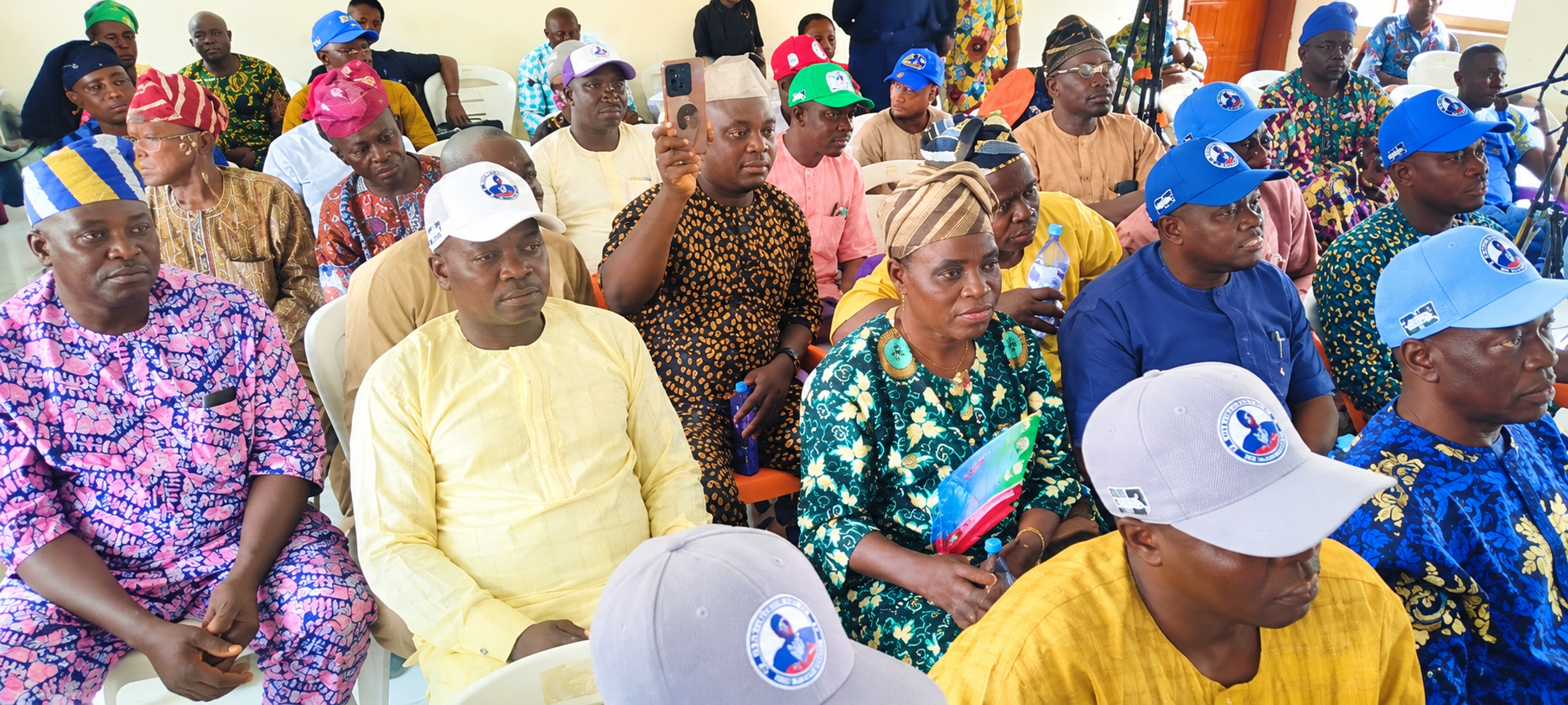
The former councillors, who served in the legislatures of the state’s 33 local government areas between 2021 and 2024, announced their defection on Tuesday, declaring their readiness to mobilise their supporters for the victory of APC candidates in the 2027 general elections.

The defectors, who also claimed to have thousands of supporters behind them, were received at the APC state secretariat in Oke-Ado, Ibadan, by the party’s state executive members led by its chairman, Otunba Moses Alake Adeyemo.

The former Senate Leader and Coordinator of the APC Presidential Campaign Council, Senator Teslim Folarin, and members of his team were also present at the secretariat on a courtesy visit when the defectors arrived.

Speaking on behalf of the group, Hon. Muili Kazeem Arowodana said their decision to leave the ruling Allied People’s Movement was driven by what he described as years of neglect, hardship and unfair treatment under the Makinde administration.

Arowodana said the former councillors served for three years without the benefits and opportunities they expected, accusing the governor of denying them the means to meet the needs of their constituents.

“We have wasted a lot of years in the Omititun camp of Governor Seyi Makinde. We have suffered untold hardship, dehumanisation and deprivation,” he said.

He alleged that funds meant for local governments were diverted through the joint account arrangement, leaving the councils with inadequate resources to execute projects and meet the needs of residents.

The former councillor also complained about poor salaries, the absence of allowances and the alleged withholding of severance benefits, which he said had left many former councillors struggling financially.

He further accused the governor of concentrating decisions on projects, contractors and costs in his administration, leaving elected representatives with little opportunity to attract meaningful development to their communities.

Arowodana said the group had decided to move on politically, expressing confidence that the APC would provide a better platform for their ambitions and the development of their communities.

He also declared the group’s support for Senator Sharafadeen Alli as the party’s preferred option for the 2027 governorship election.

According to him, the former councillors would deploy their grassroots connections to mobilise voters for Alli and other APC candidates, insisting that they were determined to help the party secure victory at the polls.


Continue Reading

Politics

Cheshire Home Land: Alli warns Makinde against sale to private developers

Published

on

SSACO demands immediate halt to proposed deal, says public assets belong to the people

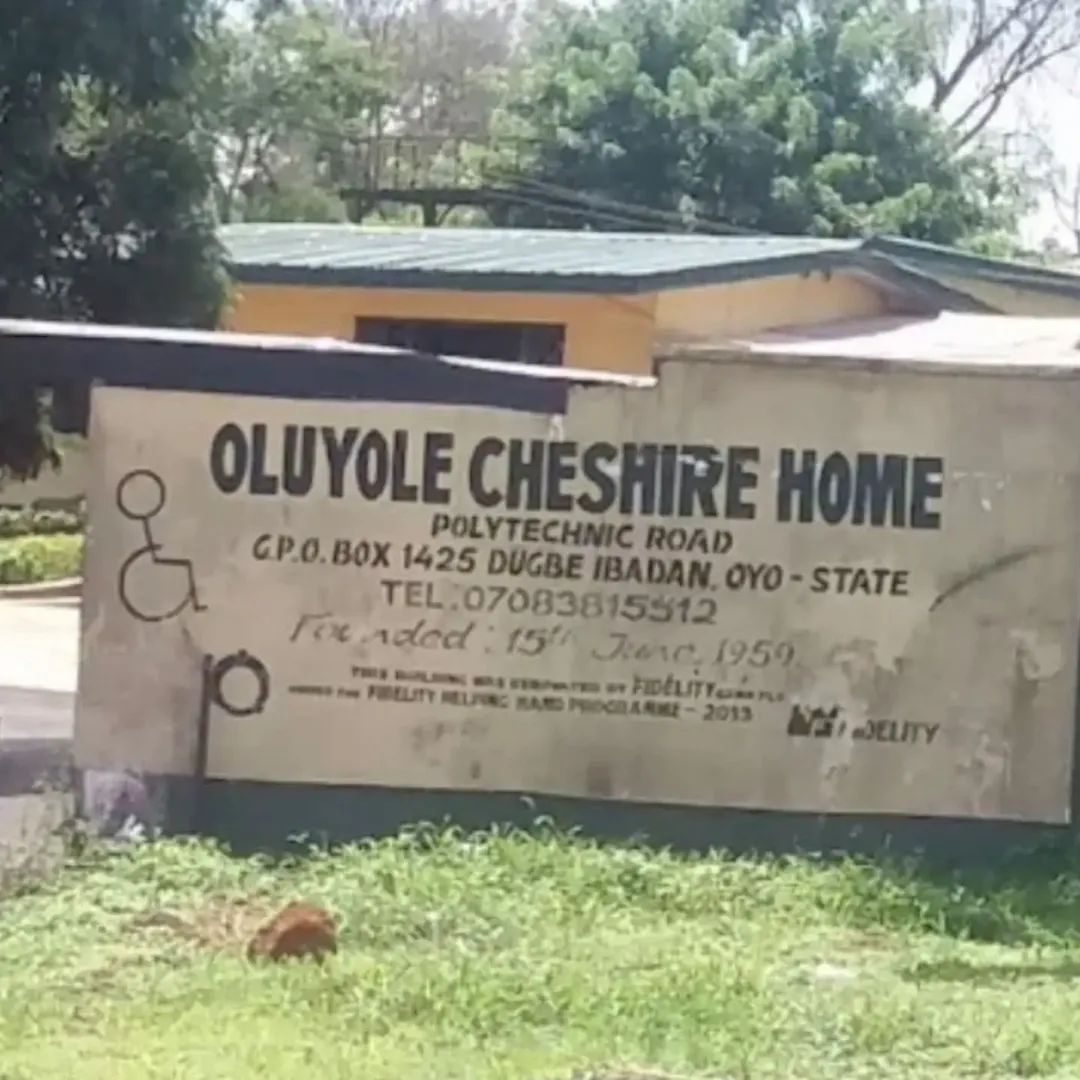
The Senator Sharafadeen Alli Campaign Organisation (SSACO) has warned Governor Seyi Makinde against any move to sell or allocate the Cheshire Home land in Eleyele, Ibadan, to private developers, insisting that public properties must be protected for the benefit of the people.

The organisation said the reported plan had raised fresh concerns about the handling of public assets in Oyo State, warning that the state could lose valuable land needed for future public infrastructure if such properties were transferred to private interests without proper justification.

In a statement on Tuesday, the Director of Media and Publicity of SSACO, Bisi Oladele, called for an immediate halt to any proposed transaction involving the Cheshire Home land.

Oladele said the governor was only a custodian of the state’s assets and had a responsibility to protect them for present and future generations.

“Governor Makinde must understand that he is a temporary custodian of the people’s commonwealth, not its absolute owner,” the statement said.

The organisation questioned the wisdom of disposing of public land in strategic locations when the state would continue to need space for schools, hospitals, recreational centres, social welfare institutions and other essential facilities.

It warned that public assets acquired or preserved by previous administrations should not be allowed to disappear without clear explanations of the reasons for their disposal and the benefits to the people.

“What will be left for future generations if every strategically located public property is converted into a private estate, shopping complex or commercial development?” the organisation asked.

SSACO argued that as Ibadan and other parts of the state continue to grow, land would become increasingly important for public infrastructure and social services. It said government should be looking for ways to expand such facilities rather than reduce the assets available for public use.

The organisation also expressed concern about what it described as recurring controversies surrounding the ownership, allocation and commercial development of public properties under the Makinde administration.

It called on the state government to clarify the status of the Cheshire Home land and explain whether any sale or allocation to private developers was being considered.

According to SSACO, decisions involving public properties must be guided by transparency, accountability and the overall interest of residents, not commercial considerations alone.

The organisation therefore demanded an immediate suspension of any proposed sale or allocation of the land until the circumstances surrounding the reported plan were made clear.

It also urged the government to ensure that any decision concerning public assets was open to scrutiny and supported by compelling reasons.

“Oyo State belongs to its people, and its collective inheritance must be protected,” the statement added.


Continue Reading

Politics

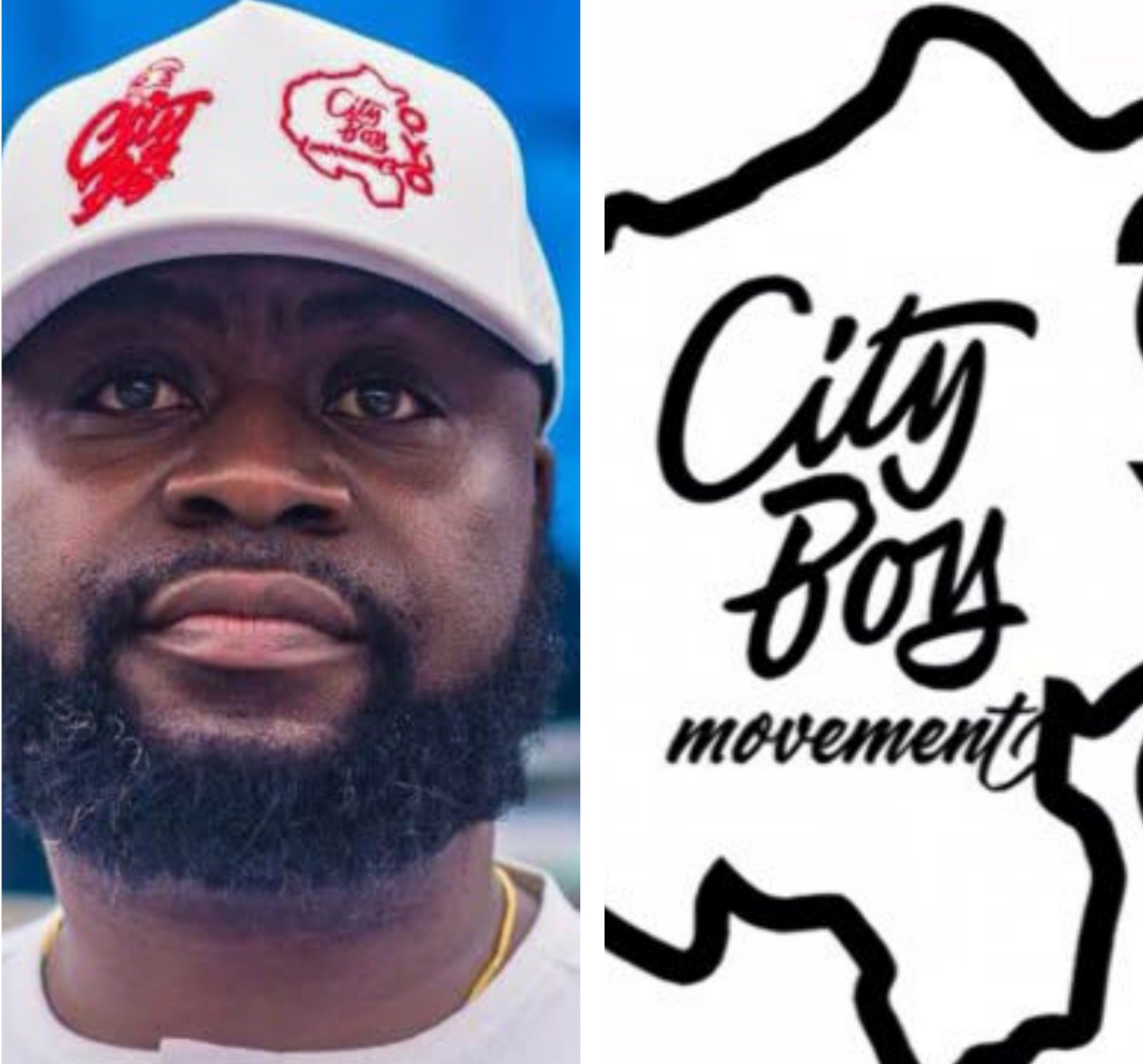
You Can’t Claim APC, Promote Opposition – Oyo City Boy Director, Onireti, Warns Against Selective Allegiance

Published

on

The Oyo State chapter of the City Boy Movement has warned political groups claiming allegiance to the All Progressives Congress against promoting opposition candidates, saying party loyalty should not depend on personal interests.

The state Director of the movement, Hon. Olufemi Onireti, gave the warning in a statement on Monday, declaring the group’s support for the APC and all its candidates.

Onireti said the movement would not support some candidates of the party while backing others from rival political parties.

“We are unequivocally loyal to the APC and all its candidates. Our loyalty is not selective, and we will not support one candidate while abandoning another,” he said.

He expressed concern over the activities of groups that identify with the APC but openly campaign for candidates of other political parties.

According to him, such conduct raises questions about their commitment to the party, particularly when political interests are placed above party loyalty.

“You cannot claim to be committed to the APC while simultaneously promoting candidates of other political parties based on personal interests or political calculations,” Onireti said.

He stressed that the movement would not associate with any arrangement that undermined the APC or promoted rival candidates under the guise of supporting the ruling party.

“For the avoidance of doubt, the Oyo City Boy Movement stands firmly with the APC and all its candidates. We will not be part of any arrangement that undermines the party’s interests,” he added.

Onireti also expressed appreciation to members and supporters who attended the movement’s inaugural event held last week.

He particularly thanked the Oyo State APC Chairman, Chief Moses Alake Adeyemo, and the state Women Leader, Dr Mrs Felicia Adekemi Opatunde, for attending the event and supporting the movement.

He also commended the executives and members across the state’s zones for their contributions to the success of the inauguration.

The director urged APC stakeholders and affiliated groups to demonstrate consistency in their political allegiance, calling for greater discipline and unity within the party.

He said members should be able to distinguish groups genuinely committed to the APC from those whose political activities suggest otherwise.

Continue Reading

Trending