Connect with us

Opinion

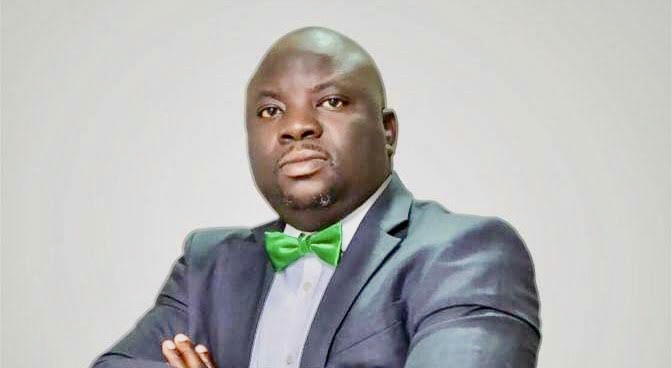
The Delegates: My Experience | By Bayo Adeyinka

Published

on

I wasn’t expecting any call so early in the morning. It was barely 6 am and the call jolted me from sleep. It was one of the few days when I’m still asleep at that time. My alarm is almost perpetually set to 5.30 am and even when it is not, my internal biological clock wakes me up at that time. I stretched my hand to pick up my phone. I didn’t look at the screen to check if I knew the caller but I knew the voice. From the way I sounded, he should have known that I was displeased with that call at that hour of the day but I guess he couldn’t be bothered.

‘My President’, he hailed me. He poured encomiums on me. Initially, he went on about how the outgoing President disappointed him and so many personal promises were not kept. I’d heard those lines so many times. I knew there can never be any thunder without rain. But I’d learned to listen and keep my composure even when I’m being deceived. Just play the fool. Appear stupid. I wanted their votes. I was contesting for the position of the President of our University Alumni Association. So I listened as the caller went on.

‘I have good news for you. I have secured two additional delegates from my state for you. They have committed to vote for you’, he announced with glee. The way he passed across the information, you would have thought he just got the cure for Ebola fever. ‘Wow’, I exclaimed. But before I could thank him, he added the clincher, ‘ You will have to give each of us N30,000 and that makes it N90,000 for three votes. I will text my account number to you. Please let me know once you credit my account’. I was enraged. I couldn’t hold myself again.

I asked him, ‘N30,000 for what? To vote for me? So how many people am I going to give N30,000 to for an ordinary alumni election?’ He appeared shocked and couldn’t respond. I continued, ‘I am coming to serve and you want me to pay you so you can vote for me? Am I going there to enrich myself? What exactly is the big deal about alumni elections?’ By then he had found his voice. He retorted, ‘Oga, that is how they do it. You don’t know politics, sir’.

I was shocked. Not really because he asked for money before he could vote for me. But more because he was looking for a job and I had arranged an interview for him. I couldn’t believe he could jettison all that for a mere N30,000. So I decided to confront him frontally. I told him I was disappointed in him and couldn’t believe he will forget how I was trying to help him secure a job that will guarantee him a better life. I ended the call by telling him I’m not going to pay anyone to vote for me. If he wanted to vote for me based on conviction, he should go ahead. If he’s not convinced, he could vote otherwise. He would later report me to another person on the same day by saying I was too stubborn and don’t understand how to play politics.

I also remember a fellow who pretended to support me but I knew he was playing the double game. He would give me some information about the opponent but I knew he was giving them information about me also. Anyone who leaks other people’s secrets to you will leak your own to others also. He told me he wanted to hold his wedding and he needed to pay up for the hall. He had some part of the money. So I transferred N60,000 to him. He called me daily. He told me how much he wanted me to win and how I was a different kind of leader. And then one day, he decided to overreach himself. He sent me a text that he needed to get a cow for his in-law and one for himself also among some other things. I chuckled. On top of just an alumni election? That was the last time I responded to his call. He was also a delegate.

On one occasion, a delegate in Ekiti State who agreed on a date and schedule with me and was informed by me that I was on my way when I touched down at Ibadan from Abuja later called me when I was already at Ile-Ife that he was no longer available. All my pleas fell on deaf ears. He insisted something urgent came up. On another occasion, another delegate who gave me his home address in Osun State and asked me to come later called me when I was almost at his house that his supervisor at work just sent for him. I told him I will turn back and come and meet him in the office. I was asked to park by the roadside and wait for instructions. After almost 30 minutes, he told me he was on the way to Ede with his supervisor and would see me if I could wait till the next day.

One guy told me he won’t vote for me because I won’t buy beer for him. He didn’t care about my manifesto. But that’s not all. I traveled very widely sharing my manifesto. I went to Abuja to meet with the Chapter and other locations such as Ibadan, Ilorin, Osogbo, Akure, and so on.

My manifesto? I set out my plan to have an Alumni Empowerment Scheme where Chapters can form clusters of Cooperative Societies and access loans from Development Finance Institutions. It will also include an Entrepreneurship Development Centre where alumni can be trained for a minimum of 6 weeks in different areas for as low as N5,000. I wanted to set up what I called the Business Opportunity for Networking and Development (BOND) that will hold twice a year and will involve job fairs, trade and product exhibitions, etc. I wanted to set up an Alumni Microfinance Bank- take-off capital then was N20m. Each State Chapter was to have 5% shareholding. I outlined plans to put alumni members under the National Health Insurance Scheme and had initiated moves to that end. We were also going to have a Benevolence Fund for critically ill members.

There was to be an Alumni Mentoring Scheme divided into two parts: the Alumni Speaker Series where outstanding Alumnus and non-alumnus will be invited to speak to undergraduates and inspire them and the Return to Campus Programme where alumni will visit the campus quarterly to interact with students in and outside the classroom. I also had the Adopt a Student Initiative where brilliant but indigent students will be given tuition loans which will be returned whenever they get employed. During my tour, I told members of the chapters that I won’t even touch the alumni dues. We will save them as a form of endowment for the future. God has blessed many alumni members who are doing well and are willing to contribute significantly provided they see a leadership they can trust.

A day before the election, I organized two buses to convey delegates from Ibadan and Osogbo to the venue of the election. I had booked two hotels in Ogbomoso to accommodate the delegates. Those were the delegates I perceived were on my side- well, one could never truly tell. Many of them had a leg both ways. I hired a party planner who cooked for the delegates on Friday afternoon, night, and Saturday morning. On Friday night, they asked me to buy drinks. I gave them money to get whatever they wanted.

I needed as many delegates as possible to win the election. Our constitution gave power to delegates to vote for the President and other alumni exco members. Each State or cluster where there is a Chapter presented three delegates who are members of the State Chapter Exco. Some States had more than one Chapter so they had multiple delegates.

On the day of the election, we had a stalemate. There was an uproar about the list of delegates. There were skirmishes. I sat there stupefied. It was simply unbelievable. If all this was about an alumni election, what do we expect when the stakes are higher? The election was inconclusive and we all had to depart. All my delegates entered the buses I hired to take them back to their destination. As I thanked them for their support and turned to enter my car, someone whispered to me that the delegates could not leave empty-handed. They came all the way to support me. I nodded as I had to part with cash. Mentally, I calculated all I spent- TShirts, badges, roll-up banners, cost of travel, security, food, drinks, hotel bookings for more than 40 people, and so on. Was it worth it? Just so I could serve?

When I got back home, my wife consoled me and reminded me that she warned me not to contest. She now made a statement that redefined the whole process for me. She said, “You want to take the food of those who have considered the Alumni as their feeding trough from them. They will fight you with all they have”. I decided to pull out. It just wasn’t worth it. To date, that experience remains the biggest regret of my life.

Now, transmit and relate my experience to the ongoing shenanigans across parties in Nigeria. I have shared the story to show the weakness of the delegate party system as we have in Nigeria today. The party delegate is so vulnerable. They care only about today and not the future. They see this opportunity as their only chance to ‘make it. They are not thinking about posterity rather they are thinking about their pockets. That is why delegates don’t worry about manifestos. Keep your grandiose plans and let them have the dollar. They are for the highest bidder.

This system will not produce the best candidate. It is programmed to elevate mediocrity over competence. Unfortunately, you can’t win elections on social media. There is no voting booth on Twitter. There are no wards on Facebook. When it comes to brass tacks, everything comes down to the delegates. And there’s only one way to vote when you’re hungry.

Bayo Adeyinka writes from Ibadan, Oyo State

Comments

Opinion

Makinde’s G-Wagon Gift to CCII PG A Disrespect to Olubadan, Alaafin and A Total Disregard for Yoruba Traditional Institutions

Published

on

The reported presentation of a brand-new Mercedes-Benz G-Wagon 500 by Governor Seyi Makinde to the President-General of the Central Council of Ibadan Indigenes (CCII), Barrister Sulaimon Ajeniyi Ajewole, as a birthday gift has exposed a disturbing development in the governor’s attitude towards Yoruba traditional institutions. Beyond the extravagance of the gesture, it raises fundamental questions about his priorities, sense of responsibility and regard for the revered royal institutions of Ibadan and Oyo.

What is Governor Makinde trying to achieve? A division and deep-seated animosity between Olubadan and the head of a socio-cultural organisation who is supposed to be at the forefront of protecting Olubadan stool from ridicule and disrespect?

There is absolutely nothing wrong with Governor Makinde appreciating an individual for his contributions to society. Barrister Ajewole may be entitled to personal goodwill and recognition from Makinde. However, the governor’s insensitive generosity becomes difficult to defend when juxtaposed with allegations that the Olubadan of Ibadanland, Oba Rashidi Adewolu Ladoja, and the Alaafin of Oyo, Oba Akeem Owoade, have been deprived of their official vehicles and statutory salaries since ascending their respective thrones.

More than a year after Oba Ladoja became the Olubadan and approaching two years since Oba Owoade ascended the Alaafin throne, the alleged failure of the Makinde administration to fulfil these obligations is an indictment of its priorities and its understanding of the dignity attached to traditional authority.

How does a governor find the resources, enthusiasm and political will to present a luxury G-Wagon 500 to the head of a socio-cultural organisation as a birthday gift, yet allegedly fail to discharge the statutory and institutional responsibilities owed to two of the most revered traditional rulers in Yorubaland? What is the justification for celebrating an individual with an expensive automobile while the occupants of ancient royal stools are reportedly left without official vehicles and their statutory entitlements?

This is not an argument against Barrister Ajewole receiving a gift. It is an indictment of a government whose generosity appears selective and whose priorities are increasingly difficult to reconcile with its public responsibilities.The Olubadan is not just another traditional ruler. He presides over Ibadanland, one of the most historically significant cities in Yorubaland and a cultural centre whose influence extends far beyond Oyo State. The Alaafin, on the other hand, occupies a throne whose historical significance is inseparable from the evolution of Yoruba civilisation. The Alaafin institution is not an ordinary palace establishment; it is a historic symbol of Yoruba political authority, heritage and identity.

These are institutions that existed long before Makinde became governor and will continue to exist long after he leaves office. Their dignity should not depend on the personal disposition, political calculations or convenience of whoever occupies Agodi Government House. Makinde must be reminded that statutory salaries are not birthday presents, and official vehicles provided under government policy are not acts of personal generosity. They are institutional obligations. A governor does not deserve applause for fulfilling obligations that the law or established government policy imposes on his administration.

Conversely, withholding or neglecting such obligations without important justification is a serious failure of responsibility. The troubling question is whether Makinde has reduced the relationship between government and traditional institutions to a transactional arrangement in which personal relationships and political convenience determine who receives recognition and who is left unattended. Does the governor believe that the President-General of CCII deserves a brand-new G-Wagon while the Olubadan and Alaafin can be left to contend with the indignity of allegedly outstanding official entitlements?

What exactly is Makinde’s understanding of respect for Yoruba traditional institutions? A governor who routinely invokes Yoruba identity, cultural heritage and indigenous values should be the first to defend the dignity of the institutions that embody those values. Unfortunately, Makinde’s administration is creating an embarrassing impression that the prestige of traditional institutions is secondary to his personal relationships and political preferences. Oh, does Makinde think CCII PG can marshall his influence to direct members of clubs, associations and unions affiliated to CCII to vote for Makinde’s stooge guber candidate?

Traditional rulers are not political ornaments to be celebrated when convenient and neglected when inconvenient. They are custodians of history, culture, customs and ancestral authority. Their institutions deserve institutional respect irrespective of political affiliations, personal disagreements or their perceived disposition towards the government. The G-Wagon presentation has therefore become more than a birthday gesture. It has exposed a disturbing moral contradiction.

If Makinde could demonstrate such remarkable generosity towards the CCII President-General, why has his administration allegedly failed to demonstrate comparable commitment to the institutional dignity of the Olubadan and Alaafin? Is the governor suggesting, by his actions, that an individual occupying the leadership of a socio-cultural organisation deserves more official consideration than the foremost royal institutions in his state?

The governor owes the people of Oyo State an explanation. He must publicly clarify whether the statutory salaries of the two monarchs have been paid since their ascension, whether official vehicles are provided for their offices under existing government policy, and why these alleged entitlements remain outstanding. If there are administrative or legal impediments, he should explain them rather than allow the controversy to fester.

It is particularly disgraceful that the dignity of two internationally recognised Yoruba royal institutions should become a subject of public controversy under a government that ought to be protecting their prestige. By allowing the situation to persist without a satisfactory explanation, Makinde has dragged the image of Yoruba traditional institutions into unnecessary embarrassment and diminished the respect that should ordinarily accompany their exalted positions.

The governor must understand that he is a temporary occupant of political office, whereas the Olubadan and the Alaafin represent enduring institutions of Yoruba civilisation. He cannot elevate himself above the historical significance of these thrones, nor should he behave as though their dignity is subject to his personal discretion. If the G-Wagon was purchased with Makinde’s personal resources, he is entitled to give it to whomever he pleases.

But personal generosity cannot excuse governmental irresponsibility. A governor who can celebrate an individual with a luxury automobile should have no justification for allegedly neglecting the statutory institutional entitlements of the Olubadan and the Alaafin. Yoruba traditional institutions are not personal appendages of the governor, and their dignity must never be held hostage to his whims, preferences or political calculations.

The Olubadan and the Alaafin deserve honour, not humiliation; institutional respect, not selective generosity. Makinde may be governor today, but he is certainly not greater than the institutions whose dignity he has a duty to protect.

Continue Reading

Opinion

Winning Election Before the Ballot: How Oseni Is Silencing Opponents with 500KVA Transformers
Published

on

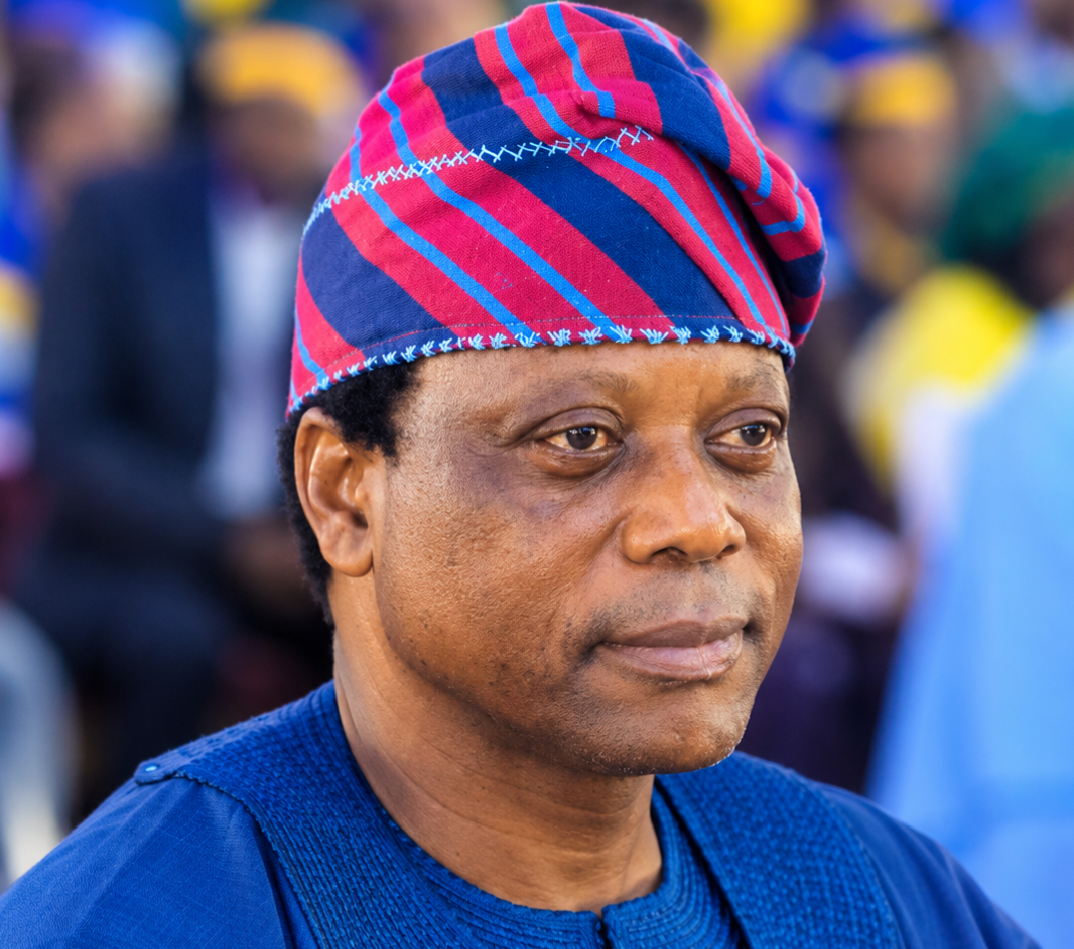
In an era when many politicians are remembered more for promises than for performance, Hon. Engr. Aderemi Oseni stands out as a rare exception — a lawmaker whose impact is visible, measurable, and felt in the daily lives of his people. The latest testament to this people-centred leadership is the ongoing delivery of 20 additional 500KVA transformers for distribution to communities across Oyo South Senatorial District.

This is not just about electricity. It is about powering dreams, businesses, and hope.

Oseni, who currently represents Ibarapa East/Ido Federal Constituency in the House of Representatives and chairs the strategic House Committee on the Federal Roads Maintenance Agency (FERMA), is contesting for the Oyo South Senatorial seat under the All Progressives Congress (APC). His candidacy is already being defined not by noise, but by concrete results.
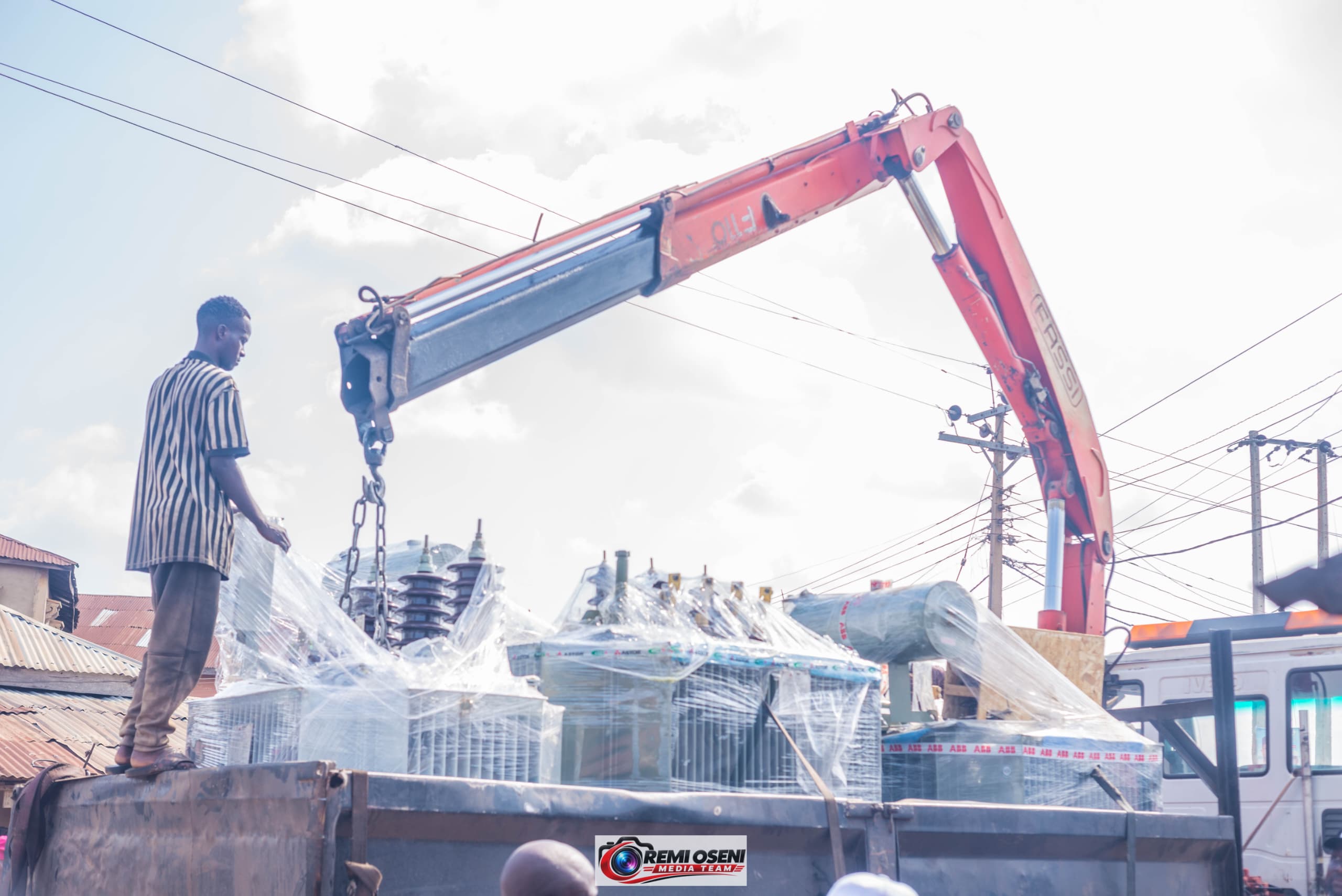
The new consignment of transformers is part of a sustained intervention to address the chronic electricity challenges confronting communities in the district.

For months, residents of Oyo South — traders in Beere, artisans in Ibarapa, welders in Ido, cold-room operators in Ibadan South-West, and students burning the midnight candle in Ibadan North-East — have groaned under the weight of an epileptic power supply. Transformers that have served for over two decades are either overloaded, vandalised, or completely grounded. In many communities, darkness has become a way of life, and with it, economic activities grind to a halt.
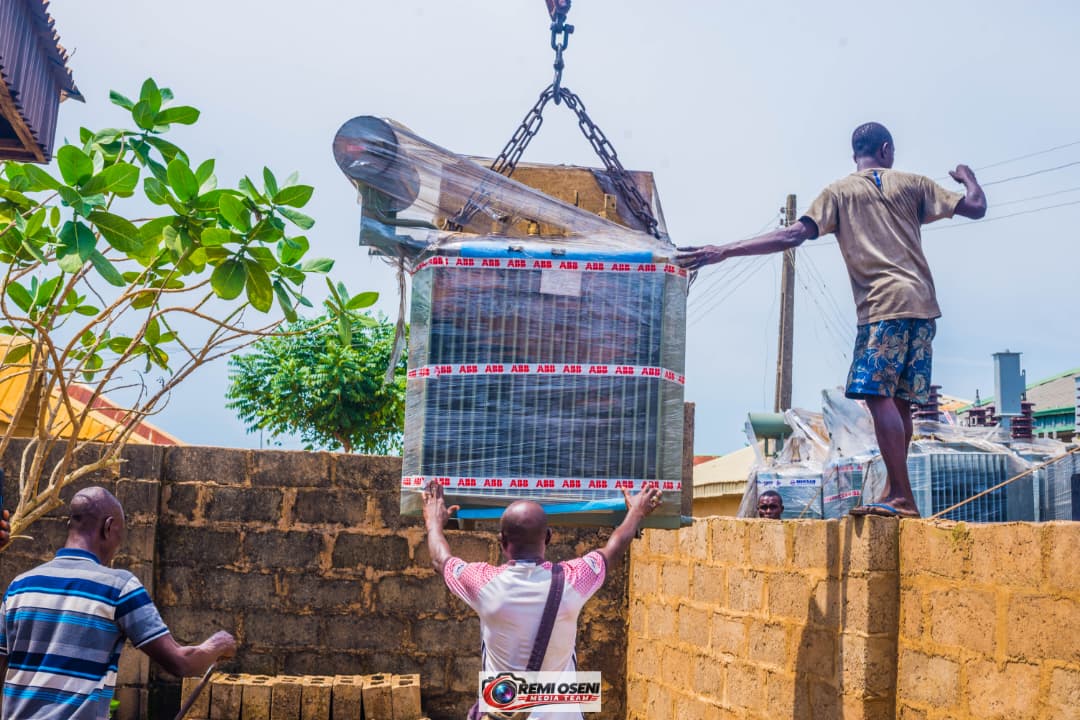
Hon. Oseni understands this pain. As an engineer by training and a grassroots politician by conviction, he knows that electricity is not a luxury; it is the oxygen of economic growth, community development, and improved living standards.

The 20 new 500KVA transformers are, therefore, a strategic economic intervention.
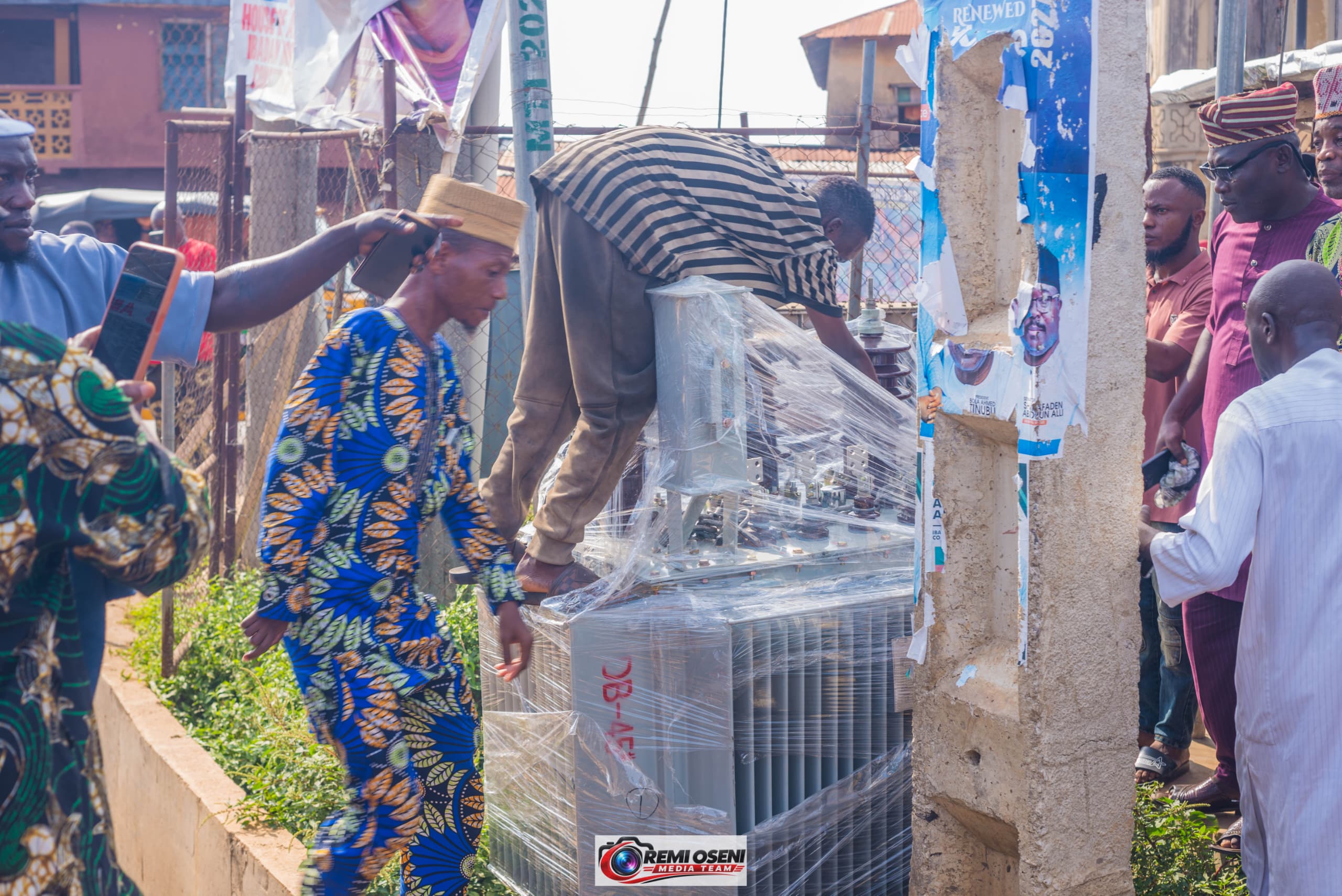
The greatest beneficiaries of this initiative are those in the informal sector — the backbone of Oyo South’s economy. For the woman frying akara in Oja Oba who needs power to grind beans early in the morning, for the barber in Apata who loses customers when there is no light to clip, for the fashion designer in Challenge whose electric sewing machine is idle, and for the young graduate running a computer business centre in Ibarapa — this intervention means everything.
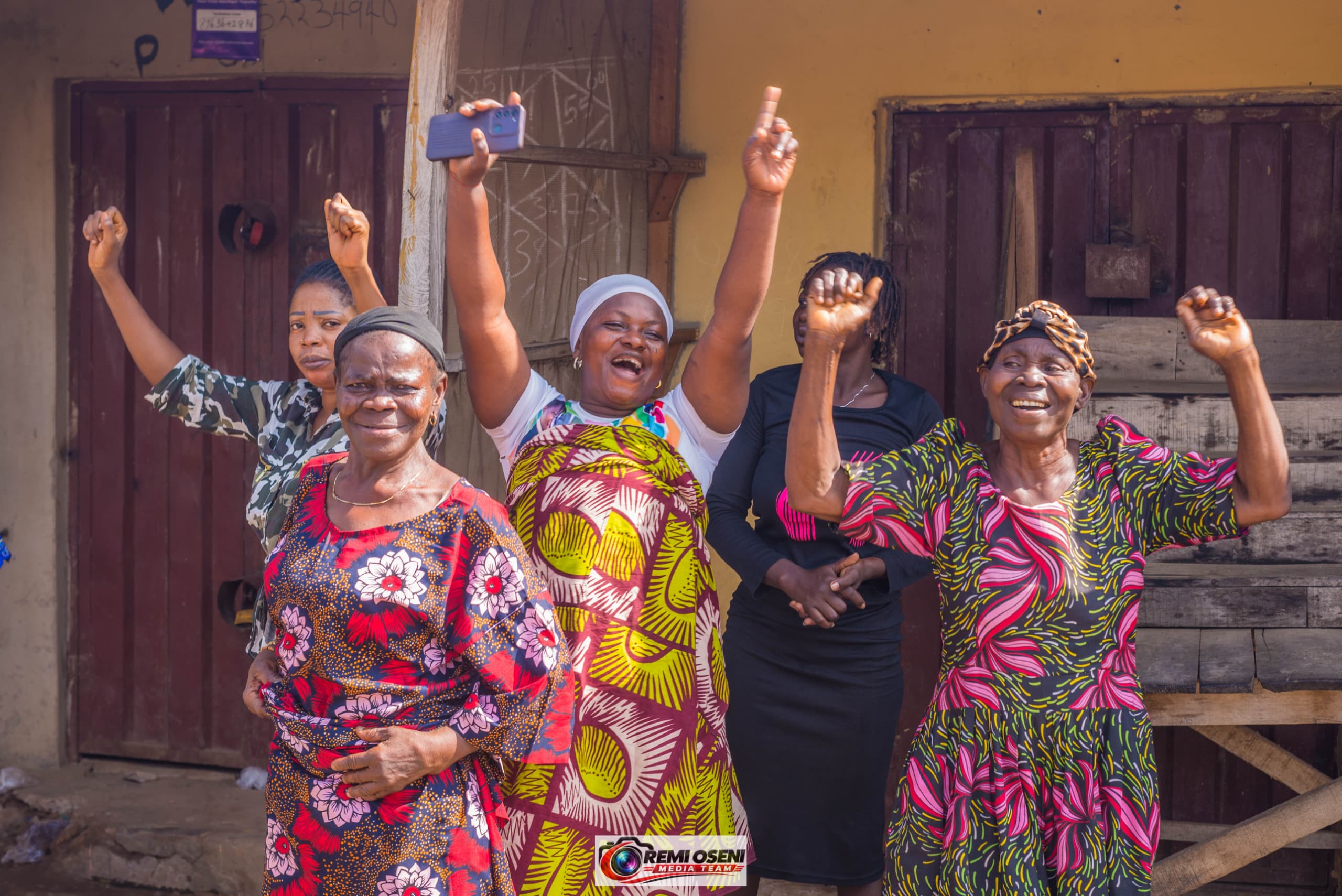
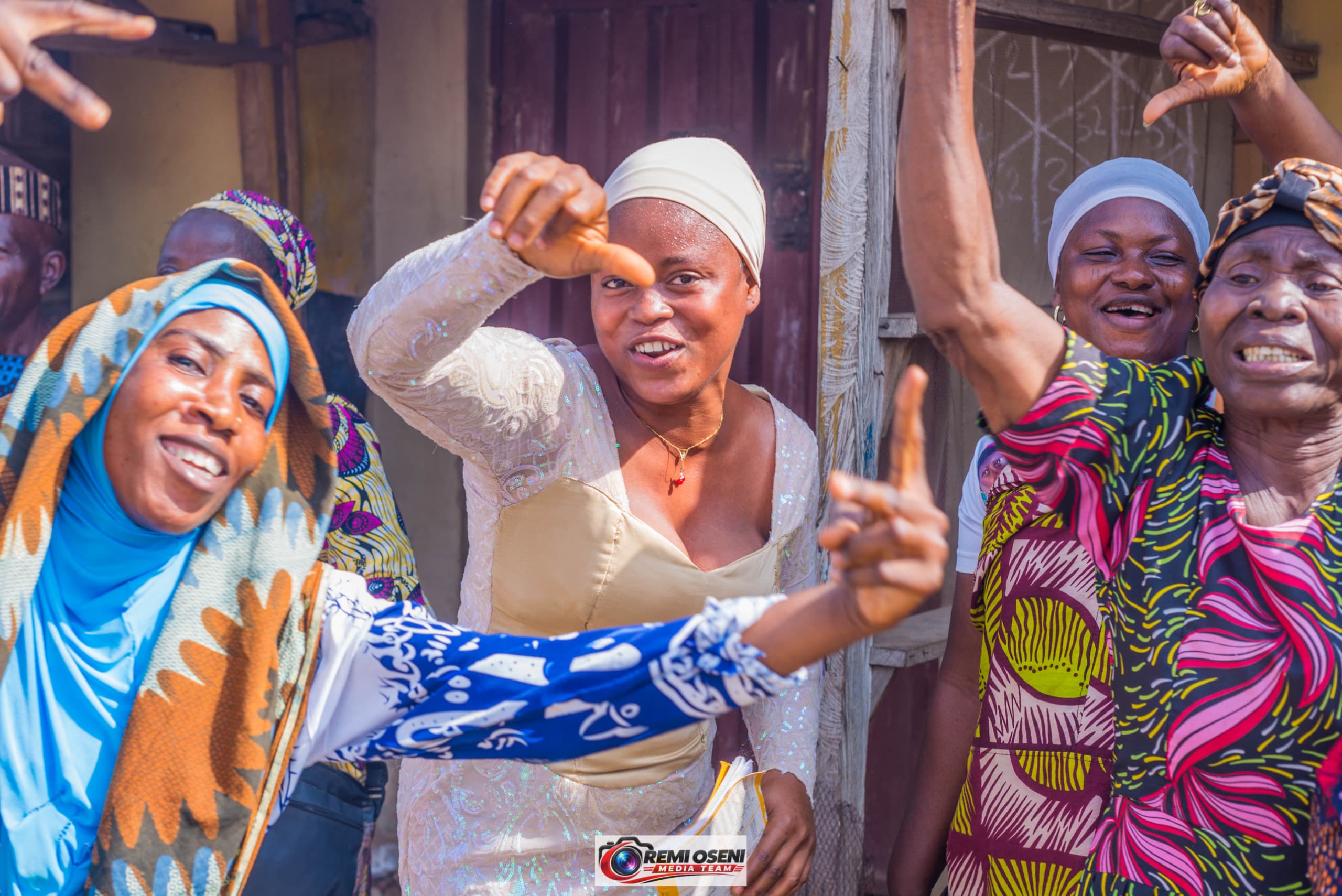
When power returns, productivity returns. When productivity returns, poverty reduces.

It is instructive that one of the beneficiary communities is Ita Baale/Olugbode in Ibadan North-East Local Government — the home community of Governor Seyi Makinde. By extending his intervention even to areas traditionally seen as opposition strongholds, Hon. Oseni has demonstrated that good governance knows no political boundaries. Light has no party colour. Development should have no discrimination.

Many other communities across the nine local governments that make up Oyo South — Ibadan North, Ibadan North-East, Ibadan North-West, Ibadan South-East, Ibadan South-West, Ibarapa East, Ibarapa North, Ibarapa Central, and Ido — are already celebrating while waiting to take delivery of the transformers, with installation already ongoing in phases in some areas.
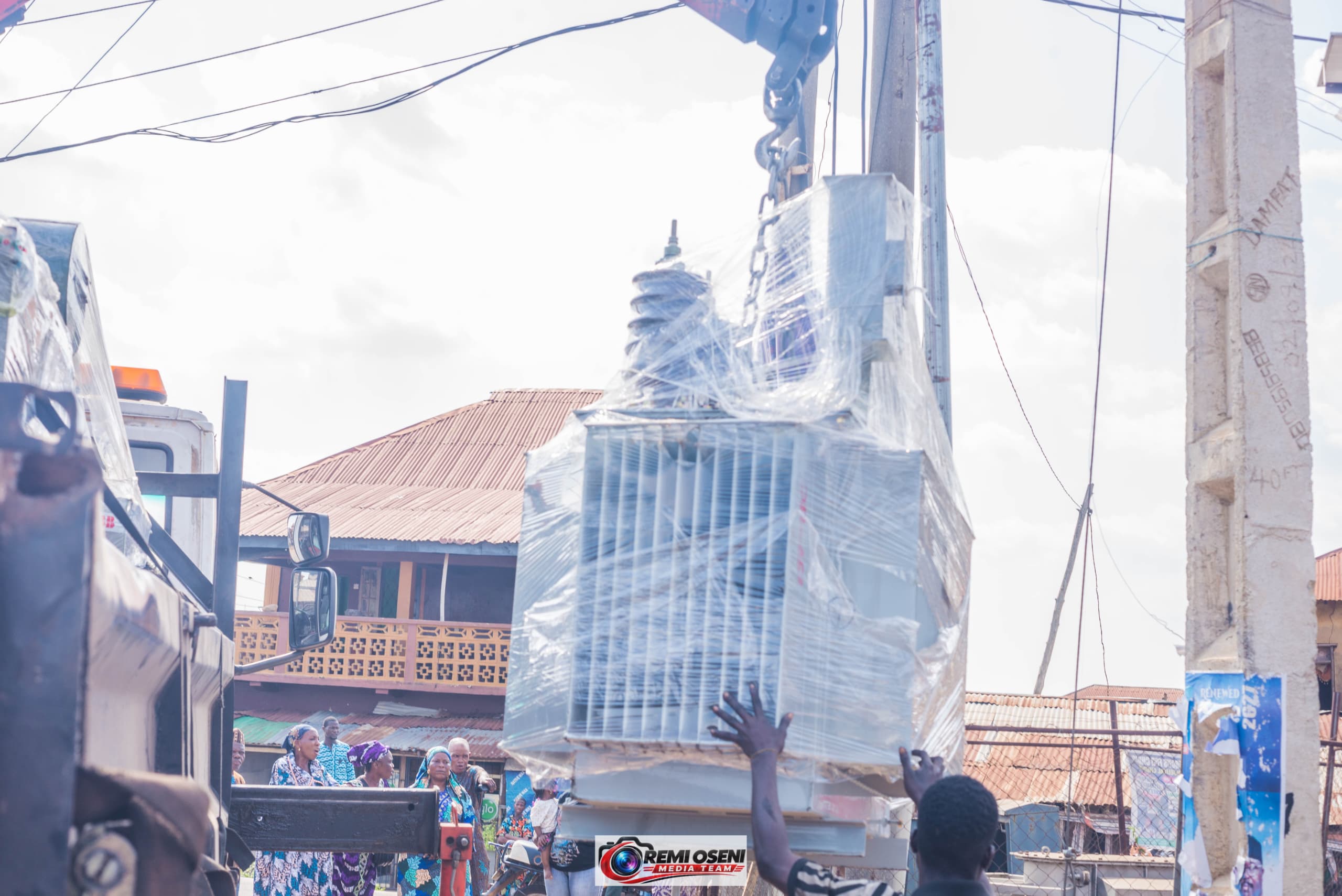
This transformer project is not an isolated act. It fits into a larger pattern of purposeful representation that has defined Hon. Oseni’s tenure in the Green Chamber.

As Chairman of the House Committee on FERMA, he has been pivotal in pushing for the rehabilitation of federal roads that crisscross Oyo South, easing the movement of farm produce from Ibarapa’s agrarian belt to Ibadan markets and reducing man-hours lost in traffic.

In Ibarapa East/Ido Federal Constituency, his current constituency, his footprints are everywhere: boreholes sunk in water-scarce communities, classroom blocks renovated, financial support for market women, scholarships for indigent students, and the facilitation of federal employment opportunities for youths.
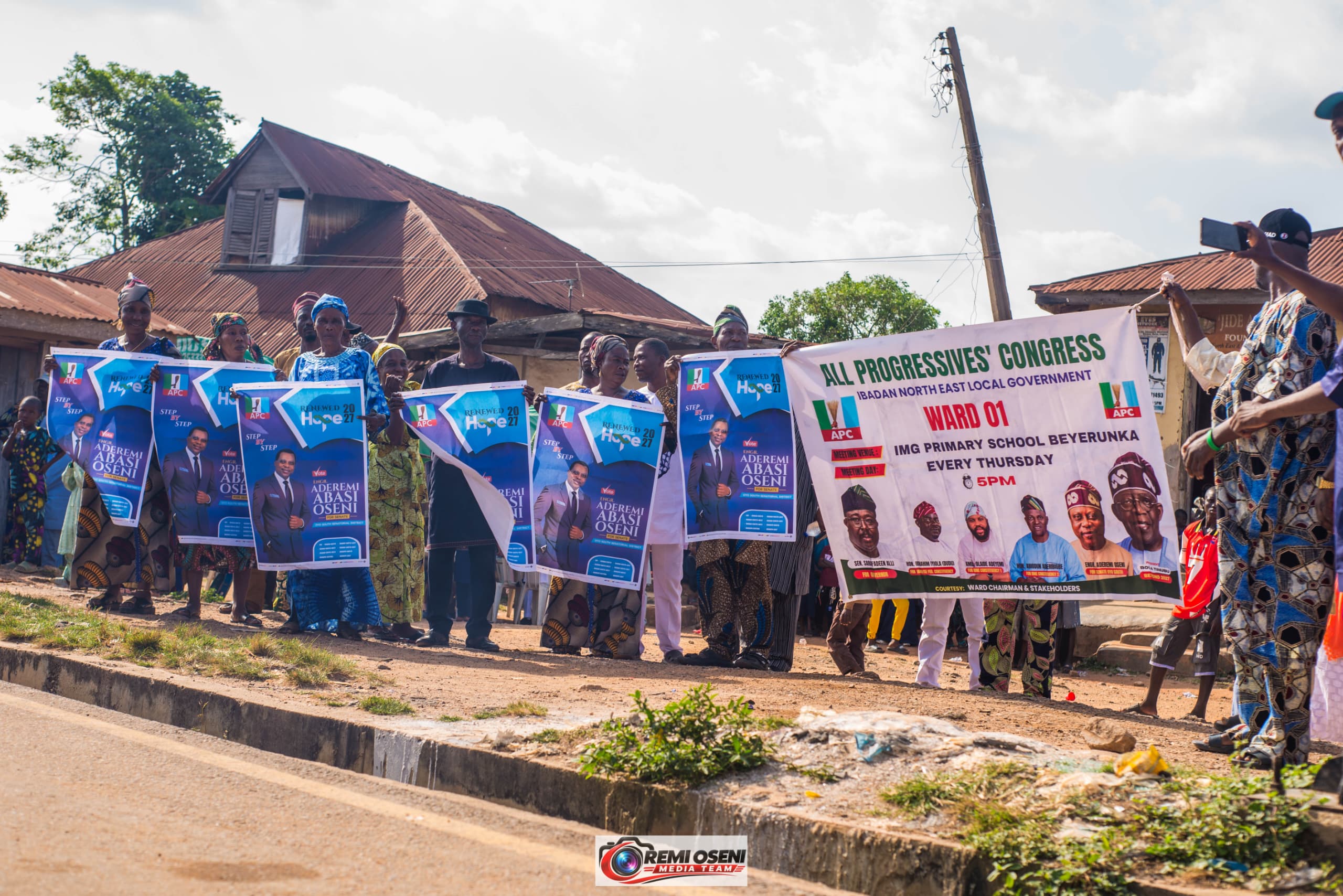
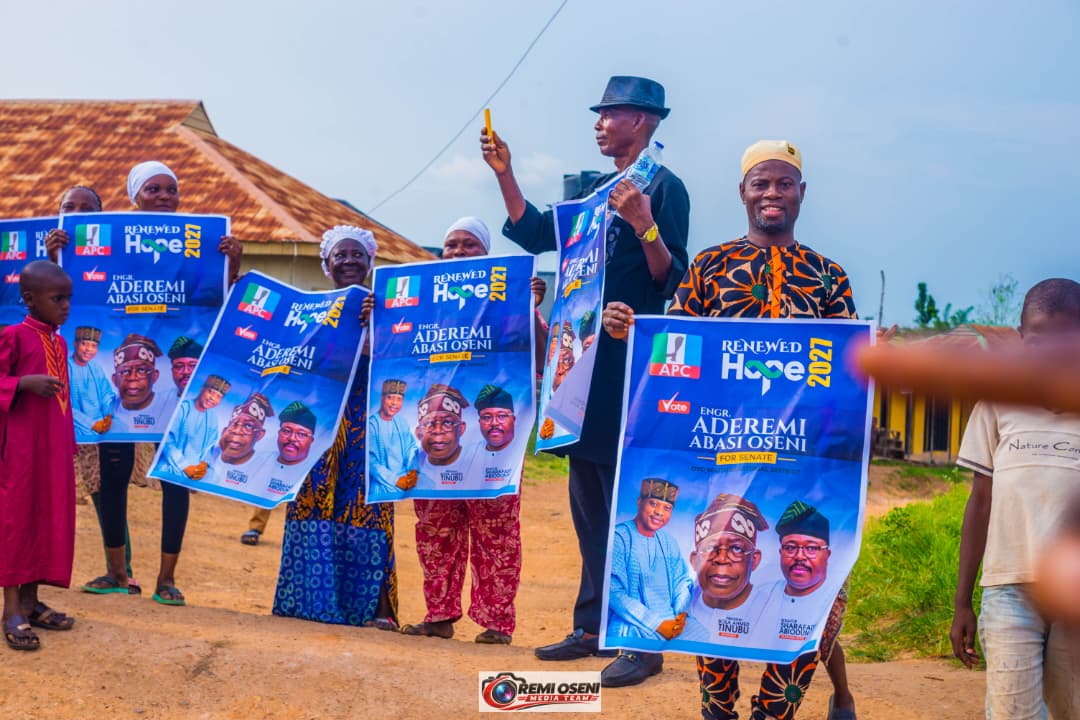
Colleagues in the House of Representatives describe him as “The Star Boy of the National Assembly.” He sits quietly but effectively, a man who prefers to let his work speak. Constituents describe him as accessible — a lawmaker whose phone number still goes through and whose gate remains open.
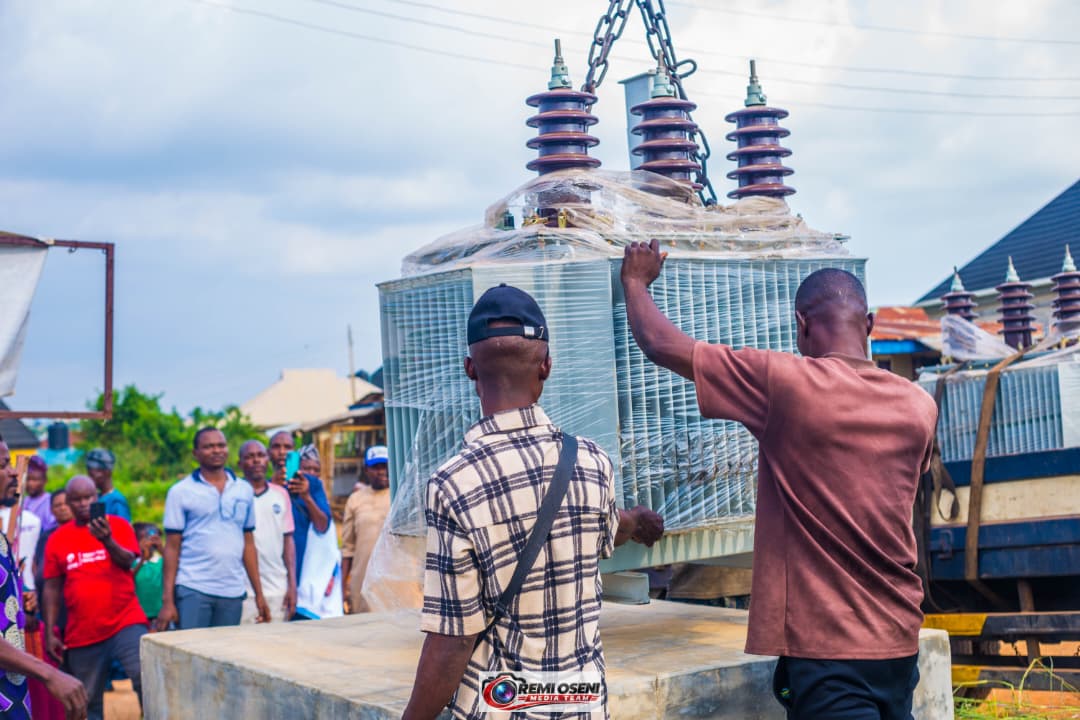
Oyo South is the economic heartbeat of Oyo State. It houses Ibadan, the political capital of the South-West. It needs a Senator who understands both urban renewal and rural development; a Senator who can navigate Abuja’s power corridors to attract federal presence, yet remain rooted in the palaces, markets, and streets of Ibadan and Ibarapa.

Hon. Oseni brings a rare blend: engineering expertise, legislative experience, and grassroots empathy. His years in the House have equipped him with the legislative savvy to sponsor and support bills that will address the peculiar needs of Oyo South — from urban electricity to rural roads, from youth unemployment to agricultural modernisation.

At a time when Nigeria’s energy sector is undergoing reform, Oyo South needs a Senator who will not just complain about darkness, but who has already shown he can deliver transformers, facilitate connections, and engage distribution companies to do more.
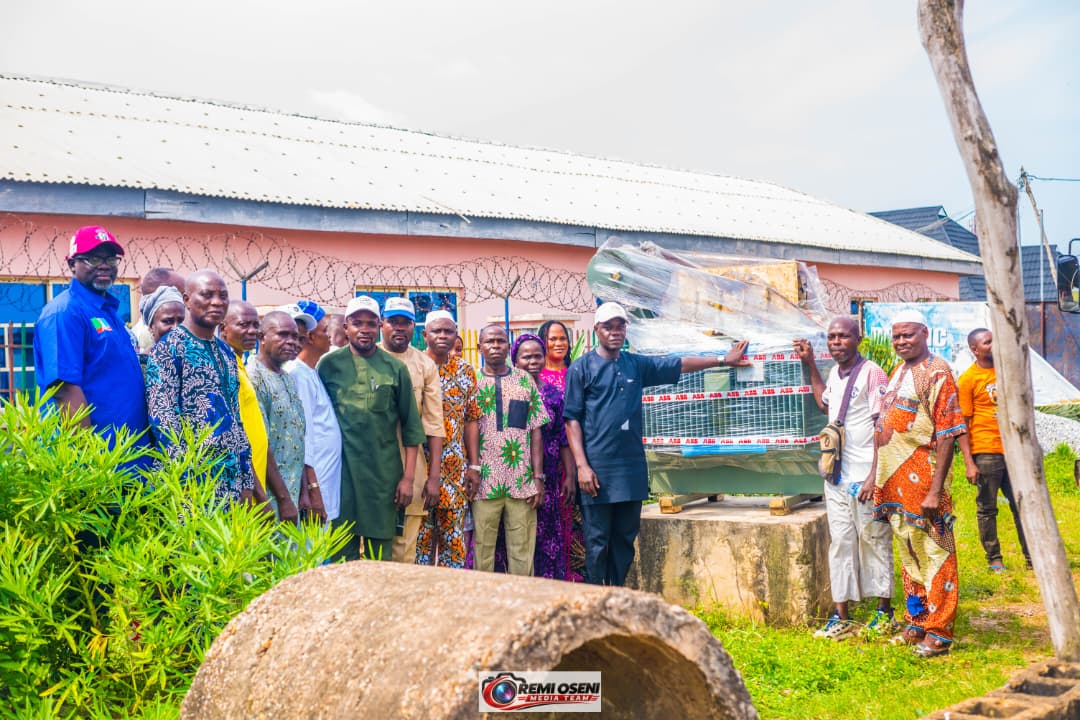
In Nigerian politics, many come with manifestos, but few come with evidence. Hon. Oseni’s campaign for Oyo South Senatorial District is not built on empty slogans; it is built on transformers delivered, roads fixed, boreholes working, and lives touched.

The 20 new transformers are not campaign props. They are installations that will outlive this election cycle. They will power homes long after the ballots are counted. That is the hallmark of genuine service — to do what is needed, not just what is popular.

As the 2027 general elections approach, the people of Oyo South are faced with a clear choice: to continue with politics as usual, or to elevate a proven performer to the Senate to do even more.
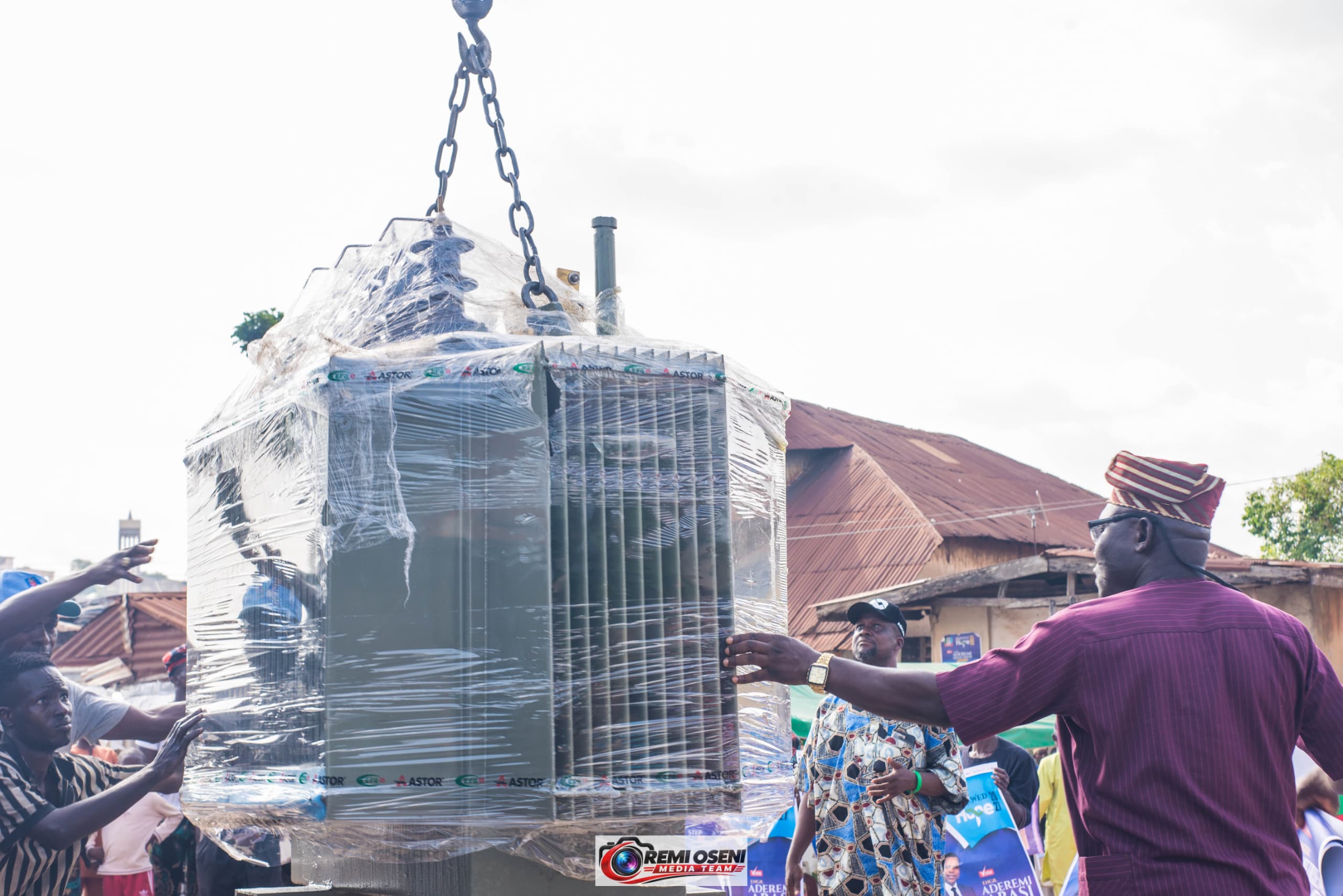
If a House of Representatives member can light up communities with 20 transformers, imagine what he can do with the greater influence of a Senator of the Federal Republic.

Indeed, Hon. Oseni is not just contesting to be Senator; he is contesting to bring more light — literally and figuratively — to Oyo South.


Joseph Okwuofu worked with The Nation newspapers and is the CEO/Publisher of Naija Examiner online newspaper.
Continue Reading

Opinion

Doctors’ Strike and the Price of Human Life | By Olusegun Hassan

Published

on

The popular Yoruba saying, “Ẹni kan l’ọmọ,” meaning that only the person wearing the shoes knows where they pinch, recently took on a deeper meaning for me. Just last week, I experienced its true significance beyond its familiar place as an aphorism.

Popular sayings often remain mere expressions in our consciousness until we find ourselves at the receiving end of the experiences they describe. Similarly, systemic flaws and structural deficiencies in society may seem distant until we become victims of them. News of kidnapping is just another newspaper report until a loved one is abducted and the family is thrown into a desperate search for money to pay a ransom. In the same vein, the news that “doctors are on strike” may appear to be just another headline until someone close to us dies because urgent medical attention was unavailable as a result of the strike.

Nigeria’s story is replete with such unfortunate experiences, which have given rise to another familiar expression: “May Nigeria not happen to you.”

While the media landscape was still reeling from reports of the death of popular gospel singer Toluwanisings, who reportedly died on October 14, 2026, following an alleged lack of urgent medical attention during a doctors’ strike, I also lost a close relative two days later, on October 16, under circumstances involving the same lack of timely medical care.

She was an asthma patient who suffered an attack in the middle of the night. After receiving first aid, she was rushed to the nearest hospital, a teaching hospital, only to be turned away because doctors were on strike and none was available to attend to her. By the time the family reached the nearest private hospital, she had died. Her death left the entire family, myself included, traumatised.

These are only two cases among many similar tragedies that have occurred over the years. They raise a painful question: how many of these deaths could have been prevented if essential medical services had remained accessible?

I cannot help but wonder: what is the value of human life in this country? At what point did the sanctity of human life become secondary to demands for improved welfare by medical unions?

This is not to suggest that the grievances of doctors are illegitimate. Far from it. Medical professionals deserve fair remuneration, adequate facilities, safe working conditions and an environment that enables them to perform their duties effectively. The question, however, is whether the pursuit of these legitimate demands should come at such a devastating cost to human life, particularly when the fundamental purpose of the medical profession is to preserve life through the provision of appropriate healthcare.

It is a troubling paradox.

Doctors undoubtedly have the right to demand fair treatment and safe working conditions. However, that right must be exercised in a manner that protects patients from abandonment and avoidable harm. When patients die because essential medical services have been withdrawn without adequate safeguards, the ethical justification for the action becomes a serious matter for scrutiny.

The World Medical Association (WMA), an international body that promotes widely recognised ethical standards for physicians, upholds principles that include respect for human life and the dignity of patients. These principles underscore the responsibility of doctors to protect the health and well-being of those under their care, provide competent and timely treatment, prevent avoidable harm and act in their patients’ best interests.

These are not merely ideals about compassion. They are professional obligations that must continue to guide medical decisions, including during industrial disputes.

In Nigeria, the Medical and Dental Council of Nigeria (MDCN) addressed this issue in January 2024, reportedly directing the heads of teaching hospitals, federal medical centres and specialised hospitals to ensure that industrial action did not result in the abandonment or premature discharge of patients.

Among the safeguards outlined were the following:

  • Accident and emergency departments must remain open and adequately staffed.
  • Emergency paediatric services, labour wards, neonatal units and intensive care units must continue to provide emergency and critical care.
  • Patients already admitted to hospital must not be discharged merely because a strike has commenced.
  • Patients with scheduled appointments before the strike must be attended to in accordance with the applicable directives.

These safeguards reinforce an important principle: the right to pursue employment-related demands does not extinguish a doctor’s professional obligation to protect patients from preventable harm.

Where emergency patients are turned away, critically ill patients are abandoned, or essential services are shut down without adequate arrangements for emergency care, the circumstances warrant investigation. Where evidence establishes a breach of professional obligations or applicable regulations, appropriate disciplinary or legal action should follow.

Similarly, when a patient dies after being denied emergency treatment during an industrial action, the circumstances surrounding the death deserve a thorough and impartial investigation. Where negligence, professional misconduct or a breach of applicable directives is established, appropriate sanctions should be imposed in accordance with the law and relevant professional regulations.

The point is simple: no legitimate grievance should justify abandoning a patient whose life is in immediate danger.

At this juncture, it is equally important to acknowledge the government’s share of the blame. While this article emphasises the ethical obligation of doctors to preserve human life, the government must also recognise that poor remuneration, unpaid allowances, inadequate medical facilities, excessive workloads and unsafe working conditions undermine doctors’ morale and their ability to provide quality healthcare.

The consequences are increasingly evident in Nigeria’s continuing loss of medical professionals to other countries.

In 2025, the Coordinating Minister of Health and Social Welfare, Professor Muhammad Ali Pate, reportedly disclosed that more than 16,000 Nigerian doctors had emigrated over the preceding five to seven years, largely in search of better opportunities abroad. Furthermore, a 2025 report on Nigeria’s health statistics reportedly indicated that 4,193 doctors and dentists left the country in 2024 alone.

These departures deepen staffing shortages, increase the pressure on the doctors who remain and expose patients to longer waiting times and potentially avoidable deaths.

The government must therefore move beyond repeated negotiations and implement sustainable reforms. These should include the prompt payment of salaries and allowances, improved working conditions, adequate funding for public hospitals, transparent career progression and the effective implementation of agreements reached with medical unions.

The Federal Ministry of Health and relevant hospital authorities must also strengthen monitoring and oversight during industrial disputes to ensure that emergency and critical care services remain available in public hospitals. Patients in life-threatening conditions must not be turned away simply because doctors are on strike.

Ultimately, responsibility for Nigeria’s healthcare crisis cannot be placed entirely on one side. Doctors must uphold their professional and ethical obligations, while the government must fulfil its responsibility to create conditions in which those obligations can be discharged effectively.

Medicine is not an ordinary occupation. It carries a profound moral responsibility because, in certain circumstances, the timely intervention of a medical professional can make the difference between life and death. No employment grievance should be used to justify abandoning a patient whose life is in immediate danger.

The sanctity of human life demands responsibility from the doctors entrusted with treating patients and from the government authorities responsible for ensuring that appropriate treatment remains available.

A functional healthcare system depends on cooperation between these two critical stakeholders. When they fail to find common ground, it is the ordinary citizen who suffers the consequences. As the familiar saying goes, when two elephants fight, the grass suffers.

And trust me, I know what that suffering feels like. I have just experienced it.

Olusegun Hassan, Ph.D.
Public Policy Analyst and Social Commentator

Continue Reading

Trending