Connect with us

Opinion

State Police, Local Government Autonomy: Answers to Nigeria’s Lingering Questions | By Titilope Gbadamosi

Published

on

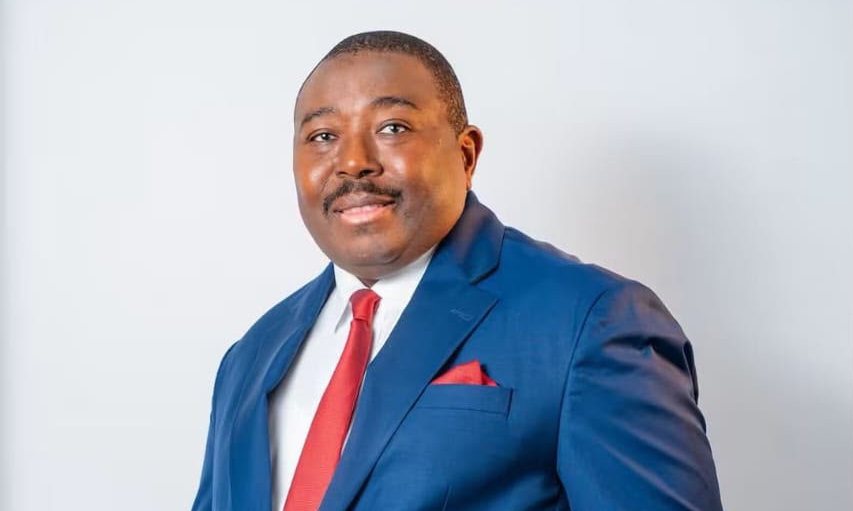
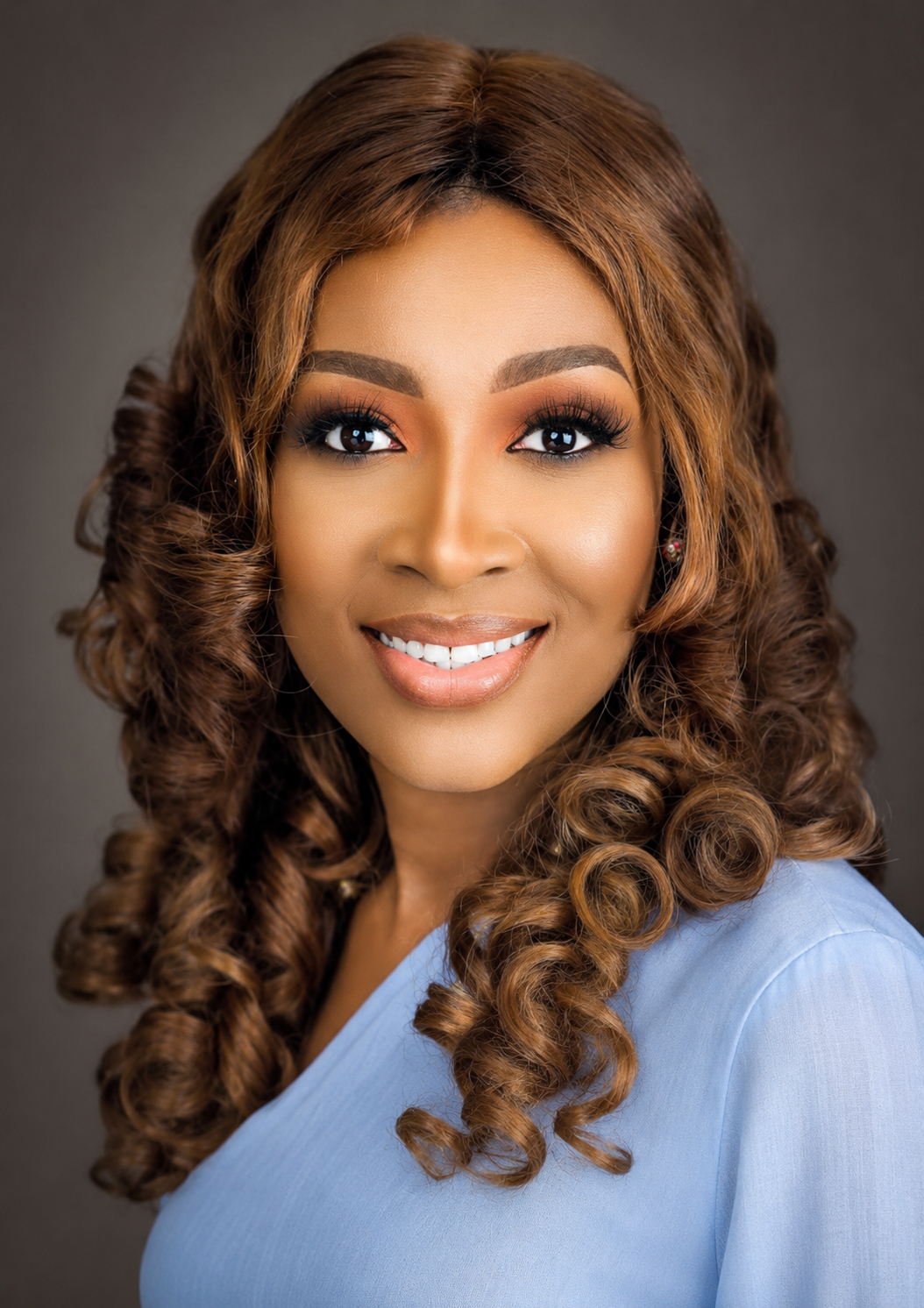
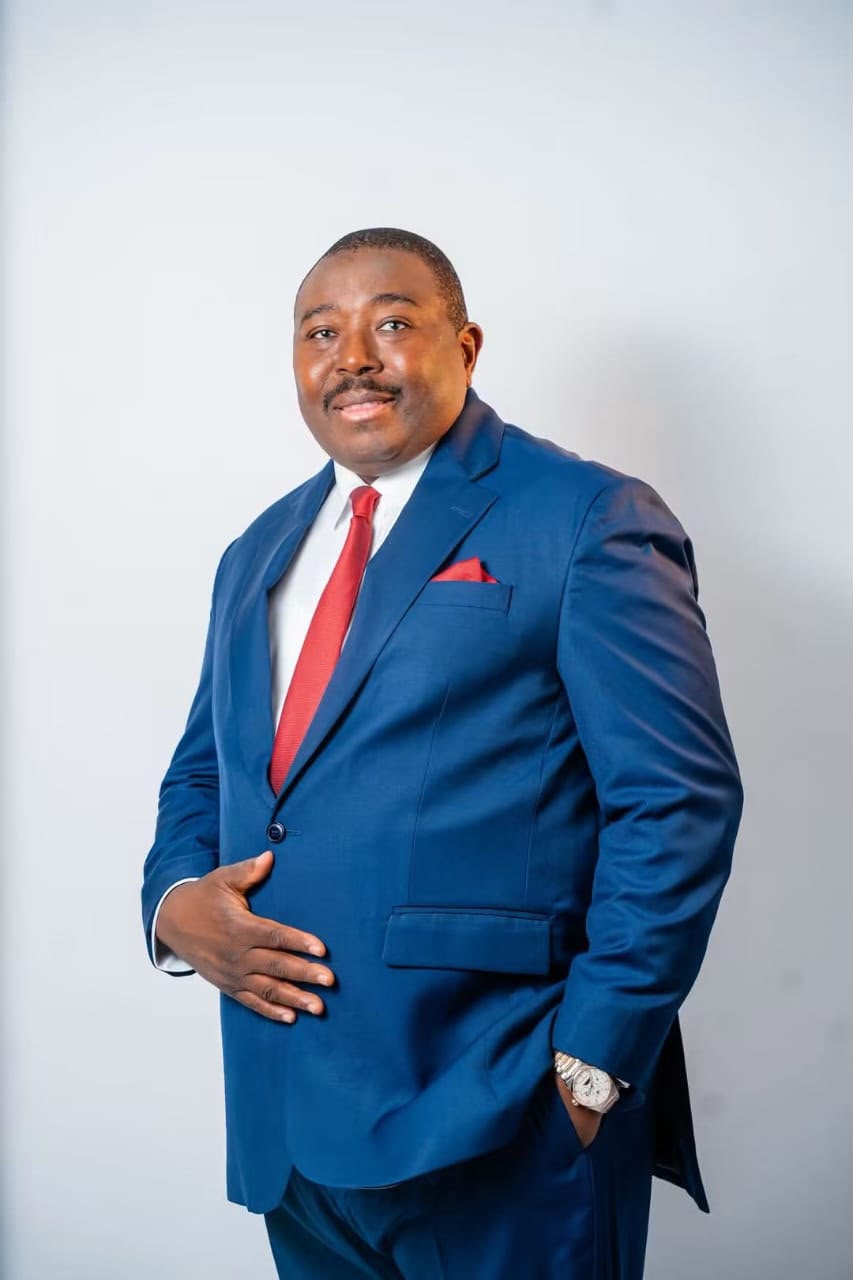
File photo of Dr. Titilope Gbadamosi, the Special Assistant on Youth Initiatives (Monitoring and Delivery) to President Bola Ahmed Tinubu.

Almost every democratically elected administration in Nigeria has had to grapple with pockets of insecurity in one form or another. Nigerians have watched uprisings metamorphose into banditry and terrorism, as though every administration had its own uniquely tailored brand of insecurity, defined by the modus operandi of these vicious elements.

The faces change, the methods change, but the burden on whoever occupies the highest office in the land has remained heavy and constant.

Just two administrations ago, during President Goodluck Jonathan’s tenure, we witnessed the horror of the abduction of the Chibok girls and explosives going off in public spaces in Abuja, the nation’s capital. Every well meaning Nigerian was worried, and nowhere felt truly safe. The President’s seat was not the most desirable at the time, and it was clearly a difficult job.

President Muhammadu Buhari’s administration had its own share, mostly in the form of clashes between farmers and herders, driven by grazing routes lost to farming, droughts pushing herders toward greener pastures, and old accommodations between communities slowly breaking down.

I recall quite vividly, while serving as Special Assistant to the former Governor of Oyo State, the late Senator Abiola Ajimobi, joining the head of our team in several peace talks with farmers, traditional rulers, and the Hausa and Fulani community in the state. One lesson from those rooms has stayed with me ever since. The people who understood the grievances, the terrain, and the actors were all local, yet the command of security sat far away in Abuja. That gap is the question every administration has struggled to answer.

Today, President Bola Ahmed Tinubu is in charge, and Nigerians who are students of history watched to see what shape insecurity would take and, more importantly, what this President would do differently. In recent development, the country received an answer that previous decades only debated.

On June 11, following the President’s formal request to the National Assembly to restructure our security architecture, the House of Representatives passed the constitutional amendment to establish state police, with 289 members voting in support and barely a voice against, while the Senate works to complete passage before year end. Today June 12th,2026, in his Democracy Day address, the President spoke plainly: the insecurity we face is partly the product of collapsed grassroots governance, and his administration remains committed to financial autonomy for our 774 local government councils. There it is, a two pronged solution: state police and true local government autonomy.

The first prong closes the gap I saw in those Oyo State peace talks. The amendment to Section 214 of the Constitution creates a dual policing structure under which each state may establish its own force. Security decisions will now be taken by those who know the terrain, the actors, and the grievances at first hand.

To his credit, the President did not merely champion the idea; he asked the National Assembly to institute controls to prevent abuses, the mark of a leader interested in a reform that endures rather than one that backfires. All of this rides on the largest security investment in our history, a 5.41 trillion naira commitment in the 2026 budget and over 50,000 new police officers approved for recruitment.

The second prong puts resources where the new responsibility will live. Since the Supreme Court ruled in July 2024 that federation allocations belonging to local governments must reach them directly, monthly allocations to the 774 councils have grown from roughly 387 billion naira in March 2025 to nearly 530 billion naira by September 2025. The money has never been the problem; control of it was. By pressing autonomy to its conclusion, this administration is returning both funds and accountability to the communities where insecurity actually begins, so that the grassroots governance whose collapse the President identified can finally be rebuilt.

So who wins in all of these? Nigerians win, because security decisions and development funds will finally live where the people live. Governors win the powers they have long demanded, and with them the responsibility they can no longer pass to Abuja. And the country wins a President willing to attempt what others only discussed. The President reminded us on Democracy Day that Nigerians bend and bleed but do not break. With these two reforms, we may finally stop having to prove it so often.


Dr. Titilope Gbadamosi  is the Special Assistant on Youth Initiatives (Monitoring and Delivery) to President Bola Ahmed Tinubu.

Comments

Opinion

Bayo Adelabu and the Art of Treachery: When the Boy Who Was Fed Bites the Finger

Published

on

Politics — that masquerade that never dances the same step twice.

Who would have thought it?

Who, after the political bruising of 2023, after the detour to Accord and the eventual return to the political fold, culminating in a ministerial appointment under President Bola Ahmed Tinubu, would have imagined that Bayo Adelabu would one day find himself politically associated with a movement backing Seyi Makinde and the Allied Peoples Movement (APM)?

Yet here we are.

Recent developments surrounding the Boye Nation movement have raised questions in Oyo’s political circles. Ajiboye Akande Sangogade, popularly known as Boye Nation and identified in reports as an aide to Adelabu, is leading a movement that is expected to formally declare for the APM at a youth-focused event scheduled for September 21, 2026, at the Lekan Salami Stadium, Adamasingba, Ibadan. Organisers say Governor Seyi Makinde is expected to attend.

That development naturally raises a political question: where exactly does Adelabu stand?

The question becomes even more compelling against the background of the 2027 Oyo governorship contest.

Adelabu had sought the APC governorship ticket, but Senator Sharafadeen Alli eventually emerged as the party’s candidate. The APC formally unveiled Alli and his running mate, Adesoji Adedeji, in July. Adelabu, however, had previously rejected the claim that Alli’s emergence represented a consensus arrangement and maintained that President Tinubu had backed his own ambition.

Now, with one of his prominent political associates leading a movement into the camp of another party, the political temperature has understandably risen.

The question being whispered across Ibadan is simple: is this merely the independent political decision of an aide and his supporters, or does it reflect a larger political strategy?

That question deserves an answer.

Because in politics, proximity is rarely meaningless.

If an associate who has operated closely within a politician’s political structure suddenly becomes a leading face of another political platform, observers will naturally ask whether the principal is aware, supportive, opposed or simply indifferent.

But there is an important distinction.

Association is not proof of instruction.

The fact that Boye Nation is associated with Adelabu does not, by itself, establish that Adelabu authorised the movement, financed it or personally endorsed APM’s presidential project. Those are matters that require evidence or a direct statement from the former minister.

And that is precisely where the real political conversation should begin.

Adelabu’s political history has never been short of twists. From his 2019 governorship bid to the 2023 political realignment and his appointment as Minister of Power, his journey has demonstrated the fluid nature of Oyo politics.

Today, however, the political arithmetic appears to be changing again.

The same APC that accommodated him after his 2023 political excursion now has another candidate carrying its governorship flag. Meanwhile, people identified with Adelabu’s political structure are appearing at an APM event expected to have Makinde at its centre.

For APC loyalists, that development may understandably raise questions about loyalty and party discipline.

For Adelabu, it presents an opportunity to clarify his position.

Is he still fully committed to the APC?

Does he support the activities of Boye Nation?

Does he have any connection with the planned APM mobilisation?

Or is Ajiboye Sangogade acting entirely on his own political conviction?

These are not unreasonable questions.

Indeed, they are questions that political actors should answer openly rather than leave the public to fill the gaps with speculation.

One thing, however, is certain: politics in Oyo is entering another season of realignment.

The September 21 gathering at Adamasingba may therefore be more than a concert. Organisers have described it as a youth mobilisation platform and a formal declaration of Boye Nation for the APM. Reports also indicate that the event is expected to receive members of the movement into the party.

That makes it politically significant.

Whether it represents a personal decision by Sangogade, a broader movement by Adelabu’s associates or something more strategic remains to be seen.

But one lesson from politics remains timeless:

When political friendships are tested, silence often creates more questions than answers.

And as the 2027 political season gathers momentum, Oyo’s political actors may soon discover that yesterday’s alliances can become tomorrow’s fault lines.

The masquerade has changed its dance.

Everybody is watching the drummer.

Continue Reading

Opinion

Seven Factors That Keep Sharafadeen Alli Ahead in 2027 Oyo Governorship Race

Published

on

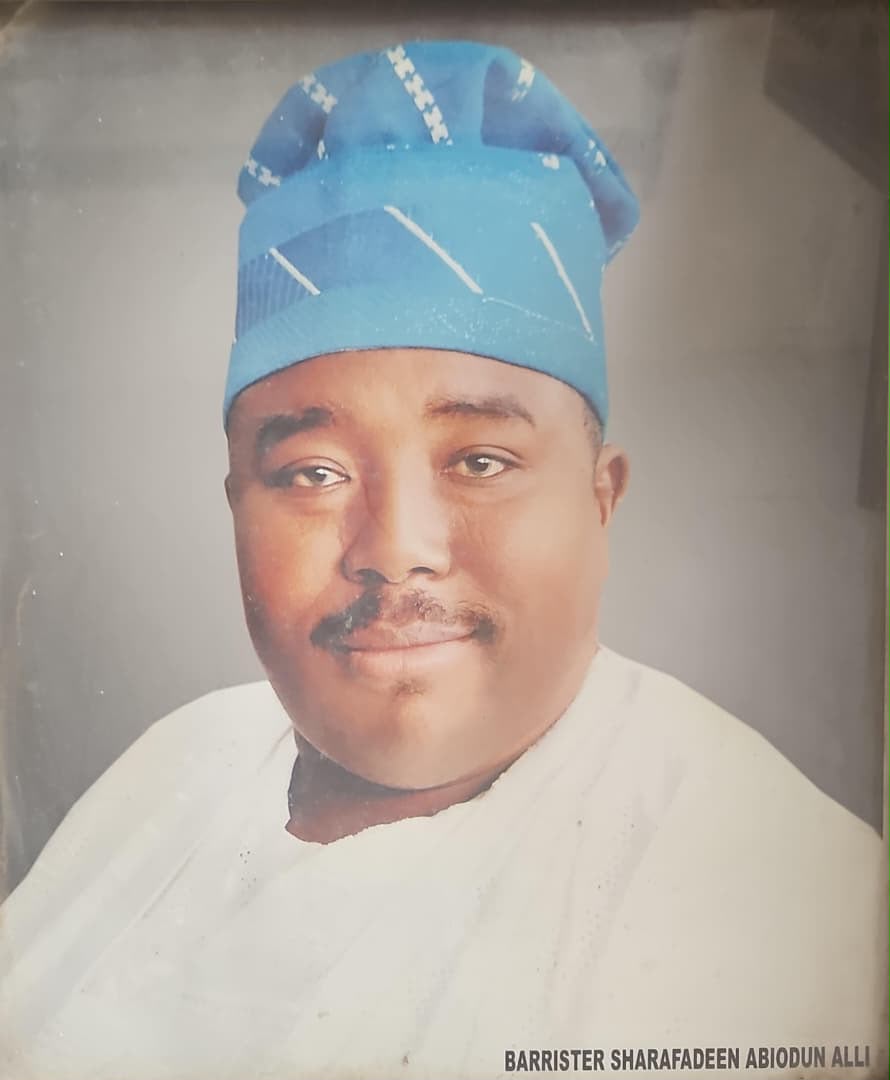
File photo of Sen. Sarafadeen Alli


Fact 1: Homegrown Leader with Unmatched Grassroots Experience

Senator Alli’s political journey began at the grassroots level in Ibadan, where he made history in 1991 as the first democratically elected Executive Chairman of Ibadan North Local Government. This early leadership role demonstrates a deep, foundational understanding of local governance and the needs of the people, a critical asset for a state governor.
Fact 2: Rare Combination of Top-Tier Academic and Professional Credentials

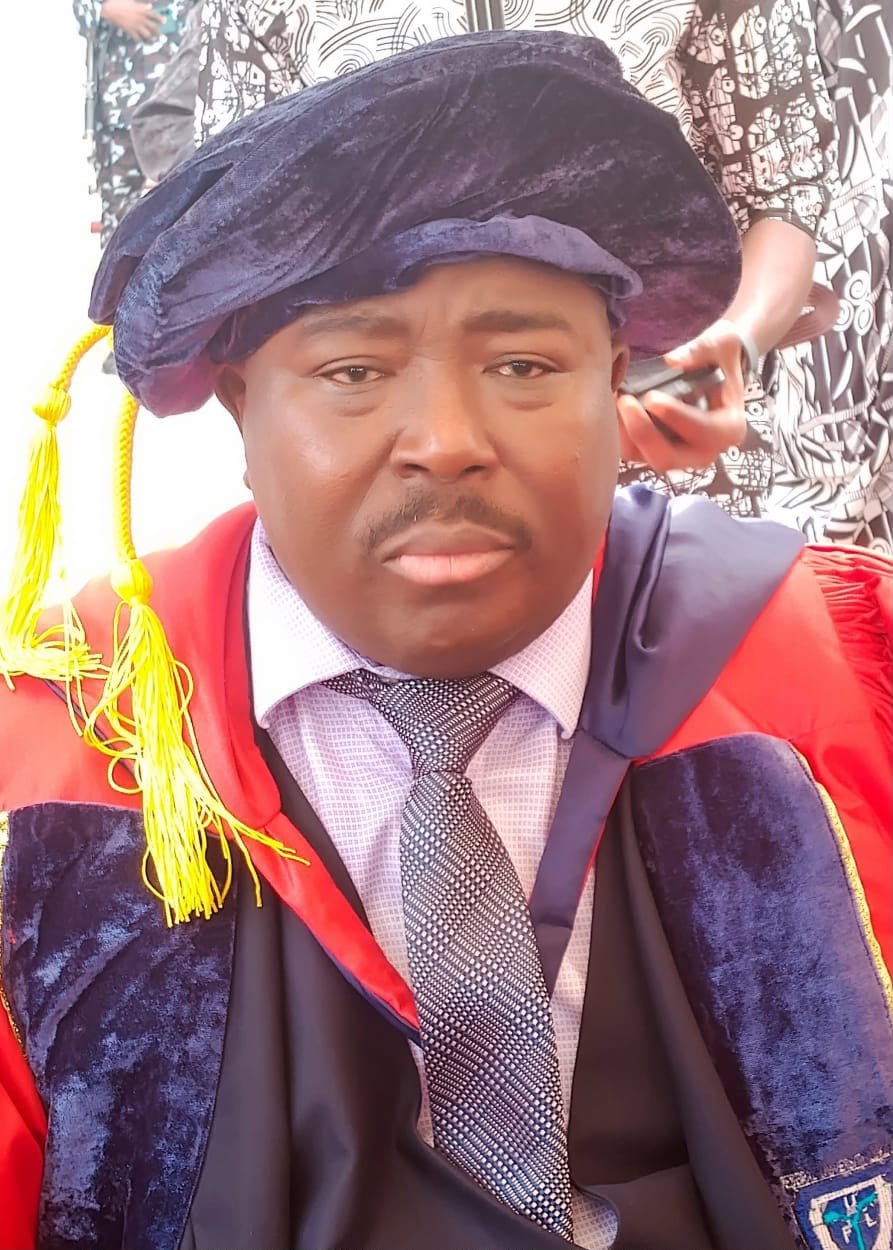
Senator Alli is not just a politician but also a distinguished legal practitioner with a Ph.D. in Legislative and Strategic Studies. His extensive education, including degrees from the University of Ibadan, combined with his fellowships from prestigious professional institutes, provides him with the analytical, legal and strategic acumen required to manage the complex affairs of Oyo State.
Fact 3: Proven Executive Administrative Competence at the Highest State Level

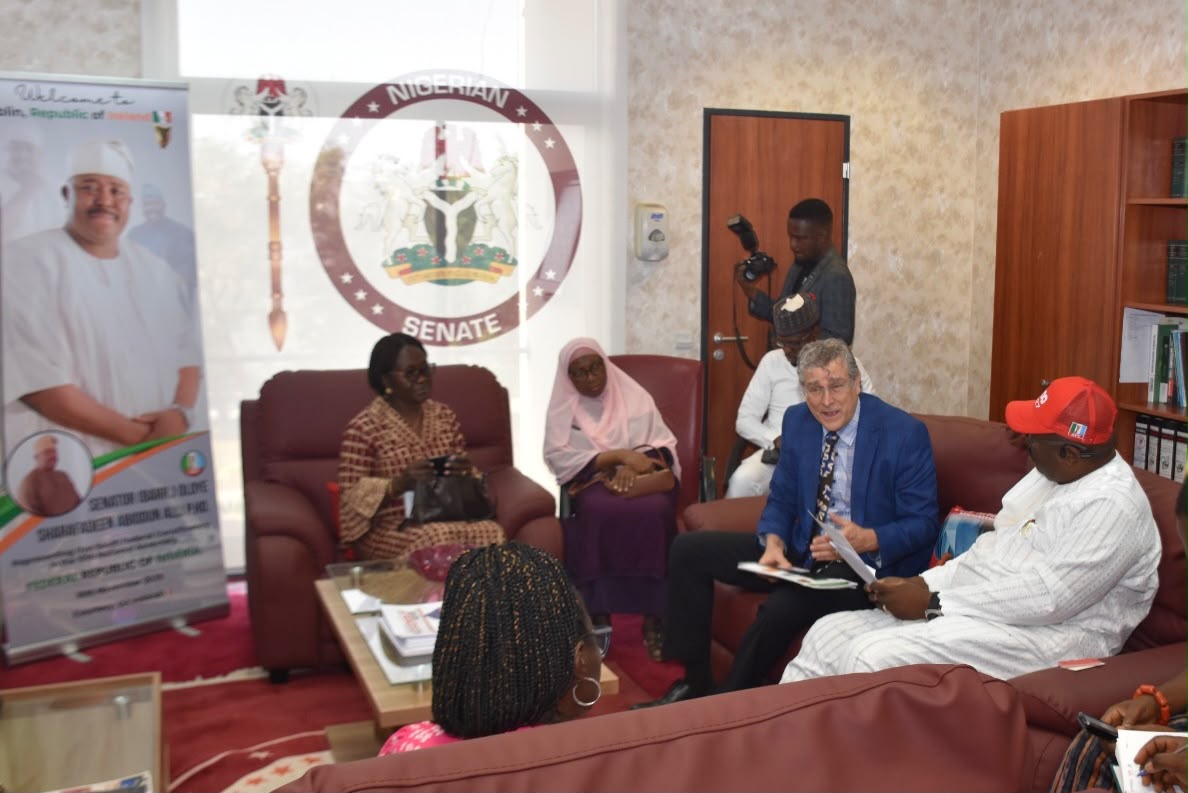
His tenures as Secretary to the Oyo State Government (SSG) and later as Chief of Staff (CoS) to the Governor showcase his direct experience in the engine room of state administration.
 

He has been intimately involved in policy formulation, committee leadership and the day-to-day running of the state, making him uniquely prepared to assume the governorship and hit the ground running from day one.

Fact 4: Demonstrated Executive Business Leadership with Regional Impact

As Chairman, Board of Directors of Odu’a Investment Company Limited, Senator Alli was not just an administrator but a visionary economic leader. He spearheaded landmark investments such as the Cocoa Mall and Heritage Mall in Ibadan, which transformed the economic landscape of Oyo State. This proven ability to attract and drive large-scale economic development is directly transferable to governing Oyo State.
Fact 5: Battle-Tested and Consistent Political Figure

Senator Alli’s political career spans more than three decades, weathering the annulment of his 1996 Senate election and consistently remaining a relevant and influential force. He has contested for Deputy Governor and Governor in the past, giving him a comprehensive understanding of statewide campaigns and the diverse political landscape of Oyo State. His journey demonstrates resilience, deep political networks and unwavering commitment.

Fact 6: Current, Performing Senator and Influential Figure

As the sitting Senator for Oyo South, he is actively delivering quality representation, impactful constituency projects and people-oriented legislation. He has sponsored five Bills and raised six Motions to promote development. Senator Alli has also facilitated employment for 100 constituents across Federal Government agencies.
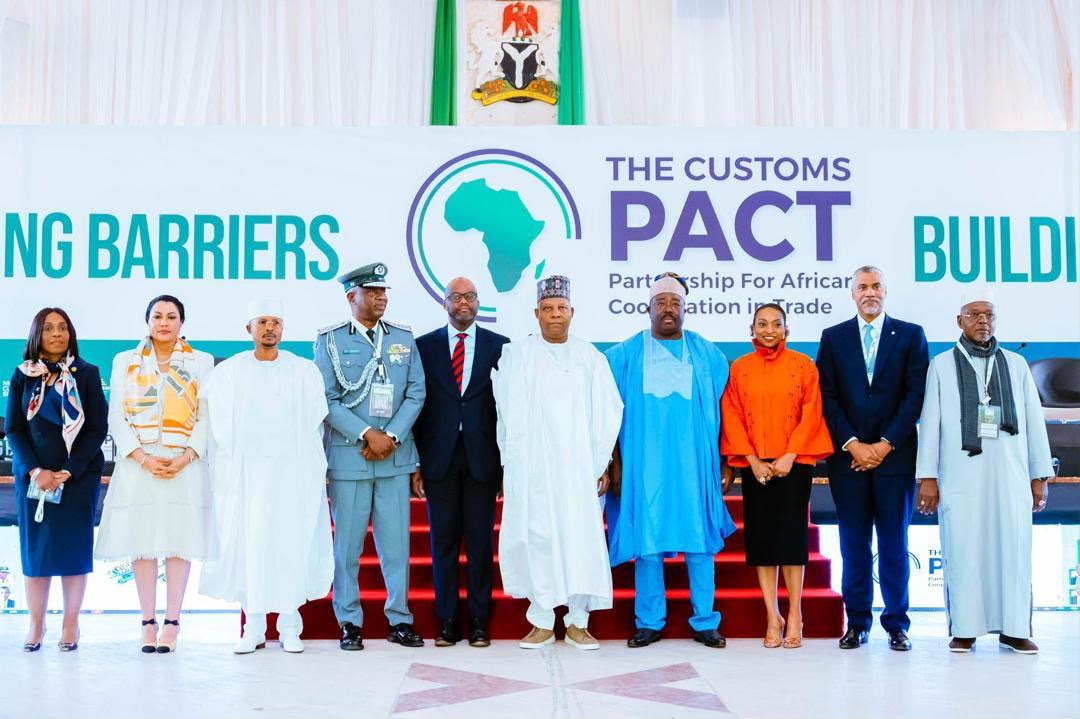
His role as Chairman of the Senate Committee on Agricultural Colleges and Research Institutions, as well as his membership in the ECOWAS Parliament, demonstrate that he is not only focused on local issues but is also equipped with a broader perspective on governance, trade and regional integration.

Fact 7: Unifying and Respected Traditional Title Holder

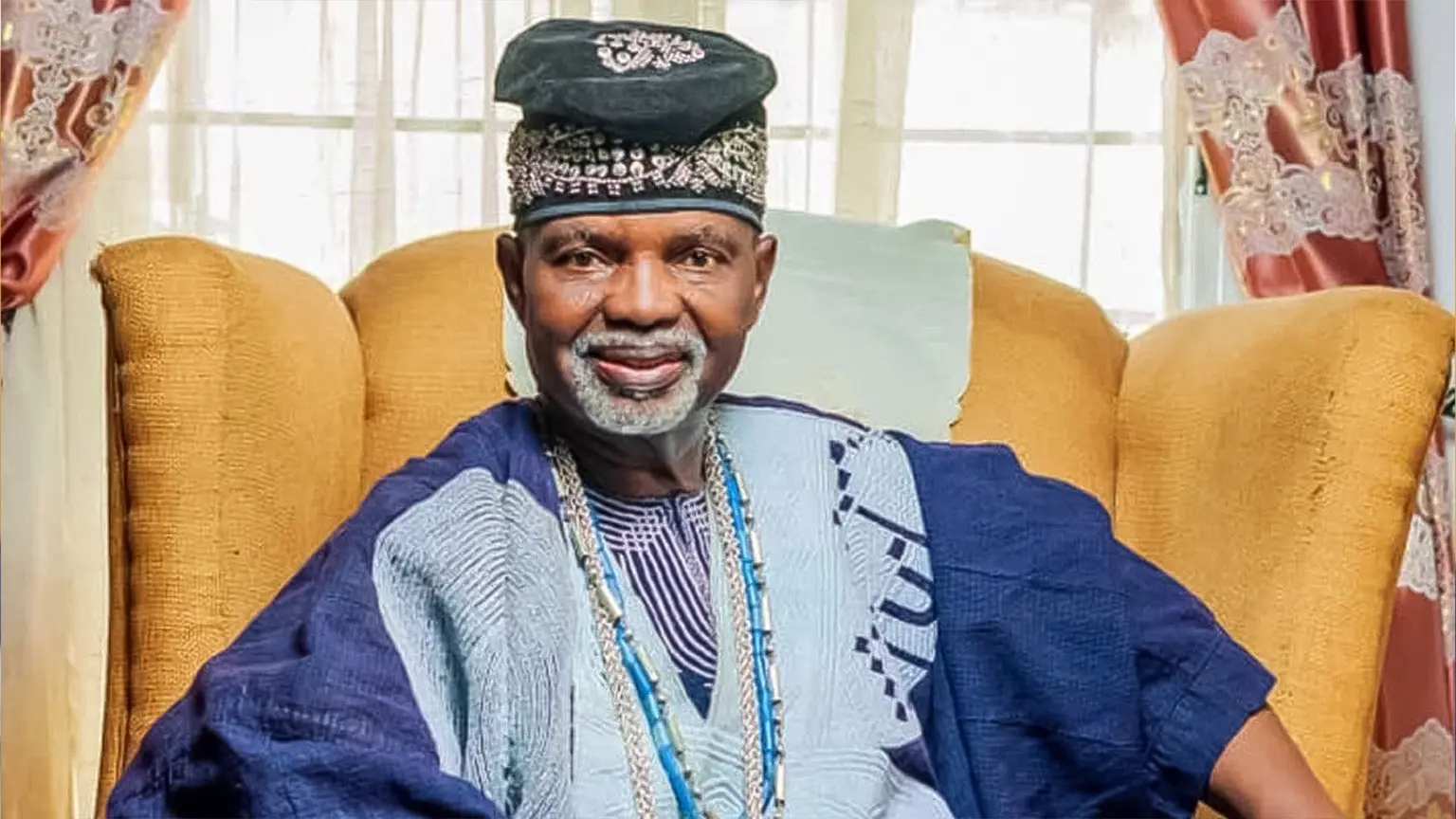
Senator Alli’s position as the Ekaarun Balogun of Ibadanland, one of the highest-ranking chieftaincy titles in the ancient city, signifies his deep-rooted connection to tradition and his standing as a respected community leader.

His reputation as a calm, wise, simple, relatable and inclusive bridge-builder who unites people across political, religious and ethnic divides positions him as a leader capable of fostering peace, stability and consensus across the entire state.


Oladele is the Director of Media & Publicity, Senator Sharafadeen Alli Campaign Organization.
Continue Reading

Opinion

Oloye Lekan Alabi: Memories Ere Death Beckoned Both Caller and Called |By Wole Adejumo  

Published

on

The young lady who usually delivers packaged moinmoin for members of staff who want it for lunch came in as she usually did, and after the exchange of pleasantries, I asked if she knew the difference between Ọọlẹ and Moinmoin. My colleagues looked at me strangely when I disagreed with her response that both were the same. I promised to tell her the difference later. I, however, told my colleagues the difference as explained to me by Oloye Lekan Alabi. Though a suave, urbane and sophisticated Ibadan chief,  he took time to explain the similarities and differences as we prepared for the annual Oke ‘Badan Festival some years back.  

He had retired from the service of Odua Investment Company Limited, where he demonstrated competence  and character then, but that did not in any way diminish his encyclopaedic knowledge of history. He sat beside the Aboke, Chief Ifamapowa and some other stakeholders at the press conference heralding the ceremony that year.

My first real contact with him happened after I had written a short piece, ‘The Man Who Would Be King’, about him. Oloye, who bore the titles of Jagun Olubadan and  Akogun of Lalupon agreed to have an interview. My Bureau Chief, Bola Davies (now of blessed memory) directed me to go and when I got to his office in Cocoa House, he thanked me for wishing him well. He thereafter took time to explain the Olubadan ascension system. The interview was published in one of the earliest editions of City People Quarterly back then. That interview and some other things I wrote about him eventually earned me a mention in one of his books.

Oloye Alabi was no doubt an aficionado when history, music and culture are up for discussion. Of course, with his rich cultural heritage, he stood out anywhere and everywhere. Little wonder His Imperial Majesty, the Ooni of Ife hosted his investiture when he was appointed as the first Cultural Ambassador of the National Museum, Ile Ife. His immense breadth of knowledge will give him a place in history just as it did to the likes of Chiefs John Adeyemi Ayorinde, Theophilus Akinyele and Alaafin Lamidi Adeyemi III. His love for good music too was more than obvious. Like a true connoisseur, he did everything with class and style. He wrote countless articles about Chief Commander Ebenezer Obey, King Sunny Ade, Chief Eddy Okonta and many more. His love for Yusuf Olatunji’s Sakara music defied competent description. It was so great that he named his youngest son after the Sakara legend.

In one of his many philosophical volumes, ‘Baba L’Egba’ as Olatunji was fondly called, sang that “o ye ka ni ‘fura taa ba nsin ale eni lo” (one should be watchful when seeing off a concubine) and the only person I felt I could ask what was on Baba L’Egba’s mind then was Oloye ‘Lekan Alabi. Sadly, the auspicious time to ask never came.

A reception was once hosted in his honour by Ambassador Ibironke Adefope at Bodija and it was regal! Everyone who mattered came to honour Oloye ‘Lekan Alabi. Reporting the event for City People then, one of the most unusual sights was Otunba Adebayo Alao-Akala, the then Deputy Governor of Oyo State. His simplicity was indescribable. Aside driving his convertible BMW, he came in a yellow sweatshirt and jeans.

And when he turned 60, it was like everyone else joined the Ibadan establishment to celebrate Oloye ‘Lekan Alabi. Aare Arisekola Also spoke about the celebrant in glowing terms as he emphasized that Oloye Alabi was indeed a man destined for greatness. The party afforded me the opportunity of seeing Alhaja Batile Alake live on stage. Her sonorous voice actually brought great childhood memories of when songs of Batile Alake, Olubowale Ajasco, Alalaye Ilorin and others were regular on the television.

Apart from his respectable dress sense and indepth knowledge of issues, other admirable traits of the late Abese Olubadan were his timeliness and punctuality. He once told me the story of how he had suggested that card be presented to the then military President, General Ibrahim Babangida on the birth of his baby girl back then. It turned out that the picture of where he handed the card  over was published in dailies the following day. Apart from personal discipline, working with four Governors of Oyo State obviously rubbed off on him, he never attended an event late. There was a day we had to apologize as we started an event behind schedule at the Premier Hotel, Ibadan. He was about the first guest  and after accepting our apologies, he didn’t become vexatious, rather, with a smile he told us that he would be in his room upstairs. He said all we needed to do was put  call through to him when we were ready to start the programme.

I stood close by him at certain event and heard Chief Lateef Oyelade praying for Oloye Alabi who had just greeted him in Yoruba, he said “Olubadan o kan o” (may it be your turn to become the Olubadan). Like many of his mentees,  I looked forward to seeing him on the exalted Olubadan throne, it was however not to be.

​Reflecting on those golden days of celebrity journalism; the Bodija reception, the grand 60th birthday, the laughter of legends now silent; one is reminded that time eventually beckons both the caller and the called. Bola Davies, His Excellency, Otunba Alao-Akala, Aare Arisekola Alao, Chief Lateef Oyelade, Ambassador Adefope and now Oloye himself have all answered that ultimate call. Though the exalted Olubadan throne eluded him, Oloye ’Lekan Alabi leaves behind a legacy as towering as Cocoa House itself. Like his noble forebears – Oyetunde Olundegun, ‘Erin o P’ojo Logun’, and Ekerin Suberu Ajengbe, he came, he saw, he lived with unmatched panache, and he left an indelible mark on the sands of time.


Adejumo sent this piece from Ogbomoso 

Continue Reading

Trending