Opinion
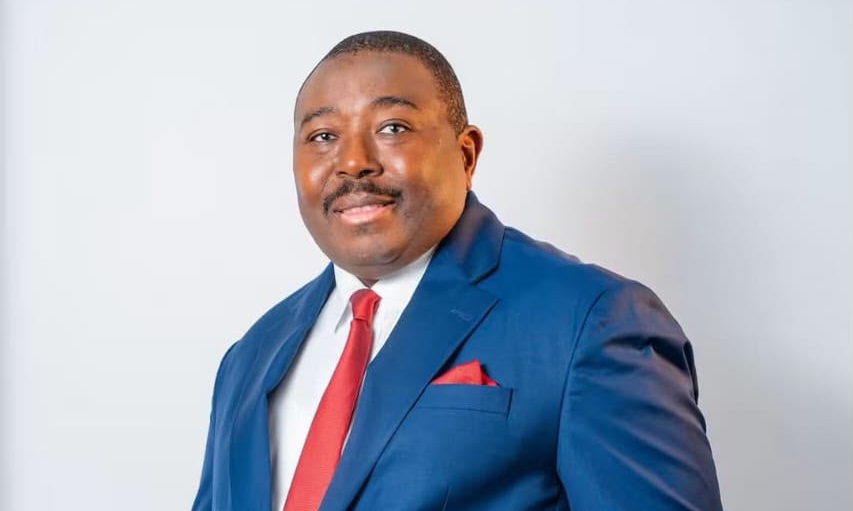
Seven Factors That Keep Sharafadeen Alli Ahead in 2027 Oyo Governorship Race
Published
2 months agoon
By
Bisi Oladele
Fact 1: Homegrown Leader with Unmatched Grassroots Experience
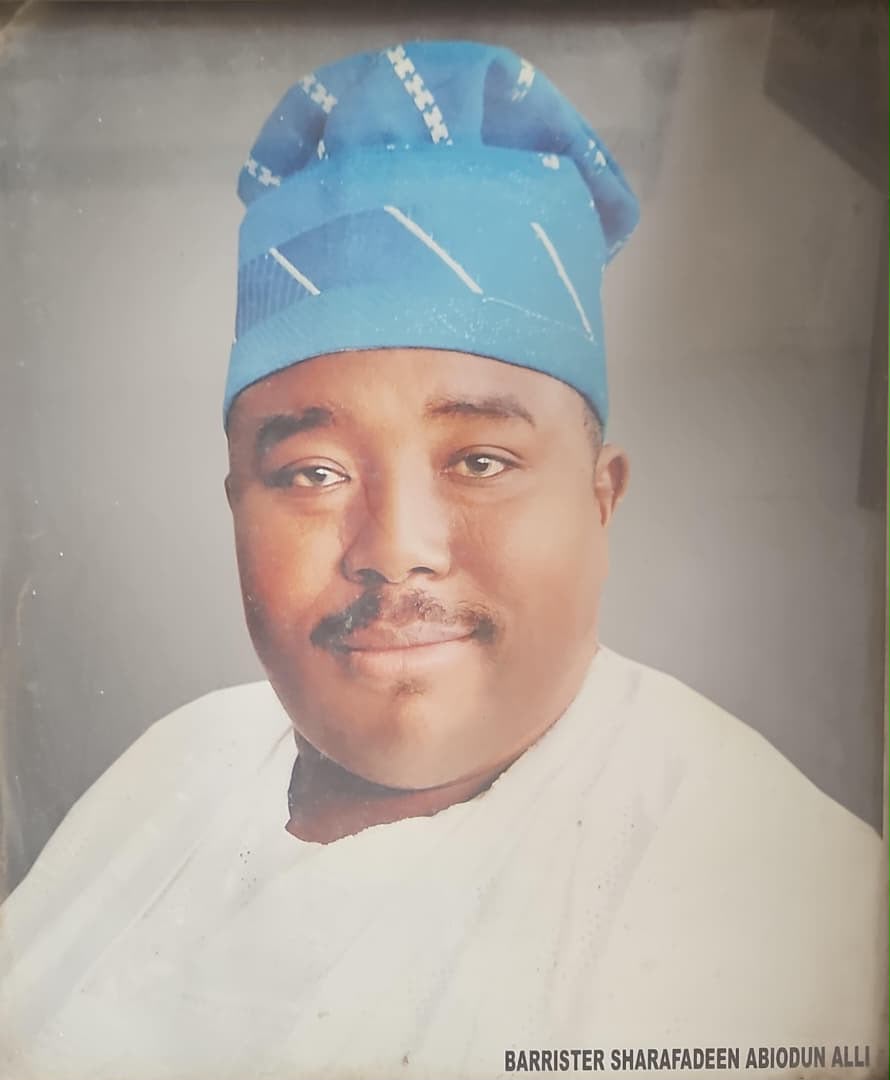
Senator Alli’s political journey began at the grassroots level in Ibadan, where he made history in 1991 as the first democratically elected Executive Chairman of Ibadan North Local Government. This early leadership role demonstrates a deep, foundational understanding of local governance and the needs of the people, a critical asset for a state governor.
![]()
Fact 2: Rare Combination of Top-Tier Academic and Professional Credentials
Senator Alli is not just a politician but also a distinguished legal practitioner with a Ph.D. in Legislative and Strategic Studies. His extensive education, including degrees from the University of Ibadan, combined with his fellowships from prestigious professional institutes, provides him with the analytical, legal and strategic acumen required to manage the complex affairs of Oyo State.

![]()
Fact 3: Proven Executive Administrative Competence at the Highest State Level
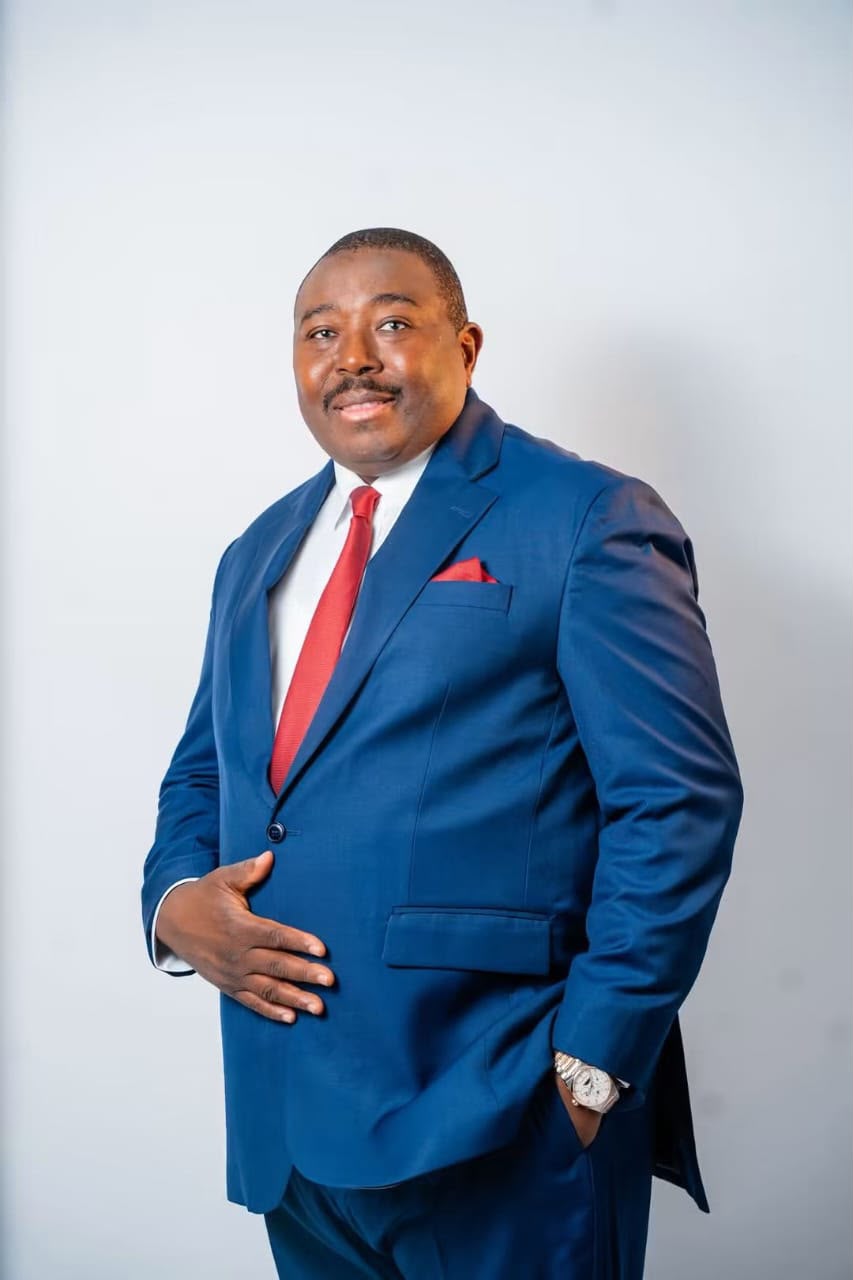
His tenures as Secretary to the Oyo State Government (SSG) and later as Chief of Staff (CoS) to the Governor showcase his direct experience in the engine room of state administration.
![]()
He has been intimately involved in policy formulation, committee leadership and the day-to-day running of the state, making him uniquely prepared to assume the governorship and hit the ground running from day one.
Fact 4: Demonstrated Executive Business Leadership with Regional Impact
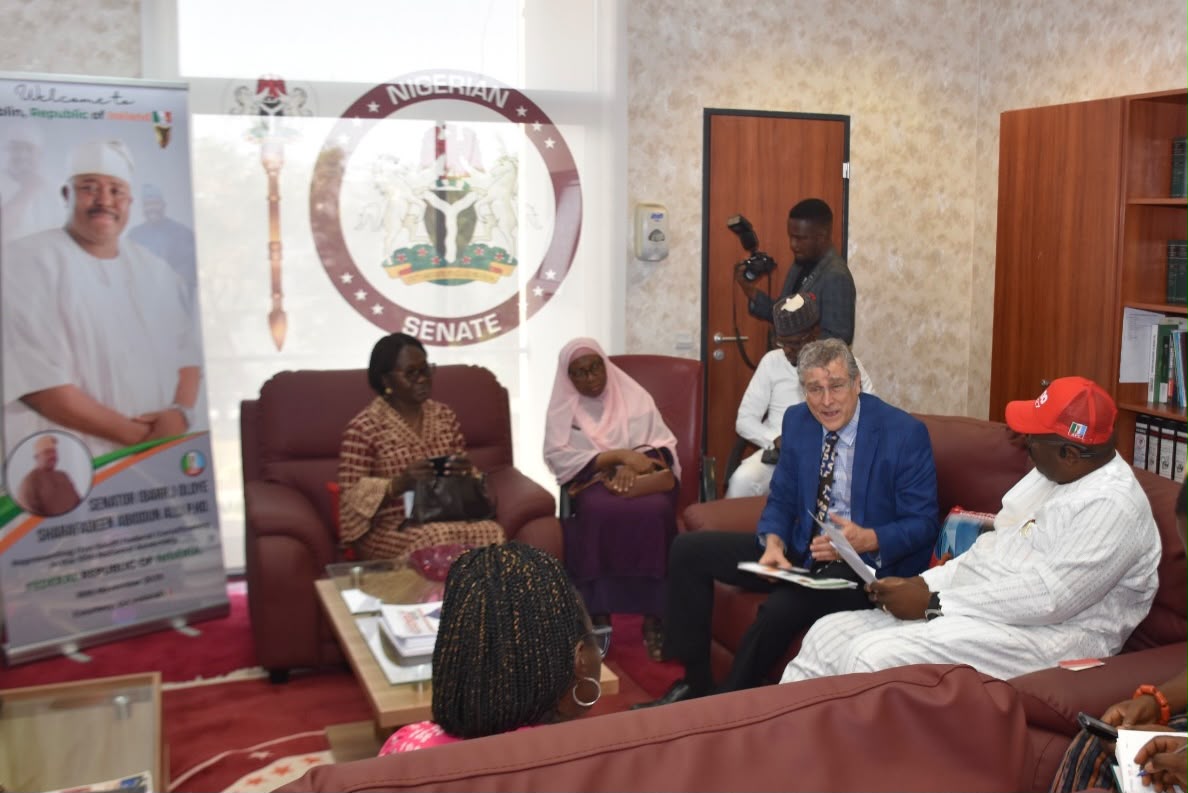
As Chairman, Board of Directors of Odu’a Investment Company Limited, Senator Alli was not just an administrator but a visionary economic leader. He spearheaded landmark investments such as the Cocoa Mall and Heritage Mall in Ibadan, which transformed the economic landscape of Oyo State. This proven ability to attract and drive large-scale economic development is directly transferable to governing Oyo State.
![]()
Fact 5: Battle-Tested and Consistent Political Figure
Senator Alli’s political career spans more than three decades, weathering the annulment of his 1996 Senate election and consistently remaining a relevant and influential force. He has contested for Deputy Governor and Governor in the past, giving him a comprehensive understanding of statewide campaigns and the diverse political landscape of Oyo State. His journey demonstrates resilience, deep political networks and unwavering commitment.
Fact 6: Current, Performing Senator and Influential Figure
As the sitting Senator for Oyo South, he is actively delivering quality representation, impactful constituency projects and people-oriented legislation. He has sponsored five Bills and raised six Motions to promote development. Senator Alli has also facilitated employment for 100 constituents across Federal Government agencies.

![]()
His role as Chairman of the Senate Committee on Agricultural Colleges and Research Institutions, as well as his membership in the ECOWAS Parliament, demonstrate that he is not only focused on local issues but is also equipped with a broader perspective on governance, trade and regional integration.
Fact 7: Unifying and Respected Traditional Title Holder
Senator Alli’s position as the Ekaarun Balogun of Ibadanland, one of the highest-ranking chieftaincy titles in the ancient city, signifies his deep-rooted connection to tradition and his standing as a respected community leader.
His reputation as a calm, wise, simple, relatable and inclusive bridge-builder who unites people across political, religious and ethnic divides positions him as a leader capable of fostering peace, stability and consensus across the entire state.
Oladele is the Director of Media & Publicity, Senator Sharafadeen Alli Campaign Organization.

You may like
-
Winning Election Before the Ballot: How Oseni Is Silencing Opponents with 500KVA Transformers
-
Oyo South APC Candidate, Oseni, Takes Delivery of 20 New Transformers for Distribution
-
Oseni Hails Folarin’s Political Experience, Contributions at 63
-
Oseni Flags Off Reconstruction of Two Collapsed Bridges in Ibadan
Opinion
Winning Election Before the Ballot: How Oseni Is Silencing Opponents with 500KVA Transformers
Published
5 hours agoon
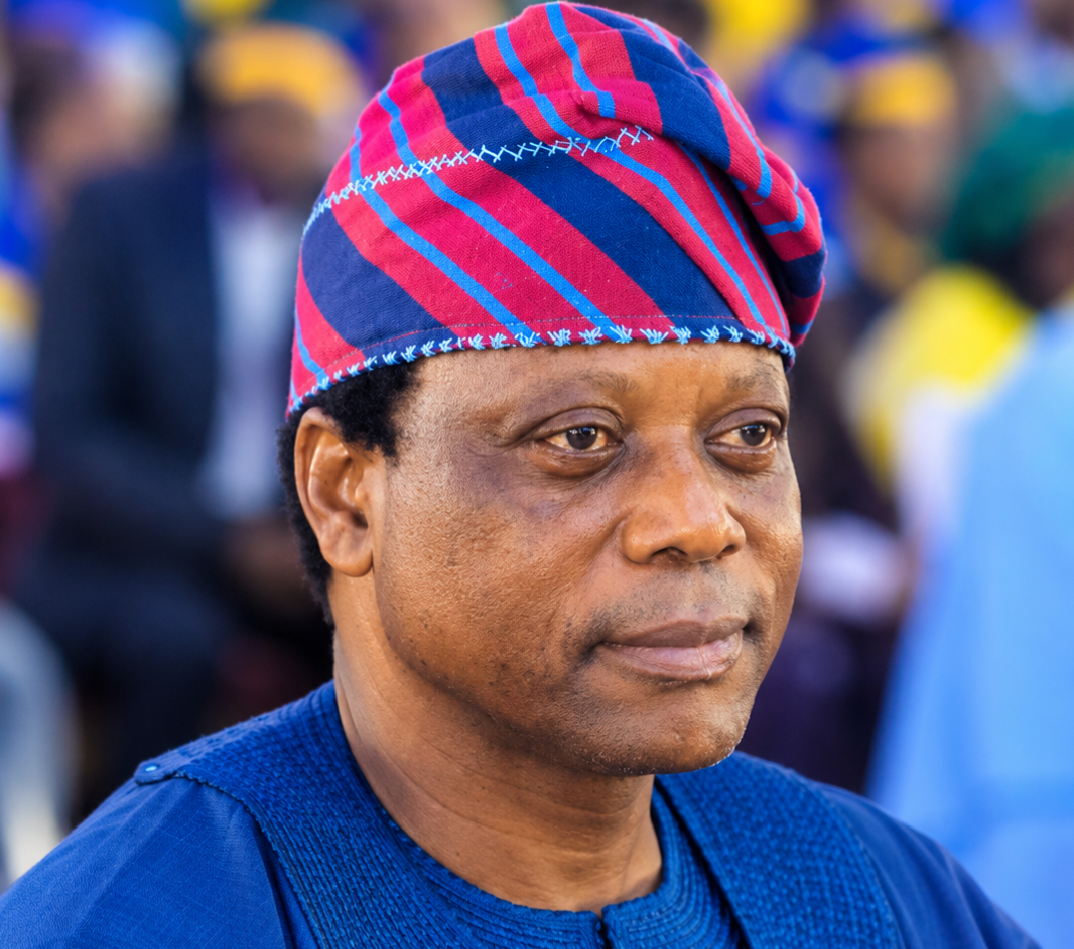
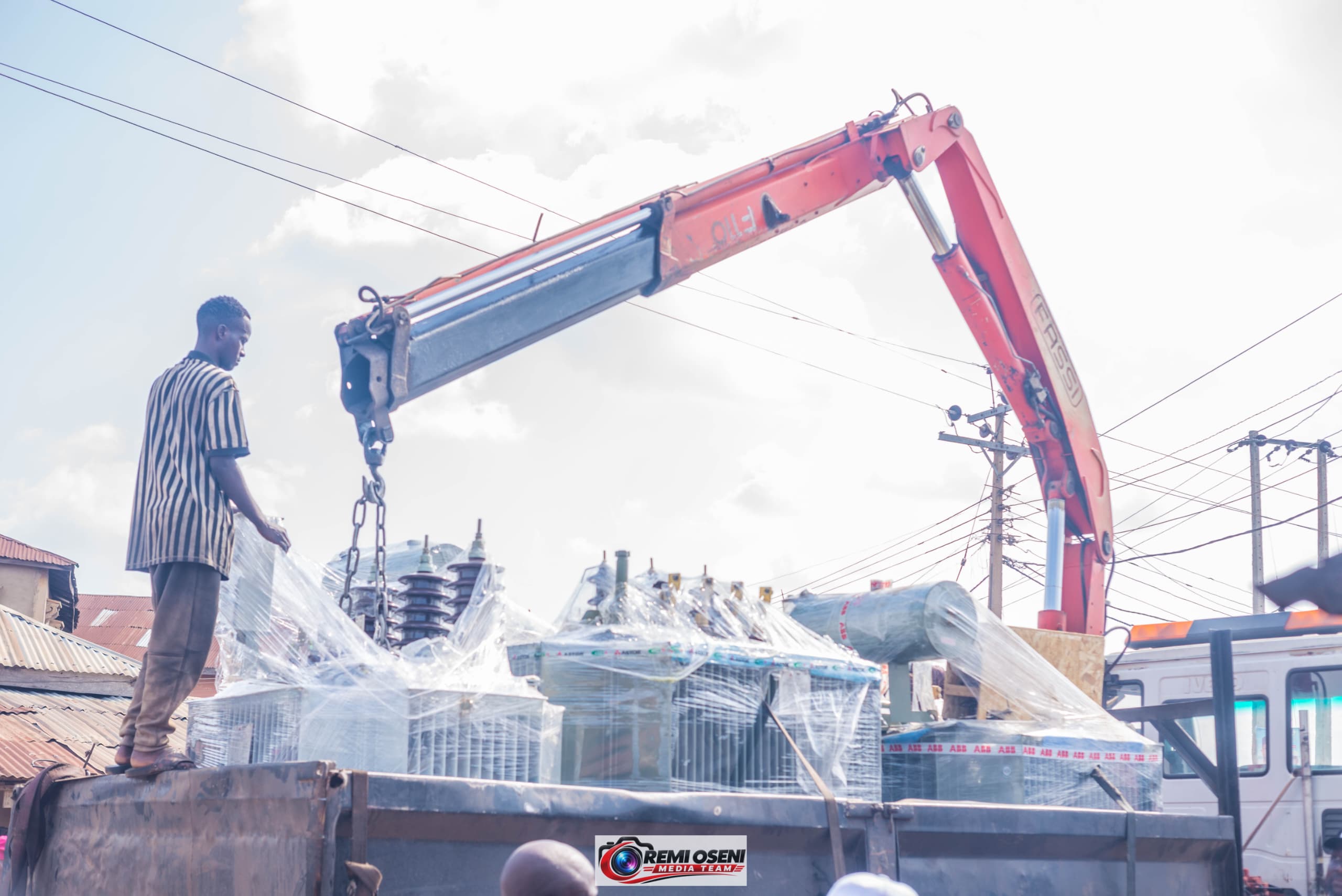
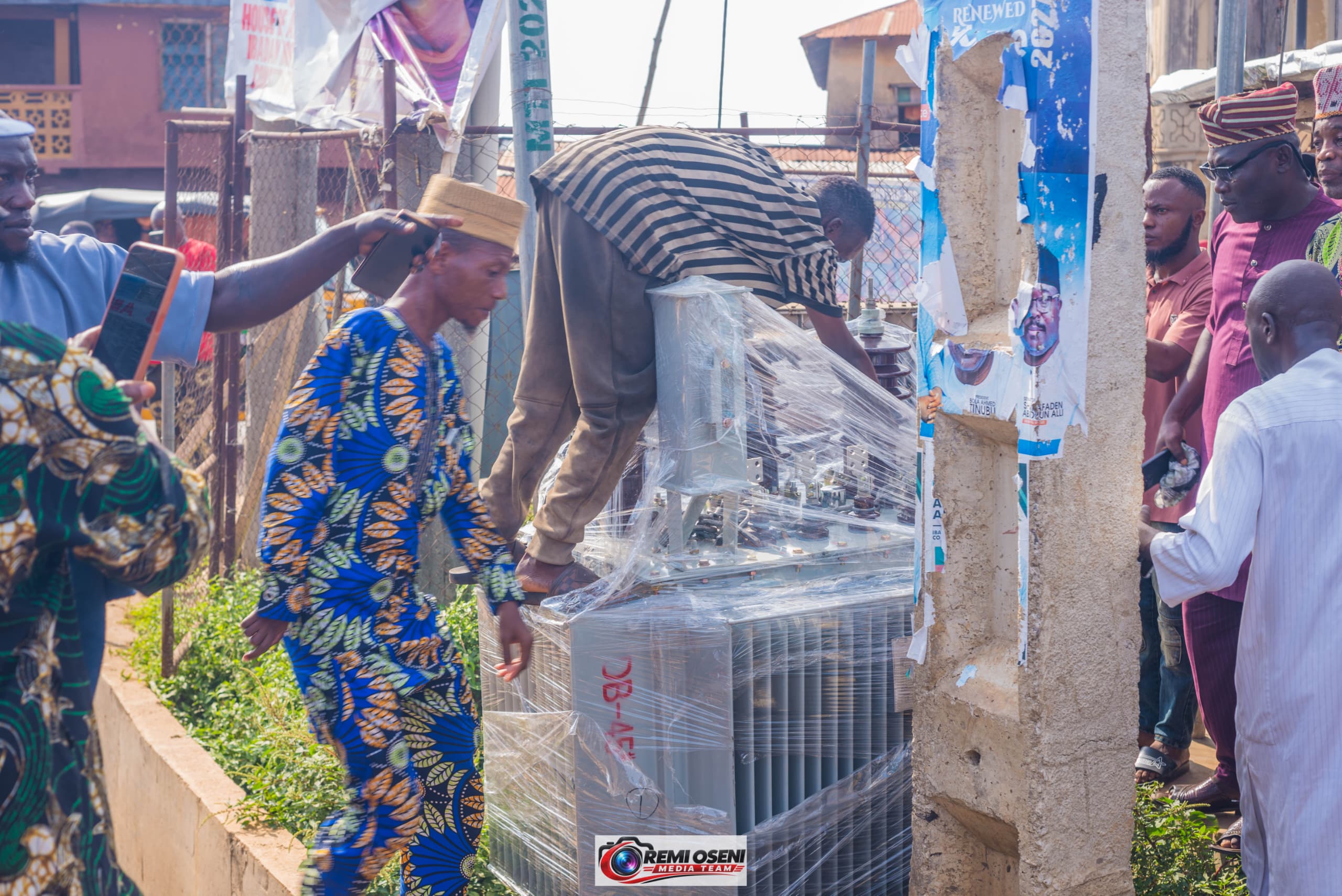
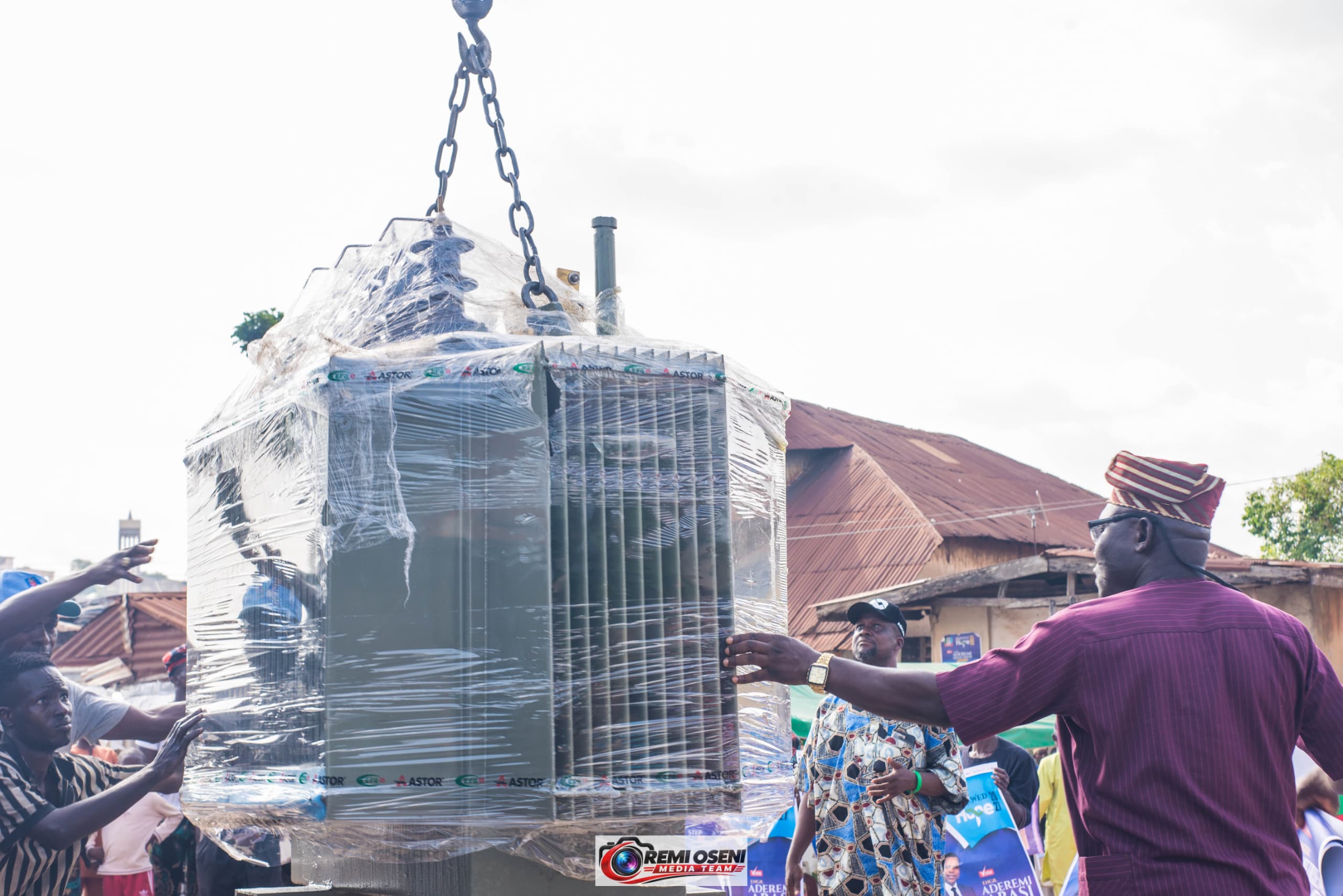
November 2, 2026In an era when many politicians are remembered more for promises than for performance, Hon. Engr. Aderemi Oseni stands out as a rare exception — a lawmaker whose impact is visible, measurable, and felt in the daily lives of his people. The latest testament to this people-centred leadership is the ongoing delivery of 20 additional 500KVA transformers for distribution to communities across Oyo South Senatorial District.
This is not just about electricity. It is about powering dreams, businesses, and hope.
Oseni, who currently represents Ibarapa East/Ido Federal Constituency in the House of Representatives and chairs the strategic House Committee on the Federal Roads Maintenance Agency (FERMA), is contesting for the Oyo South Senatorial seat under the All Progressives Congress (APC). His candidacy is already being defined not by noise, but by concrete results.
![]()
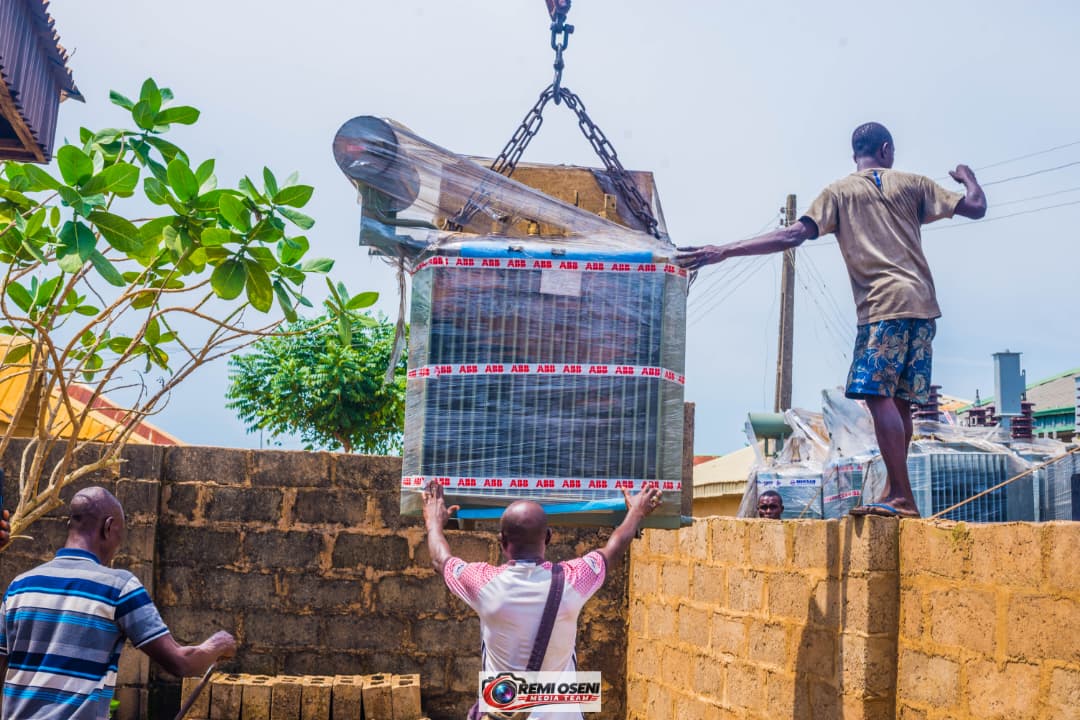
The new consignment of transformers is part of a sustained intervention to address the chronic electricity challenges confronting communities in the district.
For months, residents of Oyo South — traders in Beere, artisans in Ibarapa, welders in Ido, cold-room operators in Ibadan South-West, and students burning the midnight candle in Ibadan North-East — have groaned under the weight of an epileptic power supply. Transformers that have served for over two decades are either overloaded, vandalised, or completely grounded. In many communities, darkness has become a way of life, and with it, economic activities grind to a halt.
![]()
Hon. Oseni understands this pain. As an engineer by training and a grassroots politician by conviction, he knows that electricity is not a luxury; it is the oxygen of economic growth, community development, and improved living standards.
The 20 new 500KVA transformers are, therefore, a strategic economic intervention.
![]()
The greatest beneficiaries of this initiative are those in the informal sector — the backbone of Oyo South’s economy. For the woman frying akara in Oja Oba who needs power to grind beans early in the morning, for the barber in Apata who loses customers when there is no light to clip, for the fashion designer in Challenge whose electric sewing machine is idle, and for the young graduate running a computer business centre in Ibarapa — this intervention means everything.

![]()
![]()
When power returns, productivity returns. When productivity returns, poverty reduces.
It is instructive that one of the beneficiary communities is Ita Baale/Olugbode in Ibadan North-East Local Government — the home community of Governor Seyi Makinde. By extending his intervention even to areas traditionally seen as opposition strongholds, Hon. Oseni has demonstrated that good governance knows no political boundaries. Light has no party colour. Development should have no discrimination.
Many other communities across the nine local governments that make up Oyo South — Ibadan North, Ibadan North-East, Ibadan North-West, Ibadan South-East, Ibadan South-West, Ibarapa East, Ibarapa North, Ibarapa Central, and Ido — are already celebrating while waiting to take delivery of the transformers, with installation already ongoing in phases in some areas.

![]()
This transformer project is not an isolated act. It fits into a larger pattern of purposeful representation that has defined Hon. Oseni’s tenure in the Green Chamber.
As Chairman of the House Committee on FERMA, he has been pivotal in pushing for the rehabilitation of federal roads that crisscross Oyo South, easing the movement of farm produce from Ibarapa’s agrarian belt to Ibadan markets and reducing man-hours lost in traffic.
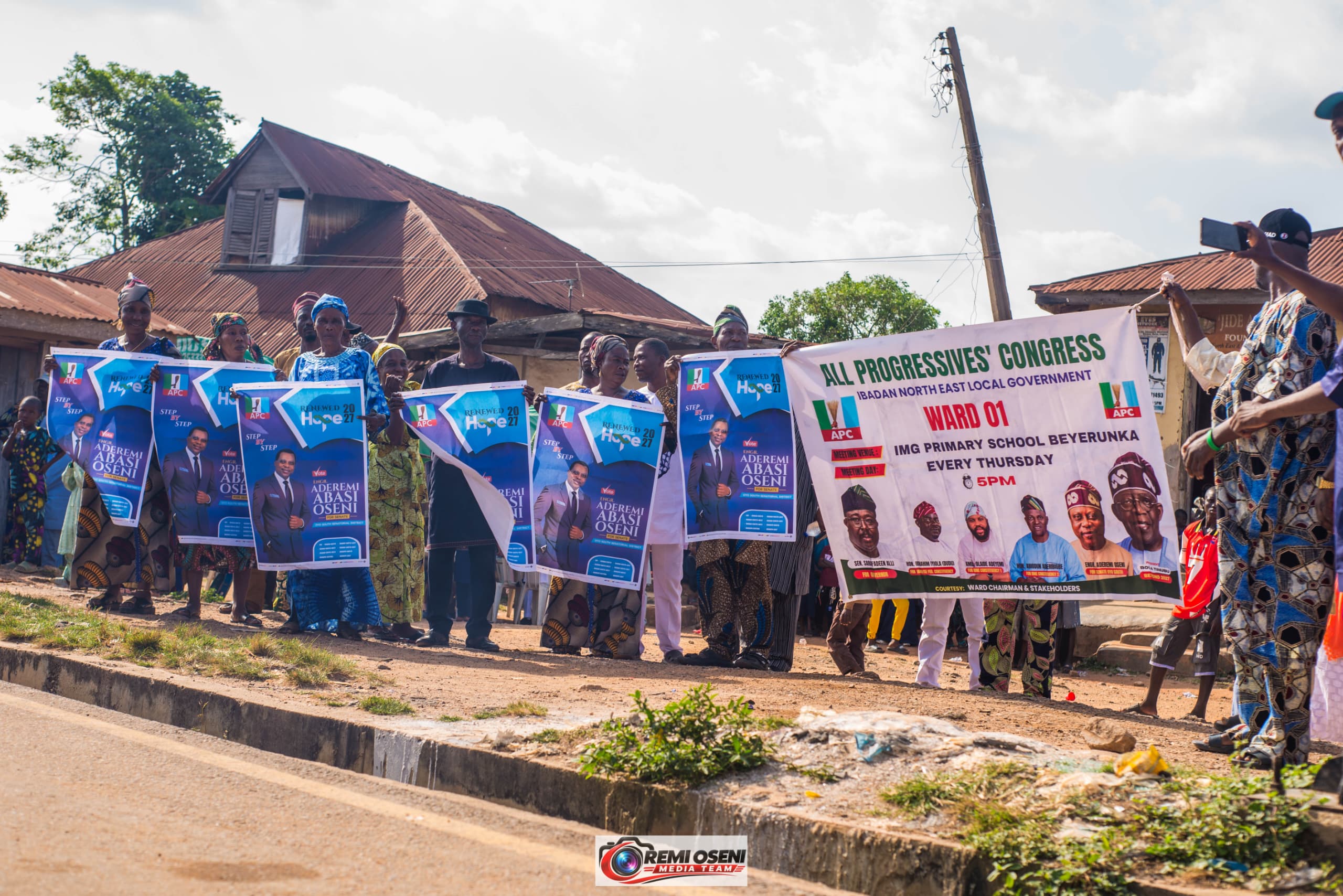
In Ibarapa East/Ido Federal Constituency, his current constituency, his footprints are everywhere: boreholes sunk in water-scarce communities, classroom blocks renovated, financial support for market women, scholarships for indigent students, and the facilitation of federal employment opportunities for youths.
![]()
![]()
Colleagues in the House of Representatives describe him as “The Star Boy of the National Assembly.” He sits quietly but effectively, a man who prefers to let his work speak. Constituents describe him as accessible — a lawmaker whose phone number still goes through and whose gate remains open.

![]()
Oyo South is the economic heartbeat of Oyo State. It houses Ibadan, the political capital of the South-West. It needs a Senator who understands both urban renewal and rural development; a Senator who can navigate Abuja’s power corridors to attract federal presence, yet remain rooted in the palaces, markets, and streets of Ibadan and Ibarapa.
Hon. Oseni brings a rare blend: engineering expertise, legislative experience, and grassroots empathy. His years in the House have equipped him with the legislative savvy to sponsor and support bills that will address the peculiar needs of Oyo South — from urban electricity to rural roads, from youth unemployment to agricultural modernisation.
At a time when Nigeria’s energy sector is undergoing reform, Oyo South needs a Senator who will not just complain about darkness, but who has already shown he can deliver transformers, facilitate connections, and engage distribution companies to do more.

![]()
In Nigerian politics, many come with manifestos, but few come with evidence. Hon. Oseni’s campaign for Oyo South Senatorial District is not built on empty slogans; it is built on transformers delivered, roads fixed, boreholes working, and lives touched.
The 20 new transformers are not campaign props. They are installations that will outlive this election cycle. They will power homes long after the ballots are counted. That is the hallmark of genuine service — to do what is needed, not just what is popular.
As the 2027 general elections approach, the people of Oyo South are faced with a clear choice: to continue with politics as usual, or to elevate a proven performer to the Senate to do even more.
![]()
If a House of Representatives member can light up communities with 20 transformers, imagine what he can do with the greater influence of a Senator of the Federal Republic.
Indeed, Hon. Oseni is not just contesting to be Senator; he is contesting to bring more light — literally and figuratively — to Oyo South.
Joseph Okwuofu worked with The Nation newspapers and is the CEO/Publisher of Naija Examiner online newspaper.
Opinion
Doctors’ Strike and the Price of Human Life | By Olusegun Hassan
Published
1 week agoon
October 23, 2026The popular Yoruba saying, “Ẹni kan l’ọmọ,” meaning that only the person wearing the shoes knows where they pinch, recently took on a deeper meaning for me. Just last week, I experienced its true significance beyond its familiar place as an aphorism.
Popular sayings often remain mere expressions in our consciousness until we find ourselves at the receiving end of the experiences they describe. Similarly, systemic flaws and structural deficiencies in society may seem distant until we become victims of them. News of kidnapping is just another newspaper report until a loved one is abducted and the family is thrown into a desperate search for money to pay a ransom. In the same vein, the news that “doctors are on strike” may appear to be just another headline until someone close to us dies because urgent medical attention was unavailable as a result of the strike.
Nigeria’s story is replete with such unfortunate experiences, which have given rise to another familiar expression: “May Nigeria not happen to you.”
While the media landscape was still reeling from reports of the death of popular gospel singer Toluwanisings, who reportedly died on October 14, 2026, following an alleged lack of urgent medical attention during a doctors’ strike, I also lost a close relative two days later, on October 16, under circumstances involving the same lack of timely medical care.
She was an asthma patient who suffered an attack in the middle of the night. After receiving first aid, she was rushed to the nearest hospital, a teaching hospital, only to be turned away because doctors were on strike and none was available to attend to her. By the time the family reached the nearest private hospital, she had died. Her death left the entire family, myself included, traumatised.
These are only two cases among many similar tragedies that have occurred over the years. They raise a painful question: how many of these deaths could have been prevented if essential medical services had remained accessible?
I cannot help but wonder: what is the value of human life in this country? At what point did the sanctity of human life become secondary to demands for improved welfare by medical unions?
This is not to suggest that the grievances of doctors are illegitimate. Far from it. Medical professionals deserve fair remuneration, adequate facilities, safe working conditions and an environment that enables them to perform their duties effectively. The question, however, is whether the pursuit of these legitimate demands should come at such a devastating cost to human life, particularly when the fundamental purpose of the medical profession is to preserve life through the provision of appropriate healthcare.
It is a troubling paradox.
Doctors undoubtedly have the right to demand fair treatment and safe working conditions. However, that right must be exercised in a manner that protects patients from abandonment and avoidable harm. When patients die because essential medical services have been withdrawn without adequate safeguards, the ethical justification for the action becomes a serious matter for scrutiny.
The World Medical Association (WMA), an international body that promotes widely recognised ethical standards for physicians, upholds principles that include respect for human life and the dignity of patients. These principles underscore the responsibility of doctors to protect the health and well-being of those under their care, provide competent and timely treatment, prevent avoidable harm and act in their patients’ best interests.
These are not merely ideals about compassion. They are professional obligations that must continue to guide medical decisions, including during industrial disputes.
In Nigeria, the Medical and Dental Council of Nigeria (MDCN) addressed this issue in January 2024, reportedly directing the heads of teaching hospitals, federal medical centres and specialised hospitals to ensure that industrial action did not result in the abandonment or premature discharge of patients.
Among the safeguards outlined were the following:
- Accident and emergency departments must remain open and adequately staffed.
- Emergency paediatric services, labour wards, neonatal units and intensive care units must continue to provide emergency and critical care.
- Patients already admitted to hospital must not be discharged merely because a strike has commenced.
- Patients with scheduled appointments before the strike must be attended to in accordance with the applicable directives.
These safeguards reinforce an important principle: the right to pursue employment-related demands does not extinguish a doctor’s professional obligation to protect patients from preventable harm.
Where emergency patients are turned away, critically ill patients are abandoned, or essential services are shut down without adequate arrangements for emergency care, the circumstances warrant investigation. Where evidence establishes a breach of professional obligations or applicable regulations, appropriate disciplinary or legal action should follow.
Similarly, when a patient dies after being denied emergency treatment during an industrial action, the circumstances surrounding the death deserve a thorough and impartial investigation. Where negligence, professional misconduct or a breach of applicable directives is established, appropriate sanctions should be imposed in accordance with the law and relevant professional regulations.
The point is simple: no legitimate grievance should justify abandoning a patient whose life is in immediate danger.
At this juncture, it is equally important to acknowledge the government’s share of the blame. While this article emphasises the ethical obligation of doctors to preserve human life, the government must also recognise that poor remuneration, unpaid allowances, inadequate medical facilities, excessive workloads and unsafe working conditions undermine doctors’ morale and their ability to provide quality healthcare.
The consequences are increasingly evident in Nigeria’s continuing loss of medical professionals to other countries.
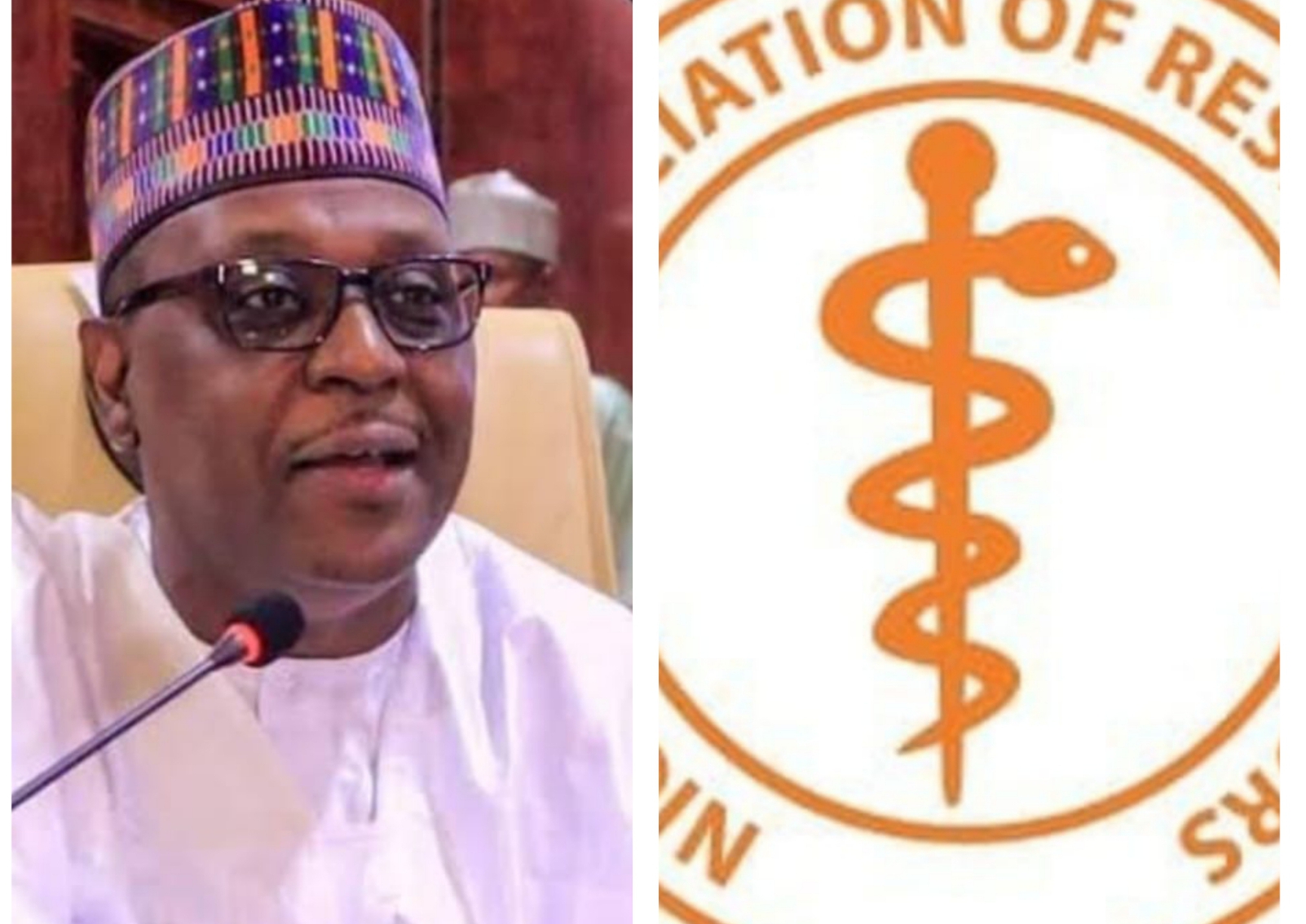
In 2025, the Coordinating Minister of Health and Social Welfare, Professor Muhammad Ali Pate, reportedly disclosed that more than 16,000 Nigerian doctors had emigrated over the preceding five to seven years, largely in search of better opportunities abroad. Furthermore, a 2025 report on Nigeria’s health statistics reportedly indicated that 4,193 doctors and dentists left the country in 2024 alone.
These departures deepen staffing shortages, increase the pressure on the doctors who remain and expose patients to longer waiting times and potentially avoidable deaths.
The government must therefore move beyond repeated negotiations and implement sustainable reforms. These should include the prompt payment of salaries and allowances, improved working conditions, adequate funding for public hospitals, transparent career progression and the effective implementation of agreements reached with medical unions.
The Federal Ministry of Health and relevant hospital authorities must also strengthen monitoring and oversight during industrial disputes to ensure that emergency and critical care services remain available in public hospitals. Patients in life-threatening conditions must not be turned away simply because doctors are on strike.
Ultimately, responsibility for Nigeria’s healthcare crisis cannot be placed entirely on one side. Doctors must uphold their professional and ethical obligations, while the government must fulfil its responsibility to create conditions in which those obligations can be discharged effectively.
Medicine is not an ordinary occupation. It carries a profound moral responsibility because, in certain circumstances, the timely intervention of a medical professional can make the difference between life and death. No employment grievance should be used to justify abandoning a patient whose life is in immediate danger.
The sanctity of human life demands responsibility from the doctors entrusted with treating patients and from the government authorities responsible for ensuring that appropriate treatment remains available.
A functional healthcare system depends on cooperation between these two critical stakeholders. When they fail to find common ground, it is the ordinary citizen who suffers the consequences. As the familiar saying goes, when two elephants fight, the grass suffers.
And trust me, I know what that suffering feels like. I have just experienced it.
Olusegun Hassan, Ph.D.
Public Policy Analyst and Social Commentator
Opinion
Oyo, Osun Petrol Price War: Why Fair Competition Should Matter
Published
2 weeks agoon
October 22, 2026By
Mega IconThe decision by some filling stations in Oyo and Osun states to sell petrol at lower prices than their competitors has brought renewed attention to pricing practices in Nigeria’s downstream petroleum sector and, more importantly, to what consumers stand to gain when competition is allowed to work.
Investigations and enquiries into petrol prices in the two states revealed differences in pump prices, with some independent petroleum marketers (IPM) selling Premium Motor Spirit (PMS), popularly known as petrol, for about ₦1,375 per litre, while some competing stations charged about ₦1,385 per litre.
Although the difference is just ₦10 per litre, the savings are meaningful for motorists, commercial transport operators, artisans, traders and other residents who depend on petrol to earn a living.
For a commercial driver buying 40 litres, for instance, the price difference amounts to ₦400. For small businesses that rely on petrol-powered generators, repeated purchases at lower prices could provide some relief amid the rising cost of living. Across thousands of consumers and multiple purchases, modest savings can become a substantial reduction in household and business expenses.
However, findings from the enquiries suggest that some independent marketers who had previously sold petrol at relatively lower prices later adjusted their pump prices to match those of competing stations.
The development has prompted questions about what influences pricing decisions in the two states and whether consumers are being allowed to benefit fully from competition among petroleum marketers.
Information obtained during engagements with some marketers, who spoke on condition of anonymity, also indicated that the leadership of the Independent Petroleum Marketers Association of Nigeria (IPMAN) in the two states had expressed displeasure over the decision by some members to sell petrol below the prices charged by other filling stations.
The circumstances surrounding the reported position of the association’s leadership, however, require clarification from the relevant IPMAN officials. Their response is necessary to establish the facts, understand the basis of the reported concerns and give the association an opportunity to state its position.
THE CASE FOR FAIR COMPETITION
At the heart of the matter is a question that directly affects consumers: should a petroleum marketer who can legitimately sell petrol at a lower price be discouraged from doing so simply because competitors are charging more?
The answer should be guided by evidence, legality and consumer welfare. In a competitive market, businesses generally make pricing decisions based on their operating costs, supply arrangements, margins and commercial objectives. Where a marketer can sustainably offer a lower price while meeting all applicable regulatory, product-quality and safety requirements, consumers should be able to consider that option.
Fair competition is not merely a benefit to individual buyers. It creates pressure on businesses to control costs, improve efficiency and offer better value. A lower price from one marketer can encourage others to review their own costs and pricing decisions, potentially producing wider benefits for customers.
This does not mean that every low-priced offer is automatically sustainable or that marketers should ignore the economic realities of running their businesses. Differences in supply costs, transportation, location and other expenses may legitimately result in different pump prices.
The issue, therefore, is not whether every filling station should sell petrol at the same price. It is whether businesses can compete fairly, transparently and within the law, without undue pressure to abandon commercially viable prices that benefit consumers.
Any intervention that prevents legitimate price competition should be supported by clear evidence and a lawful, consumer-focused justification. Otherwise, the likely result is a narrower range of choices and less pressure on sellers to offer better prices.
THE BURDEN ON ORDINARY RESIDENTS
For many households and small businesses, petrol prices go beyond what appears on a filling station’s price board. Higher fuel costs can increase transportation fares, the cost of moving goods and the expense of running generators and other equipment.
Traders may have to spend more transporting their goods to markets, while commercial drivers face pressure from rising operating costs. Such expenses can eventually be passed on to consumers through higher prices for goods and services.
Against this background, any legitimate opportunity to reduce fuel expenses deserves serious attention.
Allowing genuine competition among petroleum marketers could offer some relief, particularly where consumers have access to reliable information about prices and can choose where to buy their fuel. The ability to compare prices is itself an important part of a functioning market.
At the same time, price differences should be examined in context. A lower pump price alone does not establish wrongdoing by competing stations, just as a higher price does not automatically amount to exploitation. Reliable evidence about supply costs, market conditions and the conduct of the parties concerned is needed to reach a fair conclusion.
The central point remains clear: where lower prices are lawful, sustainable and supported by quality and safety compliance, consumers should not be deprived of the benefit merely because uniformity is more convenient for sellers.
STAKEHOLDERS MUST CLARIFY THE ISSUES
The reported concerns over lower pump prices in Oyo and Osun call for open engagement among IPMAN leadership, independent marketers and other relevant stakeholders.
IPMAN officials in both states should be given the opportunity to explain whether any concerns were raised about members selling petrol below prevailing local prices and, if so, the reasons behind those concerns.
Independent marketers, on their part, should be prepared to explain how they arrive at their pump prices and demonstrate that their pricing practices are commercially sustainable and comply with relevant requirements.
The relevant regulatory authorities also have a role to play in ensuring that petroleum products meet quality and safety standards and that market participants operate within the applicable legal framework. They should also remain alert to any conduct that unlawfully restricts competition or misleads consumers.
No stakeholder should be condemned solely on the basis of an unverified allegation. Equally, concerns that could affect consumers’ access to competitively priced fuel should not be dismissed without proper examination.
A balanced approach requires both scrutiny and restraint: lower prices should be tested against evidence, while attempts to suppress legitimate competition should also face appropriate questions.
CONSUMERS SHOULD NOT BE LEFT OUT
Ultimately, the debate over petrol prices in Oyo and Osun should not become a contest between filling station owners. The interests of consumers must remain central.
Petroleum marketers need a business environment in which they can operate sustainably, recover legitimate costs and earn reasonable returns. Consumers, however, also deserve a marketplace where they can make informed choices and benefit from genuine competition.
If a filling station can lawfully and sustainably sell quality petrol at a lower price, that decision should be assessed on its merits rather than opposed simply because neighbouring stations charge more. Competition should not be treated as a problem merely because it exposes differences in pricing.
The way forward lies in transparency, fair competition and constructive engagement among stakeholders.
For residents struggling with the cost of transportation, food and other necessities, even modest savings matter. Ensuring that legitimate competition is allowed to work could help ease some of that pressure, while proper oversight can protect consumers from unsafe products and unsustainable practices.
The relevant question is whether all parties are prepared to put a fair and transparent marketplace ahead of unnecessary disputes over pricing. Consumers should not be asked to pay more simply to preserve uniformity where lawful competition can deliver better value.
MEGAICON TV
Winning Election Before the Ballot: How Oseni Is Silencing Opponents with 500KVA Transformers
Oyo South APC Candidate, Oseni, Takes Delivery of 20 New Transformers for Distribution
Oseni Hails Folarin’s Political Experience, Contributions at 63
Trending
-
Politics3 weeks agoDIPHTHERIA OUTBREAK: ALLI QUERIES ₦9.9BN IMPACT FUNDS AS OYO LAGS IN CHILD VACCINATION
-
Politics4 weeks ago2027: Oseni condemns attack on campaign train, demands probe
-
Education4 weeks agoTeachers Hold Key to Nigeria’s Future – Oseni
-
Politics4 weeks agoOyo: Alli condemns attacks on wife, APC candidates, alleges APM involvement