Connect with us

News

Why release of two journalists in Ethiopia does not signal end to press crackdown

Published

on

On January 10, radio journalists Darsema Sori and Khalid Mohammed were released from prison after serving lengthy sentences related to their work at the Ethiopian faith-based station Radio Bilal. Despite their release and Prime Minister Hailemariam Desalegn’s promise earlier this month to free political prisoners, Ethiopia’s use of imprisonment, harassment, and surveillance means that the country continues to be a hostile environment for journalists.

Darsema, who featured in CPJ’s Free the Press campaign, and Khalid were released after a supreme court ruling late last year reduced their sentences. Mustefa Shifa Suleyman, who acted as one of their lawyers, told CPJ that the journalists should have been released on the day of the court ruling, and that the delay was “not appropriate.”

Like all of the journalists jailed in Ethiopia at the time of CPJ’s 2017 prison census, Darsema and Khlaid were held on anti-state charges. At least three other journalists remain in prison: Zelalem Workagegnehu is serving a five-year, four-month sentence, and Woubshet Taye and Eskinder Nega are serving 14 and 18 years respectively for their journalism, according to CPJ research.

Even those journalists freed pending the outcome of a trial face frustrations from arbitrary court delays. Befekadu Hailu, a member of the Zone 9 blogging collective who was previously jailed for his journalism with eight of his colleagues in 2014, told CPJ that he is still awaiting a final verdict related to that case.

Since the prime minister announced that political prisoners would be released, authorities have freed at least 115 people, according to a Reuters report. Yared Hailemariam, executive director of the Swiss-based Association for Human Rights in Ethiopia, told CPJ the government had yet to provide any indication on “whether journalists are included” among those who will be freed.

Befekadu told CPJ that releasing political prisoners is only part of the wide-ranging reforms needed to make Ethiopia a friendlier environment for dissenting voices, a sentiment echoed by Human Rights Watch. Befekadu and Yared both told CPJ they believe that the government should urgently review the anti-terror proclamation of 2009, which has been used to silence dissenting voices and to persecute critical journalists. On January 19, the United Nations human rights spokesperson, Liz Throssell also called on Ethiopia to amend anti-terror legislation in line with international standards, and to revise laws that restrict the media, Reuters reported.

As well as legal action, the government has a series of other tools to intimidate and harass critical reporters. A December 2017 report by the University of Toronto’s Citizen Lab, found that since 2016, “a campaign of targeted malware attacks apparently carried out by Ethiopia” was directed at activists and Oromia Media Network (OMN), a U.S.-based media outlet that reports on Ethiopia. Jawar Mohammed, the network’s executive director, said that the attacks began four days before a state of emergency was declared.

“Our contacts were not compromised … we were able to beef up our security,” Jawar told CPJ. “If this is what [Ethiopian authorities] are doing to us here abroad, imagine what they’re doing to journalists in Ethiopia where they control the telecommunications.”

During the state of emergency, in place between October 2016 and August 2017, the government tightened its control over access to information, banning diaspora television and victimizing those associated with these outlets, according to Human Rights Watch. During this period CPJ found that journalists were slapped with terror charges or harassed while trying to cover unrest, and the government periodically blocked the internet. One privately owned publication, the Addis Standard, stopped printing on account of what it described to Reuters as “impossible” conditions.

Authorities have used internet shutdowns during other politically sensitive periods too, CPJ has found. During protests in 2016, authorities cut access to social media access at least four times in the country’s Oromia region, according to research by digital rights group, Access Now. These shutdowns continued even after the state of emergency was lifted, with media reports indicating that the government blocked access to social media sites again following protests in mid-December. Mobile data was still inaccessible outside Addis Ababa this month, according to Yared and Atnafu Berhane, another Addis-based Zone 9 blogger.

As well as restricting Ethiopians’ access to information, the shutdowns have  hampered  journalists’ ability to communicate safely with each other and their sources. Befekadu and another journalist, Belay Manaye, said that because of this, the flow of news from regions outside Addis Ababa is, in effect, blocked.

Other journalists have been targeted directly over their critical commentary on social media.

Zone 9 blogger Mahlet Fantahun told CPJ that while she was covering a trial in November, a judge called her to the defendant’s stand to ask her about her Facebook posts, and warned her against writing critical comments on the social media site. Mahlet said that in one of the posts the judge referred to, she had shared her opinion of a trial in which the defendants complained about the judge. In the second post, she had shared a Facebook user’s plea for a verdict in another trial. Mahlet said that she has since deactivated her Facebook account.

Comments

News

Nigeria’s Oil Output Rises to 1.68m Barrels Per Day

Published

on

Nigeria’s crude oil and condensate production rose to 1.68 million barrels per day in August 2026, representing a 0.4 per cent increase from the 1.67 million barrels per day recorded in July.

The Nigerian Upstream Petroleum Regulatory Commission disclosed this in its latest production report released on Sunday.

Excluding condensate, the country produced an average of 1,500,190 barrels of crude oil per day in August, allowing Nigeria to meet its Organisation of Petroleum Exporting Countries quota for the fourth consecutive month.

Daily combined crude oil and condensate production ranged between 1.64 million barrels and 1.71 million barrels during the month under review.

A breakdown of production by terminals showed that Bonny Terminal recorded the highest output at 320.04 thousand barrels per day, followed by Forcados Terminal with 317.40 thousand barrels per day.

Qua Iboe Terminal recorded an average production of 171.72 thousand barrels per day, while Escravos Oil Terminal posted 131.71 thousand barrels per day.

Bonga ranked fifth among the highest-producing terminals, with an average output of 92.50 thousand barrels per day.

The NUPRC attributed the modest improvement in August production largely to the resolution of operational challenges involving the Single Buoy Mooring at the Erha field.

The commission said the challenges had adversely affected production in the preceding month.

“The restoration of normal evacuation and production operations at the asset contributed positively to overall production volumes during the period under review,” the commission’s spokesperson, Eniola Akinkuotu, said in a statement on Sunday.

The regulator added that production activities across most other producing assets remained relatively stable during the month.

“Production activities across most other producing assets remained relatively stable, with operators sustaining implementation measures aimed at optimising production efficiency, maintaining asset integrity, and minimising operational disruptions,” the statement said.

The latest figures indicate a continued improvement in Nigeria’s oil production, with the country maintaining its OPEC quota compliance for the fourth consecutive month.

Continue Reading

News

Oyo South: Oseni Approves N100m for Ibadan Community Road Rehabilitation

Published

on

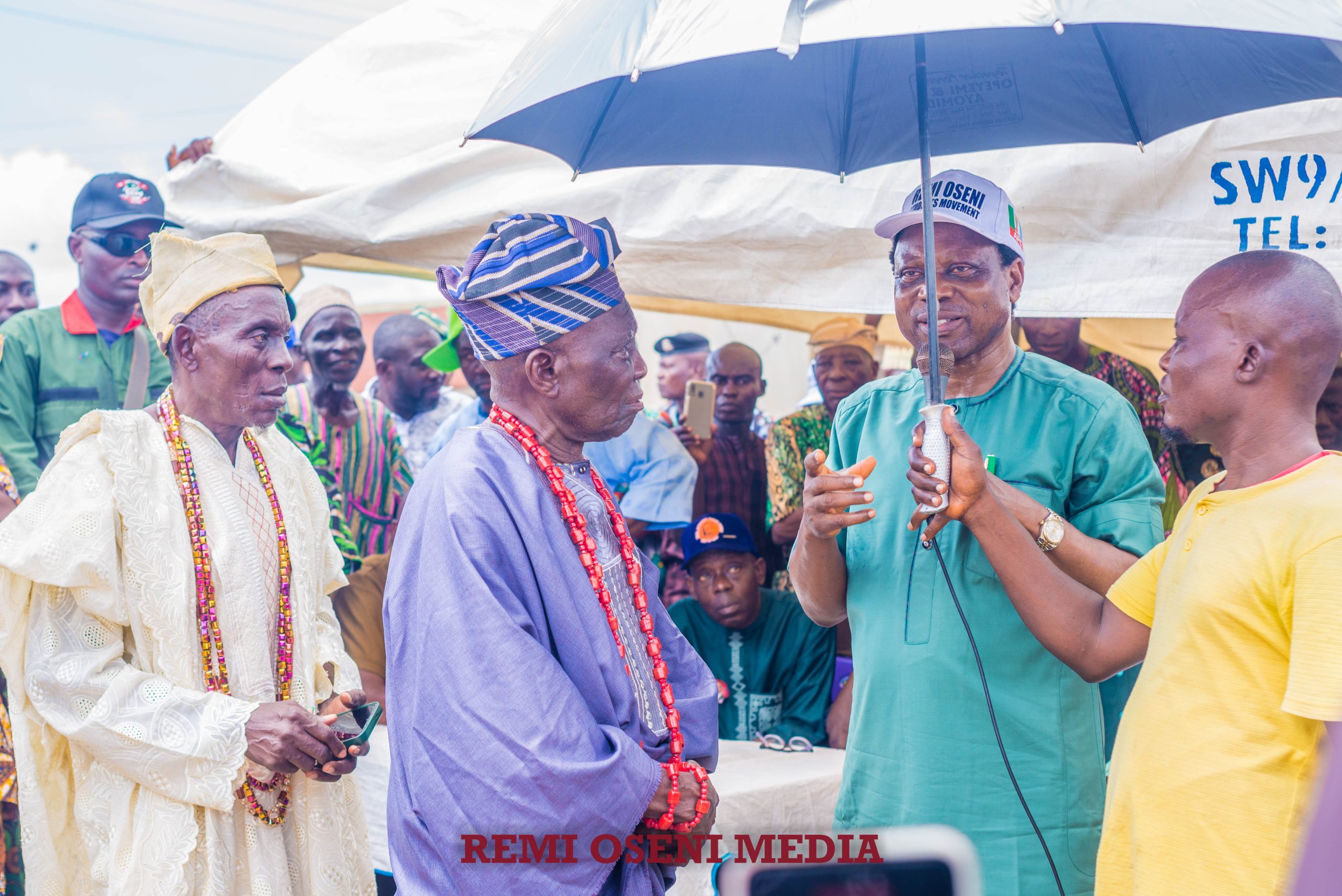
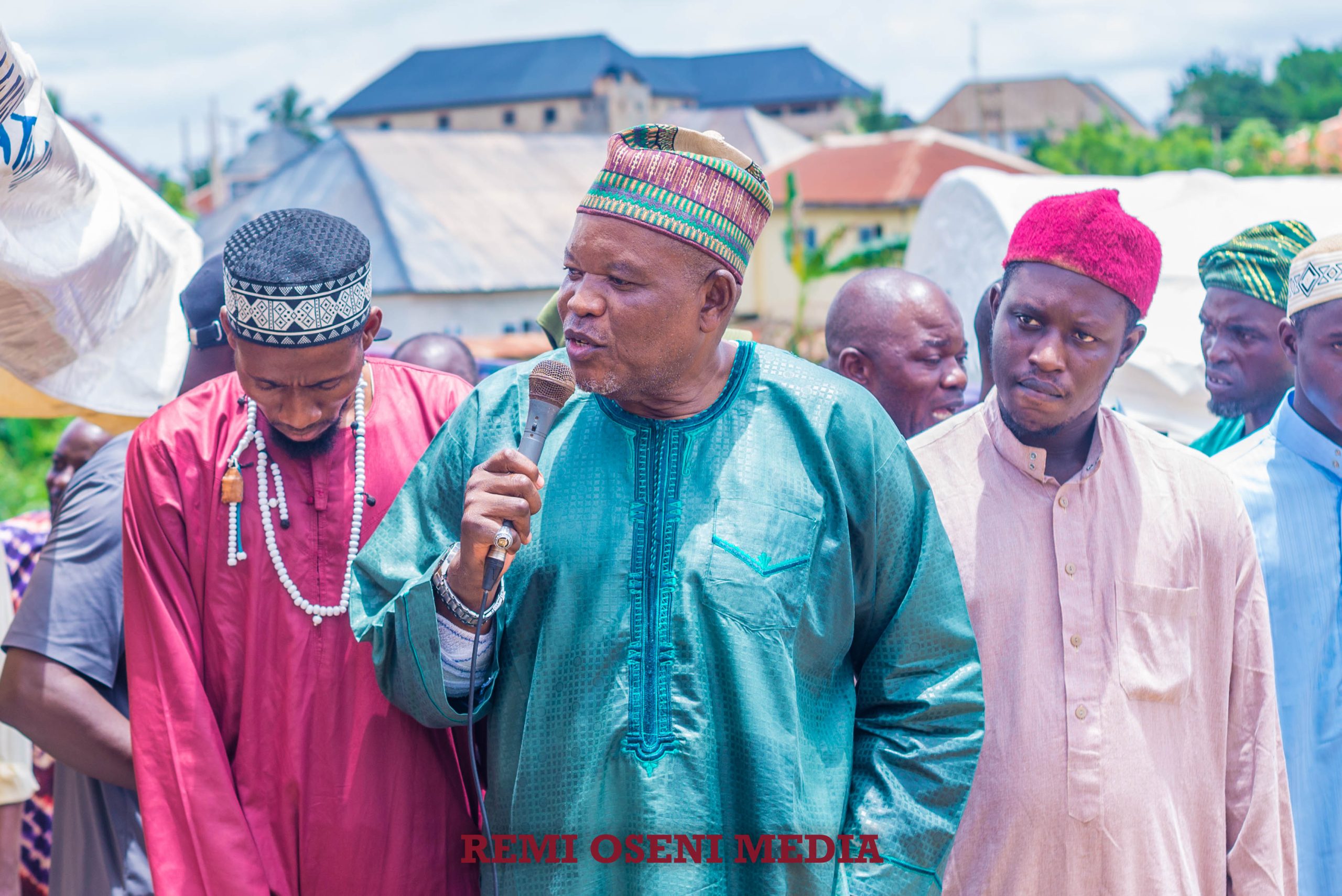
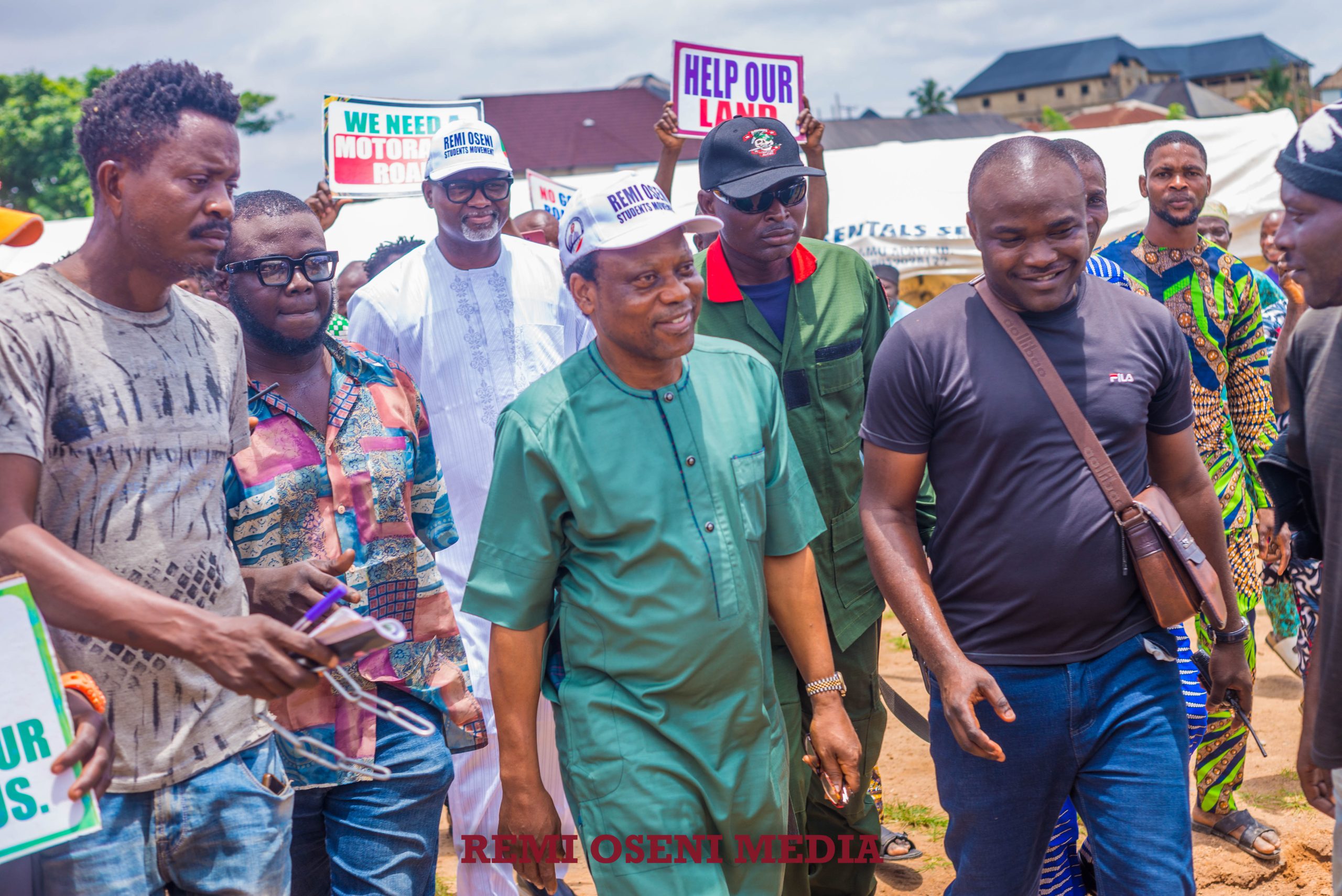
The All Progressives Congress (APC) candidate for Oyo South Senatorial District, Hon. Aderemi Oseni, has approved N100 million for the immediate rehabilitation of a major access road linking seven communities in Ido Local Government Area of Oyo State.

Oseni, who represents Ibarapa East/Ido Federal Constituency in the House of Representatives, announced the intervention on Saturday at a town hall meeting with residents and community leaders from Power Line, Awonsoso, Siba, Olupoyi, Balogun, Baba Agba and Agaloke communities.
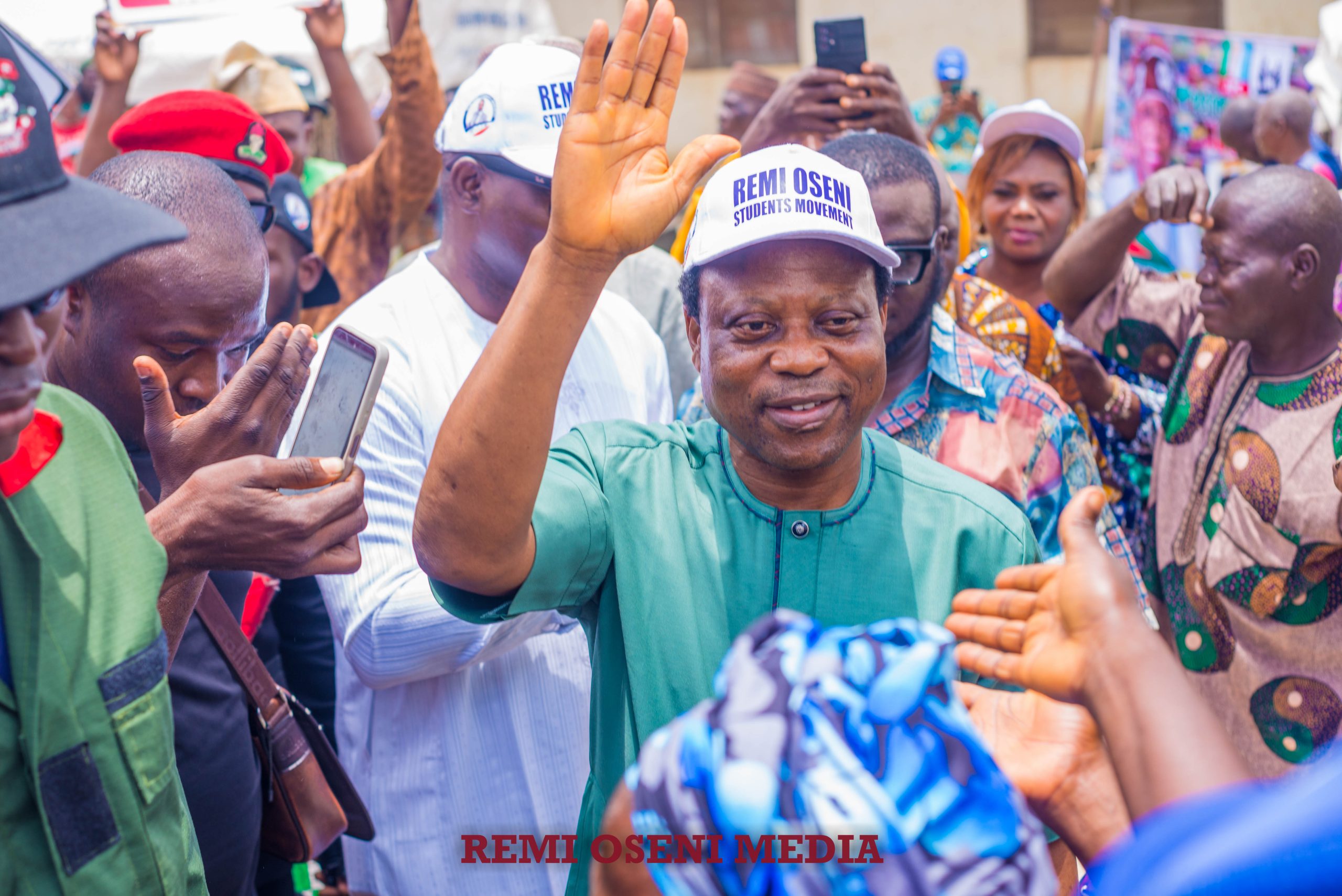
‎The lawmaker said the decision followed a request by the community stakeholders, who identified the poor condition of the road as their most pressing need. He assured the residents that the rehabilitation would be completed within four months.

‎Oseni said the intervention was part of his commitment to people-centred representation, stressing that his legislative activities had been focused on issues capable of improving the lives of Nigerians.
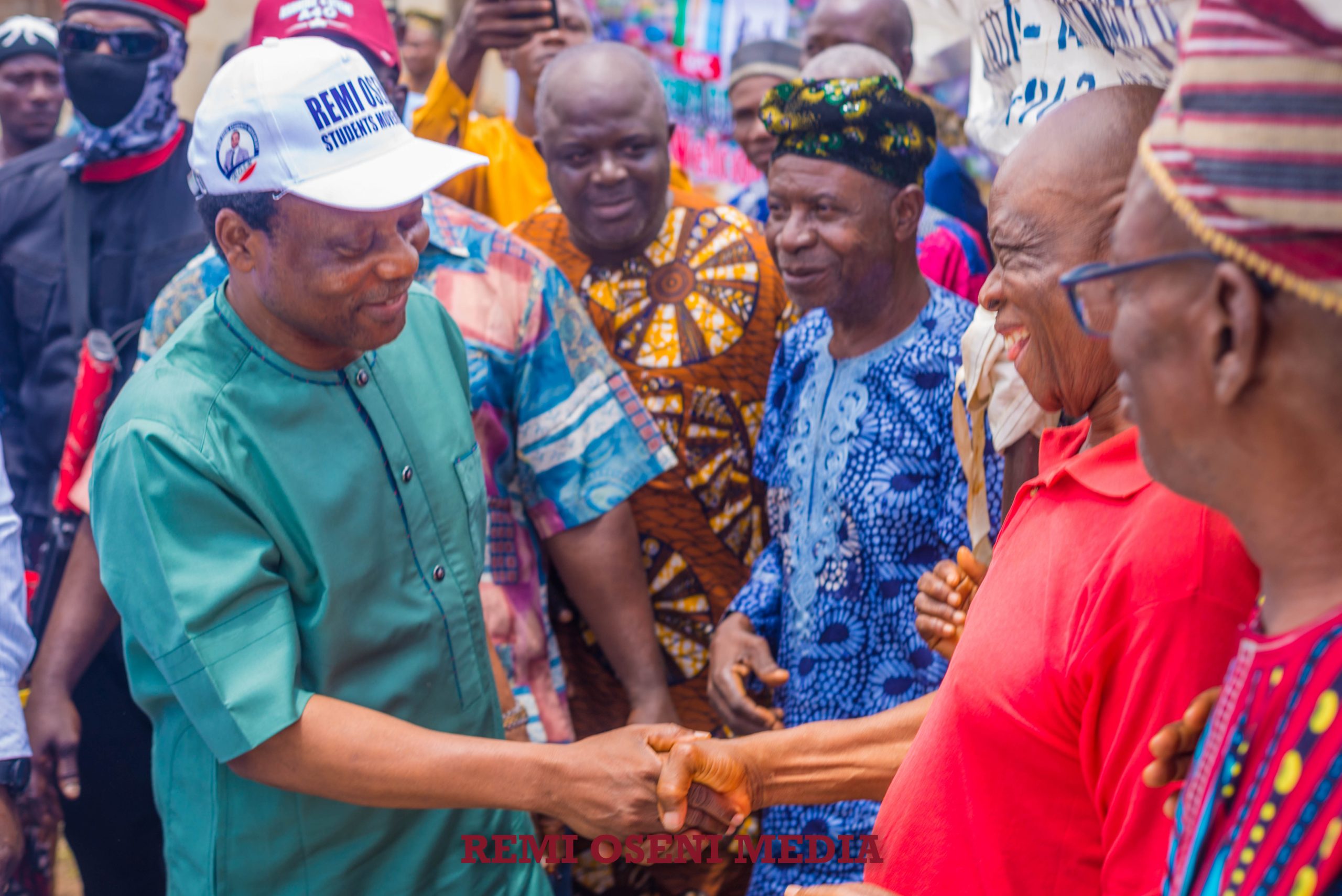
He said, “Within the three years plus, I have sponsored bills and moved motions that are carefully designed to positively impact the lives and livelihoods of citizens.”

According to him, some of the legislative initiatives include moves to amend the Federal Medical Centres Act to establish a Federal Medical Centre in Ido Local Government Area, stronger sanctions for contractors who fail to execute government projects according to specifications, and measures to improve accountability in the management of public contracts.

Oseni added that he had also advocated subsidised farm machinery for farmers, measures to reduce the cost of cancer treatment, improved food storage through modern silos and processing facilities, as well as urgent action on flooding and recurring building collapses in major cities among several others.
‎The lawmaker said his engagements with communities across Oyo South should not be viewed solely through the prism of the 2027 elections, despite the commencement of political activities.

“My visit here today is not to solicit for votes, but to listen and find practical ways to attend to the requests and plights of my people,” he said.

‎Oseni also disclosed that he had facilitated the distribution of 31 transformers across Ido and Ibarapa, with about 80 per cent of the cost funded through his foundation. He added that  other interventions had included solar-powered street lights, boreholes, bridges, public toilets, educational support,  infrastructure, health care services,  youth and women empowerment, and assistance to artisans, traders and markets across the senatorial district.
The APC chieftain further noted that some youths had also received N1 million each as seed capital to start small businesses.

‎Oseni acknowledged that his primary responsibility as a federal lawmaker was to make laws and provide effective representation, but said the gap created by ineffective governance at the grassroots had made it necessary for him to support communities through interventions.

He urged youths to remain focused and resilient, recounting how he worked as a bus conductor to raise money for his secondary education before becoming an engineer, businessman and legislator.

Earlier,  Chief Muibi Adegoke, Baale of Awonsoso, and Chief Azeez Saka, Baale of Elere Apata, commended the lawmaker for what they described as his performance in legislation and community development. They pledged their support for his political aspiration ahead of the 2027 election.

‎The meeting was attended by traditional rulers, religious leaders, community elders, women and youth leaders from the affected communities.

(c) Mega Icon Magazine 
Continue Reading

News

Oyo APC Guber Candidate, Alli, Celebrates Archbishop Wale Oke at 70

Published

on

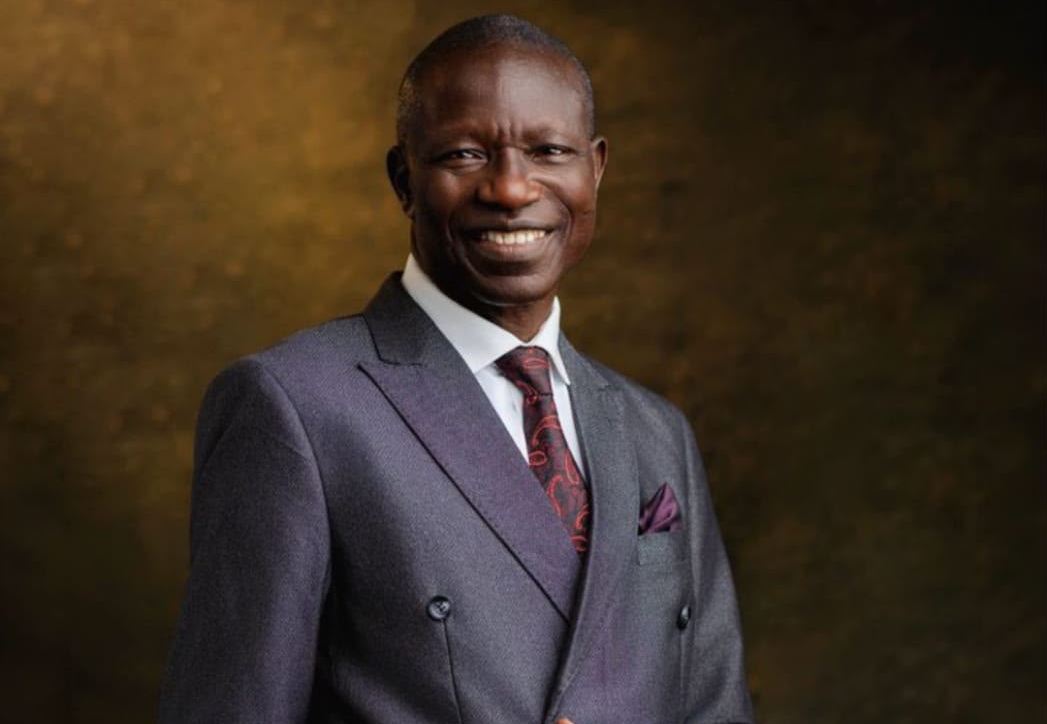
The All Progressives Congress (APC) governorship candidate in the 2027 Oyo State election, Senator Sharafadeen Alli, has congratulated the Archbishop of the Sword of the Spirit Ministries, Francis Wale Oke, on his 70th birthday.

Alli, in a statement on Tuesday, described the cleric as one of the foremost spiritual leaders produced by Ibadan, saying his contributions to the spread of Christianity had brought honour to Oyo State and impacted lives beyond Nigeria.

The senator described Oke as a “kingdom general” whose leadership and commitment to the gospel had positively influenced communities and nations across the world.

He said, “On behalf of my family and the APC family in Oyo State, I warmly congratulate one of our state’s most illustrious figures, Archbishop Francis Wale Oke, as he marks the landmark age of 70 years today.

“I join millions of Nigerians in celebrating a generational leader, a reformer and a dependable voice for peace and national development. Your dedication over the last five decades to destiny moulding, spiritual upliftment and the expansion of the Christian faith is unparalleled.”

Alli also commended the archbishop’s leadership qualities and his achievements in various capacities, particularly as the National President of the Pentecostal Fellowship of Nigeria.

The APC candidate noted that Oke’s influence extended beyond the pulpit, describing his years of service as a testament to his commitment to spiritual development and nation-building.

He prayed for continued grace, good health and many more years of fruitful service for the celebrant.

“As you continue to expand the Kingdom and impact destinies, I pray for renewed grace, robust health and many more fruitful years. Ibadan and Oyo State are immensely proud to have you,” Alli added.

Continue Reading

Trending

All Rights Reserved. Copyright © 2026 MegaIcon Magazine