News
Military aid ‘ll not stop Russian invasion of Ukraine – Macron suggests diplomatic solution



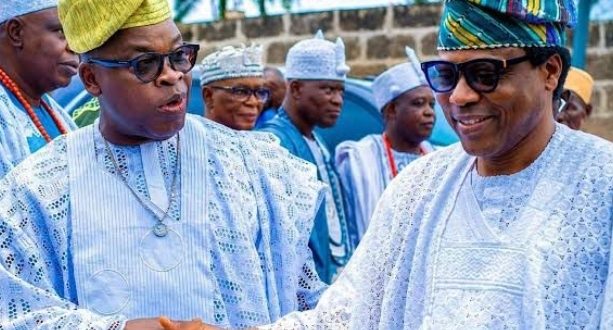
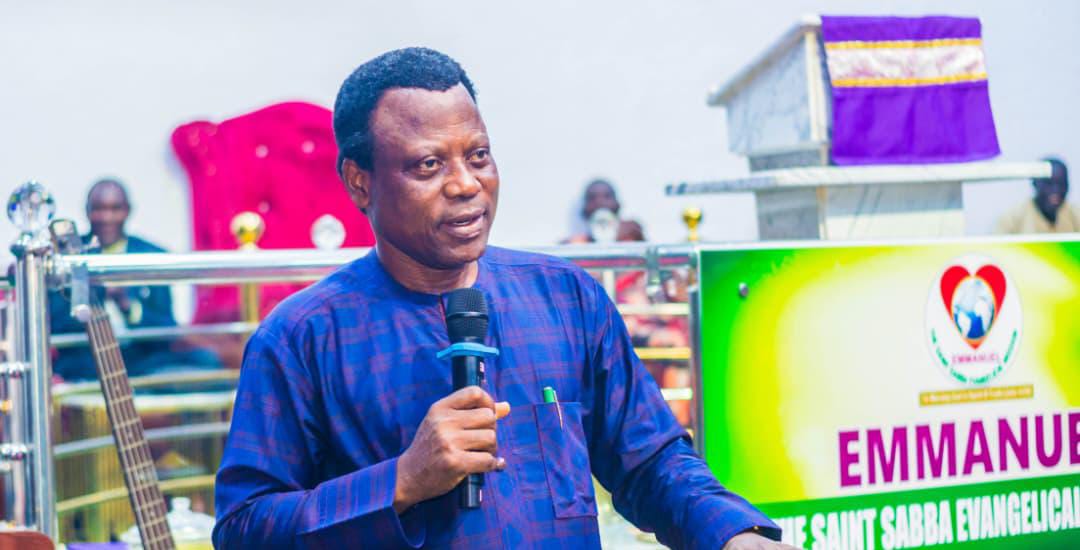
The All Progressives Congress (APC) candidate for Oyo South Senatorial District, Hon. Aderemi Oseni, has called on Nigerians to elect competent and accountable lawmakers, urging voters to understand the constitutional responsibilities of senators ahead of the 2027 general elections.
Oseni warned that misconceptions about the role of senators could undermine effective political representation, particularly when lawmakers are judged primarily by their ability to provide infrastructure, tackle poverty or distribute money to constituents rather than their performance in lawmaking, oversight and representation.
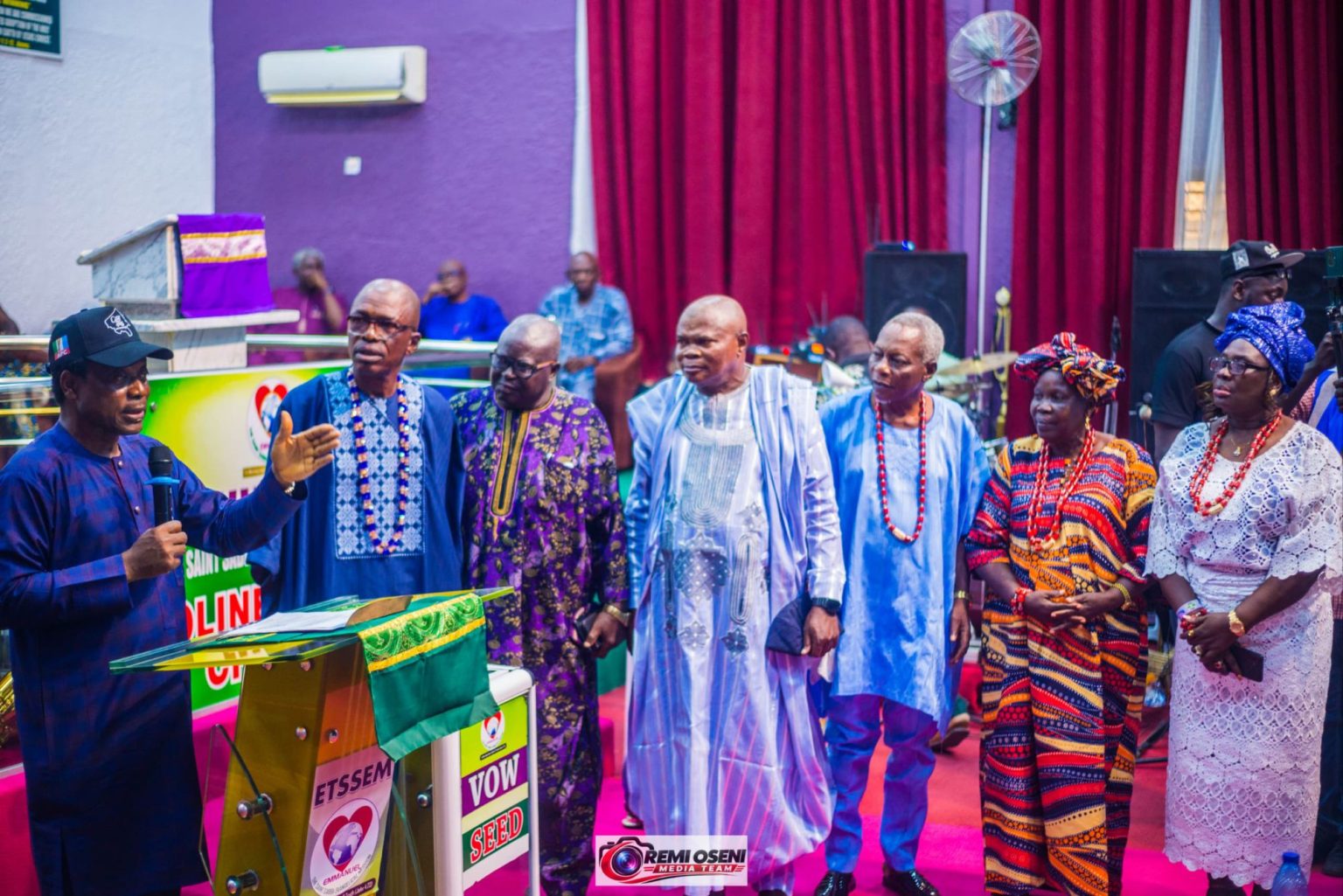
He spoke on Thursday at a political conference organised by the Christian Association of Nigeria (CAN), Ido Local Government Chapter, in Ibadan, the Oyo State capital.
The conference, themed “The Importance of Senatorial Governance and Representation in a Federal Democratic System,” brought together Christian leaders, political stakeholders, professionals, traditional rulers, youths and women to discuss the role of the Senate in Nigeria’s democratic development.
Oseni, who represents Ibarapa East/Ido Federal Constituency in the House of Representatives, identified three major challenges confronting senatorial representation: the election of unsuitable candidates, the failure of some elected senators to discharge their responsibilities effectively, and widespread misconceptions about the office.
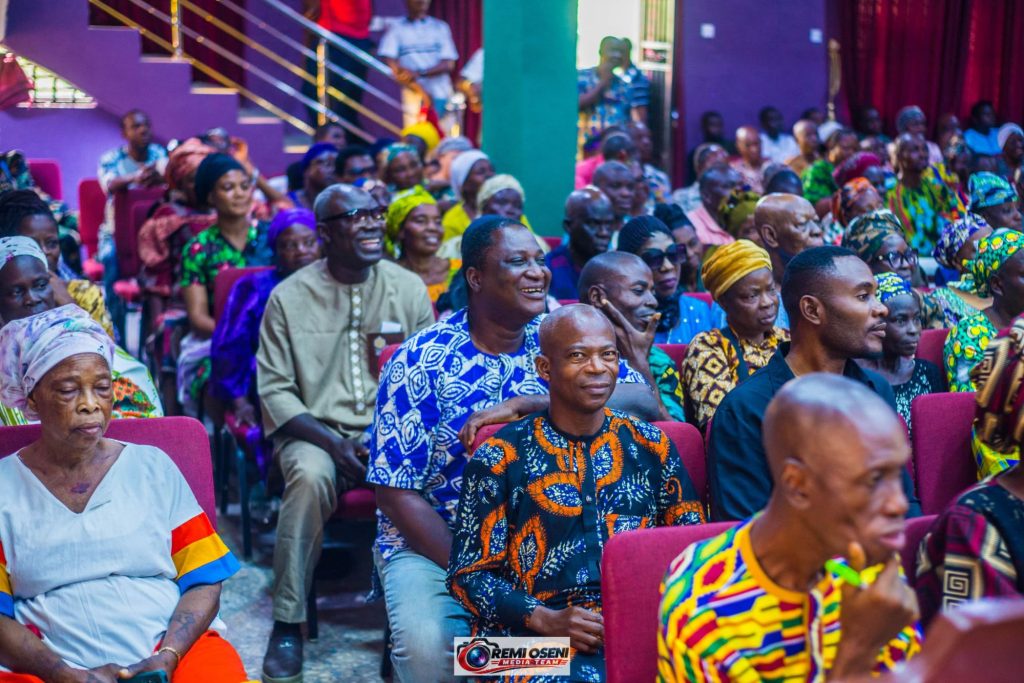
He said these challenges underscored the need for greater public awareness of the constitutional duties of senators.
The Chairman of the House Committee on the Federal Roads Maintenance Agency (FERMA) cautioned against holding senators solely responsible for youth unemployment, poverty, inadequate infrastructure and other development challenges without considering the respective responsibilities of the federal, state and local governments.
He also faulted the expectation that senators should routinely return from Abuja with large sums of money to distribute among their constituents.
“A senator is neither the Chief Executive of a senatorial district nor a replacement for the Governor or Local Government Chairman,” Oseni said.
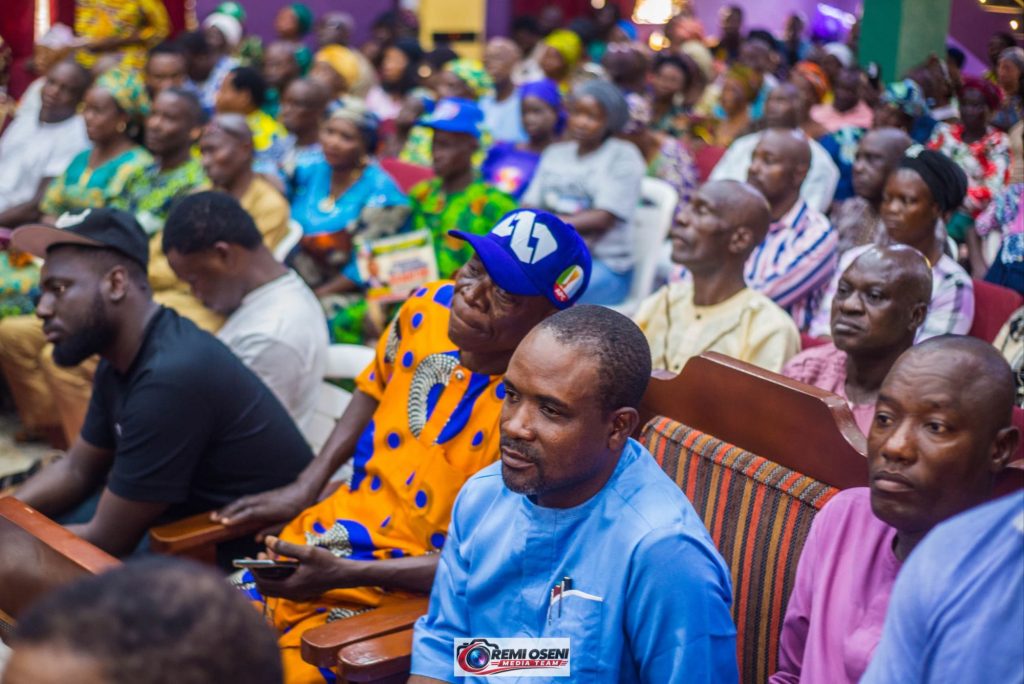
He explained that the primary responsibilities of senators included making laws, conducting legislative oversight, representing their constituents’ interests and advocating policies, projects and programmes capable of improving their welfare.
According to him, effective representation goes beyond occupying a seat in the National Assembly, as senators are expected to serve as a link between their constituents and the Federal Government.
He added that their responsibilities included influencing national policies, advocating development projects, facilitating access to legitimate federal programmes and ensuring that the concerns of their constituencies received adequate attention in national decision-making.
“A senator is the people’s voice at the federal level,” he said, stressing that effective representation required ensuring that constituents’ concerns were heard and considered in decisions affecting the country.
Oseni described the Senate as a critical institution in Nigeria’s federal democratic system, given its responsibilities for lawmaking, accountability and national development. He noted that the choice of a senator had implications not only for the immediate interests of a constituency but also for the country’s broader political and developmental direction.
He said the CAN conference provided an opportunity to promote informed political participation, correct misconceptions about legislative responsibilities and encourage voters in Oyo South to make informed choices ahead of the 2027 elections.
The APC chieftain urged voters to assess senatorial candidates based on their understanding of the legislative process, commitment to constituency representation, ability to scrutinise government policies and willingness to hold public institutions accountable.
He maintained that a better understanding of the Senate’s constitutional responsibilities would enable voters to set realistic expectations, demand accountability and evaluate their elected representatives more effectively.

Oyo: Oseni Celebrates Dotun Sanusi, Lauds Contributions to Society

‘Senators Are Not Governors, Council Chairmen’ – Oseni Explains Legislative Responsibilities

OYO 2027: ALLI PROMISES LG, LCDA AUTONOMY FROM DAY ONE



-
 Politics3 weeks ago
APM Rally: APC Tackles Makinde Over Use of ‘CAF-Rejected’ ₦5.5bn Stadium
-
News4 weeks ago
OYO 2027: ‘Fact-Check Always’ – Oseni’s Aide Replies Ex-AGF , Ojo Over Alli’s Campaign Billboard Claims
-
Politics3 weeks ago
Oyo: No APC Defection To APM, Makinde Lied — APM Scribe
-
News4 weeks ago
Oseni congratulates Ajimobi on Nigeria’s IAEA Board appointment