Connect with us

Health

Diseases cost the African Region $2.4 trillion a year, WHO reveals

Published

on

The World Health Organization (WHO) estimates that nearly 630 million years of healthy life were lost in 2015 due to the diseases afflicting the population across its 47 Member States in Africa, now amounting to a loss of more than 2.4 trillion international dollars ($) from the region’s gross domestic product value annually.

Non-communicable diseases have overtaken infectious diseases as the largest drain on productivity, accounting for 37 per cent of the disease burden. Other culprits for lost healthy years are communicable and parasitic diseases; maternal, neonatal and nutrition-related conditions; and injuries.

Around 47%, or $ 796 billion, of this lost productivity value could be avoided in 2030 if the Sustainable Development Goals related to these health conditions are achieved, WHO found.

“Four years into the implementation of countries’ efforts towards achieving UHC, current average expenditure on health in the Region falls short of this expectation,” the WHO Regional Director for Africa, Dr Matshidiso Moeti, writes in the foreword to A Heavy Burden: The Productivity Cost of Illness in Africa, which was launched during the second WHO Africa Health Forum this week in Cabo Verde.

As a target of Sustainable Development Goal 3, universal health coverage would require countries in the WHO African Region to spend, on average, at least $ 271 per capita per year on health, or 7.5% of the region’s gross domestic product.

According to United Nations Conference on Trade and Development estimates, attaining the 17 Sustainable Development Goals will require spending ranging from $ 1.5 trillion to $ 2.5 trillion per year until 2030, or up to $ 37.5 trillion. Low-income countries will need an additional $ 671 billion dollars ($ 76 per capita on average) until 2030 to attain the health-related Sustainable Development Goals (SDG).

To achieve the health-related SDG targets, countries must invest adequately in the development of resilient national and local health systems to effectively, affordably and efficiently deliver the integrated packages of proven cost-effective interventions contained in relevant programmatic global strategies and plans to target populations in need.

The findings of the WHO study on disease burden suggest that health systems strengthening should focus on rich as well as poor countries and on all ages as well as on the specific disease categories.

Five countries (the Democratic Republic of the Congo, Ethiopia, Nigeria, South Africa and the United Republic of Tanzania) accounted for almost 50% of the total years lost in healthy life (or DALYs) accrued in the WHO African Region.

The unpredictability of public revenues combined with mounting debt pressure is limiting the potential fiscal space that can be made available for health. Private financing sources have filled the gap, but either with out-of-pocket expenses that result in financial hardship or insufficient voluntary private health insurance that is not effective in extending service coverage to those that need it.

As the report emphasizes, achieving the Sustainable Development Goals by 2030, including the target of universal health coverage, will require political will and greater focus on government-led planning and financing for health. It will also necessitate greater outlays from public revenue, reforms to raise additional revenue and strategic purchasing mechanisms. And it will require that people usually left behind be put at the centre of health financing reform.

“This report illustrates how achievement of the critical health SDG targets, including universal health coverage, would contribute to poverty eradication efforts on a large scale, reduce disparities in lifespan, tackle social exclusion and promote political stability and economic development in the WHO African Region,” explains Grace Kabaniha, Health Economist in the WHO Regional Office for Africa. “It also provides much-needed evidence that ministries of health can use in dialogue on resource allocation with ministries of finance. It adds to the body of evidence showing that health is a strategic investment for development.”

Comments

Health

Trump cleared for office, doctor orders weight loss ahead of 80th birthday

Published

on

By

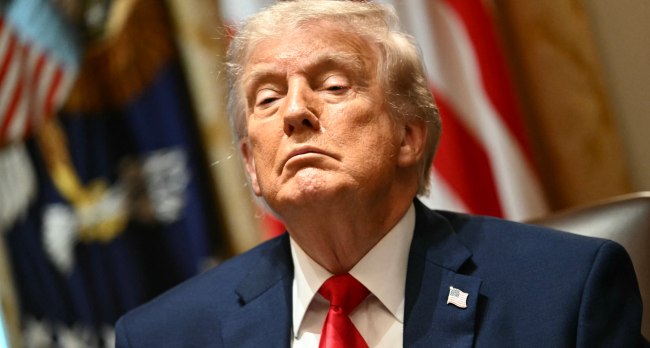
United States President Donald Trump has been declared medically fit to continue in office, with his physician describing him as being in “excellent health” while recommending weight loss and increased physical activity weeks before his 80th birthday.

The White House disclosed on Friday that Trump underwent his annual medical and dental examination on Tuesday at Walter Reed Military Hospital near Washington, amid growing scrutiny over his health and fitness for office.

In a three-page medical memo released by the White House, Trump’s physician, US Navy Captain Sean Barbabella, said the president demonstrated strong overall physical and mental capacity.

“President Trump remains in excellent health, demonstrating strong cardiac, pulmonary, neurological, and overall physical function,” Barbabella stated, adding that the president was “fully fit to carry out all duties of the Commander-in-Chief and Head of State.”

However, the physician advised Trump to adopt healthier lifestyle measures, including dietary adjustments, increased physical activity, continued weight loss and low-dose aspirin therapy for cardiovascular prevention.

According to the report, Trump, who will turn 80 on June 14, stands at 6ft 3in tall and weighs 238 pounds (108 kilograms), about 14 pounds more than he weighed during his last full annual medical check-up in April last year.

Despite concerns surrounding his age, the report noted that Trump’s cardiac health reflected an estimated age roughly 14 years younger than his chronological age.

The president also reportedly scored a perfect “30 out of 30” in a cognitive assessment, a result Trump has repeatedly cited in public while contrasting himself with his Democratic predecessor, former President Joe Biden.

The medical report further addressed concerns over bruising frequently seen on Trump’s right hand, attributing it to “minor soft tissue irritation” caused by repeated handshaking and aspirin use.

The memo also referenced scarring on Trump’s right ear linked to the assassination attempt against him during a campaign rally in Butler, Pennsylvania, in 2024, when a gunman opened fire, killing a supporter and slightly wounding the president.

Trump’s latest health evaluation comes amid public concerns after he was occasionally seen appearing drowsy during White House meetings and events. He had also previously been diagnosed with chronic venous insufficiency, a condition that affects blood circulation in the veins and can lead to swelling in the legs.

Reacting shortly after Tuesday’s examination, Trump wrote on his Truth Social platform that the medical exercise had gone “PERFECTLY,” while the White House later shared his photograph online with the caption, “PERFECT BILL OF HEALTH!”

The release of the report also sparked debate in the United States after the White House initially delayed making the medical details public, breaking with the traditional practice of releasing presidential health summaries shortly after such examinations.

Trump has long faced criticism over transparency regarding his health records, with questions also raised over the scheduling and description of his medical evaluations since returning to office.

Continue Reading

Health

Oyo confirms Lassa fever death in Ibadan, activates emergency response, traces contacts

Published

on

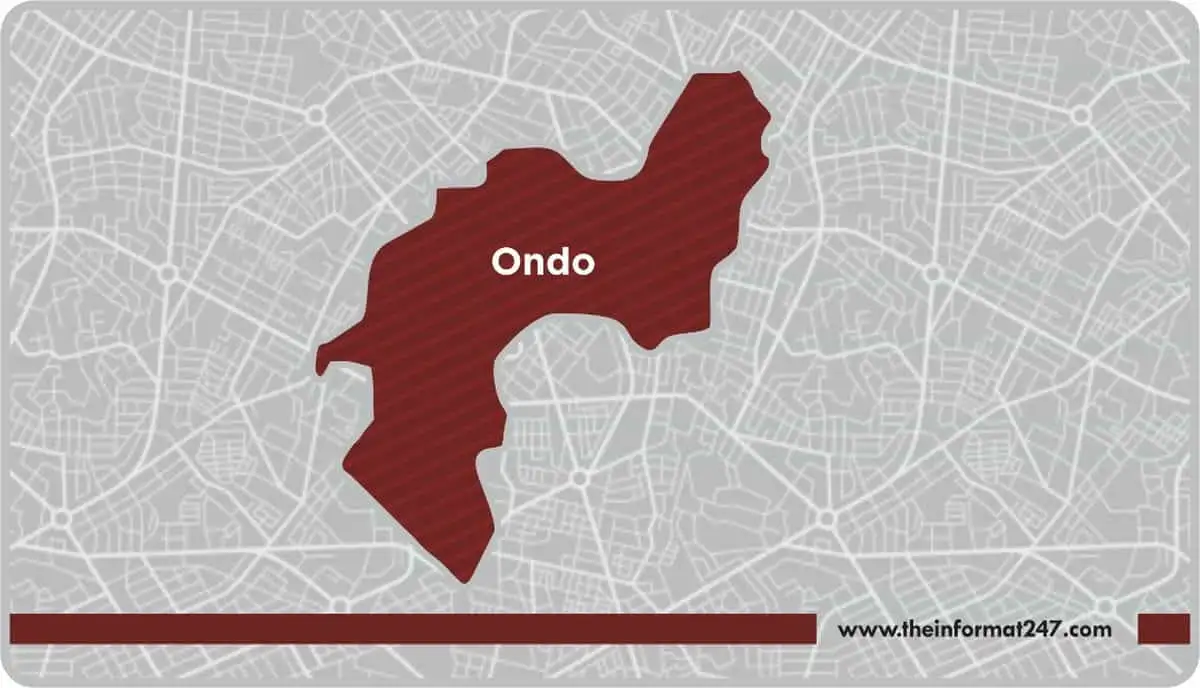
The Oyo State Government has confirmed a Lassa fever case at the University College Hospital, Ibadan, where a 44-year-old woman died, prompting the activation of emergency response measures and immediate contact tracing to contain the disease.

The state Commissioner for Health, Oluwaserimi Ajetunmobi, disclosed this in a statement on Wednesday, saying, “The patient died on April 11, 2026, while receiving treatment, while laboratory confirmation of Lassa fever was received on April 13.”

She added that the Ministry of Health had swiftly activated its emergency response system, including the establishment of an Incident Management System to coordinate response activities across the state.

According to her, “All identified contacts of the deceased are being closely monitored, while necessary measures have been taken to ensure a safe and dignified burial in line with public health protocols.”

Ajetunmobi urged residents to seek immediate medical attention if they experience symptoms such as persistent fever, weakness, sore throat, vomiting, diarrhoea, unexplained bleeding, chest pain or difficulty breathing.

She stressed, “Early presentation at health facilities significantly improves the chances of survival.”

The commissioner explained that Lassa fever is a viral haemorrhagic disease transmitted primarily through contact with food or household items contaminated by urine or faeces of infected rodents.

“It can also spread from person to person through contact with bodily fluids, especially in healthcare settings where infection prevention measures are not strictly observed,” she said.

She advised residents to maintain strict environmental hygiene, including proper waste disposal, safe storage of food in rodent-proof containers and avoiding drying food items on bare ground or roadsides.

Ajetunmobi also urged households to seal holes and entry points to prevent rodent access, while emphasising regular handwashing and good personal hygiene.

Residents, she said, should report suspected cases through designated emergency lines, while health workers must strictly adhere to infection prevention and control protocols.

Reaffirming the government’s commitment, the commissioner said surveillance had been intensified across the state, with all health facilities placed on alert.

“There is no cause for panic. The situation is under control, and Lassa fever is both preventable and treatable when detected early,” she assured.

Continue Reading

Health

Rep Oseni Backs Ajimobi Widow’s Cancer Fight, Vows More Health Projects

Published

on

The lawmaker representing Ibarapa East/Ido Federal Constituency in the House of Representatives, Aderemi Oseni, has pledged to support the breast cancer awareness programme of the ABC Foundation founded by former Oyo First Lady, Dr. Florence Ajimobi.

Oseni, who is Chairman of the House Committee on Federal Roads Maintenance Agency (FERMA), made the commitment on Thursday in Ibadan at the flag-off of Pink Month 2025, an initiative of the foundation.

Contained in a statement by his media aide, Idowu Ayodele, the lawmaker described the campaign as a “lifesaving mission” given the rising burden of breast cancer in Nigeria, with over 28,000 new cases and thousands of deaths reported annually.

The APC chieftain said the free screening of 1,000 women planned by the foundation was timely, stressing that early detection remained the strongest weapon in the fight against cancer.

Hon. Aderemi Oseni exchanging pleasantries with former Oyo State First Lady, Dr. (Mrs.) Florence Ajimobi, at the event.

“Health is life. Only this June, I moved a motion at the National Assembly which led to the Federal Government subsidising dialysis treatment nationwide. Today, dialysis is either free or heavily discounted in federal health facilities,” Oseni said.

He listed his personal interventions to include funding hospital bills of indigent patients, construction of hospitals in Ido and Ibarapa East, establishment of primary health centres, and organisation of medical outreaches. He also disclosed plans to deploy mobile clinics to rural areas.

Commending Mrs. Ajimobi for sustaining her late husband’s legacy through humanitarian service, Oseni assured of partnership with the foundation, saying women’s wellbeing and empowerment remained central to his vision for Oyo State.

In her remarks, Mrs. Ajimobi said the foundation had offered medical care to over 85,000 patients and conducted more than 100,000 investigations since its inception. She added that the campaign was not just corporate social responsibility but “a moral duty and sacred trust.”

The former first lady, who lost her daughter Abisola to breast cancer earlier this year, said the experience had strengthened her resolve to save other families from such tragedy. She appealed to women to take advantage of the free screening and called on partners and development agencies to support the fight.

Continue Reading

Advertisement

Entertainment

Advertisement

MegaIcon Magazine Facebook Page

Advertisement

MEGAICON TV

Advertisement

Trending