News
Exclusive: Fear of the unknown grips Oyo Assembly members, lobby for new cabinet jobs







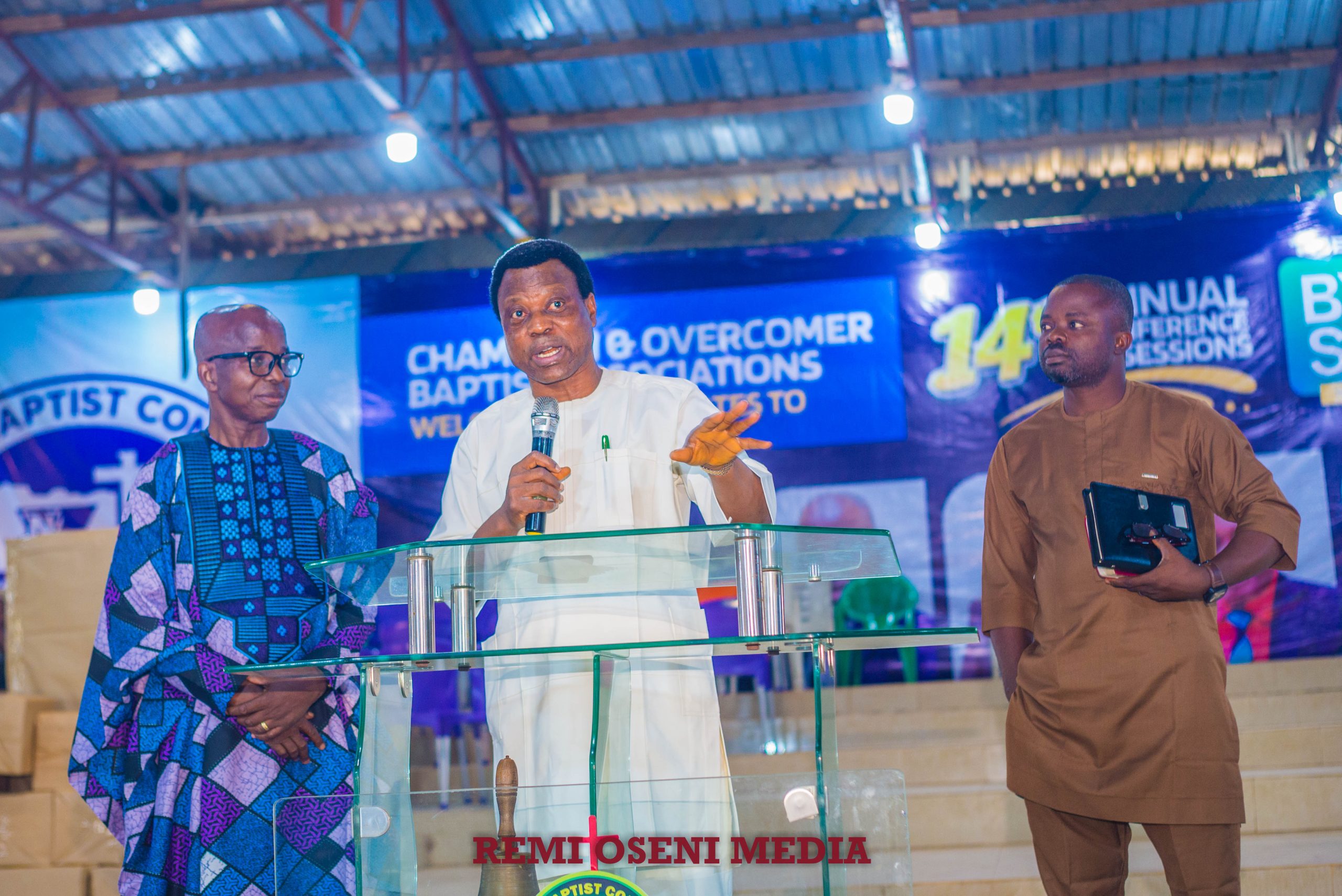
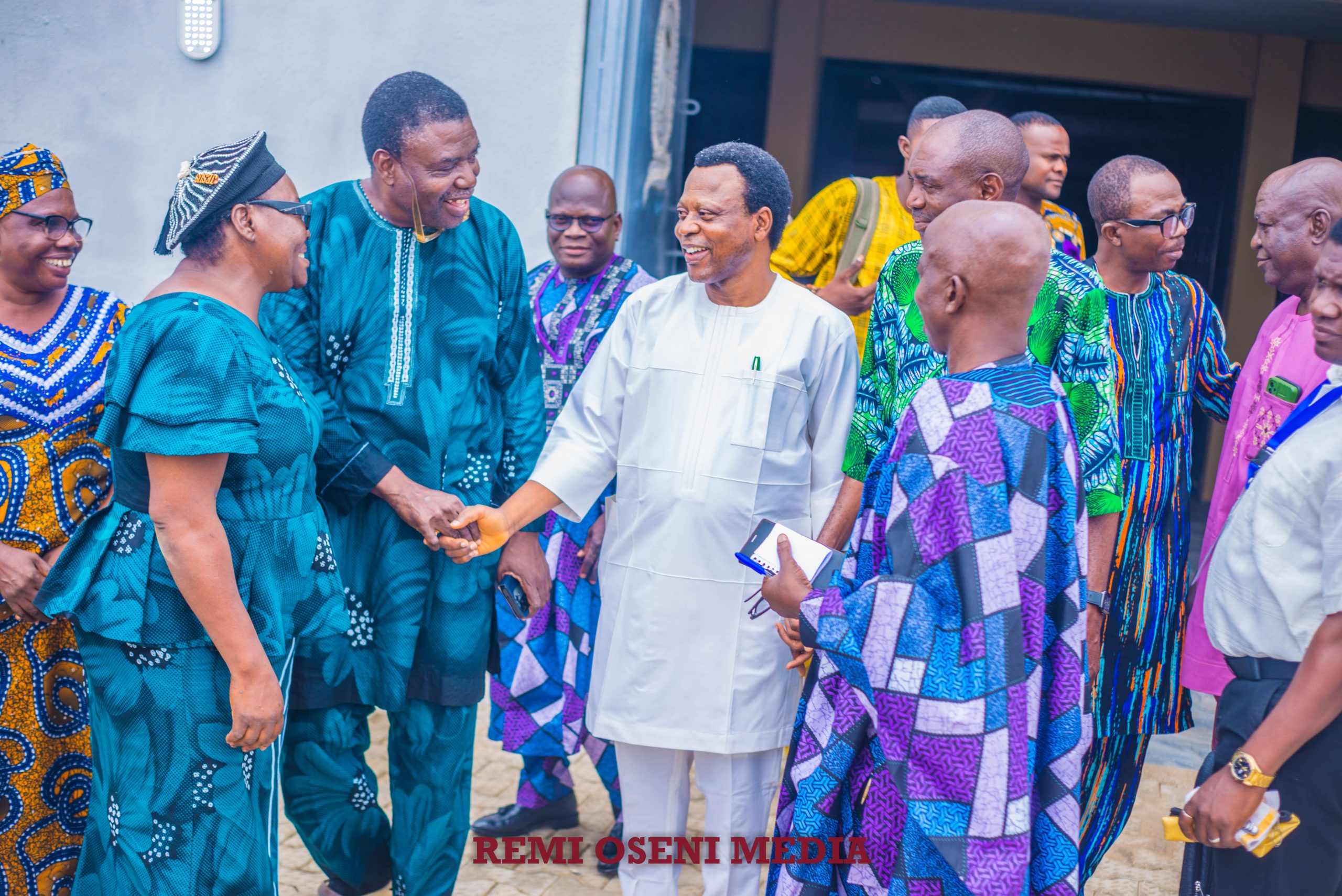
The All Progressives Congress (APC) candidate for Oyo South Senatorial District, Hon. Aderemi Oseni, has donated a 500KVA transformer and N10 million in support of the 14th Annual Conference of the Ibadan Baptist Conference.
Oseni, who represents Ibarapa East/Ido Federal Constituency in the House of Representatives, made the donations on Tuesday while addressing participants at the conference, which was held under the theme, “By His Spirit.”
Speaking at the event, Oseni, who is the Chairman of the House Committee on Federal Roads Maintenance Agency (FERMA), expressed appreciation to the leadership and members of the Baptist Conference for giving him the opportunity to address the gathering. He commended the church for its contributions to the spread of the gospel and its impact on education, humanitarian services and other areas of human development.
The lawmaker said the challenges facing society could not be overcome through human efforts alone, stressing the need for divine guidance and the power of the Holy Spirit.
“Our efforts are important, but human efforts alone are not enough. We need the direction of God and the power of the Holy Spirit to guide us in our individual lives and in the affairs of our communities,” he said.
Oseni urged the congregation to combine faith with responsible action, saying lasting transformation could only be achieved when individuals and communities sought divine direction while taking practical steps to address their challenges.
He also encouraged Christians to take greater interest in politics and governance, noting that everyone votes remained an important instrument for determining the quality of leadership in the country.
According to him, “Votes count in Nigeria. Therefore, Christians must not remain on the sidelines. We must participate in politics, contribute ideas and collectively seek solutions to the challenges confronting our society. Governance is about the people and the delivery of services that improve their lives.”
The Oyo South senatorial candidate also solicited support for President Bola Tinubu and other APC candidates, saying leaders should be judged by their commitment to serving the people. He said the participation of responsible citizens in politics was necessary to promote good governance and ensure that public offices were used for the benefit of the people.
Quoting Proverbs 29:2, Oseni said, “When the righteous are in authority, the people rejoice.” He added that such rejoicing should be reflected in improved quality of representation, education, electricity, potable water, empowerment, healthcare, security, infrastructure, economic opportunities and good governance.
He said, “When the people have quality representation and can see the impact of government in their daily lives, that is when they will truly rejoice. Our people deserve access to good education, healthcare, potable water, electricity, security, infrastructure and opportunities to improve their livelihoods.”
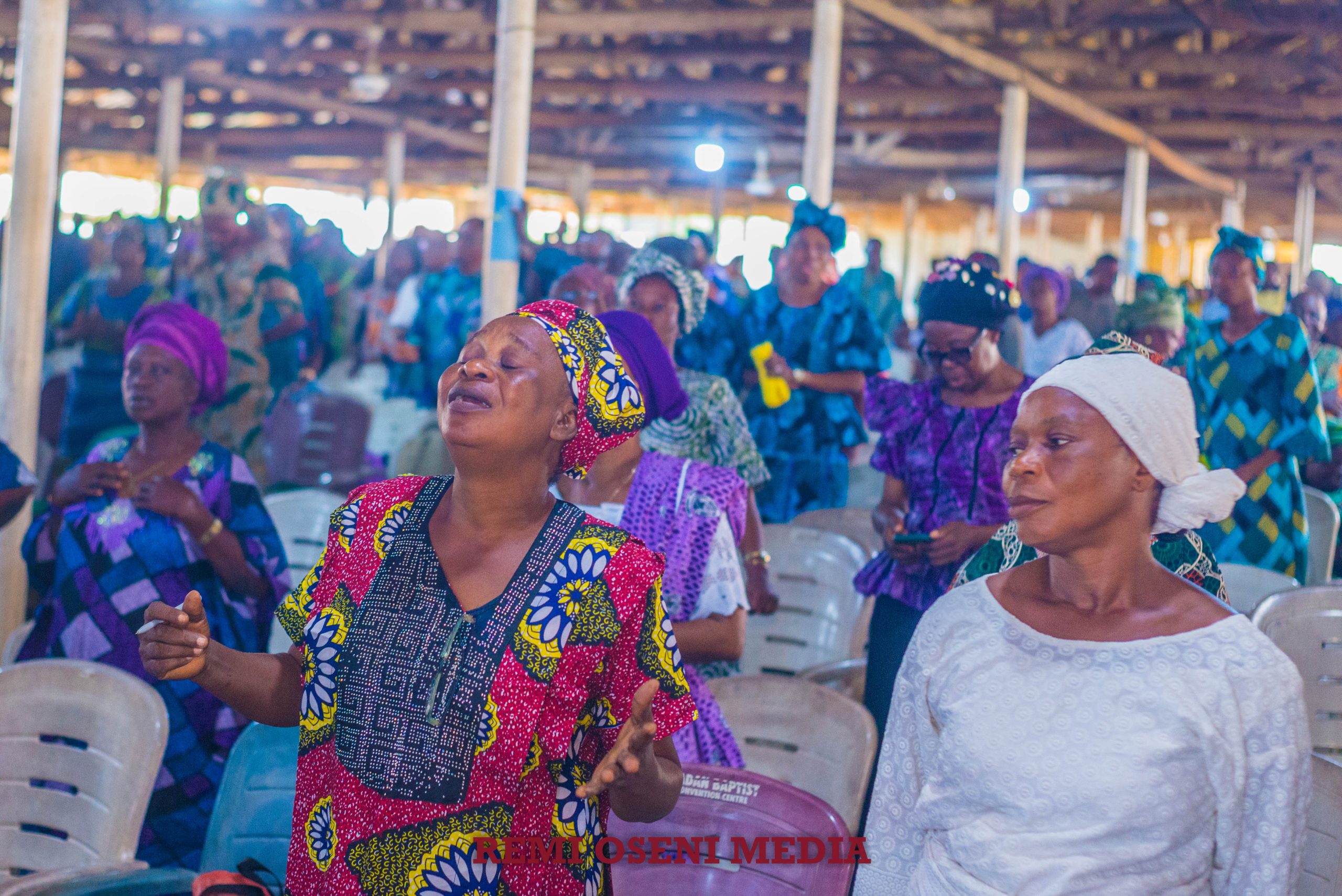
Oseni further urged the congregation to remain united and continue to pray for the country and its leaders, particularly those entrusted with public responsibilities. He appealed to leaders at all levels to always seek wisdom and do what was right in the interest of the people, while assuring the people of his continued commitment to quality representation and service to humanity.
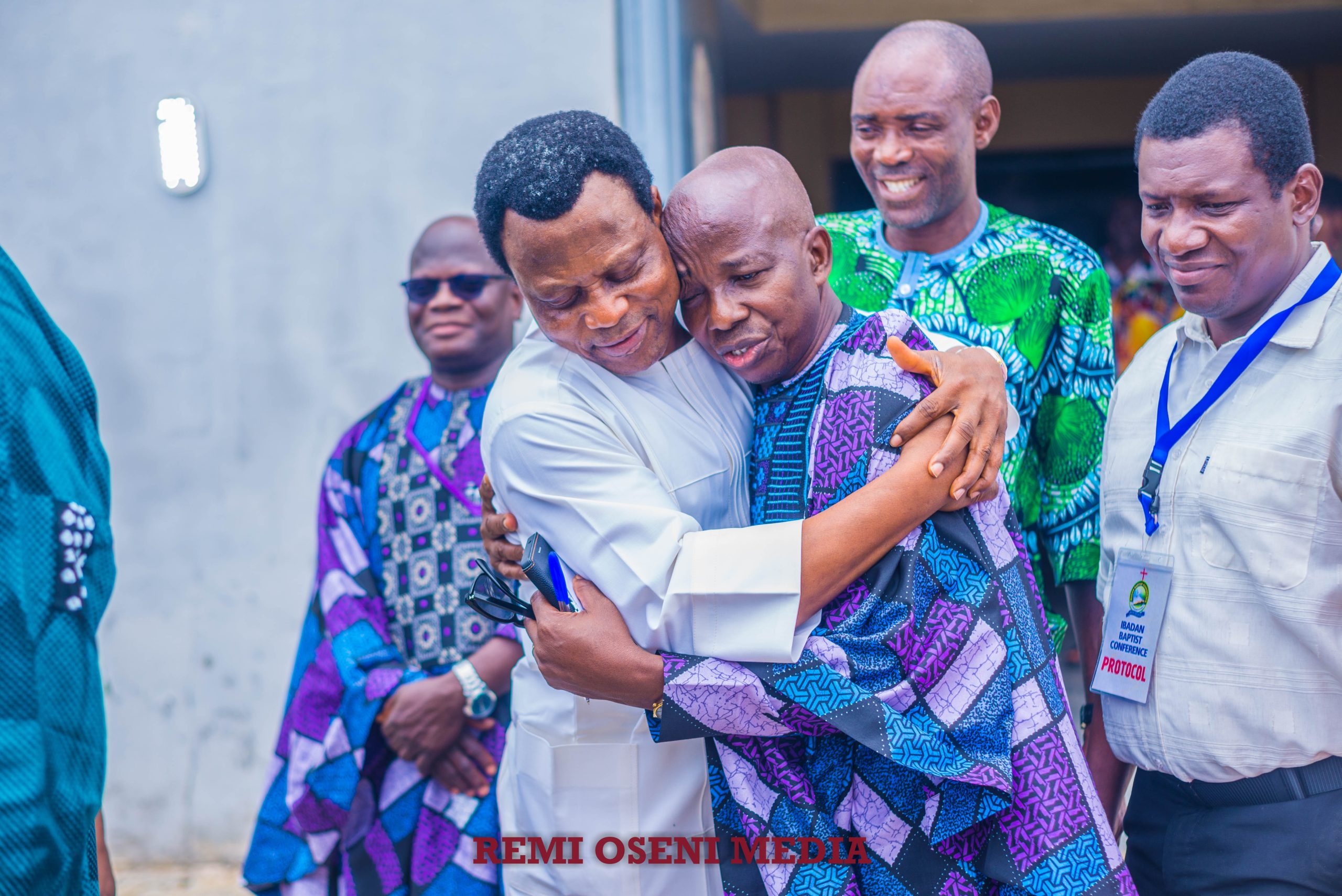
In his remarks, the President of the Ibadan Baptist Conference, Rev. Oyekola Bamidele, commended Oseni for his performance in office and his commitment to humanity.
Oyekola described the lawmaker as “one of our own,” acknowledging his contributions to the development and wellbeing of the people.
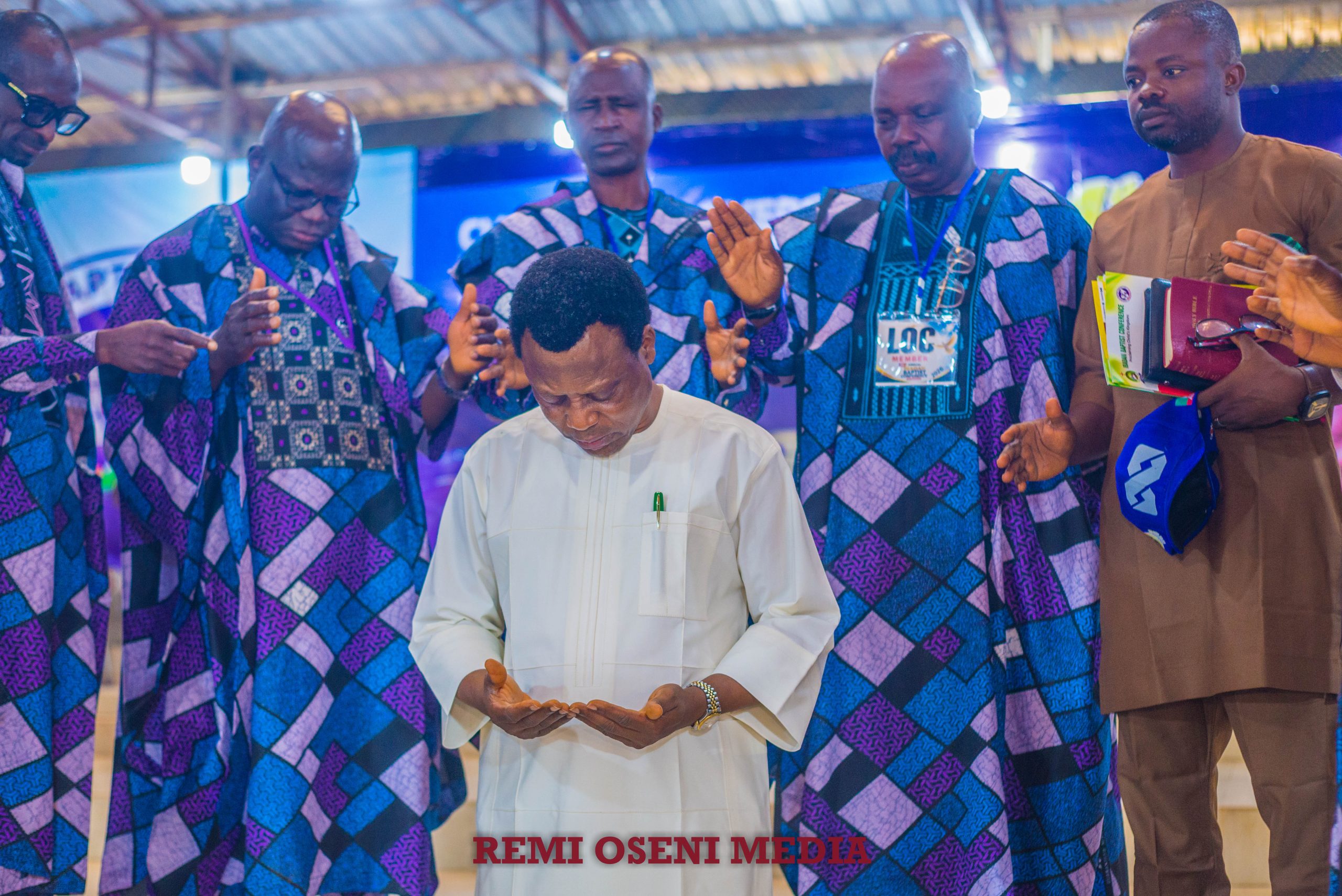
The Conference President subsequently invited church leaders, elders and members of the congregation to join him in prayers for Oseni, committing his leadership and future political ambition into the hands of God.
(C) Mega Icon Magazine













-
 Politics1 week ago
Adeleke: I Had No Electoral Deal With ADC
-
Education1 week ago
ADC guber candidate, Adegoke decries 674,324 out-of-school children in Oyo
-
News1 week ago
FG adds 208MW to national grid, upgrades Ijora, Apapa substations
-
Sports1 week ago
Oyo APC Demands Probe of N5.5bn Lekan Salami Stadium Renovation