Connect with us

Opinion

Yahaya Bello: Do we need to prosecute ex-govs?

Published

on

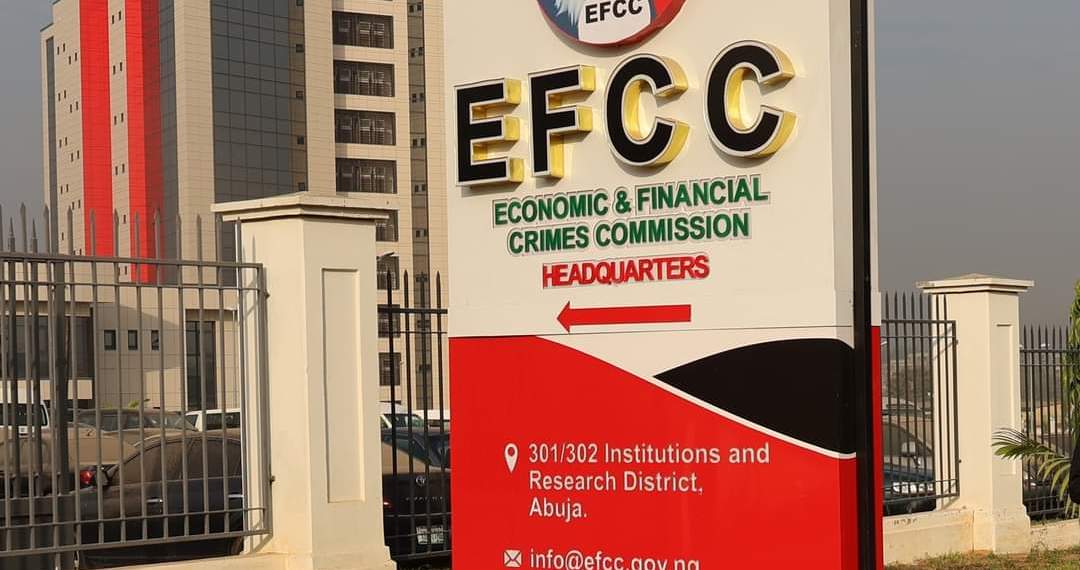
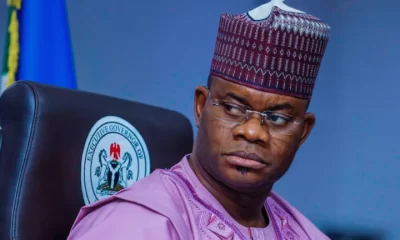
I followed the drama of unimaginable scenes that unfolded in Abuja last week, as the Economic and Financial Crimes Commission(EFCC) moved to arrest and arraign the immediate past governor of Kogi State, Alhaji Yahaya Bello, in respect of alleged mismanagement of funds. I called it a drama of unimaginable scenes because the EFCC had laid siege to the house since very early in the day, knowing that its target, the “White Lion of Kogi State” was holed up somewhere in the compound.

But before the very eyes of the EFCC operatives, the man they had waited all day to catch, just slipped off their hands effortlessly. They claimed that he was rescued by his cousin, the incumbent governor of the state, Usman Ododo, who is protected by constitutional immunity. But EFCC lawyers would claim that Section 12 of the Administration of Criminal Justice Act (ACJA) empowers the body to break into houses to effect arrest.

Maybe that’s a story for another day. But it was surprising they didn’t think of that option. Bello was said to have stayed put in the Government House Lokoja since indication emerged that the EFCC was on his trail. So the easiest thing for the Kogi governor to do was to drive into the troubled house and then fish out a troubled cousin.

The Yahaya Bello saga is just the latest drama between the EFCC and former governors. Some time ago, we witnessed the Ayo Fayose drama. The former Ekiti State governor, whom EFCC was unable to arrest while in office put up some drama when he arrived at EFCC’s office wearing a branded ‘T’ shirt with the inscription: “EFCC I’m here.” Some of his loyalists helped him with things he needed to use in the EFCC detention.

Aside from that, we have also witnessed the Willie Obiano saga. The former governor of Anambra State was accused of misappropriating the state’s funds and has since been taken to court. Immediately after handing over the reins of power in Awka, the man had planned to jet out of the country but had to be stopped as EFCC operatives grabbed him at that exit point. We were also witnesses to the back and forth between the former Governor Abdulaziz Yari of Zamfara State and the EFCC. The commission had accused Yari of mismanaging billions of Naira and moved to arraign him.

There were accusations and counter-accusations until Yari landed in the Senate, and things became quiet. The drama between the ex-Imo State governor, Rochas Okorocha, was interesting while it lasted. The commission had laid siege to the residence and eventually entered through the roof. We saw a terrified Okorocha and his household, praying fervently for God’s intervention as operatives jumped in to grab their suspect.

The list I have above is by no means exhaustive of the dramatic exchanges between the EFCC and some former governors accused of one financial misdeed or the other in recent years. One thing is, however, common to all the cases, after the the initial bubbles, the whole thing dies down as the retreating waves. Next to nothing is heard of the cases as the neck-breaking snail-speed of the nation’s judicial system takes over. Year after year, it is about one injunction or the other. Many of the accused had gone ahead to seek elective posts and won, many others have taken appointments and the law cannot stop them from utilising the benefits of the allegedly looted resources to gain an advantage since our laws presume individuals innocent until proven guilty.

The books of the EFCC and the Independent Corrupt Practices and Other Related Offences Commission (ICPCC) are full of such individuals who have allegations of hundreds of billions of Naira hanging on their necks. Many of them are busy swinging the official chairs in government offices as we speak. God forbid, one of such should, gain control of the nation’s presidency one day!

Well, to forestall such a scary development, I think we need an antidote to these endless anti-corruption trials. The endless trial is not just a drain on the energy of the lady justice. It drills a gaping hole in the state’s resources as well. Imagine the legal charges the state incurs in taking several cases through the layers of courts. It is also possible some of the accused, who are innocent of the accusation could die in the process of trials and thus carry an unnecessary burden of guilt (at least in the eyes of the public) into their graves. The late governor of Oyo State, Otunba Adebayo Alao-Akala was able to win his case against the EFCC after 13 years, he died not long after the ‘not guilty’ verdict was pronounced. Former President of the Senate, Adolphus Wabara was also on the bribe-for-budget case preferred against him for more than ten years. Luckily, he was alive to receive his ‘not guilty’ verdict as well. Some may not be that lucky.

To stem this tide of seemingly endless trials of politically exposed persons, I want to suggest amendments to the EFCC and ICPC Acts to lay much premium on thorough and discreet probes of financial crimes rather than dump the results of the investigations in the court, the suspects should be called in and shown the traces of the illegally taken funds and their destinations. If the suspect is ready to refund at least two-thirds of the stolen funds to the coffers of the government, the agency involved, under the supervision of a competent court, could sign an irrevocable non-disclosure agreement and collect the funds into a special basket created for that purpose and which will be used for infrastructural development.

Such an agreement should also take care of any possible penchant for grandstanding by any politician who could mount the podium one day and claim never to have been indicted of financial crimes. As much as the government would not waste time and resources prosecuting him or her, he should also be barred from active politics and playing godfather roles. If we do this, we will not only save time and resources, but we will get back a sizeable amount of the looted funds into government coffers for developmental purposes.

By Taiwo Adisa

This piece was first Published By Sunday Tribune, April 21, 2024.

Comments

Opinion

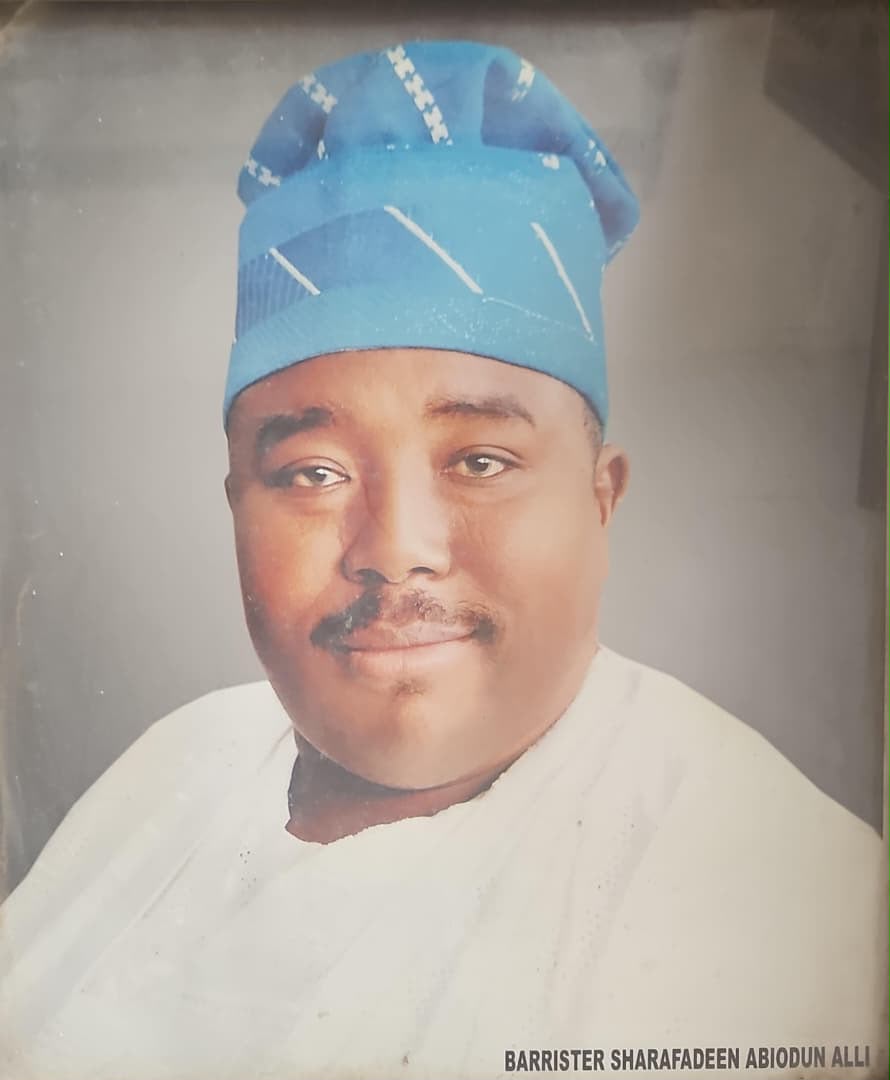
Seven Factors That Keep Sharafadeen Alli Ahead in 2027 Oyo Governorship Race

Published

on

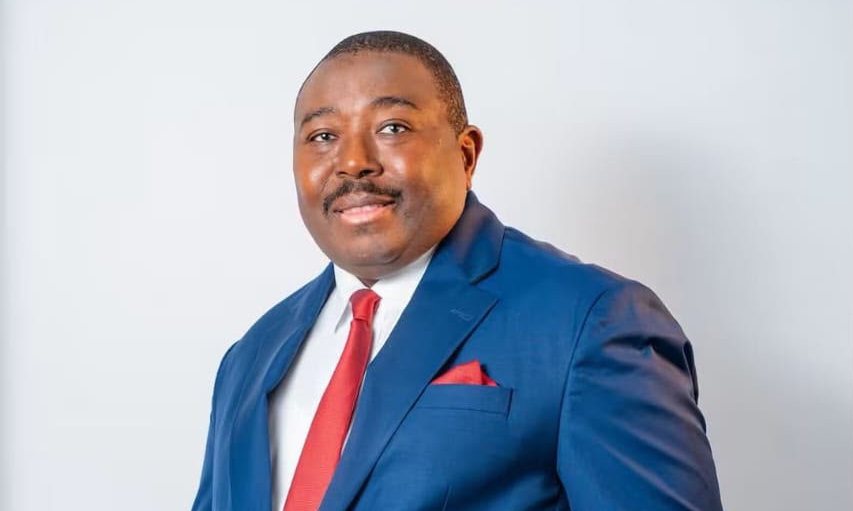
File photo of Sen. Sarafadeen Alli


Fact 1: Homegrown Leader with Unmatched Grassroots Experience

Senator Alli’s political journey began at the grassroots level in Ibadan, where he made history in 1991 as the first democratically elected Executive Chairman of Ibadan North Local Government. This early leadership role demonstrates a deep, foundational understanding of local governance and the needs of the people, a critical asset for a state governor.
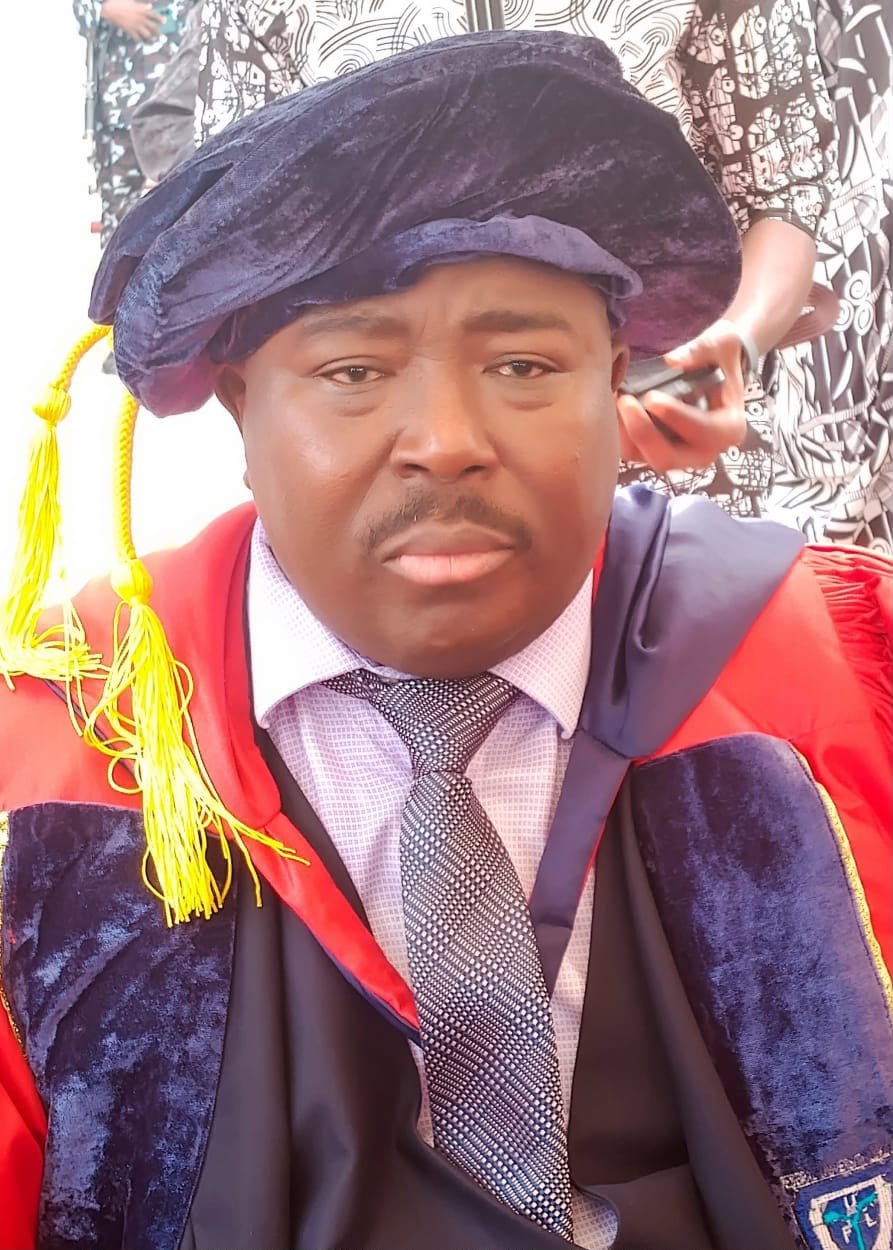
Fact 2: Rare Combination of Top-Tier Academic and Professional Credentials

Senator Alli is not just a politician but also a distinguished legal practitioner with a Ph.D. in Legislative and Strategic Studies. His extensive education, including degrees from the University of Ibadan, combined with his fellowships from prestigious professional institutes, provides him with the analytical, legal and strategic acumen required to manage the complex affairs of Oyo State.
Fact 3: Proven Executive Administrative Competence at the Highest State Level

His tenures as Secretary to the Oyo State Government (SSG) and later as Chief of Staff (CoS) to the Governor showcase his direct experience in the engine room of state administration.
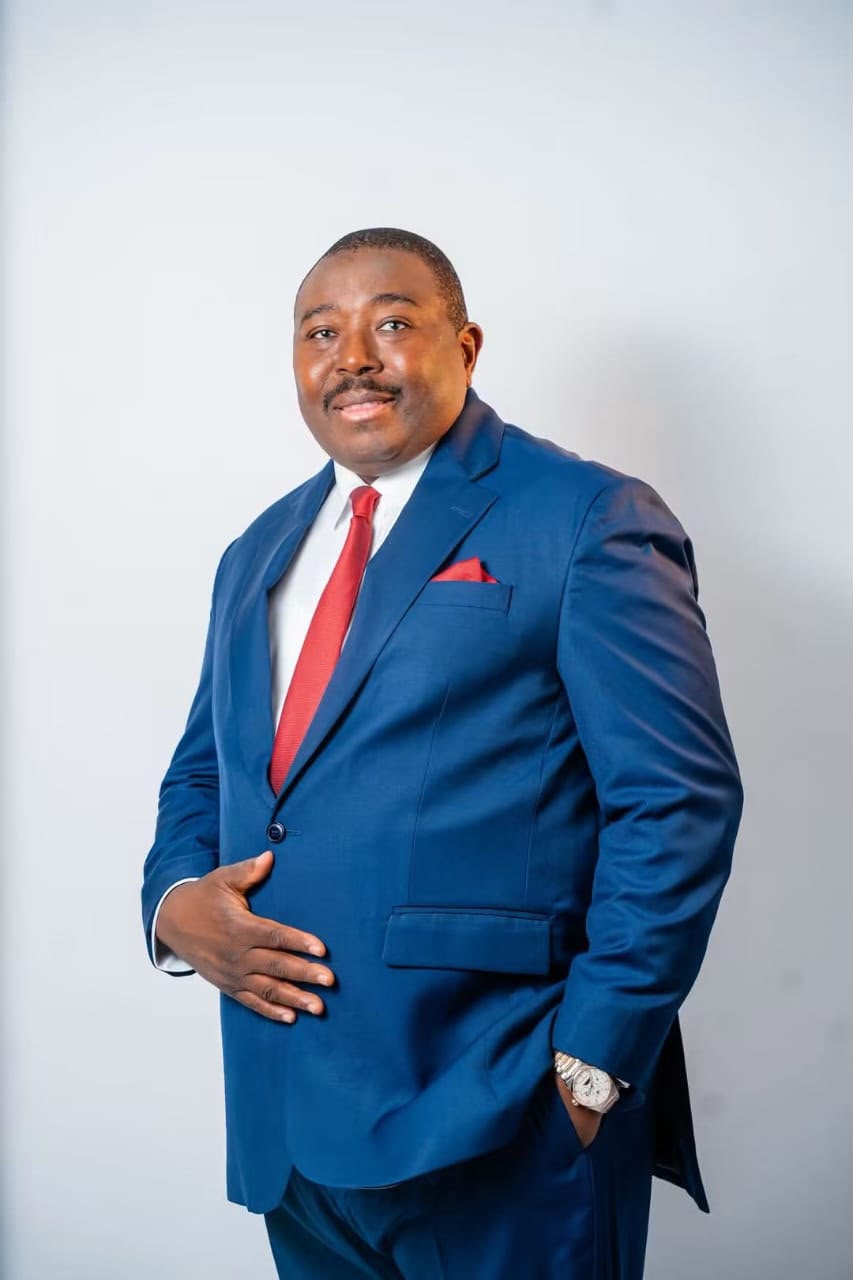
 

He has been intimately involved in policy formulation, committee leadership and the day-to-day running of the state, making him uniquely prepared to assume the governorship and hit the ground running from day one.

Fact 4: Demonstrated Executive Business Leadership with Regional Impact

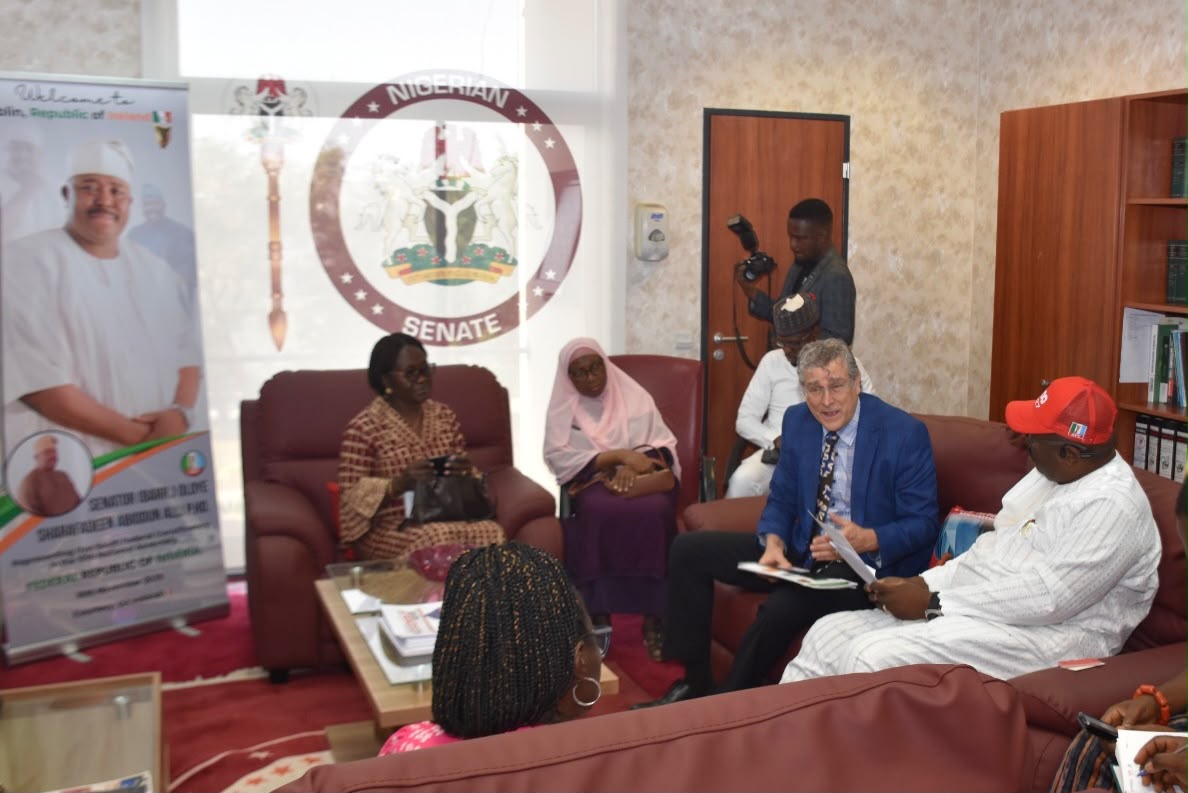
As Chairman, Board of Directors of Odu’a Investment Company Limited, Senator Alli was not just an administrator but a visionary economic leader. He spearheaded landmark investments such as the Cocoa Mall and Heritage Mall in Ibadan, which transformed the economic landscape of Oyo State. This proven ability to attract and drive large-scale economic development is directly transferable to governing Oyo State.
Fact 5: Battle-Tested and Consistent Political Figure

Senator Alli’s political career spans more than three decades, weathering the annulment of his 1996 Senate election and consistently remaining a relevant and influential force. He has contested for Deputy Governor and Governor in the past, giving him a comprehensive understanding of statewide campaigns and the diverse political landscape of Oyo State. His journey demonstrates resilience, deep political networks and unwavering commitment.

Fact 6: Current, Performing Senator and Influential Figure

As the sitting Senator for Oyo South, he is actively delivering quality representation, impactful constituency projects and people-oriented legislation. He has sponsored five Bills and raised six Motions to promote development. Senator Alli has also facilitated employment for 100 constituents across Federal Government agencies.
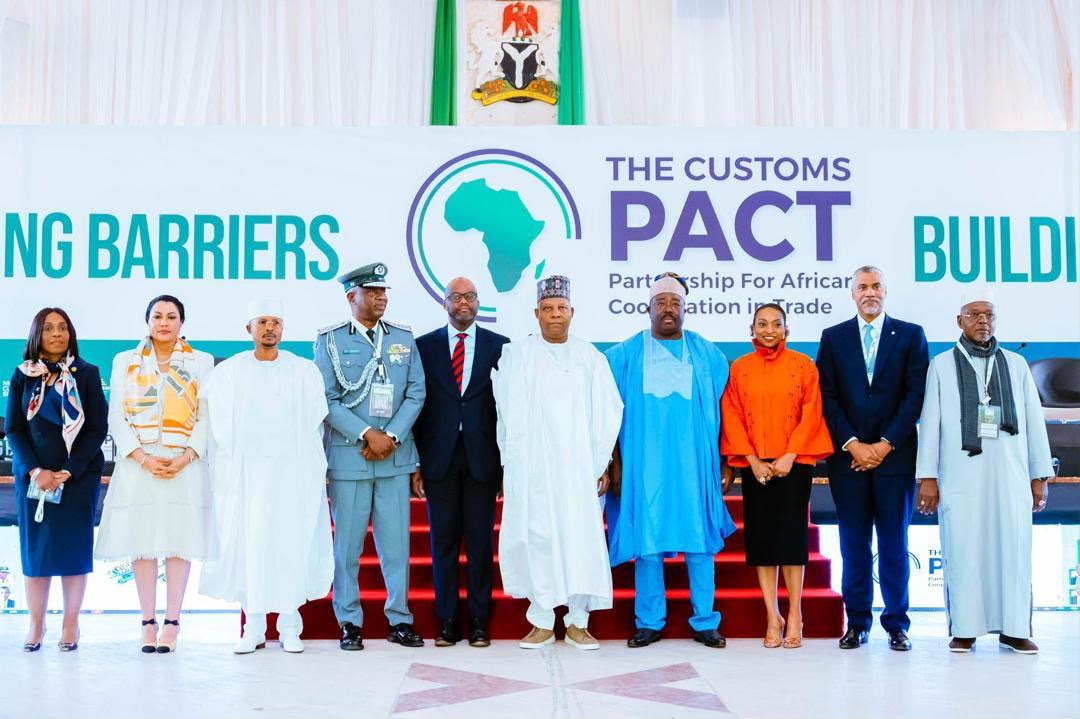
His role as Chairman of the Senate Committee on Agricultural Colleges and Research Institutions, as well as his membership in the ECOWAS Parliament, demonstrate that he is not only focused on local issues but is also equipped with a broader perspective on governance, trade and regional integration.

Fact 7: Unifying and Respected Traditional Title Holder

Senator Alli’s position as the Ekaarun Balogun of Ibadanland, one of the highest-ranking chieftaincy titles in the ancient city, signifies his deep-rooted connection to tradition and his standing as a respected community leader.

His reputation as a calm, wise, simple, relatable and inclusive bridge-builder who unites people across political, religious and ethnic divides positions him as a leader capable of fostering peace, stability and consensus across the entire state.


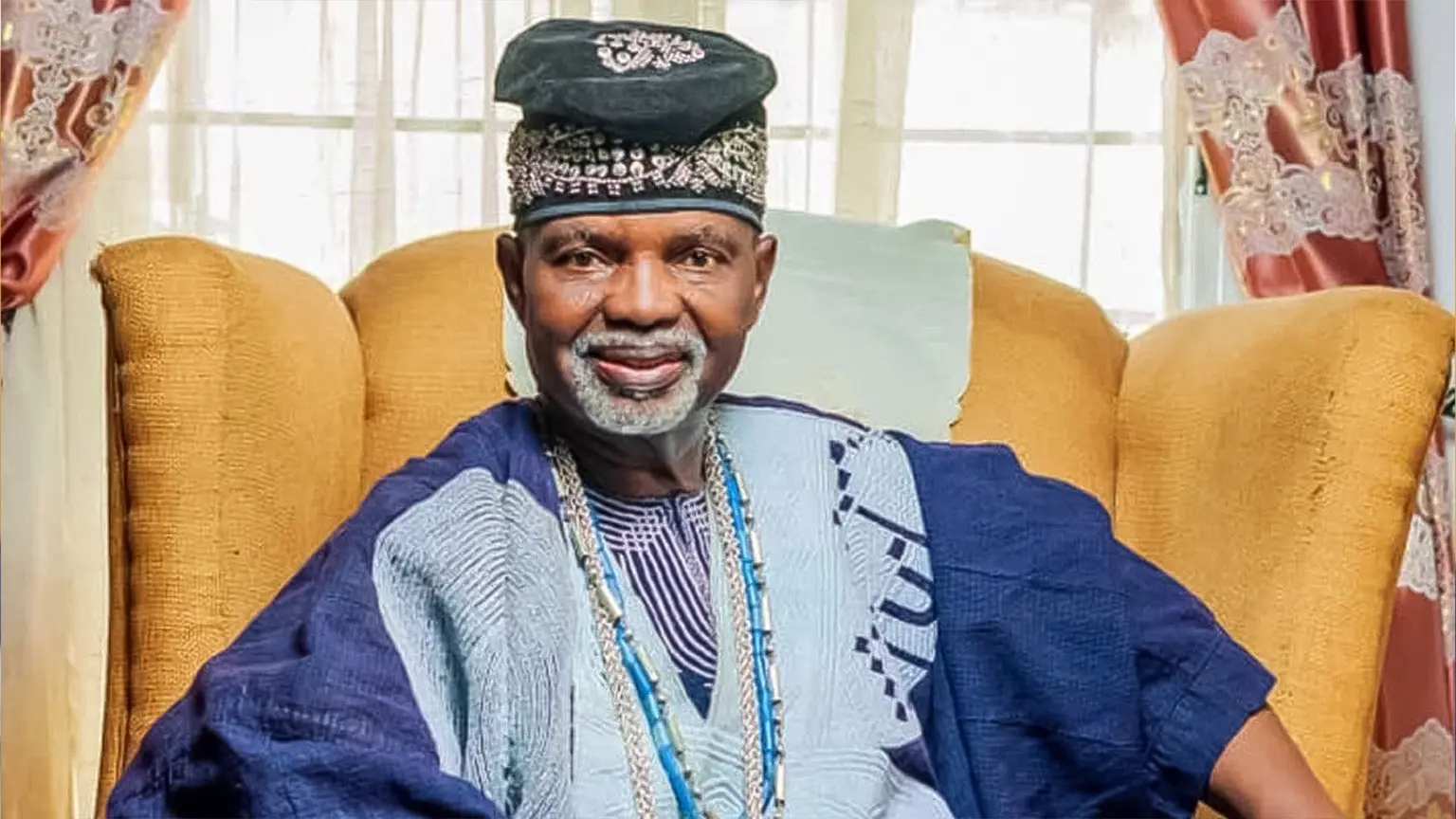
Oladele is the Director of Media & Publicity, Senator Sharafadeen Alli Campaign Organization.
Continue Reading

Opinion

Oloye Lekan Alabi: Memories Ere Death Beckoned Both Caller and Called |By Wole Adejumo  

Published

on

The young lady who usually delivers packaged moinmoin for members of staff who want it for lunch came in as she usually did, and after the exchange of pleasantries, I asked if she knew the difference between Ọọlẹ and Moinmoin. My colleagues looked at me strangely when I disagreed with her response that both were the same. I promised to tell her the difference later. I, however, told my colleagues the difference as explained to me by Oloye Lekan Alabi. Though a suave, urbane and sophisticated Ibadan chief,  he took time to explain the similarities and differences as we prepared for the annual Oke ‘Badan Festival some years back.  

He had retired from the service of Odua Investment Company Limited, where he demonstrated competence  and character then, but that did not in any way diminish his encyclopaedic knowledge of history. He sat beside the Aboke, Chief Ifamapowa and some other stakeholders at the press conference heralding the ceremony that year.

My first real contact with him happened after I had written a short piece, ‘The Man Who Would Be King’, about him. Oloye, who bore the titles of Jagun Olubadan and  Akogun of Lalupon agreed to have an interview. My Bureau Chief, Bola Davies (now of blessed memory) directed me to go and when I got to his office in Cocoa House, he thanked me for wishing him well. He thereafter took time to explain the Olubadan ascension system. The interview was published in one of the earliest editions of City People Quarterly back then. That interview and some other things I wrote about him eventually earned me a mention in one of his books.

Oloye Alabi was no doubt an aficionado when history, music and culture are up for discussion. Of course, with his rich cultural heritage, he stood out anywhere and everywhere. Little wonder His Imperial Majesty, the Ooni of Ife hosted his investiture when he was appointed as the first Cultural Ambassador of the National Museum, Ile Ife. His immense breadth of knowledge will give him a place in history just as it did to the likes of Chiefs John Adeyemi Ayorinde, Theophilus Akinyele and Alaafin Lamidi Adeyemi III. His love for good music too was more than obvious. Like a true connoisseur, he did everything with class and style. He wrote countless articles about Chief Commander Ebenezer Obey, King Sunny Ade, Chief Eddy Okonta and many more. His love for Yusuf Olatunji’s Sakara music defied competent description. It was so great that he named his youngest son after the Sakara legend.

In one of his many philosophical volumes, ‘Baba L’Egba’ as Olatunji was fondly called, sang that “o ye ka ni ‘fura taa ba nsin ale eni lo” (one should be watchful when seeing off a concubine) and the only person I felt I could ask what was on Baba L’Egba’s mind then was Oloye ‘Lekan Alabi. Sadly, the auspicious time to ask never came.

A reception was once hosted in his honour by Ambassador Ibironke Adefope at Bodija and it was regal! Everyone who mattered came to honour Oloye ‘Lekan Alabi. Reporting the event for City People then, one of the most unusual sights was Otunba Adebayo Alao-Akala, the then Deputy Governor of Oyo State. His simplicity was indescribable. Aside driving his convertible BMW, he came in a yellow sweatshirt and jeans.

And when he turned 60, it was like everyone else joined the Ibadan establishment to celebrate Oloye ‘Lekan Alabi. Aare Arisekola Also spoke about the celebrant in glowing terms as he emphasized that Oloye Alabi was indeed a man destined for greatness. The party afforded me the opportunity of seeing Alhaja Batile Alake live on stage. Her sonorous voice actually brought great childhood memories of when songs of Batile Alake, Olubowale Ajasco, Alalaye Ilorin and others were regular on the television.

Apart from his respectable dress sense and indepth knowledge of issues, other admirable traits of the late Abese Olubadan were his timeliness and punctuality. He once told me the story of how he had suggested that card be presented to the then military President, General Ibrahim Babangida on the birth of his baby girl back then. It turned out that the picture of where he handed the card  over was published in dailies the following day. Apart from personal discipline, working with four Governors of Oyo State obviously rubbed off on him, he never attended an event late. There was a day we had to apologize as we started an event behind schedule at the Premier Hotel, Ibadan. He was about the first guest  and after accepting our apologies, he didn’t become vexatious, rather, with a smile he told us that he would be in his room upstairs. He said all we needed to do was put  call through to him when we were ready to start the programme.

I stood close by him at certain event and heard Chief Lateef Oyelade praying for Oloye Alabi who had just greeted him in Yoruba, he said “Olubadan o kan o” (may it be your turn to become the Olubadan). Like many of his mentees,  I looked forward to seeing him on the exalted Olubadan throne, it was however not to be.

​Reflecting on those golden days of celebrity journalism; the Bodija reception, the grand 60th birthday, the laughter of legends now silent; one is reminded that time eventually beckons both the caller and the called. Bola Davies, His Excellency, Otunba Alao-Akala, Aare Arisekola Alao, Chief Lateef Oyelade, Ambassador Adefope and now Oloye himself have all answered that ultimate call. Though the exalted Olubadan throne eluded him, Oloye ’Lekan Alabi leaves behind a legacy as towering as Cocoa House itself. Like his noble forebears – Oyetunde Olundegun, ‘Erin o P’ojo Logun’, and Ekerin Suberu Ajengbe, he came, he saw, he lived with unmatched panache, and he left an indelible mark on the sands of time.


Adejumo sent this piece from Ogbomoso 

Continue Reading

Opinion

Beyond Deportations: What South Africa’s Immigration Crisis Reveals About Nationhood and Economic Frustration
Published

on

The popular saying that “one good turn deserves another” appears increasingly absent from present-day South Africa’s national consciousness. It is difficult not to ask whether many South Africans have forgotten the history of their country’s liberation and the immense sacrifices made by Nigeria and other African nations in the long struggle against apartheid.

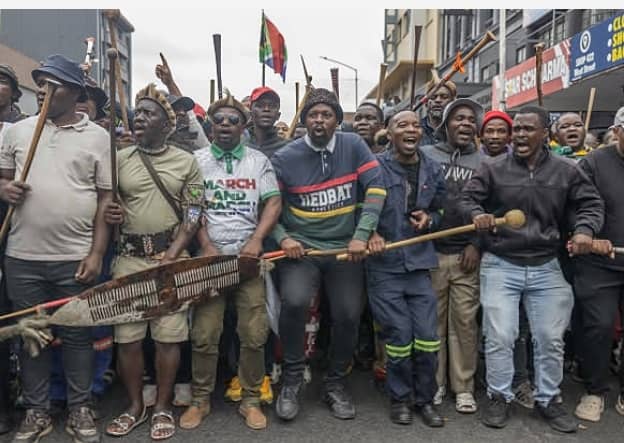
For days, I have been deeply troubled by reports of South Africa’s worsening immigration crisis and the forceful, vigilante-style eviction of African migrants, particularly Nigerians. Beyond the headlines are broken families, shattered dreams and livelihoods painstakingly built over many years. It is a painful development that should concern every African who once believed in the ideals of continental solidarity.

Anti-immigrant sentiments in South Africa are not new. For more than two decades, campaigns against foreign nationals have been fuelled by high unemployment, widespread poverty, rising crime and frustration over inadequate public services. Many South Africans believe undocumented immigrants compete with them for jobs, housing, healthcare and social services, thereby denying citizens access to these basic necessities.

Yet, available evidence tells a more complex story. Research has consistently shown that immigrants alone cannot be blamed for South Africa’s economic and social challenges. Reducing such deep-rooted problems to the presence of foreign nationals oversimplifies a crisis that has been decades in the making.

What is often overlooked is the country’s structural economic reality. A significant skills mismatch, coupled with weaknesses in the quality of education, has left many job seekers ill-equipped for the demands of an economy increasingly driven by technology, innovation and specialised skills. This challenge is not peculiar to South Africa. Across much of sub-Saharan Africa, thousands of graduates enter the labour market every year without the technical, vocational and digital competencies employers now demand.

Beyond this, crime, insecurity, systemic corruption and poor governance continue to weigh heavily on South Africa’s economy. The country has one of the highest youth unemployment rates in the world. Persistent violent crime discourages investment, while corruption and the mismanagement of public resources have weakened service delivery, slowed infrastructure development and eroded investor confidence.

Equally significant is the enduring legacy of apartheid. More than three decades after democracy, inequalities in education, housing, infrastructure and economic opportunities remain deeply entrenched. Many Black communities still live with the consequences of decades of institutional discrimination and economic exclusion.

Against this backdrop, blaming undocumented immigrants for South Africa’s economic difficulties amounts to little more than scapegoating. It is a convenient narrative that diverts attention from the country’s more fundamental governance and developmental challenges.

The recurring xenophobic attacks against Nigerians and other African nationals make the situation even more painful. The recent killing of Emeka Iroegbu and Musa Yunana Joe on June 28, 2026, amid rising anti-migrant tensions, is a tragic reminder of how dangerous such sentiments can become.

One cannot help but ask: Is this the same South Africa for which Nigeria and many other African countries stood firmly during the anti-apartheid struggle?
I vividly remember growing up in the 1980s, listening to songs such as Free Mandela and Stop Apartheid in South Africa by iconic Nigerian musicians, including Majek Fashek, Onyeka Onwenu and Sonny Okosun. Those songs dominated the airwaves on NTA and became powerful symbols of African solidarity.

As a child, I even believed Nelson Mandela was Nigerian because Nigerians embraced his cause with such passion.
Mandela was released from prison in 1990 and became South Africa’s first Black President in 1994, bringing an end to decades of institutionalised racial segregation and apartheid. Today, just over three decades later, many Africans who once stood shoulder to shoulder with South Africans in their darkest hour are treated as unwelcome strangers.
History can be painfully ironic.

Perhaps, then, the saying that one good turn deserves another does not always reflect reality. Human beings are capable of repaying kindness with hostility. It is an uncomfortable truth, but one that life repeatedly teaches.

At a personal level, this reminds us to live with fewer expectations and strive for greater self-reliance. A heart that expects little, even after giving much, is less likely to be broken.

At the national level, however, the lesson is far more profound. Nigeria must build a country where its citizens can thrive without feeling compelled to seek survival elsewhere. Studies have shown that the overwhelming motivation behind the Japa phenomenon is the search for better opportunities and improved living conditions. If those opportunities existed at home, many Nigerians would gladly remain and contribute to national development.

The experience in South Africa—and, indeed, recent developments in the United States—demonstrates that immigration policies are shaped by changing political realities. No foreign country offers permanent guarantees.

Although the U.S. Supreme Court recently ruled against President Donald Trump’s executive order seeking to abolish birthright citizenship on constitutional grounds, the episode illustrates that even long-established policies can become subjects of political contestation. A constitutional principle that has existed since 1868 could still become a matter of national debate. That alone should remind us that every nation ultimately prioritises its own interests.
The enduring lesson is simple: no country can offer Nigerians greater long-term security than a well-governed Nigeria.

Nigeria’s greatest asset remains its people. Sustainable national prosperity can only be built through visionary leadership, accountable institutions, respect for the rule of law and responsible citizenship. When government creates an enabling environment and citizens embrace innovation, productivity and accountability, Nigeria can become a destination for investment rather than a source of economic migration.

As dozens of Nigerians return home following their repatriation from South Africa, government must move beyond sympathy and symbolic gestures. Some have returned with nothing more than the clothes they wore and a single travelling bag, leaving behind businesses, investments and years of hard work. Their return is not merely a journey home; for many, it is the painful collapse of dreams painstakingly built over decades. They deserve meaningful support to rebuild their lives and contribute productively to the nation’s economy once again.

History teaches that nations are strengthened not by chasing away strangers but by creating opportunities for their own citizens. Nigeria must therefore draw the right lessons from South Africa’s painful experience. Rather than exporting its brightest minds in search of survival, it should become a country where talent is rewarded, enterprise is encouraged and hope no longer requires a passport. Only then will Nigeria become not merely the giant of Africa by population, but by the quality of life it offers its people.


Olusegun Hassan, Ph.D
Public Policy Analyst and Social Commentator

Continue Reading

Trending

All Rights Reserved. Copyright © 2026 MegaIcon Magazine