Connect with us

Opinion

Why Aregbesola should look before he leaps

Published

on

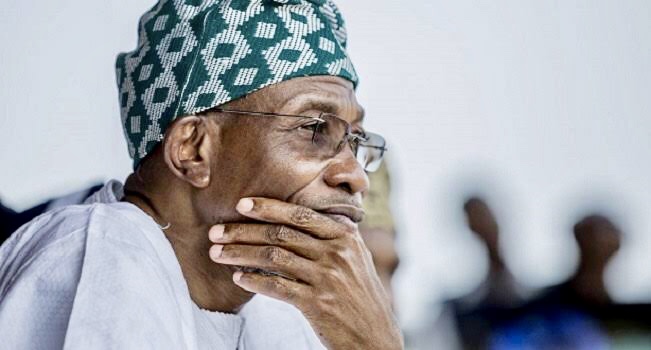
File photo of Ogbeni Rauf Aregbesola

In life you wonder sometimes, why certain things unfold as they do. The philosophers summarize these, as mysteries. The scientists described them as the dynamics of nature. In Yorubaland, it is known as ‘adiitu’ meaning ‘the complex waiting to be revealed’. By whatever nomenclature, it is not a straight forward thing.

Subject to logical  analysis, sequence and reasoning, the frosty relationship between the National Leader of the All Progressives Congress (APC) Asiwaju Bola Ahmed Tinubu (BAT), the Minister of Interior, Ogbeni Rauf Aregbesola on one hand and Governor Adegboyega Oyetola of Osun State on the other hand is becoming a sore taste.

Till date, Asiwaju Tinubu remains the prominent politician in Southwest Nigeria without qualms. He has been so since he successfully governed Lagos as a two term Governor. Give it to Tinubu in the political history of Southwest and indeed Nigeria, he has been very successful in raising many men from obscurity to limelight, and mentoring some of them to relevance.

Ogbeni Aregbesola, among others, has immensely benefited from this avowed strong virtue of Tinubu. From no public pedigree, the APC leader made him a 2-term Commissioner for Works, a juicy ministry, in a flourishing Lagos State, one of Afica’s most prosperous commercial states. From there, Tinubu bankrolled his elections as the candidate of Action Congress of Nigeria (ACN), to the time, his mandate was restored in 2008. Throughout the struggle characterised to recover his mandate through election petitions to the then highest court for electoral matter, the Appeal Court, the former governor of Lagos State never waivered, never got discouraged, never denied or betrayed Aregbesola. And they finally won….. both Aregbesola and Tinubu.

During Aregbesola’s hey days as Osun State governors, the current state governor, Oyetola was in the background as a silent strategist in the overall success scheme. As it is common to every state governor in Nigeria, the issue of successor always come with intrigue and suspicion. Although , rumours had it that Aregbesola had another preferred candidate in mind, yet he was left with no option than to give support to his party’s candidate in 2018 governorship election.
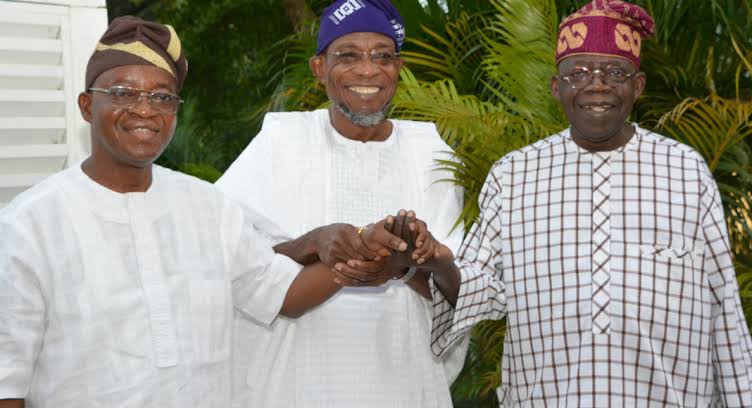
File photo of Governor Adegboyega Oyetola, Ogbeni Rauf Aregbesola and Asiwaju Bola Ahmed Tinubu

A school of thought believe that Oyetola’s choice as Aregbesola’s successor was largely due to the former relationship with Tinubu. It is never in doubt that Oyetola is Tinubu’s cousin. A quiet administrator he has been, Alhaji Adegboyega Oyetola came in as a listening governor. Against this background, he had to reversed some of the policies of Aregbesola’s government.

One of the things, said to bring about Aregbesola’s recent volte face with Oyetola was the integration of the former deputy governor, Senator Iyiola Omisore and his political associates into government.

Sen. Omisore was also said to have contributed to Oyetola’s emergence as Governor especially during the re-run elections. Thus, on sanctity of promise, Governor Oyetola felt the need to bring Omisore, a former PDP stalwart, who contested the 2018 Osun State  governorship election on the platform of Social Democratic Party (SDP) was also a guber aspirant in the election closer and nearer to government. This was said to also angered the Minister and his cohorts.

In 2022, crux of the matter is that Governor Oyetola, like his predecessor, is interested in a second term. Governor Oyetola has already been publicly endorsed for a second term by Osun State Council of Obas and the highly populated civil workforce.

Surprisingly, the Minister of Interior through the auspices of his clique ‘The Osun Progressives’ (TOP) – a replica of the breakaway APC faction in Oyo State tagged ‘The Unity Forum’, are going about with a clear message that Oyetola don’t deserve the second term. To show how far this ‘roforofo’ has gone, Aregbesola has been reportedly supporting another presidential aspirant against his mentor, who has indicated his  interest in becoming Nigeria’s President in 2023.

Efforts to invite, pacify Aregbesola, both on Tinubu and Oyetola matters are allegedly said to be rebuffed by him.

It is only when a tongue is kept in the mouth that what has been on display in Osun State between the Minister and the state Governor would give the APC seeking continuity a rest of mind – it has been sleepless nights for both factions, even as election draws nearer.

Undermining Aregbesola’s political sagacity in the State is at one’s peril, but what would the Minister gain if he short circuit the progressives from continuing the second term jinx he broke?

One of the aims of this write-up is to acknowledge Aregbesola superb achievements in Osun state during his tenure as governor, and also encourage him to maintain the status of a statesman and not allowed himself to be derailed. It is pertinent to note that since creation of Osun State, no governor can boast of infrastructural development as Aregbesola, given the paltry revenue his regime worked with.

As often alluded, no success without a successor, former Governor Aregbesola should be credited for able to handover to a successor within his cabinet. Charismatically, the Ijesa born politician is in the class of the Cisero of Esa-Oke, late Bola Ige in political oratory, late Lamidi Adedibu and Ebenezer Babatope in political organization and Wike in oil rich Rivers State in envisioning a state’s infrastructural development.

Incontrovertibly, Aregbesola has been, he is and should be a politician of note in his generation. Many examples abound in Yoruba history to show Ogbeni Aregbesola that he needs to be careful and toe the path of good reasoning. Aregbesola, who was once labeled a ‘Tinubu fanatic ally’ should be in the frontline of Tinubu’s  Presidential Project and at the same time, ensure without fail, that Governor Oyetola is re-elected for a second term.

Was there anyway that either Tinubu or Oyetola or both disturbed Ogbeni Aregbesola during his tenure? Indeed, he enjoyed the support and cooperation of the duo in his 8 years as Governor of Osun State.

Aregbesola, at this critical time of his political career should tread softly, caution his die hard supporters  to tread softly as no one knows the consequences of the current matters. The Oranmiyan should see and beware of banana peels laid for him.

He should beware of ides of March, but rather appreciate God, the benevolent who has had mercies upon him all through his political sojourn.


Idowu Ayodele writes from Ibadan, Oyo state, Nigeria.
Comments

Opinion

Makinde Deserves No Sympathy: He Brought His Present Predicament Upon Himself

Published

on

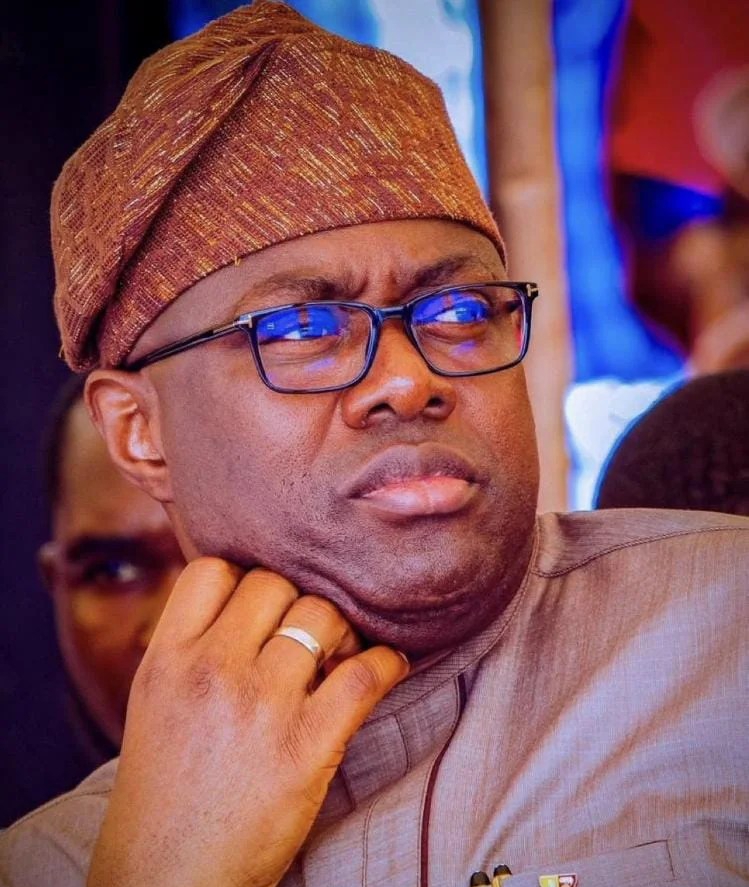
In response to my brother, Shuaib Idris, who wrote the piece titled “Seyi Makinde Deserves Our Sympathy,” I submit that Seyi Makinde does not deserve our sympathy. How do you sympathise with somebody who brought political calamity upon himself?

There is a point in every political journey when a leader must pause, look around and ask himself a difficult question: How did I get here? For Governor Seyi Makinde, that moment has long arrived.

Much has been written and said about the governor’s increasingly combative public interventions, his exchanges with political opponents and his determination to market the candidacy of his preferred successor. Some have interpreted these developments as signs of pressure surrounding him. But sympathy, in this circumstance, may be misplaced.

If Governor Makinde is under pressure today, much of that pressure is self-inflicted. If his administration is now being subjected to increasingly intense scrutiny, he cannot reasonably blame those asking the questions. And if political opponents have become emboldened enough to challenge his record openly, he should perhaps examine the decisions and conduct that have created the circumstances in which those challenges are now flourishing.

The governor’s recent political conduct provides ample illustration.

At the 70th birthday celebration of Bishop Francis Wale Oke, the governor reportedly used his appearance to introduce Bimbo Adekanmbi, the APM governorship candidate whom he supports. Adekanmbi’s emergence as the APM candidate is not in dispute; the party adopted him as its consensus candidate in May.

Two things continue to haunt him: his subpar performance in office and what critics describe as his imposition of Adekanmbi and Open Salawu, new entrants into his team, on his “first eleven.”

The question, therefore, is not whether Governor Makinde has the right to support a candidate. He does. The question is why a governor who repeatedly speaks of his administration’s achievements appears increasingly eager to make the 2027 succession contest a personal project.

A governor nearing the end of his tenure should ordinarily be concerned about preserving the dignity of the office, defending his record with facts and allowing his preferred candidate to present his own credentials. Indeed, Adekanmbi himself has publicly said he would not be a political stooge and that he would take responsibility for his own decisions if elected. That is political rhetoric. However, everything about Adekanmbi, according to his critics, points to the possibility of his being a stooge waiting to be planted to do Makinde’s bidding after the latter leaves office in 2027.

Yet Governor Makinde has increasingly inserted himself into the political conversation surrounding his successor. That creates an unavoidable question: if Adekanmbi is sufficiently qualified and politically prepared to succeed him, why does the governor so frequently feel compelled to fight the successor’s battles himself?

This is where the argument about pressure becomes particularly relevant. Political pressure does not simply descend from heaven. It can be generated by the choices of the politician himself.

Consider the recent exchange with Senator Sharafadeen Alli over the legal profession. Governor Makinde reportedly questioned Alli’s experience as a lawyer, arguing that he had never entered a courtroom. Alli’s campaign organisation subsequently responded by detailing his legal background and professional experience.

There is nothing wrong with political candidates examining one another’s records. That is part of democratic competition. But reducing a lawyer’s professional identity to courtroom appearances is a curious line of attack, particularly when the political argument ought ultimately to be about competence, experience, policy and public record.

A lawyer can practise in several areas of the profession without making litigation the centre of his career. Administrative work, corporate practice, legal consultancy, governance and institutional management are among the possible avenues available to members of the profession.

The larger point, however, is this: when an incumbent administration turns the professional credentials of an opponent into a central campaign issue, it invites its own record to be placed under the microscope. So, why does he need to be sympathised with over what he brought upon himself?

The response from Alli’s camp has shifted attention towards questions about Makinde’s own record as an engineer and governor, particularly the controversy surrounding diesel-powered streetlights and the renovation of the Lekan Salami Stadium. Those are now matters of public political debate, with competing claims about expenditure and performance. How do you sympathise with someone who threw a stone and received a Scud missile?

This is the unavoidable consequence of political combat: once you open the door to scrutiny of another man’s credentials, you should expect yours to be examined with equal intensity. Governor Makinde cannot reasonably demand immunity from the same standard he applies to others.

The same principle applies to his much-advertised “first eleven.” If the governor describes his administration as being driven by a carefully assembled team of exceptional people, the public is entitled to ask what became of that team when the question of succession arose. Why was the search for a successor extended beyond this celebrated first eleven?

A football coach who constantly boasts about his first eleven naturally invites the question of who among that eleven can step forward when the captain leaves the field. If none is selected, his team’s fans will ask why. That is not persecution. It is accountability.

There is another issue the governor should confront: political loyalty. Governor Makinde did not arrive at the Government House in 2019 in isolation. His political journey involved alliances with people and groups who contributed to the coalition that eventually produced his victory. The political history of that period is well known and should not be rewritten simply because former allies and associates are now on different sides of the political divide.

The problem with “use and discard” politics is that yesterday’s ally eventually becomes tomorrow’s witness. People who helped build a political structure do not disappear simply because their usefulness has expired. And when they begin speaking, the politician who once relied on them may find himself answering questions he never anticipated.

That appears to be part of the political atmosphere surrounding Governor Makinde today. His confrontation with traditional institutions is another matter that requires careful reflection. Whatever one’s political affiliation, Yoruba traditional institutions occupy a distinctive place in the cultural architecture of Oyo State. Political disagreement with individual traditional rulers is legitimate; treating the institution itself with disdain is entirely wrong, and it raises questions about Makinde’s Omoluabi values.

A governor may disagree with a monarch’s political preference. He may even believe traditional rulers should remain politically neutral. But the language employed in expressing that disagreement matters.

The office of governor carries enormous constitutional authority, but it also carries a moral obligation to exercise restraint. A governor should not need to be reminded that words spoken from Government House do not remain personal words. They acquire the weight of the office. That is why some of Governor Makinde’s recent public exchanges have generated such controversy.

The irony is that political power is temporary, while institutions and relationships often outlive individual office holders. The governor should know this better than most.

He is approaching the end of his constitutionally permitted tenure in Oyo State. The political question before him is therefore not how to remain governor indefinitely, but what legacy he will leave behind. Will he be remembered primarily for the projects executed under his administration? For the policies introduced? For the institutions strengthened? Or increasingly for the political battles fought during the final phase of his tenure? The last question is what will occupy people’s minds most after Makinde has left office.

The most consequential political mistake an incumbent can make is to interpret every criticism as persecution and every opponent as an enemy. Criticism is not necessarily hatred. Opposition is not necessarily sabotage. Questions about public expenditure are not necessarily attacks on a person. And scrutiny of an administration is not evidence of an organised conspiracy.

A mature government answers questions. A confident administration publishes records. A secure political movement allows its candidate to speak. And a governor who believes his record speaks for itself should have little reason to spend every available political moment speaking for his preferred successor.

That is why sympathy for Governor Makinde is evidently misplaced. The political pressure surrounding him today is not simply something that happened to him. It is also the product of political decisions, alliances, rhetoric and strategies that he and his political associates have consciously pursued.

He chose his successor. He chose his political platform. He chose to engage his opponents. He chose to make their records a subject of public debate. He chose to defend his administration through increasingly political exchanges. Those choices have consequences.

The electorate is now watching. And when the people begin to ask questions, the appropriate response from a governor is not to complain about pressure. It is to provide answers. Oyo people do not owe any politician sympathy for the consequences of his political choices. They owe themselves something far more important: a careful examination of every candidate, every record, every promise and every claim before making their decision in 2027.

Continue Reading

Opinion

Bayo Adelabu and the Art of Treachery: When the Boy Who Was Fed Bites the Finger

Published

on

Politics — that masquerade that never dances the same step twice.

Who would have thought it?

Who, after the political bruising of 2023, after the detour to Accord and the eventual return to the political fold, culminating in a ministerial appointment under President Bola Ahmed Tinubu, would have imagined that Bayo Adelabu would one day find himself politically associated with a movement backing Seyi Makinde and the Allied Peoples Movement (APM)?

Yet here we are.

Recent developments surrounding the Boye Nation movement have raised questions in Oyo’s political circles. Ajiboye Akande Sangogade, popularly known as Boye Nation and identified in reports as an aide to Adelabu, is leading a movement that is expected to formally declare for the APM at a youth-focused event scheduled for September 21, 2026, at the Lekan Salami Stadium, Adamasingba, Ibadan. Organisers say Governor Seyi Makinde is expected to attend.

That development naturally raises a political question: where exactly does Adelabu stand?

The question becomes even more compelling against the background of the 2027 Oyo governorship contest.

Adelabu had sought the APC governorship ticket, but Senator Sharafadeen Alli eventually emerged as the party’s candidate. The APC formally unveiled Alli and his running mate, Adesoji Adedeji, in July. Adelabu, however, had previously rejected the claim that Alli’s emergence represented a consensus arrangement and maintained that President Tinubu had backed his own ambition.

Now, with one of his prominent political associates leading a movement into the camp of another party, the political temperature has understandably risen.

The question being whispered across Ibadan is simple: is this merely the independent political decision of an aide and his supporters, or does it reflect a larger political strategy?

That question deserves an answer.

Because in politics, proximity is rarely meaningless.

If an associate who has operated closely within a politician’s political structure suddenly becomes a leading face of another political platform, observers will naturally ask whether the principal is aware, supportive, opposed or simply indifferent.

But there is an important distinction.

Association is not proof of instruction.

The fact that Boye Nation is associated with Adelabu does not, by itself, establish that Adelabu authorised the movement, financed it or personally endorsed APM’s presidential project. Those are matters that require evidence or a direct statement from the former minister.

And that is precisely where the real political conversation should begin.

Adelabu’s political history has never been short of twists. From his 2019 governorship bid to the 2023 political realignment and his appointment as Minister of Power, his journey has demonstrated the fluid nature of Oyo politics.

Today, however, the political arithmetic appears to be changing again.

The same APC that accommodated him after his 2023 political excursion now has another candidate carrying its governorship flag. Meanwhile, people identified with Adelabu’s political structure are appearing at an APM event expected to have Makinde at its centre.

For APC loyalists, that development may understandably raise questions about loyalty and party discipline.

For Adelabu, it presents an opportunity to clarify his position.

Is he still fully committed to the APC?

Does he support the activities of Boye Nation?

Does he have any connection with the planned APM mobilisation?

Or is Ajiboye Sangogade acting entirely on his own political conviction?

These are not unreasonable questions.

Indeed, they are questions that political actors should answer openly rather than leave the public to fill the gaps with speculation.

One thing, however, is certain: politics in Oyo is entering another season of realignment.

The September 21 gathering at Adamasingba may therefore be more than a concert. Organisers have described it as a youth mobilisation platform and a formal declaration of Boye Nation for the APM. Reports also indicate that the event is expected to receive members of the movement into the party.

That makes it politically significant.

Whether it represents a personal decision by Sangogade, a broader movement by Adelabu’s associates or something more strategic remains to be seen.

But one lesson from politics remains timeless:

When political friendships are tested, silence often creates more questions than answers.

And as the 2027 political season gathers momentum, Oyo’s political actors may soon discover that yesterday’s alliances can become tomorrow’s fault lines.

The masquerade has changed its dance.

Everybody is watching the drummer.

Continue Reading

Opinion

Seven Factors That Keep Sharafadeen Alli Ahead in 2027 Oyo Governorship Race

Published

on

File photo of Sen. Sarafadeen Alli


Fact 1: Homegrown Leader with Unmatched Grassroots Experience

Senator Alli’s political journey began at the grassroots level in Ibadan, where he made history in 1991 as the first democratically elected Executive Chairman of Ibadan North Local Government. This early leadership role demonstrates a deep, foundational understanding of local governance and the needs of the people, a critical asset for a state governor.
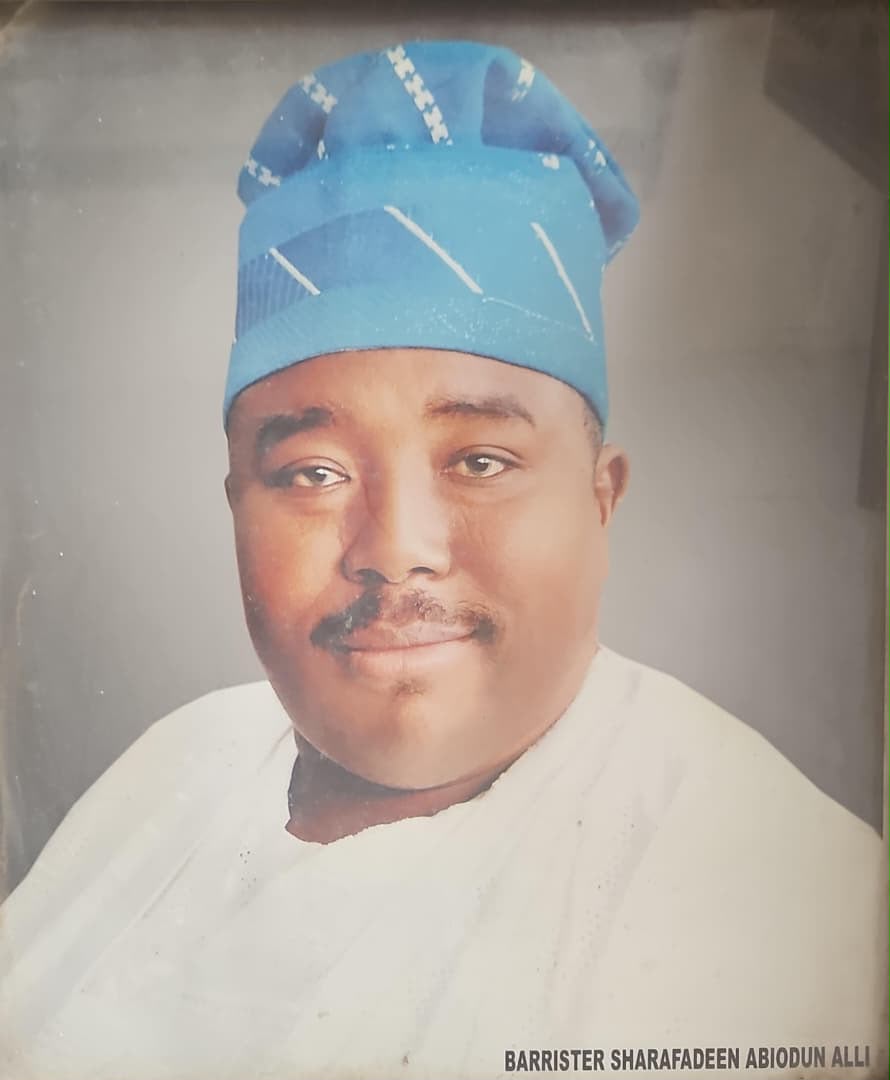
Fact 2: Rare Combination of Top-Tier Academic and Professional Credentials

Senator Alli is not just a politician but also a distinguished legal practitioner with a Ph.D. in Legislative and Strategic Studies. His extensive education, including degrees from the University of Ibadan, combined with his fellowships from prestigious professional institutes, provides him with the analytical, legal and strategic acumen required to manage the complex affairs of Oyo State.
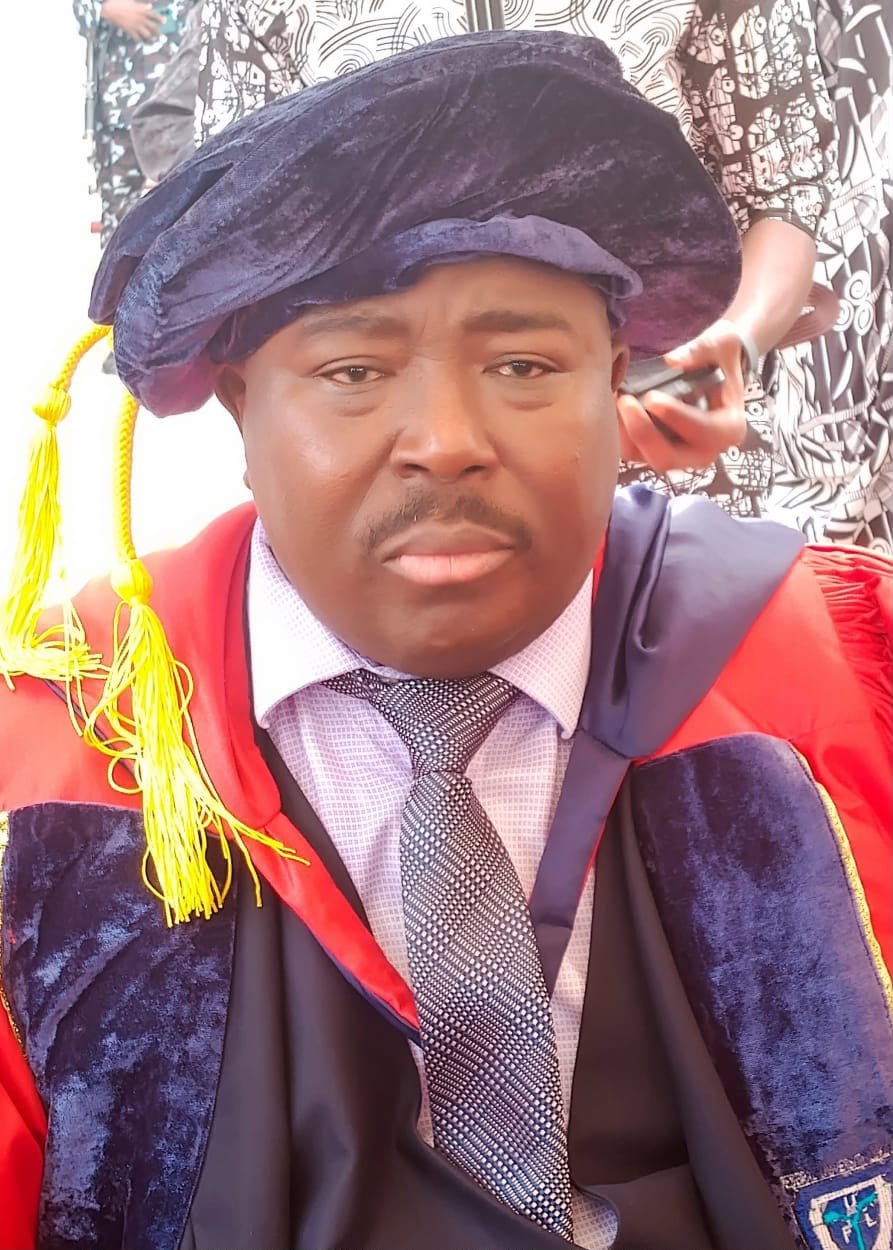
Fact 3: Proven Executive Administrative Competence at the Highest State Level

His tenures as Secretary to the Oyo State Government (SSG) and later as Chief of Staff (CoS) to the Governor showcase his direct experience in the engine room of state administration.
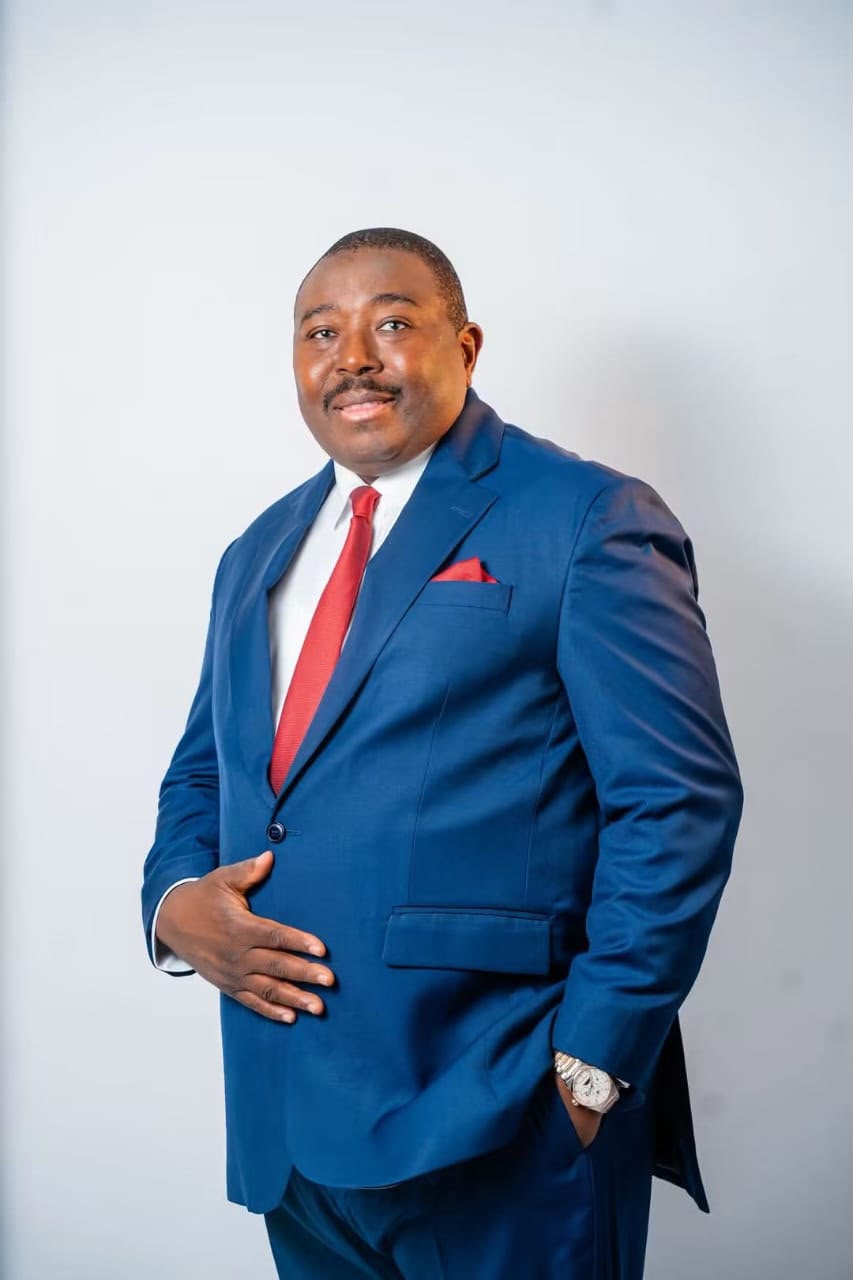
 

He has been intimately involved in policy formulation, committee leadership and the day-to-day running of the state, making him uniquely prepared to assume the governorship and hit the ground running from day one.

Fact 4: Demonstrated Executive Business Leadership with Regional Impact

As Chairman, Board of Directors of Odu’a Investment Company Limited, Senator Alli was not just an administrator but a visionary economic leader. He spearheaded landmark investments such as the Cocoa Mall and Heritage Mall in Ibadan, which transformed the economic landscape of Oyo State. This proven ability to attract and drive large-scale economic development is directly transferable to governing Oyo State.
Fact 5: Battle-Tested and Consistent Political Figure

Senator Alli’s political career spans more than three decades, weathering the annulment of his 1996 Senate election and consistently remaining a relevant and influential force. He has contested for Deputy Governor and Governor in the past, giving him a comprehensive understanding of statewide campaigns and the diverse political landscape of Oyo State. His journey demonstrates resilience, deep political networks and unwavering commitment.

Fact 6: Current, Performing Senator and Influential Figure

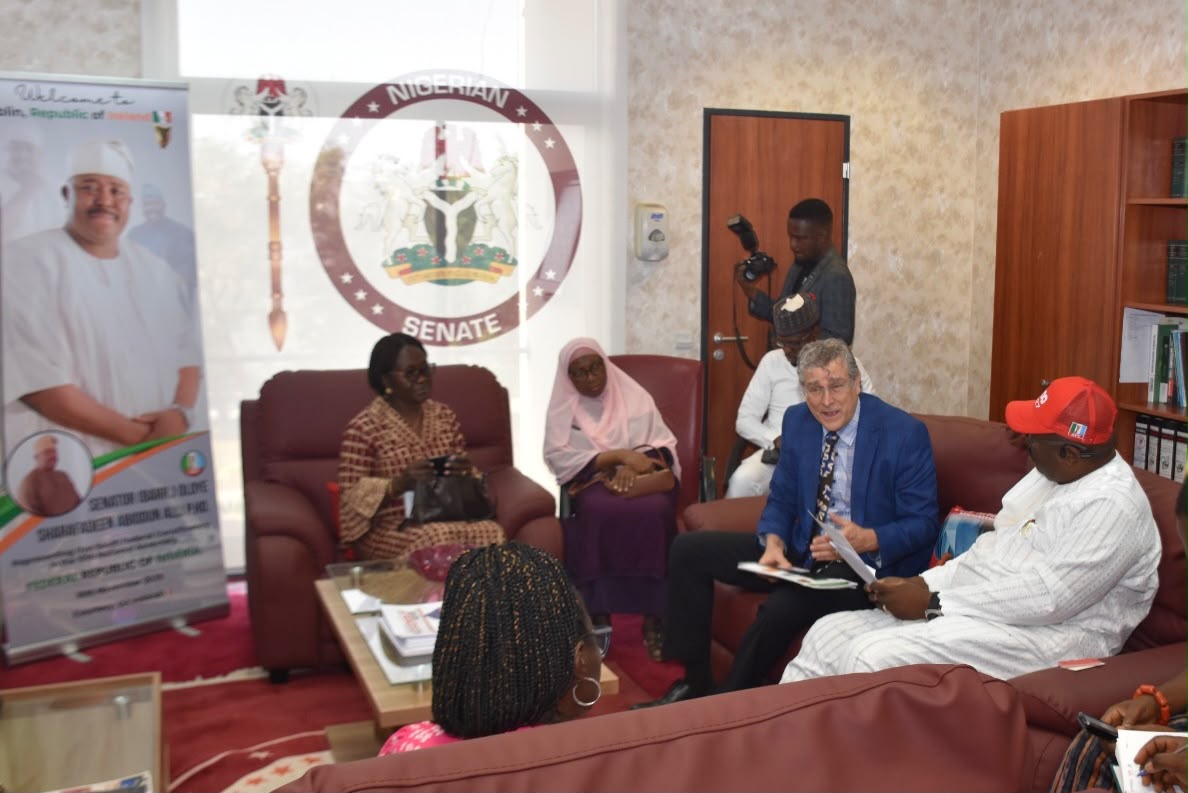
As the sitting Senator for Oyo South, he is actively delivering quality representation, impactful constituency projects and people-oriented legislation. He has sponsored five Bills and raised six Motions to promote development. Senator Alli has also facilitated employment for 100 constituents across Federal Government agencies.
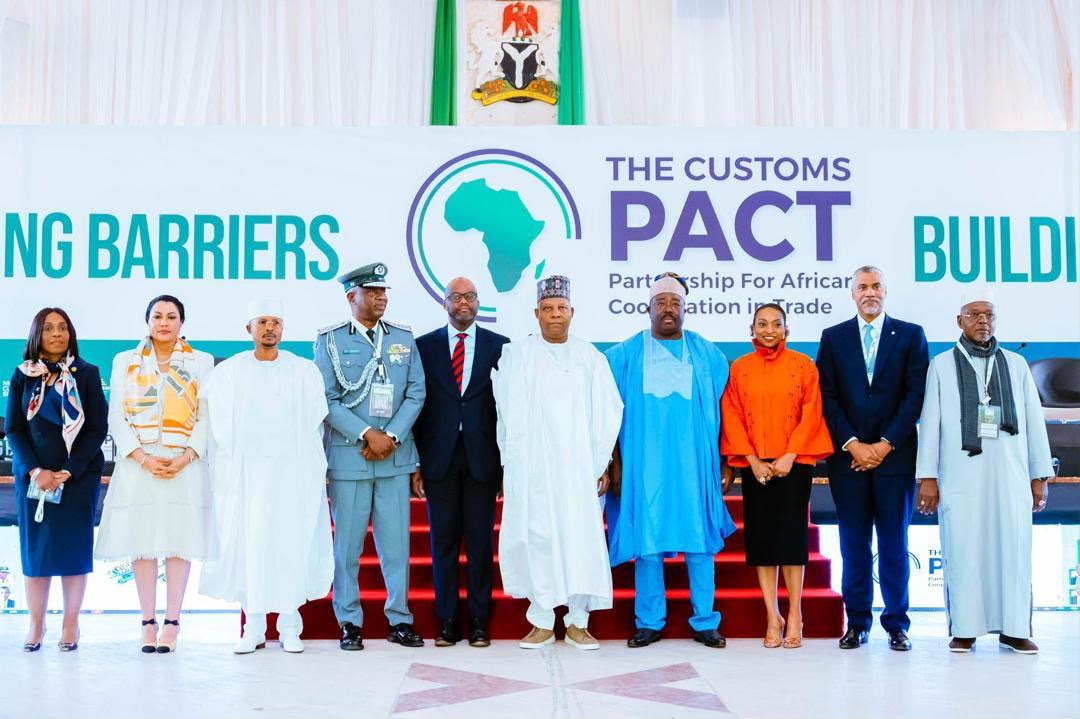
His role as Chairman of the Senate Committee on Agricultural Colleges and Research Institutions, as well as his membership in the ECOWAS Parliament, demonstrate that he is not only focused on local issues but is also equipped with a broader perspective on governance, trade and regional integration.

Fact 7: Unifying and Respected Traditional Title Holder

Senator Alli’s position as the Ekaarun Balogun of Ibadanland, one of the highest-ranking chieftaincy titles in the ancient city, signifies his deep-rooted connection to tradition and his standing as a respected community leader.

His reputation as a calm, wise, simple, relatable and inclusive bridge-builder who unites people across political, religious and ethnic divides positions him as a leader capable of fostering peace, stability and consensus across the entire state.


Oladele is the Director of Media & Publicity, Senator Sharafadeen Alli Campaign Organization.

Continue Reading

Trending