Connect with us

News

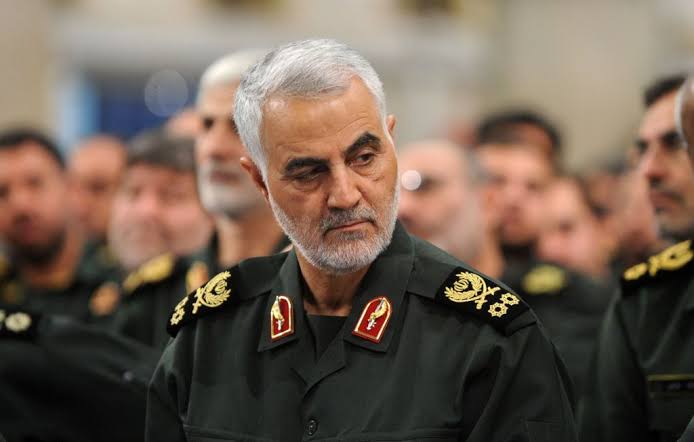
Top Iran Commander, Qasem Soleimani Killed by US In Baghdad Raid

Published

on

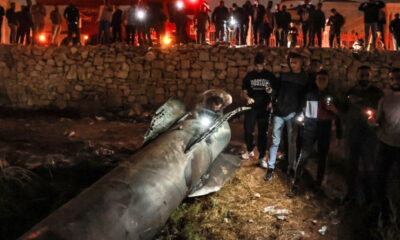
Top Iranian commander Qasem Soleimani was killed Friday in a US strike on Baghdad’s international airport, prompting Tehran to vow “revenge”, dramatically upping the stakes in bitter tensions between Tehran and Washington.

The Pentagon said US President Donald Trump ordered Soleimani’s “killing”, after a pro-Iran mob this week laid siege to the US embassy.

Iran’s supreme leader Ayatollah Ali Khamenei swiftly vowed to take “severe revenge” for Soleimani’s death, the biggest escalation yet in a feared proxy war between Iran and the US on Iraqi soil.

As the US embassy urged all American citizens to leave Iraq “immediately”, Trump tweeted out a picture of the US flag without any explanation.

Early Friday, a volley of missiles hit Baghdad’s international airport, striking a convoy belonging to the Hashed al-Shaabi, an Iraqi paramilitary force with close ties to Iran.

Just a few hours later, the Revolutionary Guard Corps announced Soleimani “was martyred in an attack by America on Baghdad airport this morning.”

The Hashed confirmed both Soleimani and its deputy chief Abu Mahdi al-Muhandis were killed in what it said was a “US strike that targeted their car on the Baghdad International Airport road.”

The Hashed is a network of mostly-Shiite armed units, many of whom have close ties to Tehran but which have been officially incorporated into Iraq’s state security forces.

 ‘Major decapitation strike’ 

Muhandis was the Hashed’s deputy chief, but was widely recognised as the real shot-caller within the group.

Soleimani headed the Islamic Revolutionary Guard Corps’ Quds Force and also served as Iran’s pointman on Iraq, visiting the country in times of turmoil.

Both were sanctioned by the United States.

The Pentagon said Soleimani had been “actively developing plans to attack American diplomats and service members in Iraq and throughout the region.”

It said it took “decisive defensive action to protect US personnel abroad by killing Qasem Soleimani,” but did not specify how.

Iran’s Foreign Minister Mohammad Javad Zarif slammed the US strike as “extremely dangerous and a foolish escalation,” as Khamenei declared three days of mourning.

The Iraqi prime minister said the strike was a “flagrant violation” of a security accord with the US, warning it will “spark a devastating war in Iraq.”

And a paramilitary group urged its fighters to be on high alert.

“All resistance fighters must be ready, as an upcoming conquest and a great victory await us,” said Qais al-Khazali, the head of Asaib Ahl al-Haq, in a handwritten note seen by AFP.

Militiaman-turned-cleric Moqtada Sadr also reactivated his Mahdi Army, nearly a decade after dissolving the notoriously anti-American force.

But there were daring celebrations in Tahrir Square, the epicentre of a three-month protest movement that has slammed the Iraqi government as corrupt and beholden to Tehran.

“Oh Qasem Soleimani, this is a divine victory,” demonstrators chanted as some danced in the streets.

Trump ‘changed the rules’ –

Analysts said the strike would be a gamechanger in the tensions between Iran and the US.

“Trump changed the rules -— he wanted (Soleimani) eliminated,” said Ramzy Mardini, a researcher at the US Institute of Peace.

Soleimani “didn’t appreciate that his actions of threatening another hostage crisis at the (US) embassy changed the way things were going to be done,” Mardini said.

Phillip Smyth, a US-based specialist in Shiite armed groups, described the strike as “the most major decapitation strike that the US has ever pulled off.”

He told AFP it would have “bigger” ramifications than the 2011 US operation that killed Al-Qaeda chief Osama bin Laden and the 2019 American raid that killed Islamic State group Abu Bakr al-Baghdadi.

“There is no comparison,” Smyth added.

But others said it remains unclear how Iran could respond to the blow.

“A lot of the focus is on what is the price that the US is gonna pay and how Iran will retaliate against the US,” said Fanar Haddad of the Singapore University’s Middle East Institute.

The developments come after an unprecedented attack on the US mission in Baghdad.

A mob of Hashed supporters surrounded the US embassy on Tuesday angered by American air strikes that killed 25 fighters from the network’s hardline Kataeb Hezbollah faction, which is backed by Iran.

The US had acted in response to a rocket attack days earlier that had killed an American contractor working in Iraq.

Trump had blamed Iran for a spate of rocket attacks targeting US forces as well as the siege at the embassy, saying: “They will pay a very BIG PRICE! This is not a Warning, it is a Threat.”

US lawmakers however were not told in advance of Friday’s attack, House Foreign Affairs Committee chairman Eliot Engel said in a statement.

Ties between the US and Iran have deteriorated since Washington pulled out of the landmark nuclear deal with Tehran in 2018.

It then reimposed crippling sanctions on Iran, aiming to choke off its oil exports.

Oil prices soared following Friday’s attack, with Brent surging 4.4 percent to $69.16 and WTI jumping 4.3 percent to 63.84.

The attack threatens to destabilise Iraq, which has close political and military ties with both Tehran and Washington.

The United States led the 2003 invasion against then-dictator Saddam Hussein and has worked closely with Iraqi officials since.

But its influence has waned compared with that of Tehran, which has carefully crafted personal ties with Iraqi politicians and armed factions, even during Saddam’s reign.

AFP

Comments

News

Inflation drops marginally to 15.39% — NBS

Published

on

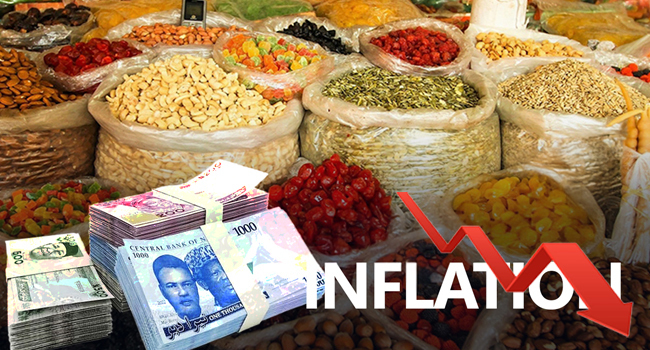
Nigeria’s headline inflation rate fell marginally to 15.39 per cent in August 2026 from 15.43 per cent in July, according to the National Bureau of Statistics.

The NBS disclosed this in its Consumer Price Index released on Tuesday, saying the latest figure represented a 0.04 percentage point decline from the previous month.

The statistics agency, however, reported a sharper decline in the month-on-month inflation rate, which dropped to 0.71 per cent in August from 1.57 per cent in July.

The month-on-month rate, according to the bureau, declined by 0.86 percentage points compared with the July figure.

The NBS explained that the development indicated that the rate at which the average price level increased in August was slower than that recorded in July.

The latest data also showed a significant moderation in food inflation, which stood at 19.57 per cent year-on-year in August.

The figure was substantially lower than the 25.30 per cent recorded in August 2025.

On a month-on-month basis, food inflation fell to 1.02 per cent in August from 5.56 per cent in July, representing a decline of 4.55 percentage points.

The NBS said the development showed that food prices were still rising, but at a slower rate during the month under review.

It attributed the decline largely to changes in the average prices of a number of food items, including palm oil, carrots, pepper, onions, cassava flour, beef, yam flour, water yam, melon (egusi), fresh ginger, fresh fish, Irish potatoes, wheat grain, frozen chicken and turkey meat.

At the state level, Adamawa recorded the highest year-on-year food inflation rate in August at 38.85 per cent.

It was followed by Zamfara with 37.96 per cent and Bayelsa with 36.20 per cent.

On the other hand, Borno recorded the lowest year-on-year food inflation rate at -4.04 per cent, followed by Jigawa at -0.23 per cent and Kebbi at 3.47 per cent.

The month-on-month figures presented a different picture, with Katsina recording the highest food inflation rate at 9.48 per cent.

Rivers and Osun followed with 8.86 per cent and 8.32 per cent respectively.

Taraba recorded the lowest month-on-month food inflation rate at -12.42 per cent, followed by Borno at -12.15 per cent and Bauchi at -8.88 per cent.

The latest figures indicate a moderation in the pace of price increases, particularly in the food sector, although the NBS data show that consumers continue to face varying price pressures across the states.

Continue Reading

News

Nigeria’s Oil Output Rises to 1.68m Barrels Per Day

Published

on

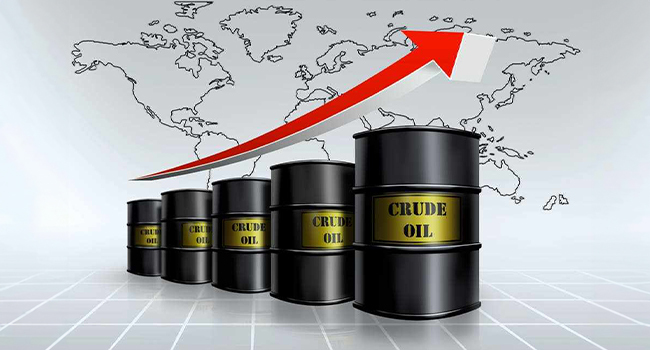
Nigeria’s crude oil and condensate production rose to 1.68 million barrels per day in August 2026, representing a 0.4 per cent increase from the 1.67 million barrels per day recorded in July.

The Nigerian Upstream Petroleum Regulatory Commission disclosed this in its latest production report released on Sunday.

Excluding condensate, the country produced an average of 1,500,190 barrels of crude oil per day in August, allowing Nigeria to meet its Organisation of Petroleum Exporting Countries quota for the fourth consecutive month.

Daily combined crude oil and condensate production ranged between 1.64 million barrels and 1.71 million barrels during the month under review.

A breakdown of production by terminals showed that Bonny Terminal recorded the highest output at 320.04 thousand barrels per day, followed by Forcados Terminal with 317.40 thousand barrels per day.

Qua Iboe Terminal recorded an average production of 171.72 thousand barrels per day, while Escravos Oil Terminal posted 131.71 thousand barrels per day.

Bonga ranked fifth among the highest-producing terminals, with an average output of 92.50 thousand barrels per day.

The NUPRC attributed the modest improvement in August production largely to the resolution of operational challenges involving the Single Buoy Mooring at the Erha field.

The commission said the challenges had adversely affected production in the preceding month.

“The restoration of normal evacuation and production operations at the asset contributed positively to overall production volumes during the period under review,” the commission’s spokesperson, Eniola Akinkuotu, said in a statement on Sunday.

The regulator added that production activities across most other producing assets remained relatively stable during the month.

“Production activities across most other producing assets remained relatively stable, with operators sustaining implementation measures aimed at optimising production efficiency, maintaining asset integrity, and minimising operational disruptions,” the statement said.

The latest figures indicate a continued improvement in Nigeria’s oil production, with the country maintaining its OPEC quota compliance for the fourth consecutive month.

Continue Reading

News

Oyo South: Oseni Approves N100m for Ibadan Community Road Rehabilitation

Published

on

The All Progressives Congress (APC) candidate for Oyo South Senatorial District, Hon. Aderemi Oseni, has approved N100 million for the immediate rehabilitation of a major access road linking seven communities in Ido Local Government Area of Oyo State.

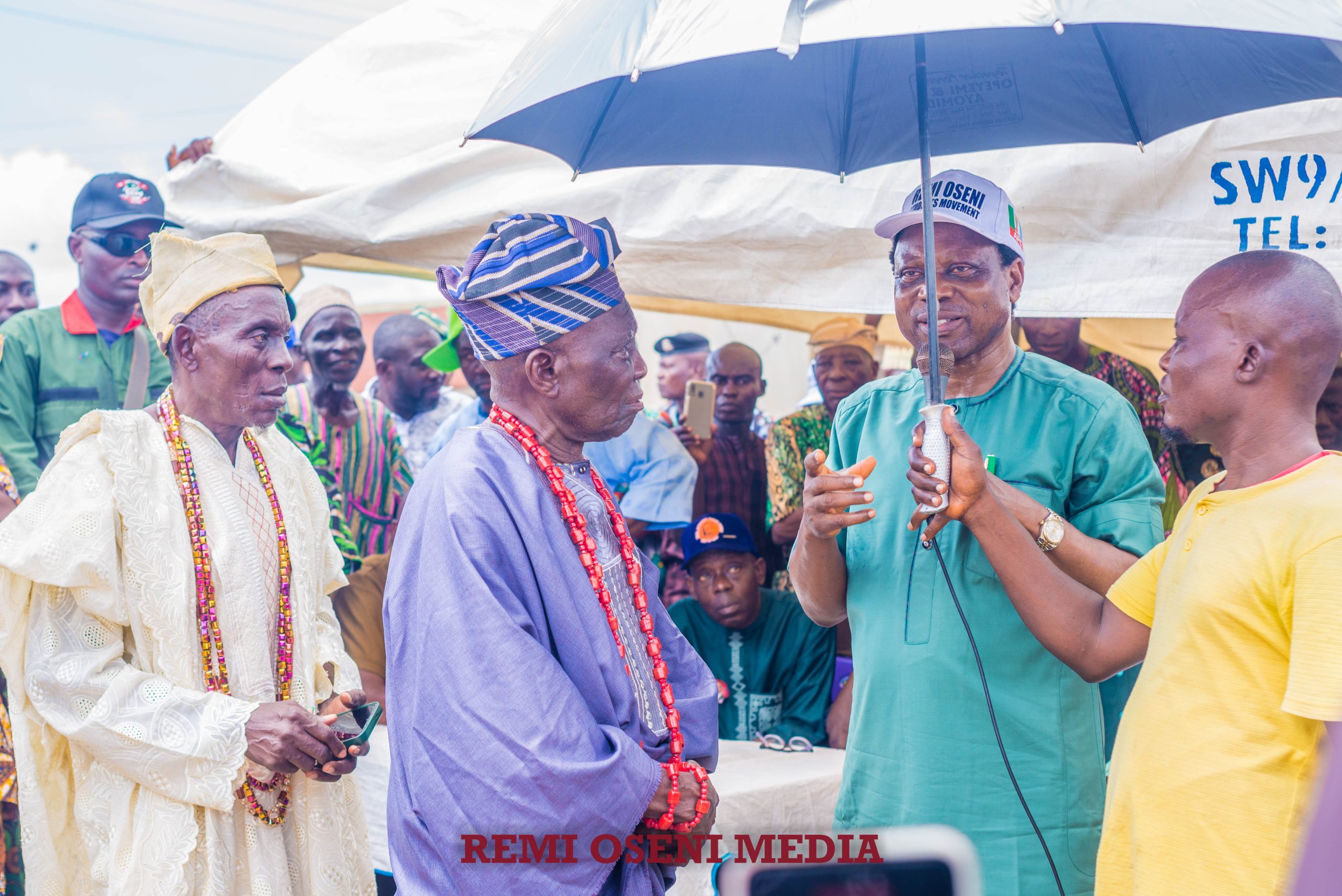
Oseni, who represents Ibarapa East/Ido Federal Constituency in the House of Representatives, announced the intervention on Saturday at a town hall meeting with residents and community leaders from Power Line, Awonsoso, Siba, Olupoyi, Balogun, Baba Agba and Agaloke communities.
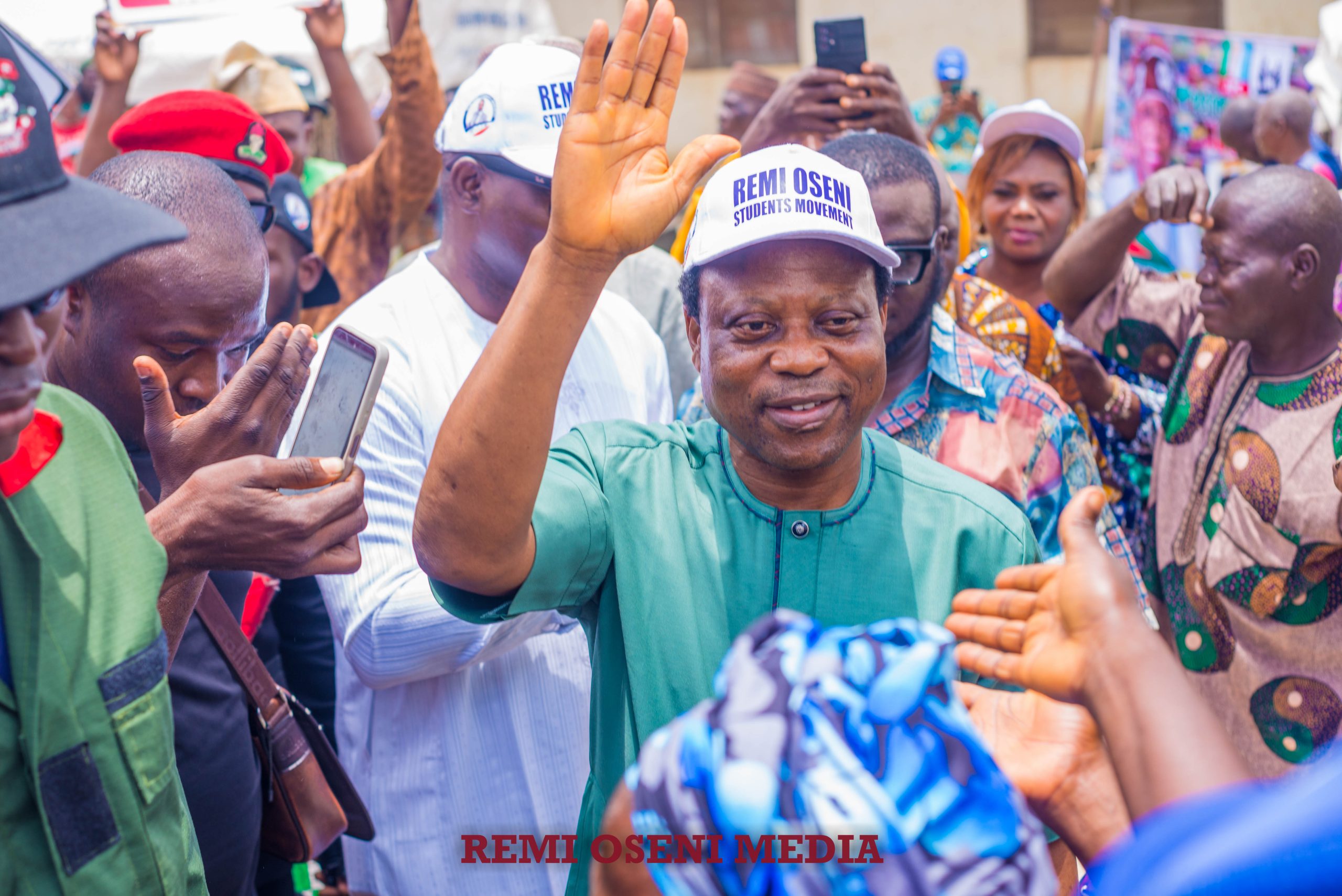
‎The lawmaker said the decision followed a request by the community stakeholders, who identified the poor condition of the road as their most pressing need. He assured the residents that the rehabilitation would be completed within four months.

‎Oseni said the intervention was part of his commitment to people-centred representation, stressing that his legislative activities had been focused on issues capable of improving the lives of Nigerians.
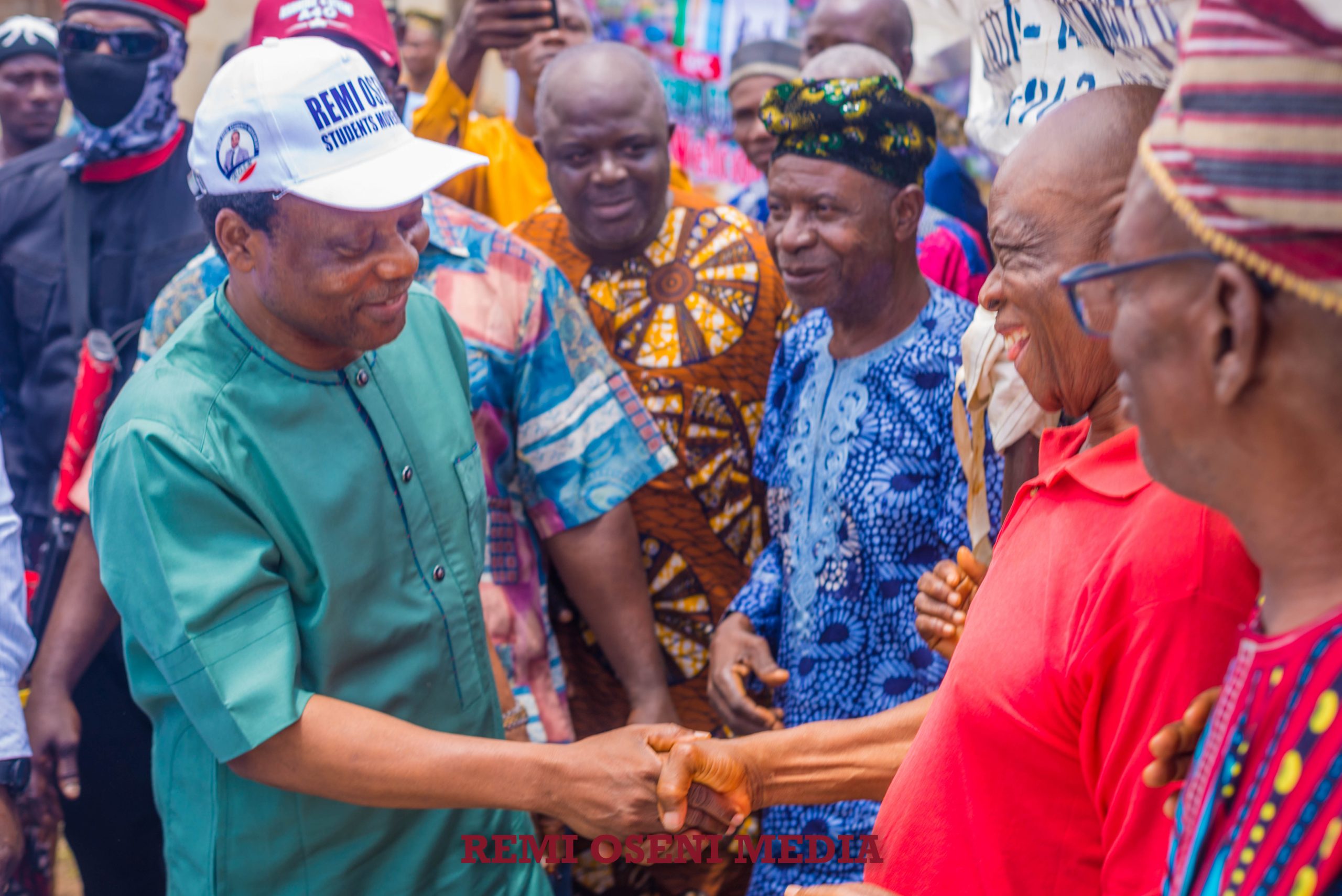
He said, “Within the three years plus, I have sponsored bills and moved motions that are carefully designed to positively impact the lives and livelihoods of citizens.”

According to him, some of the legislative initiatives include moves to amend the Federal Medical Centres Act to establish a Federal Medical Centre in Ido Local Government Area, stronger sanctions for contractors who fail to execute government projects according to specifications, and measures to improve accountability in the management of public contracts.

Oseni added that he had also advocated subsidised farm machinery for farmers, measures to reduce the cost of cancer treatment, improved food storage through modern silos and processing facilities, as well as urgent action on flooding and recurring building collapses in major cities among several others.
‎The lawmaker said his engagements with communities across Oyo South should not be viewed solely through the prism of the 2027 elections, despite the commencement of political activities.

“My visit here today is not to solicit for votes, but to listen and find practical ways to attend to the requests and plights of my people,” he said.

‎Oseni also disclosed that he had facilitated the distribution of 31 transformers across Ido and Ibarapa, with about 80 per cent of the cost funded through his foundation. He added that  other interventions had included solar-powered street lights, boreholes, bridges, public toilets, educational support,  infrastructure, health care services,  youth and women empowerment, and assistance to artisans, traders and markets across the senatorial district.
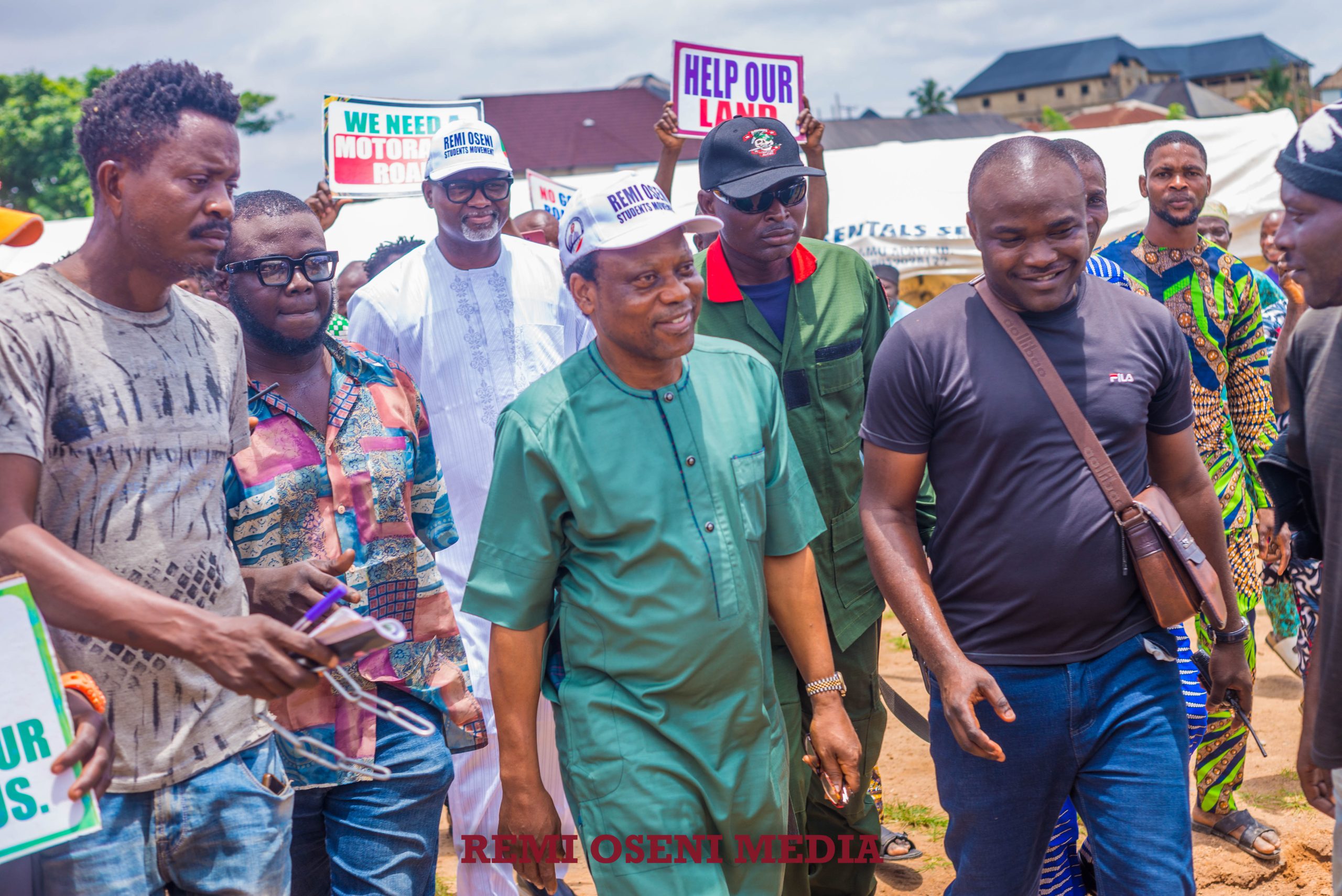
The APC chieftain further noted that some youths had also received N1 million each as seed capital to start small businesses.

‎Oseni acknowledged that his primary responsibility as a federal lawmaker was to make laws and provide effective representation, but said the gap created by ineffective governance at the grassroots had made it necessary for him to support communities through interventions.

He urged youths to remain focused and resilient, recounting how he worked as a bus conductor to raise money for his secondary education before becoming an engineer, businessman and legislator.

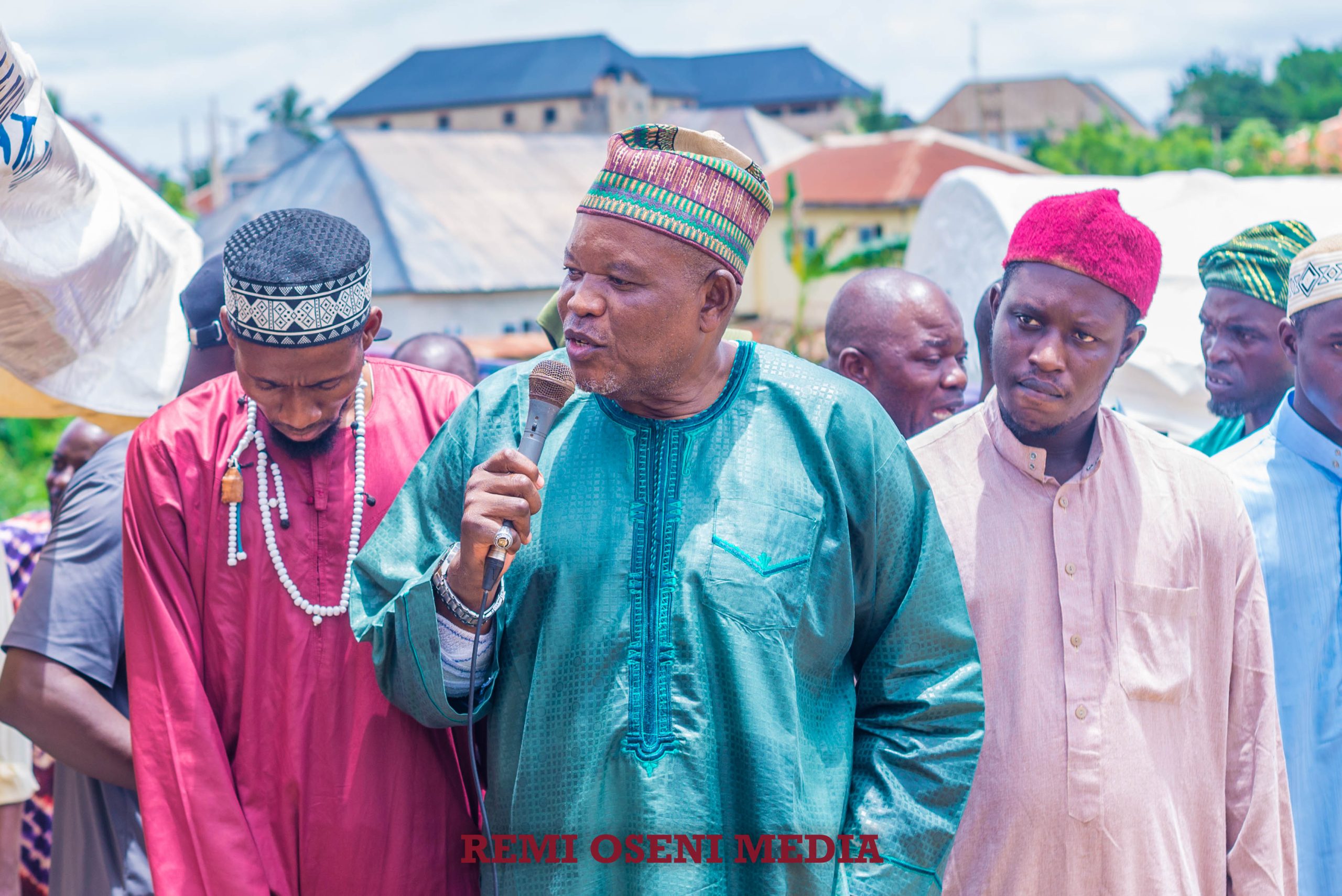
Earlier,  Chief Muibi Adegoke, Baale of Awonsoso, and Chief Azeez Saka, Baale of Elere Apata, commended the lawmaker for what they described as his performance in legislation and community development. They pledged their support for his political aspiration ahead of the 2027 election.

‎The meeting was attended by traditional rulers, religious leaders, community elders, women and youth leaders from the affected communities.

(c) Mega Icon Magazine 

Continue Reading

Trending

All Rights Reserved. Copyright © 2026 MegaIcon Magazine