Opinion
Tinubu’s lost war in Niger as Sigidi | By Festus Adedayo
Published
3 years agoon
Yoruba have a way with the Sigidi, whose closest modern translation is the robot. So when the Sigidi – a moulded clay effigy – at the height of its self-destruct, asks that it be taken to the river to swim, Yoruba say a catastrophe is in the offing. They render this as, Sigidi nse’re ete, o ni ki won gbe’hun l’odo lo we. Just as the modern robot is credited with the power to take some human actions, the Sigidi too, in the belief of the Yoruba, could. It was one of the insignias of operation of the babalawo. It is puttied all over by clay that is easily dissoluble in water. So, for the Sigidi to ask to be taken to go swim is an invitation to destruction.
Those days when African military generals prepared to embark on war expeditions, they began to manifest queer, supra-human and impenetrable behavior. They recoiled from the world and its realities, wore frightening, fearsome visages and immersed themselves in huge pots of metaphysical liquid preparations Yoruba called agbo ogun. Natives then sang songs to scintillate their bloodthirsty bellicosity. One of such was a song meant to nourish the warmongering inclination in them, rendered as, O npa’le ogun mo, Edumare ma je o t’enu mi jade…
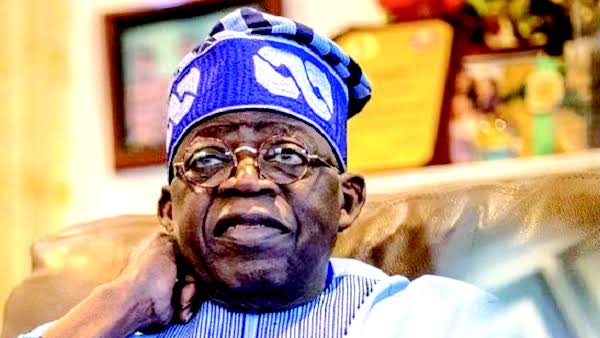
Today marks the expiry of President Bola Tinubu’s ultimatum to the coup plotters of Niger Republic. Against the run of play, when Tinubu, last Friday, wrote the Nigerian Senate seeking its support for military intervention against the junta in Niger Republic, his sabre-rattling bore similar features with those of 17th, 18th and 19th century warlords. Like the Ekitiparapo war which was fought from 1877 to 1893, most wars are triggered by, most times, mundane issues which are however a burst of deep-seated resentments and animosities. This war was regarded as one of the greatest of all wars among the Yoruba, in fact its bloodiest and the most unforgettable in history. It was a war renowned for its varied nomenclatures.
In its rendering as Kiriji War, that appellation was got from the onomatopoeic vibrations of Kirijiji! Kirijiji!! Kirijiji!!! which accompanied the booms of cannons and modern artillery munitions of the said war. When it is rendered as the Ekitiparapo War, it is in reference to the alliance of Ekiti-speaking Yoruba who gathered their ljesa, Igbomina, Egba, ljebu, Ilorin and allied enemies of Ibadan to fight them. Ibadan had by then become so pompous and belligerently oppressive to other parts of Yoruba. As War to End all Wars, it was in reference to the war being the last major war in the 19th century in Yorubaland; and finally, when rendered as The Sixteen Years War, that war’s notoriety for having been prosecuted for 16 consecutive years non-stop is the reference.
While Tinubu’s lure for this war is, on the surface, to protect the ravishing beauty called democracy that may be raped to death in Nigeria’s neighbouring Niger Republic, the bait of the Ekiti Parapo War was Falola, the pretty and delectable wife of warlord, Prince Fabunmi Abe Adesoye of Igbo-Odo, a town later to be known as Oke-Mesi. Falola was a victim of the libidinous rascality of an Ajele (Resident) imposed on the town by Ibadan conquistadors. Tinubu, as Chairman of the Economic Community of West African States (ECOWAS), and his allies are bent on rescuing democracy, the damsel that General Abdourahmane Tiani, leader of the putschists in Niger coveted. Niger’s democratically elected president, Mohamed Bazoum, had been toppled due to what was referred to as an obscure personnel dispute within Niger’s presidential guard. On a market day in 1876, Oyepetun, the Ibadan Ajele stationed at Imesi-Igbodo, infamous for his avarice, wickedness and general impression that he was one of the most irreverent and badly behaved Residents (Ajele) sent by the Ibadan to Ekiti land, had seized Falola right there in the marketplace, in fact at the front of the Oba’s palace.
General Tiani had exhibited same audacious belligerency. Persuaded that this was an affront of the highest order and a final denouement to the continued desecration of Ekitiland by the Ibadan, Prince Fabunmi stormed the home of the Ajele and beheaded him, alongside all his band of invaders. Another account of what led to the war claimed that rather than Oyepetun sexually abusing Falola, Fabunmi’s wife, Oyepetun’s men forcefully took food and palm wine from a woman who was friend to Fabunmi’s wife, leading to a fight. In retaliation, Aare Latosa, without giving his proposed expedition a second thought, angrily sent one of his military commanders, Ajayi Ogboriefon, to Igbo-Odo with a single expedition – decapitate Fabunmi and bring his head to Ibadan in a white calabash.
Like Latosa who did not subject the likely scenario in Ekiti to rigorous examination and the probable negative effects of his pugnacious decree, Tinubu too, riled by the temerity of General Tijani, is seeking the Nigerien soldier’s head on a platter. Eventually however, not only did Latosa’s post-hate sabre-rattling become a huge calamity to befall Yorubaland, the Ekitiparapo war, which was one of the most belligerently prosecuted wars in Yorubaland, with variety of munitions, became a massive albatross to the people, hampering integrationist efforts among the people and becoming one of the ancient fault lines of divisiveness among the people. Its capital intensiveness hampered the people’s economy due to the then sophisticated armaments deployed for the prosecution of the war. For the first time, warriors witnessed the usage of costly breech-loading rifles and sophisticated weapons like Winchester, Martini Henri, Sniders, Mauser.
Apart from negatively impacting the socio-economic and political history of Yoruba race of the 19th century, the war also inflicted huge human losses, leading to the death of hundreds of thousands of people. It also opened Yorubaland to the covert invasion of British colonial penetration. In the same vein, it inflicted significant and far-reaching consequences that led to the opening of the routes to the eventual loss of Ilorin to Alimi’s Fulani. Following from this is its encouragement of the eventual loss of other Yoruba kingdoms to aliens. Historians locate the unending atrocious relationship between the Ife and Modakeke to this peremptory order for the head of Fabunmi by Aare Latosa.
That fractious relationship was later responsible for the hundreds of deaths in the 2000s war between Ife and Modakeke. Modakeke, in the prosecution of the Ekitiparapo war, found themselves allies of Ibadan, deployed to fight the war while their Ife neighbours, fought alongside the Generals of Ekitiparapo. The war also led to Ibadan losing its erstwhile panjandrum role in Yorubaland as a result of this hasty decision by Latosa. Eventually, all Ibadan erstwhile dependencies were severed and granted autonomy by the colonial government who sneaked in on the pretext of seeking armistice. Eventually the Ibadan/Oyo forces that dared the Ekiti had to withdraw. Ogboriefon himself died in the thick of the war.
Last Friday, Tinubu sought the backing of the Nigerian parliament to fight war in Niger. It is alleged that some of the actions on which Tinubu sought senate approval had already been effectuated. For instance, the highly authoritative Wall Street Journal said that even before going to the parliament, he had ordered for Niger to be hit by total darkness. This was done by disconnecting the main transmission lines that provides 75% of Niger’s electricity from Nigeria, thus plunging the Nigerien presidential palace, towns and villages into blackouts. Even the deposed President Bazoum’s cell phone, said the journal, though still remained charged as at the time of the report, stood the risk of running out, leading to him being incommunicado. It is however gladsome that the senate refused this request to invade Niger by the Nigerian president.
The Ekitiparapo War was one of the wars that signified the ambivalent nature of wars. It perhaps was what led to the famous statement that it is only the beginning of a war that is known; no one knows its end. Like the American war against Afghanistan primed to last a few months but which eventually elasticized from 2001 to 2021, ending with the Taliban offensive overthrowing the Islamic Republic and establishing an Islamic Emirate, the Ekitiparapo war also frustrated all strategic permutations, just as the Afghan war did. That war became the longest in US’ military history, even lasting longer than the 20-year-old Vietnam War.
But why, like Aare Latosa, would Tinubu precipitate a war that he has no scientific binoculars to foresee where and when it was heading for? When General Ibrahim Babangida, on August 24, 1990, began similar deployment of 3,000 West African troops into the Liberian capital, Monrovia, as part of the ECOWAS Peace Monitoring Group, (ECOMOG) he too never had an idea of the number of persons he would propitiate to the god of leadership ego that suddenly seized him, nor the billions of dollars of Nigeria’s patrimony that would be sunk into the expedition. Envisaging that ECOMOG operation in Liberia would last for just six months, it later lasted for seven years, even expanding its frontiers into neighbouring Sierra Leone.
Till today, the justification given for ECOWAS’ intervention in the Liberian war has been variously faulted and became largely controversial. Some claim that Babangida merely got Nigeria and other African countries to help fight a war to keep his friend, Samuel Doe of Liberia, in office. While the ECOWAS community hung on to Article 16, of the 1981 Defence Protocol, which said that “the Head of State of the member under attack may request action or assistance from the Community,” it was said that Doe never requested the intervention of ECOWAS but merely demanded Babangida’s help. There was also no consensus to intervene, especially from Francophone African states. Indeed, countries like Cote d`Ivoire and Guinea, which were sympathetic towards and even actively supporting the NPFL, were miffed at the ECOMOG intervention. Cote D’Ivoire had always been Nigeria’s regional rival. Thus, while Doe was Babangida, Nigeria`s President’s bosom friend, Nigeria was to pay heavily through Charles Taylor`s killing of about 1,000 of her nationals in Monrovia in 1990, a list that included journalists Kris Imodibe and Tayo Awotunsin. So, while Nigeria was sympathetic to Doe, Taylor received support from Cote d`Ivoire and Burkino Faso as well as from France and Libya.
As the Babangida friendship war in Liberia dragged on, the operation became progressively dangerous, costly and protracted. By the time ECOMOG pulled out of Liberia in October,1999 Western powers didn’t seem to be aware and stood away from this former American colony. At a reception held in Abuja on the arrival of the last Nigerian ECOMOG soldiers in 1999, President Olusegun Obasanjo said that Nigeria had lost at least 500 of its soldiers, several hundreds were wounded and a staggering sum of US $8 billion was wasted to the peacekeeping operation in Liberia. Obasanjo had concluded, “We will never know the number of Nigerian civilians who lost their lives in the crisis in Liberia.”
From his friends and foes, questions are being asked on why Tinubu suddenly acquired this sudden bellicosity and the reason he is prepared to commit Nigeria to another needless prosecution of war. Could the decision be an outcome of a sudden pounce on him, like the self-revelatory spirit that triggered the removal of subsidy on the day of his inauguration? Explaining his off-the-cuff, unscheduled and unprepared-for severance of the subsidy, the president had said, “I got to the podium, I was possessed with courage, and I said, ‘subsidy is gone’”. Was it the same possessing spirit that is responsible for this ominous throwing of Nigeria into another round of war?
Already, it is said that the military government in Niger had signed or is in the bid to sign an agreement with Russia’s Wagner PMC for the supply of Specialized defense services to repel Tinubu’s threat of military intervention. Wagner is said to have units in Libya, Mali, and Central African Republic and these military units will proceed to Niger, a republic with a population of 27,294,785, immediately with its 12 to13,000 Wagner fighters. As diplomatic relationship stands now, Niger has reportedly severed ties with Nigeria and Togo. Rumours have it that Algeria and Egypt, reputed to possess the strongest military strength in Africa, as well as Guinea, Burkina Faso, Libya, Chad, and Mali, are ready to stand with Niger, making this war a perfect replica of the Ekitiparapo War and bonding of allies.
So, why is Tinubu angling for a war? There is this claim that Tinubu, in the bid to seek the west to legitimize his rule, especially with the judgment of the Presidential Election Court (PEPC) that may “bring anarchy” to Nigeria, is ready to be the lickspittle of the west, anyhow. Indications are rife that the US and the European Union needed an African front to carry their can and Tinubu is a ready tool for this. A military action from ECOWAS may stop Niger’s gravitation towards Russia. Uranium-rich Niger, in 2022, was responsible for 25.38% of EU’s supply, after Kazakstan, which owns world’s largest ounce of uranium. With the Russian uranium export suffering due to sanctions, France and the EU, with huge dependence on nuclear energy, need the sustenance of Niger Republic’s uranium to keep afloat.
The danger for America, which has spent about $500 million to arm and equip Niger’s military, said the Wall Street Journal, is that it may unwittingly be allowing Russia to pick up some of its most treasured drone bases, which are used to fly missions across the Sahara between Libya and Nigeria. Niger had been the centerpiece of America and Europe’s fight against the contagious spread in Africa’s Sahel of Islamic State and al Qaeda, through a spool spin. This spin is “across 3,000-mile semiarid territory on the southern shore of the Sahara that also includes Burkina Faso, Mali and Chad.” If Tinubu fights their war, sacrificing thousands of Nigerian soldiers in the process, EU and America would in turn rub his back by sustaining his life-long ambition to be Nigeria’s president. Don’t forget that the Tinubu government exhibited palpable fright when the EU cavalierly removed the legitimacy rug off his feet through the damning report it brought out on the election that ensured his presidency.
Unfortunately for Tinubu and his ECOWAS, the coup plotters of Niger have tremendous home support. Tinubu doesn’t have same at home on this war-baiting plan of his. Already, a group of northern senators in a release issued on Friday and signed by Sen. Suleiman Kawu Sumaila dissociated itself from Tinubu’s bellicose pursuit. While condemning the Niger coup, the group said it took exception to use of military force because “the consequences will be casualties among the innocent citizens who go about their daily business… (in) the seven northern states who share border with Niger Republic, namely Sokoto, Kebbi, Katsina, Zamfara, Jigawa, Yobe and Borno.” The group thus covertly urged its colleagues in parliament, “to observe due diligence in invoking section 5 sub section (4) (a) and (b) of 1999 Nigerian Constitution as amended,” ostensibly by not giving go-ahead to Tinubu to prosecute the war.
As the senators said, geographically, seven Northern states share borders of 1,608 kilometers with Niger Republic. Senator Shehu Sanni also recently reminded Tinubu that about 3000 escapees from Boko Haram onslaughts are taking refuge in Nigerien refugee camps. If they could issue their own release too, the Nigerian Army, expected to prosecute the Tinubu war, would openly rebel against it. This is because a huge number of Nigerian military personnel, from headship to the recruits, are believed to share consanguinity with Niger, with their family members and relations based in Niger Republic. Indeed, many of our senators and House of Reps members are suspected to be citizens of Niger Republic. Ex-President Muhammadu Buhari never hid his consanguinity with Niger. Due to the porous borders and filial bonding between the two countries, a Nigerien boy who walks into, say Kano, schools therein and enters the civil service or the military, duds his actual citizenship and easily meshes into Nigeria.
For French-speaking Africa, the fight against France is a war of liberation. A respondent told the Wall Street Journal that “What happened in Niger is nothing other than the struggle of the people of Niger with their colonizers.” Like Nigeria, Niger and other French-speaking African countries had been tied to the apron strings of their colonial masters. Unlike Nigeria, they have made up their minds to exit the servitude. Back here in Nigeria, the ground Tinubu is standing to declare this war is suffering a seismic shake.
The Tinubu declaration of war against Niger could be indicative of two, or even three, things about his presidency. One is that it could be yet another symptom of a peremptory, off-the-cuff, kick-and-follow governance that gives less consideration to the rigour of critical interrogation of issues. The Niger war declaration bears same hollow texture with the fuel subsidy removal. Second, the war may be Tinubu’s Sigidi signaling catastrophe for his government and for our dear country. Unless Tinubu beats a retreat and sticks to shuttle diplomacy with the Niger Republic junta, the war, which he has lost ab initio, even without firing a single bullet, will negatively define his administration. It is a calamity in the making. On a second thought, knowing the stuff that these Lagos politicians are made of, could the flaunt of bravado over Niger Republic, the request to the senate, the rejection and the protests in Niger Republic be a stage-managed choreography, part of the machinations of the Lagos boy to show the west that he tried his best, but his people rebelled against it? Curiouser and curiouser!

You may like
-
Reps panel declares alleged Presidential council DG’s appointment letter fake
-
Beyond Deportations: What South Africa’s Immigration Crisis Reveals About Nationhood and Economic Frustration
-
Senate passes state police bill, governors to appoint CPs
-
Govs Back State Police, Power Reform, Nutrition Drive, World Bank Partnership
Opinion
Seven Factors That Keep Sharafadeen Alli Ahead in 2027 Oyo Governorship Race
Published
3 days agoon
September 14, 2026By
Bisi Oladele
Fact 1: Homegrown Leader with Unmatched Grassroots Experience
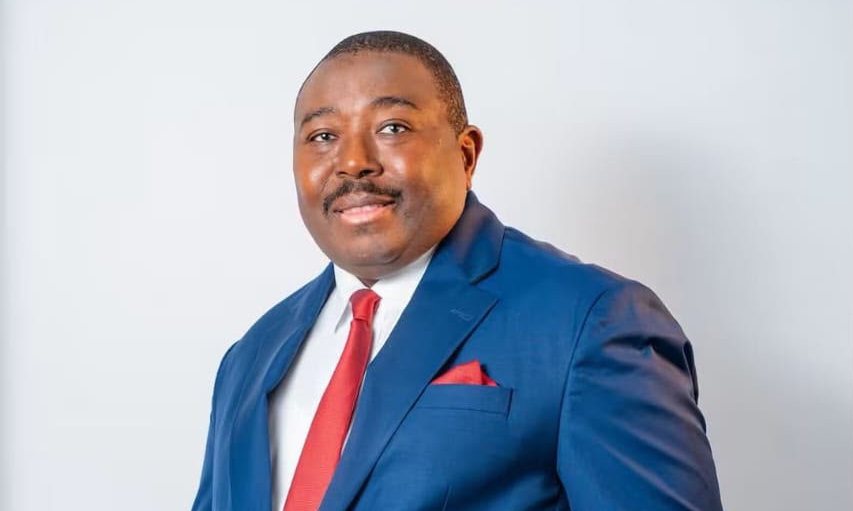
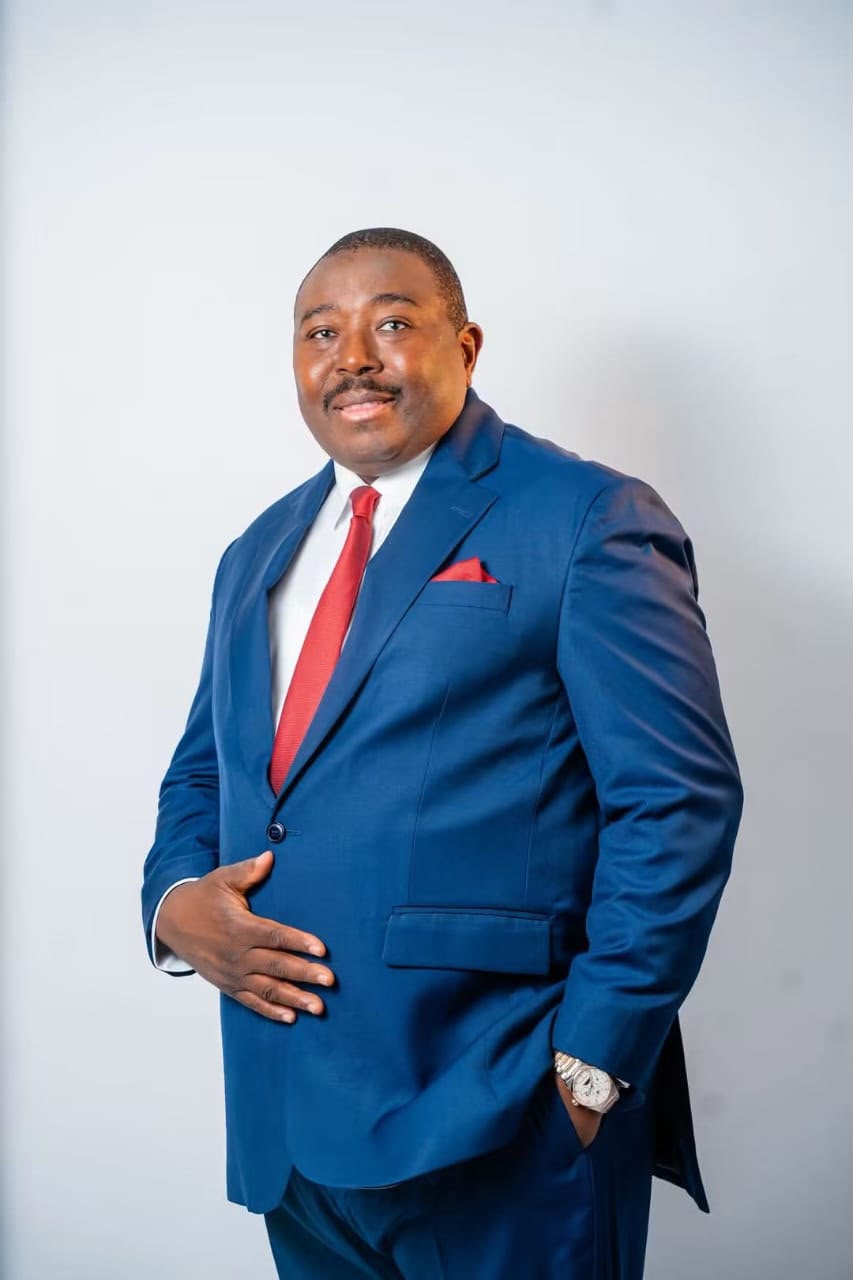
Senator Alli’s political journey began at the grassroots level in Ibadan, where he made history in 1991 as the first democratically elected Executive Chairman of Ibadan North Local Government. This early leadership role demonstrates a deep, foundational understanding of local governance and the needs of the people, a critical asset for a state governor.
![]()
Fact 2: Rare Combination of Top-Tier Academic and Professional Credentials
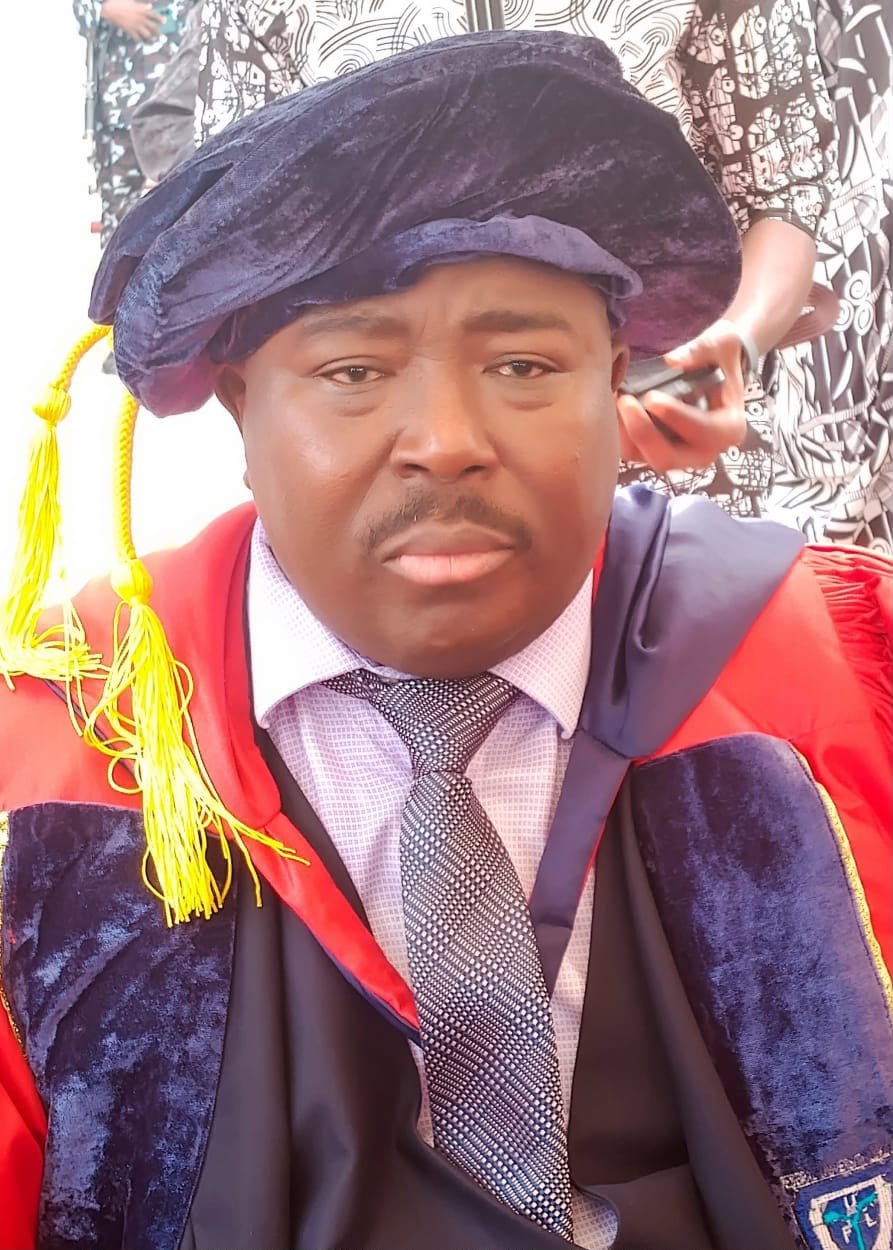
Senator Alli is not just a politician but also a distinguished legal practitioner with a Ph.D. in Legislative and Strategic Studies. His extensive education, including degrees from the University of Ibadan, combined with his fellowships from prestigious professional institutes, provides him with the analytical, legal and strategic acumen required to manage the complex affairs of Oyo State.
![]()
Fact 3: Proven Executive Administrative Competence at the Highest State Level
His tenures as Secretary to the Oyo State Government (SSG) and later as Chief of Staff (CoS) to the Governor showcase his direct experience in the engine room of state administration.
![]()
He has been intimately involved in policy formulation, committee leadership and the day-to-day running of the state, making him uniquely prepared to assume the governorship and hit the ground running from day one.
Fact 4: Demonstrated Executive Business Leadership with Regional Impact
As Chairman, Board of Directors of Odu’a Investment Company Limited, Senator Alli was not just an administrator but a visionary economic leader. He spearheaded landmark investments such as the Cocoa Mall and Heritage Mall in Ibadan, which transformed the economic landscape of Oyo State. This proven ability to attract and drive large-scale economic development is directly transferable to governing Oyo State.
![]()
Fact 5: Battle-Tested and Consistent Political Figure
Senator Alli’s political career spans more than three decades, weathering the annulment of his 1996 Senate election and consistently remaining a relevant and influential force. He has contested for Deputy Governor and Governor in the past, giving him a comprehensive understanding of statewide campaigns and the diverse political landscape of Oyo State. His journey demonstrates resilience, deep political networks and unwavering commitment.
Fact 6: Current, Performing Senator and Influential Figure
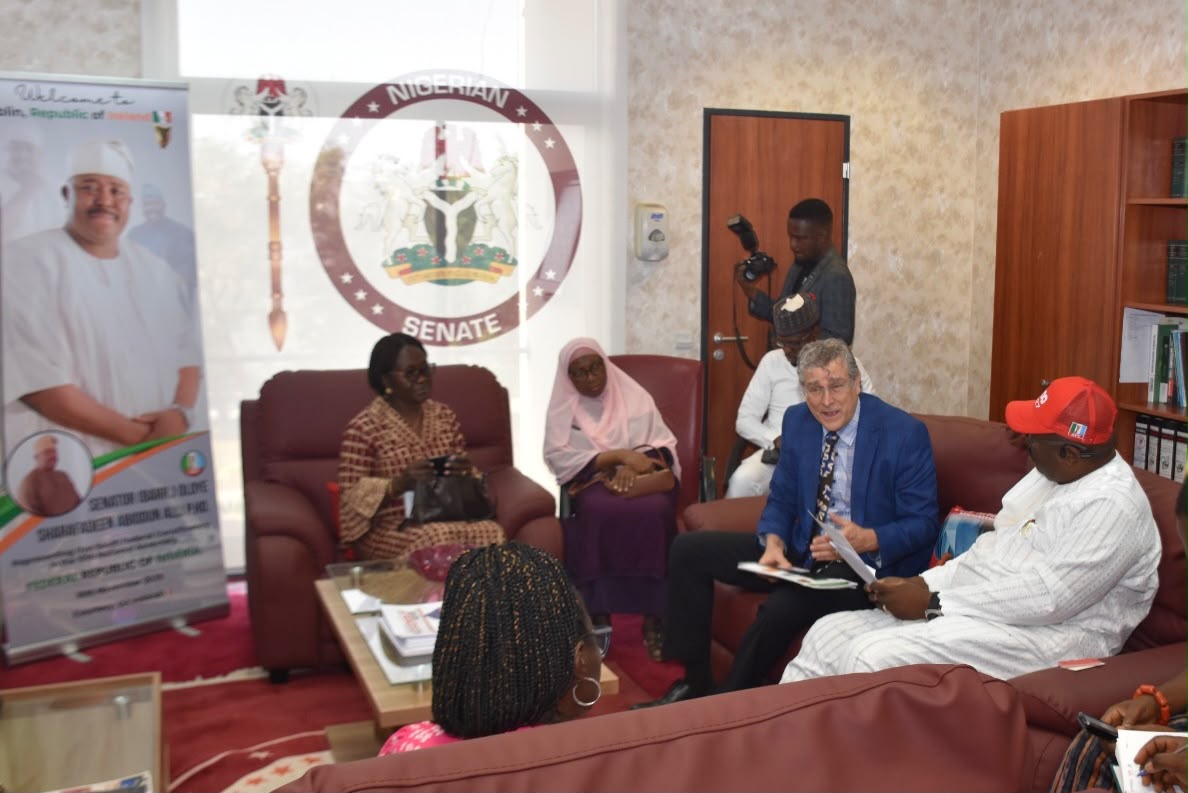
As the sitting Senator for Oyo South, he is actively delivering quality representation, impactful constituency projects and people-oriented legislation. He has sponsored five Bills and raised six Motions to promote development. Senator Alli has also facilitated employment for 100 constituents across Federal Government agencies.
![]()
His role as Chairman of the Senate Committee on Agricultural Colleges and Research Institutions, as well as his membership in the ECOWAS Parliament, demonstrate that he is not only focused on local issues but is also equipped with a broader perspective on governance, trade and regional integration.
Fact 7: Unifying and Respected Traditional Title Holder
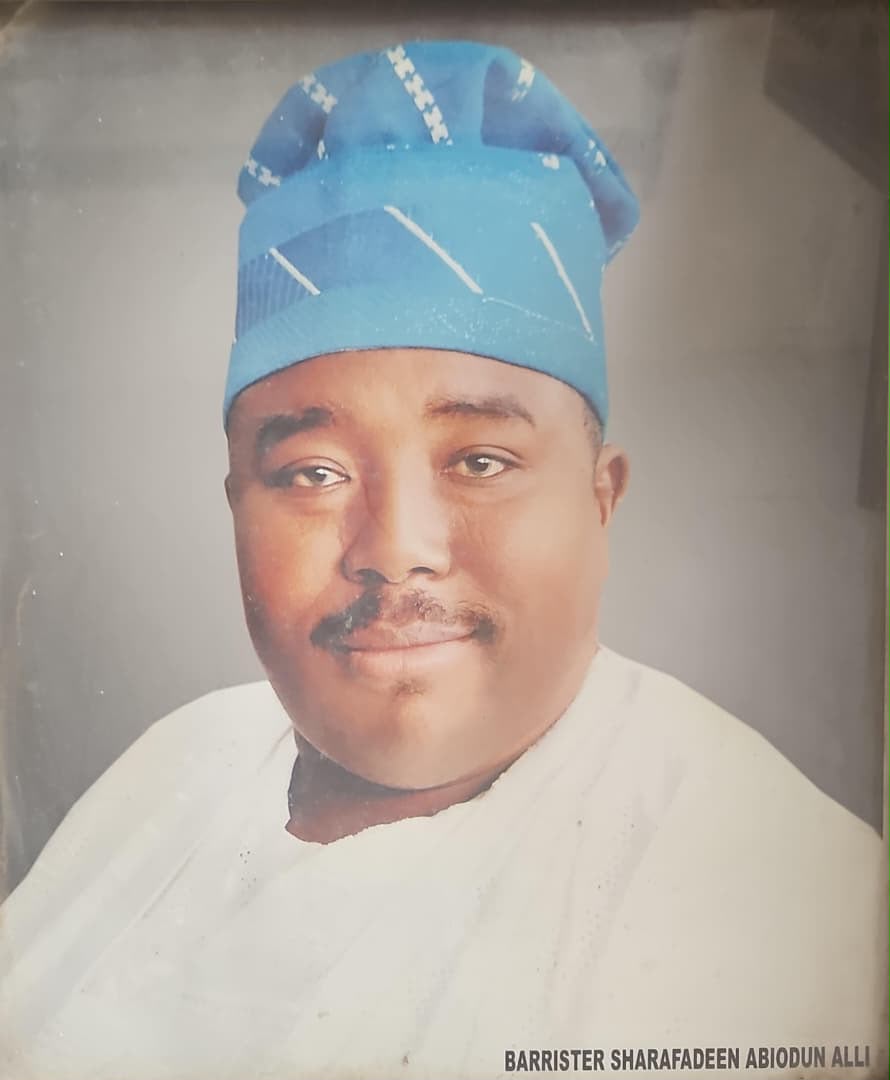
Senator Alli’s position as the Ekaarun Balogun of Ibadanland, one of the highest-ranking chieftaincy titles in the ancient city, signifies his deep-rooted connection to tradition and his standing as a respected community leader.
His reputation as a calm, wise, simple, relatable and inclusive bridge-builder who unites people across political, religious and ethnic divides positions him as a leader capable of fostering peace, stability and consensus across the entire state.
Oladele is the Director of Media & Publicity, Senator Sharafadeen Alli Campaign Organization.
Opinion
Oloye Lekan Alabi: Memories Ere Death Beckoned Both Caller and Called |By Wole Adejumo
Published
1 month agoon
August 7, 2026By
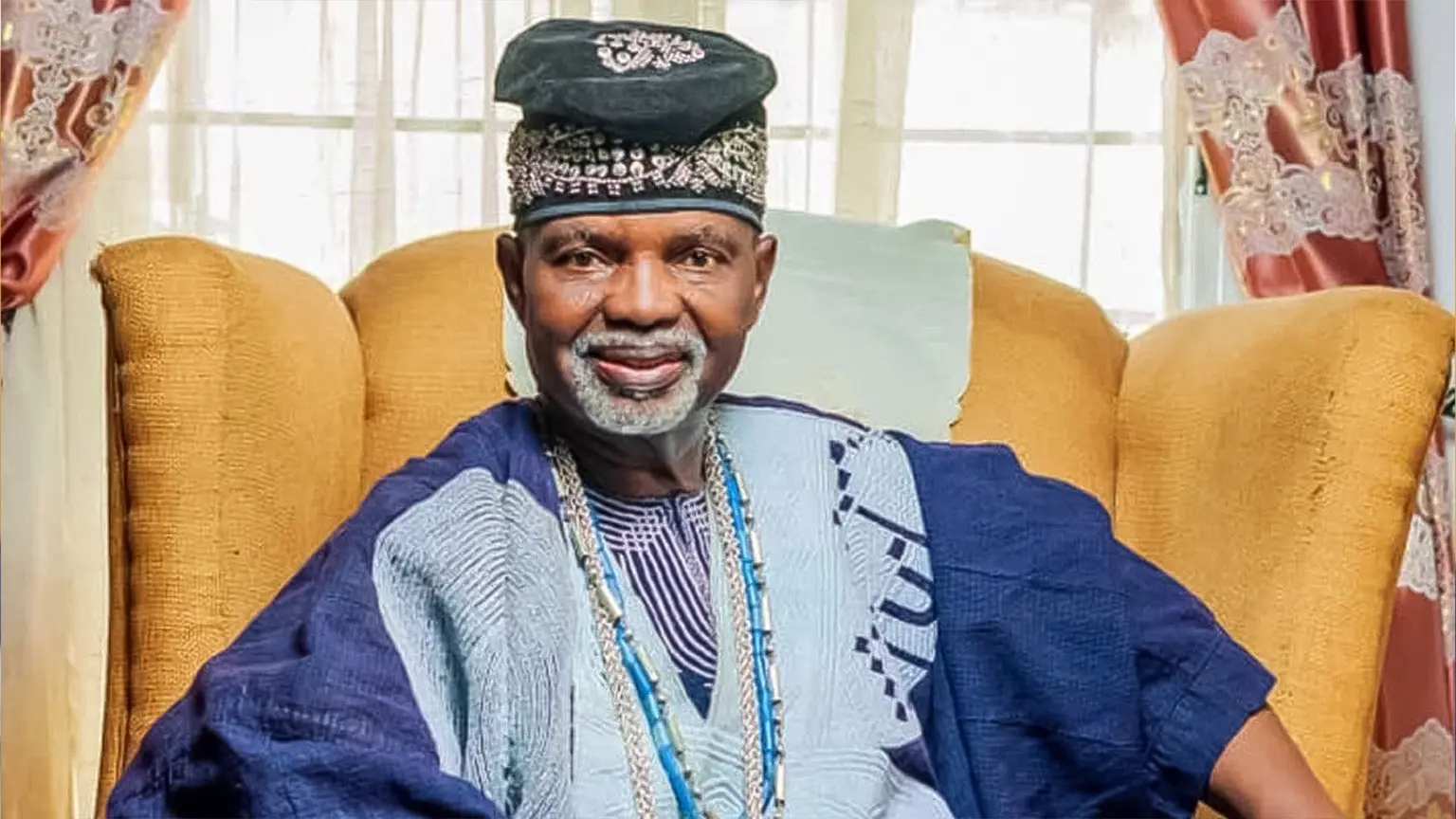
Mega IconThe young lady who usually delivers packaged moinmoin for members of staff who want it for lunch came in as she usually did, and after the exchange of pleasantries, I asked if she knew the difference between Ọọlẹ and Moinmoin. My colleagues looked at me strangely when I disagreed with her response that both were the same. I promised to tell her the difference later. I, however, told my colleagues the difference as explained to me by Oloye Lekan Alabi. Though a suave, urbane and sophisticated Ibadan chief, he took time to explain the similarities and differences as we prepared for the annual Oke ‘Badan Festival some years back.
He had retired from the service of Odua Investment Company Limited, where he demonstrated competence and character then, but that did not in any way diminish his encyclopaedic knowledge of history. He sat beside the Aboke, Chief Ifamapowa and some other stakeholders at the press conference heralding the ceremony that year.
My first real contact with him happened after I had written a short piece, ‘The Man Who Would Be King’, about him. Oloye, who bore the titles of Jagun Olubadan and Akogun of Lalupon agreed to have an interview. My Bureau Chief, Bola Davies (now of blessed memory) directed me to go and when I got to his office in Cocoa House, he thanked me for wishing him well. He thereafter took time to explain the Olubadan ascension system. The interview was published in one of the earliest editions of City People Quarterly back then. That interview and some other things I wrote about him eventually earned me a mention in one of his books.
Oloye Alabi was no doubt an aficionado when history, music and culture are up for discussion. Of course, with his rich cultural heritage, he stood out anywhere and everywhere. Little wonder His Imperial Majesty, the Ooni of Ife hosted his investiture when he was appointed as the first Cultural Ambassador of the National Museum, Ile Ife. His immense breadth of knowledge will give him a place in history just as it did to the likes of Chiefs John Adeyemi Ayorinde, Theophilus Akinyele and Alaafin Lamidi Adeyemi III. His love for good music too was more than obvious. Like a true connoisseur, he did everything with class and style. He wrote countless articles about Chief Commander Ebenezer Obey, King Sunny Ade, Chief Eddy Okonta and many more. His love for Yusuf Olatunji’s Sakara music defied competent description. It was so great that he named his youngest son after the Sakara legend.
In one of his many philosophical volumes, ‘Baba L’Egba’ as Olatunji was fondly called, sang that “o ye ka ni ‘fura taa ba nsin ale eni lo” (one should be watchful when seeing off a concubine) and the only person I felt I could ask what was on Baba L’Egba’s mind then was Oloye ‘Lekan Alabi. Sadly, the auspicious time to ask never came.
A reception was once hosted in his honour by Ambassador Ibironke Adefope at Bodija and it was regal! Everyone who mattered came to honour Oloye ‘Lekan Alabi. Reporting the event for City People then, one of the most unusual sights was Otunba Adebayo Alao-Akala, the then Deputy Governor of Oyo State. His simplicity was indescribable. Aside driving his convertible BMW, he came in a yellow sweatshirt and jeans.
And when he turned 60, it was like everyone else joined the Ibadan establishment to celebrate Oloye ‘Lekan Alabi. Aare Arisekola Also spoke about the celebrant in glowing terms as he emphasized that Oloye Alabi was indeed a man destined for greatness. The party afforded me the opportunity of seeing Alhaja Batile Alake live on stage. Her sonorous voice actually brought great childhood memories of when songs of Batile Alake, Olubowale Ajasco, Alalaye Ilorin and others were regular on the television.
Apart from his respectable dress sense and indepth knowledge of issues, other admirable traits of the late Abese Olubadan were his timeliness and punctuality. He once told me the story of how he had suggested that card be presented to the then military President, General Ibrahim Babangida on the birth of his baby girl back then. It turned out that the picture of where he handed the card over was published in dailies the following day. Apart from personal discipline, working with four Governors of Oyo State obviously rubbed off on him, he never attended an event late. There was a day we had to apologize as we started an event behind schedule at the Premier Hotel, Ibadan. He was about the first guest and after accepting our apologies, he didn’t become vexatious, rather, with a smile he told us that he would be in his room upstairs. He said all we needed to do was put call through to him when we were ready to start the programme.
I stood close by him at certain event and heard Chief Lateef Oyelade praying for Oloye Alabi who had just greeted him in Yoruba, he said “Olubadan o kan o” (may it be your turn to become the Olubadan). Like many of his mentees, I looked forward to seeing him on the exalted Olubadan throne, it was however not to be.
Reflecting on those golden days of celebrity journalism; the Bodija reception, the grand 60th birthday, the laughter of legends now silent; one is reminded that time eventually beckons both the caller and the called. Bola Davies, His Excellency, Otunba Alao-Akala, Aare Arisekola Alao, Chief Lateef Oyelade, Ambassador Adefope and now Oloye himself have all answered that ultimate call. Though the exalted Olubadan throne eluded him, Oloye ’Lekan Alabi leaves behind a legacy as towering as Cocoa House itself. Like his noble forebears – Oyetunde Olundegun, ‘Erin o P’ojo Logun’, and Ekerin Suberu Ajengbe, he came, he saw, he lived with unmatched panache, and he left an indelible mark on the sands of time.
Adejumo sent this piece from Ogbomoso
Opinion
Beyond Deportations: What South Africa’s Immigration Crisis Reveals About Nationhood and Economic Frustration
Published
2 months agoon
July 9, 2026By
Mega IconThe popular saying that “one good turn deserves another” appears increasingly absent from present-day South Africa’s national consciousness. It is difficult not to ask whether many South Africans have forgotten the history of their country’s liberation and the immense sacrifices made by Nigeria and other African nations in the long struggle against apartheid.
For days, I have been deeply troubled by reports of South Africa’s worsening immigration crisis and the forceful, vigilante-style eviction of African migrants, particularly Nigerians. Beyond the headlines are broken families, shattered dreams and livelihoods painstakingly built over many years. It is a painful development that should concern every African who once believed in the ideals of continental solidarity.
Anti-immigrant sentiments in South Africa are not new. For more than two decades, campaigns against foreign nationals have been fuelled by high unemployment, widespread poverty, rising crime and frustration over inadequate public services. Many South Africans believe undocumented immigrants compete with them for jobs, housing, healthcare and social services, thereby denying citizens access to these basic necessities.
Yet, available evidence tells a more complex story. Research has consistently shown that immigrants alone cannot be blamed for South Africa’s economic and social challenges. Reducing such deep-rooted problems to the presence of foreign nationals oversimplifies a crisis that has been decades in the making.
What is often overlooked is the country’s structural economic reality. A significant skills mismatch, coupled with weaknesses in the quality of education, has left many job seekers ill-equipped for the demands of an economy increasingly driven by technology, innovation and specialised skills. This challenge is not peculiar to South Africa. Across much of sub-Saharan Africa, thousands of graduates enter the labour market every year without the technical, vocational and digital competencies employers now demand.
Beyond this, crime, insecurity, systemic corruption and poor governance continue to weigh heavily on South Africa’s economy. The country has one of the highest youth unemployment rates in the world. Persistent violent crime discourages investment, while corruption and the mismanagement of public resources have weakened service delivery, slowed infrastructure development and eroded investor confidence.
Equally significant is the enduring legacy of apartheid. More than three decades after democracy, inequalities in education, housing, infrastructure and economic opportunities remain deeply entrenched. Many Black communities still live with the consequences of decades of institutional discrimination and economic exclusion.
Against this backdrop, blaming undocumented immigrants for South Africa’s economic difficulties amounts to little more than scapegoating. It is a convenient narrative that diverts attention from the country’s more fundamental governance and developmental challenges.
The recurring xenophobic attacks against Nigerians and other African nationals make the situation even more painful. The recent killing of Emeka Iroegbu and Musa Yunana Joe on June 28, 2026, amid rising anti-migrant tensions, is a tragic reminder of how dangerous such sentiments can become.
One cannot help but ask: Is this the same South Africa for which Nigeria and many other African countries stood firmly during the anti-apartheid struggle?
I vividly remember growing up in the 1980s, listening to songs such as Free Mandela and Stop Apartheid in South Africa by iconic Nigerian musicians, including Majek Fashek, Onyeka Onwenu and Sonny Okosun. Those songs dominated the airwaves on NTA and became powerful symbols of African solidarity.
As a child, I even believed Nelson Mandela was Nigerian because Nigerians embraced his cause with such passion.
Mandela was released from prison in 1990 and became South Africa’s first Black President in 1994, bringing an end to decades of institutionalised racial segregation and apartheid. Today, just over three decades later, many Africans who once stood shoulder to shoulder with South Africans in their darkest hour are treated as unwelcome strangers.
History can be painfully ironic.
Perhaps, then, the saying that one good turn deserves another does not always reflect reality. Human beings are capable of repaying kindness with hostility. It is an uncomfortable truth, but one that life repeatedly teaches.
At a personal level, this reminds us to live with fewer expectations and strive for greater self-reliance. A heart that expects little, even after giving much, is less likely to be broken.
At the national level, however, the lesson is far more profound. Nigeria must build a country where its citizens can thrive without feeling compelled to seek survival elsewhere. Studies have shown that the overwhelming motivation behind the Japa phenomenon is the search for better opportunities and improved living conditions. If those opportunities existed at home, many Nigerians would gladly remain and contribute to national development.
The experience in South Africa—and, indeed, recent developments in the United States—demonstrates that immigration policies are shaped by changing political realities. No foreign country offers permanent guarantees.
Although the U.S. Supreme Court recently ruled against President Donald Trump’s executive order seeking to abolish birthright citizenship on constitutional grounds, the episode illustrates that even long-established policies can become subjects of political contestation. A constitutional principle that has existed since 1868 could still become a matter of national debate. That alone should remind us that every nation ultimately prioritises its own interests.
The enduring lesson is simple: no country can offer Nigerians greater long-term security than a well-governed Nigeria.
Nigeria’s greatest asset remains its people. Sustainable national prosperity can only be built through visionary leadership, accountable institutions, respect for the rule of law and responsible citizenship. When government creates an enabling environment and citizens embrace innovation, productivity and accountability, Nigeria can become a destination for investment rather than a source of economic migration.
As dozens of Nigerians return home following their repatriation from South Africa, government must move beyond sympathy and symbolic gestures. Some have returned with nothing more than the clothes they wore and a single travelling bag, leaving behind businesses, investments and years of hard work. Their return is not merely a journey home; for many, it is the painful collapse of dreams painstakingly built over decades. They deserve meaningful support to rebuild their lives and contribute productively to the nation’s economy once again.
History teaches that nations are strengthened not by chasing away strangers but by creating opportunities for their own citizens. Nigeria must therefore draw the right lessons from South Africa’s painful experience. Rather than exporting its brightest minds in search of survival, it should become a country where talent is rewarded, enterprise is encouraged and hope no longer requires a passport. Only then will Nigeria become not merely the giant of Africa by population, but by the quality of life it offers its people.
Olusegun Hassan, Ph.D
Public Policy Analyst and Social Commentator
MEGAICON TV
Oyo school abduction: DSS to re-arraign five suspects Thursday
FG vows to tackle power crisis, commissions 3MW solar plant at Abuja varsity
Oyo South: Arapaja seeks support for Oseni, cites legislative record, interventions
Trending
-
Metro3 weeks agoOyo: Oseni Sympathises With Oranyan Traders Over Market Fire
-
Politics2 weeks agoOyo won’t become real estate company, says Alli
-
News3 weeks agoOyo: Oseni Donates 500KVA Transformer, N10m to Baptist Conference
-
News4 days agoOyo South: Oseni Approves N100m for Ibadan Community Road Rehabilitation