Opinion
If I Were President: 7 Questions to Answer to Defeat Bokoharam | By Idowu Ayodele

After the Nigerian Civil War fought between the government of Nigeria and the secessionist state of Biafra between 1967 to 1970, the sound and sight of bomb explosions were alien to us as a nation; until 2002 when the Sect that became known as ‘Bokoharam’ was founded.
The militant Islamist group christened Bokoharam roughly translate to mean Western Education is forbidden. Initially, the group’s major aim was to oppose Western Education and also to overthrow the Nigerian government and create an Islamic state.
In 2009, when the Sect which also spread to neighboring Chad, Niger and Cameroon launched its military operations to create Islamic state, teachers were killed, maimed, the local governments were burnt down, all schools were closed, children were cast on the street. Unfortunately, most of these children saw when their parents were killed; they were confused and in helpless state.
No place is safe, none is exempted, people are affected daily in the only country they claim as their own as the domestic terrorist group is fast gaining international recognition due to series of targeted attacks on individuals and bombings carried out by its members especially in the states in the Northern parts of Nigeria which included Borno, Yobe and Adamawa among others.
There is clear national concern on the activities of the Boko haram and widespread fear among people concerning their safety and security. The Bokoharam attacks had targeted individuals, places of worship, public and private organisations including media organizations, military barracks, the police headquarters and stations as well as the United Nations building in Abuja, the nation’s capital.
Interestingly, checks have also unearthed that terrorist groups seldom operate in isolation as the economics of the situation will not allow for strictly independent actions. According to investigations, the three Rs for terrorist cooperation include Resources, Reciprocity and Reach. Resources here stand for means, Reciprocity is exchanging ideas in an open and mutual way; and Reach embodies effective, reliable and like-minded contacts.
Concerning the reach, the underlying thoughts on what these terrorists are trying to achieve are relevant. Means to accomplish terrorist attacks , like funds, technology and knowledge, are scarce and therefore terrorists, including the Bokoharam Sect seek allies in order to be effective.
Thus, hard and soft links have been identified as the links between terrorists. The hard links are the most concrete features of collaboration between terrorist groups and include financial support, information sharing, coordinated activities, safe havens and sharing materials, resources and personnel. Soft links are intangible, while hard links are tangible.
However, soft links between terrorists include shared ideologies and beliefs, opportunities and chances, and even media strategy.
No wonder successive governments were unable to defeat the Bokoharam terrorist despite huge resources committed to tame the insurgence. Even, when the present administration led by President Muhammadu Buhari gave assurances to Nigerians that it would soon be on top of the situation, claiming that the Sect has been technically defeated.

Regrettably however; Bokoharam is still a daily issue of insecurity, the group continue to wreak havoc in Nigeria through a wave of bombings, assassinations and abductions.
It is obvious that the domestic terrorist group is enjoying both Soft and Hard links from relevant organizations and individuals, which may include financial support, information sharing, coordinated activities, resources and personnel, shared ideologies and beliefs, opportunities and chances, and even media strategy to mention but a few.
Sadly, Boko Haram has menacingly ravaged the land in spite of several solutions such as; poverty eradication programmes, transparency and accountability in governance, better policing with the use of intelligence reports, proper funding of security architecture, use of modern technology, food security, dialogue among others being offered having faced with Socio- economic implications of insecurity. The activities of the domestic terrorist group remain undiminished.
At this juncture, to nip in the bud the problem of the Bokoharam insurgence, the Muhammadu Buhari -led federal government of Nigeria must sincerely proffer answers to the following pertinent questions:
* How do they (Bokoharam) get all these imported sophisticated weapons?
* Which of the airports and seaports do they (imported weapons) pass through?
* Who cleared these weapons from those ports?.
* How did the weapons get to their destinations?.
* Where do they get their bullets from?.
* Where do they get the money to pay their staff?.
* How come the combined efforts of JTF couldn’t decipher their base till date?
It is however, imperative to re- emphasize that Presidential condolences are not soothing the pains; only a final stoppage can bring gain to Nigerians through solutions and resolute answers to these questions by the federal government and security agents fighting Boko Haram insurgency





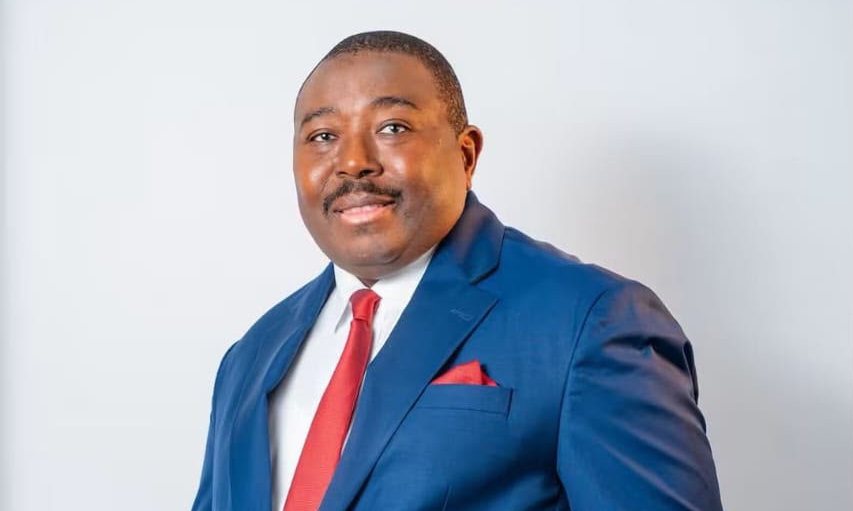
Fact 1: Homegrown Leader with Unmatched Grassroots Experience
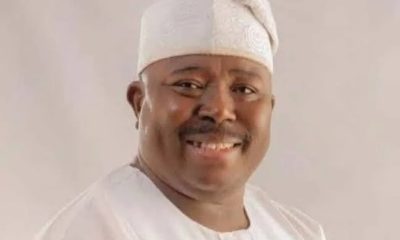
Senator Alli’s political journey began at the grassroots level in Ibadan, where he made history in 1991 as the first democratically elected Executive Chairman of Ibadan North Local Government. This early leadership role demonstrates a deep, foundational understanding of local governance and the needs of the people, a critical asset for a state governor.
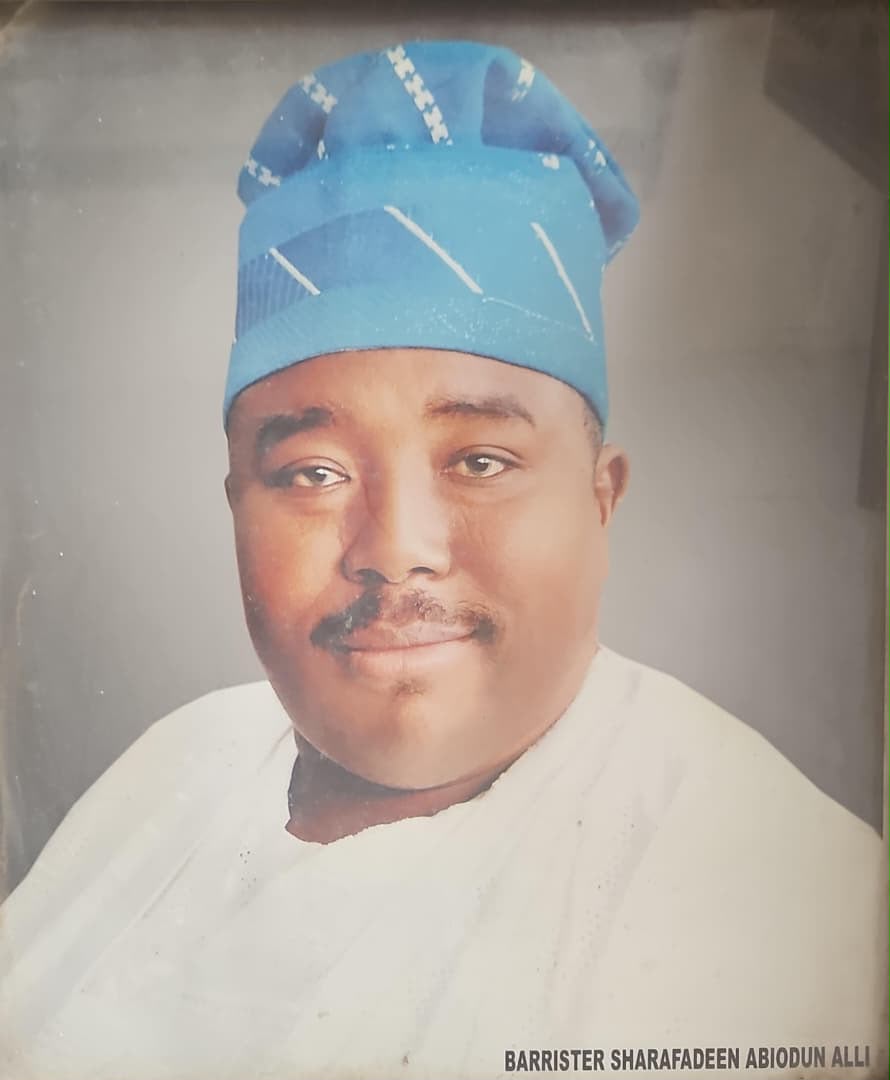
Fact 2: Rare Combination of Top-Tier Academic and Professional Credentials
Senator Alli is not just a politician but also a distinguished legal practitioner with a Ph.D. in Legislative and Strategic Studies. His extensive education, including degrees from the University of Ibadan, combined with his fellowships from prestigious professional institutes, provides him with the analytical, legal and strategic acumen required to manage the complex affairs of Oyo State.
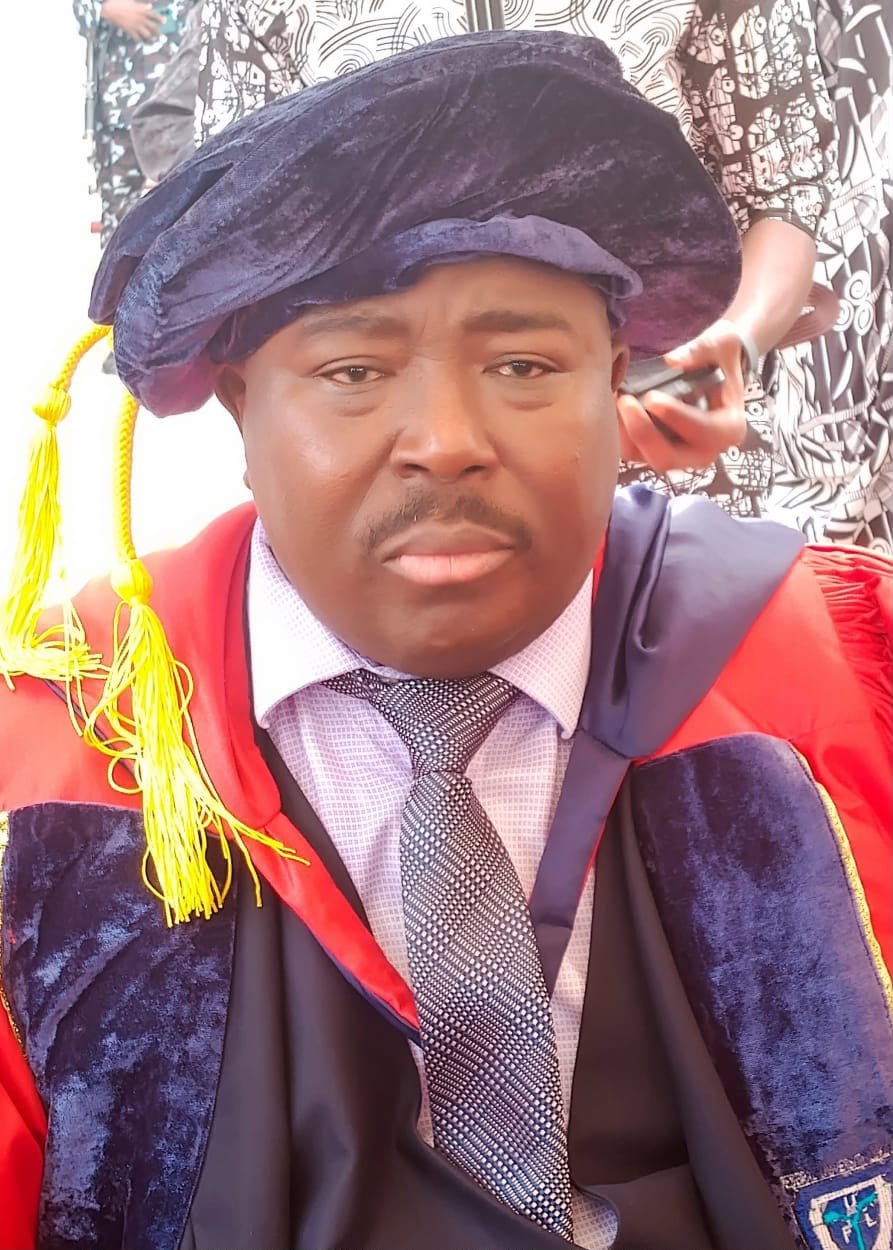
Fact 3: Proven Executive Administrative Competence at the Highest State Level
His tenures as Secretary to the Oyo State Government (SSG) and later as Chief of Staff (CoS) to the Governor showcase his direct experience in the engine room of state administration.
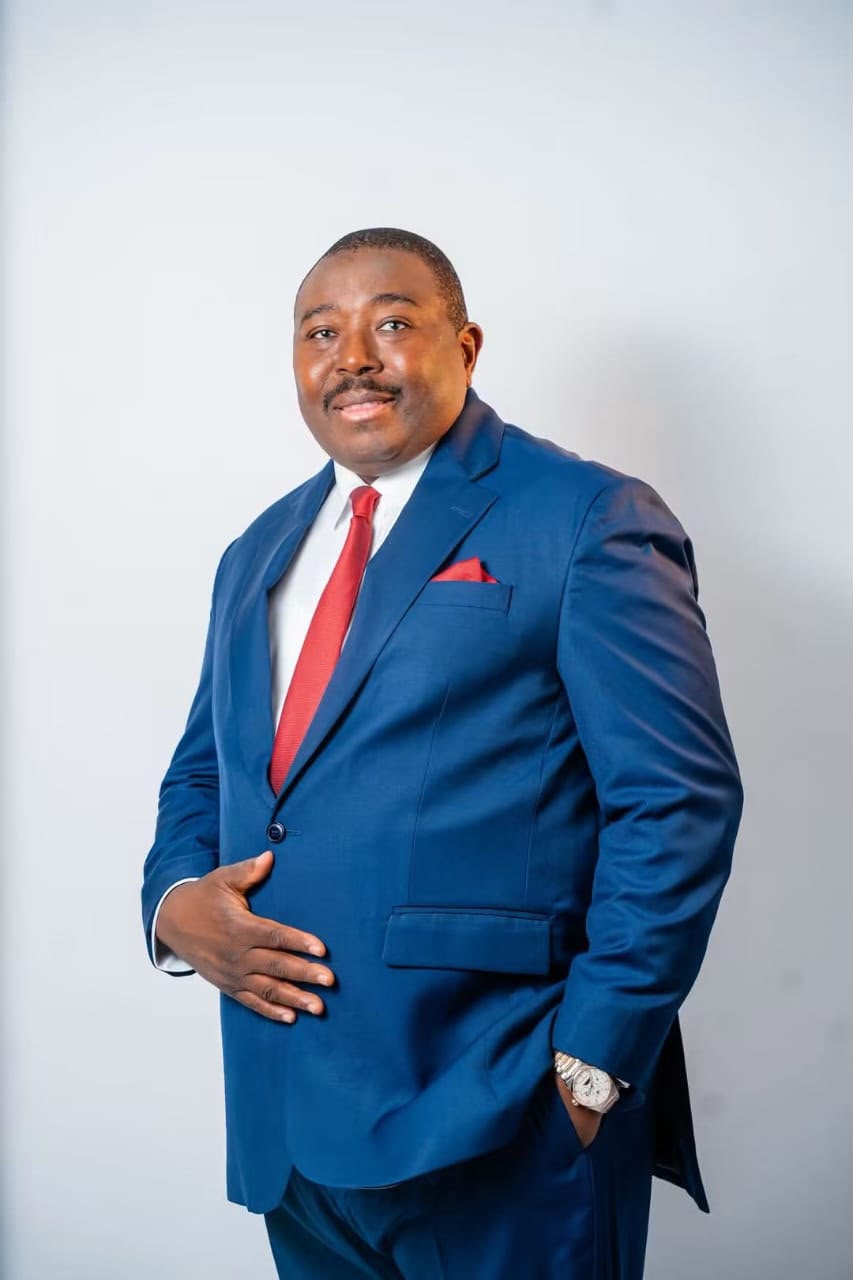
He has been intimately involved in policy formulation, committee leadership and the day-to-day running of the state, making him uniquely prepared to assume the governorship and hit the ground running from day one.
Fact 4: Demonstrated Executive Business Leadership with Regional Impact
As Chairman, Board of Directors of Odu’a Investment Company Limited, Senator Alli was not just an administrator but a visionary economic leader. He spearheaded landmark investments such as the Cocoa Mall and Heritage Mall in Ibadan, which transformed the economic landscape of Oyo State. This proven ability to attract and drive large-scale economic development is directly transferable to governing Oyo State.
Fact 5: Battle-Tested and Consistent Political Figure
Senator Alli’s political career spans more than three decades, weathering the annulment of his 1996 Senate election and consistently remaining a relevant and influential force. He has contested for Deputy Governor and Governor in the past, giving him a comprehensive understanding of statewide campaigns and the diverse political landscape of Oyo State. His journey demonstrates resilience, deep political networks and unwavering commitment.
Fact 6: Current, Performing Senator and Influential Figure
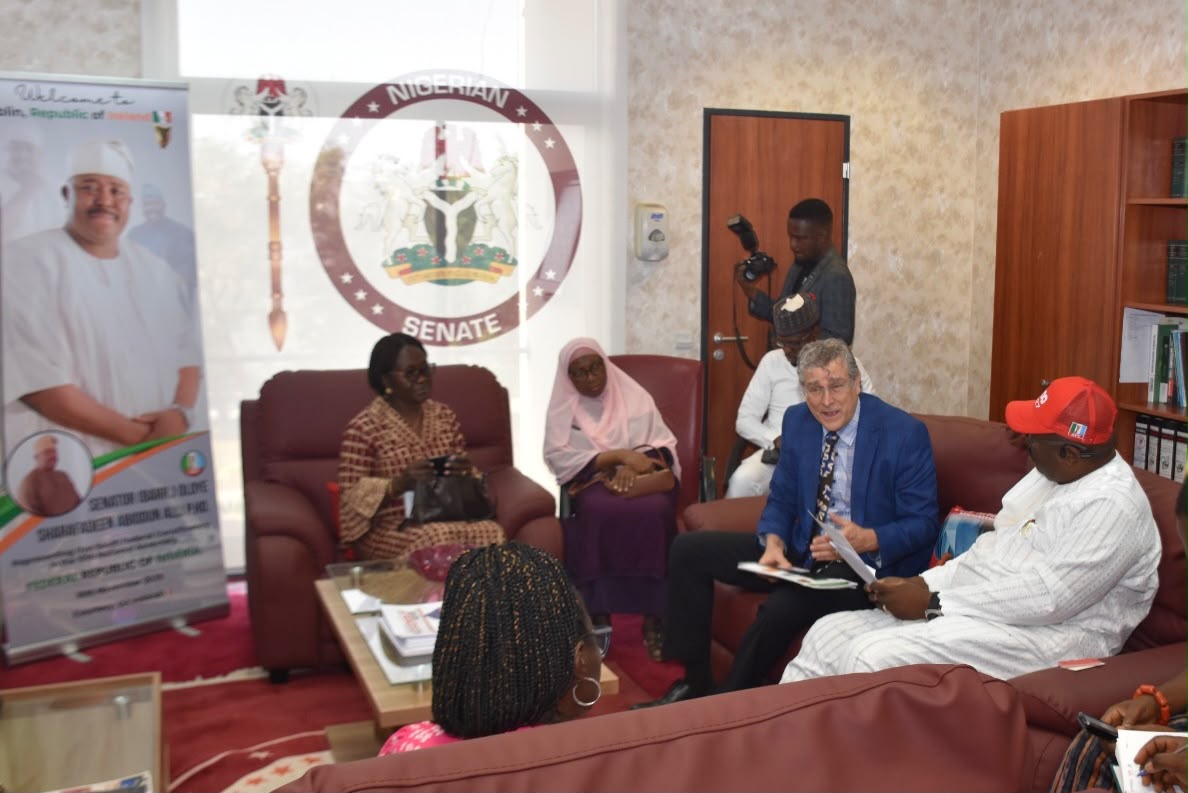
As the sitting Senator for Oyo South, he is actively delivering quality representation, impactful constituency projects and people-oriented legislation. He has sponsored five Bills and raised six Motions to promote development. Senator Alli has also facilitated employment for 100 constituents across Federal Government agencies.
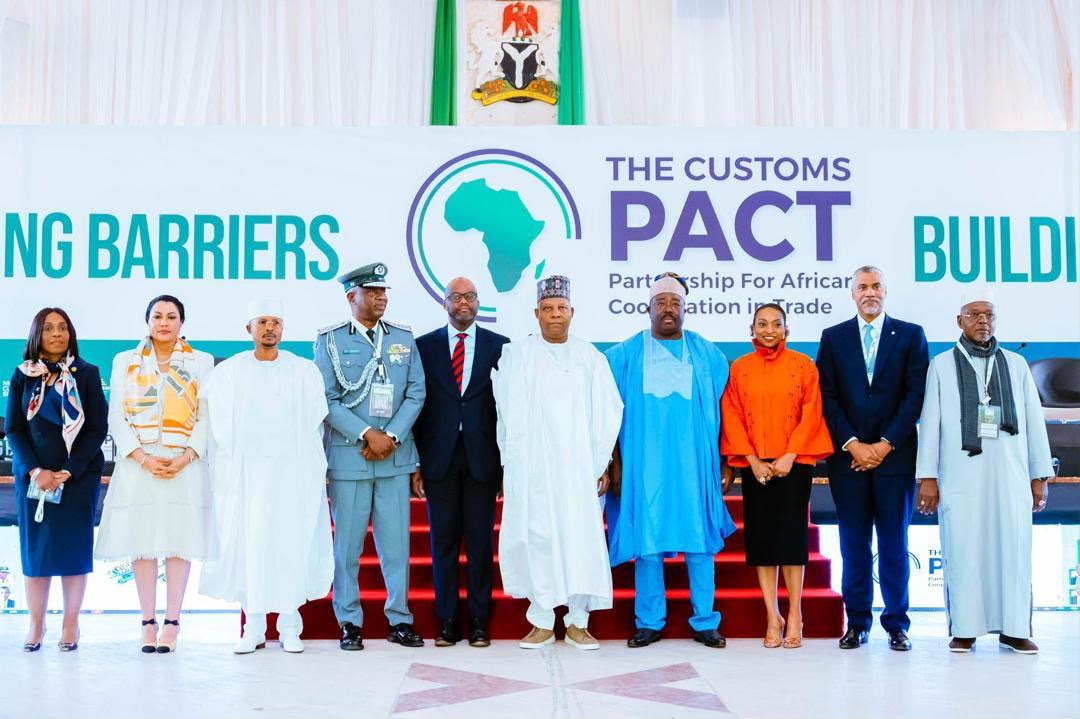
His role as Chairman of the Senate Committee on Agricultural Colleges and Research Institutions, as well as his membership in the ECOWAS Parliament, demonstrate that he is not only focused on local issues but is also equipped with a broader perspective on governance, trade and regional integration.
Fact 7: Unifying and Respected Traditional Title Holder
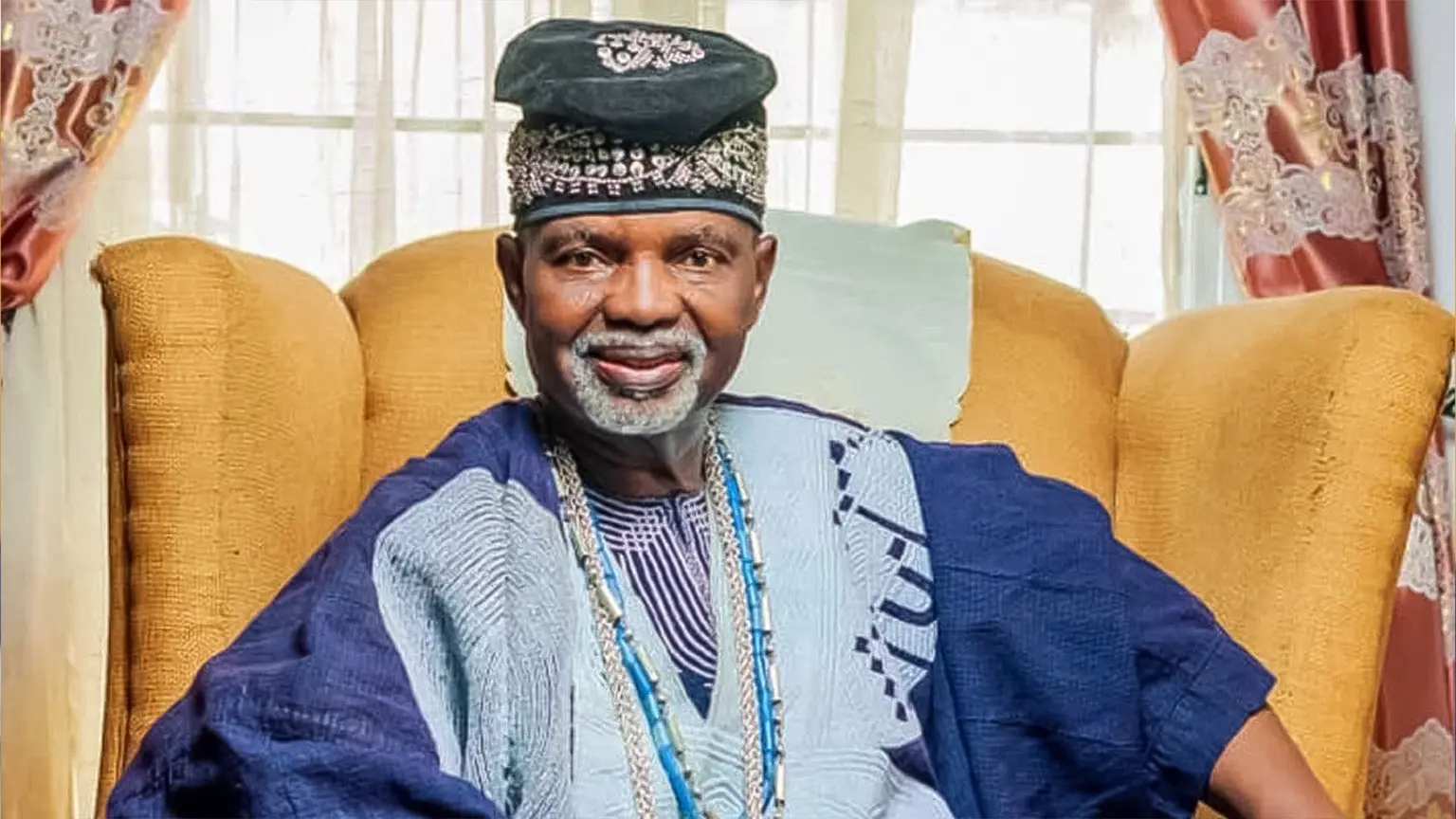
Senator Alli’s position as the Ekaarun Balogun of Ibadanland, one of the highest-ranking chieftaincy titles in the ancient city, signifies his deep-rooted connection to tradition and his standing as a respected community leader.
His reputation as a calm, wise, simple, relatable and inclusive bridge-builder who unites people across political, religious and ethnic divides positions him as a leader capable of fostering peace, stability and consensus across the entire state.
Oladele is the Director of Media & Publicity, Senator Sharafadeen Alli Campaign Organization.
Opinion
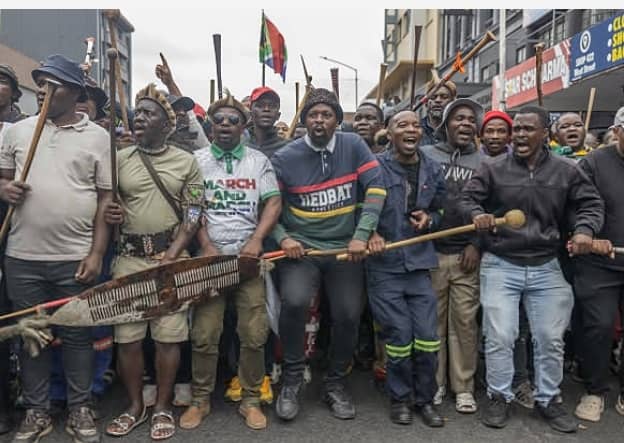
Beyond Deportations: What South Africa’s Immigration Crisis Reveals About Nationhood and Economic Frustration

Oyo school abduction: DSS to re-arraign five suspects Thursday

FG vows to tackle power crisis, commissions 3MW solar plant at Abuja varsity