Connect with us

News

Fighting corruption, illicit financial flows in Nigeria is non-negotiable – Buhari

Published

on

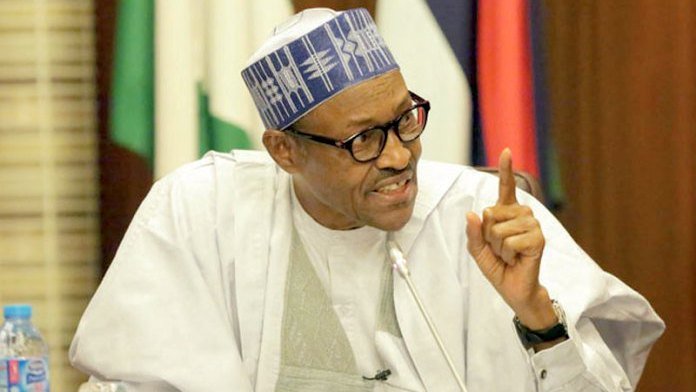
“For my administration, fighting corruption and Illicit Financial Flows (IFFs) in Nigeria is non-gegotiable’, This was the statement by Muhammadu Buhari, President of the Federal Republic of Nigeria to Thabo Mbeki, former President of the Republic of South Africa and Chair of the AU/ECA High-Level Panel on Illicit Financial Flows from Africa.

The Chair visited the President who is also the current Champion of AU Anti-Corruption Campaign, to follow up on the efforts of AU Member States to implement the recommendations of the High-Level Panel Report (endorsed by the AU in 2015) and ultimately tackle IFFs nationally.  The visit also saw the Chair call upon the President in his capacity as the AU Anti-Corruption Champion to lead the efforts to engage action from other AU Member States towards tackling IFFs at the national, regional and continental level.

Prior to the Presidential visit, Mr. Mbeki met with representatives of the Ministries, Departments and Agencies (MDAs) of the Federal Government of Nigeria which deal with Financial and legislative matters to gain an understanding of the country’s ongoing efforts to tackle Illicit Financial Flows.

In his remarks to the MDAs, the Mbeki recalled the 2015 Special Declaration to address IFFs, which was a realization by African leaders of the excessive losses due to illicit outflows. “The view was that the continent was losing resources which should have been available for its development to these illicit outflows,” he said. He emphasized the level of losses from IFFs, which at the time of the Panel’s Report was 50bn USD annually, but has now grown to about 80bn annually.  He also indicated on a more positive note that, “Africa has led this agenda and brought it to global attention. This was evident when the African Heads of States asked our Panel to help address this issue”.

Mr. Mbeki highlighted some of the recommended actions to address these IFFs saying that Nigeria and in turn, all other AU member states need legislation to deal with money laundering, financial intelligence and tax evasion. He underlined that this issue also requires action from global partners stressing, “since these funds leave the continent to destination countries, this problem cannot be solved by Africa alone. He acknowledged the capacity constraints nationally and continentally, saying, “As Africans, we must say that having identified the nature and size of the problem, we must work to address the issue. We need to act on this matter in any capacity necessary.”

The Deputy Executive Secretary and Chief Economist of the United Nations Economic Commission for Africa (ECA), Abdalla Hamdok for his part said that as a result of the Chair’s leadership, Africa was able to put the challenge of illicit finance on the global map. He referred to the Panel’s work and Report, whose impact has led to several important continental and global frameworks, including the Addis Ababa Action Agenda, as well as its inclusion in the Sustainable Development Goals.

As the Chair is required to report back to the AU Assembly of Heads of States and Government annually on the progress of implementing the recommendations of his Panel’s Report, Mr. Hamdok said, “Several actions are being carried out, including this visit to Nigeria to determine the state of reaction to this issue, as well as “a technical project which is being worked on by the ECA to help capacitate AU member states against IFFs. Mr. Hamdok also stressed that all these efforts and those not yet mentioned are still, however, based on political will, which is crucial to reducing IFFs from the continent.

Abubakar Malami, Attorney General of the Federation (AGF) for his part elaborated on Nigeria’s efforts to implement strategies to curb corruption and reduce IFFs. “We have taken major multi-dimensional policy decisions relating to institutions, legislations…and above all, recognizing the need for international collaboration as it relates to the fight against corruption and the minimization of illicit financial flows”. He noted that through legislative processes, Nigeria has “succeeded in establishing and capacitating institutions which are mandated with the statutory role of working to enforce financial regulations as well as tackle various misconducts including corruption and IFFs.”

He also detailed the efforts of the country in fighting corruption and IFFs through the deployment of relevant technology and international collaboration. Additionally, he highlighted the need for collaboration to make it more difficult for IFF perpetrators to move freely, invest in businesses and benefit from the proceeds of crime. He stressed that “we must work to repatriate these funds from the external perpetrators while working to detain them.

The Permanent Secretary of Finance, Mahmoud Isa-Dutse delivered remarks on behalf of the Minister of Finance for Nigeria. In the speech, he commended the Chair and Panel for fighting this plague saying that IFFs have robbed Africa of the required wealth to help build schools, hospitals, roads and other necessary infrastructure. He added that the quest for Africa’s financial development will be accelerated if the efforts to recover these lost funds are successful and the continent’s development will no doubt receive a necessitated boost. In this regard, he spoke about the work of the Nigerian Extractive Industry Transparency Initiative (NEITI), which is being led by the Minister of Finance. This effort has helped the country recover lost assets from taxes because of the increased transparency.

The two-day event culminated with a technical workshop with Thabo Mbeki. Raymond Baker, President, Global Financial Integrity and Member of the High-Level Panel as well as the Secretariat of the Panel meet with the representatives of the financial agencies and departments. Part of the objectives of the workshop was to discuss the ECA’s proposed Development Assistance Project which aims to support Nigeria and other member states in the fight against IFFs. Following this visit, the Secretariat is expected to further engage the government of Nigeria and foster collaboration to build its capacity to stem IFFs from the country.

Comments

News

Inflation drops marginally to 15.39% — NBS

Published

on

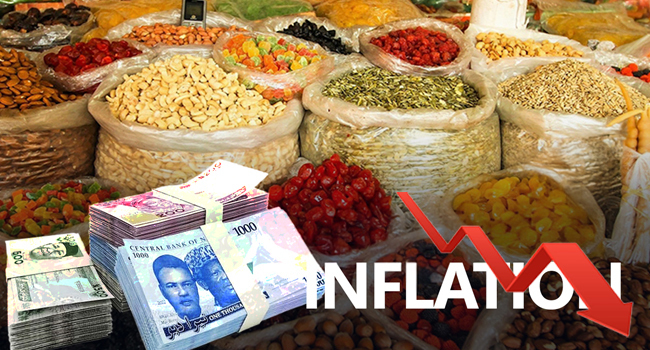
Nigeria’s headline inflation rate fell marginally to 15.39 per cent in August 2026 from 15.43 per cent in July, according to the National Bureau of Statistics.

The NBS disclosed this in its Consumer Price Index released on Tuesday, saying the latest figure represented a 0.04 percentage point decline from the previous month.

The statistics agency, however, reported a sharper decline in the month-on-month inflation rate, which dropped to 0.71 per cent in August from 1.57 per cent in July.

The month-on-month rate, according to the bureau, declined by 0.86 percentage points compared with the July figure.

The NBS explained that the development indicated that the rate at which the average price level increased in August was slower than that recorded in July.

The latest data also showed a significant moderation in food inflation, which stood at 19.57 per cent year-on-year in August.

The figure was substantially lower than the 25.30 per cent recorded in August 2025.

On a month-on-month basis, food inflation fell to 1.02 per cent in August from 5.56 per cent in July, representing a decline of 4.55 percentage points.

The NBS said the development showed that food prices were still rising, but at a slower rate during the month under review.

It attributed the decline largely to changes in the average prices of a number of food items, including palm oil, carrots, pepper, onions, cassava flour, beef, yam flour, water yam, melon (egusi), fresh ginger, fresh fish, Irish potatoes, wheat grain, frozen chicken and turkey meat.

At the state level, Adamawa recorded the highest year-on-year food inflation rate in August at 38.85 per cent.

It was followed by Zamfara with 37.96 per cent and Bayelsa with 36.20 per cent.

On the other hand, Borno recorded the lowest year-on-year food inflation rate at -4.04 per cent, followed by Jigawa at -0.23 per cent and Kebbi at 3.47 per cent.

The month-on-month figures presented a different picture, with Katsina recording the highest food inflation rate at 9.48 per cent.

Rivers and Osun followed with 8.86 per cent and 8.32 per cent respectively.

Taraba recorded the lowest month-on-month food inflation rate at -12.42 per cent, followed by Borno at -12.15 per cent and Bauchi at -8.88 per cent.

The latest figures indicate a moderation in the pace of price increases, particularly in the food sector, although the NBS data show that consumers continue to face varying price pressures across the states.

Continue Reading

News

Nigeria’s Oil Output Rises to 1.68m Barrels Per Day

Published

on

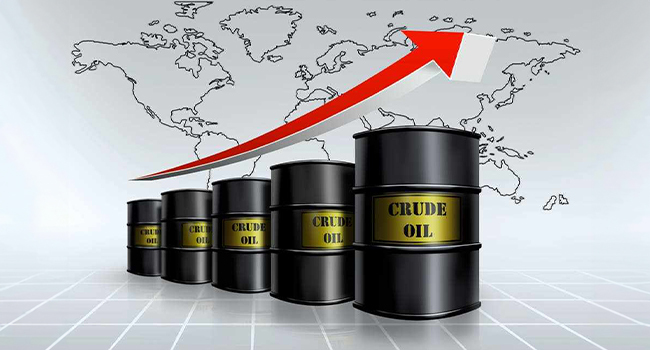
Nigeria’s crude oil and condensate production rose to 1.68 million barrels per day in August 2026, representing a 0.4 per cent increase from the 1.67 million barrels per day recorded in July.

The Nigerian Upstream Petroleum Regulatory Commission disclosed this in its latest production report released on Sunday.

Excluding condensate, the country produced an average of 1,500,190 barrels of crude oil per day in August, allowing Nigeria to meet its Organisation of Petroleum Exporting Countries quota for the fourth consecutive month.

Daily combined crude oil and condensate production ranged between 1.64 million barrels and 1.71 million barrels during the month under review.

A breakdown of production by terminals showed that Bonny Terminal recorded the highest output at 320.04 thousand barrels per day, followed by Forcados Terminal with 317.40 thousand barrels per day.

Qua Iboe Terminal recorded an average production of 171.72 thousand barrels per day, while Escravos Oil Terminal posted 131.71 thousand barrels per day.

Bonga ranked fifth among the highest-producing terminals, with an average output of 92.50 thousand barrels per day.

The NUPRC attributed the modest improvement in August production largely to the resolution of operational challenges involving the Single Buoy Mooring at the Erha field.

The commission said the challenges had adversely affected production in the preceding month.

“The restoration of normal evacuation and production operations at the asset contributed positively to overall production volumes during the period under review,” the commission’s spokesperson, Eniola Akinkuotu, said in a statement on Sunday.

The regulator added that production activities across most other producing assets remained relatively stable during the month.

“Production activities across most other producing assets remained relatively stable, with operators sustaining implementation measures aimed at optimising production efficiency, maintaining asset integrity, and minimising operational disruptions,” the statement said.

The latest figures indicate a continued improvement in Nigeria’s oil production, with the country maintaining its OPEC quota compliance for the fourth consecutive month.

Continue Reading

News

Oyo South: Oseni Approves N100m for Ibadan Community Road Rehabilitation

Published

on

The All Progressives Congress (APC) candidate for Oyo South Senatorial District, Hon. Aderemi Oseni, has approved N100 million for the immediate rehabilitation of a major access road linking seven communities in Ido Local Government Area of Oyo State.

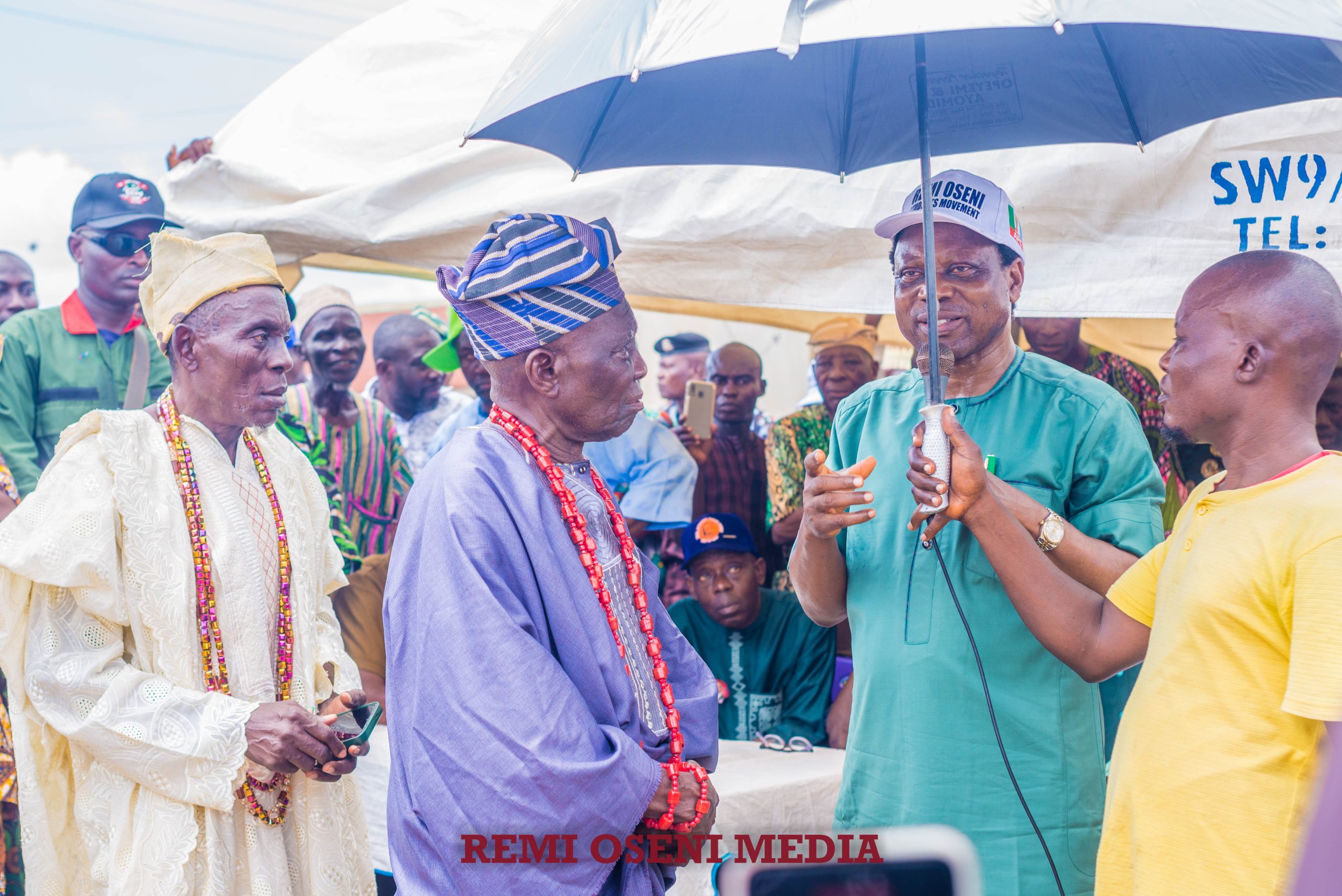
Oseni, who represents Ibarapa East/Ido Federal Constituency in the House of Representatives, announced the intervention on Saturday at a town hall meeting with residents and community leaders from Power Line, Awonsoso, Siba, Olupoyi, Balogun, Baba Agba and Agaloke communities.
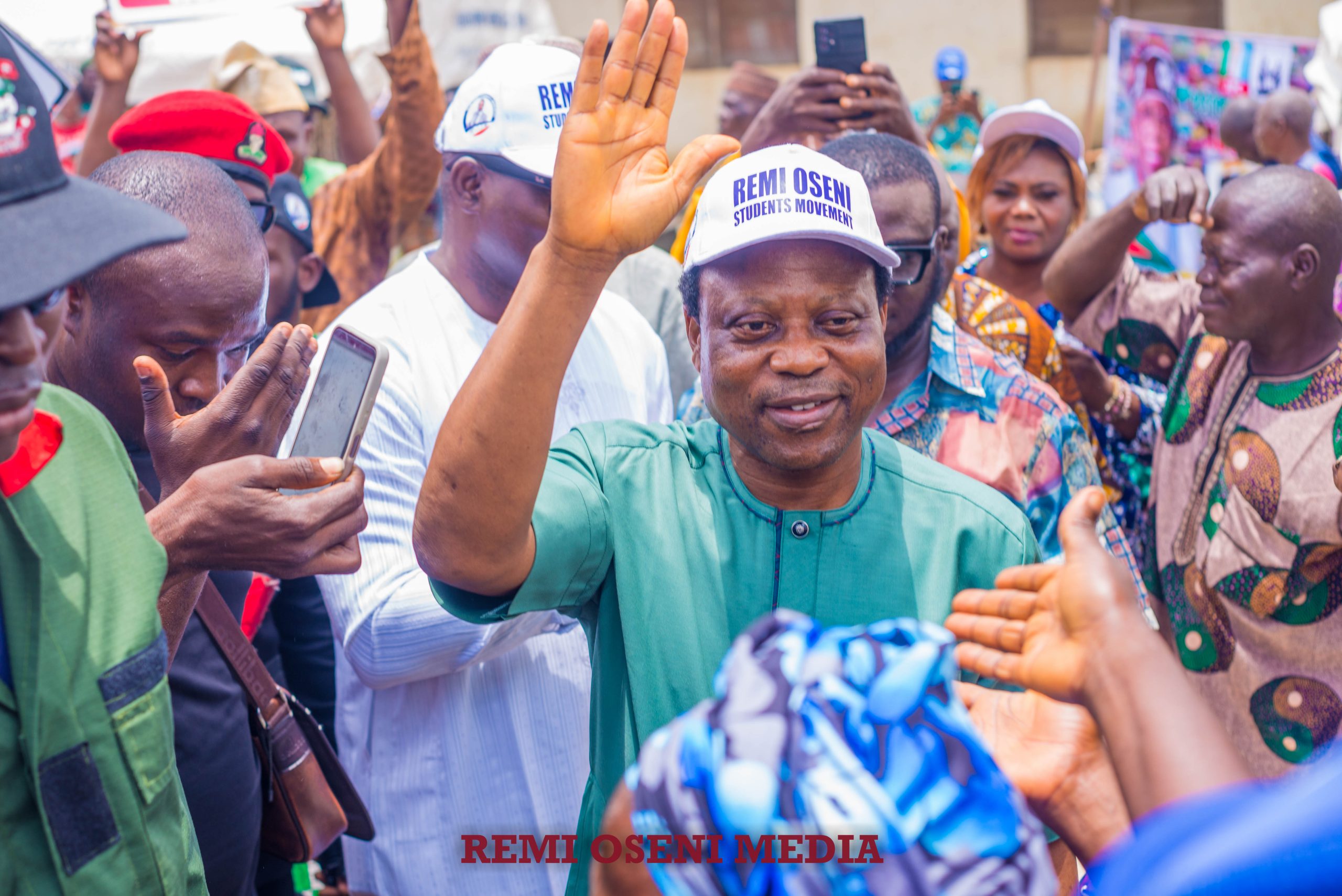
‎The lawmaker said the decision followed a request by the community stakeholders, who identified the poor condition of the road as their most pressing need. He assured the residents that the rehabilitation would be completed within four months.

‎Oseni said the intervention was part of his commitment to people-centred representation, stressing that his legislative activities had been focused on issues capable of improving the lives of Nigerians.
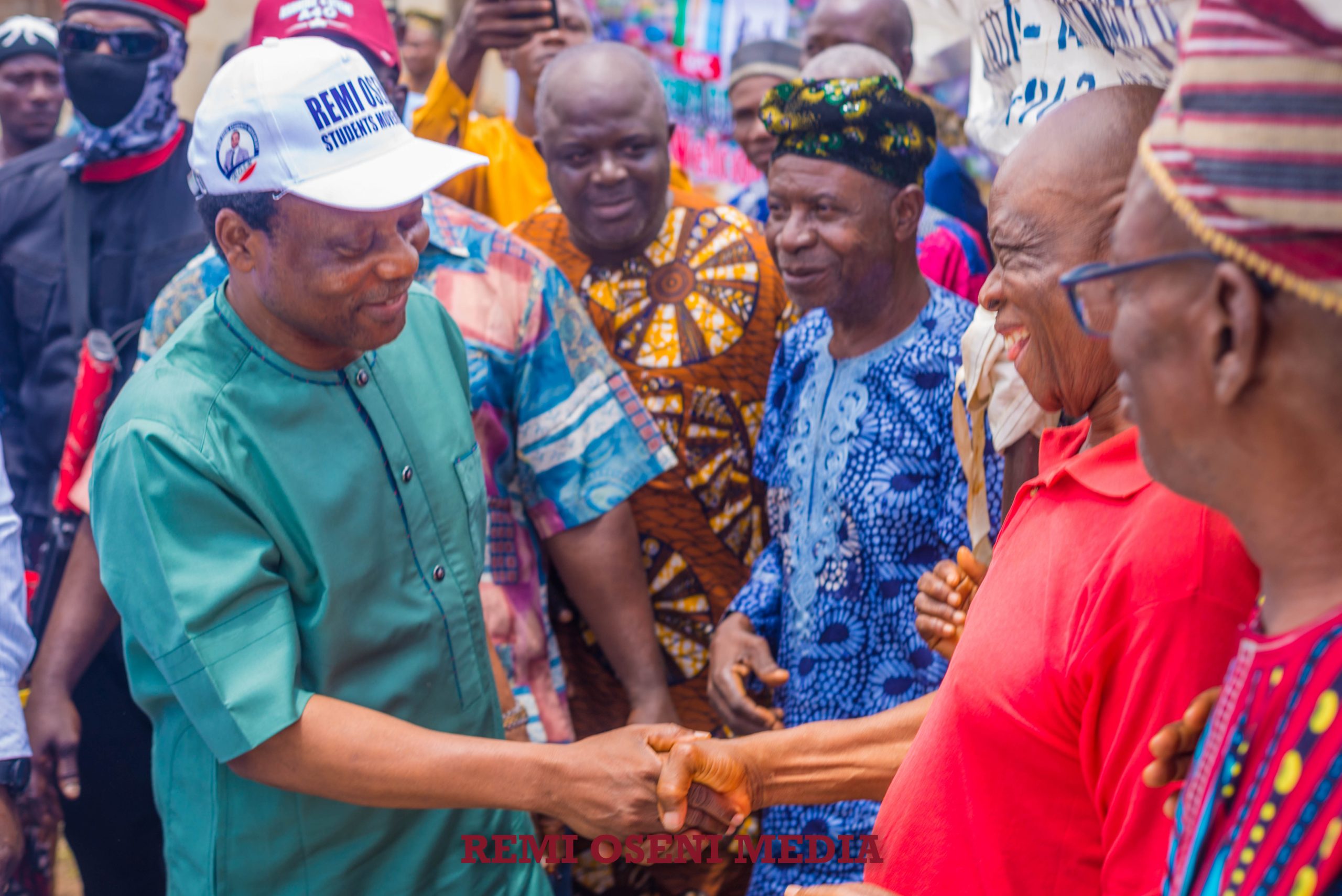
He said, “Within the three years plus, I have sponsored bills and moved motions that are carefully designed to positively impact the lives and livelihoods of citizens.”

According to him, some of the legislative initiatives include moves to amend the Federal Medical Centres Act to establish a Federal Medical Centre in Ido Local Government Area, stronger sanctions for contractors who fail to execute government projects according to specifications, and measures to improve accountability in the management of public contracts.

Oseni added that he had also advocated subsidised farm machinery for farmers, measures to reduce the cost of cancer treatment, improved food storage through modern silos and processing facilities, as well as urgent action on flooding and recurring building collapses in major cities among several others.
‎The lawmaker said his engagements with communities across Oyo South should not be viewed solely through the prism of the 2027 elections, despite the commencement of political activities.

“My visit here today is not to solicit for votes, but to listen and find practical ways to attend to the requests and plights of my people,” he said.

‎Oseni also disclosed that he had facilitated the distribution of 31 transformers across Ido and Ibarapa, with about 80 per cent of the cost funded through his foundation. He added that  other interventions had included solar-powered street lights, boreholes, bridges, public toilets, educational support,  infrastructure, health care services,  youth and women empowerment, and assistance to artisans, traders and markets across the senatorial district.
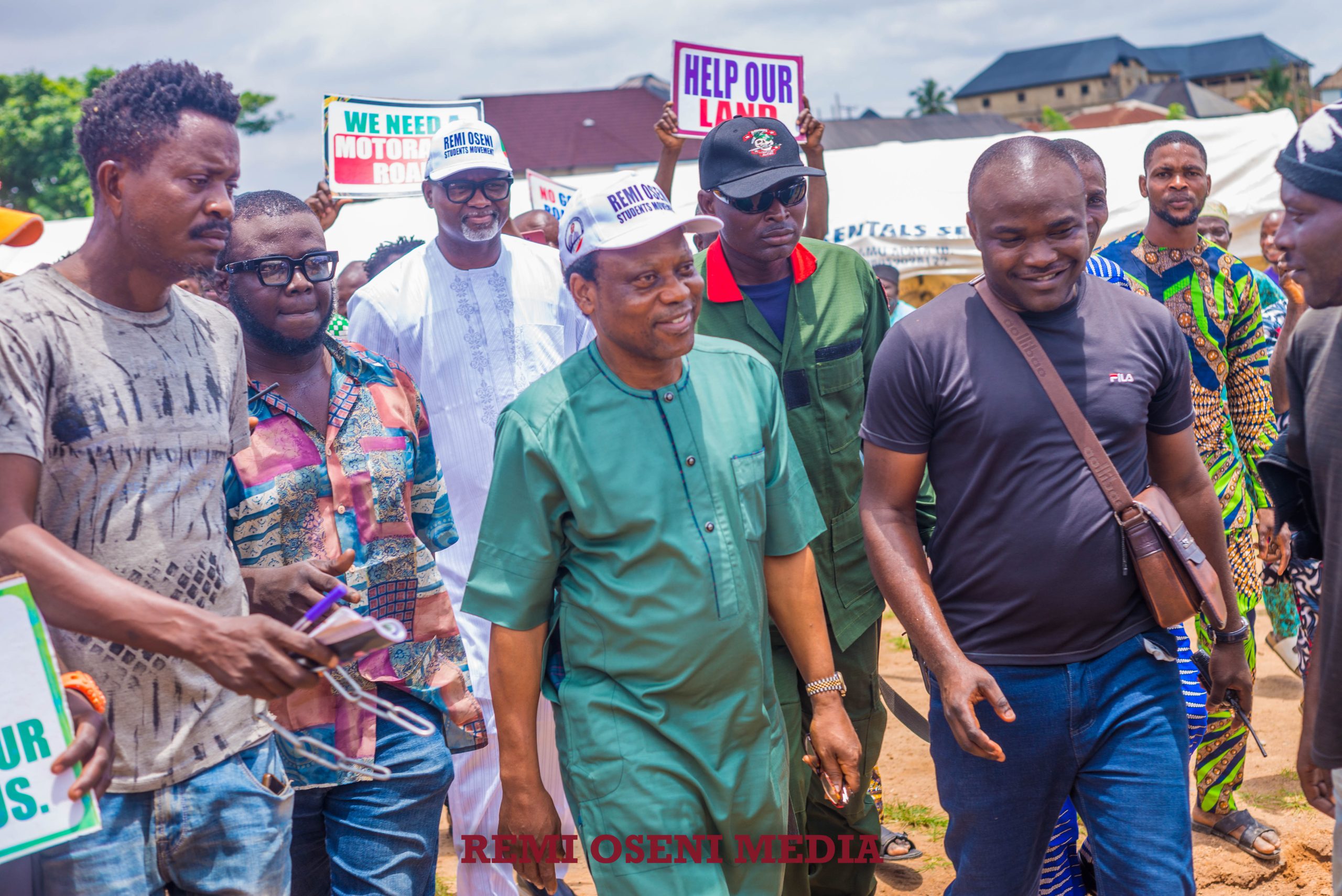
The APC chieftain further noted that some youths had also received N1 million each as seed capital to start small businesses.

‎Oseni acknowledged that his primary responsibility as a federal lawmaker was to make laws and provide effective representation, but said the gap created by ineffective governance at the grassroots had made it necessary for him to support communities through interventions.

He urged youths to remain focused and resilient, recounting how he worked as a bus conductor to raise money for his secondary education before becoming an engineer, businessman and legislator.

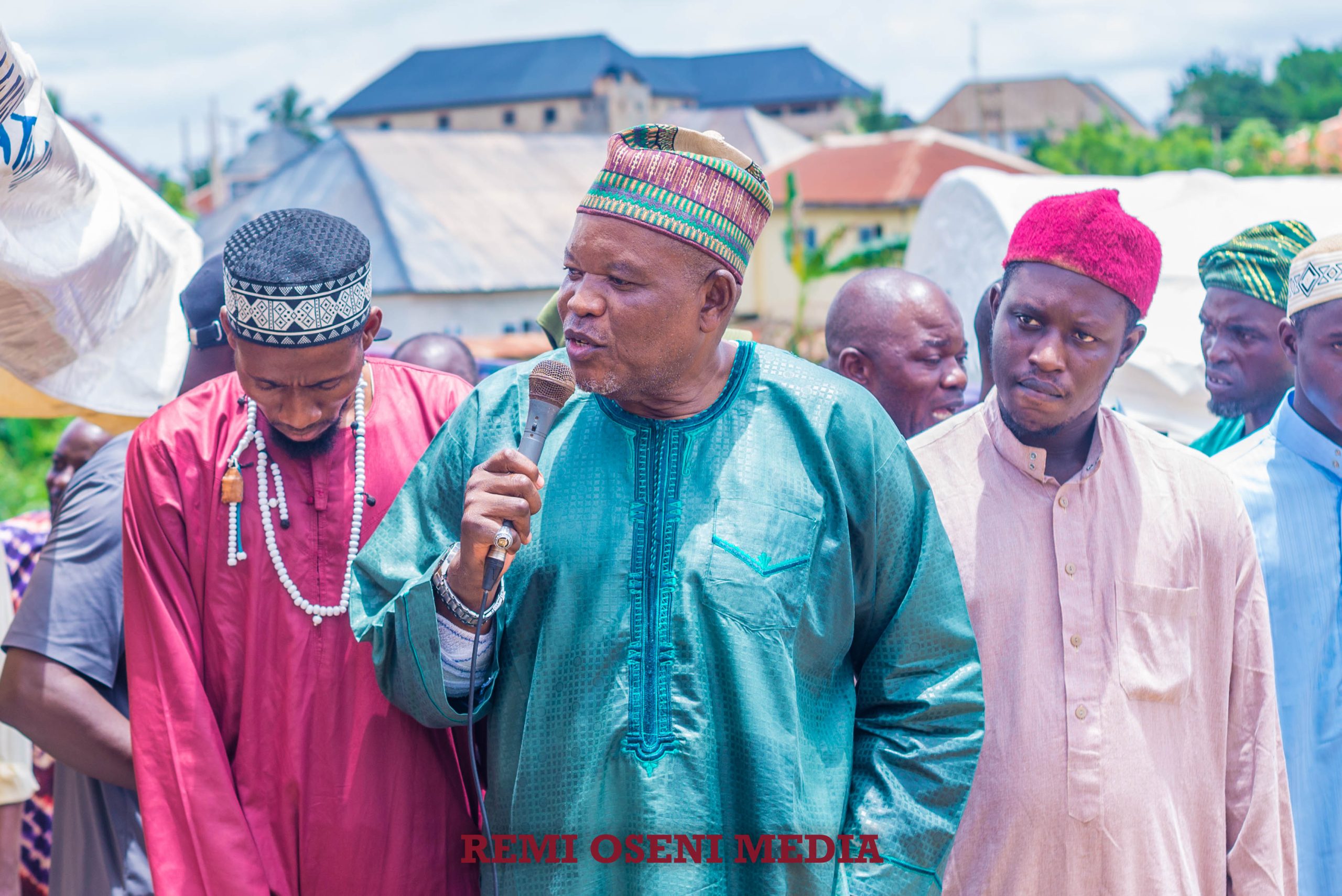
Earlier,  Chief Muibi Adegoke, Baale of Awonsoso, and Chief Azeez Saka, Baale of Elere Apata, commended the lawmaker for what they described as his performance in legislation and community development. They pledged their support for his political aspiration ahead of the 2027 election.

‎The meeting was attended by traditional rulers, religious leaders, community elders, women and youth leaders from the affected communities.

(c) Mega Icon Magazine 

Continue Reading

Trending

All Rights Reserved. Copyright © 2026 MegaIcon Magazine