Connect with us

Opinion

Fasoranti and rise of Nigeria’s un-Nigerian President | By Festus Adedayo

Published

on

The killing on Friday of the daughter of Pa Reuben Fasoranti, 94-year old leader of Afenifere, a pan-Yoruba group, may yet be throwing up two apparent equations in a post-Fulani herdsmen-sympathetic Nigerian leadership which may begin in 2023.

The first is that, President Muhammadu Buhari may be the last Nigerian president. We will get so riled as a people by this daily bloodshed inflicted on us by an evading army of bloodthirsty Fulani nomads, sauced by Buhari’s obvious unpretentious Fulani leader leadership of Nigeria, that the hurt regions will demand, with a baffling stubbornness, their right to go their different ways. This equation is still mutating in the womb of time. Second, and the most apparent, which is also related to the former, is that Buhari is certainly unfolding as an un-Nigerian Nigerian president. We do not need a diviner to look into the Ouija-board for us to know the apparentness of these obvious permutations. I will explain presently.

Mrs. Funke Olakunrin was said to have been killed by yet unidentified but suspected Fulani herdsmen along the Ondo-Ore road. The killers, according to a modus operandi that is a profile of their brutality in the South West of Nigeria, were said to have suddenly emerged from their bush domicile, taken over the highway and began sporadic and indiscriminate shooting at oncoming vehicles. In the process, Mrs. Olakunrin was hit.

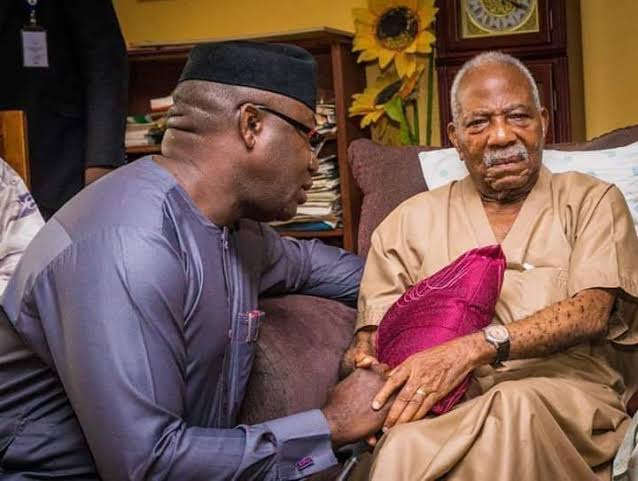
As I write this, the omnibus reactions from Buhari’s regimented information machinery is yet to be unleashed on the information highway. They will, assuredly. Buhari will express his regrets at this nefarious activity – a la his information night soil men; he will talk tough; he may even order the Inspector General of Police to vacate his “slimming, hard-working session” (excuse me while I laugh!) to make Ondo State his temporary office. His Man Friday, Yemi Osinbajo, may even be hurriedly suborned to visit Pa Fasoranti to advertise a governmental contrite face, talk tough in the process and get photo-ops suggestive of government’s decision to rout the banditry. Mark my words: You will never hear Buhari, the Nigerian President, personally verbalizing these alleged regrets.

Second, there will never be, as there has never been, any arrest to be made. Third, the Buhari online cyber leopards will be unleashed on the stratosphere to bay our blood. They will straddle the information highway with justifications, rationalizations and permutations to explain off this unfortunate killing. Their recruits, many of whom hail from Fasoranti’s ethnic stock, will tell us how even in America, such killings are no big deal. Anyone like us who volunteers an opinion contrary to legitimizing Buhari’s Fulani ascendancy, they will argue with certainty of algebra, yesterday held a meeting with Atiku Abubakar, bribed with huge sacks of dollars to say what they are saying. All Progressives Congress (APC) governors in the South West will convoke on Fasoranti’s house like mourning Salamanders to shed crocodile tears; they may even call an emergency meeting “to address the menacing insecurity” in the region. They are all a familiar route of the tragedy of the dead burying their dead that has become our lot as Nigerians under Buhari.

The killers of Nigerians, said to be Fulani by their victims, have literally strewn themselves round many parts of the country. Why South West is the core place of harbor they chose to moor their deadly ship is yet inexplicable. Hardly does a week pass without this apparent alien force, deadly and without any iota of humanity, unleashing weeping, wailing and gnashing of teeth on their victims. It will appear that their banditry and blood-thirstiness are gaining notoriety by the day, encouraged by a government that is ostensibly not bothered by the incessant blood spillage and is thus flinging its hands up in surrender.

Things have gone really very bad in Nigeria under Buhari. The most bothersome is that neither he nor any member of his government is bothered about the calamity that this portends. The division and ethnic fissures in the country have become hugely pronounced in the last four years. Issues that separate us are the most dominant of the things that link us together today.  There has never been a moment – perhaps, except during the civil war – when divisions of ethnicity, religion and political party affiliations have been this pronounced. Buhari is apparently not bothered. In his silence, his pronouncements, body language, appointments and other indices of governance, he does not pretend that he is not an Un-Nigerian Nigerian President. He is Fulani, Hausa and then probably Nigerian, in that order. The last, for him, is secondary.

Those who can lend their voice on the side of right and righteousness have shut their mouths, lest they be tar-brushed with ink of tribe or party. You must be a PDP lickspittle to ask Buhari to respect the contours of our nationhood pretentions. Those of us who volunteer opinion, do so at the huge risk of being demonized. Yet, it will be criminal conspiracy to allow this sorry pass under the Buhari government become a model without a voice of dissent.

The way things are playing out in Nigeria, Buhari’s silence on killings in the country, which are becoming really alarming, will continue, probably till 2023. I remember Ilorin, Kwara State-born Ddadakwada music exponent, Late Odolaye Aremu, warning us that with the rain that is yet to subside, no one can claim to be immune from the drench of its merciless downpour. So those who are abetting Buhari in this drive should continue in their follies. I have, countless times, psycho-analyzed Buhari as seeing himself as a Fulani President and not what we thought he should be – the Nigerian President. To reinforce this psychosis, he looks away from the bad of his ethnicity and shovels goods in its way. The RUGA policy is an attempt to do the latter and the killings by herdsmen example the former. In the last 20 years of Nigeria’s democratic experiment, the closest to Buhari as an un-Nigerian Nigerian president is Goodluck Jonathan. But even Jonathan is far way out of the class of Buhari in ethnic irredentism. It took Olusegun Obasanjo a straight ethnic jab out of power to realize what Obafemi Awolowo saw decades ago about him merely queuing up at the bus-stop of people whose orientation is basically provincial. If Obasanjo is accosted in the private today, he will express his regrets.

Umaru Yar’Adua was very nationalistic in his thought process. You will recall that he was the one who began granting Niger Delta militants amnesty. The major blight on Jonathan’s national apparel was when he denied that his kinsmen, the MEND militants were blowing up installations. He also ensconced his government with his native South-South people. It also manifested when this same Niger Delta ascendancy aspiration and Northern Nigeria machination theory of his blinded him from believing security reports on the kidnap of over 200 girls from their dormitory. Jonathan’s variant of Buhari’s irredentism was reinforced further by his wife’s brusque and infelicitous we no dey born pikin trowey thesis.

In the case of Buhari, the rest of Nigeria, except his Fulani/North, were like the farmer who cultivated a groundnut plantation beside a squirrel-infested forest who, after the squirrels mowed down his plantation, now laments his loss. We should have known from the outset that he was irredentist in cognition. We were blindfolded by the quantum of hate provoked against Jonathan by leg-men of Buhari’s party. When Buhari harangued Jonathan for attacking our Boko Haram, upbraided late Oyo State governor, Lam Adesina for “your people attacking my people” on this selfsame Fulani attacks in the North of Oyo State, Buhari was acting the unshakeable script of a permanent mind construct. No matter how many people are killed by these thirsty hound kinsmen of his, the C-in-C will not budge.

What that tells me is that, if and when Buhari eventually leaves office in 2023, whoever takes over from him cannot act out the script of a Nigerian Presidency any longer. If he is Igbo, his people will prevail on him to remember that their own time too had come; if he is Yoruba, his people will tell him to learn from the pitfalls of Obasanjo who believed, to his eternal regret, that he represented a non-existent nation called Nigeria.

I extend my condolences to Pa Fasoranti on this huge loss. The inexplicable way of providence manifested in this avoidable murder. How good would it have been if the child of the person murdered was that of those who tell us daily that there is no Fulani onslaught in the South West or even in Nigeria; that kidnappings and killings by nefarious Fulani herdsmen – of course with the connivance of accursed Yoruba accomplices – are only the rheum off the nostrils of those overblowing it for political advantage?


Comments

Opinion

Seven Factors That Keep Sharafadeen Alli Ahead in 2027 Oyo Governorship Race

Published

on

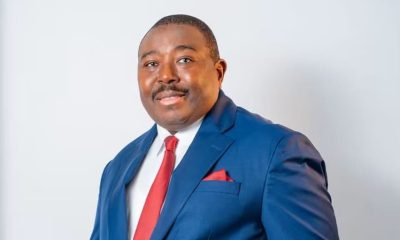
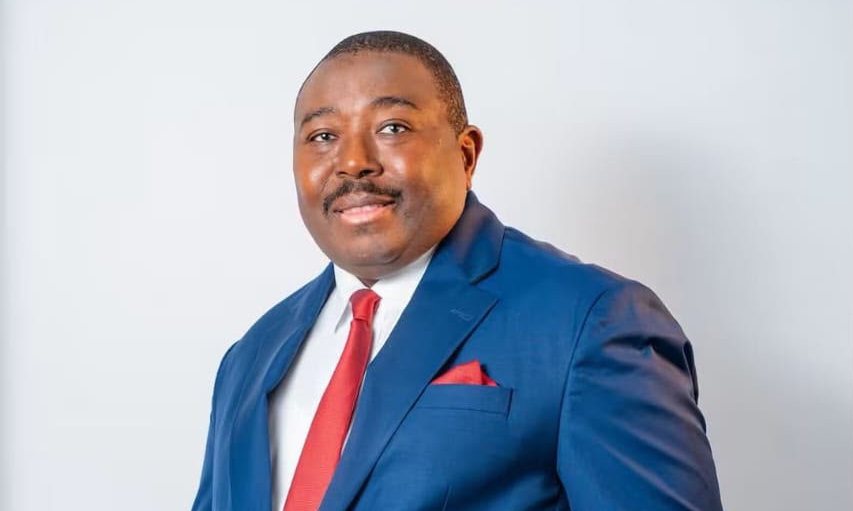
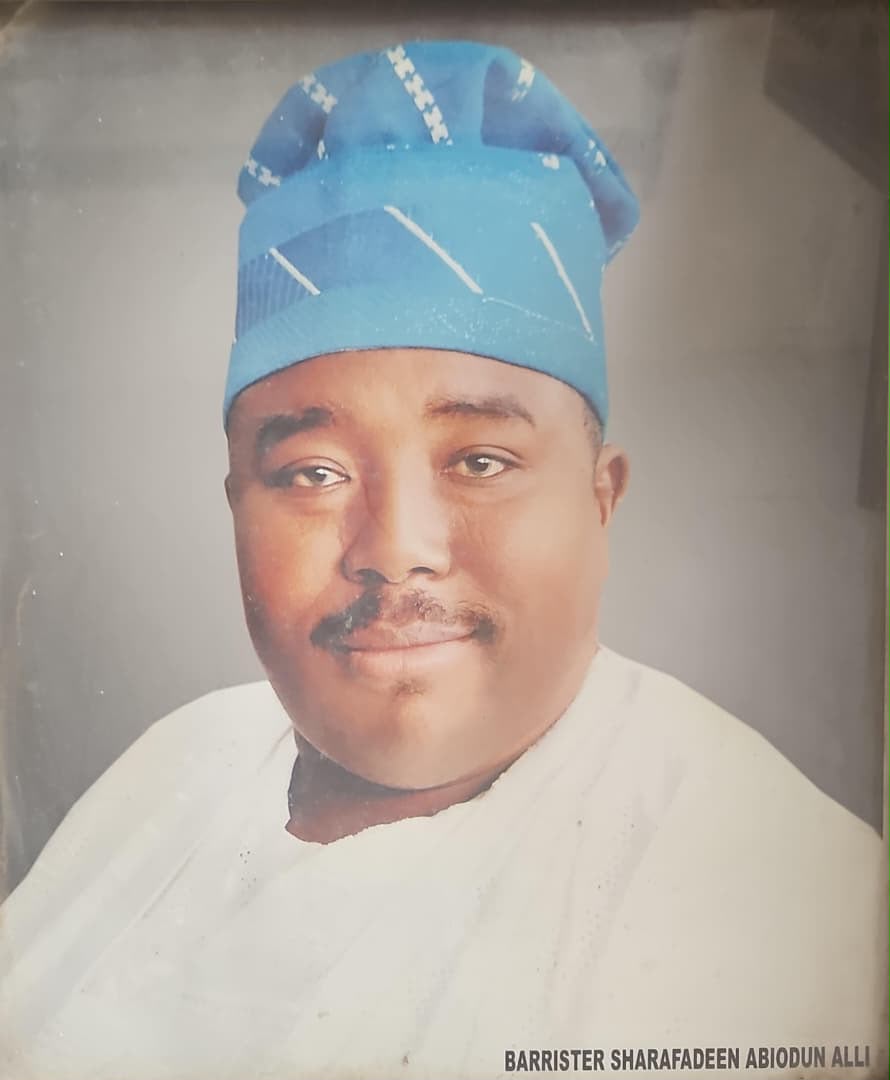
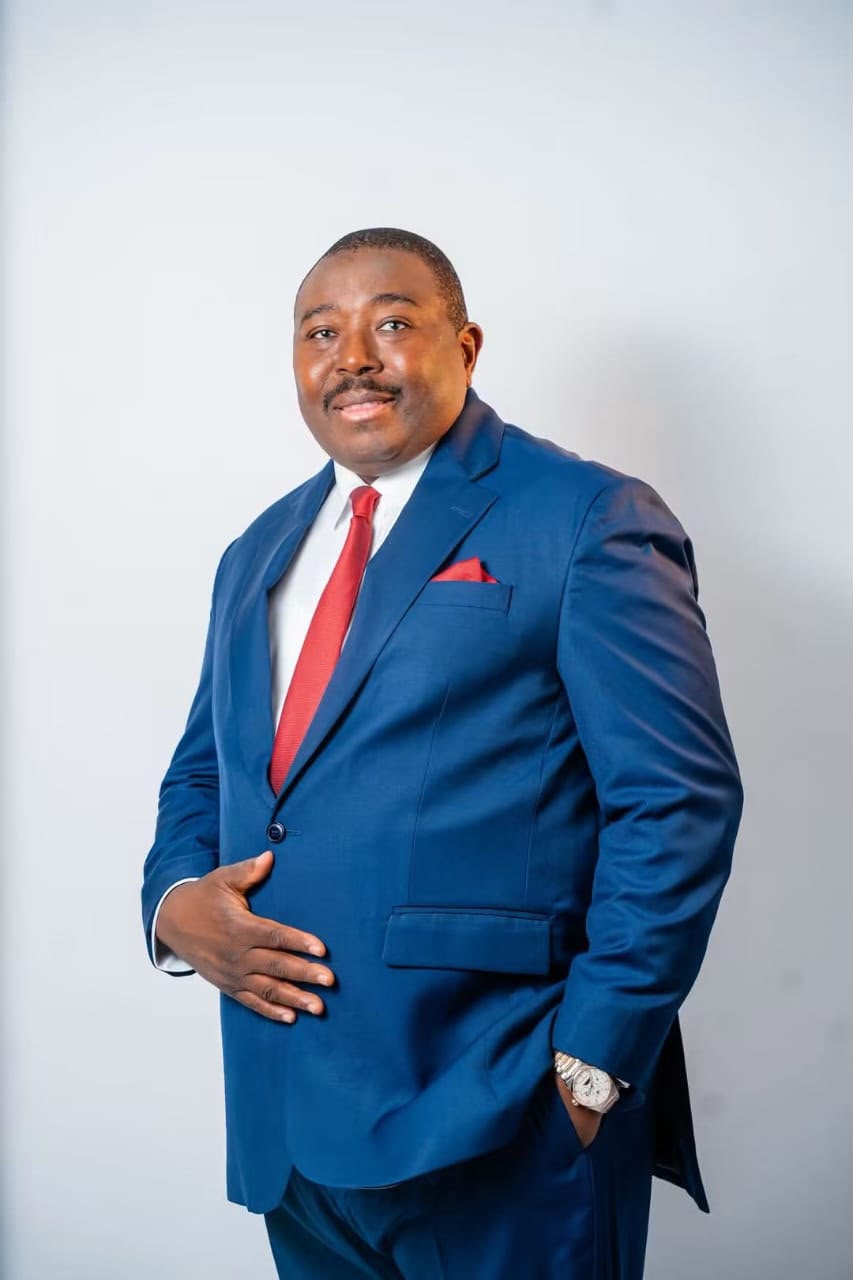
File photo of Sen. Sarafadeen Alli


Fact 1: Homegrown Leader with Unmatched Grassroots Experience

Senator Alli’s political journey began at the grassroots level in Ibadan, where he made history in 1991 as the first democratically elected Executive Chairman of Ibadan North Local Government. This early leadership role demonstrates a deep, foundational understanding of local governance and the needs of the people, a critical asset for a state governor.
Fact 2: Rare Combination of Top-Tier Academic and Professional Credentials

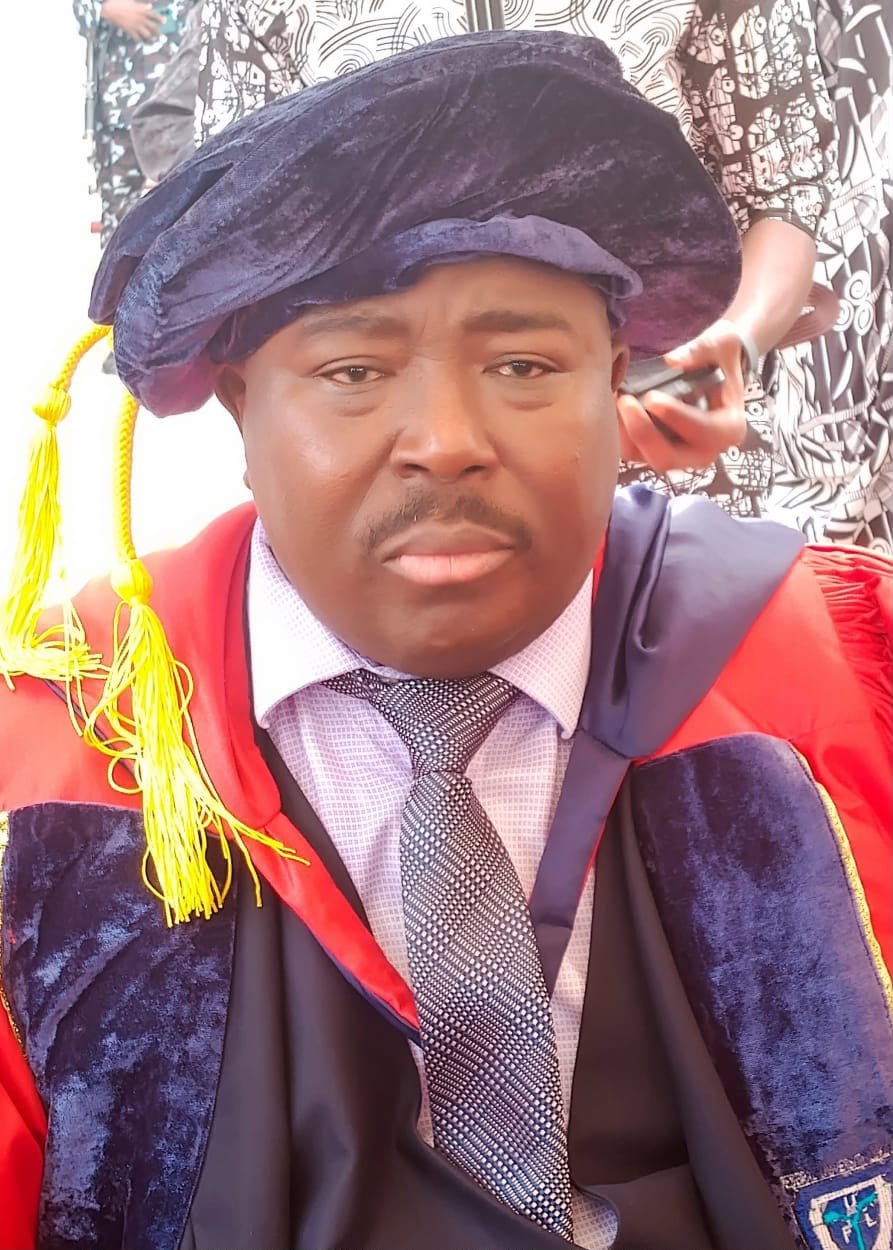
Senator Alli is not just a politician but also a distinguished legal practitioner with a Ph.D. in Legislative and Strategic Studies. His extensive education, including degrees from the University of Ibadan, combined with his fellowships from prestigious professional institutes, provides him with the analytical, legal and strategic acumen required to manage the complex affairs of Oyo State.
Fact 3: Proven Executive Administrative Competence at the Highest State Level

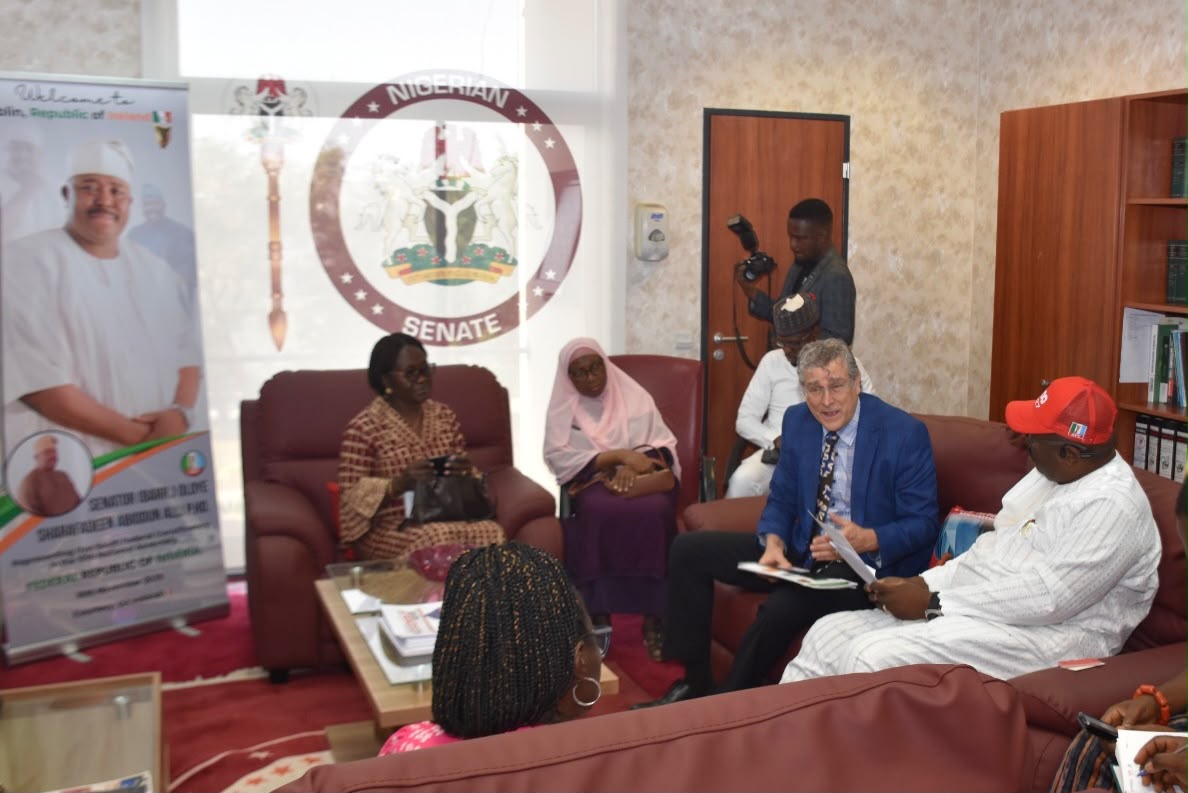
His tenures as Secretary to the Oyo State Government (SSG) and later as Chief of Staff (CoS) to the Governor showcase his direct experience in the engine room of state administration.
 

He has been intimately involved in policy formulation, committee leadership and the day-to-day running of the state, making him uniquely prepared to assume the governorship and hit the ground running from day one.

Fact 4: Demonstrated Executive Business Leadership with Regional Impact

As Chairman, Board of Directors of Odu’a Investment Company Limited, Senator Alli was not just an administrator but a visionary economic leader. He spearheaded landmark investments such as the Cocoa Mall and Heritage Mall in Ibadan, which transformed the economic landscape of Oyo State. This proven ability to attract and drive large-scale economic development is directly transferable to governing Oyo State.
Fact 5: Battle-Tested and Consistent Political Figure

Senator Alli’s political career spans more than three decades, weathering the annulment of his 1996 Senate election and consistently remaining a relevant and influential force. He has contested for Deputy Governor and Governor in the past, giving him a comprehensive understanding of statewide campaigns and the diverse political landscape of Oyo State. His journey demonstrates resilience, deep political networks and unwavering commitment.

Fact 6: Current, Performing Senator and Influential Figure

As the sitting Senator for Oyo South, he is actively delivering quality representation, impactful constituency projects and people-oriented legislation. He has sponsored five Bills and raised six Motions to promote development. Senator Alli has also facilitated employment for 100 constituents across Federal Government agencies.
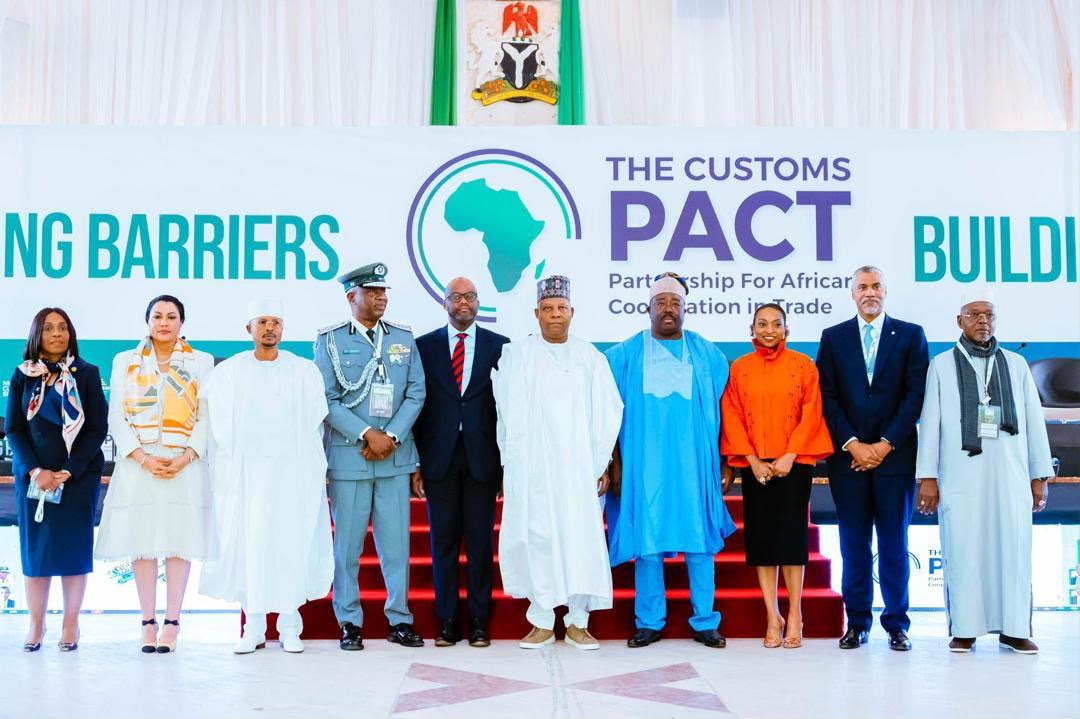
His role as Chairman of the Senate Committee on Agricultural Colleges and Research Institutions, as well as his membership in the ECOWAS Parliament, demonstrate that he is not only focused on local issues but is also equipped with a broader perspective on governance, trade and regional integration.

Fact 7: Unifying and Respected Traditional Title Holder

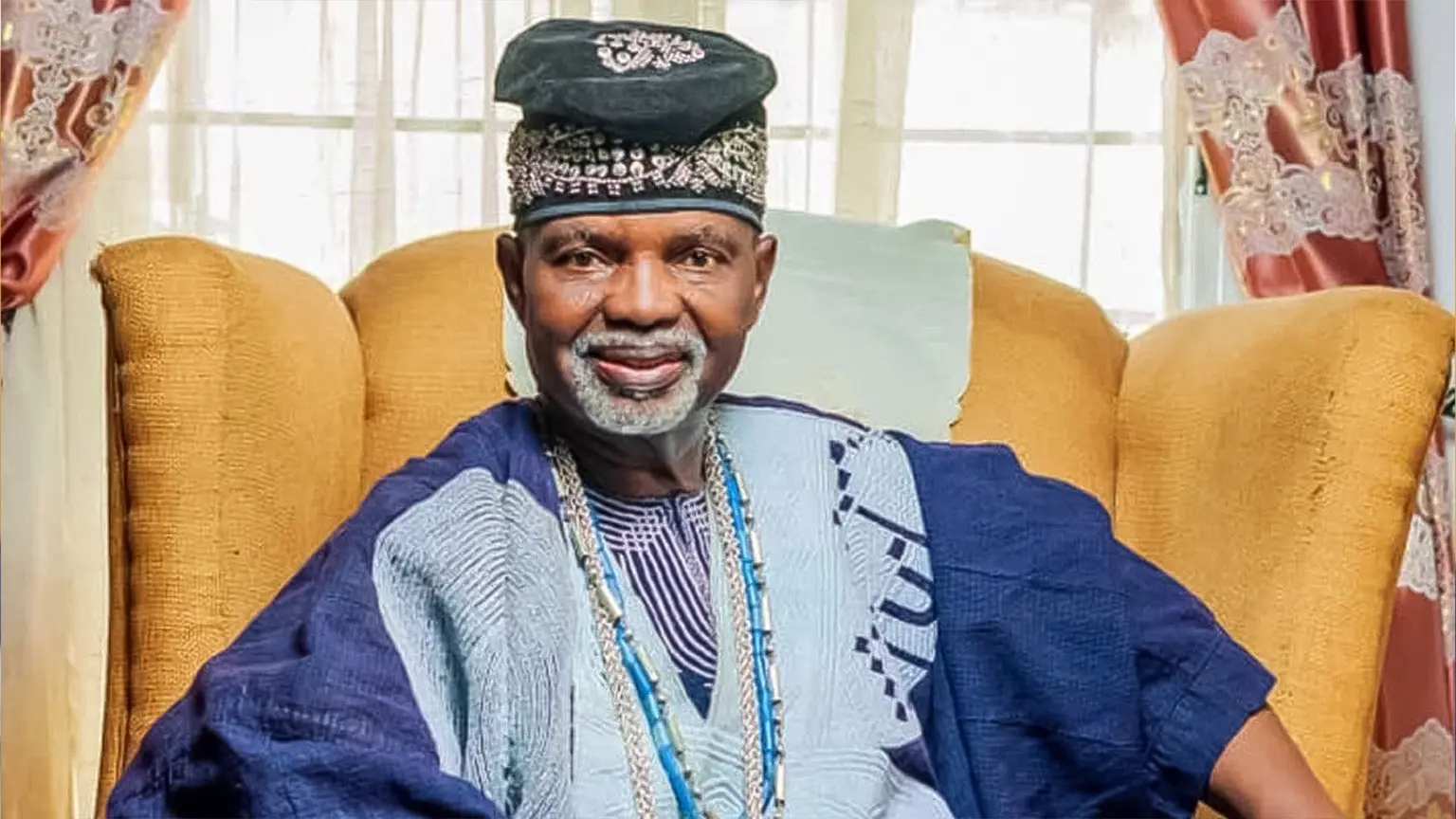
Senator Alli’s position as the Ekaarun Balogun of Ibadanland, one of the highest-ranking chieftaincy titles in the ancient city, signifies his deep-rooted connection to tradition and his standing as a respected community leader.

His reputation as a calm, wise, simple, relatable and inclusive bridge-builder who unites people across political, religious and ethnic divides positions him as a leader capable of fostering peace, stability and consensus across the entire state.


Oladele is the Director of Media & Publicity, Senator Sharafadeen Alli Campaign Organization.
Continue Reading

Opinion

Oloye Lekan Alabi: Memories Ere Death Beckoned Both Caller and Called |By Wole Adejumo  

Published

on

The young lady who usually delivers packaged moinmoin for members of staff who want it for lunch came in as she usually did, and after the exchange of pleasantries, I asked if she knew the difference between Ọọlẹ and Moinmoin. My colleagues looked at me strangely when I disagreed with her response that both were the same. I promised to tell her the difference later. I, however, told my colleagues the difference as explained to me by Oloye Lekan Alabi. Though a suave, urbane and sophisticated Ibadan chief,  he took time to explain the similarities and differences as we prepared for the annual Oke ‘Badan Festival some years back.  

He had retired from the service of Odua Investment Company Limited, where he demonstrated competence  and character then, but that did not in any way diminish his encyclopaedic knowledge of history. He sat beside the Aboke, Chief Ifamapowa and some other stakeholders at the press conference heralding the ceremony that year.

My first real contact with him happened after I had written a short piece, ‘The Man Who Would Be King’, about him. Oloye, who bore the titles of Jagun Olubadan and  Akogun of Lalupon agreed to have an interview. My Bureau Chief, Bola Davies (now of blessed memory) directed me to go and when I got to his office in Cocoa House, he thanked me for wishing him well. He thereafter took time to explain the Olubadan ascension system. The interview was published in one of the earliest editions of City People Quarterly back then. That interview and some other things I wrote about him eventually earned me a mention in one of his books.

Oloye Alabi was no doubt an aficionado when history, music and culture are up for discussion. Of course, with his rich cultural heritage, he stood out anywhere and everywhere. Little wonder His Imperial Majesty, the Ooni of Ife hosted his investiture when he was appointed as the first Cultural Ambassador of the National Museum, Ile Ife. His immense breadth of knowledge will give him a place in history just as it did to the likes of Chiefs John Adeyemi Ayorinde, Theophilus Akinyele and Alaafin Lamidi Adeyemi III. His love for good music too was more than obvious. Like a true connoisseur, he did everything with class and style. He wrote countless articles about Chief Commander Ebenezer Obey, King Sunny Ade, Chief Eddy Okonta and many more. His love for Yusuf Olatunji’s Sakara music defied competent description. It was so great that he named his youngest son after the Sakara legend.

In one of his many philosophical volumes, ‘Baba L’Egba’ as Olatunji was fondly called, sang that “o ye ka ni ‘fura taa ba nsin ale eni lo” (one should be watchful when seeing off a concubine) and the only person I felt I could ask what was on Baba L’Egba’s mind then was Oloye ‘Lekan Alabi. Sadly, the auspicious time to ask never came.

A reception was once hosted in his honour by Ambassador Ibironke Adefope at Bodija and it was regal! Everyone who mattered came to honour Oloye ‘Lekan Alabi. Reporting the event for City People then, one of the most unusual sights was Otunba Adebayo Alao-Akala, the then Deputy Governor of Oyo State. His simplicity was indescribable. Aside driving his convertible BMW, he came in a yellow sweatshirt and jeans.

And when he turned 60, it was like everyone else joined the Ibadan establishment to celebrate Oloye ‘Lekan Alabi. Aare Arisekola Also spoke about the celebrant in glowing terms as he emphasized that Oloye Alabi was indeed a man destined for greatness. The party afforded me the opportunity of seeing Alhaja Batile Alake live on stage. Her sonorous voice actually brought great childhood memories of when songs of Batile Alake, Olubowale Ajasco, Alalaye Ilorin and others were regular on the television.

Apart from his respectable dress sense and indepth knowledge of issues, other admirable traits of the late Abese Olubadan were his timeliness and punctuality. He once told me the story of how he had suggested that card be presented to the then military President, General Ibrahim Babangida on the birth of his baby girl back then. It turned out that the picture of where he handed the card  over was published in dailies the following day. Apart from personal discipline, working with four Governors of Oyo State obviously rubbed off on him, he never attended an event late. There was a day we had to apologize as we started an event behind schedule at the Premier Hotel, Ibadan. He was about the first guest  and after accepting our apologies, he didn’t become vexatious, rather, with a smile he told us that he would be in his room upstairs. He said all we needed to do was put  call through to him when we were ready to start the programme.

I stood close by him at certain event and heard Chief Lateef Oyelade praying for Oloye Alabi who had just greeted him in Yoruba, he said “Olubadan o kan o” (may it be your turn to become the Olubadan). Like many of his mentees,  I looked forward to seeing him on the exalted Olubadan throne, it was however not to be.

​Reflecting on those golden days of celebrity journalism; the Bodija reception, the grand 60th birthday, the laughter of legends now silent; one is reminded that time eventually beckons both the caller and the called. Bola Davies, His Excellency, Otunba Alao-Akala, Aare Arisekola Alao, Chief Lateef Oyelade, Ambassador Adefope and now Oloye himself have all answered that ultimate call. Though the exalted Olubadan throne eluded him, Oloye ’Lekan Alabi leaves behind a legacy as towering as Cocoa House itself. Like his noble forebears – Oyetunde Olundegun, ‘Erin o P’ojo Logun’, and Ekerin Suberu Ajengbe, he came, he saw, he lived with unmatched panache, and he left an indelible mark on the sands of time.


Adejumo sent this piece from Ogbomoso 

Continue Reading

Opinion

Beyond Deportations: What South Africa’s Immigration Crisis Reveals About Nationhood and Economic Frustration
Published

on

The popular saying that “one good turn deserves another” appears increasingly absent from present-day South Africa’s national consciousness. It is difficult not to ask whether many South Africans have forgotten the history of their country’s liberation and the immense sacrifices made by Nigeria and other African nations in the long struggle against apartheid.

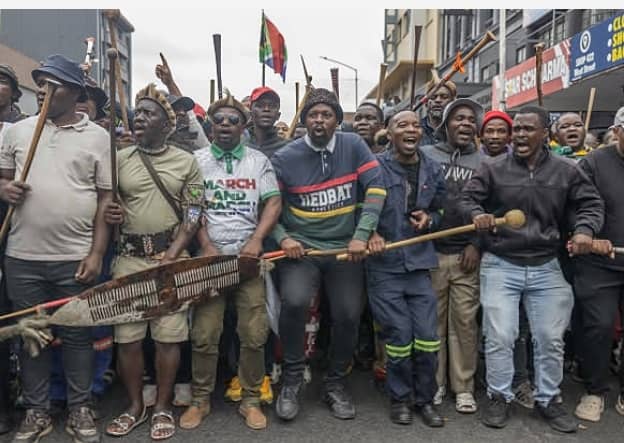
For days, I have been deeply troubled by reports of South Africa’s worsening immigration crisis and the forceful, vigilante-style eviction of African migrants, particularly Nigerians. Beyond the headlines are broken families, shattered dreams and livelihoods painstakingly built over many years. It is a painful development that should concern every African who once believed in the ideals of continental solidarity.

Anti-immigrant sentiments in South Africa are not new. For more than two decades, campaigns against foreign nationals have been fuelled by high unemployment, widespread poverty, rising crime and frustration over inadequate public services. Many South Africans believe undocumented immigrants compete with them for jobs, housing, healthcare and social services, thereby denying citizens access to these basic necessities.

Yet, available evidence tells a more complex story. Research has consistently shown that immigrants alone cannot be blamed for South Africa’s economic and social challenges. Reducing such deep-rooted problems to the presence of foreign nationals oversimplifies a crisis that has been decades in the making.

What is often overlooked is the country’s structural economic reality. A significant skills mismatch, coupled with weaknesses in the quality of education, has left many job seekers ill-equipped for the demands of an economy increasingly driven by technology, innovation and specialised skills. This challenge is not peculiar to South Africa. Across much of sub-Saharan Africa, thousands of graduates enter the labour market every year without the technical, vocational and digital competencies employers now demand.

Beyond this, crime, insecurity, systemic corruption and poor governance continue to weigh heavily on South Africa’s economy. The country has one of the highest youth unemployment rates in the world. Persistent violent crime discourages investment, while corruption and the mismanagement of public resources have weakened service delivery, slowed infrastructure development and eroded investor confidence.

Equally significant is the enduring legacy of apartheid. More than three decades after democracy, inequalities in education, housing, infrastructure and economic opportunities remain deeply entrenched. Many Black communities still live with the consequences of decades of institutional discrimination and economic exclusion.

Against this backdrop, blaming undocumented immigrants for South Africa’s economic difficulties amounts to little more than scapegoating. It is a convenient narrative that diverts attention from the country’s more fundamental governance and developmental challenges.

The recurring xenophobic attacks against Nigerians and other African nationals make the situation even more painful. The recent killing of Emeka Iroegbu and Musa Yunana Joe on June 28, 2026, amid rising anti-migrant tensions, is a tragic reminder of how dangerous such sentiments can become.

One cannot help but ask: Is this the same South Africa for which Nigeria and many other African countries stood firmly during the anti-apartheid struggle?
I vividly remember growing up in the 1980s, listening to songs such as Free Mandela and Stop Apartheid in South Africa by iconic Nigerian musicians, including Majek Fashek, Onyeka Onwenu and Sonny Okosun. Those songs dominated the airwaves on NTA and became powerful symbols of African solidarity.

As a child, I even believed Nelson Mandela was Nigerian because Nigerians embraced his cause with such passion.
Mandela was released from prison in 1990 and became South Africa’s first Black President in 1994, bringing an end to decades of institutionalised racial segregation and apartheid. Today, just over three decades later, many Africans who once stood shoulder to shoulder with South Africans in their darkest hour are treated as unwelcome strangers.
History can be painfully ironic.

Perhaps, then, the saying that one good turn deserves another does not always reflect reality. Human beings are capable of repaying kindness with hostility. It is an uncomfortable truth, but one that life repeatedly teaches.

At a personal level, this reminds us to live with fewer expectations and strive for greater self-reliance. A heart that expects little, even after giving much, is less likely to be broken.

At the national level, however, the lesson is far more profound. Nigeria must build a country where its citizens can thrive without feeling compelled to seek survival elsewhere. Studies have shown that the overwhelming motivation behind the Japa phenomenon is the search for better opportunities and improved living conditions. If those opportunities existed at home, many Nigerians would gladly remain and contribute to national development.

The experience in South Africa—and, indeed, recent developments in the United States—demonstrates that immigration policies are shaped by changing political realities. No foreign country offers permanent guarantees.

Although the U.S. Supreme Court recently ruled against President Donald Trump’s executive order seeking to abolish birthright citizenship on constitutional grounds, the episode illustrates that even long-established policies can become subjects of political contestation. A constitutional principle that has existed since 1868 could still become a matter of national debate. That alone should remind us that every nation ultimately prioritises its own interests.
The enduring lesson is simple: no country can offer Nigerians greater long-term security than a well-governed Nigeria.

Nigeria’s greatest asset remains its people. Sustainable national prosperity can only be built through visionary leadership, accountable institutions, respect for the rule of law and responsible citizenship. When government creates an enabling environment and citizens embrace innovation, productivity and accountability, Nigeria can become a destination for investment rather than a source of economic migration.

As dozens of Nigerians return home following their repatriation from South Africa, government must move beyond sympathy and symbolic gestures. Some have returned with nothing more than the clothes they wore and a single travelling bag, leaving behind businesses, investments and years of hard work. Their return is not merely a journey home; for many, it is the painful collapse of dreams painstakingly built over decades. They deserve meaningful support to rebuild their lives and contribute productively to the nation’s economy once again.

History teaches that nations are strengthened not by chasing away strangers but by creating opportunities for their own citizens. Nigeria must therefore draw the right lessons from South Africa’s painful experience. Rather than exporting its brightest minds in search of survival, it should become a country where talent is rewarded, enterprise is encouraged and hope no longer requires a passport. Only then will Nigeria become not merely the giant of Africa by population, but by the quality of life it offers its people.


Olusegun Hassan, Ph.D
Public Policy Analyst and Social Commentator

Continue Reading

Trending

All Rights Reserved. Copyright © 2026 MegaIcon Magazine