Opinion
Beyond The Semantics of Police Brutality And Fatal Shootings of Innocent Citizens || By Rahaman Onike


WITH the spate of fatal police shootings of defenceless and armless citizens across the country these days,it has become a sort of illusion for anyone to believe that police are truly citizens’ friends. A lot of deaths recorded daily in Nigeria are resultant effect of police brutality and extra judicial killings by reckless officers of the Nigeria Police.
This is more or less a mockery of and sharp contradiction to the letter and spirit of the visible inscription one sees at the entrance of police stations that police are your friends. A lot of innocent lives have been whimsically taken away by the blood thirsty officers of the Nigeria Police by mere arguing with them. If you dare ask questions when you are stopped on the check points,you do so at your own peril.
The derision which results from the misconduct of some of the officers is not only contemptuous but it is exposing the entire force to ridicule.
Despite the frequent warnings by police authorities that any officer that engages in indiscriminate shootings or killing of innocent citizens will face the full wrath of law,we still hear reports of police massacres unabatedly daily. The guns which are meant for the protection of the citizens are being used to kill the helpless tax payers who are major contributors to common wealth from where government pay the police officers’ salaries and allowances.
In a sacastistic manner, Abayomi Shogunle, head of the Public Complaint Rapid Response Unit of the Police (PCRRU), instead of outright condemnation of the dastardly act of the few disgruntled officers of the Nigeria Police has recently posited that it is better for Nigerians to communicate with police officers in Pidgin English for better understanding as a panacea to incessant police killings across the country.
Whatever his motive for the postulation,what can be deducted from the submission is that he wanted the public to see an average police officer as not having good communication skills.
If his counsel is anything to go by,it means that the crops of police officers in the country today lack communication competencies. This may appear to be a clever jest;however,he has lent a credence to the reality that the quality of the officers that currently constitute the Nigeria Police is abysmally low.
Instead of outright condemnation of killings of citizens by trigger – happy policemen, Shogunle said communicating with the officers in pidgin will aid better understanding and bound to reduce the cases of fatal shooting of the innocent citizens by the police.
Does that means police are killing innocent people due to lack of communication skills. It sounds absurd and unthinkable that extra judicial killings and police brutality are trivialized as being aggravated by linguistic barriers or as problem of semantics gaps. Ability to speak pidgin alone may not actually immune one against brutality or murderous tendencies of blood thirsty police officers.
I insist that the panacea proffed by Abayomi Shogunle is incoherent giving the fact that instructional activities, legal instruments,Police Act, other relevant statues and training kits which are normally given to the officers in the cause of training in the Police College are never prepared and presented in Pidgin. I am aware what is lacking among some of the officers particularly ranks and files are emotional intelligence and good ethical conduct.
It is also presumed that every recruit into the Nigeria Police has the minimum of Senior Secondary School Certificate as entry qualification.
Expectedly, anyone with SSCE certificate should be able to read, write and speak simple and correct English.
In my view, there is no way we can get it right without the police showing evidence of true discipline,good value re -orientation,sound social relations and effective communication skills in writing and speaking. If the judgement of Abayomi Shogunle is correct and undisputable, it is high time the police authorities planned a comprehensive short and long-term training for officers of various police cadres on oral and written communication skills.
More so, police officers need linguistic power and communication skills to interact and relate freely during every encounter with members of the public.
Police brutality and cases of indiscriminate shootings didn’t start today, it has been a common characteristics of Nigeria’s social life since Independence. During the recently concluded 2019 electioneering process in the Country, a lot of lives were wasted and unquantifiable property destroyed during politically motivated crises across the county.
In most of the crises, police are accused of either being the ones fuelling the crises or conniving with the perpetrators. As contentious this might sound,one is bound to give the accusation a second thought giving the past misconduct and illicit activities of some disgruntled elements among the officers of the Nigeria Police.
Of course, it is only the families of the victims that can really feel the effects of the onslaught and bear witness to the pains and agonizing effects of loosing the beloved persons to such recreant and dastardly acts of the police officers.
The family of Jubril Mobolaji who was shot in Lagos sometimes ago over one hundred naira will forever be nursing the wound. Despite the persistent public outcry against the extra judicial killings by murderous police officers, Ajegunle fatal shootings will make a good literature review for researchers on police misconduct in Nigeria in no distance future.
The wanton killing of Kayode Johnson by officers of SARS in Lagos State is a further proof that fatal shooting by police as become a social problem
.If not the intensive social media campaign launched, the unfortunate only son of a widow killed by the SARS officer would have died in vain. On this particular case, the Acting Inspector General of Police, Mohammad Abubakar Adamu needs to be commended for swift reactions and immediate initiation of process of subjecting the erring officers to internal disciplinary procedure. It shouldn’t stop at that, the culprits should be made to face criminal prosecution in the court of relevant jurisdiction.
Indeed, the spate of police killings across the country having reached an alarming rate is now being regarded as a social problem. What this portends is that with the escalation of fatal shootings every now and then with the attendant casualties,it calls for urgent collective action of the citizenry.
One other incident that cannot be forgotten in an hurry was the circumstances of brutal murder of Oga Jumbo, personnel of Nigerian Security and Civil Defence Corps (NSCDC) early this year by a Police Officer.
Obviously, some of the officers who have been implicated in atrocious behaviours in the recent past were largely alcoholic, substance abusers and drug addicts. This demands that there should be mechanism to identify addicts and drunks among police officers do as to guide the authorities before effecting sensitive postings.
Therefore, if police will be seen to be citizen friendly, the officers must be truly courteous and polite in dealing with the civil populace. Not only that,every police officer should be exposed to continuous training and re -orientation on ethical conduct and values. It is not only by shooting, brutality and killings that the police can enforce law and order.
So, the issue transcends the semantics and psycho -linguistic barriers which is considered a predisposing factor for the incessant killings of innocent people by some deadly armed police officers in the country.

By Rahaman Onike Public Affairs Analyst writes from Oyo, Oyo State






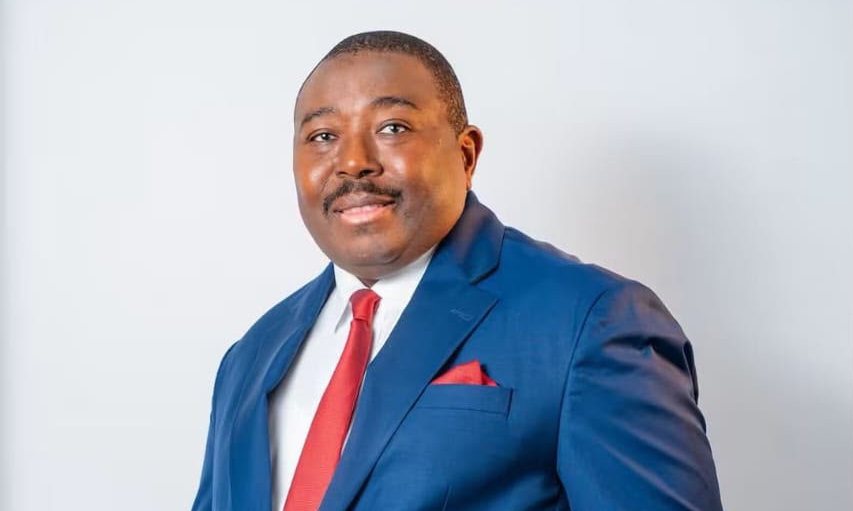
Fact 1: Homegrown Leader with Unmatched Grassroots Experience
Senator Alli’s political journey began at the grassroots level in Ibadan, where he made history in 1991 as the first democratically elected Executive Chairman of Ibadan North Local Government. This early leadership role demonstrates a deep, foundational understanding of local governance and the needs of the people, a critical asset for a state governor.
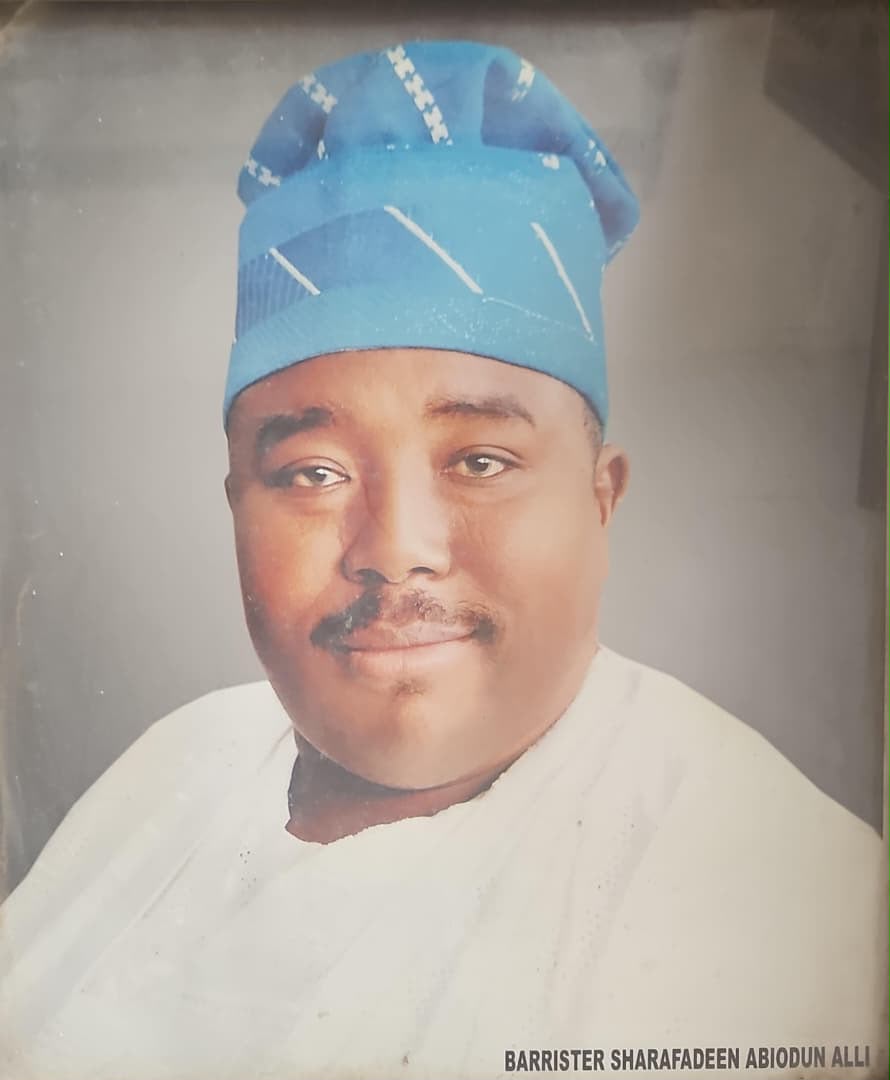
Fact 2: Rare Combination of Top-Tier Academic and Professional Credentials
Senator Alli is not just a politician but also a distinguished legal practitioner with a Ph.D. in Legislative and Strategic Studies. His extensive education, including degrees from the University of Ibadan, combined with his fellowships from prestigious professional institutes, provides him with the analytical, legal and strategic acumen required to manage the complex affairs of Oyo State.
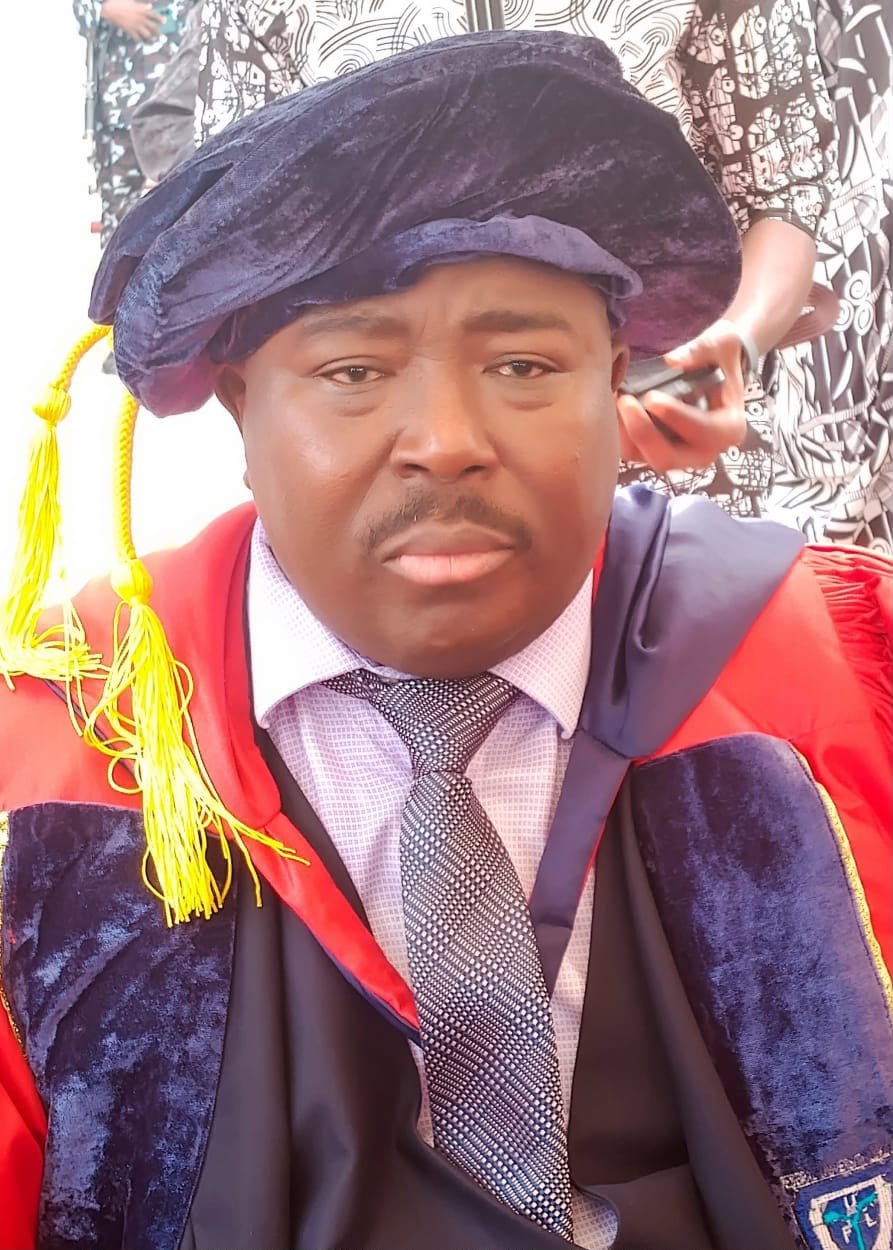
Fact 3: Proven Executive Administrative Competence at the Highest State Level
His tenures as Secretary to the Oyo State Government (SSG) and later as Chief of Staff (CoS) to the Governor showcase his direct experience in the engine room of state administration.
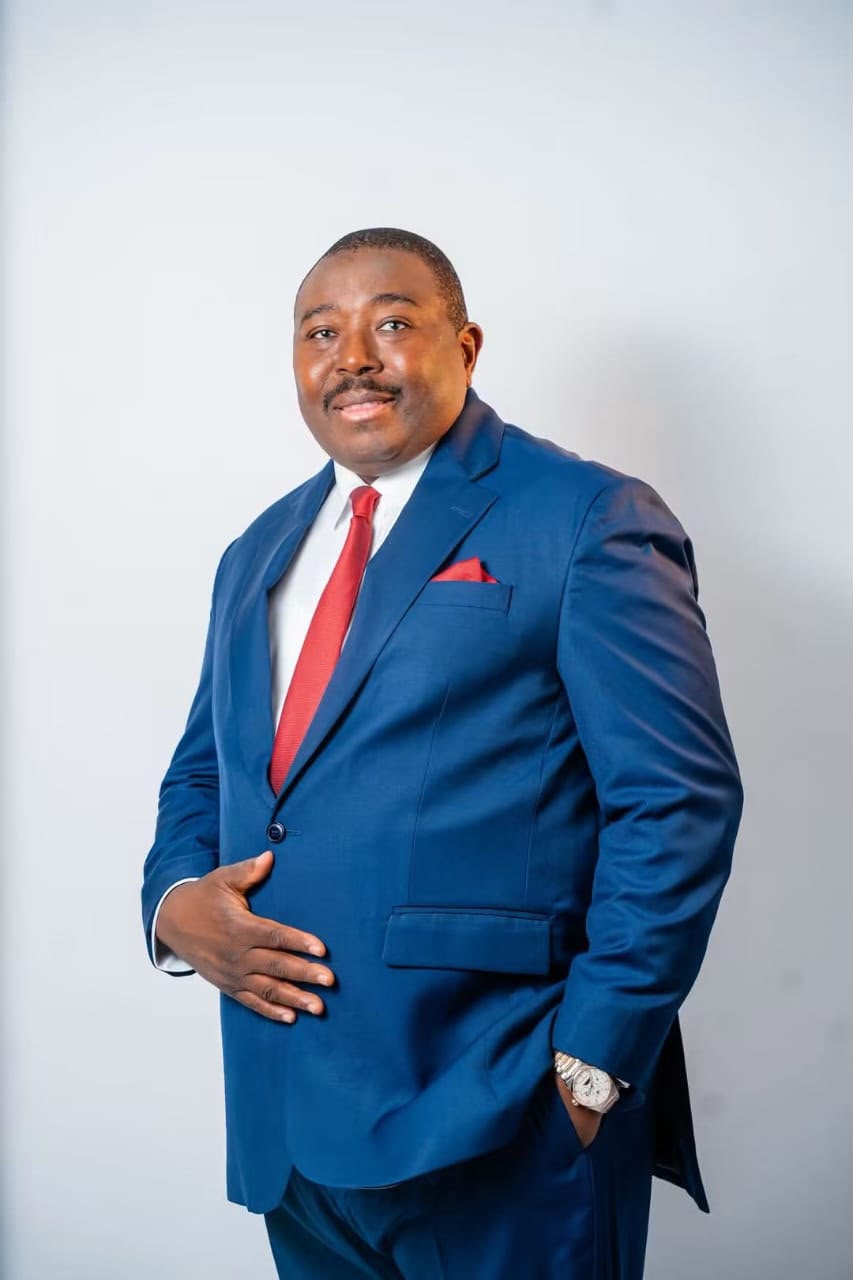
He has been intimately involved in policy formulation, committee leadership and the day-to-day running of the state, making him uniquely prepared to assume the governorship and hit the ground running from day one.
Fact 4: Demonstrated Executive Business Leadership with Regional Impact
As Chairman, Board of Directors of Odu’a Investment Company Limited, Senator Alli was not just an administrator but a visionary economic leader. He spearheaded landmark investments such as the Cocoa Mall and Heritage Mall in Ibadan, which transformed the economic landscape of Oyo State. This proven ability to attract and drive large-scale economic development is directly transferable to governing Oyo State.
Fact 5: Battle-Tested and Consistent Political Figure
Senator Alli’s political career spans more than three decades, weathering the annulment of his 1996 Senate election and consistently remaining a relevant and influential force. He has contested for Deputy Governor and Governor in the past, giving him a comprehensive understanding of statewide campaigns and the diverse political landscape of Oyo State. His journey demonstrates resilience, deep political networks and unwavering commitment.
Fact 6: Current, Performing Senator and Influential Figure
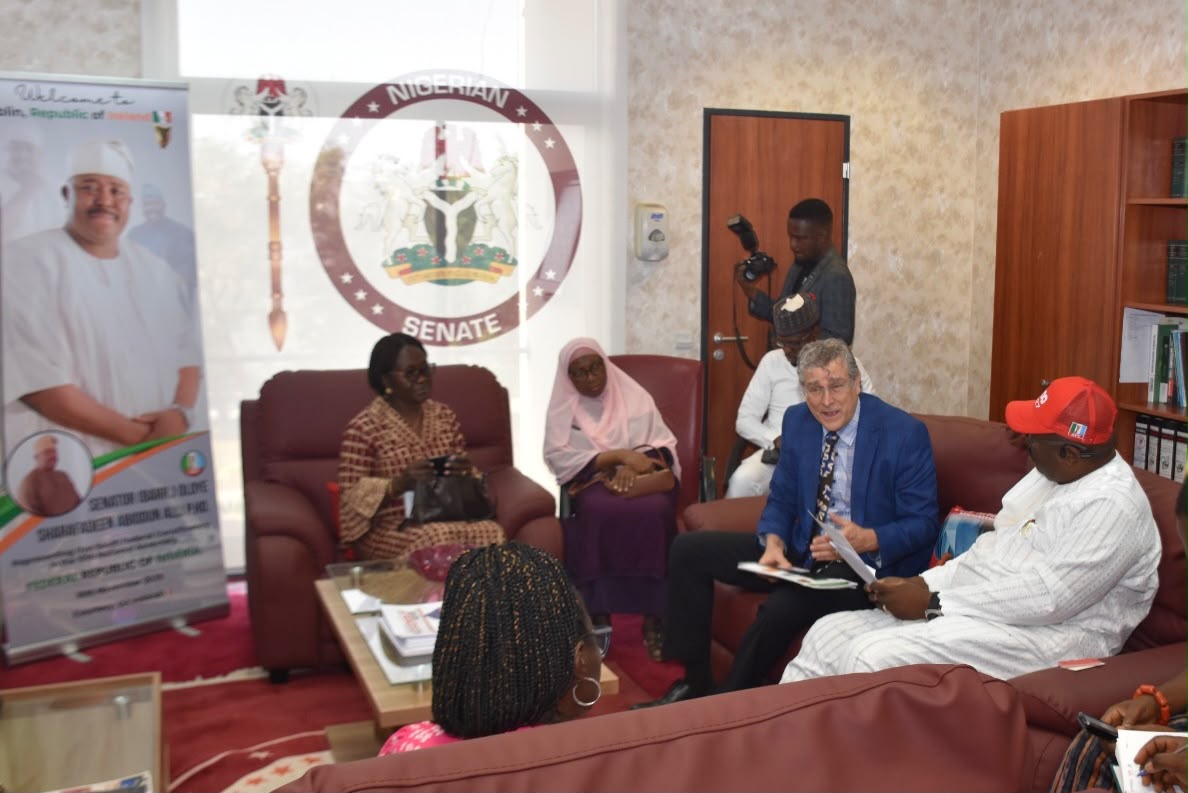
As the sitting Senator for Oyo South, he is actively delivering quality representation, impactful constituency projects and people-oriented legislation. He has sponsored five Bills and raised six Motions to promote development. Senator Alli has also facilitated employment for 100 constituents across Federal Government agencies.
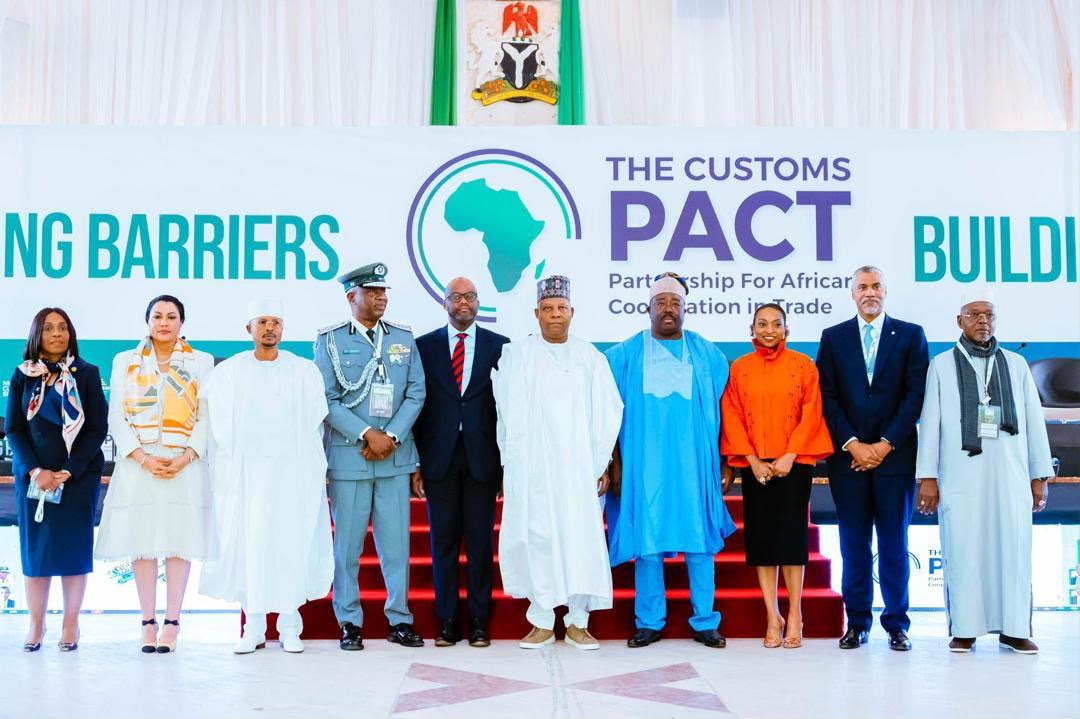
His role as Chairman of the Senate Committee on Agricultural Colleges and Research Institutions, as well as his membership in the ECOWAS Parliament, demonstrate that he is not only focused on local issues but is also equipped with a broader perspective on governance, trade and regional integration.
Fact 7: Unifying and Respected Traditional Title Holder
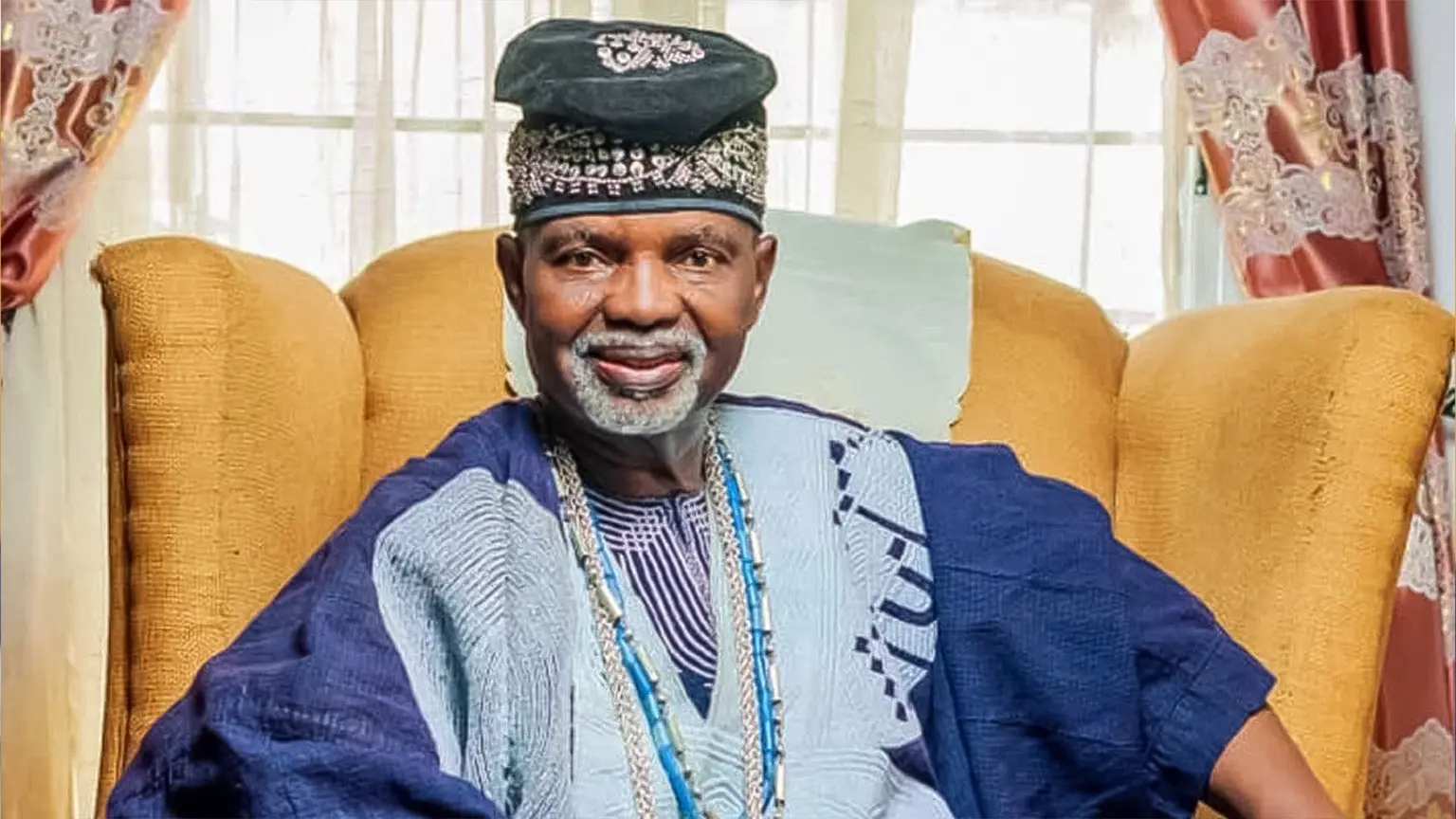
Senator Alli’s position as the Ekaarun Balogun of Ibadanland, one of the highest-ranking chieftaincy titles in the ancient city, signifies his deep-rooted connection to tradition and his standing as a respected community leader.
His reputation as a calm, wise, simple, relatable and inclusive bridge-builder who unites people across political, religious and ethnic divides positions him as a leader capable of fostering peace, stability and consensus across the entire state.
Oladele is the Director of Media & Publicity, Senator Sharafadeen Alli Campaign Organization.
Opinion
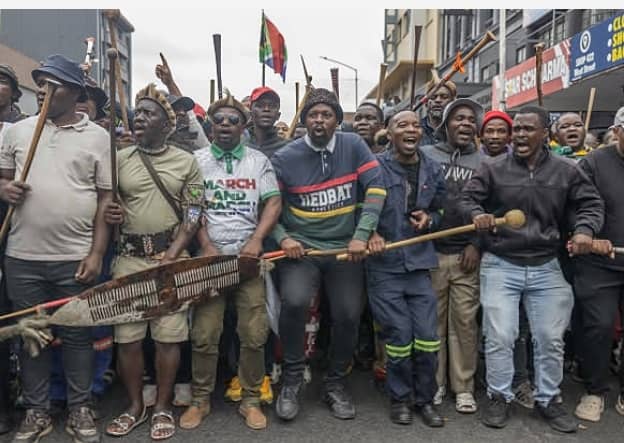
Beyond Deportations: What South Africa’s Immigration Crisis Reveals About Nationhood and Economic Frustration

N85bn French Loan: Oyo APC Guber Candidate, Alli Warns Makinde Against Diversion

Seven Factors That Keep Sharafadeen Alli Ahead in 2027 Oyo Governorship Race

Sunday Bandit Attack: Oyo APC Queries Makinde Over N7.8bn Surveillance Aircraft



-
 Politics4 weeks ago
Adeleke: I Had No Electoral Deal With ADC
-
Metro3 weeks ago
Oyo: Oseni Sympathises With Oranyan Traders Over Market Fire
-
News4 weeks ago
FG adds 208MW to national grid, upgrades Ijora, Apapa substations
-
News3 weeks ago
Oyo: Oseni Donates 500KVA Transformer, N10m to Baptist Conference