Opinion
Between Wike’s temper and Anambra’s valedictory slap
Published
5 years agoon
In the final analysis, it will appear that the Nigerian political elite, adept as it is at plundering Nigerian resources and inflicting pain on the people, has a very scant understanding of the psychology of the people it pillages. A very true story that will succinctly demonstrate this happened in Ondo state, about 1990. Olabode Ibiyinka George, commodore in the Nigerian Navy, had been posted to the state as governor in 1988. As is customary, in tow did he come with his wife, Feyi, a very self-opinionated woman. Unsubstantiated claims alleged that both were on the verge of divorce before the Ondo posting but Maryam Babangida, being Feyi’s friend, had recommended George to her martial general beau, Ibrahim. George and Feyi were thus forced into a marriage of convenience during their odyssey in Ondo.
While George was about his job as military governor, indeed reputed to have established the Rufus Giwa Polytechnic in Owo during this period, one of the state’s thriving tertiary institutions today, Feyi was ruining what was left of his reputation. On this day, Feyi, replicating Maryam’s variant of Better Life for Rural Women in the state, had met women in the Erekesan Market of the state capital, the bulk of whom were senescent, frail and grey-haired women.
The optics of that infamous address still tyrannically assails the memory of the people till today. Cupping her eyelids contemptuously like Queen of France, Marie Antoinette, wife of French’s Louis XV1 must have done while impudently responding to her husband’s starving peasant subjects’ cry of lack of bread during the French revolution, to wit, “Let them eat cake!,” Feyi had courted the ire of Ondo people and came to symbolise the excesses of a reviled Nigerian power elite. She had unconscionably told the Ondo women: “Even though you are old women and old enough to give birth to me, today, I am your mother, the mother of all of you”. In a Yorubaland where age is venerated ahead of wealth, social and political ascriptions, Feyi could as well have been the proverbial child who stoned the Iroko tree and disdained ancient lore of the prowess of the Oluwere goddess residing in the tree as effeminate; did she think the Oluwere is driven by human velocity?
Happening at the twilight of his unceremonious removal as governor, Feyi’s infelicity hallmarked George’s time in Ondo and to date, its ghost still haunts the people. And perhaps, also haunting the two diametrically opposed couple too, who had to go their natural ways at the end of their contractual engagement in Ondo Government House. When the Concord magazine, conducting a valedictory interview for the departing commodore, demanded what Governor George would like to be remembered by and his response became, that “a Lagos boy passed through this place,” amid allegations of plundering of their resources, it was easy for Ondo people to allege that George and Feyi had come to “use Lagos sense for us”.
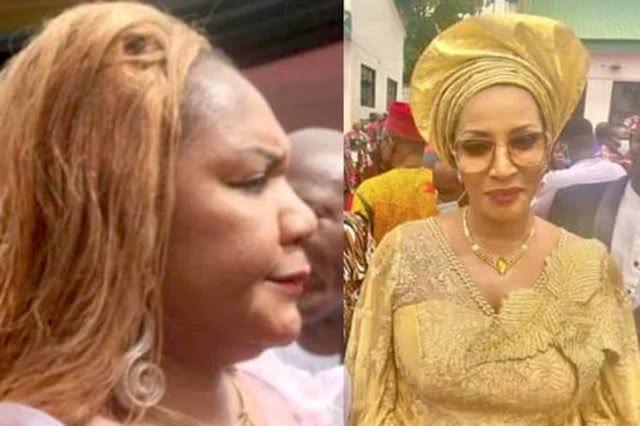
The slap roulette in Anambra last week involving the wife of respected Nigerian civil war hero, the Ikemba Nnewi, Odumegwu Ojukwu, Bianca and wife of erstwhile Anambra governor, Willie Obiano, Ebelechukwu on one side and Rivers state governor, Nyesom Wike’s intemperate riposte to both governor and deputy governor of Edo state, Godwin Obaseki and Philip Shaibu, brought to mind Feyi George’s incivility and infelicity in Ondo state during Geroge’s tour of duty. A major and mutual take-away from the three encounters is that, not only do Nigerian rulers still harbour imperial attitude to power, they are propelled into arrogance by a Kabiyesi mentality akin to the draconian power of kings in the old Oyo Empire where the king was beyond question. Apparently blinded by the binge of dole-outs they give to political louts and a sense of majesty they feel at superintending over billions of naira patrimony of the people which they fritter away at wills, as well as the power of life and death that the constitution unconscionably gave them, Nigerian rulers fail to realize that, even in their cowered state, Nigerian people disdain haughty leaders. Humble yourself beyond them, in spite of the enormous powers at your disposal and you will have them eating by your table.
Feedbacks from the people and the social media since the self-confessed dirty slap handed to the former governor’s wife by Bianca at the inauguration of Charles Soludo as the sixth elected governor of Anambra state, have concretised the submission that Nigerians loathe leaders who disdainfully, without restraint, flaunt the powers they have over them.
“As she made towards me, I then pulled away her wig. She held on to her wig with her two hands and tried to take the wig away from me. This very act is considered a sacrilege to a titled matriarch such as myself in Igbo culture. It was at this point that I stood up to defend myself and gave her a dirty slap to stop her from,” Bianca had owned up in a press release.
Ordinarily, Mrs Ojukwu should by now have had charges filed against her for assault, though provoked. However, not only is that not happening, a very huge number of respondents on social media, in Anambra state where Ebelechukwu and her husband held sway for eight years and virtually the whole of Nigeria, are abetting this assault by justifying Mrs Ojukwu’s action. A letter purportedly written by the Obi of Awka where “His Imperial Majesty” asked Mrs Obiano to apologize within seven days to Mrs Ojukwu, the entire Igbo race, the new governor and the judge swearing Governor Soludo in when the assault occurred, has “or face the consequences” even when Bianca had owned up to having slapped the ex-first lady, has gone viral. In fact, someone who witnessed the slap binge, a member of APGA, the political party that venerated Obiano and his vile-tempered petrel while in power, had reportedly posed for a photo-op with Bianca after her “gallant” slapping the first lady, declaring that, by daring a generally reputed arrogant Ebelechukwu with a dirty slap, wife of the Nigerian civil war hero had made his day.
Apart from the abstruse sartorial sense of Obiano the husband, his widely circulated rumoured romance with alcohol that reportedly gave him a persistent glazed and unsmiling look like the interior of the glazier, as well as this latest cache of allegations of humongous pillage of Anambra by the EFCC, the ex-governor was never known to be tempestuous. Taking his cue from Peter Obi, reported to have massively developed the Owelle of Onitsha, Nnamdi Azikiwe’s home state, Obiano has a genial personality and literally turned Anambra into a construction company. Ebelechukwu was his counterpoise, temper-wise. Unapologetically tempestuous, a former staff of the Nigerian National Petroleum Corporation (NNPC) she romanced power as if both of them shared the same umbilical cord.
Ebelechukwu’s ire was courted at the drop of a hat by anyone who encountered her. Though understandably because she, with the active connivance of her husband, had expressed the desire to contest the same senate seat that she currently occupies, former minister, Stella Oduah, an incumbent senator representing Anambra north, had taken to her Twitter page to harangue Ebelechukwu for what she called her “disgraceful (act) against womanhood,” as she “threw decorum away and attacked Her Excellency, Ambassador Bianca Ojukwu”.
Apart from deploring this attitude which she called crude, indecorous and unbecoming “of a woman who had acted as a mother of the state and even desirous of serving in other capacities,” Oduah said that “only a few days ago, an innocent woman was publicly paraded naked in the same community our former first lady hails from and one would have thought that rather than showcase this brute nature of fighting and engaging in public fisticuffs with her guest, she should have exerted same energy and fighting spirit in ensuring that justice is done for that widow”.
While the slap session must gave Oduah an opportunity to seek her comeuppance from Ebelechukwu, those who knew the former first lady had very scant respect for her tempestuous character and ill-temper during her “reign,” Senator Uche Ekwunife, who long fell apart with her, was also said to have been pleased that Bianca unburdened Ebelechukwu of her magisterial haughtiness.
However, in all these, no one has taken time to address Mrs Obiano’s ostensibly justified angst against Mrs Ojukwu. Manifesting the self-righteousness of a duchess dowager over an Anambra that she presumably sees as her familial property – being the wife of the Ikemba who established APGA – the ex-beauty queen, whose marriage to her father, ex-governor Christian Onoh’s friend, Odumegwu, caused a prolonged furore, had serially and impudently dismissed Obiano’s government and went ahead to put down the governorship bid of Soludo. In fact, in one of the press releases she issued against the professor of economics’ nomination as APGA governorship candidate, Bianca said her husband’s spirit would be bitter in the grave that Soludo was the choice of Anambra APGA.
Then, a few hours to Soludo’s inauguration, Bianca had taken to her Facebook page to dismiss Obiano’s eight-year reign thus: “It’s liberation day, and today we sing the redemption song. Anambra will be better. This is the day the Lord has made…a day that reaffirms the age-long truth that no one holds the stage forever. I thank the Almighty for keeping us all alive to witness this day”. To have worked relentlessly for Soludo’s win and finding an impish intruder who had mordantly dismissed her husband’s government in attendance at the swearing-in venue of that same candidate, an act that ostensibly showed a woman who sought to reap from the proceeds of what she did not sow, was enough reason why anyone’s anger would be on tinder as Ebelechukwu’s was at the swearing-in session. However, being an infamously dismissive and cantankerous woman loathed across board, not only was she presumed at first to be the aggressor who dished out the slap, even when that realization dawned on the people, Bianca was still held as a heroine. A temperate-minded woman in Ebelechukwu’s shoes would have bided her time to prove a justifiable point.
Earlier, Governor Wike’s infamous temper had been advertised on national television when he publicly harangued Edo state deputy governor, Philip Shaibu at the inauguration, in Port Harcourt, of the Eastern Bypass Road project. His grouse against Shuaibu was that he threatened to leave the PDP.
“And he lost his local government when we were in Edo, he lost. And he would come out on television to threaten the party that there are alternatives, look at the deputy governor. It’s very unfortunate for our party, a deputy governor is wearing khaki, look at it, I’ve never seen a thing like this in my life … who is his father?” Obaseki immediately replied to this infelicitous statement from Wike as amounting “to a delusion of grandeur,” saying, “In Edo, we don’t accept political bullies and overlords and historically, we have demonstrated our capacity to unshackle ourselves and dethrone bullies and highhanded leaders.”
Apparently lacking the staid comportment that leadership requires Wike, ostensibly commissioning some projects at the Ikwerre local government of the state a few hours after, paid millions of naira to national television to cover live the commissioning that was obviously an opportunity to reply Obaseki. “If you go and check the DNA of Godwin Obaseki, what you will see in that DNA is betrayal, serial betrayal, and ungratefulness. Let me stand today to apologise to Adams Oshiomhole who has been vindicated by telling us that we will see the true colour, we will see the insincerity, we will see the ungratefulness of Governor Obaseki,” Wike burst out in his guttural, seemingly incomprehensible waffles.
Apart from the huge cash he superintends over which makes him an oil sheikh amongst governors, who in turn cringe before him, in comportment and manners, Wike lacks the temperament of power. In saner societies, the lack of this should disqualify him from the position of responsibility he holds where decorum, taciturnity and felicity are demanded. It is often difficult to believe that this governor of the oil-rich state underwent a course in law as he displays less of law and more of lawlessness. His incandescent temper is legendary and in public, has talked down notable governors and persons in Nigeria. He, it was, in May 2021, who threatened “to flog the hell out” of the former governor of Niger state, Babangida Aliyu, on a television programme, for the latter’s temerity of calling him a dictator. Wike also severally singed the flesh of a king and ex-governor Godswill Akpabio, among others, riding on his usual intemperate roller coaster.
While the moral of appreciating a benefactor is an African ethos that is reified in discourses and social interactions, political scientists have been in a quandary in analysing this act among Nigerian politicians whose “benefits” to recipients of their “large heart” are, in most cases, heists pillaged from the people’s common till. While Wike was not forthcoming with the benefit he rendered Obaseki and Shaibu that needed to be requited with a supine attitude to his garrulousness, many have volunteered to say that it was the huge Rivers war chest he opened to the duo while their election was afoot. As the Yoruba will say in their aphorism, it will seem to be the case of a thief’s stolen wealth in the hands of another thief – ole gbe, ole gba. So what gratitude is needed?
What unites the cases of Feyi George, Mrs Obiano and Wike is the inability of power-holders to understand the ephemeral texture of the power they hold. While Wike is reputed to have changed the infrastructural makeup of Rivers in seven years, he lacks the etiquette of a leader and presents as an impatient bully, in the words of Obaseki. Must he reply to every perceived infraction? This is where leaders demonstrate their innate qualities.
A major leadership trait is patience which Wike lacks and which Feyi and Ebelechukwu have scant possession of. Feyi and Ebelechukwu are the women that the French named femmes fatale – the destructive female – whose husbands have no leash over their intemperate and asocial behaviour and who drag their husbands’ names in the mud. Can anyone imagine how a woman’s unguarded temper could bring to its knees her husband’s eight-year tour of duty? The trio authenticates the wisdom in the saying that a low-minded person drags an office to their level.
When one is in office and surveys the seemingly borderless landscape of raw power at one’s beck and call and the vast number of people who grovel before one, there is the risk to think of oneself as a mascot and Superman. The truth, however, is that you are as mortal as the other man next door, equipped with frailties and foibles. What will testament this is when you go to the toilet. Your poo-poo isn’t less smelly than the madman on the street and when you transit this mortal fold, maggots will make a feast of that body you think too highly of. Just as they will the pauper’s body.
As if to underscore the ephemeral component of power, Obiano left government house and a few hours after, he was in the caserne of the EFCC. As James Hadley Chase said, Obiano, “His Excellency,” must have found out that power holders are not only lonely when they are dead; they are, immediately power leaves them. As I often say, of all ascriptions and bestowals in this world, the one that answers to the holy writ’s description of the fleetingness of life as unto vapour, is power. While one who loses wealth, fame, the name could still have their flakes surrounding them, when power leaves its holder, it leaves them in entirety. Obiano must have found out the eternal nugget in that Yoruba wise saying that no one vacates the road for someone who rode the horse yesterday – a i yago f’elesin ana – which underscores the transience of power, That is the lesson which the Feyi, Ebelechukwu and the Wikes of today who are still in power, should learn.
Dr. Festus Adedayo, a Journalist, lawyer and Columnist writes

You may like
Opinion
OYO 2027: MAKINDE EATS SOUR GRAPES, ADEKANMBI’S TEETH MUST BE SET ON EDGE
Published
1 day agoon
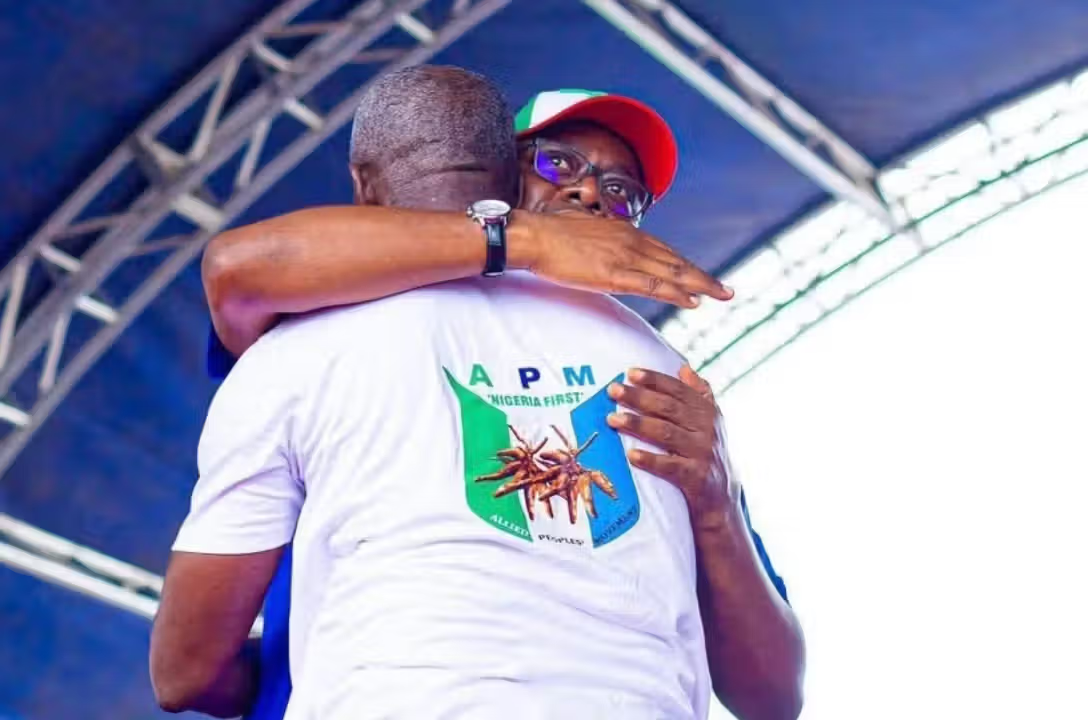
November 4, 2026The confusion within the ranks of the Allied Peoples Movement (APM) is becoming increasingly difficult to describe.
The political empire built by Governor Seyi Makinde on what critics describe as lies, betrayals, broken promises and greed appears to be crumbling by the day.
Indeed, Makinde and his APM loyalists are providing an endless source of amusement these days.
Virtually everyone who leaves the Makinde administration is suddenly dismissed as a “paperweight” by the party’s social media attack dogs.
I have often wondered whether these fellows are unaware of the wisdom behind the Yoruba belief that even cotton wool, when gathered in sufficient quantities, can become a load too heavy for one person to carry.
As the Yoruba proverb puts it: Eni ní òwú ò t’ẹrù; ìwọ̀nba tó fẹ́ fi tan iná ló mú.
You keep losing prominent politicians and influential party stakeholders, yet you dismiss them as political nonentities. But which heavyweight has the power to cast more than one vote for a preferred candidate?
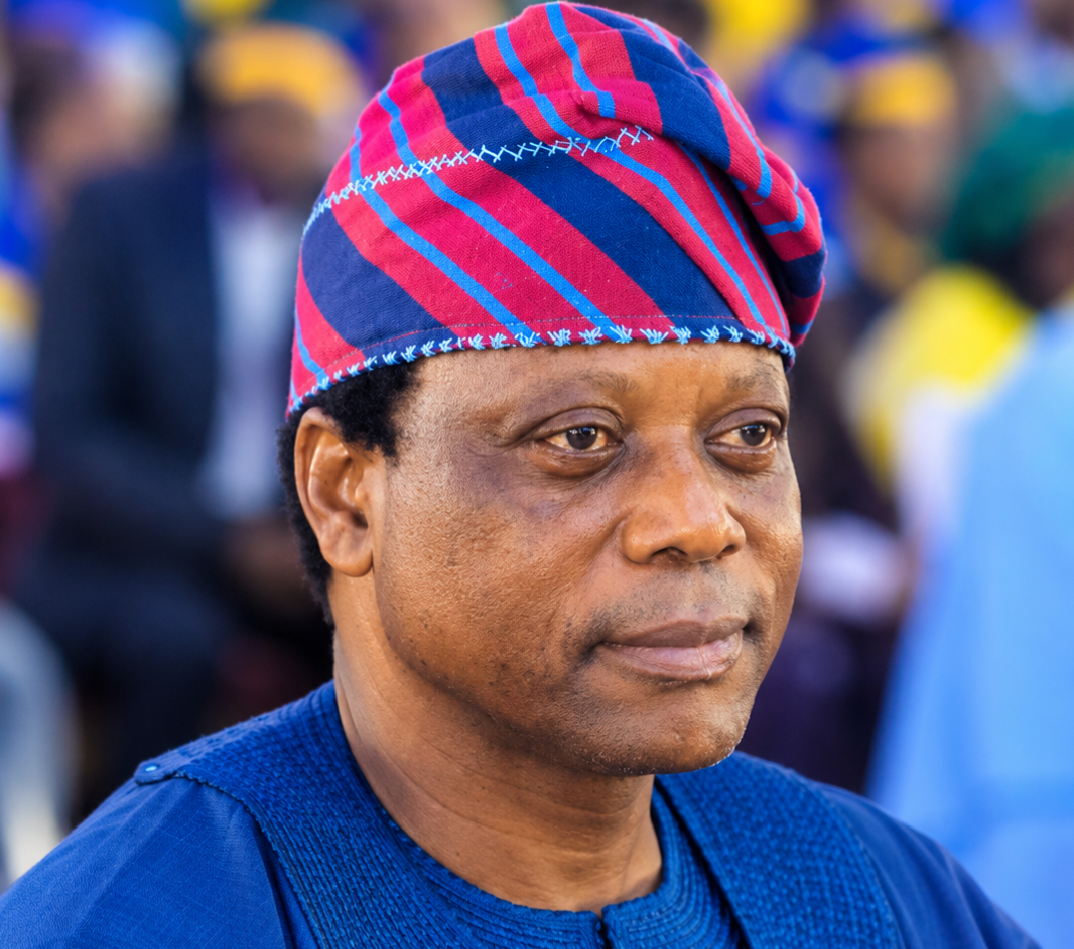
I am certain that even Bimbo Adekanmbi must be wondering how things deteriorated so badly for the APM.
Before his emergence as Governor Makinde’s anointed governorship candidate was made public, I granted an interview on a television station during which I openly predicted that Adekanmbi would get the governor’s endorsement and that his choice as successor would spell trouble for both men.
To one another, both men have become potential political albatrosses. Unfortunately, Governor Makinde’s ego appears to have blinded him to realities beyond his immediate political calculations.
I am particularly surprised that Adekanmbi failed to recognise that he was walking into a political trap by accepting Makinde’s endorsement.
Greed, indeed, can be a dangerous disease. In Adekanmbi’s position, no discerning politician would have ignored the number of political enemies Governor Makinde had accumulated during his seven years in office.
It follows, therefore, that Adekanmbi would inevitably inherit many of those political liabilities. Sadly, he either failed to appreciate the implications or simply chose to overlook the consequences.
By the time Governor Makinde, or perhaps Seye Famojuro, settled for Adekanmbi, the governor was already embroiled in disagreements with prominent political figures, including former Deputy National Chairman of the PDP, Ambassador Taofeek Oladejo Arapaja, Alhaji Bisi Olopoeyan and several first-class traditional rulers in Oyo State.
He had also fallen out with several influential political figures, including Senator Hosea Agboola, Alhaji Razak Gbadegesin, former Deputy Governor Barrister Gbolarunmi Hazeem, Chief Mrs Jumoke Akinjide, Hon. Mulikat Adeola Akande, former Deputy Governor Engr. Rauf Aderemi Olaniyan, Prince Diran Odeyemi, former Ekiti State Governor Ayodele Fayose, former Rivers State Governor Nyesom Wike and even President Bola Ahmed Tinubu.
Beyond these strained relationships, several stakeholders within the Makinde political camp were already uncomfortable with the process that produced Adekanmbi as the APM governorship candidate.
There were also contentious discussions about whether Governor Makinde should be succeeded by a Christian. Equally troubling to some stakeholders was the question of whether it made political sense for Makinde to present Adekanmbi as his preferred successor when both men hail from Ona-Ara Local Government Area.
At the time, agitations were mounting over Governor Makinde’s alleged failure to comply with the Supreme Court judgment granting financial autonomy to local governments.
Other contentious issues included the controversial Circular Road project, the sale of government assets and the proposed transfer of Oyo State farm settlements to estate developers.
The state’s debt profile, which has remained a subject of public concern and debate, was another issue that had yet to be satisfactorily addressed.
All these issues were already in the public domain before Adekanmbi accepted the offer to become Makinde’s anointed candidate.
One is therefore compelled to ask: what could have persuaded Adekanmbi to accept such a politically dangerous offer?
I can only think of one reason: greed.
When Governor Makinde claimed that he had advised Adekanmbi not to inherit his enemies, he was being economical with the truth.
The reality is that those political liabilities became Adekanmbi’s the moment he accepted Makinde’s endorsement.
The governor knows that he is carrying a political baggage that could weigh heavily on his preferred successor. Yet, he appears unwilling to be held accountable for the political consequences of his own administration.
Unfortunately for both men, even Adekanmbi’s campaign slogan tells a story of its own: “Omi Tuntun 3.0”.
How, then, does he intend to separate himself from the “Omi Tuntun” administration and the controversies surrounding it?
Governor Makinde has never hidden his discomfort with genuine local government autonomy. Adekanmbi, by his posture, appears prepared to sustain the same political template, which critics blame for weakening the 33 local government councils in the state.
On virtually every issue over which the people of Oyo State have expressed concern, Adekanmbi appears to be offering continuity rather than a departure from the policies of the present administration.
He has failed to condemn the controversy surrounding the proposed transfer of the Ogbomoso Farm Settlement to estate developers, despite protests by residents of the ancient town.
He has equally remained silent over the controversy surrounding the administration’s reported moves involving the Saki Farm Settlement.
He also appears untroubled by the reported transfer of the 4,000-hectare Eruwa Farm Settlement to investors, whose whereabouts and activities have, according to critics, remained unclear two years after the arrangement.
Indeed, Adekanmbi appears not to appreciate the extent of the challenges facing the state. For instance, Oyo State is said to be short of six general hospitals if the benchmark of one general hospital per local government area is adopted.
Yet, when Senator Sharafadeen Abiodun Alli promised in his manifesto to address this deficit, APM spokespersons reportedly went on the offensive, describing the manifesto as “lacking in originality”.
Governor Makinde has been in office for more than seven years. During this period, his administration has received ecological funds on several occasions.
The question, therefore, is simple: what has happened to those funds?
There are concerns over the utilisation and accountability of the ecological funds received by the state. The governor owes the people a clear explanation of how these resources have been deployed.
There are also questions surrounding the proposed upgrade of the Alakia Airport, a project for which Adekanmbi himself was appointed by Governor Makinde to head a committee.
I have been reliably informed that the contract sum for the airport upgrade was reportedly reviewed upwards from its original figure of over N50 billion to well above N150 billion.
I have raised this question before, but I am yet to hear Adekanmbi offer a convincing explanation or response to the allegation.
Similarly, Governor Makinde reportedly approved more than N60 billion for the renovation of the Government House, an expenditure that attracted public criticism.
As of today, the visible works include the construction of a hall, the painting of the Government House mosque and church, and the replacement of tiles in both places of worship.
I challenge Governor Makinde to tell the people of Oyo State how much of the more than N60 billion reportedly approved for the renovation has actually been released and expended.
Beyond that, the governor should invite members of the press to conduct an independent assessment of the work carried out so far. The people deserve transparency and accountability, not unanswered questions.
The state government’s performance in education is another area that demands urgent attention.
Oyo State’s performance in WAEC and NECO examinations has continued to attract concern, particularly when compared with the performance of other states, including neighbouring Osun, which has been celebrated for its fifth-place position in a recent examination ranking.
Senator Sharafadeen Abiodun Alli has argued that the state must return to an educational system that makes teaching and learning more conducive. One of his proposals is a 30-pupils-per-classroom policy.
But rather than engage constructively with the proposal, APM voices have dismissed its feasibility.
Adekanmbi, as the party’s governorship candidate, has also failed to offer a clear departure from the present arrangement, under which many public primary and secondary school classrooms remain severely overcrowded and unconducive to effective learning.
Oyo State cannot afford another administration that merely promises continuity without addressing the shortcomings of the present one.
The people deserve better, and they now have an alternative in Senator Sharafadeen Abiodun Alli.
Governor Makinde has eaten sour grapes. Unfortunately, Bimbo Adekanmbi appears destined to bear the consequences.
His teeth, indeed, must be set on edge.
Opinion
Makinde’s G-Wagon Gift to CCII PG A Disrespect to Olubadan, Alaafin and A Total Disregard for Yoruba Traditional Institutions
Published
2 days agoon
November 4, 2026The reported presentation of a brand-new Mercedes-Benz G-Wagon 500 by Governor Seyi Makinde to the President-General of the Central Council of Ibadan Indigenes (CCII), Barrister Sulaimon Ajeniyi Ajewole, as a birthday gift has exposed a disturbing development in the governor’s attitude towards Yoruba traditional institutions. Beyond the extravagance of the gesture, it raises fundamental questions about his priorities, sense of responsibility and regard for the revered royal institutions of Ibadan and Oyo.
What is Governor Makinde trying to achieve? A division and deep-seated animosity between Olubadan and the head of a socio-cultural organisation who is supposed to be at the forefront of protecting Olubadan stool from ridicule and disrespect?
There is absolutely nothing wrong with Governor Makinde appreciating an individual for his contributions to society. Barrister Ajewole may be entitled to personal goodwill and recognition from Makinde. However, the governor’s insensitive generosity becomes difficult to defend when juxtaposed with allegations that the Olubadan of Ibadanland, Oba Rashidi Adewolu Ladoja, and the Alaafin of Oyo, Oba Akeem Owoade, have been deprived of their official vehicles and statutory salaries since ascending their respective thrones.
More than a year after Oba Ladoja became the Olubadan and approaching two years since Oba Owoade ascended the Alaafin throne, the alleged failure of the Makinde administration to fulfil these obligations is an indictment of its priorities and its understanding of the dignity attached to traditional authority.
How does a governor find the resources, enthusiasm and political will to present a luxury G-Wagon 500 to the head of a socio-cultural organisation as a birthday gift, yet allegedly fail to discharge the statutory and institutional responsibilities owed to two of the most revered traditional rulers in Yorubaland? What is the justification for celebrating an individual with an expensive automobile while the occupants of ancient royal stools are reportedly left without official vehicles and their statutory entitlements?
This is not an argument against Barrister Ajewole receiving a gift. It is an indictment of a government whose generosity appears selective and whose priorities are increasingly difficult to reconcile with its public responsibilities.The Olubadan is not just another traditional ruler. He presides over Ibadanland, one of the most historically significant cities in Yorubaland and a cultural centre whose influence extends far beyond Oyo State. The Alaafin, on the other hand, occupies a throne whose historical significance is inseparable from the evolution of Yoruba civilisation. The Alaafin institution is not an ordinary palace establishment; it is a historic symbol of Yoruba political authority, heritage and identity.
These are institutions that existed long before Makinde became governor and will continue to exist long after he leaves office. Their dignity should not depend on the personal disposition, political calculations or convenience of whoever occupies Agodi Government House. Makinde must be reminded that statutory salaries are not birthday presents, and official vehicles provided under government policy are not acts of personal generosity. They are institutional obligations. A governor does not deserve applause for fulfilling obligations that the law or established government policy imposes on his administration.
Conversely, withholding or neglecting such obligations without important justification is a serious failure of responsibility. The troubling question is whether Makinde has reduced the relationship between government and traditional institutions to a transactional arrangement in which personal relationships and political convenience determine who receives recognition and who is left unattended. Does the governor believe that the President-General of CCII deserves a brand-new G-Wagon while the Olubadan and Alaafin can be left to contend with the indignity of allegedly outstanding official entitlements?
What exactly is Makinde’s understanding of respect for Yoruba traditional institutions? A governor who routinely invokes Yoruba identity, cultural heritage and indigenous values should be the first to defend the dignity of the institutions that embody those values. Unfortunately, Makinde’s administration is creating an embarrassing impression that the prestige of traditional institutions is secondary to his personal relationships and political preferences. Oh, does Makinde think CCII PG can marshall his influence to direct members of clubs, associations and unions affiliated to CCII to vote for Makinde’s stooge guber candidate?
Traditional rulers are not political ornaments to be celebrated when convenient and neglected when inconvenient. They are custodians of history, culture, customs and ancestral authority. Their institutions deserve institutional respect irrespective of political affiliations, personal disagreements or their perceived disposition towards the government. The G-Wagon presentation has therefore become more than a birthday gesture. It has exposed a disturbing moral contradiction.
If Makinde could demonstrate such remarkable generosity towards the CCII President-General, why has his administration allegedly failed to demonstrate comparable commitment to the institutional dignity of the Olubadan and Alaafin? Is the governor suggesting, by his actions, that an individual occupying the leadership of a socio-cultural organisation deserves more official consideration than the foremost royal institutions in his state?
The governor owes the people of Oyo State an explanation. He must publicly clarify whether the statutory salaries of the two monarchs have been paid since their ascension, whether official vehicles are provided for their offices under existing government policy, and why these alleged entitlements remain outstanding. If there are administrative or legal impediments, he should explain them rather than allow the controversy to fester.
It is particularly disgraceful that the dignity of two internationally recognised Yoruba royal institutions should become a subject of public controversy under a government that ought to be protecting their prestige. By allowing the situation to persist without a satisfactory explanation, Makinde has dragged the image of Yoruba traditional institutions into unnecessary embarrassment and diminished the respect that should ordinarily accompany their exalted positions.
The governor must understand that he is a temporary occupant of political office, whereas the Olubadan and the Alaafin represent enduring institutions of Yoruba civilisation. He cannot elevate himself above the historical significance of these thrones, nor should he behave as though their dignity is subject to his personal discretion. If the G-Wagon was purchased with Makinde’s personal resources, he is entitled to give it to whomever he pleases.
But personal generosity cannot excuse governmental irresponsibility. A governor who can celebrate an individual with a luxury automobile should have no justification for allegedly neglecting the statutory institutional entitlements of the Olubadan and the Alaafin. Yoruba traditional institutions are not personal appendages of the governor, and their dignity must never be held hostage to his whims, preferences or political calculations.
The Olubadan and the Alaafin deserve honour, not humiliation; institutional respect, not selective generosity. Makinde may be governor today, but he is certainly not greater than the institutions whose dignity he has a duty to protect.
Opinion
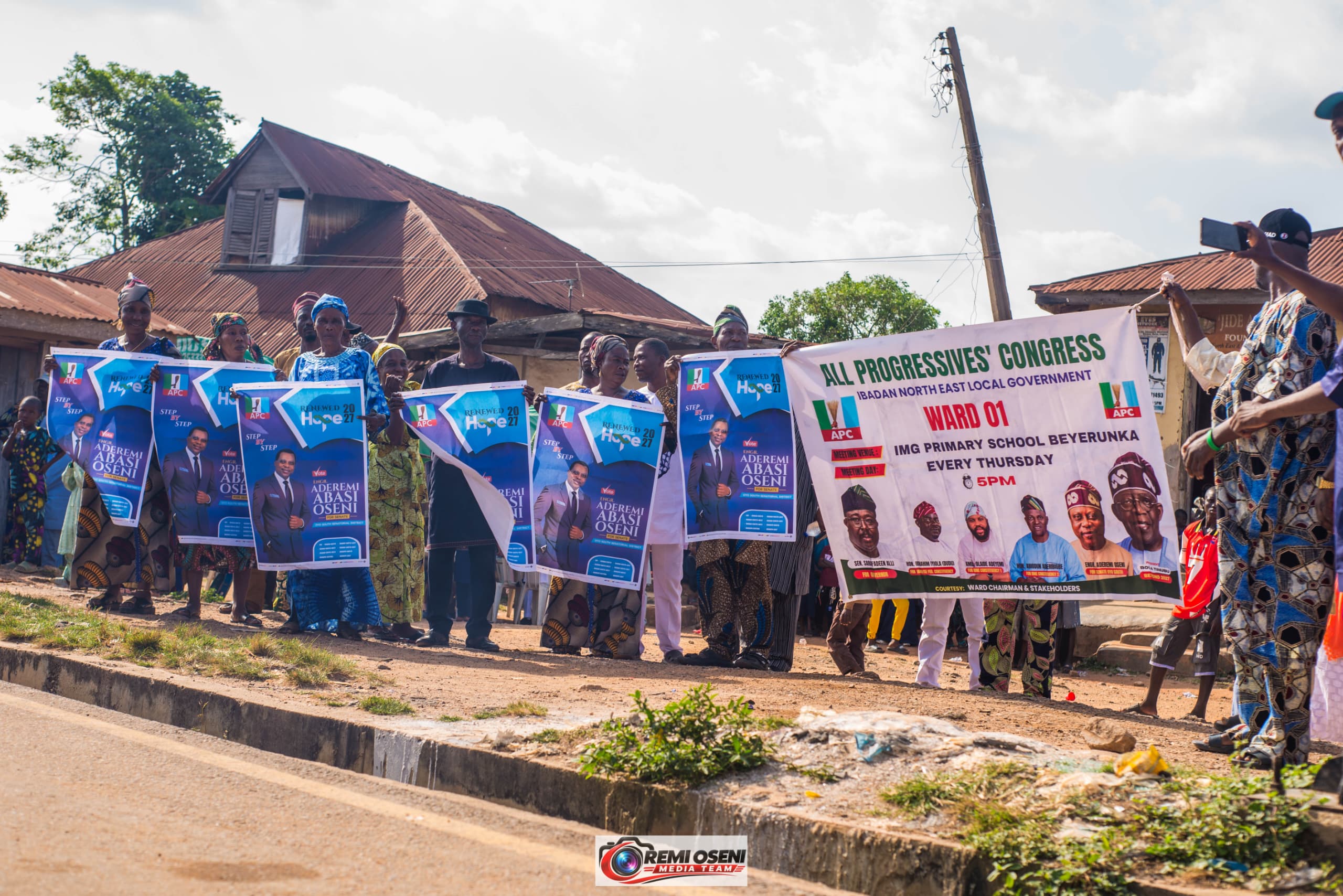
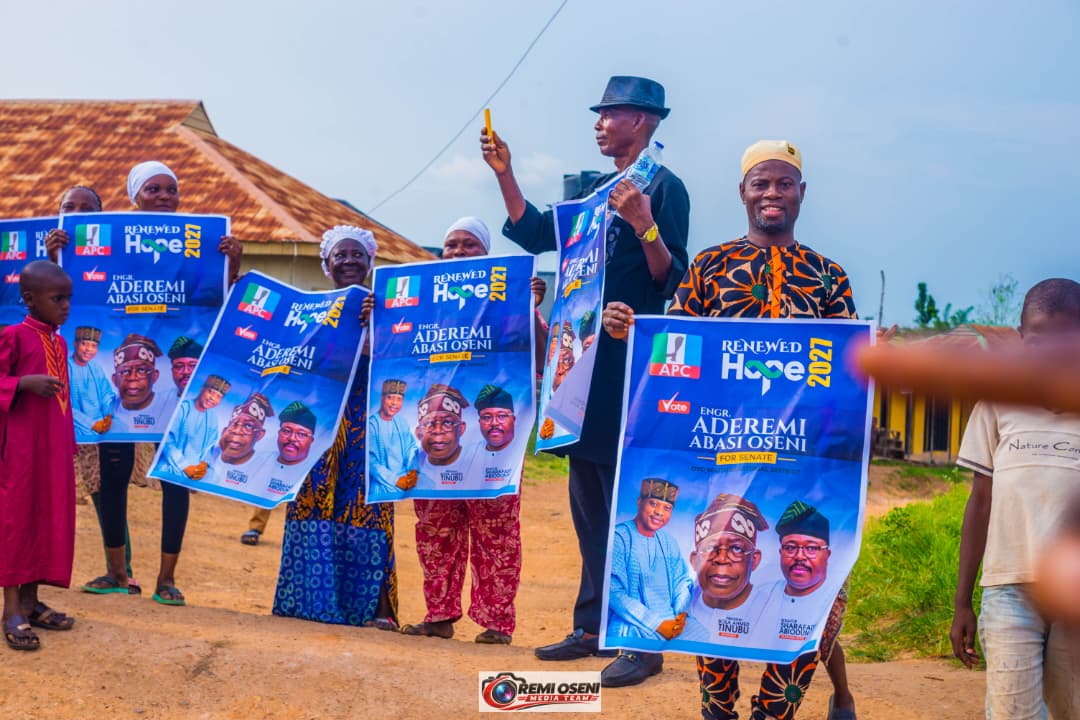
Winning Election Before the Ballot: How Oseni Is Silencing Opponents with 500KVA Transformers
Published
4 days agoon
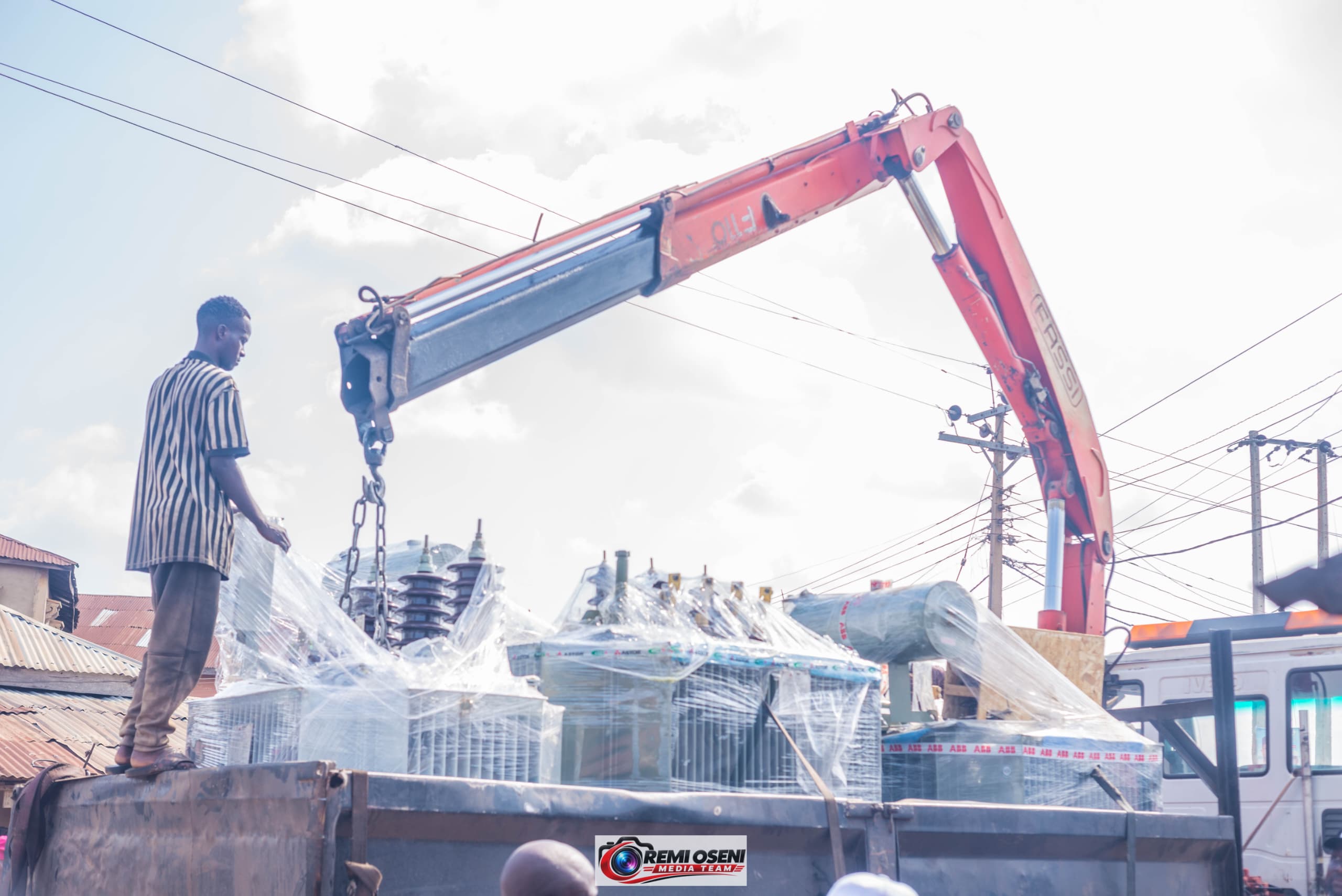
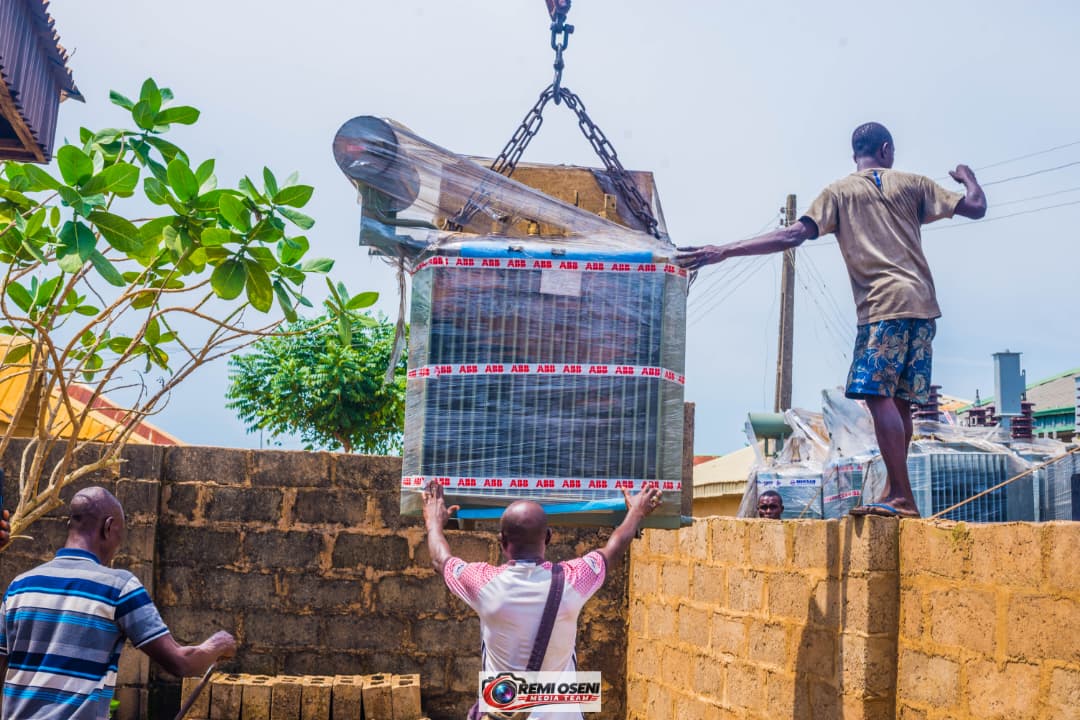
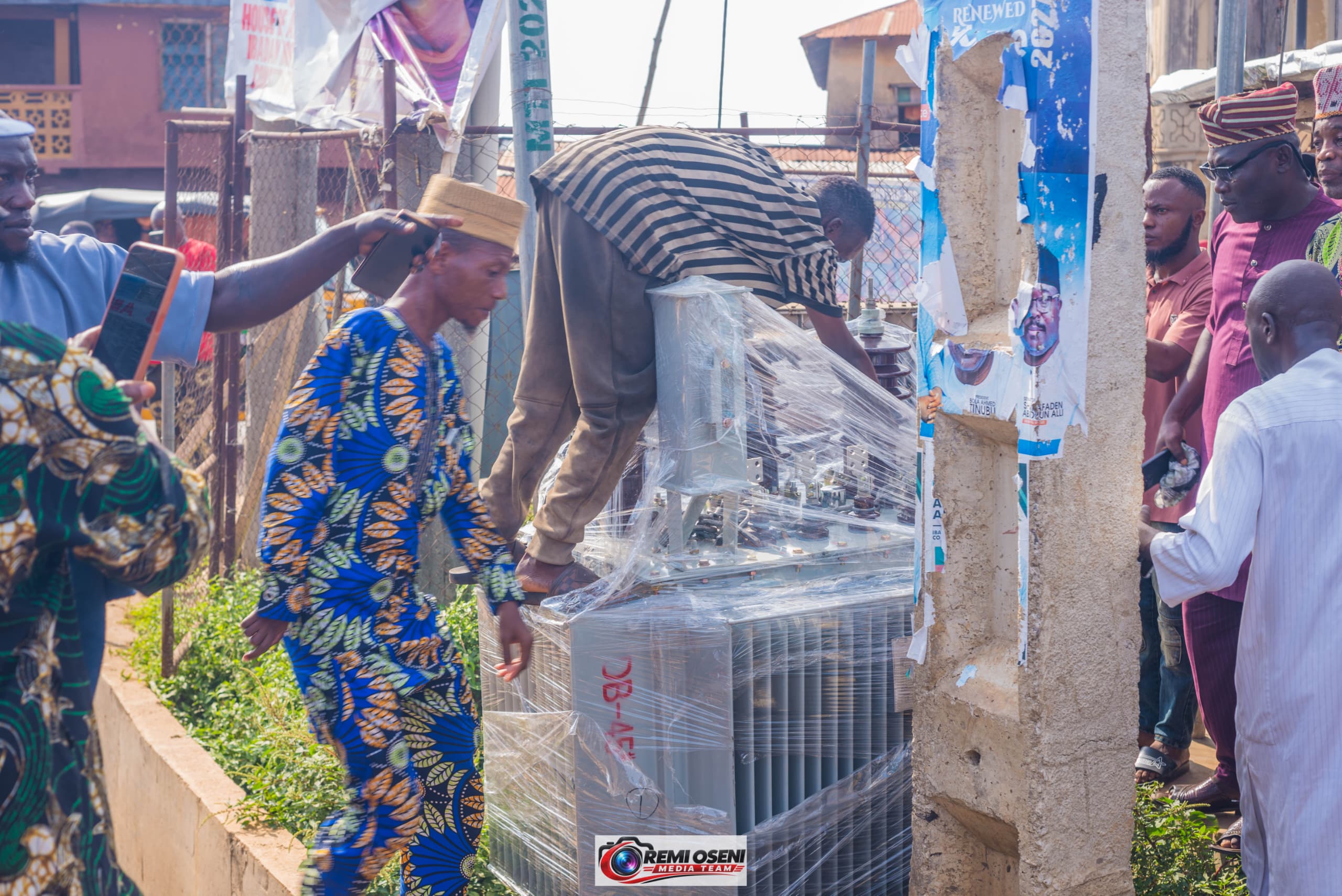
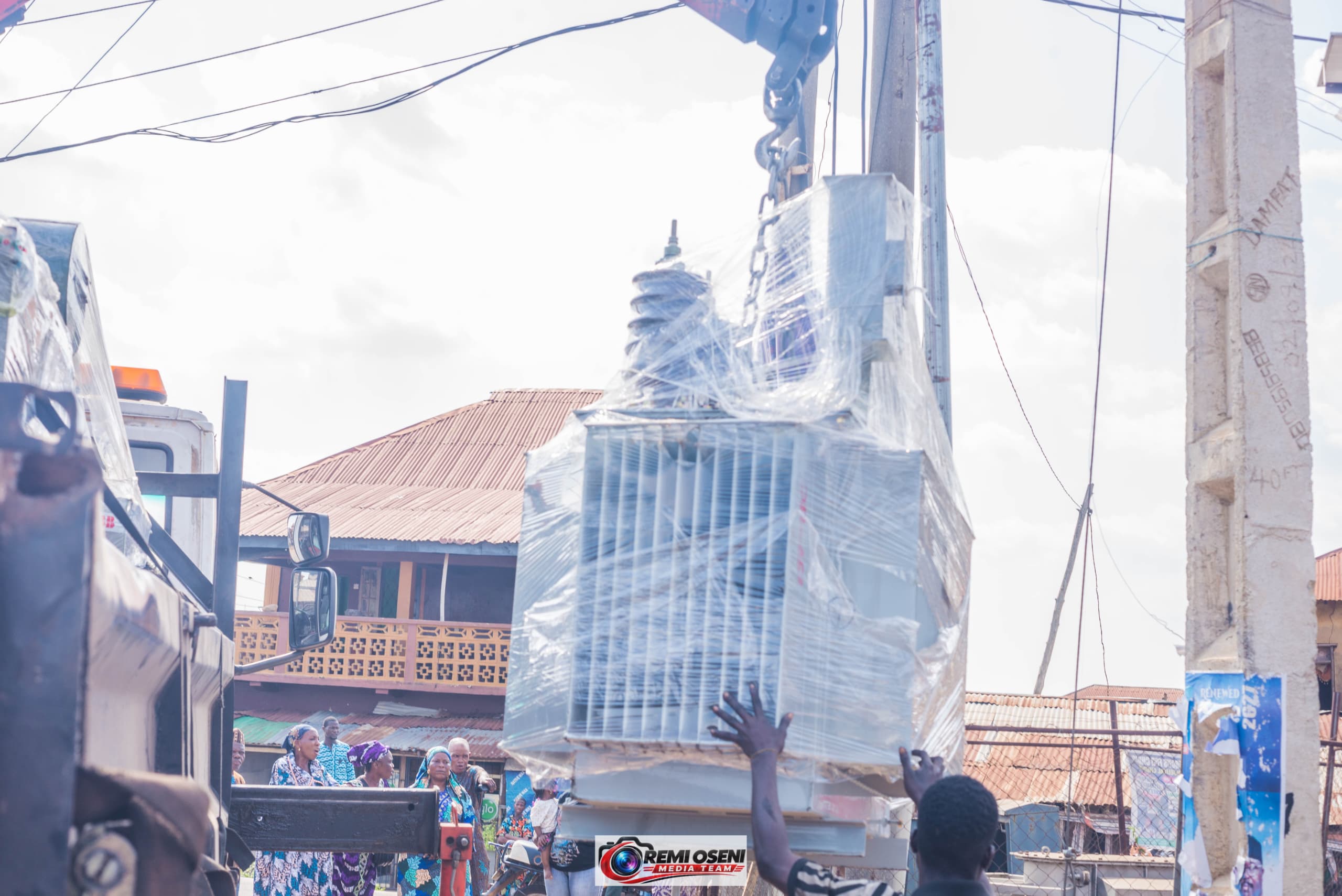
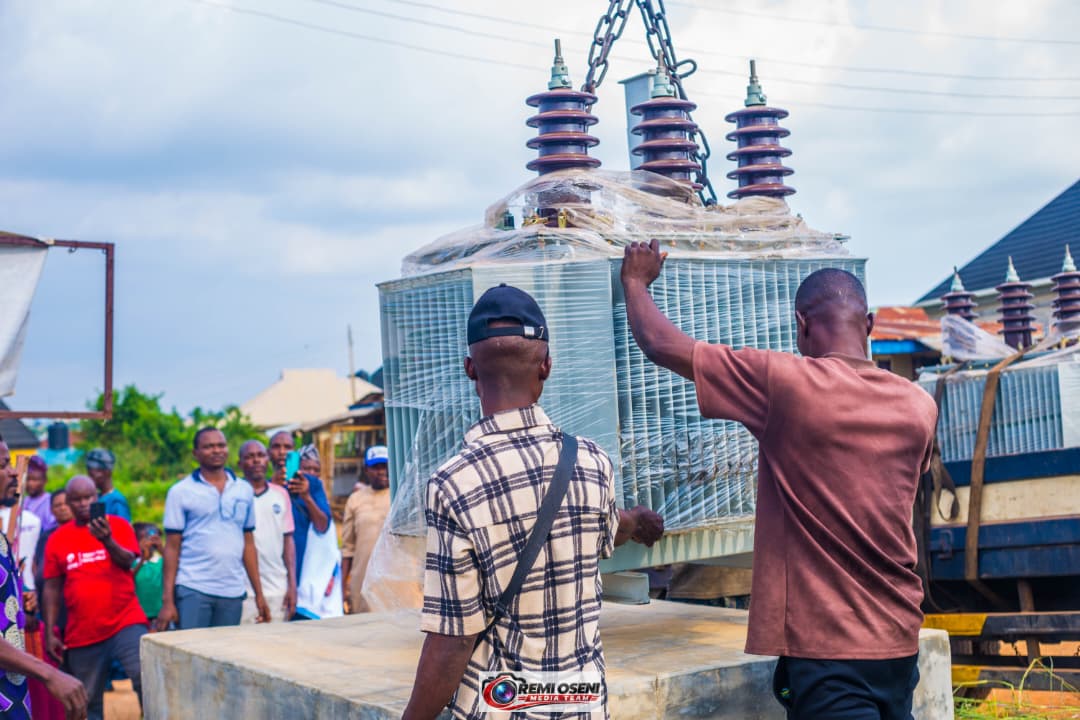
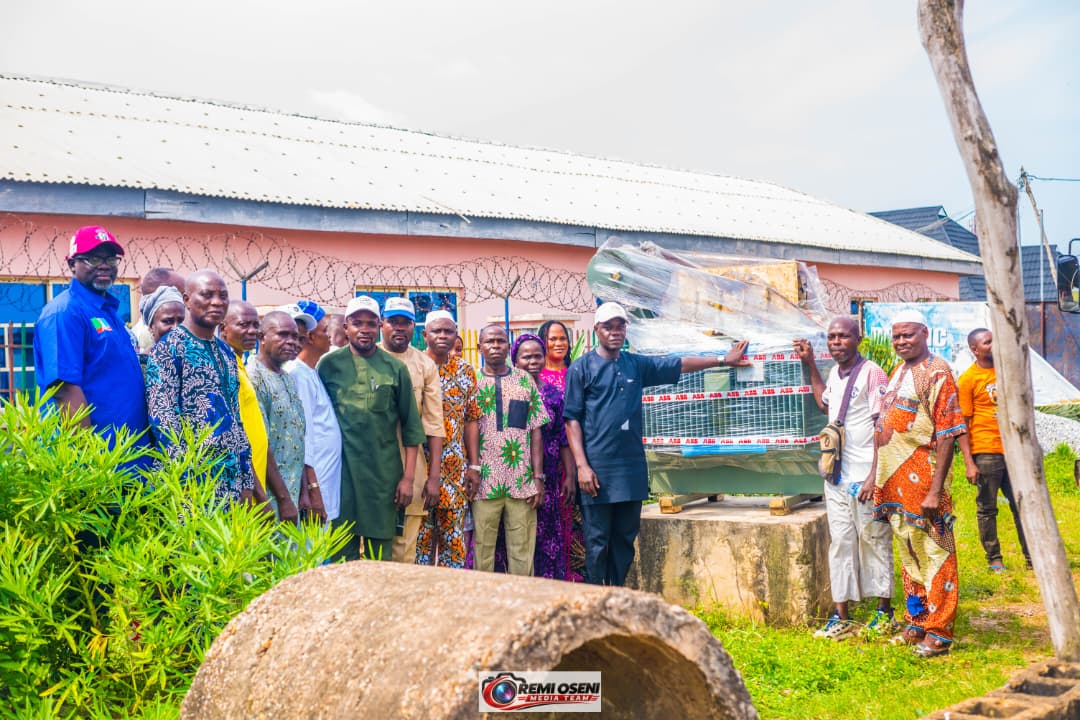
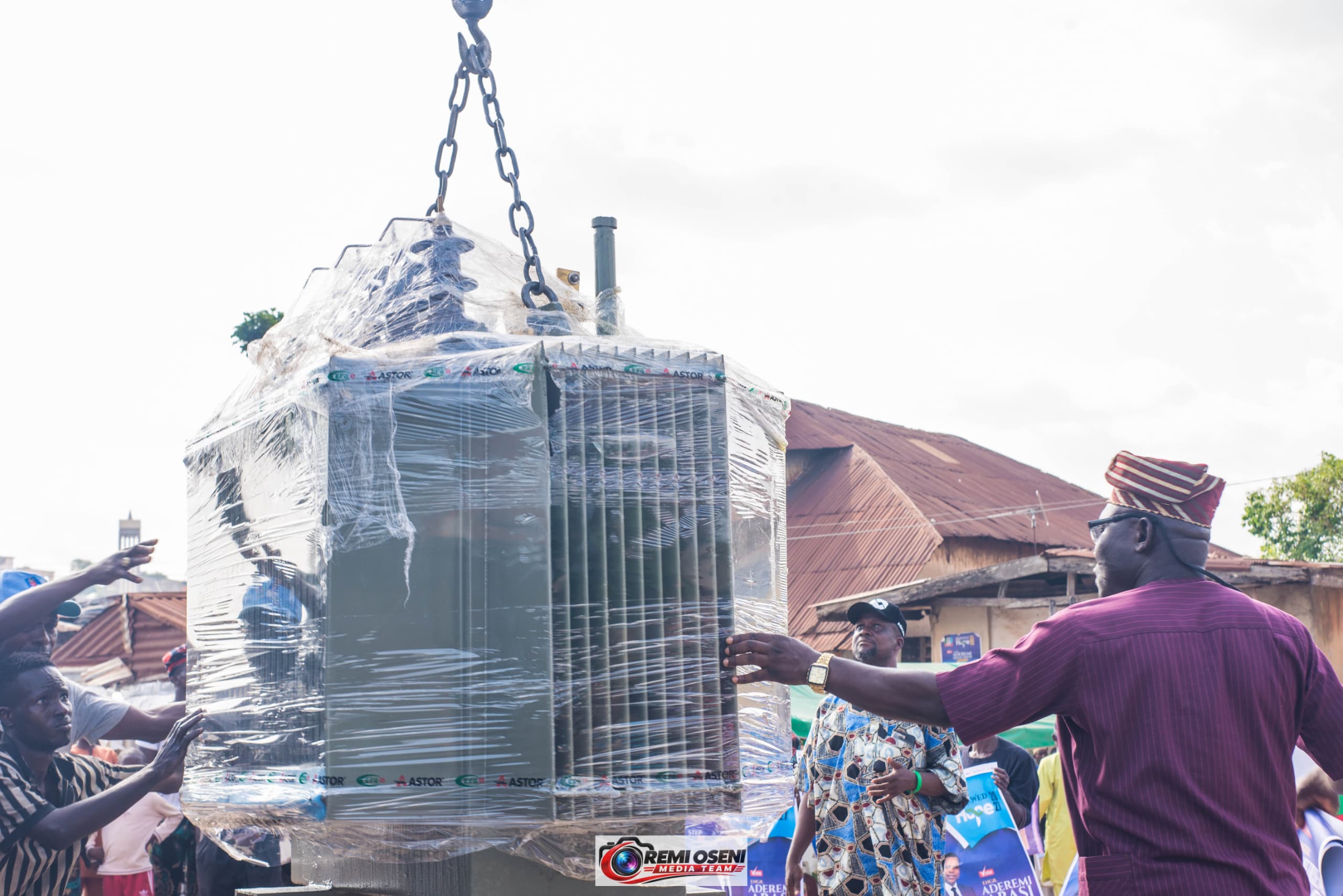
November 2, 2026In an era when many politicians are remembered more for promises than for performance, Hon. Engr. Aderemi Oseni stands out as a rare exception — a lawmaker whose impact is visible, measurable, and felt in the daily lives of his people. The latest testament to this people-centred leadership is the ongoing delivery of 20 additional 500KVA transformers for distribution to communities across Oyo South Senatorial District.
This is not just about electricity. It is about powering dreams, businesses, and hope.
Oseni, who currently represents Ibarapa East/Ido Federal Constituency in the House of Representatives and chairs the strategic House Committee on the Federal Roads Maintenance Agency (FERMA), is contesting for the Oyo South Senatorial seat under the All Progressives Congress (APC). His candidacy is already being defined not by noise, but by concrete results.
![]()
The new consignment of transformers is part of a sustained intervention to address the chronic electricity challenges confronting communities in the district.
For months, residents of Oyo South — traders in Beere, artisans in Ibarapa, welders in Ido, cold-room operators in Ibadan South-West, and students burning the midnight candle in Ibadan North-East — have groaned under the weight of an epileptic power supply. Transformers that have served for over two decades are either overloaded, vandalised, or completely grounded. In many communities, darkness has become a way of life, and with it, economic activities grind to a halt.
![]()
Hon. Oseni understands this pain. As an engineer by training and a grassroots politician by conviction, he knows that electricity is not a luxury; it is the oxygen of economic growth, community development, and improved living standards.
The 20 new 500KVA transformers are, therefore, a strategic economic intervention.
![]()
The greatest beneficiaries of this initiative are those in the informal sector — the backbone of Oyo South’s economy. For the woman frying akara in Oja Oba who needs power to grind beans early in the morning, for the barber in Apata who loses customers when there is no light to clip, for the fashion designer in Challenge whose electric sewing machine is idle, and for the young graduate running a computer business centre in Ibarapa — this intervention means everything.
![]()
![]()
When power returns, productivity returns. When productivity returns, poverty reduces.
It is instructive that one of the beneficiary communities is Ita Baale/Olugbode in Ibadan North-East Local Government — the home community of Governor Seyi Makinde. By extending his intervention even to areas traditionally seen as opposition strongholds, Hon. Oseni has demonstrated that good governance knows no political boundaries. Light has no party colour. Development should have no discrimination.
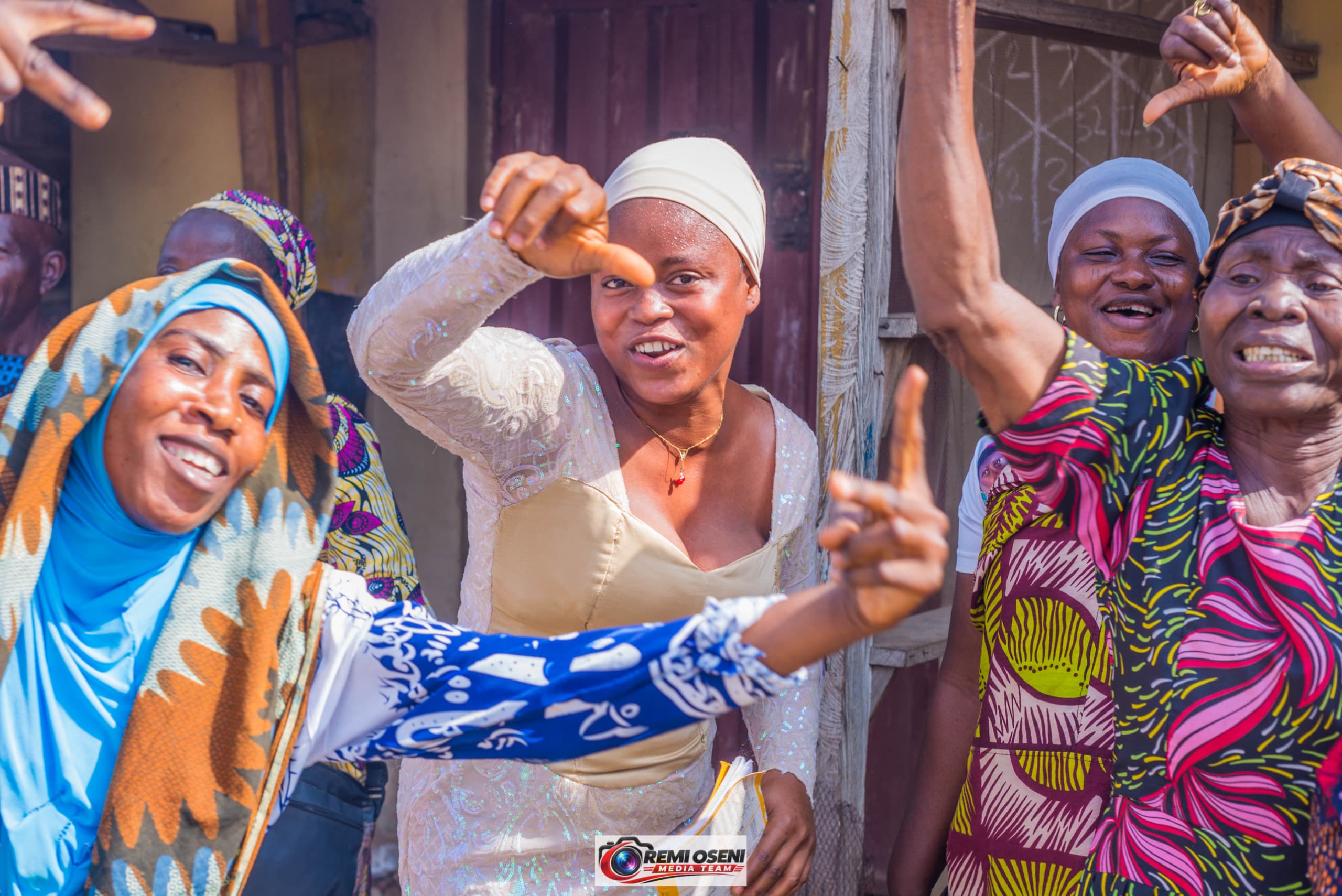
Many other communities across the nine local governments that make up Oyo South — Ibadan North, Ibadan North-East, Ibadan North-West, Ibadan South-East, Ibadan South-West, Ibarapa East, Ibarapa North, Ibarapa Central, and Ido — are already celebrating while waiting to take delivery of the transformers, with installation already ongoing in phases in some areas.
![]()
This transformer project is not an isolated act. It fits into a larger pattern of purposeful representation that has defined Hon. Oseni’s tenure in the Green Chamber.
As Chairman of the House Committee on FERMA, he has been pivotal in pushing for the rehabilitation of federal roads that crisscross Oyo South, easing the movement of farm produce from Ibarapa’s agrarian belt to Ibadan markets and reducing man-hours lost in traffic.
In Ibarapa East/Ido Federal Constituency, his current constituency, his footprints are everywhere: boreholes sunk in water-scarce communities, classroom blocks renovated, financial support for market women, scholarships for indigent students, and the facilitation of federal employment opportunities for youths.
![]()
![]()
Colleagues in the House of Representatives describe him as “The Star Boy of the National Assembly.” He sits quietly but effectively, a man who prefers to let his work speak. Constituents describe him as accessible — a lawmaker whose phone number still goes through and whose gate remains open.
![]()
Oyo South is the economic heartbeat of Oyo State. It houses Ibadan, the political capital of the South-West. It needs a Senator who understands both urban renewal and rural development; a Senator who can navigate Abuja’s power corridors to attract federal presence, yet remain rooted in the palaces, markets, and streets of Ibadan and Ibarapa.
Hon. Oseni brings a rare blend: engineering expertise, legislative experience, and grassroots empathy. His years in the House have equipped him with the legislative savvy to sponsor and support bills that will address the peculiar needs of Oyo South — from urban electricity to rural roads, from youth unemployment to agricultural modernisation.
At a time when Nigeria’s energy sector is undergoing reform, Oyo South needs a Senator who will not just complain about darkness, but who has already shown he can deliver transformers, facilitate connections, and engage distribution companies to do more.
![]()
In Nigerian politics, many come with manifestos, but few come with evidence. Hon. Oseni’s campaign for Oyo South Senatorial District is not built on empty slogans; it is built on transformers delivered, roads fixed, boreholes working, and lives touched.
The 20 new transformers are not campaign props. They are installations that will outlive this election cycle. They will power homes long after the ballots are counted. That is the hallmark of genuine service — to do what is needed, not just what is popular.
As the 2027 general elections approach, the people of Oyo South are faced with a clear choice: to continue with politics as usual, or to elevate a proven performer to the Senate to do even more.
![]()
If a House of Representatives member can light up communities with 20 transformers, imagine what he can do with the greater influence of a Senator of the Federal Republic.
Indeed, Hon. Oseni is not just contesting to be Senator; he is contesting to bring more light — literally and figuratively — to Oyo South.
Joseph Okwuofu worked with The Nation newspapers and is the CEO/Publisher of Naija Examiner online newspaper.
MEGAICON TV
Oyo APC Senate Candidate, Oseni, Gifts Cars to Party Leaders, Sarkin Hausawa {Photos}
OYO 2027: MAKINDE EATS SOUR GRAPES, ADEKANMBI’S TEETH MUST BE SET ON EDGE
Makinde’s failures haunt Adekanmbi as Alli unveils manifesto – SSACO
Trending
-
Politics3 weeks agoDIPHTHERIA OUTBREAK: ALLI QUERIES ₦9.9BN IMPACT FUNDS AS OYO LAGS IN CHILD VACCINATION
-
Politics4 weeks ago2027: Oseni condemns attack on campaign train, demands probe
-
Politics4 weeks agoOyo: Alli condemns attacks on wife, APC candidates, alleges APM involvement
-
Politics4 weeks ago2027: Ibarapa will deliver massive votes for APC, Ayandele tells Makinde’s commissioner