Connect with us

Opinion

OYO 2027: MAKINDE EATS SOUR GRAPES, ADEKANMBI’S TEETH MUST BE SET ON EDGE

Published

on

The confusion within the ranks of the Allied Peoples Movement (APM) is becoming increasingly difficult to describe.

The political empire built by Governor Seyi Makinde on what critics describe as lies, betrayals, broken promises and greed appears to be crumbling by the day.

Indeed, Makinde and his APM loyalists are providing an endless source of amusement these days.

Virtually everyone who leaves the Makinde administration is suddenly dismissed as a “paperweight” by the party’s social media attack dogs.

I have often wondered whether these fellows are unaware of the wisdom behind the Yoruba belief that even cotton wool, when gathered in sufficient quantities, can become a load too heavy for one person to carry.

As the Yoruba proverb puts it: Eni ní òwú ò t’ẹrù; ìwọ̀nba tó fẹ́ fi tan iná ló mú.

You keep losing prominent politicians and influential party stakeholders, yet you dismiss them as political nonentities. But which heavyweight has the power to cast more than one vote for a preferred candidate?

I am certain that even Bimbo Adekanmbi must be wondering how things deteriorated so badly for the APM.

Before his emergence as Governor Makinde’s anointed governorship candidate was made public, I granted an interview on a television station during which I openly predicted that Adekanmbi would get the governor’s endorsement and that his choice as successor would spell trouble for both men.

To one another, both men have become potential political albatrosses. Unfortunately, Governor Makinde’s ego appears to have blinded him to realities beyond his immediate political calculations.

I am particularly surprised that Adekanmbi failed to recognise that he was walking into a political trap by accepting Makinde’s endorsement.

Greed, indeed, can be a dangerous disease. In Adekanmbi’s position, no discerning politician would have ignored the number of political enemies Governor Makinde had accumulated during his seven years in office.

It follows, therefore, that Adekanmbi would inevitably inherit many of those political liabilities. Sadly, he either failed to appreciate the implications or simply chose to overlook the consequences.

By the time Governor Makinde, or perhaps Seye Famojuro, settled for Adekanmbi, the governor was already embroiled in disagreements with prominent political figures, including former Deputy National Chairman of the PDP, Ambassador Taofeek Oladejo Arapaja, Alhaji Bisi Olopoeyan and several first-class traditional rulers in Oyo State.

He had also fallen out with several influential political figures, including Senator Hosea Agboola, Alhaji Razak Gbadegesin, former Deputy Governor Barrister Gbolarunmi Hazeem, Chief Mrs Jumoke Akinjide, Hon. Mulikat Adeola Akande, former Deputy Governor Engr. Rauf Aderemi Olaniyan, Prince Diran Odeyemi, former Ekiti State Governor Ayodele Fayose, former Rivers State Governor Nyesom Wike and even President Bola Ahmed Tinubu.

Beyond these strained relationships, several stakeholders within the Makinde political camp were already uncomfortable with the process that produced Adekanmbi as the APM governorship candidate.

There were also contentious discussions about whether Governor Makinde should be succeeded by a Christian. Equally troubling to some stakeholders was the question of whether it made political sense for Makinde to present Adekanmbi as his preferred successor when both men hail from Ona-Ara Local Government Area.

At the time, agitations were mounting over Governor Makinde’s alleged failure to comply with the Supreme Court judgment granting financial autonomy to local governments.

Other contentious issues included the controversial Circular Road project, the sale of government assets and the proposed transfer of Oyo State farm settlements to estate developers.

The state’s debt profile, which has remained a subject of public concern and debate, was another issue that had yet to be satisfactorily addressed.

All these issues were already in the public domain before Adekanmbi accepted the offer to become Makinde’s anointed candidate.

One is therefore compelled to ask: what could have persuaded Adekanmbi to accept such a politically dangerous offer?

I can only think of one reason: greed.

When Governor Makinde claimed that he had advised Adekanmbi not to inherit his enemies, he was being economical with the truth.

The reality is that those political liabilities became Adekanmbi’s the moment he accepted Makinde’s endorsement.

The governor knows that he is carrying a political baggage that could weigh heavily on his preferred successor. Yet, he appears unwilling to be held accountable for the political consequences of his own administration.

Unfortunately for both men, even Adekanmbi’s campaign slogan tells a story of its own: “Omi Tuntun 3.0”.

How, then, does he intend to separate himself from the “Omi Tuntun” administration and the controversies surrounding it?

Governor Makinde has never hidden his discomfort with genuine local government autonomy. Adekanmbi, by his posture, appears prepared to sustain the same political template, which critics blame for weakening the 33 local government councils in the state.

On virtually every issue over which the people of Oyo State have expressed concern, Adekanmbi appears to be offering continuity rather than a departure from the policies of the present administration.

He has failed to condemn the controversy surrounding the proposed transfer of the Ogbomoso Farm Settlement to estate developers, despite protests by residents of the ancient town.

He has equally remained silent over the controversy surrounding the administration’s reported moves involving the Saki Farm Settlement.

He also appears untroubled by the reported transfer of the 4,000-hectare Eruwa Farm Settlement to investors, whose whereabouts and activities have, according to critics, remained unclear two years after the arrangement.

Indeed, Adekanmbi appears not to appreciate the extent of the challenges facing the state. For instance, Oyo State is said to be short of six general hospitals if the benchmark of one general hospital per local government area is adopted.

Yet, when Senator Sharafadeen Abiodun Alli promised in his manifesto to address this deficit, APM spokespersons reportedly went on the offensive, describing the manifesto as “lacking in originality”.

Governor Makinde has been in office for more than seven years. During this period, his administration has received ecological funds on several occasions.

The question, therefore, is simple: what has happened to those funds?

There are concerns over the utilisation and accountability of the ecological funds received by the state. The governor owes the people a clear explanation of how these resources have been deployed.

There are also questions surrounding the proposed upgrade of the Alakia Airport, a project for which Adekanmbi himself was appointed by Governor Makinde to head a committee.

I have been reliably informed that the contract sum for the airport upgrade was reportedly reviewed upwards from its original figure of over N50 billion to well above N150 billion.

I have raised this question before, but I am yet to hear Adekanmbi offer a convincing explanation or response to the allegation.

Similarly, Governor Makinde reportedly approved more than N60 billion for the renovation of the Government House, an expenditure that attracted public criticism.

As of today, the visible works include the construction of a hall, the painting of the Government House mosque and church, and the replacement of tiles in both places of worship.

I challenge Governor Makinde to tell the people of Oyo State how much of the more than N60 billion reportedly approved for the renovation has actually been released and expended.

Beyond that, the governor should invite members of the press to conduct an independent assessment of the work carried out so far. The people deserve transparency and accountability, not unanswered questions.

The state government’s performance in education is another area that demands urgent attention.

Oyo State’s performance in WAEC and NECO examinations has continued to attract concern, particularly when compared with the performance of other states, including neighbouring Osun, which has been celebrated for its fifth-place position in a recent examination ranking.

Senator Sharafadeen Abiodun Alli has argued that the state must return to an educational system that makes teaching and learning more conducive. One of his proposals is a 30-pupils-per-classroom policy.

But rather than engage constructively with the proposal, APM voices have dismissed its feasibility.

Adekanmbi, as the party’s governorship candidate, has also failed to offer a clear departure from the present arrangement, under which many public primary and secondary school classrooms remain severely overcrowded and unconducive to effective learning.

Oyo State cannot afford another administration that merely promises continuity without addressing the shortcomings of the present one.

The people deserve better, and they now have an alternative in Senator Sharafadeen Abiodun Alli.

Governor Makinde has eaten sour grapes. Unfortunately, Bimbo Adekanmbi appears destined to bear the consequences.

His teeth, indeed, must be set on edge.

Comments

Opinion

Makinde’s G-Wagon Gift to CCII PG A Disrespect to Olubadan, Alaafin and A Total Disregard for Yoruba Traditional Institutions

Published

on

The reported presentation of a brand-new Mercedes-Benz G-Wagon 500 by Governor Seyi Makinde to the President-General of the Central Council of Ibadan Indigenes (CCII), Barrister Sulaimon Ajeniyi Ajewole, as a birthday gift has exposed a disturbing development in the governor’s attitude towards Yoruba traditional institutions. Beyond the extravagance of the gesture, it raises fundamental questions about his priorities, sense of responsibility and regard for the revered royal institutions of Ibadan and Oyo.

What is Governor Makinde trying to achieve? A division and deep-seated animosity between Olubadan and the head of a socio-cultural organisation who is supposed to be at the forefront of protecting Olubadan stool from ridicule and disrespect?

There is absolutely nothing wrong with Governor Makinde appreciating an individual for his contributions to society. Barrister Ajewole may be entitled to personal goodwill and recognition from Makinde. However, the governor’s insensitive generosity becomes difficult to defend when juxtaposed with allegations that the Olubadan of Ibadanland, Oba Rashidi Adewolu Ladoja, and the Alaafin of Oyo, Oba Akeem Owoade, have been deprived of their official vehicles and statutory salaries since ascending their respective thrones.

More than a year after Oba Ladoja became the Olubadan and approaching two years since Oba Owoade ascended the Alaafin throne, the alleged failure of the Makinde administration to fulfil these obligations is an indictment of its priorities and its understanding of the dignity attached to traditional authority.

How does a governor find the resources, enthusiasm and political will to present a luxury G-Wagon 500 to the head of a socio-cultural organisation as a birthday gift, yet allegedly fail to discharge the statutory and institutional responsibilities owed to two of the most revered traditional rulers in Yorubaland? What is the justification for celebrating an individual with an expensive automobile while the occupants of ancient royal stools are reportedly left without official vehicles and their statutory entitlements?

This is not an argument against Barrister Ajewole receiving a gift. It is an indictment of a government whose generosity appears selective and whose priorities are increasingly difficult to reconcile with its public responsibilities.The Olubadan is not just another traditional ruler. He presides over Ibadanland, one of the most historically significant cities in Yorubaland and a cultural centre whose influence extends far beyond Oyo State. The Alaafin, on the other hand, occupies a throne whose historical significance is inseparable from the evolution of Yoruba civilisation. The Alaafin institution is not an ordinary palace establishment; it is a historic symbol of Yoruba political authority, heritage and identity.

These are institutions that existed long before Makinde became governor and will continue to exist long after he leaves office. Their dignity should not depend on the personal disposition, political calculations or convenience of whoever occupies Agodi Government House. Makinde must be reminded that statutory salaries are not birthday presents, and official vehicles provided under government policy are not acts of personal generosity. They are institutional obligations. A governor does not deserve applause for fulfilling obligations that the law or established government policy imposes on his administration.

Conversely, withholding or neglecting such obligations without important justification is a serious failure of responsibility. The troubling question is whether Makinde has reduced the relationship between government and traditional institutions to a transactional arrangement in which personal relationships and political convenience determine who receives recognition and who is left unattended. Does the governor believe that the President-General of CCII deserves a brand-new G-Wagon while the Olubadan and Alaafin can be left to contend with the indignity of allegedly outstanding official entitlements?

What exactly is Makinde’s understanding of respect for Yoruba traditional institutions? A governor who routinely invokes Yoruba identity, cultural heritage and indigenous values should be the first to defend the dignity of the institutions that embody those values. Unfortunately, Makinde’s administration is creating an embarrassing impression that the prestige of traditional institutions is secondary to his personal relationships and political preferences. Oh, does Makinde think CCII PG can marshall his influence to direct members of clubs, associations and unions affiliated to CCII to vote for Makinde’s stooge guber candidate?

Traditional rulers are not political ornaments to be celebrated when convenient and neglected when inconvenient. They are custodians of history, culture, customs and ancestral authority. Their institutions deserve institutional respect irrespective of political affiliations, personal disagreements or their perceived disposition towards the government. The G-Wagon presentation has therefore become more than a birthday gesture. It has exposed a disturbing moral contradiction.

If Makinde could demonstrate such remarkable generosity towards the CCII President-General, why has his administration allegedly failed to demonstrate comparable commitment to the institutional dignity of the Olubadan and Alaafin? Is the governor suggesting, by his actions, that an individual occupying the leadership of a socio-cultural organisation deserves more official consideration than the foremost royal institutions in his state?

The governor owes the people of Oyo State an explanation. He must publicly clarify whether the statutory salaries of the two monarchs have been paid since their ascension, whether official vehicles are provided for their offices under existing government policy, and why these alleged entitlements remain outstanding. If there are administrative or legal impediments, he should explain them rather than allow the controversy to fester.

It is particularly disgraceful that the dignity of two internationally recognised Yoruba royal institutions should become a subject of public controversy under a government that ought to be protecting their prestige. By allowing the situation to persist without a satisfactory explanation, Makinde has dragged the image of Yoruba traditional institutions into unnecessary embarrassment and diminished the respect that should ordinarily accompany their exalted positions.

The governor must understand that he is a temporary occupant of political office, whereas the Olubadan and the Alaafin represent enduring institutions of Yoruba civilisation. He cannot elevate himself above the historical significance of these thrones, nor should he behave as though their dignity is subject to his personal discretion. If the G-Wagon was purchased with Makinde’s personal resources, he is entitled to give it to whomever he pleases.

But personal generosity cannot excuse governmental irresponsibility. A governor who can celebrate an individual with a luxury automobile should have no justification for allegedly neglecting the statutory institutional entitlements of the Olubadan and the Alaafin. Yoruba traditional institutions are not personal appendages of the governor, and their dignity must never be held hostage to his whims, preferences or political calculations.

The Olubadan and the Alaafin deserve honour, not humiliation; institutional respect, not selective generosity. Makinde may be governor today, but he is certainly not greater than the institutions whose dignity he has a duty to protect.

Continue Reading

Opinion

Winning Election Before the Ballot: How Oseni Is Silencing Opponents with 500KVA Transformers
Published

on

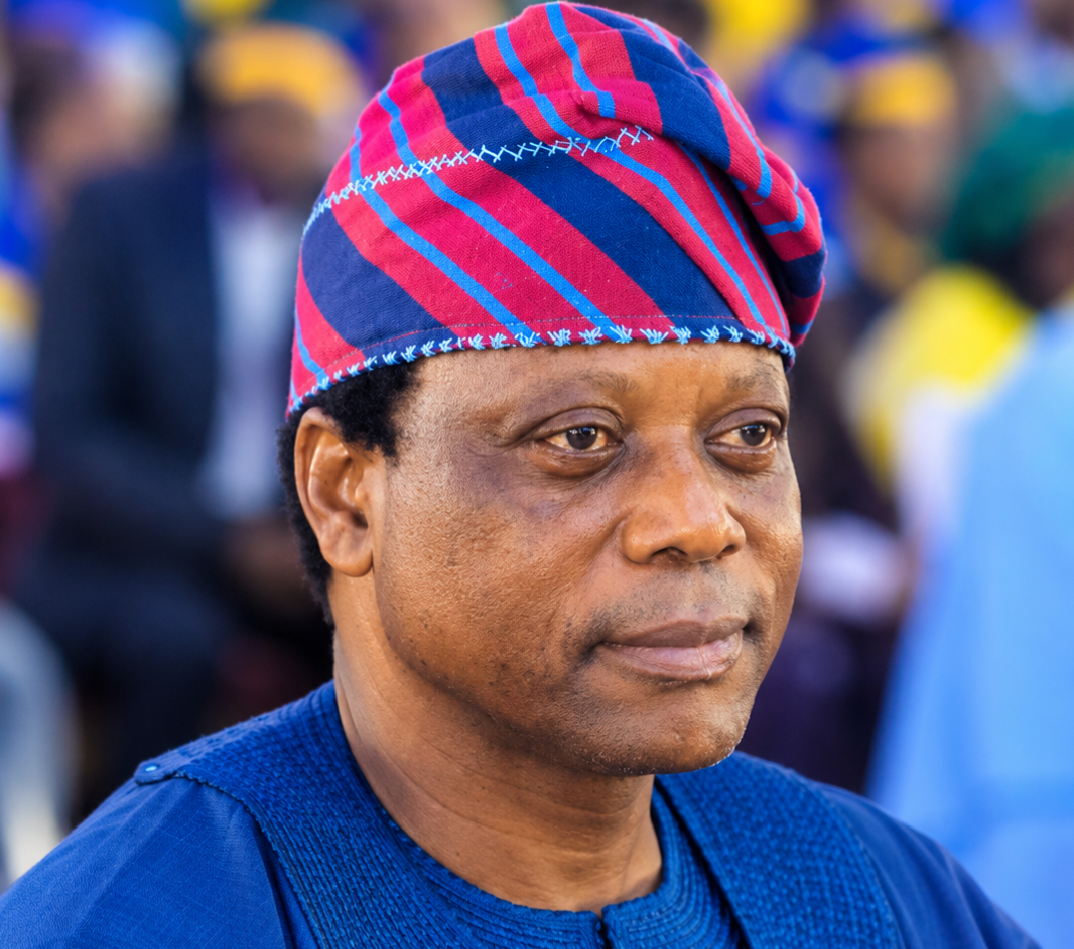
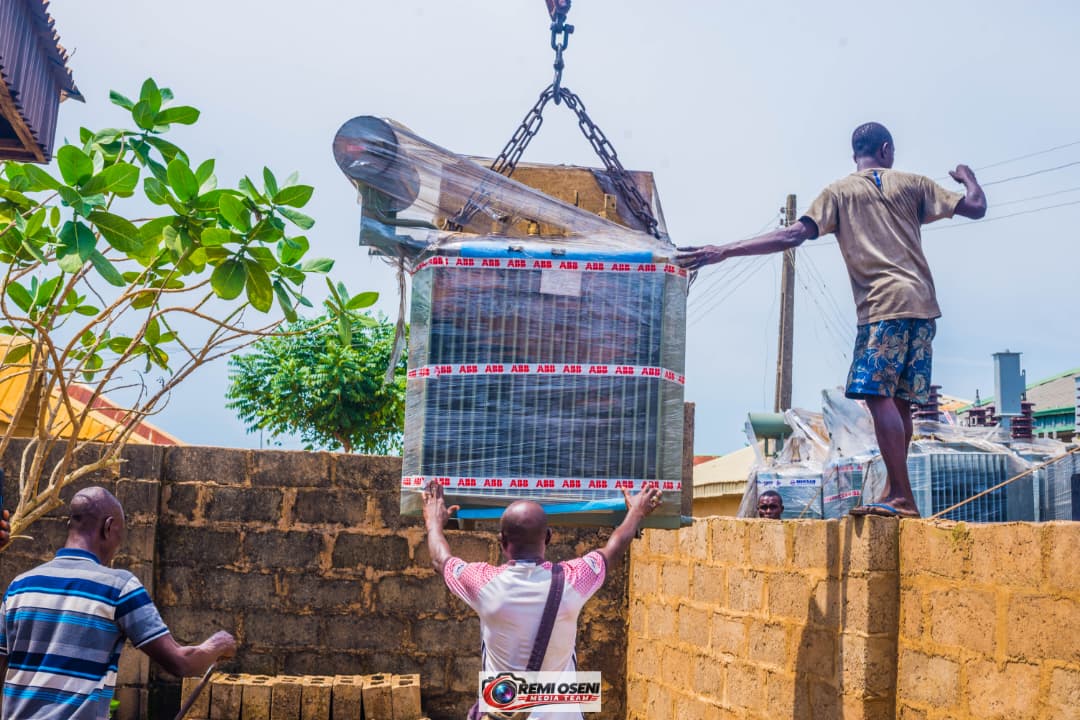
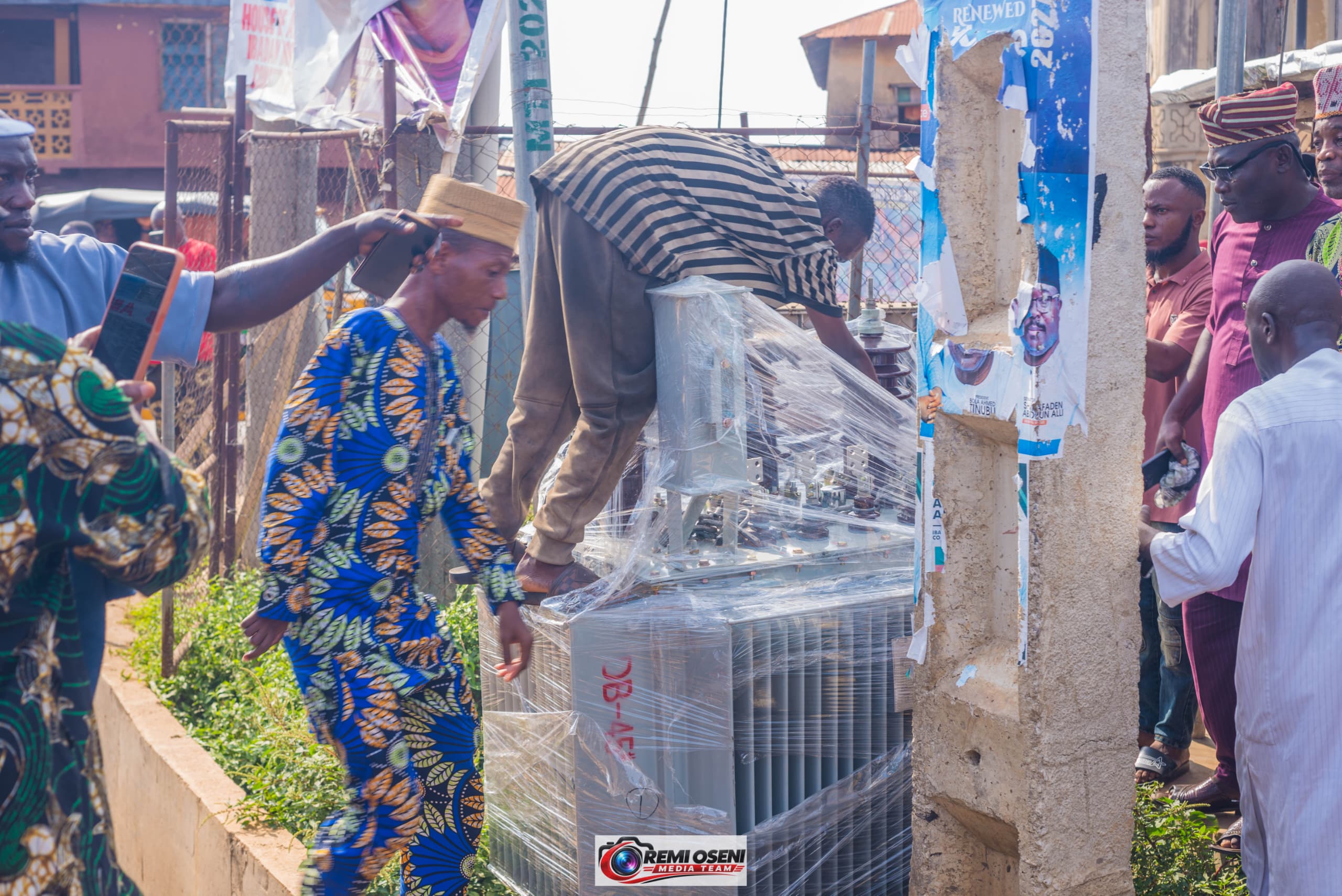
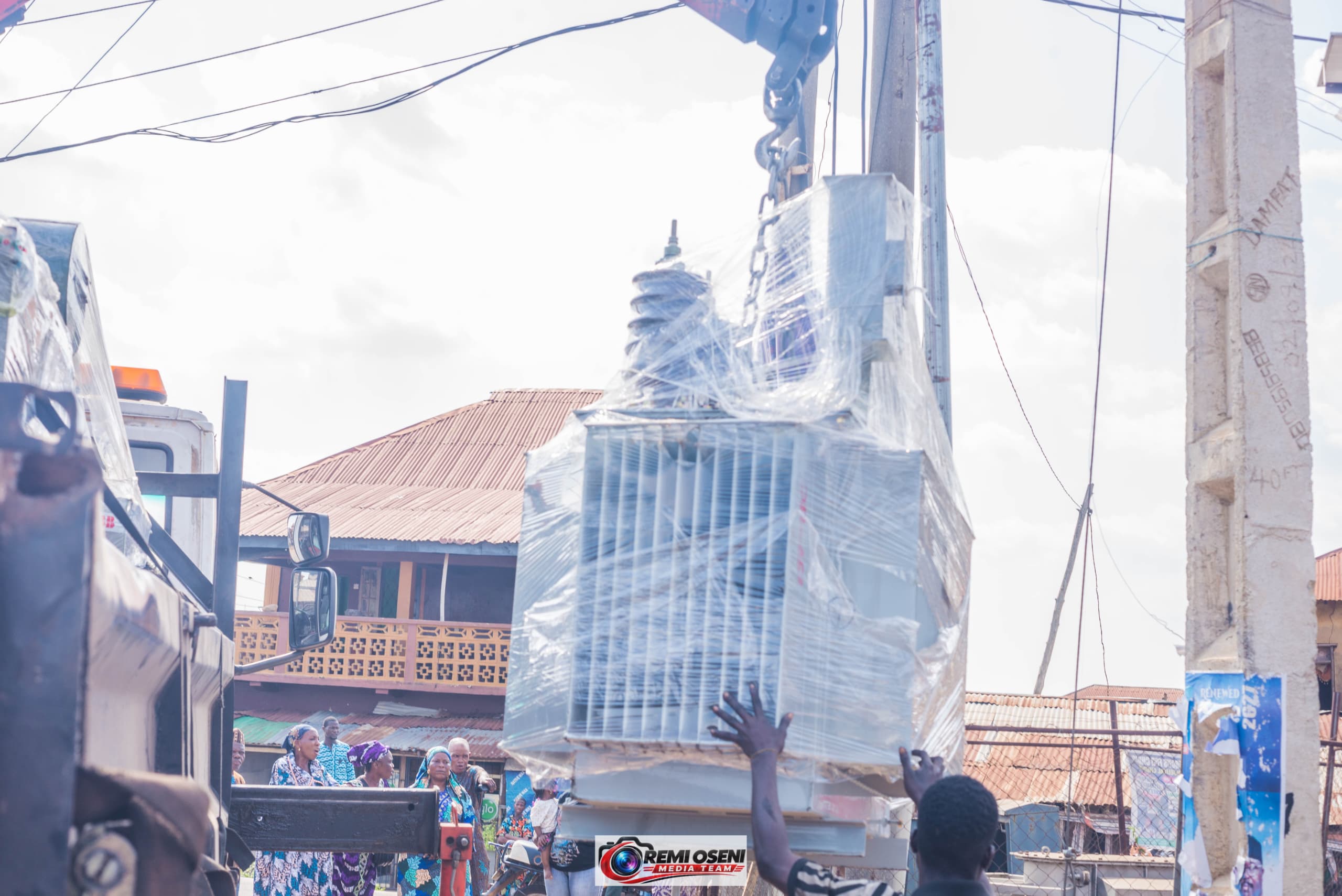
In an era when many politicians are remembered more for promises than for performance, Hon. Engr. Aderemi Oseni stands out as a rare exception — a lawmaker whose impact is visible, measurable, and felt in the daily lives of his people. The latest testament to this people-centred leadership is the ongoing delivery of 20 additional 500KVA transformers for distribution to communities across Oyo South Senatorial District.

This is not just about electricity. It is about powering dreams, businesses, and hope.

Oseni, who currently represents Ibarapa East/Ido Federal Constituency in the House of Representatives and chairs the strategic House Committee on the Federal Roads Maintenance Agency (FERMA), is contesting for the Oyo South Senatorial seat under the All Progressives Congress (APC). His candidacy is already being defined not by noise, but by concrete results.
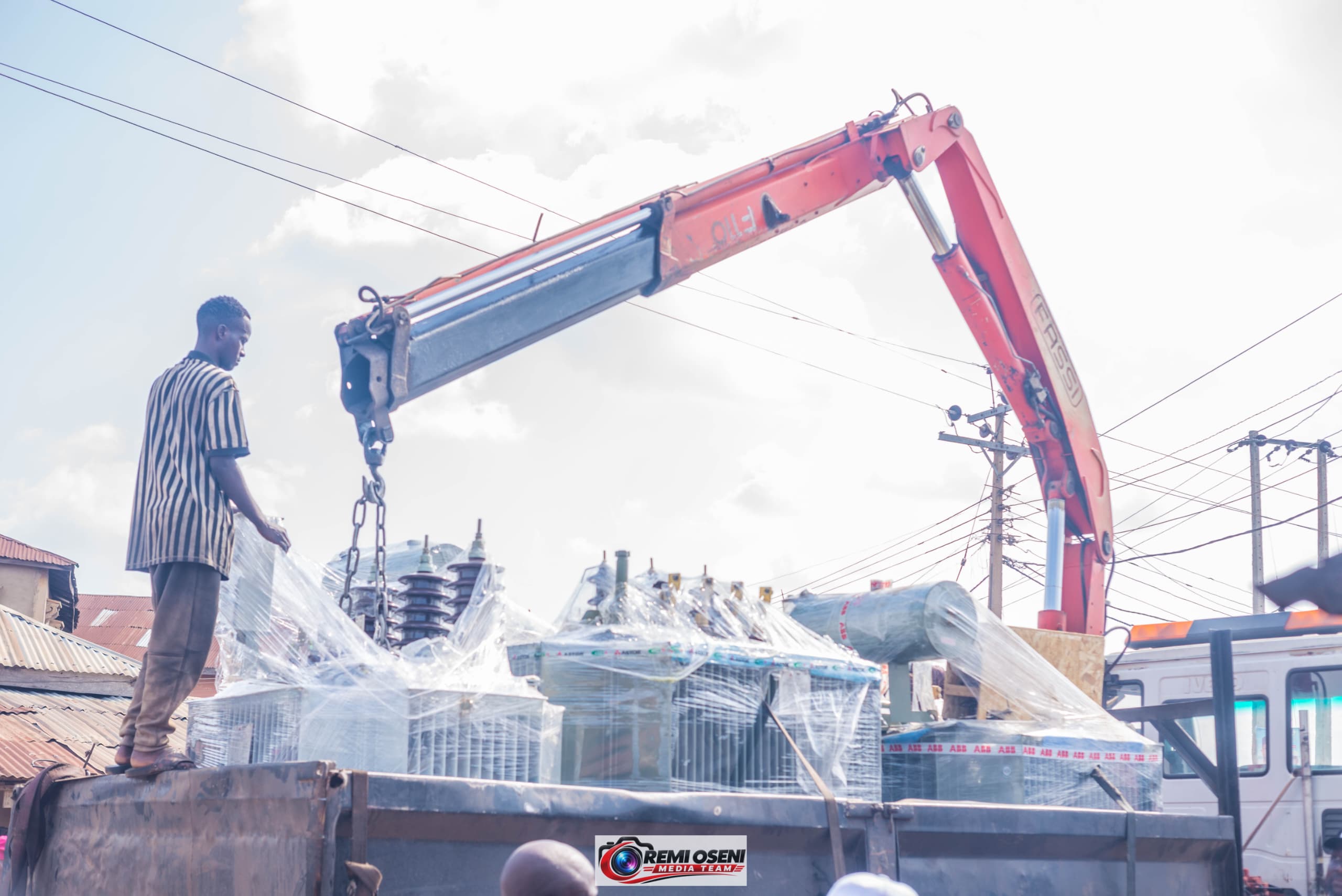
The new consignment of transformers is part of a sustained intervention to address the chronic electricity challenges confronting communities in the district.

For months, residents of Oyo South — traders in Beere, artisans in Ibarapa, welders in Ido, cold-room operators in Ibadan South-West, and students burning the midnight candle in Ibadan North-East — have groaned under the weight of an epileptic power supply. Transformers that have served for over two decades are either overloaded, vandalised, or completely grounded. In many communities, darkness has become a way of life, and with it, economic activities grind to a halt.
Hon. Oseni understands this pain. As an engineer by training and a grassroots politician by conviction, he knows that electricity is not a luxury; it is the oxygen of economic growth, community development, and improved living standards.

The 20 new 500KVA transformers are, therefore, a strategic economic intervention.
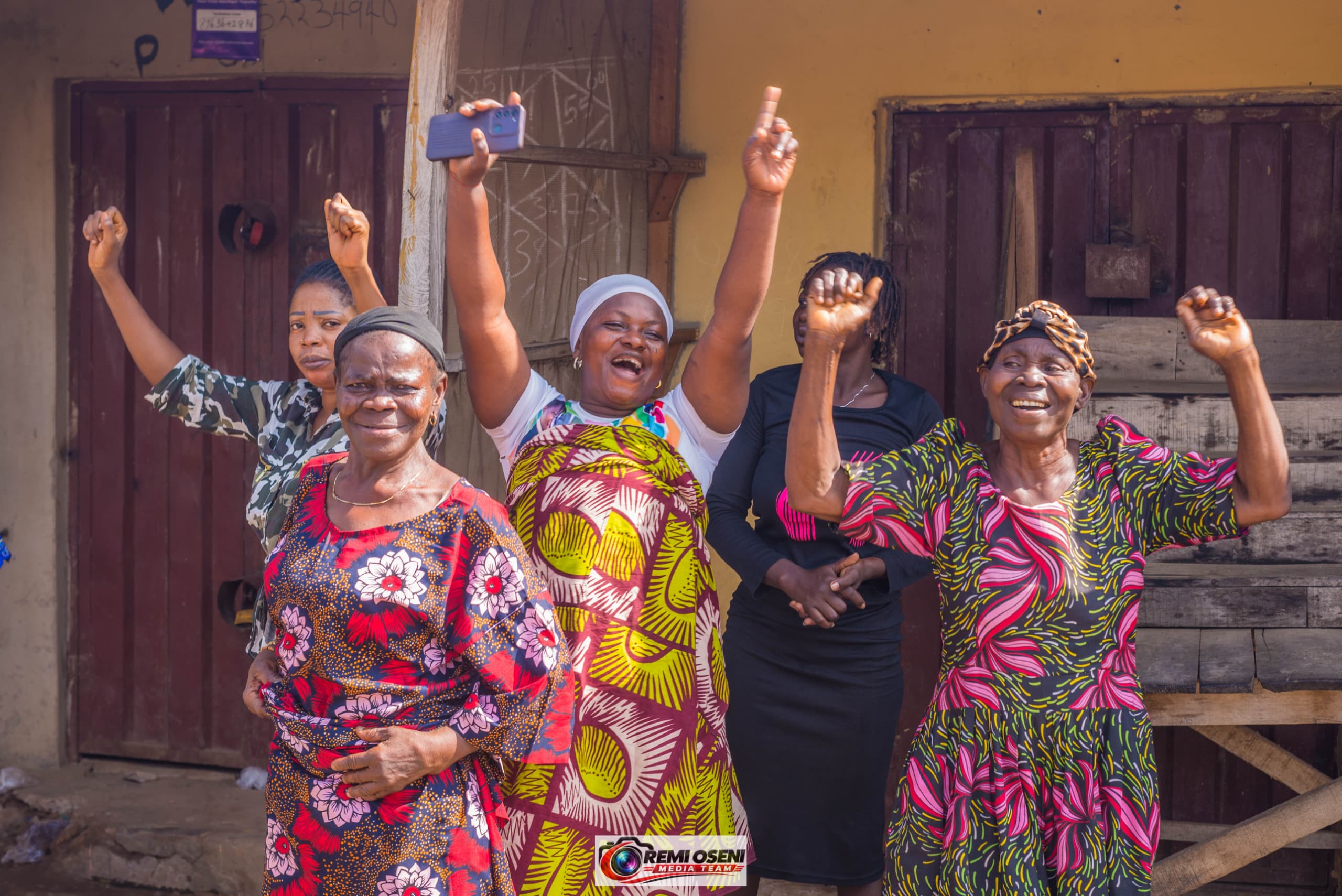
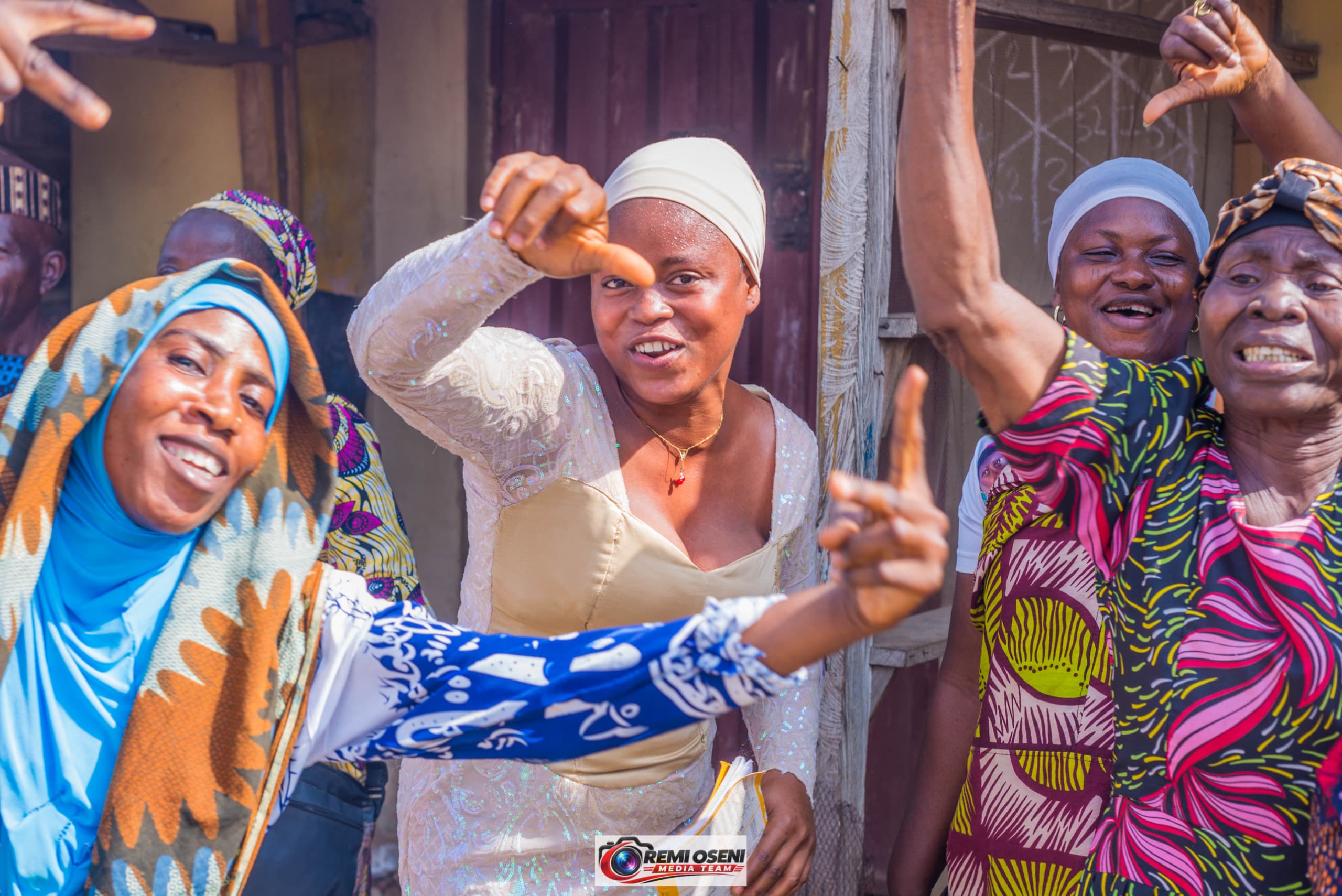
The greatest beneficiaries of this initiative are those in the informal sector — the backbone of Oyo South’s economy. For the woman frying akara in Oja Oba who needs power to grind beans early in the morning, for the barber in Apata who loses customers when there is no light to clip, for the fashion designer in Challenge whose electric sewing machine is idle, and for the young graduate running a computer business centre in Ibarapa — this intervention means everything.
When power returns, productivity returns. When productivity returns, poverty reduces.

It is instructive that one of the beneficiary communities is Ita Baale/Olugbode in Ibadan North-East Local Government — the home community of Governor Seyi Makinde. By extending his intervention even to areas traditionally seen as opposition strongholds, Hon. Oseni has demonstrated that good governance knows no political boundaries. Light has no party colour. Development should have no discrimination.

Many other communities across the nine local governments that make up Oyo South — Ibadan North, Ibadan North-East, Ibadan North-West, Ibadan South-East, Ibadan South-West, Ibarapa East, Ibarapa North, Ibarapa Central, and Ido — are already celebrating while waiting to take delivery of the transformers, with installation already ongoing in phases in some areas.
This transformer project is not an isolated act. It fits into a larger pattern of purposeful representation that has defined Hon. Oseni’s tenure in the Green Chamber.

As Chairman of the House Committee on FERMA, he has been pivotal in pushing for the rehabilitation of federal roads that crisscross Oyo South, easing the movement of farm produce from Ibarapa’s agrarian belt to Ibadan markets and reducing man-hours lost in traffic.

In Ibarapa East/Ido Federal Constituency, his current constituency, his footprints are everywhere: boreholes sunk in water-scarce communities, classroom blocks renovated, financial support for market women, scholarships for indigent students, and the facilitation of federal employment opportunities for youths.
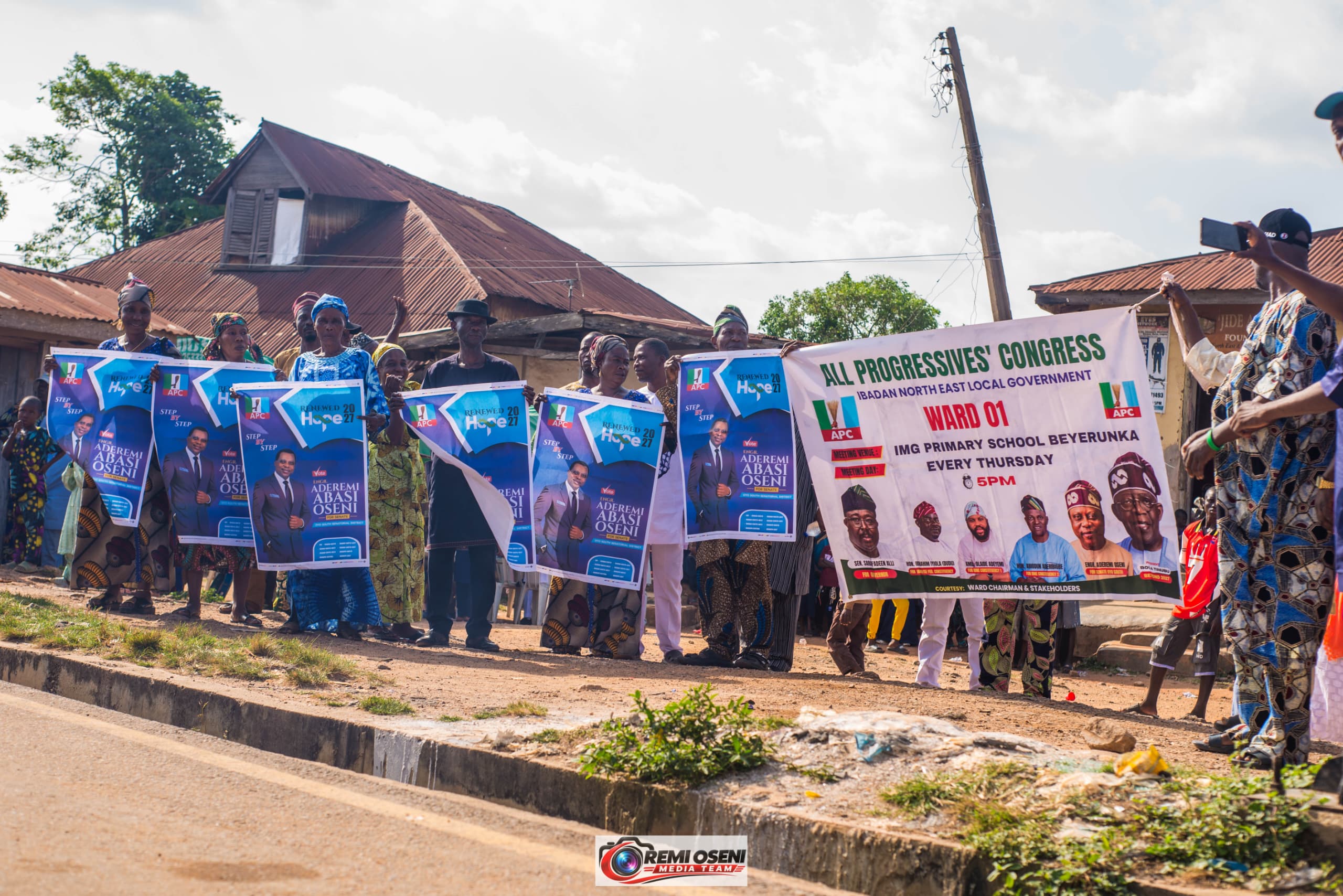
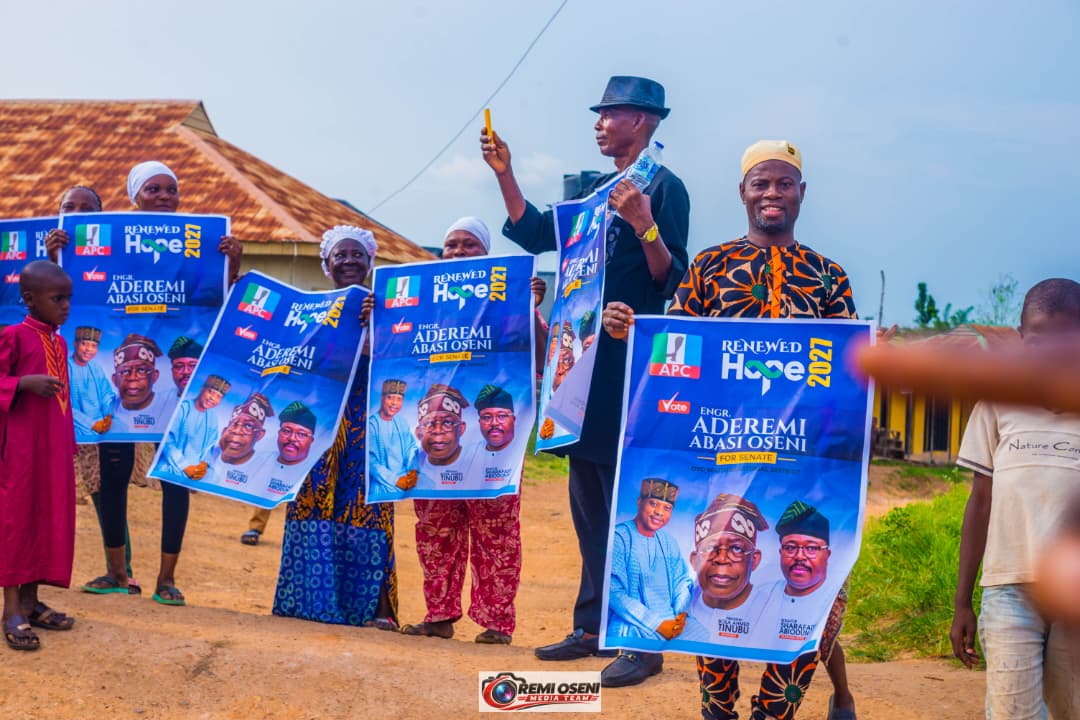
Colleagues in the House of Representatives describe him as “The Star Boy of the National Assembly.” He sits quietly but effectively, a man who prefers to let his work speak. Constituents describe him as accessible — a lawmaker whose phone number still goes through and whose gate remains open.
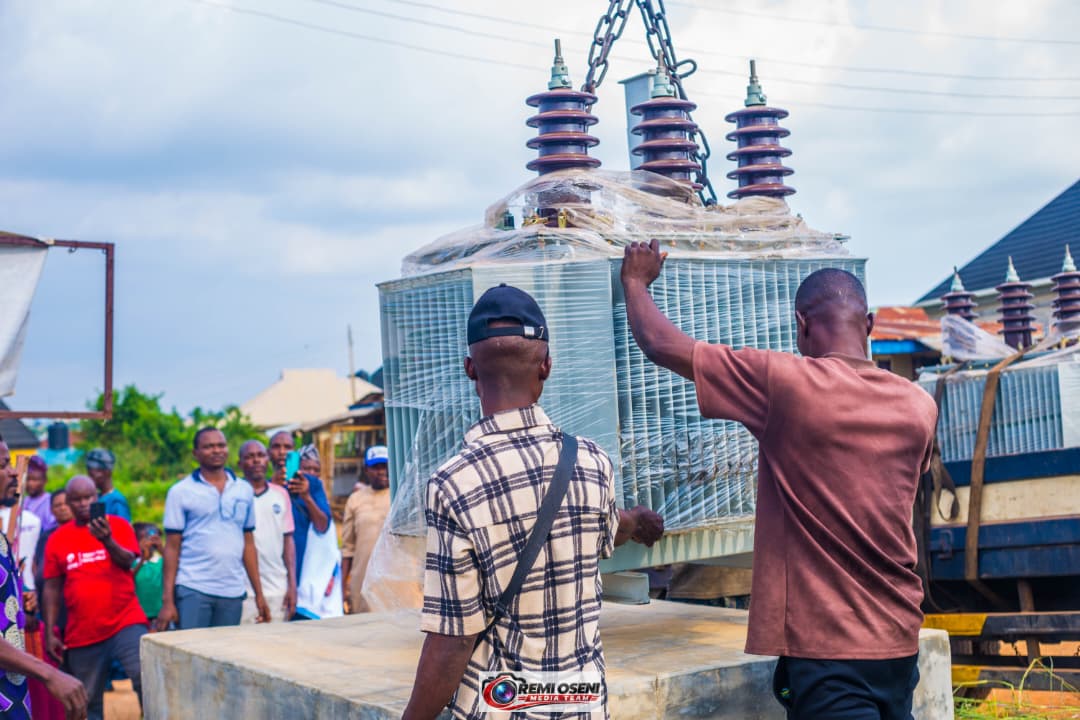
Oyo South is the economic heartbeat of Oyo State. It houses Ibadan, the political capital of the South-West. It needs a Senator who understands both urban renewal and rural development; a Senator who can navigate Abuja’s power corridors to attract federal presence, yet remain rooted in the palaces, markets, and streets of Ibadan and Ibarapa.

Hon. Oseni brings a rare blend: engineering expertise, legislative experience, and grassroots empathy. His years in the House have equipped him with the legislative savvy to sponsor and support bills that will address the peculiar needs of Oyo South — from urban electricity to rural roads, from youth unemployment to agricultural modernisation.

At a time when Nigeria’s energy sector is undergoing reform, Oyo South needs a Senator who will not just complain about darkness, but who has already shown he can deliver transformers, facilitate connections, and engage distribution companies to do more.
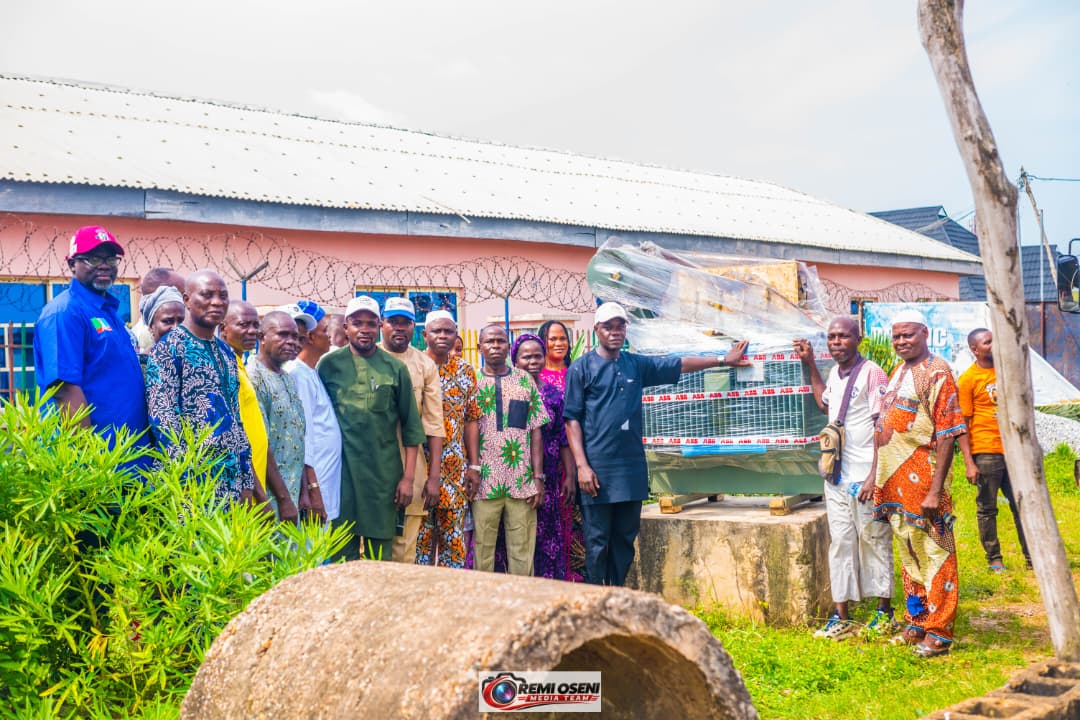
In Nigerian politics, many come with manifestos, but few come with evidence. Hon. Oseni’s campaign for Oyo South Senatorial District is not built on empty slogans; it is built on transformers delivered, roads fixed, boreholes working, and lives touched.

The 20 new transformers are not campaign props. They are installations that will outlive this election cycle. They will power homes long after the ballots are counted. That is the hallmark of genuine service — to do what is needed, not just what is popular.

As the 2027 general elections approach, the people of Oyo South are faced with a clear choice: to continue with politics as usual, or to elevate a proven performer to the Senate to do even more.
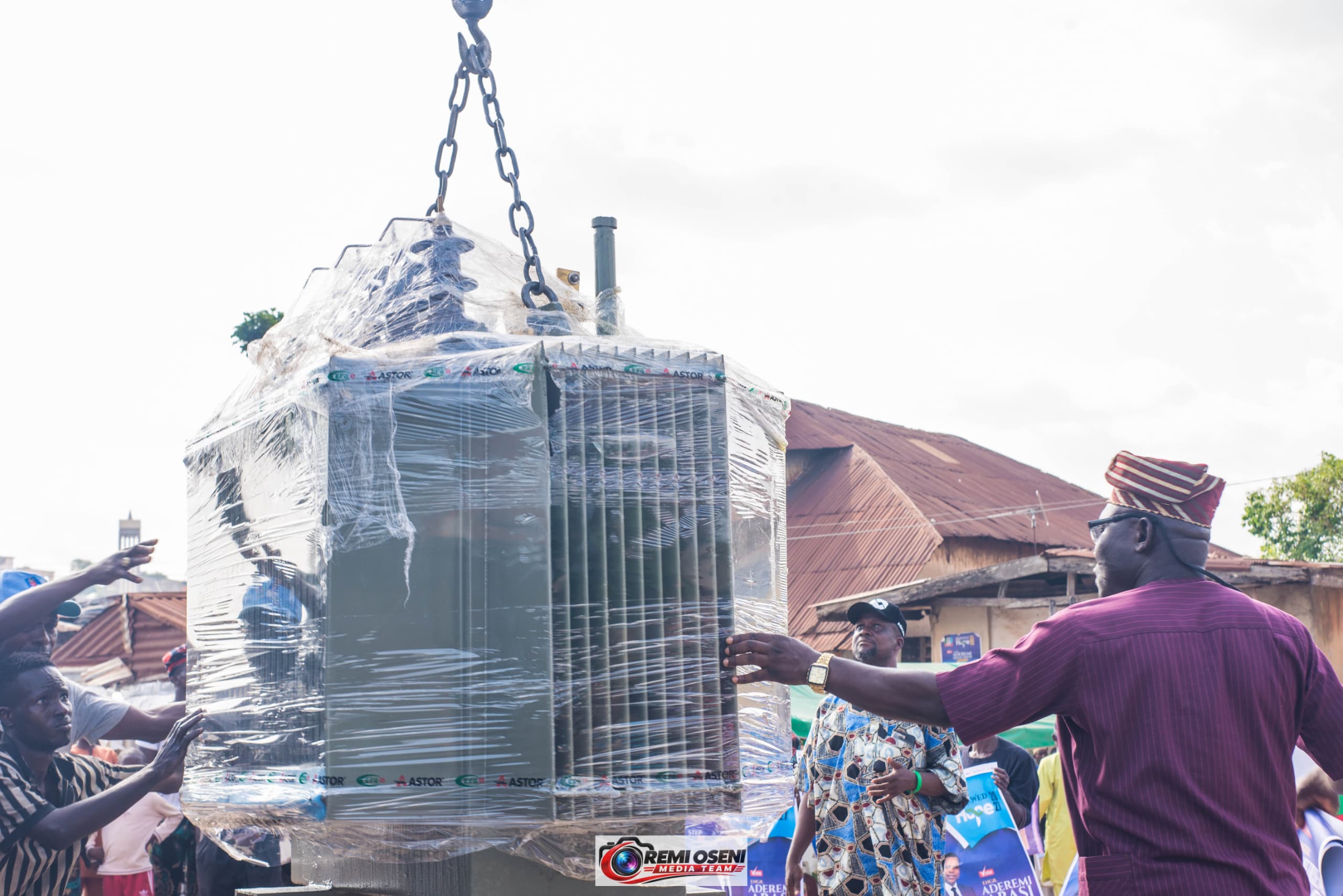
If a House of Representatives member can light up communities with 20 transformers, imagine what he can do with the greater influence of a Senator of the Federal Republic.

Indeed, Hon. Oseni is not just contesting to be Senator; he is contesting to bring more light — literally and figuratively — to Oyo South.


Joseph Okwuofu worked with The Nation newspapers and is the CEO/Publisher of Naija Examiner online newspaper.
Continue Reading

Opinion

Doctors’ Strike and the Price of Human Life | By Olusegun Hassan

Published

on

The popular Yoruba saying, “Ẹni kan l’ọmọ,” meaning that only the person wearing the shoes knows where they pinch, recently took on a deeper meaning for me. Just last week, I experienced its true significance beyond its familiar place as an aphorism.

Popular sayings often remain mere expressions in our consciousness until we find ourselves at the receiving end of the experiences they describe. Similarly, systemic flaws and structural deficiencies in society may seem distant until we become victims of them. News of kidnapping is just another newspaper report until a loved one is abducted and the family is thrown into a desperate search for money to pay a ransom. In the same vein, the news that “doctors are on strike” may appear to be just another headline until someone close to us dies because urgent medical attention was unavailable as a result of the strike.

Nigeria’s story is replete with such unfortunate experiences, which have given rise to another familiar expression: “May Nigeria not happen to you.”

While the media landscape was still reeling from reports of the death of popular gospel singer Toluwanisings, who reportedly died on October 14, 2026, following an alleged lack of urgent medical attention during a doctors’ strike, I also lost a close relative two days later, on October 16, under circumstances involving the same lack of timely medical care.

She was an asthma patient who suffered an attack in the middle of the night. After receiving first aid, she was rushed to the nearest hospital, a teaching hospital, only to be turned away because doctors were on strike and none was available to attend to her. By the time the family reached the nearest private hospital, she had died. Her death left the entire family, myself included, traumatised.

These are only two cases among many similar tragedies that have occurred over the years. They raise a painful question: how many of these deaths could have been prevented if essential medical services had remained accessible?

I cannot help but wonder: what is the value of human life in this country? At what point did the sanctity of human life become secondary to demands for improved welfare by medical unions?

This is not to suggest that the grievances of doctors are illegitimate. Far from it. Medical professionals deserve fair remuneration, adequate facilities, safe working conditions and an environment that enables them to perform their duties effectively. The question, however, is whether the pursuit of these legitimate demands should come at such a devastating cost to human life, particularly when the fundamental purpose of the medical profession is to preserve life through the provision of appropriate healthcare.

It is a troubling paradox.

Doctors undoubtedly have the right to demand fair treatment and safe working conditions. However, that right must be exercised in a manner that protects patients from abandonment and avoidable harm. When patients die because essential medical services have been withdrawn without adequate safeguards, the ethical justification for the action becomes a serious matter for scrutiny.

The World Medical Association (WMA), an international body that promotes widely recognised ethical standards for physicians, upholds principles that include respect for human life and the dignity of patients. These principles underscore the responsibility of doctors to protect the health and well-being of those under their care, provide competent and timely treatment, prevent avoidable harm and act in their patients’ best interests.

These are not merely ideals about compassion. They are professional obligations that must continue to guide medical decisions, including during industrial disputes.

In Nigeria, the Medical and Dental Council of Nigeria (MDCN) addressed this issue in January 2024, reportedly directing the heads of teaching hospitals, federal medical centres and specialised hospitals to ensure that industrial action did not result in the abandonment or premature discharge of patients.

Among the safeguards outlined were the following:

  • Accident and emergency departments must remain open and adequately staffed.
  • Emergency paediatric services, labour wards, neonatal units and intensive care units must continue to provide emergency and critical care.
  • Patients already admitted to hospital must not be discharged merely because a strike has commenced.
  • Patients with scheduled appointments before the strike must be attended to in accordance with the applicable directives.

These safeguards reinforce an important principle: the right to pursue employment-related demands does not extinguish a doctor’s professional obligation to protect patients from preventable harm.

Where emergency patients are turned away, critically ill patients are abandoned, or essential services are shut down without adequate arrangements for emergency care, the circumstances warrant investigation. Where evidence establishes a breach of professional obligations or applicable regulations, appropriate disciplinary or legal action should follow.

Similarly, when a patient dies after being denied emergency treatment during an industrial action, the circumstances surrounding the death deserve a thorough and impartial investigation. Where negligence, professional misconduct or a breach of applicable directives is established, appropriate sanctions should be imposed in accordance with the law and relevant professional regulations.

The point is simple: no legitimate grievance should justify abandoning a patient whose life is in immediate danger.

At this juncture, it is equally important to acknowledge the government’s share of the blame. While this article emphasises the ethical obligation of doctors to preserve human life, the government must also recognise that poor remuneration, unpaid allowances, inadequate medical facilities, excessive workloads and unsafe working conditions undermine doctors’ morale and their ability to provide quality healthcare.

The consequences are increasingly evident in Nigeria’s continuing loss of medical professionals to other countries.

In 2025, the Coordinating Minister of Health and Social Welfare, Professor Muhammad Ali Pate, reportedly disclosed that more than 16,000 Nigerian doctors had emigrated over the preceding five to seven years, largely in search of better opportunities abroad. Furthermore, a 2025 report on Nigeria’s health statistics reportedly indicated that 4,193 doctors and dentists left the country in 2024 alone.

These departures deepen staffing shortages, increase the pressure on the doctors who remain and expose patients to longer waiting times and potentially avoidable deaths.

The government must therefore move beyond repeated negotiations and implement sustainable reforms. These should include the prompt payment of salaries and allowances, improved working conditions, adequate funding for public hospitals, transparent career progression and the effective implementation of agreements reached with medical unions.

The Federal Ministry of Health and relevant hospital authorities must also strengthen monitoring and oversight during industrial disputes to ensure that emergency and critical care services remain available in public hospitals. Patients in life-threatening conditions must not be turned away simply because doctors are on strike.

Ultimately, responsibility for Nigeria’s healthcare crisis cannot be placed entirely on one side. Doctors must uphold their professional and ethical obligations, while the government must fulfil its responsibility to create conditions in which those obligations can be discharged effectively.

Medicine is not an ordinary occupation. It carries a profound moral responsibility because, in certain circumstances, the timely intervention of a medical professional can make the difference between life and death. No employment grievance should be used to justify abandoning a patient whose life is in immediate danger.

The sanctity of human life demands responsibility from the doctors entrusted with treating patients and from the government authorities responsible for ensuring that appropriate treatment remains available.

A functional healthcare system depends on cooperation between these two critical stakeholders. When they fail to find common ground, it is the ordinary citizen who suffers the consequences. As the familiar saying goes, when two elephants fight, the grass suffers.

And trust me, I know what that suffering feels like. I have just experienced it.

Olusegun Hassan, Ph.D.
Public Policy Analyst and Social Commentator

Continue Reading

Trending