Connect with us

National Issues

10 Major Factors Militating Against Efficient Policing In Nigeria | By Idowu Ayodele

Published

on

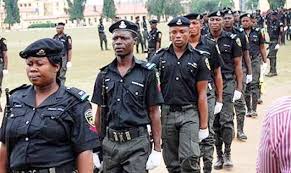
Though, sounds biased, however, officers and men of the Nigeria Police are one of the best in the world despite the various constraints and obstacles they face. This fact is attested to in the various awards , honours and commendations they receive anytime they are posted outside the country on peace keeping operations and other assignments.

No doubt, in the last few years , Nigerians are increasingly losing hope and confidence in the nation’s police force, especially the Special Anti-Robbery Squad,  a Nigerian Police Force unit popularly known as SARS that is expected to maintain law and order as enshrined in the constitution due to unethical or unprofessional conduct of some erring officers.

However, there are some major factors hindering the efficient and excellent performance of the Police and they are as follows:

1. Inadequate funding : Sufficient funds are not always made available to the Nigeria Police to enable it meet the ever increasing challenges springing up on a daily basis to ensure an excellent policing of the country. It is a notorious fact that the budgetary allocation of the entire Police Force in 1999 before the swearing in of the democratic government was just four billion naira; an amount that was grossly insufficient and unrealistic.

2. Lack of sophisticated equipments: Policing is more often than not the efficient gathering, collation and use of intelligence. To achieve this objective, sophisticated and modern equipments coupled with monitoring devices are needed. These are not readily available to the Police.

3. Lack of adequate compensation : Policemen who are victims of attacks from armed robbers and other criminals when they are on duty. Sometimes such policemen are left to foot the hospital bills and other expenses incurred for treatment.

4. Lack of interest in the job: The job of a policeman is professional in nature. Some young men only enlist or get recruited because of lack of employment and not due to the interest they have in the job.

5. Shortage of manpower: The present number of the officers and men of the Nigeria Police is grossly inadequate to ensure an efficient policing of the country. To this end, the directive of the federal government that 40,000 men should be recruited yearly is a welcome development.

6. Training and retraining : The inadequate or lack of training and re-training of some officers and men of the Nigeria Police make them rustic and their duties boring, dull and uninteresting.

7. Posting policemen outside their states of origin: The posting of non natives outside the places where their local language is spoken could be a hindrance to an efficient performance of a policeman’s duty. This is more so if he is an investigating Police Officer. A Fulani or Hausa man posted to a police station in a remote Yoruba or Igbo area will surely be requiring the service of interpreters.

Sometimes, it is easier to police a well known terrain that one is quite familiar with.

8. Lack of promotion to the next rank: Some officers and men of the Nigeria Police have been on the same rank for ten to fifteen years without promotion. This sometimes leads to deep frustration and the tendency not to put in their best into their jobs.

9. Undue pressure from the government and other powerful individuals: On the police to find perpetrators of crimes by all means as quickly as possible sometimes put investigators on edge and lead to avoidable mistakes

10. Tribalism and other cultural and traditional influence: This has been aptly labelled ‘Na my brother syndrome ‘. The desire to protect and please kinsmen sometimes hamper policemen in the performance of their legitimate duties.

Comments

National Issues

OLOJO FESTIVAL: Nigeria bigger than all of us, Ooni tells politicians

Published

on

Monarch begins seven-day seclusion, prays for peace, unity

The Ooni of Ife, Oba Adeyeye Ogunwusi, Ojaja II, has urged Nigerian politicians to put the interest of the country above their political differences, saying Nigeria is bigger than any individual or political interest.

The monarch spoke on Sunday shortly before commencing a seven-day spiritual seclusion ahead of the 2026 Olojo Festival in Ile-Ife, Osun State.

The annual seclusion is part of the traditional rites preceding the Olojo Festival, one of the major cultural celebrations associated with Ile-Ife and the Yoruba people.

The Ooni, who is also the Co-Chairman of the National Council of Traditional Rulers of Nigeria, said his period in seclusion would be devoted to prayers for Nigeria, particularly for peace, unity and sustainable development.

“I am appealing to our politicians. They might have differences, but we should know ultimately that Nigeria is bigger than all of us,” the monarch said.

“It is very important for our political leaders to always look inwardly on how to better the lot of the average Nigerians.”

The Ooni urged political leaders to avoid words and actions capable of threatening national cohesion, reminding them that political power was temporary.

“Some have ruled this country before as political leaders, and others will come after them,” he said.

He said his prayers would also cover Nigeria’s democratic process, particularly as the country prepares for the next general elections.

The monarch commended President Bola Tinubu over what he described as non-interference in the activities of the Independent National Electoral Commission, saying such a practice could strengthen public confidence in the electoral process.

He also commended Osun residents for participating in the recently concluded governorship election, saying the outcome demonstrated the ability of citizens to determine their leaders through the ballot.

According to him, Nigerians should continue to have the opportunity to freely choose their leaders without actions capable of undermining the democratic process.

The Ooni’s seven-day seclusion, which began on Sunday evening, will also provide him with an opportunity to prepare spiritually for the sacred rites of the Olojo Festival and deepen his connection with the ancestors.

The exercise precedes the annual wearing of the sacred Aare Crown, one of the major highlights of the festival.

A statement by the Senior Media Officer of the Ooni’s Palace, Sodiq Lawal, issued on behalf of the Director of Media and Public Affairs, Otunba Moses Olafare, said the seclusion marked the beginning of the spiritual phase of the 2026 Olojo Festival.

The festival celebrates Ile-Ife’s indigenous traditions and ancestral heritage and attracts traditional rulers, cultural enthusiasts, visitors and members of the Yoruba diaspora.

The public ceremonies are expected to follow the spiritual rites and culminate in the Ooni’s emergence in the sacred crown.

Continue Reading

National Issues

Tinubu vows intelligence-led rescue of abducted Oyo pupils, teachers

Published

on

President Bola Tinubu on Monday assured residents of Oyo State that ongoing efforts to rescue abducted pupils and teachers in Oriire Local Government Area would be intelligence-driven, coordinated and sustained.

The President said the Federal Government would deploy every lawful means, including kinetic and non-kinetic measures, to ensure the safe return of the victims abducted during the May 15, 2026 attack in Esiele and Yawota communities.

“Our rescue efforts will be intelligence-led, careful, coordinated, and sustained. We will deploy every lawful tool available, both kinetic and non-kinetic, to ensure our children and teachers are safely returned home,” Tinubu stated in a statement posted on his X handle on Monday.

The President also expressed sorrow over the killing of a school teacher during the abduction and extended condolences to his wife, Mrs Mary Oyedokun, and the bereaved family.

“I also extend my deepest condolences to Mrs Mary Oyedokun, the wife of the late school teacher and her family. Their sacrifice will not be forgotten, and his family will not be abandoned,” he said.

Tinubu stressed that children should never be exposed to the trauma of abduction, noting that no parent should endure the pain associated with such incidents.

“No child should be taken from the safety of a classroom. No parent should have to endure this anguish,” the President added.

He assured affected communities that efforts to secure the release of the abducted pupils and teachers would remain sustained and intelligence-driven.

The statement comes amid growing concerns over insecurity in schools and rural communities following the abduction, which prompted the Federal Government to dispatch a high-powered delegation to the affected communities in Oriire Local Government Area.

The delegation included the Chief of Staff to the President, Femi Gbajabiamila; the National Security Adviser, Nuhu Ribadu; the Minister of Defence; and the Inspector-General of Police, Kayode Egbetokun, alongside other senior government and security officials.

Tinubu further disclosed that he had approved additional security measures, including the deployment of a specialised security unit equipped with advanced rescue capabilities to intensify efforts towards the safe return of the victims.

“I have also directed the deployment of a specialised security unit with advanced rescue capabilities to intensify efforts to secure the safe return of the abducted pupils and teachers,” he stated.

The President also revealed that the Federal Government, in collaboration with the Oyo State Government, was mobilising 1,000 forest guards to improve surveillance in forest corridors frequently exploited by criminal elements.

According to him, the initiative would be complemented by broader operational measures aimed at strengthening rescue operations and preventing future attacks.

Tinubu added that a request for the establishment of a military base in the affected area was receiving urgent consideration as part of efforts to bolster security.

Authorities have continued rescue operations amid rising concerns over the safety of schools and rural settlements, insisting that efforts remain focused on securing the release of the abducted victims and preventing a recurrence.

Continue Reading

National Issues

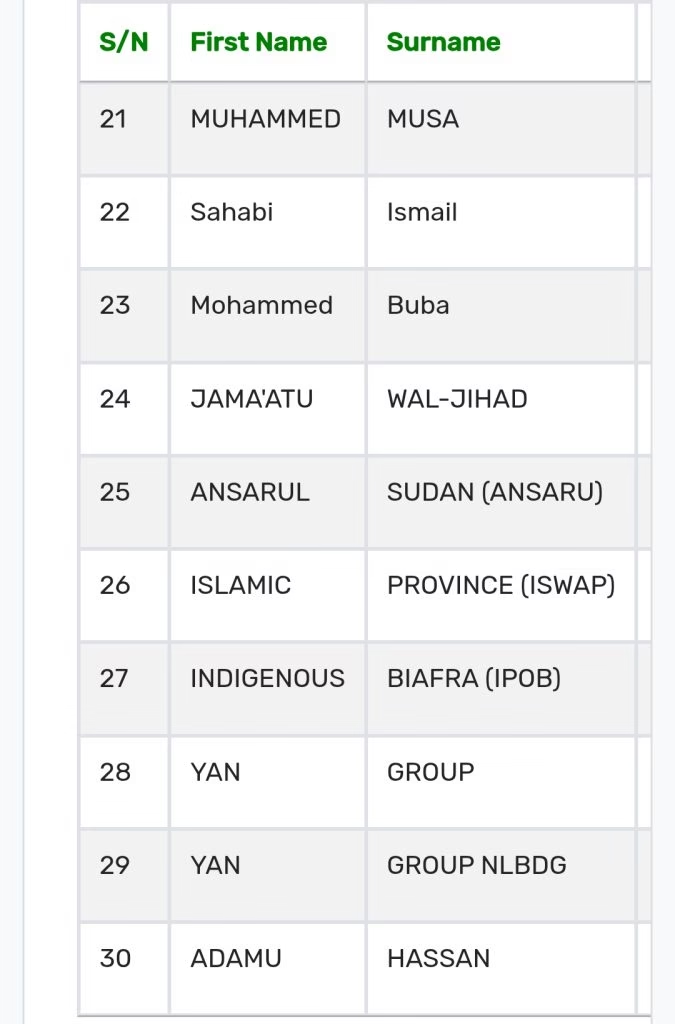
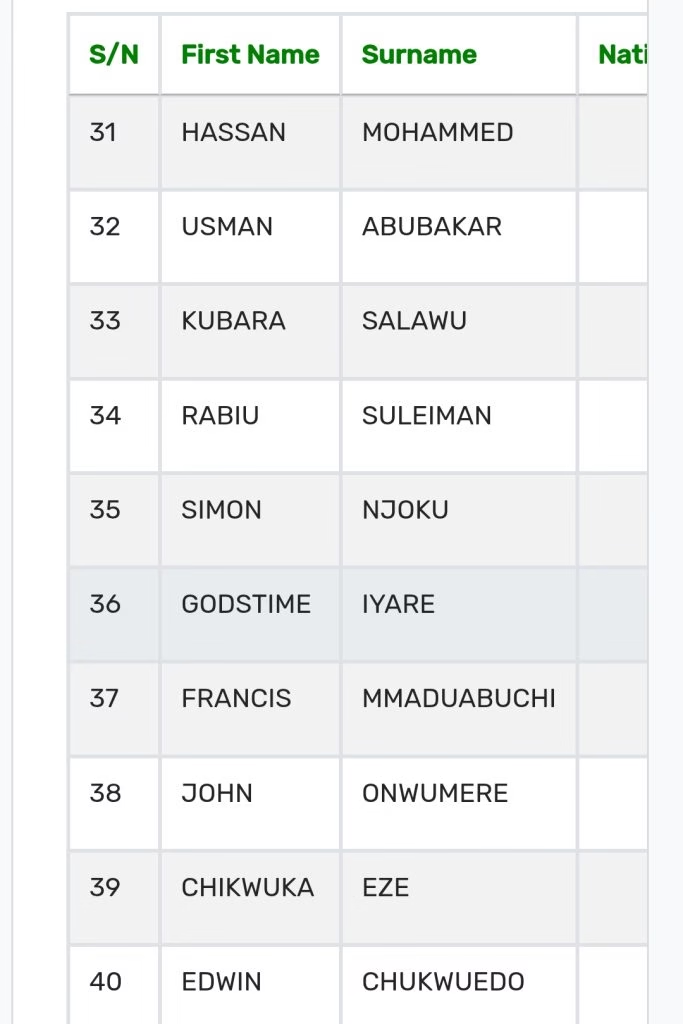
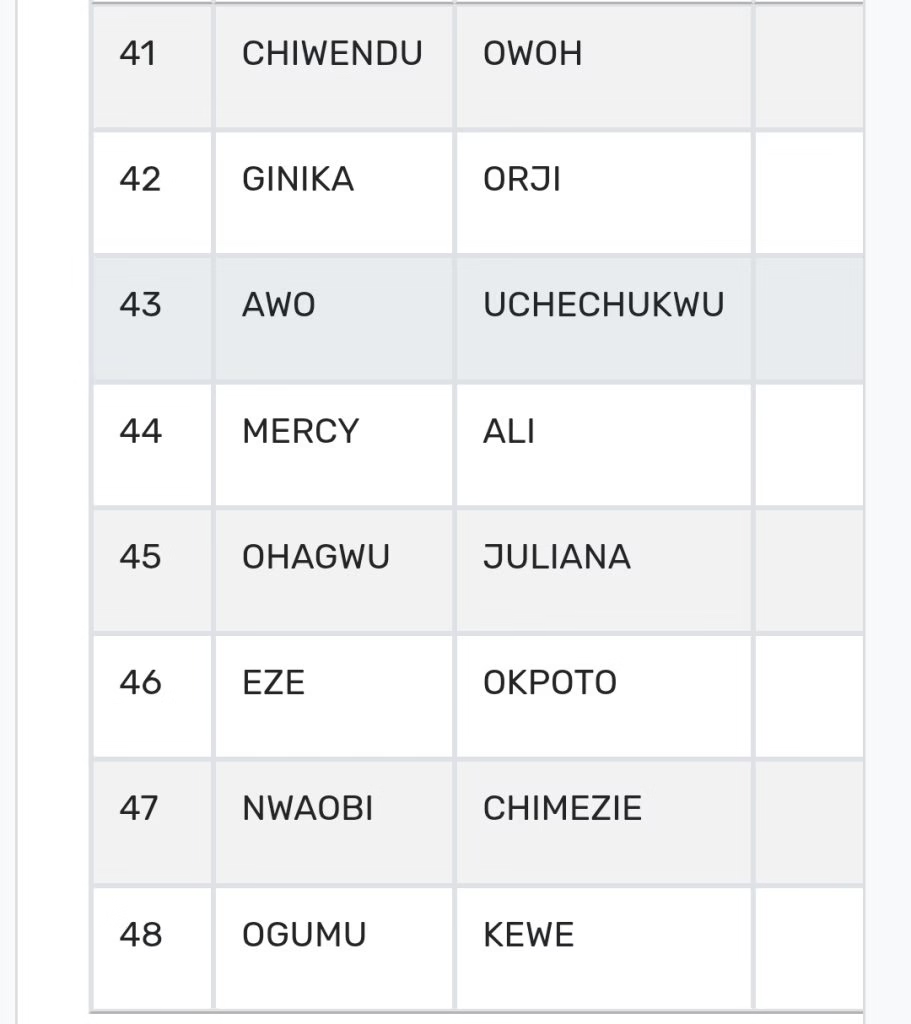
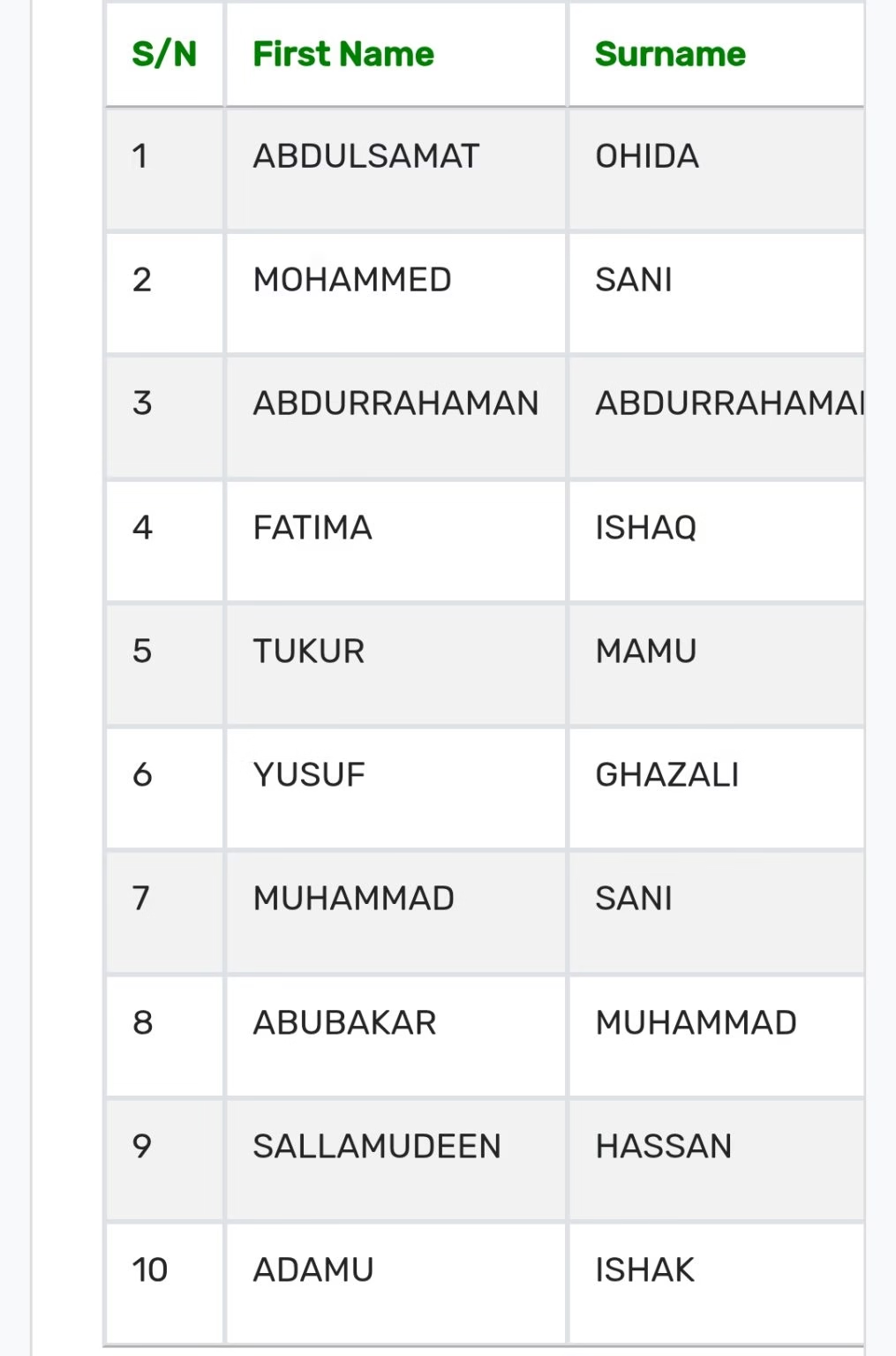
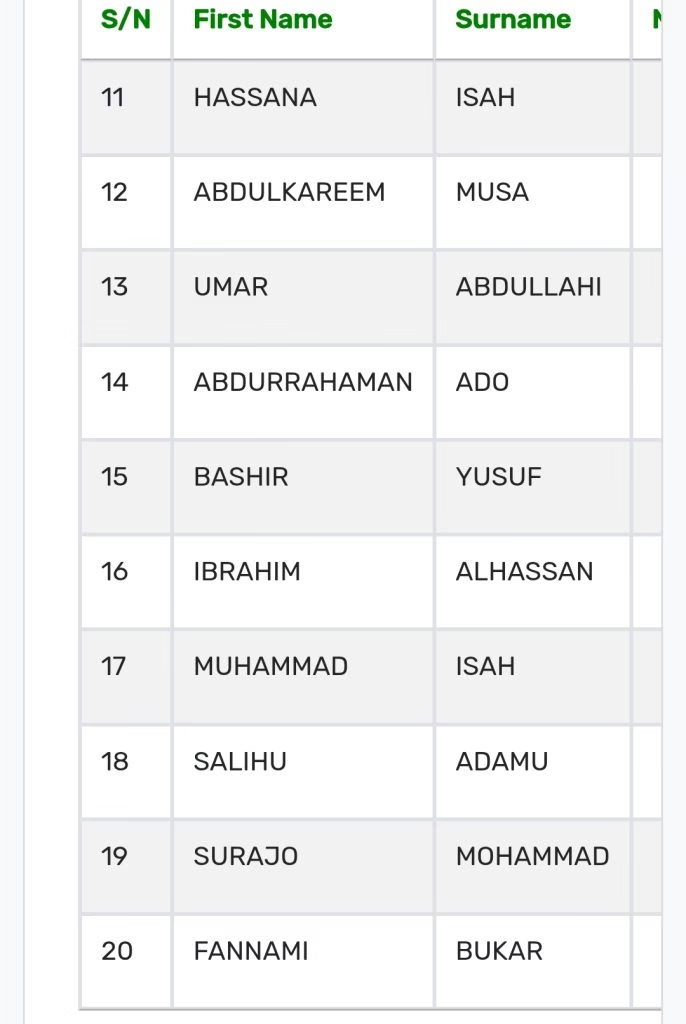
48 alleged terror financiers named by FG {SEE FULL LIST}

Published

on

The Federal Government, on Saturday, published a list of 48 individuals and entities allegedly linked to terrorism financing in Nigeria, naming suspects with reported ties to outlawed groups including the Indigenous People of Biafra, Ansaru, and the Islamic State West Africa Province.

The list was released by the Nigeria Sanctions Committee as part of intensified efforts to disrupt financial networks sustaining terrorist activities across the country.

In a statement accompanying the publication, the committee said the designation of the individuals and organisations was in line with Nigeria’s legal and international obligations to combat terrorism financing.

“The Nigeria Sanctions Committee has approved the designation of the following individuals and entities for their alleged involvement in terrorism financing,” the statement read.

It added, “The action is pursuant to relevant laws and regulations aimed at identifying and freezing assets of persons and organisations linked to terrorist activities.”

The committee explained that the move was targeted at dismantling the financial backbone of insurgent and extremist groups operating within and beyond Nigeria’s borders.

Among those listed are individuals reportedly associated with the Indigenous People of Biafra, a proscribed separatist group; Ansaru, a faction linked to Al-Qaeda; and the Islamic State West Africa Province, one of the most active terrorist groups in the region.

Security experts have repeatedly stressed that cutting off funding sources remains a critical strategy in weakening terrorist operations.

Speaking on the development, a senior government official familiar with the process said the publication sends a strong signal about Nigeria’s resolve to confront terrorism at its roots.

“This is not just about naming names; it is about choking the financial lifelines of terror networks. Once funding is disrupted, their operational capacity is significantly weakened,” the source said.

The committee further noted that relevant authorities and financial institutions have been directed to take necessary steps in enforcing sanctions, including the identification and freezing of assets linked to the designated persons and entities.

“The public is also advised to remain vigilant and report suspicious financial activities to appropriate authorities,” the statement added.

The Federal Government reiterated its commitment to safeguarding national security, insisting that individuals or groups found culpable would face the full weight of the law.

As of the time of filing this report, detailed breakdowns of the sanctions and timelines for enforcement were yet to be made public.
 

Continue Reading

Trending