Connect with us

Metro

Saudi Border Guards Kill Hundreds Of Ethiopian Migrants – Says HRW

Published

on

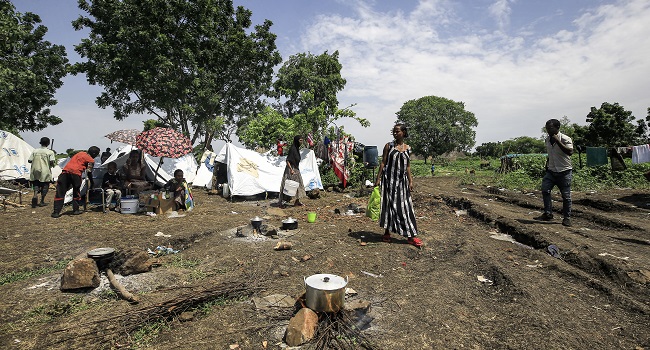
People walk about at a camp for Ethiopian refugees of the Qemant ethnic group in the village of Basinga in Basunda district of Sudan’s eastern Gedaref region on August 10, 2021. (Photo by ASHRAF SHAZLY / AFP)

Saudi border guards fired “like rain” on Ethiopian migrants trying to cross through Yemen into the Gulf kingdom, killing hundreds since last year, Human Rights Watch said in a report Monday.


The allegations, described as “unfounded” by a Saudi government source, point to a significant escalation of abuses along the perilous “Eastern Route” from the Horn of Africa to Saudi Arabia, where hundreds of thousands of Ethiopians live and work.

“Saudi officials are killing hundreds of migrants and asylum seekers in this remote border area out of view of the rest of the world,” HRW researcher Nadia Hardman said in a statement.

“Spending billions buying up professional golf, football clubs, and major entertainment events to improve the Saudi image should not deflect attention from these horrendous crimes.”

A Saudi government source told AFP: “The allegations included in the Human Rights Watch report about Saudi border guards shooting Ethiopians while they were crossing the Saudi-Yemeni border are unfounded and not based on reliable sources.”

The New York-based group has documented abuses against Ethiopian migrants in Saudi Arabia and Yemen for nearly a decade, but the latest killings appear to be “widespread and systematic” and may amount to crimes against humanity, it said.

Last year, UN experts reported “concerning allegations” that “cross-border artillery shelling and small-arms fire by Saudi Arabia security forces killed approximately 430 migrants” in southern Saudi Arabia and northern Yemen during the first four months of 2022.

The HRW report said there was no response to letters it sent to the Saudi interior and defence ministries, the human rights commission and Huthi rebels who control northern Yemen.

In 2015, Saudi officials mobilised a military coalition in an effort to stop the advance of the Iran-backed Huthis, who had seized the Yemeni capital Sanaa from the internationally recognised government the previous year.

Yemen’s war has created what the United Nations describes as one of the world’s worst humanitarian situations.

But many of the abuses described by HRW would have occurred during a truce that took effect in April 2022 and has largely held despite officially expiring last October.

Close-Range Shooting

The HRW report draws from interviews with 38 Ethiopian migrants who tried to cross into Saudi Arabia from Yemen, as well as from satellite imagery and videos and photos posted to social media “or gathered from other sources”.

Interviewees described 28 “explosive weapons incidents” including attacks by mortar projectiles, the report said.

Some survivors described attacks at close range, with Saudi border guards asking Ethiopians “in which limb of their body they would prefer to be shot”, the report said.

“All interviewees described scenes of horror: women, men, and children strewn across the mountainous landscape severely injured, dismembered, or already dead,” it said.

One 20-year-old woman from Ethiopia’s Oromia region said Saudi border guards fired on a group of migrants they had just released from custody.

“They fired on us like rain. When I remember, I cry,” she said.

“I saw a guy calling for help, he lost both his legs. He was screaming; he was saying, ‘Are you leaving me here? Please don’t leave me’. We couldn’t help him because we were running for our lives.”

HRW called on Riyadh to “immediately and urgently revoke” any policy of using lethal force on migrants and asylum seekers and urged the UN to investigate the alleged killings.

 

Comments

Metro

Woman allegedly sets co-wife, two children ablaze in Kano

Published

on

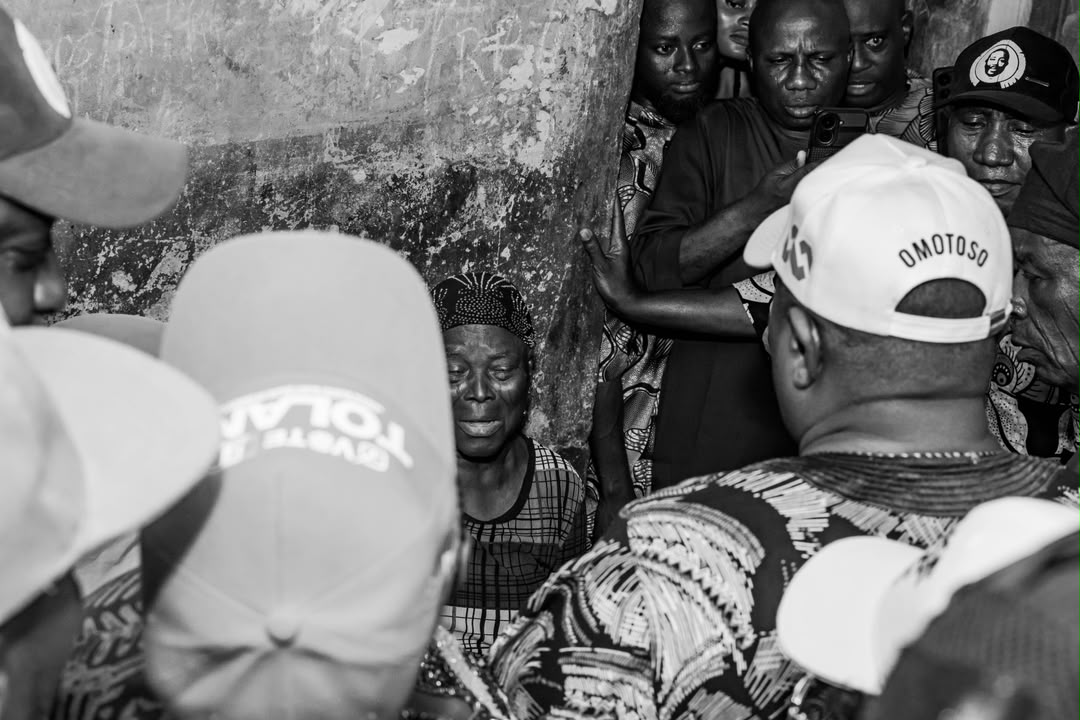
Residents of the Hotoro area of Kano were thrown into panic after a woman allegedly set her co-wife and two children ablaze in a late-night domestic attack.

The incident occurred on Monday night in the Mai Allo area of Hotoro, leaving four persons with varying degrees of burns.

The victims — a 28-year-old woman and her two children aged seven and three — are currently receiving treatment at the National Orthopaedic Hospital, Dala and Murtala Muhammad Specialist Hospital.

Their father, who reportedly sustained injuries while attempting to rescue the victims from the inferno, is also undergoing treatment.

A relative of the family informed that they received a distress call around 3am informing them that the woman, her husband and the children had been set ablaze.

According to the source, the victim had spent less than two weeks in her matrimonial home before the attack occurred.

“She is about 28 years old. The children are from her previous marriage. They are stepchildren to the husband, who works as a tricycle rider,” the relative added.

Residents of the area described the incident as horrifying and called on security agencies to ensure justice was served.

“We are shocked by what happened. This kind of violence has no place in our community,” a resident said.

The suspect has since been taken into custody at the Mariri Police Division.
As of the time of filing this report, the Kano State Police Command had yet to issue an official statement on the incident.

Continue Reading

Metro

Flood threat looms as FG lists 226 LGAs in high-risk zones

Published

on

The Federal Government on Wednesday disclosed that no fewer than 226 Local Government Areas across 33 states and the Federal Capital Territory fall within high flood-risk zones in 2026.

The Minister of Water Resources and Sanitation, Joseph Utsev, made this known during the public presentation of the 2026 Annual Flood Outlook by the Nigeria Hydrological Services Agency held at the State Banquet Hall, Presidential Villa, Abuja.

Utsev said a total of 14,118 communities in 266 LGAs across the affected states and the FCT had been identified as highly vulnerable to flooding.

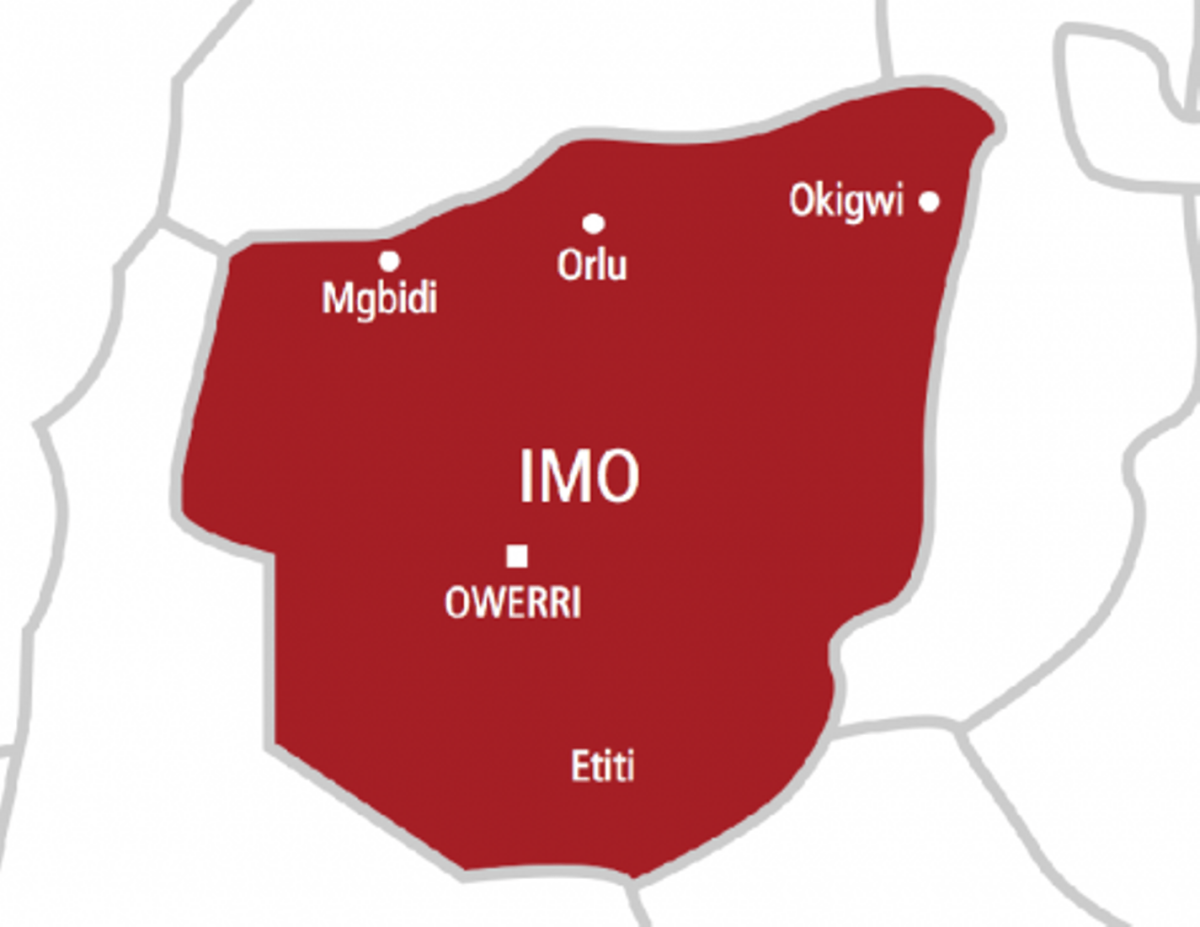
He listed the states as Abia, Adamawa, Anambra, Bauchi, Bayelsa, Benue, Borno, Cross River, Delta, Ebonyi, Edo, Enugu, Gombe, Imo, Jigawa, Kaduna, Kano, Kebbi, Kogi, Kwara, Lagos, Nasarawa, Niger, Ogun, Ondo, Osun, Oyo, Plateau, Rivers, Sokoto, Taraba, Yobe, Zamfara, and the FCT.

The minister added that 405 LGAs in 35 states fall within the moderate flood-risk category, with Ekiti State as the only state not captured under this classification.
He further noted that 923 communities in 77 LGAs across 24 states would experience minimal flooding.

“Low flood risk incidences are expected in Adamawa, Anambra, Bauchi, Bayelsa, Benue, Borno, Cross River, Delta, Ebonyi, Edo, Jigawa, Kaduna, Kano, Kebbi, Kogi, Nasarawa, Niger, Ogun, Ondo, Osun, Oyo, Sokoto, Taraba, and Zamfara,” Utsev said.

The minister also disclosed that the 2026 Annual Flood Outlook introduced a community-based flood forecasting system designed to provide location-specific predictions for faster response and intervention.

Meanwhile, President Bola Tinubu reaffirmed his administration’s commitment to strengthening emergency response systems and promoting sustainable development nationwide.

Represented by the Minister of Environment, Balarabe Lawal, the President said the government had reviewed existing challenges and acknowledged the critical role of rescue teams in mitigating disasters.

He noted that efforts were ongoing to enhance the capacity and coordination of relevant ministries for more effective and timely emergency responses.
Tinubu stressed that improved communication, strategic planning, and collaboration remained vital to addressing emerging challenges and ensuring better service delivery.

The President added that with strengthened systems in place, the government was confident of mitigating risks and improving outcomes for citizens.

The event, themed ‘Smart Water Resources Management: Moving From Oil To A Water-Based Economy’, was attended by ministers and key stakeholders in the water and environmental sectors.

Continue Reading

Metro

Robbers attack Akure health centre, abduct three workers

Published

on

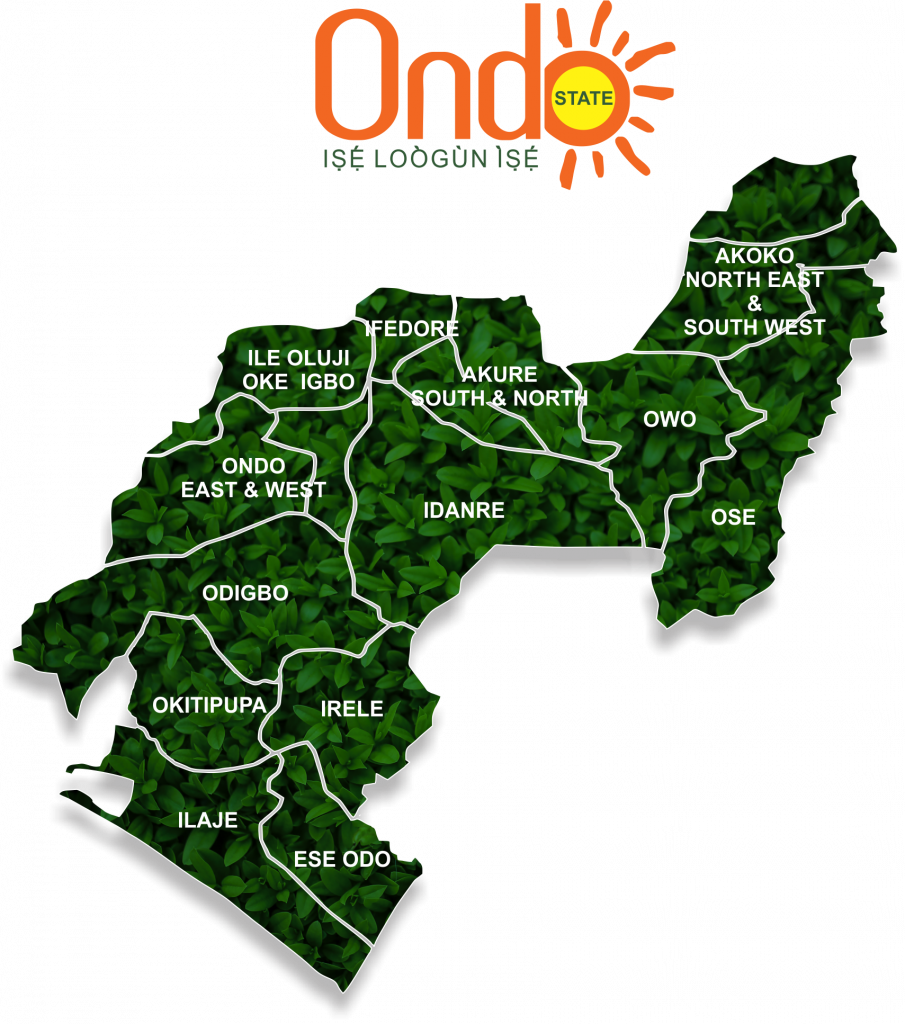
Police authorities in Ondo State have confirmed a robbery attack at the Basic Health Centre in the Oke-Ijebu area of Akure, the state capital, in the early hours of Saturday.

It was gathered that three suspects armed with pump-action rifles and cutlasses invaded the facility after arriving in a black Toyota Venza, which they parked along the main road. The assailants reportedly scaled the perimeter fence to gain access to the premises.

During the attack, three health workers on duty were forcefully dispossessed of their personal belongings, including mobile phones and a Point of Sale terminal. The suspects subsequently whisked the victims away towards the Olokuta Correctional Centre axis along Ondo Road.

The spokesperson for the Ondo State Police Command, DSP Abayomi Jimoh, confirmed the incident in a statement issued on Saturday.

According to him, “Preliminary investigation reveals that the suspects ordered them to remove their clothing and subsequently abandoned them in the bush before fleeing the scene. The victims, however, found resort from nearby staff of the Correctional Service.”

Jimoh disclosed that security patrols had been intensified, while collaboration with other security agencies and local vigilante groups had been strengthened to enhance safety across the state.

He urged residents to remain calm, vigilant and law-abiding, adding that members of the public should promptly report suspicious activities or useful information to the nearest police station or other security agencies.

The police spokesman assured residents that the command remained committed to safeguarding lives and property and would not relent in efforts to rid the state of criminal elements.

Continue Reading

Advertisement

Entertainment

Advertisement

MegaIcon Magazine Facebook Page

Advertisement

MEGAICON TV

Advertisement

Trending