Connect with us

Health

Nigeria: Hepatitis E spreads, kills more…

Published

on

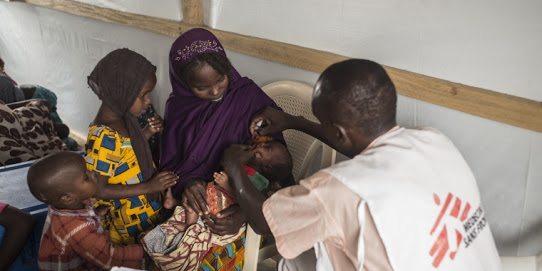
No fewer than hundred people in a camp in northeastern Nigeria have been infected with hepatitis E after the disease spread from neighbouring Niger.

According to reports, the highly contagious disease has spread quickly through Ngala camp due to a combination of poor living conditions and flooding. MSF medical coordinator, Nicoletta Bellio described the situation in the camp, which housed some 45,000 people who have fled violence stemming from the conflict between Boko Haram and the military.

“The situation in Ngala is very worrying. The onset of the rainy season has caused repeated flooding in the camp and water gushes across pathways, latrine holes and into people’s shelters. When it rains, the whole camp gets covered in mud and dirty water. This is a recipe for spreading bacteria and disease – particularly as people don’t always use the latrines that have been installed in the camp, so wastewater washes out everywhere.

“There have been more than 400 cases of hepatitis E in the past two months and we have treated 170 patients at our hospital, so it’s no surprise that an outbreak of hepatitis E has been declared.

“Generally people recover from hepatitis E if they receive treatment, but the disease can be very dangerous for pregnant women and their unborn babies. Hepatitis E leads to high rates of spontaneous abortions and stillbirths, as well as babies being born prematurely. It can also cause severe haemorrhages in mothers, both during childbirth and after giving birth.

“In the past two months, four pregnant women in Ngala camp have died of complications linked to the disease, and that is four too many. Something as simple as soap and clean water could have prevented these deaths.

“Our health promotion teams are working with the community to clean the camp of dirty water and waste. We have also distributed soap and chlorinated the water supply, although chlorine is less effective against hepatitis E than it is against cholera, for example. Other humanitarian organisations have also worked to improve the water supply.

“The rains will continue for several months, and we fear that this could mean more cases of hepatitis E or, even worse, an outbreak of cholera. If this happens, Ngala’s remote location and the security situation in the area will make it very difficult for us to respond. In fact it would be a disaster.”

Comments

Health

Oyo confirms Lassa fever death in Ibadan, activates emergency response, traces contacts

Published

on

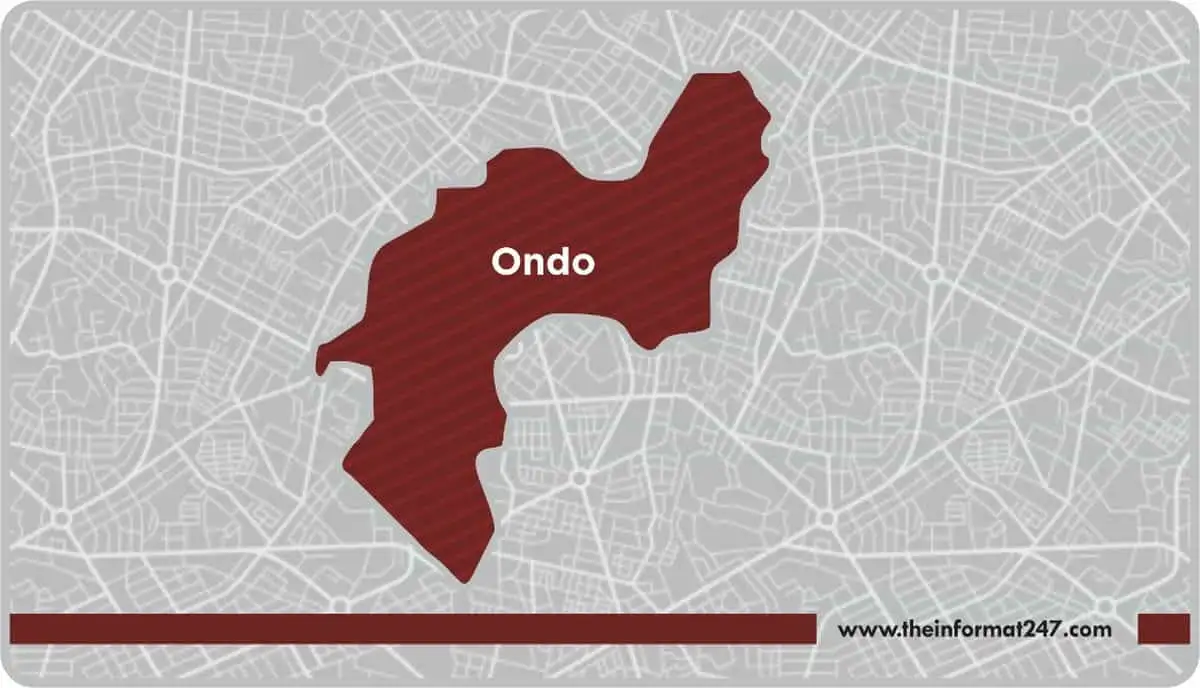
The Oyo State Government has confirmed a Lassa fever case at the University College Hospital, Ibadan, where a 44-year-old woman died, prompting the activation of emergency response measures and immediate contact tracing to contain the disease.

The state Commissioner for Health, Oluwaserimi Ajetunmobi, disclosed this in a statement on Wednesday, saying, “The patient died on April 11, 2026, while receiving treatment, while laboratory confirmation of Lassa fever was received on April 13.”

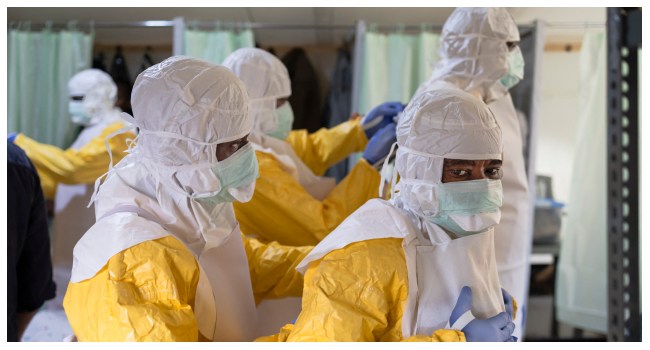
She added that the Ministry of Health had swiftly activated its emergency response system, including the establishment of an Incident Management System to coordinate response activities across the state.

According to her, “All identified contacts of the deceased are being closely monitored, while necessary measures have been taken to ensure a safe and dignified burial in line with public health protocols.”

Ajetunmobi urged residents to seek immediate medical attention if they experience symptoms such as persistent fever, weakness, sore throat, vomiting, diarrhoea, unexplained bleeding, chest pain or difficulty breathing.

She stressed, “Early presentation at health facilities significantly improves the chances of survival.”

The commissioner explained that Lassa fever is a viral haemorrhagic disease transmitted primarily through contact with food or household items contaminated by urine or faeces of infected rodents.

“It can also spread from person to person through contact with bodily fluids, especially in healthcare settings where infection prevention measures are not strictly observed,” she said.

She advised residents to maintain strict environmental hygiene, including proper waste disposal, safe storage of food in rodent-proof containers and avoiding drying food items on bare ground or roadsides.

Ajetunmobi also urged households to seal holes and entry points to prevent rodent access, while emphasising regular handwashing and good personal hygiene.

Residents, she said, should report suspected cases through designated emergency lines, while health workers must strictly adhere to infection prevention and control protocols.

Reaffirming the government’s commitment, the commissioner said surveillance had been intensified across the state, with all health facilities placed on alert.

“There is no cause for panic. The situation is under control, and Lassa fever is both preventable and treatable when detected early,” she assured.

Continue Reading

Health

Rep Oseni Backs Ajimobi Widow’s Cancer Fight, Vows More Health Projects

Published

on

The lawmaker representing Ibarapa East/Ido Federal Constituency in the House of Representatives, Aderemi Oseni, has pledged to support the breast cancer awareness programme of the ABC Foundation founded by former Oyo First Lady, Dr. Florence Ajimobi.

Oseni, who is Chairman of the House Committee on Federal Roads Maintenance Agency (FERMA), made the commitment on Thursday in Ibadan at the flag-off of Pink Month 2025, an initiative of the foundation.

Contained in a statement by his media aide, Idowu Ayodele, the lawmaker described the campaign as a “lifesaving mission” given the rising burden of breast cancer in Nigeria, with over 28,000 new cases and thousands of deaths reported annually.

The APC chieftain said the free screening of 1,000 women planned by the foundation was timely, stressing that early detection remained the strongest weapon in the fight against cancer.

Hon. Aderemi Oseni exchanging pleasantries with former Oyo State First Lady, Dr. (Mrs.) Florence Ajimobi, at the event.

“Health is life. Only this June, I moved a motion at the National Assembly which led to the Federal Government subsidising dialysis treatment nationwide. Today, dialysis is either free or heavily discounted in federal health facilities,” Oseni said.

He listed his personal interventions to include funding hospital bills of indigent patients, construction of hospitals in Ido and Ibarapa East, establishment of primary health centres, and organisation of medical outreaches. He also disclosed plans to deploy mobile clinics to rural areas.

Commending Mrs. Ajimobi for sustaining her late husband’s legacy through humanitarian service, Oseni assured of partnership with the foundation, saying women’s wellbeing and empowerment remained central to his vision for Oyo State.

In her remarks, Mrs. Ajimobi said the foundation had offered medical care to over 85,000 patients and conducted more than 100,000 investigations since its inception. She added that the campaign was not just corporate social responsibility but “a moral duty and sacred trust.”

The former first lady, who lost her daughter Abisola to breast cancer earlier this year, said the experience had strengthened her resolve to save other families from such tragedy. She appealed to women to take advantage of the free screening and called on partners and development agencies to support the fight.

Continue Reading

Health

Ayebae, Afolabi to headline D’Bio Wellness Summit

Published

on


Chairman of Fidson Healthcare Plc, Dr. Fidelis Akhagboso Ayebae, and Chief Executive Officer of Hazon Holdings, Dr. Victor ’Gbenga Afolabi, are set to lead discussions at the second edition of the D’Bio Wellness & Selfcare Summit.

The event is scheduled to hold on September 24 and 25 at the Lagos Chamber of Commerce and Industry (LCCI) Conference and Exhibition Centre, Alausa, Ikeja.

This year’s summit has the theme: “Self-Care as a Driver of Optimal Health and Wellness.”

Ayebae will serve as chairman of the event, while Afolabi, who is also the co-founder of Wellness HMO, will deliver the keynote address.

Ayebae, founder of Fidson Healthcare, is regarded as one of Nigeria’s leading pharmaceutical entrepreneurs. He is a fellow of the Institute of Directors Nigeria and the Institute of Corporate Affairs Management, and has held significant roles in the Manufacturers Association of Nigeria.

Afolabi has more than 20 years’ experience spanning healthcare, finance, technology and marketing. He is also the founder of the Eko Innovation Centre, a Lagos-based technology hub that supports start-ups and young entrepreneurs.

Convener of the summit, Dr. Monica Hemben Eimunjeze, said the event would focus on practical steps to improve health outcomes through self-care.

She said, “We are excited to welcome Dr. Ayebae and Dr. Afolabi as pivotal figures in our quest to enhance health literacy and empower individuals to prioritise self-care. This summit is not just about discussions; it is about actionable insights that can inspire and transform lives.”

The organisers said the two-day summit is open to the public and will feature panel sessions with health and wellness experts, attracting healthcare professionals, advocates and business leaders.

Continue Reading

Advertisement

Entertainment

Advertisement

MegaIcon Magazine Facebook Page

Advertisement

MEGAICON TV

Advertisement

Trending