Connect with us

News

Dangote to Launch 25,000 Hectares of Rice Outgrower Scheme.

Published

on

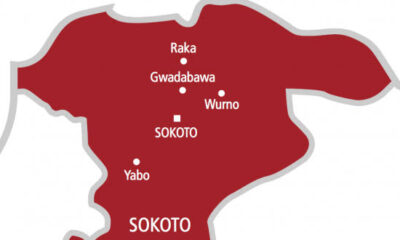
DANGOTE Rice, a subsidiary of Dangote Group is set to launch in Sokoto state it’s multi-million naira 25,000 hectares of rice outgrower scheme with a view to providing hundreds of thousands of employment opportunities for the rural communities inhabitants.

The group’s President , Aliko Dangote made this known at the weekend that the Company will on Wednesday, flag off with a pilot project of 500 ha by Gonroyo dam, which is the second largest in the country, after Kainji situated in Goronyo community.

The flag off ceremony to be performed by the governor of the state, Alhaji Aminu Tambuwa will witness seedlings being distributed to the primary local farmers who will in turn plant the seed after which Dangote Rice company will purchase from them for milling and final processing.

Sokoto state is the second after Jigawa out of the 14 states spread across the state where Dangote Rice plans to operate outgrower scheme to empower local farmers and create job opportunities for community dwellers and reduce migration to the cities.

Dangote Rice projects in the 14 states, when, operational, will generate a significant number of jobs and increase take-home income for smallholder farmers, all while diversifying Nigeria’s economy and reducing the nation’s food import bill.

Statistics from the Federal Ministry of Agriculture and Rural Development (FMARD) estimates that rice demand in Nigeria reached 6.3 million MT in 2015, with only 2.3 million MT of that demand satisfied by local production.

This local production shortfall leaves a gap of 4.0 million MT that is currently being filled through formal importation of rice or illegal imports over land borders.

By year-end 2017, Dangote Rice plans to produce 225,000 MT of parboiled, milled white rice. This will allow us to satisfy 4% of the total market demand within 1 year. Our model can then be successfully scaled to produce 1,000,000 MT of milled rice in order to satisfy 16% of the domestic market demand for rice over the next 5 years.

Due to the current economic crisis, domestic prices for agro-commodities have risen dramatically over the last 12 months, making local agriculture an attractive investment

Due to the current economic crisis, domestic prices for agro-commodities have risen dramatically over the last 12 months, making local agriculture an attractive investment. Dangote Rice Limited  seeks to take advantage of this economic trend and the favourable policies laid out in the FMARD’s Agricultural Transformation Agenda.

Dangote Rice has a mandate to locally high-quality milled, parboiled rice for the Nigeria market. This goal will be achieved by sourcing the raw material (paddy) required from the Dangote Rice Outgrower Scheme.

Through the Dangote Rice Outgrower Scheme, DRL will partner with outgrowers (smallholder and contract rice farmers) to cultivate and grow rice paddy. Specifically, DRL will provide inputs, technical assistance, extension services and land preparation services and equipment directly to farmers. At harvest, DRL will recoup the costs of inputs and services in-kind and will act as a guaranteed offtaker for paddy that meets certain pre-agreed quality standards. Smallholder farmers will provide land and labour.

The centralized outgrower model enables a high level of control over product quality and quantity. The purchasing price given to farmers will reflect each season’s market price and will be set after an extensive market price survey and consultation with all stakeholders.

In the short-term, Dangote Rice will be responsible for importing all of the inputs needed for cultivation and making them available to the outgrowers.

By end of 2017, Dangote Rice will have 25,000 Ha under rice cultivation across 3 sites in Northern Nigeria having identified rice-growing communities in Jigawa State (5,000 Ha), Sokoto State (10,000 Ha) and Zamfara State (10,000 Ha).

The 25,000 Ha will be farmed by nearly 50,000 outgrowers in the selected site areas. These outgrowers are already organized into cooperative associations. We will engage with these organizations to register and sign contracts with each farmer.

In addition to the outgrowers, an additional ~260 jobs will be created by year-end 2017. These individuals will serve as agronomists, credit officers and staff of the mill.

Upon harvest, Dangote Rice will offtake rice paddy and transport the paddy to be processed. One centralized mill will mill the stored paddy rice from all 3 sites.

Dangote Rice plans to produce one million MT of rice from 150,000 Ha in the next 5 years over. They intend to accomplish this by scaling the business model described above to more sites and rice growing communities. These communities have been identified and relationship building and sensitization has already begun. In addition to scaling the above model, DRL will establish and manage a high-quality seed development farm at Numan in Adamawa to reduce the costs of seeds.

Dangote Rice will establish raw material reception, drying, hulling, parboiling units and silos in strategic areas throughout the country near our additional outgrower communities. Each site will store dried, hulled, parboiled bran rice. DRL will then transport this bran rice to a mill, where finished rice will be produced.

Comments

News

Inflation drops marginally to 15.39% — NBS

Published

on

Nigeria’s headline inflation rate fell marginally to 15.39 per cent in August 2026 from 15.43 per cent in July, according to the National Bureau of Statistics.

The NBS disclosed this in its Consumer Price Index released on Tuesday, saying the latest figure represented a 0.04 percentage point decline from the previous month.

The statistics agency, however, reported a sharper decline in the month-on-month inflation rate, which dropped to 0.71 per cent in August from 1.57 per cent in July.

The month-on-month rate, according to the bureau, declined by 0.86 percentage points compared with the July figure.

The NBS explained that the development indicated that the rate at which the average price level increased in August was slower than that recorded in July.

The latest data also showed a significant moderation in food inflation, which stood at 19.57 per cent year-on-year in August.

The figure was substantially lower than the 25.30 per cent recorded in August 2025.

On a month-on-month basis, food inflation fell to 1.02 per cent in August from 5.56 per cent in July, representing a decline of 4.55 percentage points.

The NBS said the development showed that food prices were still rising, but at a slower rate during the month under review.

It attributed the decline largely to changes in the average prices of a number of food items, including palm oil, carrots, pepper, onions, cassava flour, beef, yam flour, water yam, melon (egusi), fresh ginger, fresh fish, Irish potatoes, wheat grain, frozen chicken and turkey meat.

At the state level, Adamawa recorded the highest year-on-year food inflation rate in August at 38.85 per cent.

It was followed by Zamfara with 37.96 per cent and Bayelsa with 36.20 per cent.

On the other hand, Borno recorded the lowest year-on-year food inflation rate at -4.04 per cent, followed by Jigawa at -0.23 per cent and Kebbi at 3.47 per cent.

The month-on-month figures presented a different picture, with Katsina recording the highest food inflation rate at 9.48 per cent.

Rivers and Osun followed with 8.86 per cent and 8.32 per cent respectively.

Taraba recorded the lowest month-on-month food inflation rate at -12.42 per cent, followed by Borno at -12.15 per cent and Bauchi at -8.88 per cent.

The latest figures indicate a moderation in the pace of price increases, particularly in the food sector, although the NBS data show that consumers continue to face varying price pressures across the states.

Continue Reading

News

Nigeria’s Oil Output Rises to 1.68m Barrels Per Day

Published

on

Nigeria’s crude oil and condensate production rose to 1.68 million barrels per day in August 2026, representing a 0.4 per cent increase from the 1.67 million barrels per day recorded in July.

The Nigerian Upstream Petroleum Regulatory Commission disclosed this in its latest production report released on Sunday.

Excluding condensate, the country produced an average of 1,500,190 barrels of crude oil per day in August, allowing Nigeria to meet its Organisation of Petroleum Exporting Countries quota for the fourth consecutive month.

Daily combined crude oil and condensate production ranged between 1.64 million barrels and 1.71 million barrels during the month under review.

A breakdown of production by terminals showed that Bonny Terminal recorded the highest output at 320.04 thousand barrels per day, followed by Forcados Terminal with 317.40 thousand barrels per day.

Qua Iboe Terminal recorded an average production of 171.72 thousand barrels per day, while Escravos Oil Terminal posted 131.71 thousand barrels per day.

Bonga ranked fifth among the highest-producing terminals, with an average output of 92.50 thousand barrels per day.

The NUPRC attributed the modest improvement in August production largely to the resolution of operational challenges involving the Single Buoy Mooring at the Erha field.

The commission said the challenges had adversely affected production in the preceding month.

“The restoration of normal evacuation and production operations at the asset contributed positively to overall production volumes during the period under review,” the commission’s spokesperson, Eniola Akinkuotu, said in a statement on Sunday.

The regulator added that production activities across most other producing assets remained relatively stable during the month.

“Production activities across most other producing assets remained relatively stable, with operators sustaining implementation measures aimed at optimising production efficiency, maintaining asset integrity, and minimising operational disruptions,” the statement said.

The latest figures indicate a continued improvement in Nigeria’s oil production, with the country maintaining its OPEC quota compliance for the fourth consecutive month.

Continue Reading

News

Oyo South: Oseni Approves N100m for Ibadan Community Road Rehabilitation

Published

on

The All Progressives Congress (APC) candidate for Oyo South Senatorial District, Hon. Aderemi Oseni, has approved N100 million for the immediate rehabilitation of a major access road linking seven communities in Ido Local Government Area of Oyo State.

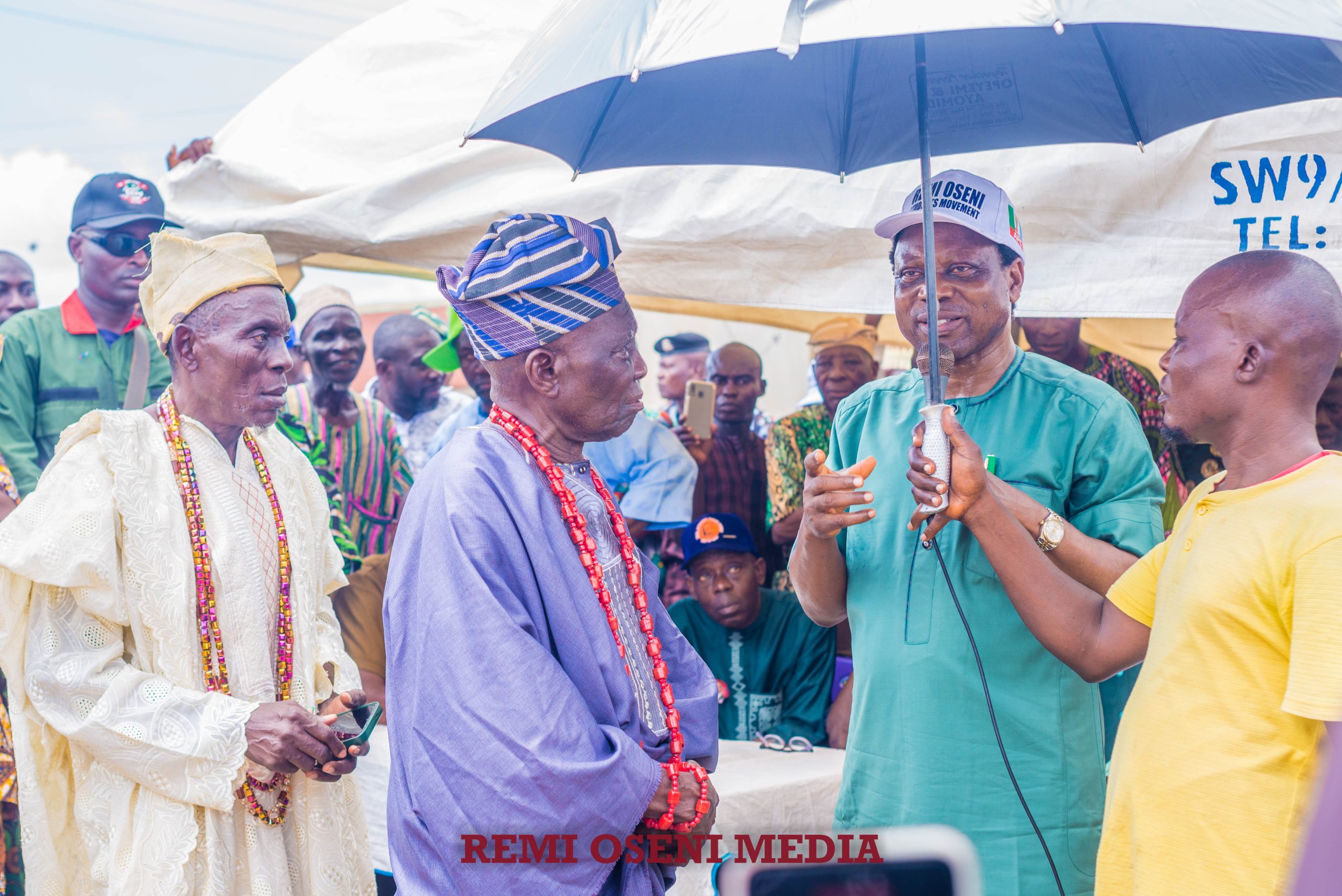
Oseni, who represents Ibarapa East/Ido Federal Constituency in the House of Representatives, announced the intervention on Saturday at a town hall meeting with residents and community leaders from Power Line, Awonsoso, Siba, Olupoyi, Balogun, Baba Agba and Agaloke communities.
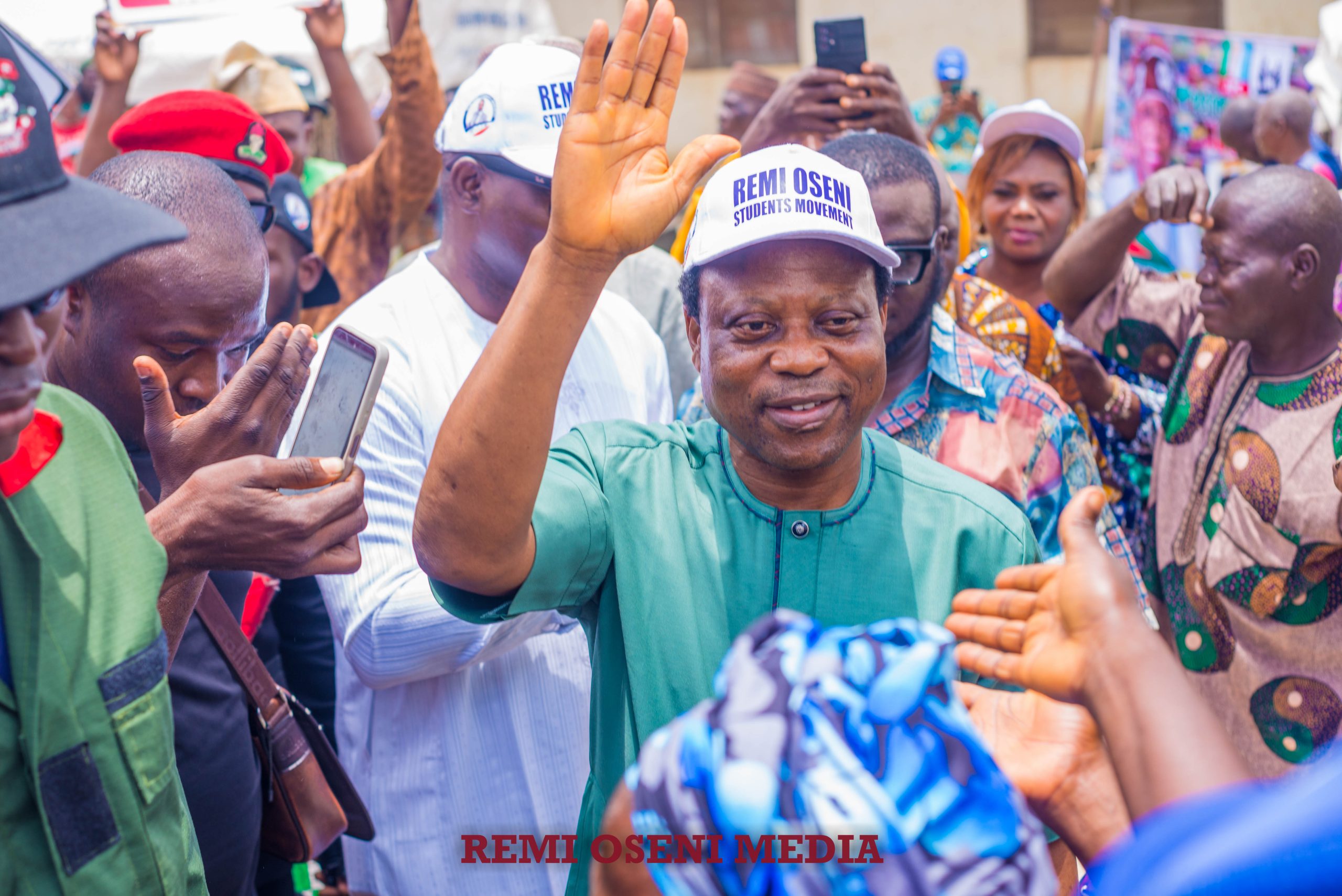
‎The lawmaker said the decision followed a request by the community stakeholders, who identified the poor condition of the road as their most pressing need. He assured the residents that the rehabilitation would be completed within four months.

‎Oseni said the intervention was part of his commitment to people-centred representation, stressing that his legislative activities had been focused on issues capable of improving the lives of Nigerians.
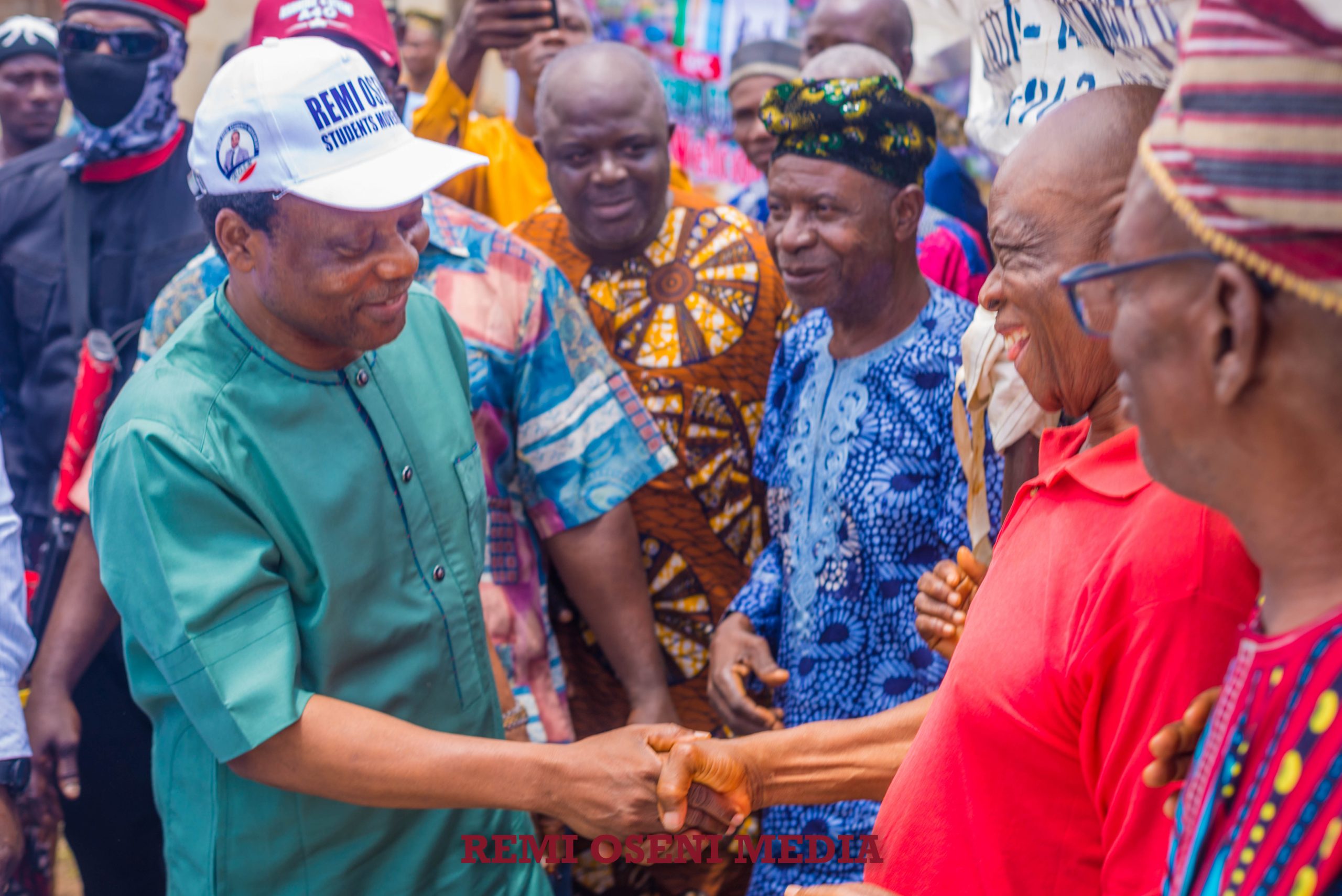
He said, “Within the three years plus, I have sponsored bills and moved motions that are carefully designed to positively impact the lives and livelihoods of citizens.”

According to him, some of the legislative initiatives include moves to amend the Federal Medical Centres Act to establish a Federal Medical Centre in Ido Local Government Area, stronger sanctions for contractors who fail to execute government projects according to specifications, and measures to improve accountability in the management of public contracts.

Oseni added that he had also advocated subsidised farm machinery for farmers, measures to reduce the cost of cancer treatment, improved food storage through modern silos and processing facilities, as well as urgent action on flooding and recurring building collapses in major cities among several others.
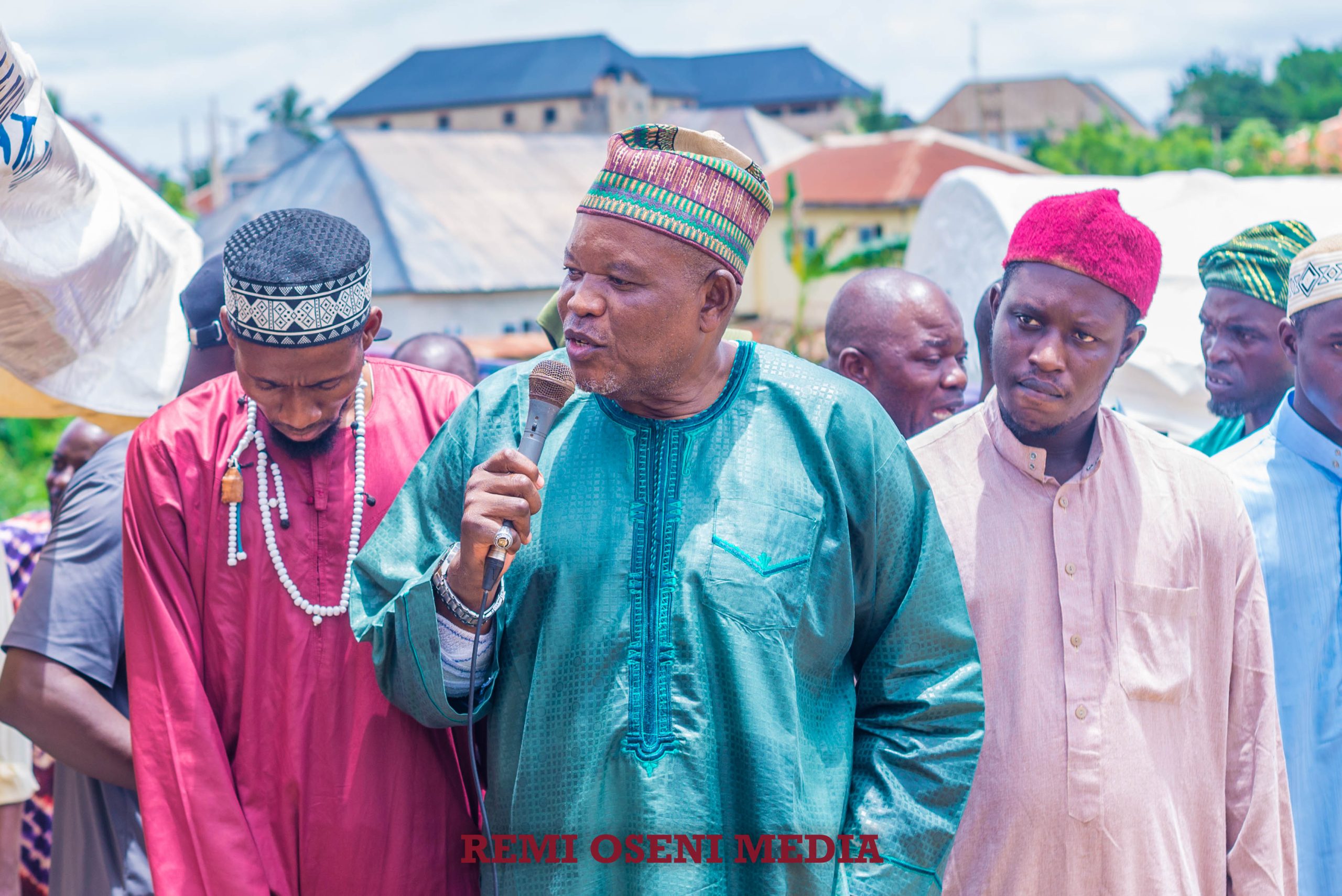
‎The lawmaker said his engagements with communities across Oyo South should not be viewed solely through the prism of the 2027 elections, despite the commencement of political activities.

“My visit here today is not to solicit for votes, but to listen and find practical ways to attend to the requests and plights of my people,” he said.

‎Oseni also disclosed that he had facilitated the distribution of 31 transformers across Ido and Ibarapa, with about 80 per cent of the cost funded through his foundation. He added that  other interventions had included solar-powered street lights, boreholes, bridges, public toilets, educational support,  infrastructure, health care services,  youth and women empowerment, and assistance to artisans, traders and markets across the senatorial district.
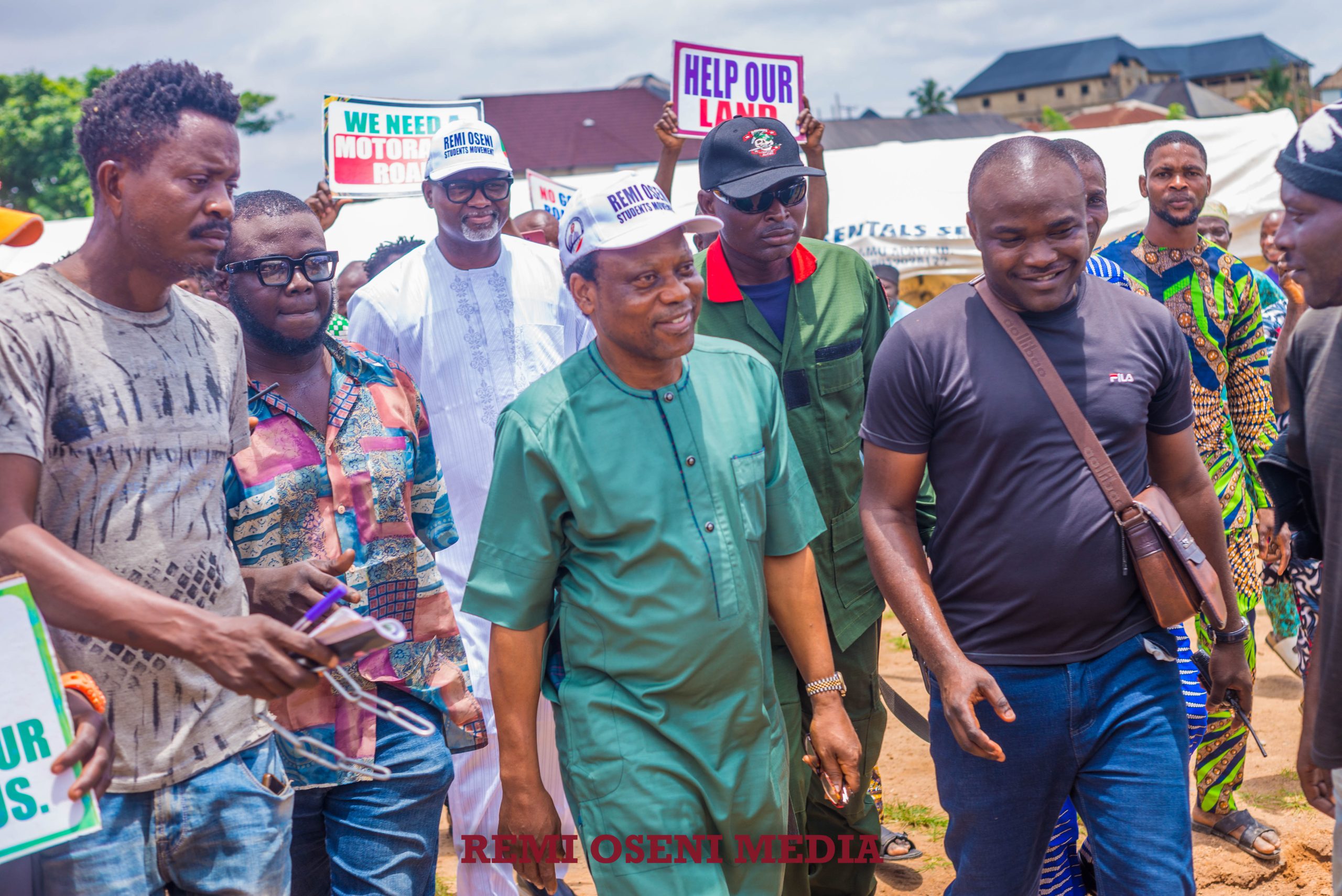
The APC chieftain further noted that some youths had also received N1 million each as seed capital to start small businesses.

‎Oseni acknowledged that his primary responsibility as a federal lawmaker was to make laws and provide effective representation, but said the gap created by ineffective governance at the grassroots had made it necessary for him to support communities through interventions.

He urged youths to remain focused and resilient, recounting how he worked as a bus conductor to raise money for his secondary education before becoming an engineer, businessman and legislator.

Earlier,  Chief Muibi Adegoke, Baale of Awonsoso, and Chief Azeez Saka, Baale of Elere Apata, commended the lawmaker for what they described as his performance in legislation and community development. They pledged their support for his political aspiration ahead of the 2027 election.

‎The meeting was attended by traditional rulers, religious leaders, community elders, women and youth leaders from the affected communities.

(c) Mega Icon Magazine 

Continue Reading

Trending

All Rights Reserved. Copyright © 2026 MegaIcon Magazine