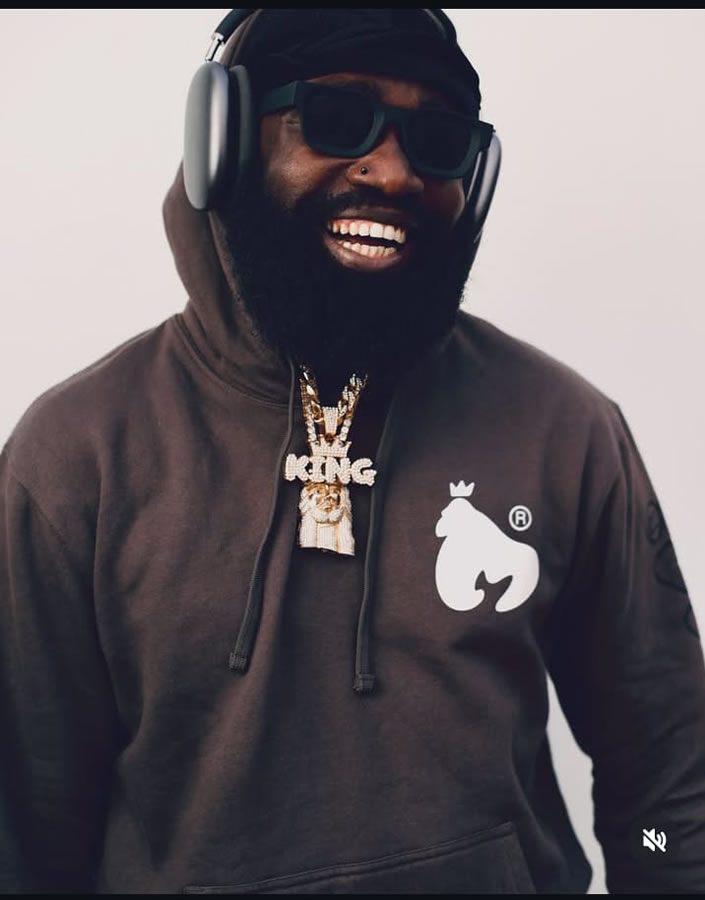
Afrobeats singer Sean Dampte has stirred fresh conversations online after calling on Nigerian media platforms to temporarily suspend the promotion of South African entertainment content, while also delivering a blunt message to young Nigerians about the importance of hard work.
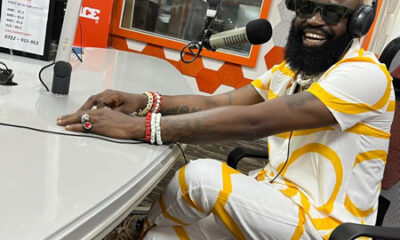
The singer made the remarks during a recent radio interview, where he discussed the need for Nigeria to place greater value on its entertainment industry and cultural influence across Africa.
Speaking passionately, Sean Dampte argued that Nigerian radio stations, television networks, DJs, presenters and other media stakeholders should prioritise local content over South African productions, insisting that Nigeria has contributed immensely to the growth of African entertainment and deserves greater respect in return.
According to the “Ajinomoto” crooner, Nigerian media should leverage its influence to protect the country’s creative industry and ensure Nigerian artistes receive the recognition and support they deserve.
While he did not suggest that the suspension should be permanent, his comments have generated mixed reactions among fans and industry observers. Some have applauded his stance, describing it as a bold call to protect Nigerian interests and promote homegrown talent. Others, however, argue that entertainment should remain a bridge for cultural exchange rather than become entangled in political or diplomatic disagreements.
Beyond the conversation on media and cultural identity, Sean Dampte also addressed Nigerian youths, stressing the importance of diligence and personal responsibility in the face of the country’s economic realities.
Delivering what has since become one of the interview’s most talked-about moments, the singer declared:
“If you no hustle, na Sapa be the penalty.”
The statement quickly resonated across social media, with many users adopting it as a catchy slogan that reflects the everyday struggles faced by many young Nigerians.
Sean Dampte’s comments have continued to spark debate over whether Nigerian media should adopt stronger measures to protect local content or maintain an open approach that promotes entertainment across the African continent.
As discussions continue online, his remarks have once again placed the intersection of music, culture and national identity at the centre of public conversation, proving that the singer is unafraid to voice opinions capable of igniting widespread debate.