News
137 ‘heroes’ killed as invading Russian forces press deep into Ukraine

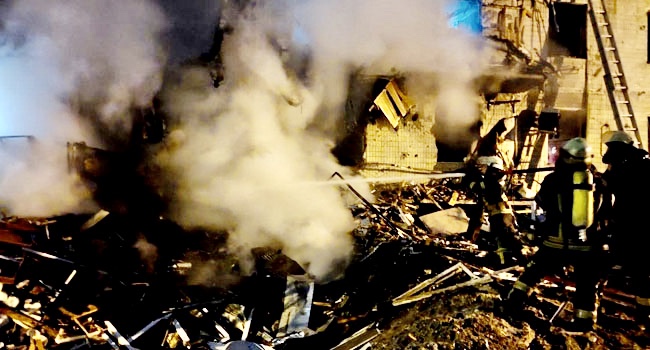
Invading Russian forces pressed deep into Ukraine as deadly battles reached the outskirts of Kyiv, with explosions heard in the capital early Friday that the besieged government described as “horrific rocket strikes”.
The blasts in Kyiv set off a second day of violence after Russian President Vladimir Putin defied Western warnings to unleash a full-scale ground invasion and air assault that quickly claimed dozens of lives and displaced at least 100,000 people.
The United States and its allies responded with a barrage of sanctions, but the Russian forces appeared intent Friday on pressing home their advantage after a string of key strategic victories on day one.
“Horrific Russian rocket strikes on Kyiv,” Ukraine Foreign Minister Dmytro Kuleba posted on Twitter after explosions were heard in the capital before dawn.
“Last time our capital experienced anything like this was in 1941 when it was attacked by Nazi Germany. Ukraine defeated that evil and will defeat this one.”
At least 137 “heroes” were killed during the first day of fighting, President Volodymyr Zelensky said on Thursday, as he called up conscripts and reservists nationwide to fight in a general mobilisation.
Zelensky said there was now a “new iron curtain” between Russia and the rest of the world, like in the Cold War, adding in a later speech his nation had been “left alone”.
“Who is ready to fight alongside us? I don’t see anyone.”
And while the United States moved to impose sanctions on Russian elites and banks, it stressed that American forces would not head to eastern Europe to fight in Ukraine.
NATO said it had activated “defence plans” for allied countries.
But NATO chief Jens Stoltenberg said there was no plan to send alliance forces into Ukraine.
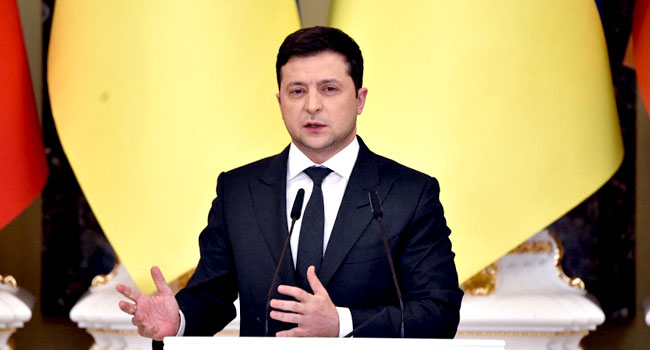
Ukrainian President Volodymyr Zelensky attends a joint press conference with his counterparts from Lithuania and Poland following their talks in Kyiv on February 23, 2022. SERGEI SUPINSKY / AFP
‘War on Europe’
Among the highest-profile strategic developments on Thursday, Ukraine said Russian forces had seized the Chernobyl nuclear power plant — prompting concern from international nuclear watchdogs.
Zelensky called the attack on Chernobyl “a declaration of war on all of Europe” while 18 people were killed at a military base near the Black Sea port of Odessa in the deadliest single strike reported by Kyiv.
Witnesses also told AFP that Russian paratroopers wrested control of the strategic Gostomel airfield, on the northwestern outskirts of Kyiv.
“The helicopters came in and then the battles started. They were firing machine guns, grenade launchers,” resident Sergiy Storozhuk said.
Russian ground forces had initially moved into Ukraine from the north, south, and east, forcing many Ukrainians to flee their homes as the sound of bombing reverberated.
Moscow’s defence ministry said Thursday its forces had “successfully completed” their objectives for the day, earlier claiming to have destroyed over 70 Ukrainian military targets, including 11 airfields.
Western intelligence confirmed Moscow had established “complete air superiority” over Ukraine.
Ukrainian forces said they had killed “around 50 Russian occupiers” while repulsing an attack on a town on the frontline with Moscow-backed rebels, which could not immediately be confirmed by AFP.
Ukraine also said a military plane with 14 people on board crashed south of Kyiv with officials still determining how many people died, while a transport plane crashed in Russia killing the crew.
Olena Kurilo was among 20 people wounded by flying shards of glass following a blast in the eastern Ukrainian town of Chuguiv.
“Never, under any conditions will I submit to Putin. It is better to die,” the 52-year-old teacher said, her face covered in bandages.
In the Ukrainian village of Starognativka near the frontline where separatists have faced off against Kyiv’s forces, official Vladimir Vesyelkin said missiles had rained down since Friday morning, and power was out.
“They are trying to wipe the village off the face of the earth,” he said.
Sanctions
Weeks of diplomacy failed to deter Putin, who massed over 150,000 troops on Ukraine’s borders in what the West said was Europe’s biggest military build-up since World War II.
Western allies had initially imposed some sanctions on Russia in an en effort to deter Putin, then followed through on Thursday with vows to try and heavily punish Russia economically.
US President Joe Biden announced export controls against Russia to cut off more than half of the country’s high-tech imports, alongside sanctions on Russian elites he called “corrupt billionaires”, and banks.
He will meet Friday with fellow Nato leaders in an extraordinary virtual summit to discuss the security situation in and around Ukraine later.
The EU moved to impose “massive” sanctions on Russia’s energy and finance sectors, while French President Emmanuel Macron called Putin to “demand immediate halt” to the offensive — but said the door must be kept open for dialogue.
The fighting spooked global financial markets, with stocks plunging and oil prices soaring past $100.
IMF chief Kristalina Georgieva said the unrest carried “significant economic risk” for the world, but Putin insisted he did not seek to undermine the global economic system.
Demonstrations across Europe
In a televised address, the Russian president justified the assault as a defence of the self-proclaimed Donetsk and Lugansk republics in eastern Ukraine.
The Kremlin earlier said the leaders of the two separatist territories had asked Moscow for military help against Kyiv after Putin recognised their independence on Monday.
A conflict between the separatists and government forces has dragged on since 2014, killing more than 14,000 people on both sides.
Russia has also long demanded that Ukraine be forbidden from ever joining NATO and that US troops pull out from Eastern Europe.
In the Baltics, Lithuania declared a national emergency. Latvia, Lithuania, and Czech Republic, also stopped issuing visas to Russians.
Demonstrators took to the streets of European capitals to condemn the Kremlin but a small anti-war protest in Moscow was quickly halted by police, with over 1,700 people detained at rallies across Russia.
The first Ukrainian refugees have begun to trickle into Hungary, Romania, and Poland while the UN said 100,000 had been displaced by the fighting.
“Anyone who can is fleeing,” said Krisztian Szavla, one of the first refugees who arrived Thursday in Hungary from Ukraine’s western Transcarpathia region.


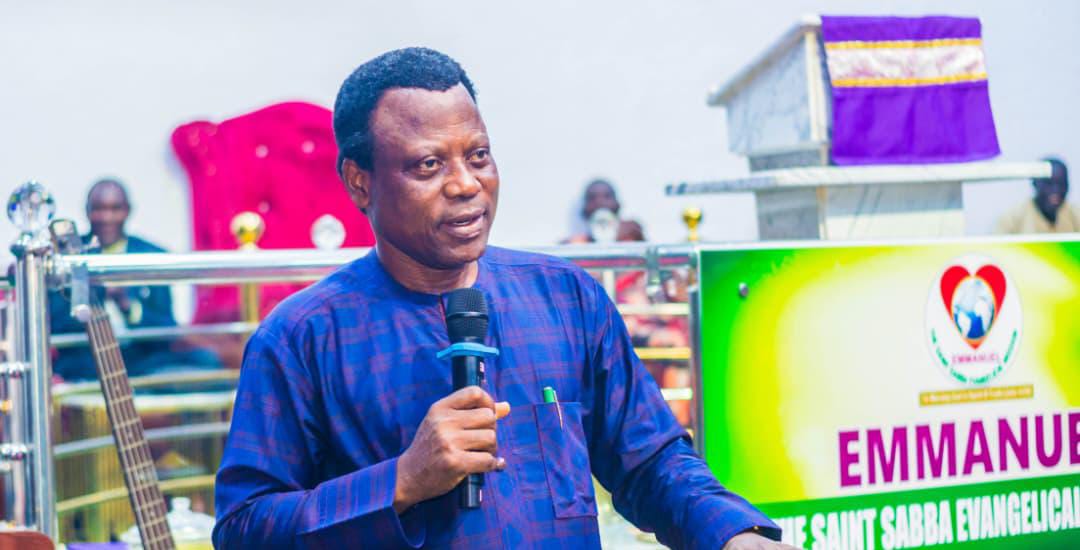
The All Progressives Congress (APC) candidate for Oyo South Senatorial District, Hon. Aderemi Oseni, has called on Nigerians to elect competent and accountable lawmakers, urging voters to understand the constitutional responsibilities of senators ahead of the 2027 general elections.
Oseni warned that misconceptions about the role of senators could undermine effective political representation, particularly when lawmakers are judged primarily by their ability to provide infrastructure, tackle poverty or distribute money to constituents rather than their performance in lawmaking, oversight and representation.
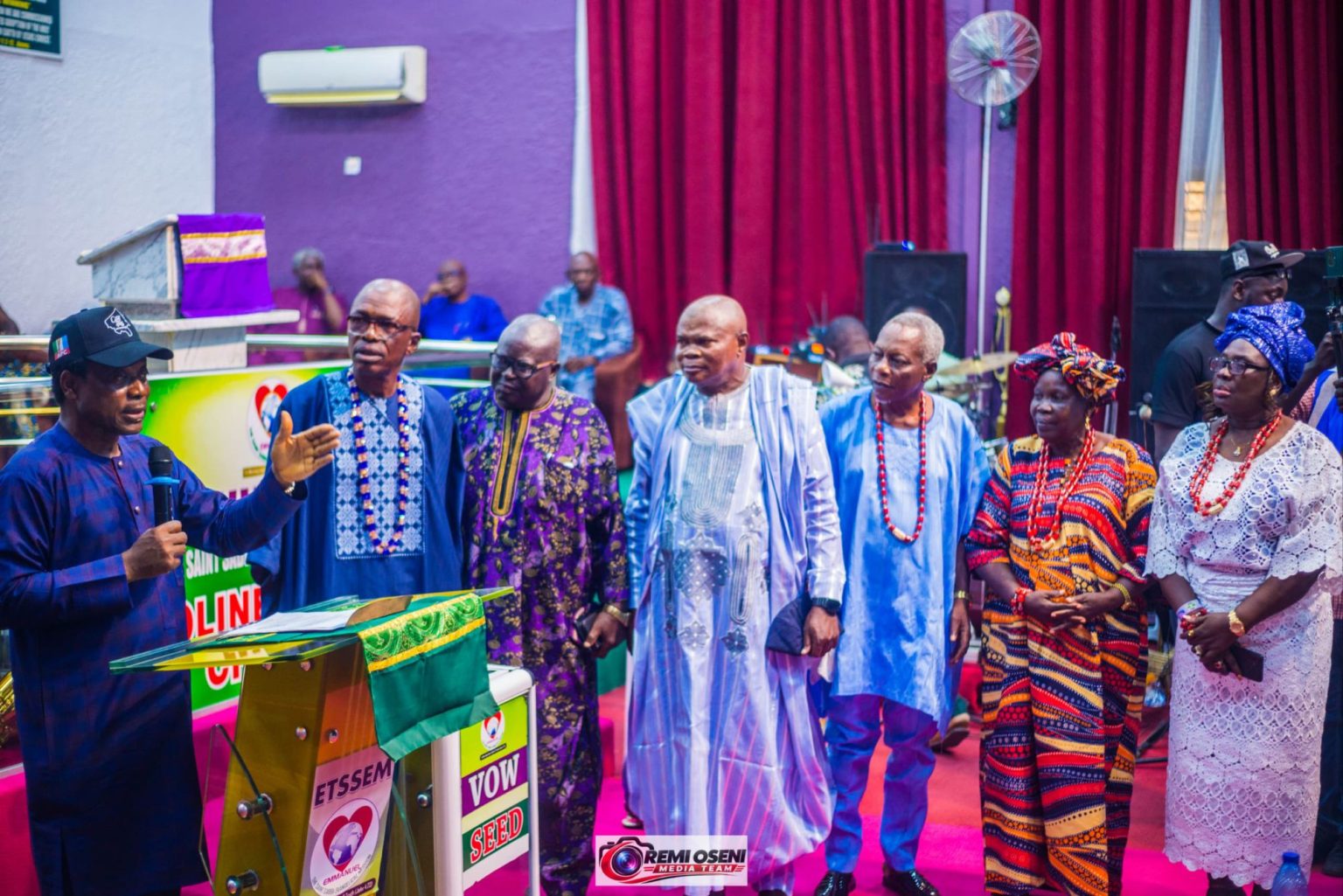
He spoke on Thursday at a political conference organised by the Christian Association of Nigeria (CAN), Ido Local Government Chapter, in Ibadan, the Oyo State capital.
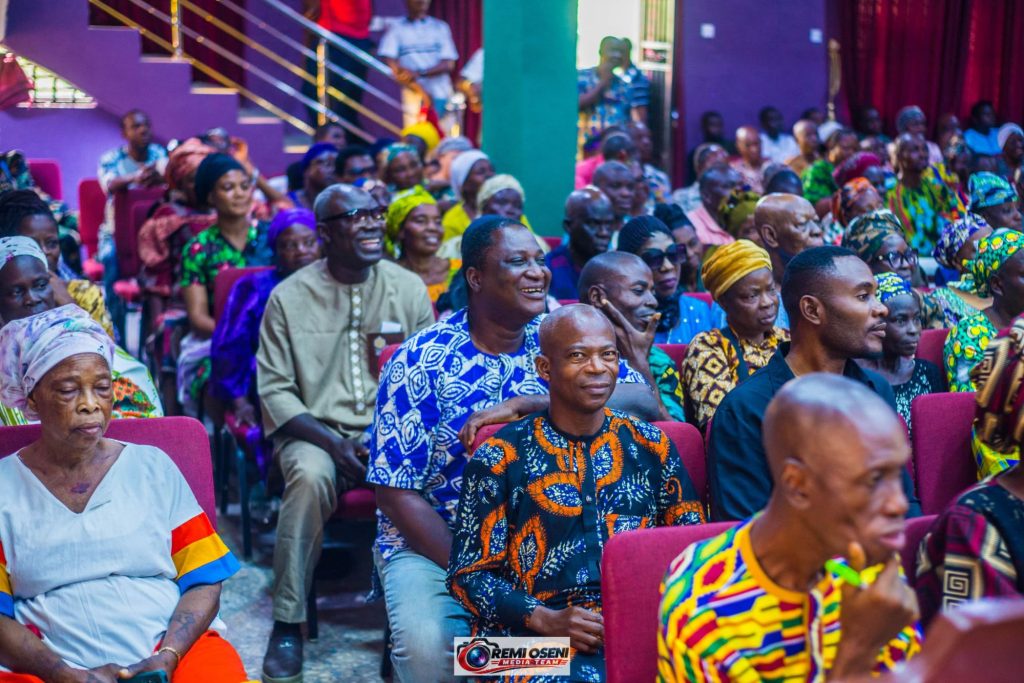
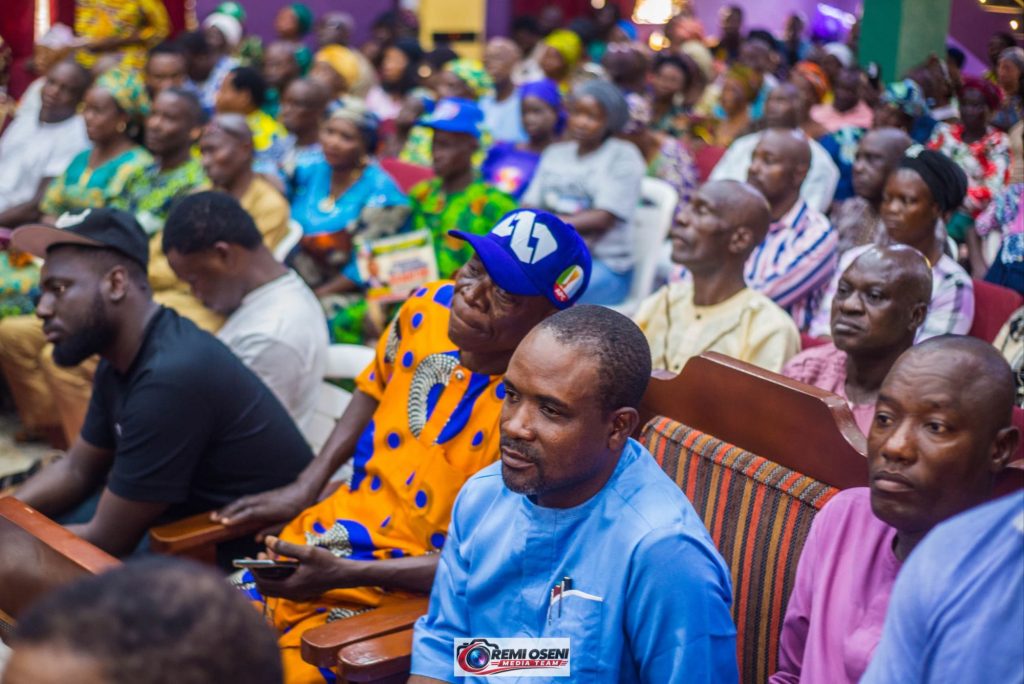
The conference, themed “The Importance of Senatorial Governance and Representation in a Federal Democratic System,” brought together Christian leaders, political stakeholders, professionals, traditional rulers, youths and women to discuss the role of the Senate in Nigeria’s democratic development.
Oseni, who represents Ibarapa East/Ido Federal Constituency in the House of Representatives, identified three major challenges confronting senatorial representation: the election of unsuitable candidates, the failure of some elected senators to discharge their responsibilities effectively, and widespread misconceptions about the office.
He said these challenges underscored the need for greater public awareness of the constitutional duties of senators.
The Chairman of the House Committee on the Federal Roads Maintenance Agency (FERMA) cautioned against holding senators solely responsible for youth unemployment, poverty, inadequate infrastructure and other development challenges without considering the respective responsibilities of the federal, state and local governments.
He also faulted the expectation that senators should routinely return from Abuja with large sums of money to distribute among their constituents.
“A senator is neither the Chief Executive of a senatorial district nor a replacement for the Governor or Local Government Chairman,” Oseni said.
He explained that the primary responsibilities of senators included making laws, conducting legislative oversight, representing their constituents’ interests and advocating policies, projects and programmes capable of improving their welfare.
According to him, effective representation goes beyond occupying a seat in the National Assembly, as senators are expected to serve as a link between their constituents and the Federal Government.
He added that their responsibilities included influencing national policies, advocating development projects, facilitating access to legitimate federal programmes and ensuring that the concerns of their constituencies received adequate attention in national decision-making.
“A senator is the people’s voice at the federal level,” he said, stressing that effective representation required ensuring that constituents’ concerns were heard and considered in decisions affecting the country.
Oseni described the Senate as a critical institution in Nigeria’s federal democratic system, given its responsibilities for lawmaking, accountability and national development. He noted that the choice of a senator had implications not only for the immediate interests of a constituency but also for the country’s broader political and developmental direction.
He said the CAN conference provided an opportunity to promote informed political participation, correct misconceptions about legislative responsibilities and encourage voters in Oyo South to make informed choices ahead of the 2027 elections.
The APC chieftain urged voters to assess senatorial candidates based on their understanding of the legislative process, commitment to constituency representation, ability to scrutinise government policies and willingness to hold public institutions accountable.
He maintained that a better understanding of the Senate’s constitutional responsibilities would enable voters to set realistic expectations, demand accountability and evaluate their elected representatives more effectively.

Oyo: Oseni Celebrates Dotun Sanusi, Lauds Contributions to Society

‘Senators Are Not Governors, Council Chairmen’ – Oseni Explains Legislative Responsibilities

OYO 2027: ALLI PROMISES LG, LCDA AUTONOMY FROM DAY ONE



-
 Politics3 weeks ago
APM Rally: APC Tackles Makinde Over Use of ‘CAF-Rejected’ ₦5.5bn Stadium
-
News4 weeks ago
OYO 2027: ‘Fact-Check Always’ – Oseni’s Aide Replies Ex-AGF , Ojo Over Alli’s Campaign Billboard Claims
-
Politics4 weeks ago
Oyo: No APC Defection To APM, Makinde Lied — APM Scribe
-
News4 weeks ago
Oseni congratulates Ajimobi on Nigeria’s IAEA Board appointment