Connect with us

News

Omicron COVID Variant: South Africa hits out as travel bans gain pace

Published

on

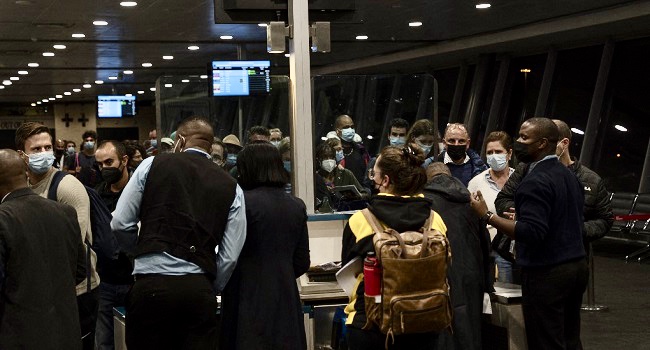
More African countries on Monday joined the rush to suspend air links with the south of the continent after the emergence of a new Covid variant, sparking a cry of anguish from South Africa.

The world’s widening travel bans also prompted the postponement of Africa’s biggest shop window for investment, as a glittering top-name gathering in Abidjan was postponed.

After Angola, Mauritius and the Seychelles, Gabon and Rwanda became the latest African nations to join Europe and other regions to halt flights from South Africa or its neighbours.

South Africa — which says it is being made a scapegoat for discovering the Omicron variant — reacted with dismay.

“It is quite regrettable, very unfortunate, and I will even say sad, to be talking about travel restrictions imposed by a fellow African country,” foreign ministry spokesman Clayson Monyela said.

“What I don’t understand is that some of these African countries that are doing this, know the struggles (that) as a continent we have, where European countries will take this decision and impose travel bans,” he said.

South Africa, he noted, had recently made “substantial donations” of vaccines to some of the countries that were now imposing flight bans.

“When a fellow African country does that, especially in the context where most of these countries are beneficiaries… it doesn’t make sense,” he told an online news conference organised by the health ministry.

Dozens of nations from Europe to Asia have imposed travel restrictions on South Africa and its neighbours since its scientists flagged the variant, named Omicron, last Thursday.

Mauritius, Rwanda and Gabon became the latest African countries to suspend flights.

Rwanda announced late Sunday that it was halting direct flights to and from nine countries in southern Africa.

All passengers who landed from those countries in the past seven days now have to spend a week in quarantine in designated hotels — at their own cost.

In Libreville, the Gabonese transport ministry on Monday announced a ban on the entry of travellers from eight southern African countries “whose final destination is Gabon.”

The eight include Angola, as well as Botswana, Eswatini, Lesotho, Mozambique, Namibia, South Africa and Zimbabwe.

‘False security’

On Saturday the director of the Mauritius Tourism Promotion Authority, Arvind Bundhun, said in a statement that it was “with regret” that the government took the decision to suspend all flights from southern Africa.

Angola — itself among the blacklisted southern African nations — at the weekend suspended all flights to and from Mozambique, Namibia and South Africa until further notice.

An outraged South African President Cyril Ramaphosa on Sunday said the curbs were scientifically unjustified and called for them to be “immediately and urgently” reversed.

Health Minister Joe Phaahla on Monday said many South Africans had felt the country had hastened to go public with the discovery of the new Omicron variant and that had it “kept quiet, travel bans would not have happened”.

“But that would have been detrimental, because our approach is for our citizens to not live in false security and false safety,” said Phaahla.

South African scientists won applause from Namibian President Hage Geingob, who said they had “unwittingly drawn fire and condemnation” for their country.

Economic fallout

The travel restrictions have dealt a new blow to South Africa’s tourism industry, which had hoped the southern hemisphere summer would bring an influx of visitors from the well-heeled north.

The African Development Bank (AfDB), meanwhile, said its 2021 Africa Investment Forum, scheduled to run in Ivory Coast’s economic hub of Abidjan from Wednesday to Friday, was being postponed until further notice.

Investment projects amounting to “several billion dollars” had been readied for the forum, where investors and corporate chiefs meet, AfDB President Akinwumi Adesina said in a press statement.

“Unfortunately, with rising global travel restrictions due to the Covid-19 Omicron variant, and heightened concerns for health and safety, it is necessary, regrettably, to postpone the event,” he said. “The health and safety of everyone comes first.”

Ramaphosa was among several heads of state expected for the forum, now in its third edition, which was for the first time being held outside South Africa.


Comments

News

Iran War Disrupts Oil Supply, Global Loss Hits $50bn

Published

on

The global oil market has recorded losses exceeding $50bn following massive supply disruptions triggered by the ongoing Iran war, which has now stretched to nearly 50 days.

Data from energy analytics firm Kpler showed that more than 500 million barrels of crude oil and condensate have been wiped off the global market since the crisis began in late February, making it the largest energy supply disruption in modern history.

Iran’s Foreign Minister, Abbas Araqchi, on Friday said the Strait of Hormuz had been reopened after a ceasefire agreement reached in Lebanon.

However, tensions escalated again on Saturday as Tehran warned it could shut the strategic waterway if the United States sustains its blockade of Iranian ports.

Also, U.S. President Donald Trump expressed optimism that a deal to end the conflict could be reached “soon,” although he did not provide a definite timeline.

Analysts warned that the scale of disruption could have prolonged effects on global energy stability, with shocks expected to linger for months or even years.

Providing context, Principal Analyst at Wood Mackenzie, Iain Mowat, said the 500 million barrels lost is equivalent to grounding global aviation demand for 10 weeks, halting all road transport worldwide for 11 days, or shutting down the entire global oil supply for five days.

Further estimates showed that the lost volume is nearly equal to one month of oil demand in the United States or more than a month’s supply for Europe. It also represents about six years of fuel consumption by the U.S. military and could power global shipping activities for approximately four months.

The crisis has significantly affected oil-producing nations in the Gulf, with output losses reaching about eight million barrels per day in March—roughly equivalent to the combined production of two of the world’s largest oil companies.

Jet fuel exports from major producers, including Saudi Arabia, Qatar, the United Arab Emirates, Kuwait, Bahrain, and Oman, dropped sharply from 19.6 million barrels in February to just 4.1 million barrels recorded across March and April combined. Analysts said the shortfall could have powered about 20,000 round-trip international flights.

With crude prices averaging around $100 per barrel since the onset of the conflict, the lost volumes translate to an estimated $50bn in revenue. Experts noted that this figure is equivalent to about one per cent of Germany’s annual Gross Domestic Product, or roughly the size of the economies of smaller European countries.

Meanwhile, global onshore crude inventories have declined by about 45 million barrels in April alone, while total production outages have risen to approximately 12 million barrels per day since late March.

Industry experts cautioned that unless a lasting resolution is reached, the disruption could intensify volatility in global oil markets, worsen inflationary pressures, and further strain fragile economies worldwide.

Continue Reading

News

Oseni Secures Prestigious City People Political Award Nomination

Published

on

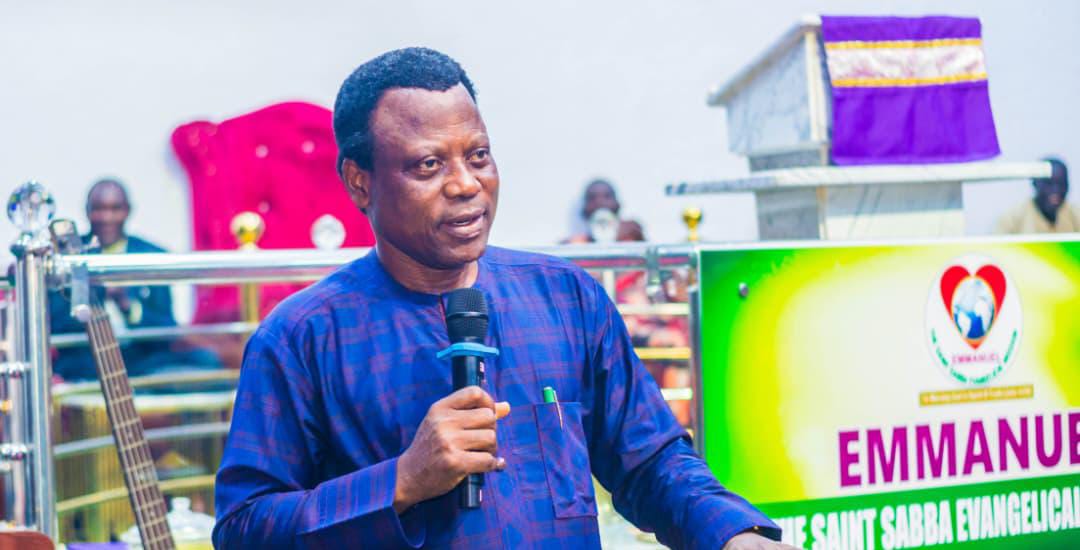
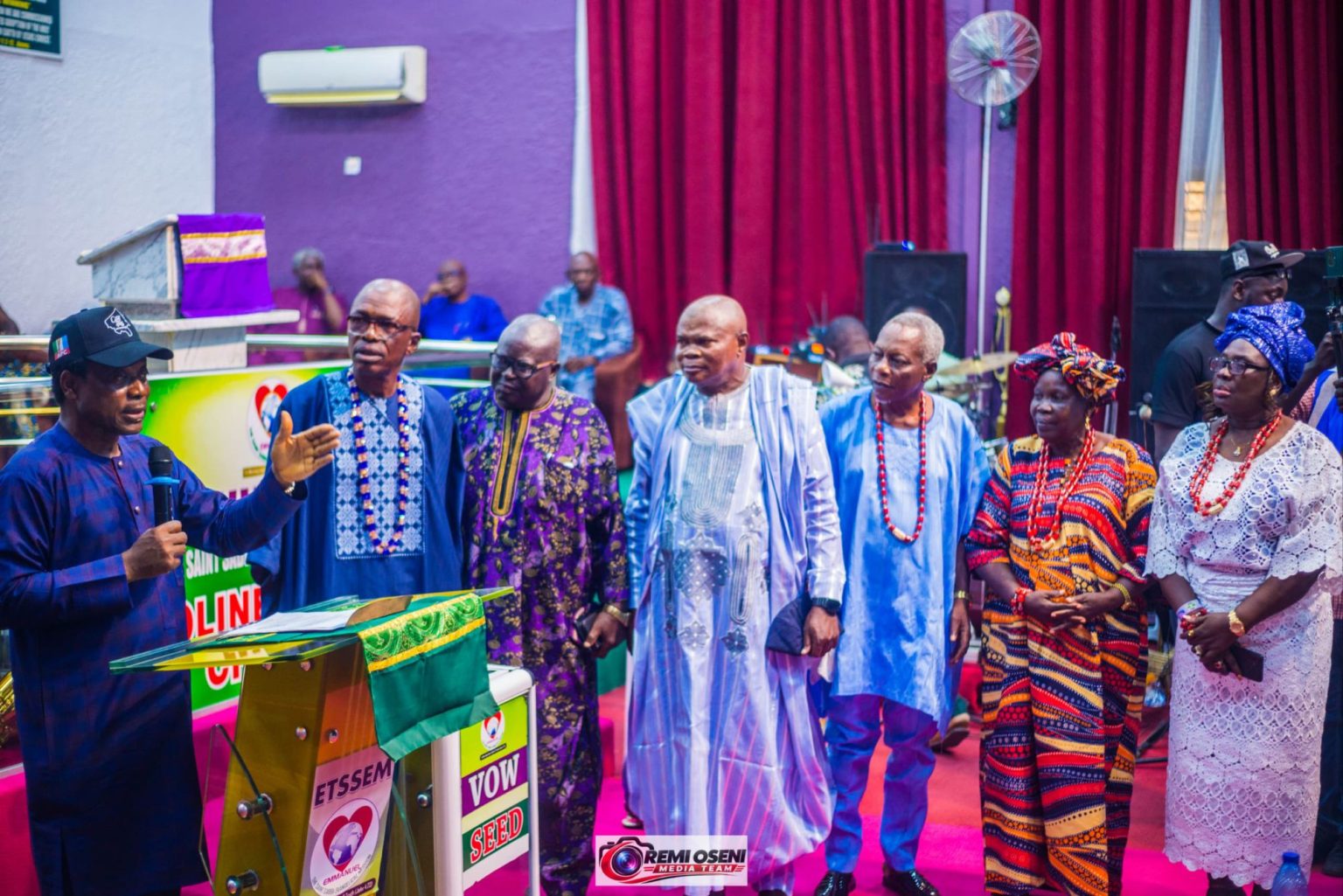
A member of the House of Representatives representing Ibarapa East/Ido Federal Constituency and Chairman of the House Committee on Federal Roads Maintenance Agency, Aderemi Oseni, has been nominated for a Special Award in Politics at the 2026 City People Political Awards.

The nomination was conveyed in a letter dated April 13, 2026, signed by the Publisher/Editor-in-Chief of City People Magazine, Seye Kehinde.

The development was disclosed in a statement issued by Oseni’s media aide, Idowu Ayodele, and made available to journalists in Ibadan on Thursday.

According to the statement, the lawmaker earned the nomination in recognition of his “outstanding contributions to politics in Oyo State, particularly in Ibarapa East/Ido Federal Constituency.”

The organisers noted that Oseni emerged as a nominee following a comprehensive review of performances across sectors by the award’s selection committee.

Part of the letter read, “Having performed creditably well in your sector last year, the Organising Committee presented you as a nominee in your sector.”

The award ceremony is scheduled to hold on Sunday, May 3, 2026, at Etal Hall, Kudirat Abiola Way, Oregun, Ikeja, Lagos, at 4pm.

The City People Awards is an annual event that recognises individuals who have distinguished themselves in governance, public service and other sectors of national development.

Continue Reading

News

Kaduna Electric to prosecute, expose attackers of staff

Published

on

The Kaduna Electricity Distribution Company has announced a crackdown on individuals who assault its staff, warning that offenders will face prosecution and public exposure.

In a statement issued on Thursday, the company expressed concern over what it described as a “disturbing surge” in attacks on its field workers and third-party partners.

It noted that the affected personnel were mainly engaged in meter installation, revenue collection and maintenance of electricity infrastructure.

According to the firm, the increasing cases of harassment, physical assault and unlawful detention of its workers pose a serious threat to employee safety and the stability of electricity service delivery across its franchise areas.

The Deputy Managing Director, Abubakar Mohammed, said the company would no longer tolerate any form of aggression against its workforce.

“Let this serve as a clear warning to anyone who engages in the assault of our staff. Kaduna Electric will pursue every case to its logical conclusion,” he said.

“We will work closely with security agencies to ensure offenders are brought to justice and face the full weight of the law,” Mohammed added.

He further disclosed that the company would publicly reveal the identities of individuals found culpable.

According to him, names, photographs and other details of offenders would be published on the company’s official platforms as well as in national and local media.

“This measure is intended to ensure accountability and serve as a strong deterrent. Anyone who chooses to attack our personnel should be prepared not only to face prosecution but also public exposure,” he added.

The company stressed that assaults on utility workers attract serious legal and financial consequences, noting that offenders risk criminal charges that may lead to fines or imprisonment.

It added that perpetrators could also face civil liabilities, including compensation for medical treatment, psychological trauma and loss of work hours.
While condemning the attacks, Kaduna Electric urged customers to adopt peaceful and lawful means of resolving disputes.

It advised aggrieved customers to channel complaints through its customer service units or appropriate regulatory bodies.

The management reaffirmed its commitment to protecting its workforce and partners, stressing that a safe working environment is essential for delivering reliable and efficient electricity services.

Although disputes between electricity providers and consumers are often linked to billing issues, metering challenges and service delivery concerns, the company maintained that such matters must be resolved through dialogue, insisting that violence against its staff will no longer be tolerated.

Continue Reading

Advertisement

Entertainment

Advertisement

MegaIcon Magazine Facebook Page

Advertisement

MEGAICON TV

Advertisement

Trending