Top Stories
Lagos falls as travel to Africa reveals double-digit growth.

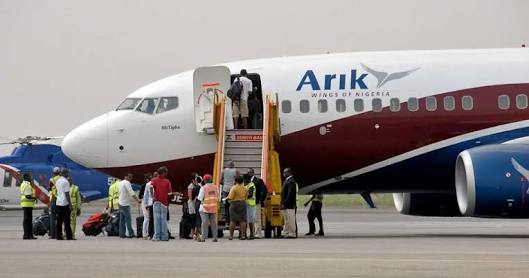
ForwardKeys, through an analysis of seat capacity for travel to the top ten international airports in Africa, reveals that Lagos is seeing substantial declines in both domestic and international capacity, mainly because Arik Air is cutting 53% of its seats for the rest of 2017.
During the coming five months, August – December 2017, there will be 16% fewer airline seats on domestic routes and 9% fewer and on international routes to and from Lagos.
Commenting on this data, Jon Howell, Managing Director of AviaDev, Africa’s leading airline route development conference, said: “One of the major reasons for falling arrivals by air to Nigeria, is the fact that many airlines could not repatriate funds after the currency crisis in 2016. As a result, Iberia and United Airlines have ceased operations to Nigeria, whilst Emirates and the other foreign carriers have scaled back services.

Data reveals falling arrivals by air to Nigeria.
The Nigerian airlines have suffered too and so this void has been filled by the ever-opportunistic Ethiopian Airlines, who began serving their fifth Nigerian destination, Kaduna on 1st August 2017 and are now the largest carrier in the Nigerian market.”
Most of the other airports in Africa’s top ten are seeing a healthy growth in capacity, which is more international than it is domestic. However, the most notable exception to this trend is Nairobi, which is seeing a 22% boost in domestic capacity.
These findings are part of a wider report on travel to Africa, produced by ForwardKeys, which predicts future travel patterns by analysing 17 million booking transactions a day. It shows double digit growth in flight arrivals for the first half of this year and little indication that the pace of growth will slow down soon.
The wider report will make encouraging reading for airlines, governments and hoteliers planning to discuss possible new aviation routes at AviaDev in Kigali in October. (AviaDev is organised by Bench Global Business Events.)
The report reveals that in the first seven months of the year, 1st Jan – 31st July 2017, total international flight arrivals grew by 14.0% over the same period in 2016. Most significantly, growth was stronger for travel to and from the continent than within the continent. Arrivals from Europe, which make up 46% of the market, were up 13.2%. From the Americas, arrivals were up 17.6%; from the Middle East, they were up 14.0% and from Asia Pacific, they were up 18.4%. By comparison, intra-African air travel, which makes up 26% of the market, was up 12.6%.
Looking at Africa’s top ten destination countries, there have been stand-out performances from Tunisia and Egypt, which are recovering from notorious terrorist attacks two years ago, up 33.5% and 24.8% respectively. In addition, Morocco and Tunisia received a huge boost in arrivals from China, up 450% and 250% respectively, after they relaxed visa restrictions. The one disappointment is Nigeria, which has seen a 0.8% drop, in the wake of recession in 2016, caused by a collapse in the oil price to a 13-year low.
One of the major reasons for falling arrivals by air to Nigeria, is the fact that many airlines could not repatriate funds after the currency crisis in 2016
Looking forward to the end of the calendar year, bookings for flights to Africa are currently 16.8% ahead of where they were on July 31st, 2016. Bookings from Europe are currently 17.5% ahead, from the Americas 26.6% ahead, from Asia Pacific 11.5% ahead, from the Middle East 8.2% ahead and bookings for intra-African air travel are 11.0% ahead.
A specific look at East Africa shows very similar trends in year to date performance and outlook to the end of the year. However, it has stronger forward bookings from Europe, 22.9% ahead and less strong forward bookings from elsewhere; the Americas are 15.5% ahead and intra-African air travel 7.6% ahead. However, bookings from the Middle East and Asia Pacific are 6.0% and 3.8% behind respectively.
On an individual airport level, the most significant capacity increase in East Africa is at Kigali, with new routes to Brussels, London and Mumbai. Other notable new capacity includes Kilimanjaro to Dubai and Nairobi to Muscat and to Yemen.
Olivier Jager, CEO, ForwardKeys, said: “The growth in air travel to Africa is impressive. However, it is notable that consumer demand and airline investment is greater in travel to African countries from outside the continent than it is between African countries.”
Jon Howell, Aviation and Tourism Development Manager, Bench Events, who is responsible for AviaDev, concluded: “As an international executive who has travelled around Africa for many years, I am longing for the day when it is easier to fly directly between African cities, as is possible on other continents. I am sure I’m not alone in that desire and I’m equally sure, it will happen eventually. That’s why I’m determined that the discussions that will take place at AviaDev will help bring that vision closer.”







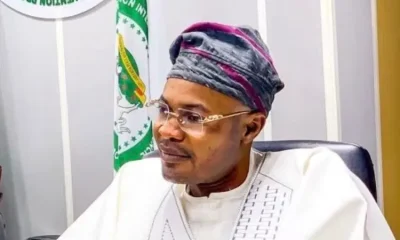

The All Progressives Congress (APC) candidate for Oyo South Senatorial District, Hon. Aderemi Oseni, has condemned the attack on his campaign train at Agbaje Market in Ibadan North-West Local Government Area of Oyo State, calling on security agencies to investigate the incident.
The attack occurred on Wednesday afternoon when Oseni and his team were visiting market associations in Agbaje, Ayeye and Idikan as part of his consultation ahead of the 2027 elections. The trouble started while he was addressing traders at Agbaje Market, when armed political thugs reportedly attacked the venue and started shooting, forcing people to run for safety.
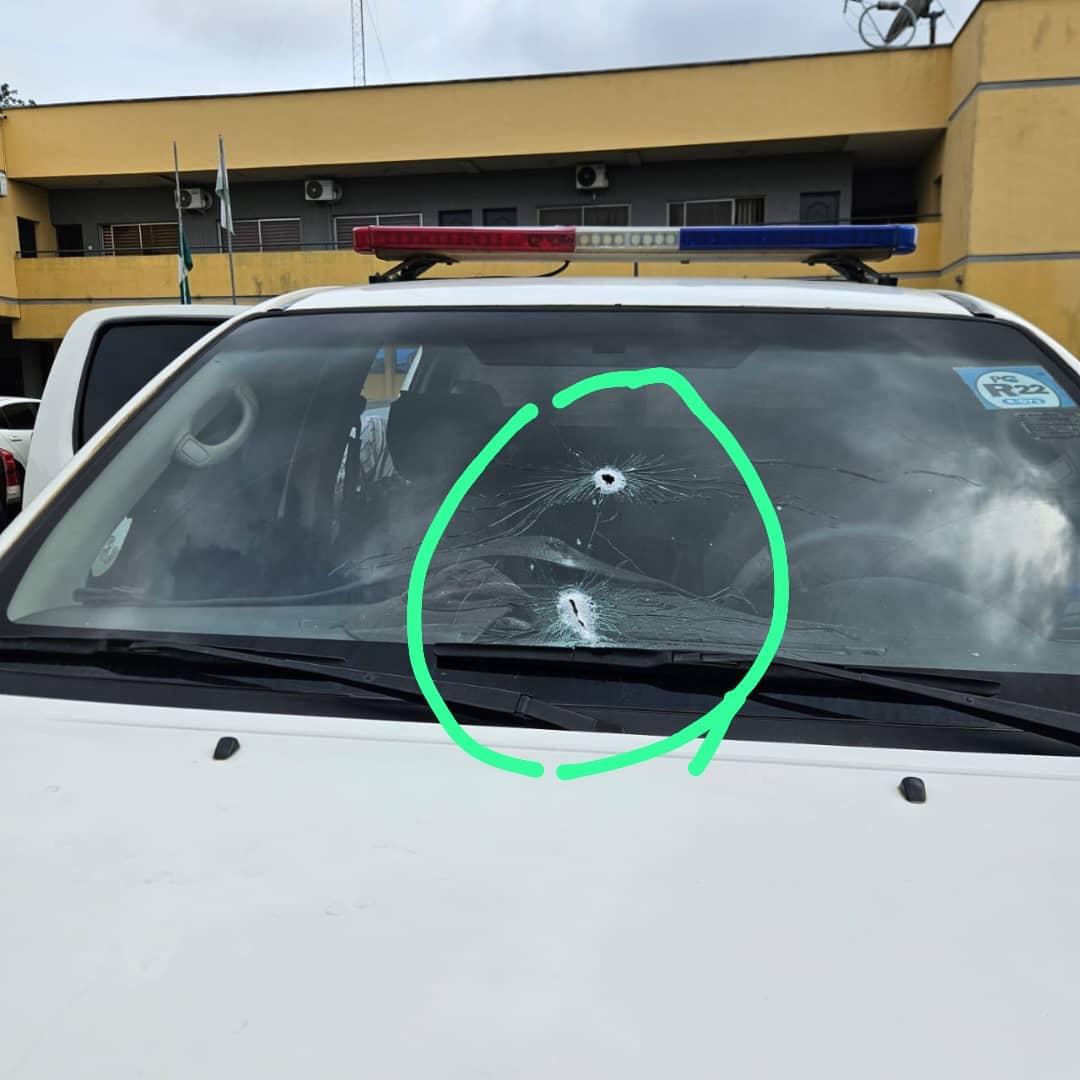
According to a statement by his media aide, Idowu Ayodele, some vehicles in the campaign convoy, including a security utility vehicle, and their windshields were hit by bullets during the attack. The incident caused panic among traders, supporters and other residents at the market.
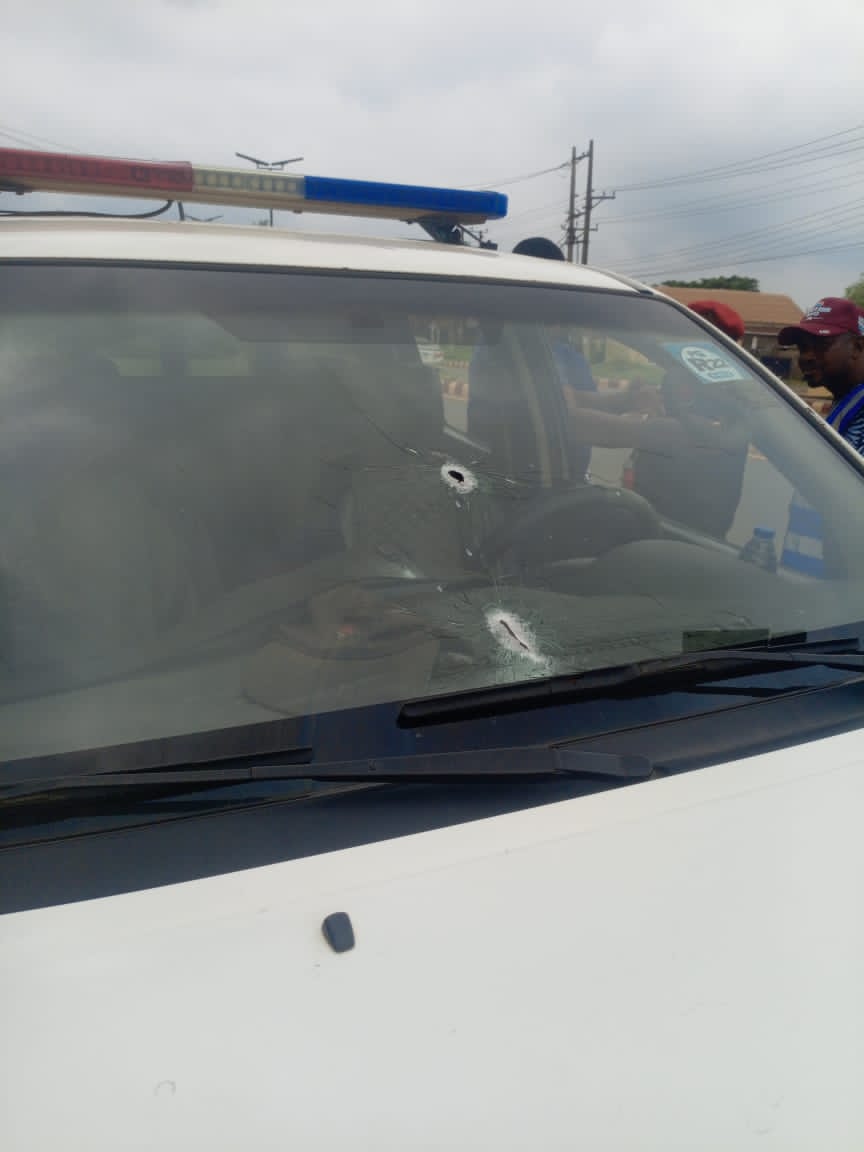
Security operatives attached to the campaign team quickly moved in and helped to control the situation, allowing the lawmaker, members of his entourage and supporters to leave the area safely. Oseni thanked God that no casualty was recorded and commended the security personnel for their intervention.
Describing the incident as disturbing, the chairman House Committee on Federal Roads Maintenance Agency (FERMA) said it was an attack not only on his campaign but also on the right of people to take part in political activities without fear.
“This is a brazen assault on peace, democracy and the constitutional right of every citizen to move freely and participate in political activities without fear or intimidation,” he said.

The APC candidate said the incident would not stop him from meeting the people across Oyo South, adding that his consultations were aimed at listening to their concerns and understanding what they expect from whoever represents them. He said politics should be about ideas, records and the ability to serve the people, rather than violence and intimidation.
Oseni appealed to his supporters not to retaliate, urging them to remain calm and allow the security agencies to deal with those behind the attack. “I appeal to our supporters to remain calm and law-abiding. We must not allow anyone to provoke us into taking the law into our own hands,” he said.
He also thanked the traders, residents, party leaders and supporters who came out for the consultation despite the incident. According to him, the attack would not change the goodwill he enjoys among the people, insisting that voters should be allowed to freely decide who they want to represent them.
“No attack, intimidation or destruction of campaign materials can determine the choice of the people. At the end of the day, it is the people who will decide. Our duty is to present our records and our vision to them, and their decision must be respected,” Oseni said.
He called on the Oyo State Commissioner of Police, the Department of State Services (DSS) and other relevant security agencies to thoroughly investigate the attack, identify those responsible and ensure that anyone found culpable is brought to justice. He said political violence should not be allowed to become part of the build-up to the 2027 elections.
The consultation was attended by the APC candidate for Ibadan North-West/Ibadan South-West Federal Constituency, Hon. Folake Olunloyo; Hon. Lowo Obisesan; party leaders, market stakeholders, supporters and other chieftains.
Oseni said he would continue his consultations across Oyo South, insisting that the incident would not stop him from meeting the people.
“We will continue to go to the people. We will continue to listen and engage peacefully. We will not be intimidated. The people deserve the freedom to choose, and that freedom must be protected,” he stressed.
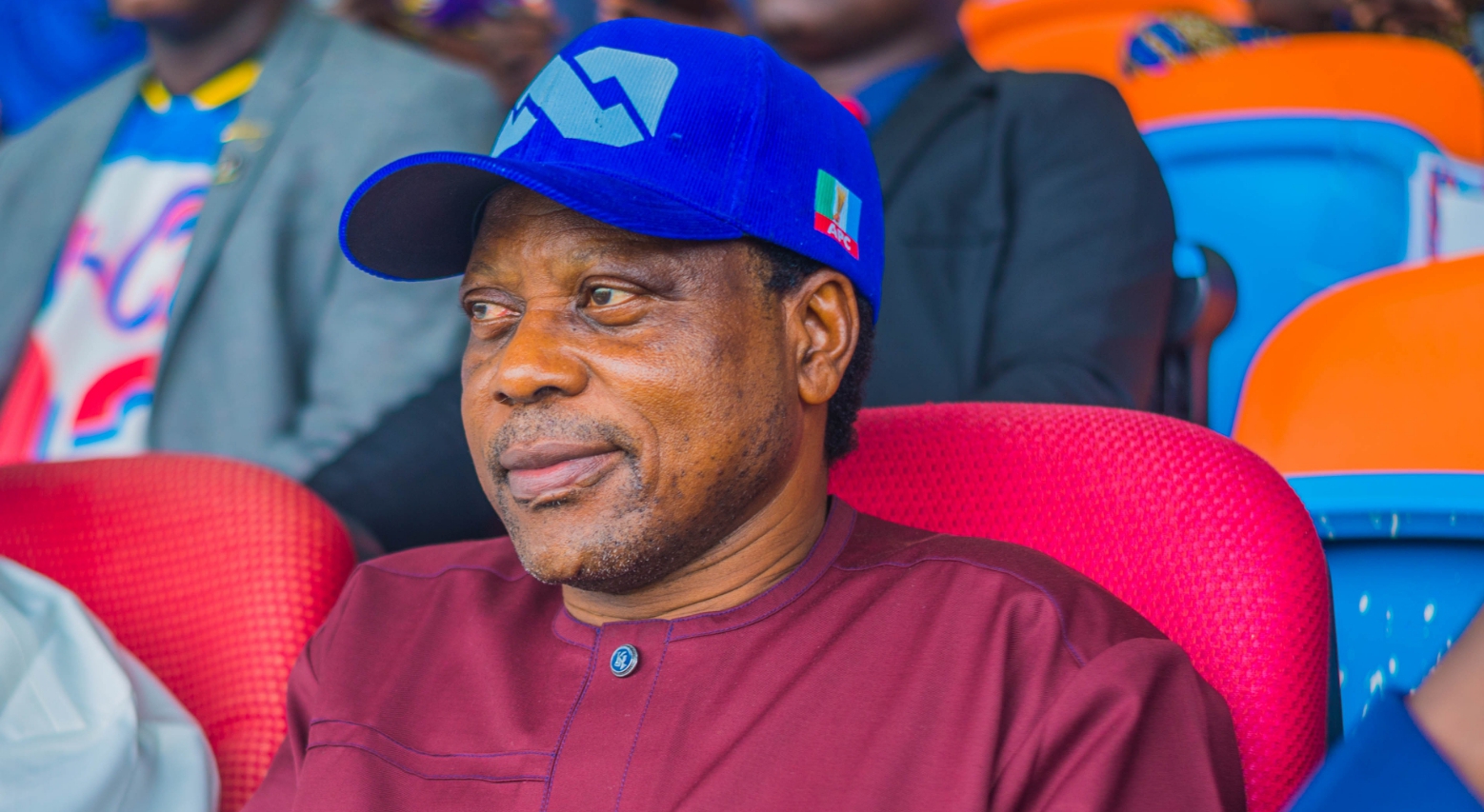


2027: Oseni condemns attack on campaign train, demands probe

2027: Oseni urges Oyo voters to collect PVCs as INEC begins distribution

2027: INEC begins distribution of 77,015 PVCs in Oyo Friday



-
 Politics2 weeks ago
APM Rally: APC Tackles Makinde Over Use of ‘CAF-Rejected’ ₦5.5bn Stadium
-
News3 weeks ago
Oyo South: Oseni Approves N100m for Ibadan Community Road Rehabilitation
-
Politics4 weeks ago
Oyo 2027: Alli appoints Oladele, Olaosebikan, Tunji media directors
-
Politics4 weeks ago
Oyo South: Ibadan security groups back Oseni’s senatorial bid