National Issues
In Ghana, fears over pandemic rise in teenage pregnancies

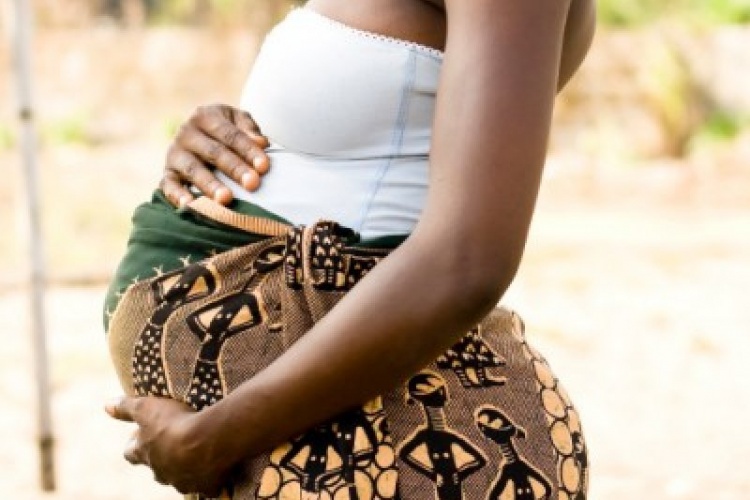
Gifty Nuako has just turned 18, an age when a young person stands on the threshold of life. Instead, her future looks bleak.
Last December, she became pregnant — “a mistake,” she says in a whisper.
She wanted to have an abortion, but her boyfriend’s family refused.
Today, in the back streets of Jamestown, one of the poorest neighbourhoods in the Ghanaian capital Accra, the teenager hides her barely rounded stomach under a long skirt and scarves.
“Now I can’t work, I can’t go back to school. I don’t know what to do any more,” she said.
Unwanted teenage pregnancy is a major problem in Ghana, simultaneously disempowering girls and entrenching them in poverty, say campaigners.
Activists estimate that nearly one woman in seven in the country becomes pregnant before the age of 19.
And, they say, anecdotal evidence suggests the numbers soared last year after the authorities closed schools to help curb the spread of Covid.
“Schools were a form of protection,” said Sarah Lotus Asare, who volunteers with disadvantaged teenage girls.
The schools also gave a sense of purpose to many girls — a crucial compass point that was taken away when education was shut down.
“Many found themselves idle, without adults to supervise them,” she said.
Classes reopened in mid-January after a 10-month closure — one of the world’s longest continuous educational shutdowns prompted by the coronavirus crisis.
– Contraception –
While teenage sexual activity increased during the school shutdown, the vast majority of girls in Ghana do not have access to birth control.
According to a study by the Ghana Health Service in 2020, only 18.6 percent of sexually active adolescents use contraception.
Often, abortion is not an option either.
In this conservative and religious country, pregnancy termination is illegal except in cases of rape, incest, foetal impairment or danger to the mother’s physical or mental health.
Ghana’s lack of sex education is also a problem, said Esi Prah, a member of the NGO Marie Stopes, which works with the government to develop family planning.
“The sexuality of young girls is still stigmatised here,” she said.
“Ghanaians in general are rather hostile to the idea of sex education. There is a tendency to think that it encourages sex between teenagers and that the best contraception is abstinence.”
In 2019, an attempt by the government and the United Nations to implement a sex education programme sparked an uproar.
The initiative was attacked by conservative and religious groups, who denounced a “satanic” attempt to promote “LGBT values”. The programme was ultimately abandoned.
– Poverty roots –
Poverty is a cause of unwanted teen pregnancies, and unwanted teen pregnancies become a cause of poverty, say, campaigners

Theophilus Isaac Quaye, a local elected official in the district of Chorkor, poses for a portrait in his office in Accra, Ghana, on February 12, 2021. Nipah Dennis / AFP
Forty-six per cent of Ghana’s population was already living below the poverty line in 2017, and last year the pandemic plunged the country into recession.
“Some parents cannot take care of their children,” said Theophilus Isaac Quaye, a local elected official in the district of Chorkor, south of Accra.
“And then their daughters are forced to follow men who offered them money. This is not their fault. In order for them to survive, they have to follow these men.”
“The major reason for girls getting pregnant, it’s poverty,” Asare said.
School regulations do not formally prohibit young mothers from returning to school after childbirth, but in reality, it is very rare for them to return.
Fearing stigma or needing to support themselves, most teenage mothers quit their studies and find work.
Lacking qualifications, they often take up menial jobs and thus find themselves even deeper in the poverty rut.
“When you get pregnant, you realise the situation becomes worse,” said Asare.
“You couldn’t support yourself and now you have another mouth to feed.”
.








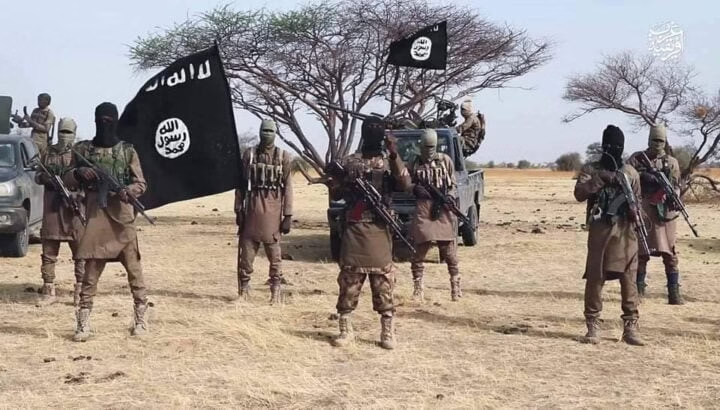
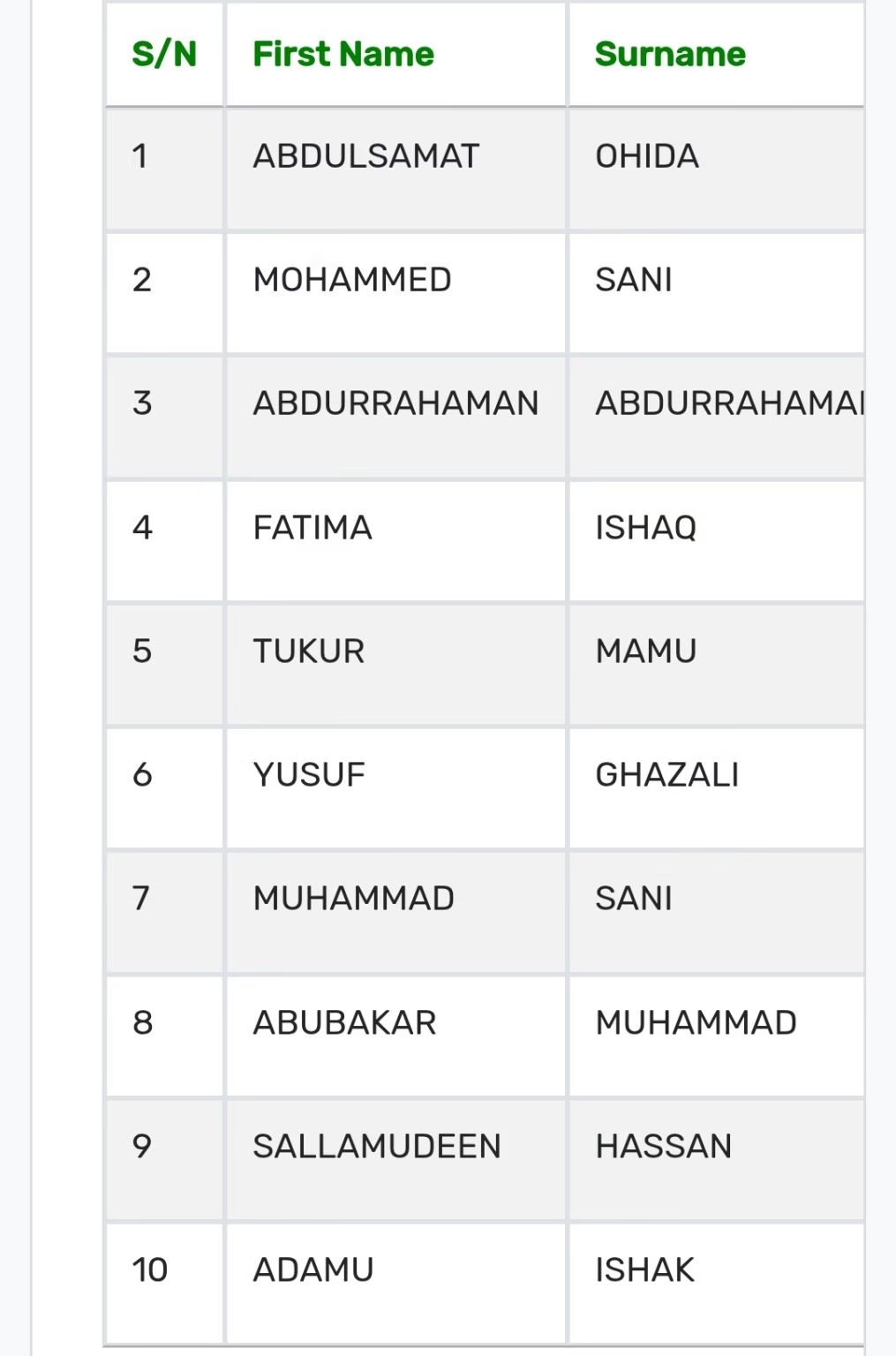
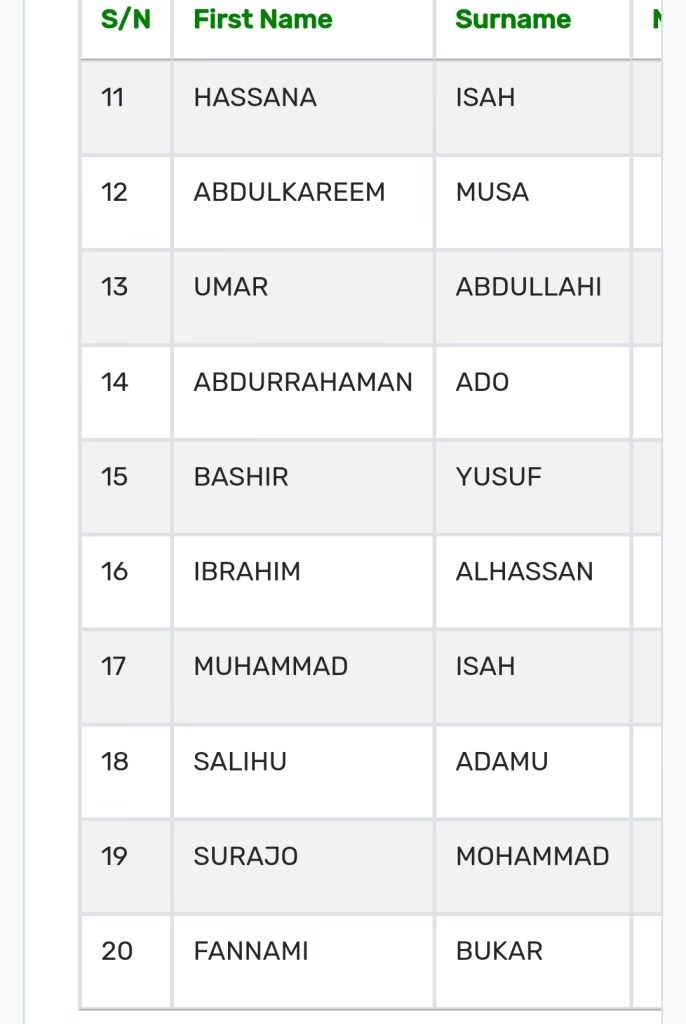
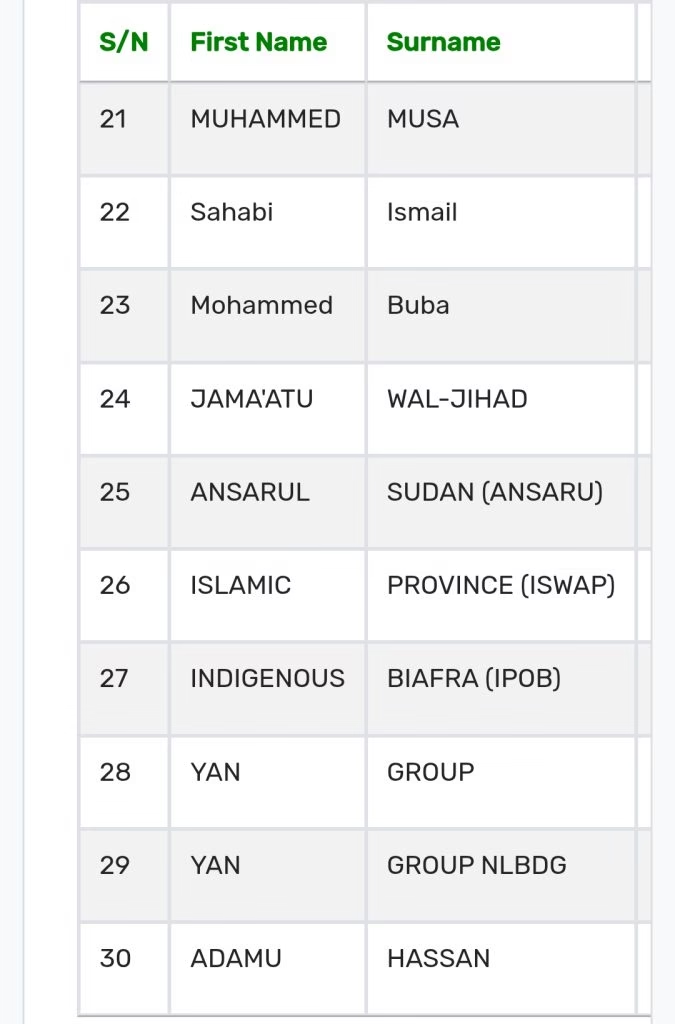
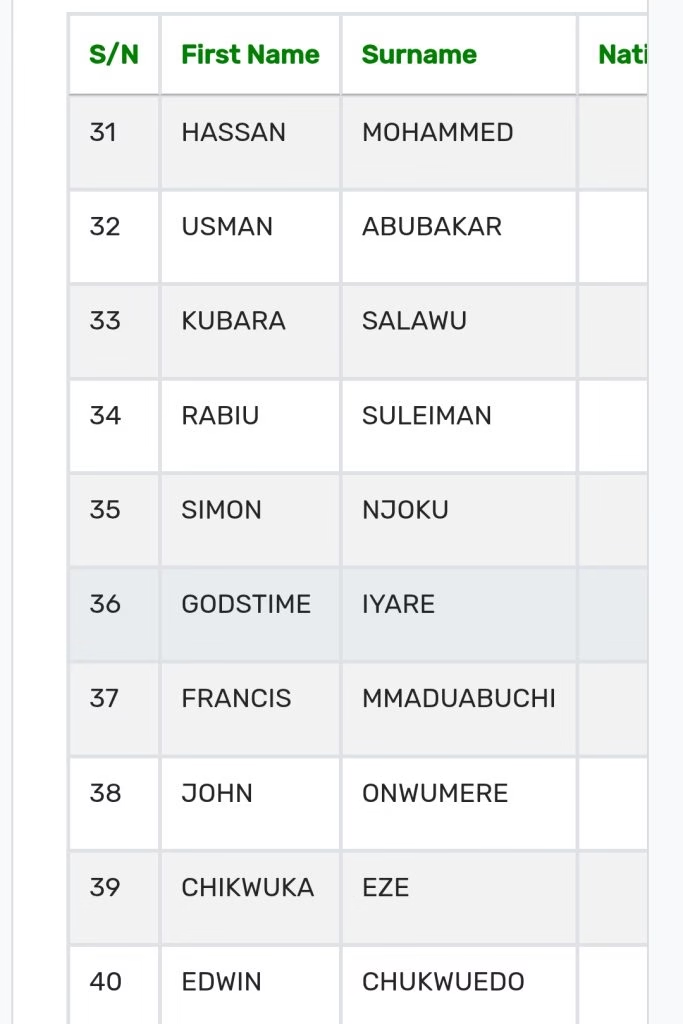
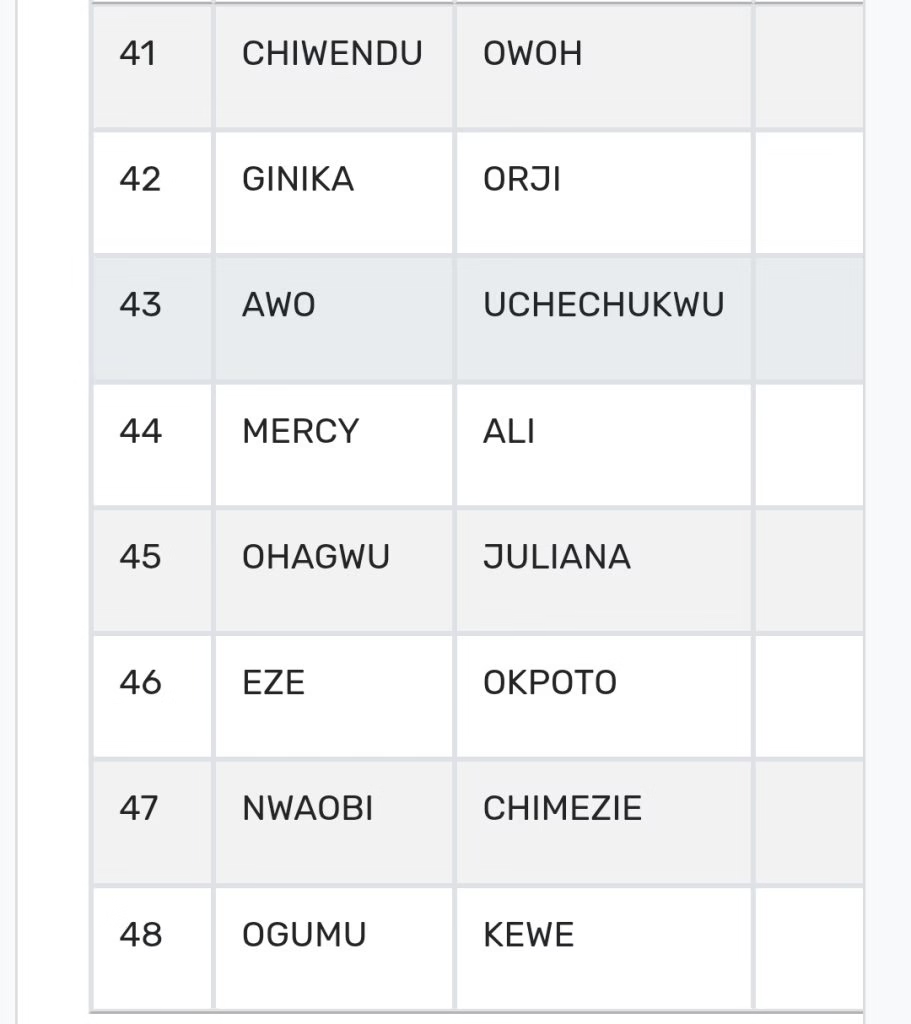
The Federal Government, on Saturday, published a list of 48 individuals and entities allegedly linked to terrorism financing in Nigeria, naming suspects with reported ties to outlawed groups including the Indigenous People of Biafra, Ansaru, and the Islamic State West Africa Province.
The list was released by the Nigeria Sanctions Committee as part of intensified efforts to disrupt financial networks sustaining terrorist activities across the country.
In a statement accompanying the publication, the committee said the designation of the individuals and organisations was in line with Nigeria’s legal and international obligations to combat terrorism financing.
“The Nigeria Sanctions Committee has approved the designation of the following individuals and entities for their alleged involvement in terrorism financing,” the statement read.
It added, “The action is pursuant to relevant laws and regulations aimed at identifying and freezing assets of persons and organisations linked to terrorist activities.”
The committee explained that the move was targeted at dismantling the financial backbone of insurgent and extremist groups operating within and beyond Nigeria’s borders.
Among those listed are individuals reportedly associated with the Indigenous People of Biafra, a proscribed separatist group; Ansaru, a faction linked to Al-Qaeda; and the Islamic State West Africa Province, one of the most active terrorist groups in the region.
Security experts have repeatedly stressed that cutting off funding sources remains a critical strategy in weakening terrorist operations.
Speaking on the development, a senior government official familiar with the process said the publication sends a strong signal about Nigeria’s resolve to confront terrorism at its roots.
“This is not just about naming names; it is about choking the financial lifelines of terror networks. Once funding is disrupted, their operational capacity is significantly weakened,” the source said.
The committee further noted that relevant authorities and financial institutions have been directed to take necessary steps in enforcing sanctions, including the identification and freezing of assets linked to the designated persons and entities.
“The public is also advised to remain vigilant and report suspicious financial activities to appropriate authorities,” the statement added.
The Federal Government reiterated its commitment to safeguarding national security, insisting that individuals or groups found culpable would face the full weight of the law.
As of the time of filing this report, detailed breakdowns of the sanctions and timelines for enforcement were yet to be made public.

Oseni Charges Nigerian Graduates to Prioritise Character, Excellence

You Can’t Claim APC, Promote Opposition – Oyo City Boy Director, Onireti, Warns Against Selective Allegiance

Oyo: Adekanmbi should clear corruption allegations before attacking others, says Team Arapaja



-
 Politics2 weeks ago
DIPHTHERIA OUTBREAK: ALLI QUERIES ₦9.9BN IMPACT FUNDS AS OYO LAGS IN CHILD VACCINATION
-
Politics3 weeks ago
2027: Oseni condemns attack on campaign train, demands probe
-
Politics4 weeks ago
Olopoeyan: ‘I May Back APC’s Oseni Against Odidiomo for Oyo South’
-
Opinion4 weeks ago
Ladoja @82: When the ladder becomes too tall and Makinde’s sin of ingratitude | By Ayinla Joseph