Connect with us

Metro

Five Key Social Reforms Under Saudi Arabia’s Crown Prince

Published

on

This handout picture provided by the Saudi Royal Palace shows Saudi Crown Prince Mohammed bin Salman meeting with Chinese President Xi Jinping (L) in the capital Riyadh, on December 8, 2022. – Chinese President Xi Jinping met Saudi Arabia’s powerful crown prince on an Arab outreach visit that will yield billions of dollars in deals and has earned a rebuke from Washington. (Photo by BANDAR AL-JALOUD / various sources / AFP)

The decision by Saudi Arabia to allow alcohol sales to non-Muslim diplomats, according to two sources, is the latest in a series of reforms aimed at projecting a more open, moderate image.

Here are five other headline-grabbing changes implemented in recent years under Crown Prince Mohammed bin Salman, whose reputation was dealt a major blow by the 2018 murder of dissident journalist Jamal Khashoggi in the Saudi consulate in Istanbul.

 Cinemas reopened

In April 2018, “Black Panther” was the first film to be shown in Saudi Arabia in 35 years when the country lifted a ban imposed on cinemas by its clerics in the 1970s.

Riyadh said it planned to open up over 300 cinemas by 2030.

Like TV programmes, films are however subject to rigorous selection and censorship to avoid portrayals of sex, religion or politics.

Women at the wheel

In June 2018, Saudi Arabia lifted a decades-long ban on women driving — the only one of its kind in the world which left women dependent on men for mobility.


Since 2018, thousands of women have slipped behind the wheel, with some going on to become mechanics and taxi drivers.


The euphoria created by the move was dented however by a major crackdown on many of the women activists who had previously campaigned to lift the ban.

Travel without male ‘guardian’

In 2019, Saudi women aged 21 or more were allowed to apply for a passport and travel abroad without first obtaining the consent of a male “guardian” — husband, father or other male relative.

The move marked a significant loosening of the controversial guardianship system, under which men exercise near-total authority over women.


Tourists welcome

In a bid to reduce its reliance on oil revenues and diversify the economy, Saudi Arabia in September 2019 began opening up to tourism — its so-called “white oil” — for the first time.


Until then Saudi Arabia had only issued visas to Muslim pilgrims, expatriate workers, or, from 2018, people attending sporting and cultural events.

Prince Mohammed a year earlier had announced a massive tourism project to turn 50 islands and a string of sites on the Red Sea into luxury resorts.

Tourists who flout the country’s rules on modest attire risk heavy fines however.

 Gender mixing

Long forbidden, men and women have in recent years been allowed to mingle in public.

Women were allowed enter a football stadium to watch a match for the first time in 2018 and can now also attend concerts alongside men.

They also no longer need fear the stick-wielding guardians of public morality in order to bathe together at some beaches, and rules on the wearing of abaya robes have been relaxed.

Women, who had previously been restricted to a handful of careers, mainly in health and education, now also rub shoulders with men in the workplace.

Millions of women have entered the job market since 2016, becoming  bankers, shoe sellers, business owners and border officers, among other professions.

 

Comments

Metro

Flood threat looms as FG lists 226 LGAs in high-risk zones

Published

on

The Federal Government on Wednesday disclosed that no fewer than 226 Local Government Areas across 33 states and the Federal Capital Territory fall within high flood-risk zones in 2026.

The Minister of Water Resources and Sanitation, Joseph Utsev, made this known during the public presentation of the 2026 Annual Flood Outlook by the Nigeria Hydrological Services Agency held at the State Banquet Hall, Presidential Villa, Abuja.

Utsev said a total of 14,118 communities in 266 LGAs across the affected states and the FCT had been identified as highly vulnerable to flooding.

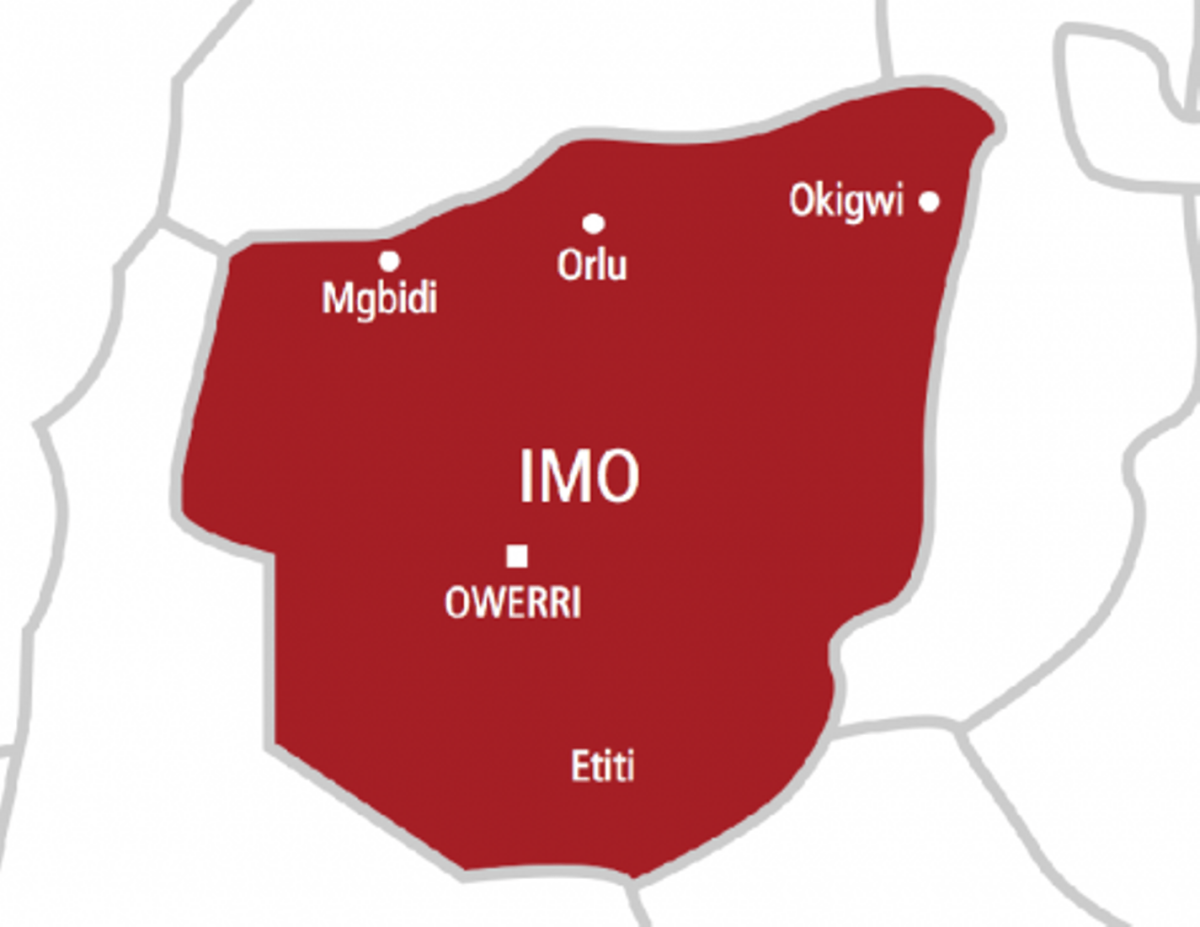
He listed the states as Abia, Adamawa, Anambra, Bauchi, Bayelsa, Benue, Borno, Cross River, Delta, Ebonyi, Edo, Enugu, Gombe, Imo, Jigawa, Kaduna, Kano, Kebbi, Kogi, Kwara, Lagos, Nasarawa, Niger, Ogun, Ondo, Osun, Oyo, Plateau, Rivers, Sokoto, Taraba, Yobe, Zamfara, and the FCT.

The minister added that 405 LGAs in 35 states fall within the moderate flood-risk category, with Ekiti State as the only state not captured under this classification.
He further noted that 923 communities in 77 LGAs across 24 states would experience minimal flooding.

“Low flood risk incidences are expected in Adamawa, Anambra, Bauchi, Bayelsa, Benue, Borno, Cross River, Delta, Ebonyi, Edo, Jigawa, Kaduna, Kano, Kebbi, Kogi, Nasarawa, Niger, Ogun, Ondo, Osun, Oyo, Sokoto, Taraba, and Zamfara,” Utsev said.

The minister also disclosed that the 2026 Annual Flood Outlook introduced a community-based flood forecasting system designed to provide location-specific predictions for faster response and intervention.

Meanwhile, President Bola Tinubu reaffirmed his administration’s commitment to strengthening emergency response systems and promoting sustainable development nationwide.

Represented by the Minister of Environment, Balarabe Lawal, the President said the government had reviewed existing challenges and acknowledged the critical role of rescue teams in mitigating disasters.

He noted that efforts were ongoing to enhance the capacity and coordination of relevant ministries for more effective and timely emergency responses.
Tinubu stressed that improved communication, strategic planning, and collaboration remained vital to addressing emerging challenges and ensuring better service delivery.

The President added that with strengthened systems in place, the government was confident of mitigating risks and improving outcomes for citizens.

The event, themed ‘Smart Water Resources Management: Moving From Oil To A Water-Based Economy’, was attended by ministers and key stakeholders in the water and environmental sectors.

Continue Reading

Metro

Robbers attack Akure health centre, abduct three workers

Published

on

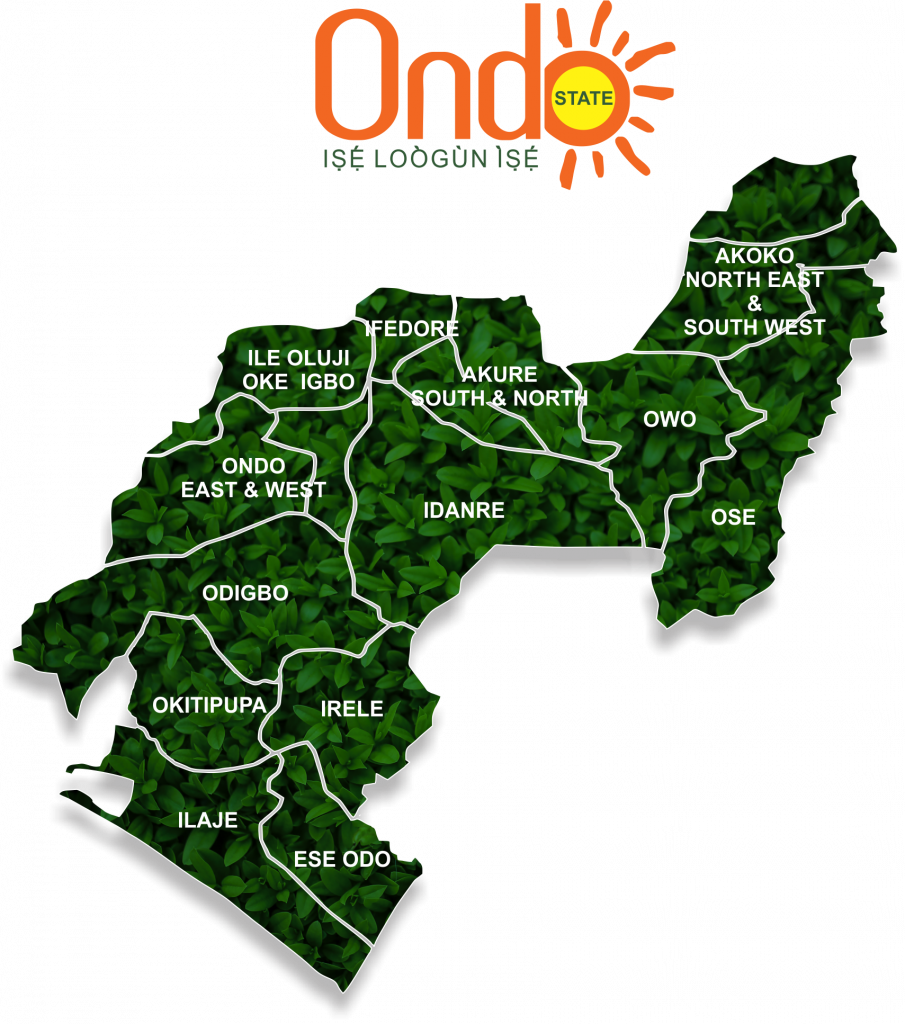
Police authorities in Ondo State have confirmed a robbery attack at the Basic Health Centre in the Oke-Ijebu area of Akure, the state capital, in the early hours of Saturday.

It was gathered that three suspects armed with pump-action rifles and cutlasses invaded the facility after arriving in a black Toyota Venza, which they parked along the main road. The assailants reportedly scaled the perimeter fence to gain access to the premises.

During the attack, three health workers on duty were forcefully dispossessed of their personal belongings, including mobile phones and a Point of Sale terminal. The suspects subsequently whisked the victims away towards the Olokuta Correctional Centre axis along Ondo Road.

The spokesperson for the Ondo State Police Command, DSP Abayomi Jimoh, confirmed the incident in a statement issued on Saturday.

According to him, “Preliminary investigation reveals that the suspects ordered them to remove their clothing and subsequently abandoned them in the bush before fleeing the scene. The victims, however, found resort from nearby staff of the Correctional Service.”

Jimoh disclosed that security patrols had been intensified, while collaboration with other security agencies and local vigilante groups had been strengthened to enhance safety across the state.

He urged residents to remain calm, vigilant and law-abiding, adding that members of the public should promptly report suspicious activities or useful information to the nearest police station or other security agencies.

The police spokesman assured residents that the command remained committed to safeguarding lives and property and would not relent in efforts to rid the state of criminal elements.

Continue Reading

Metro

Gunmen Shoot Farmer, Abduct Wife in Akure

Published

on

Suspected kidnappers on Wednesday night shot a tomato farmer, Daniel Adesida, and abducted his wife during an attack on their residence along Oda Road in Akure, the Ondo State capital.

The incident reportedly occurred around 8:45 p.m., when the gunmen invaded the residence and attempted to whisk away the farmer’s wife.

Sources said Adesida sustained a gunshot injury to his right hand while trying to resist the attackers, who eventually escaped with his wife.

Confirming the incident, the Police Public Relations Officer of the Ondo State Command, Abayomi Jimoh, said police operatives swiftly responded after receiving a distress call.

According to him, officers mobilised to the scene, rescued the injured victim and ensured he received medical attention.

“Upon receiving the distress call, police operatives swiftly mobilised to the scene, ensured the injured victim was rescued and taken to the police clinic for medical attention, and secured the area,” Jimoh said.

He added that the Commissioner of Police in the state, Adebowale Lawal, had ordered an immediate manhunt for the fleeing suspects.

“The Commissioner of Police has ordered intensified patrols, bush combing operations and intelligence gathering within the affected area and adjoining communities with a view to apprehending the fleeing suspects,” he stated.

Jimoh assured residents that efforts were ongoing to rescue the abducted woman and bring the perpetrators to justice.

He also urged members of the public to remain vigilant and promptly report suspicious movements or individuals to the nearest police station.

Continue Reading

Advertisement

Entertainment

Advertisement

MegaIcon Magazine Facebook Page

Advertisement

MEGAICON TV

Advertisement

Trending