News
Corps member trapped in Imo collapsed building is dead








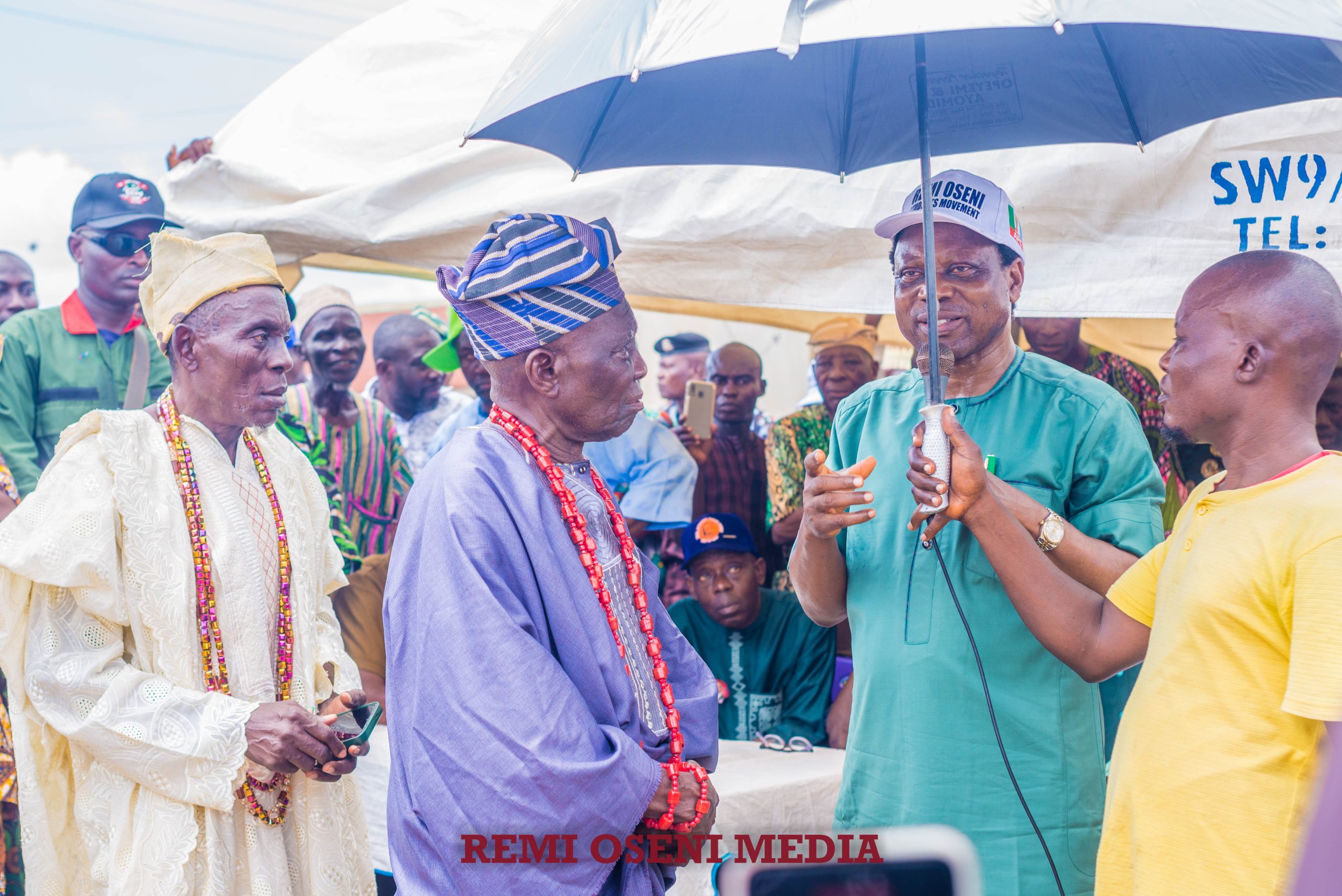
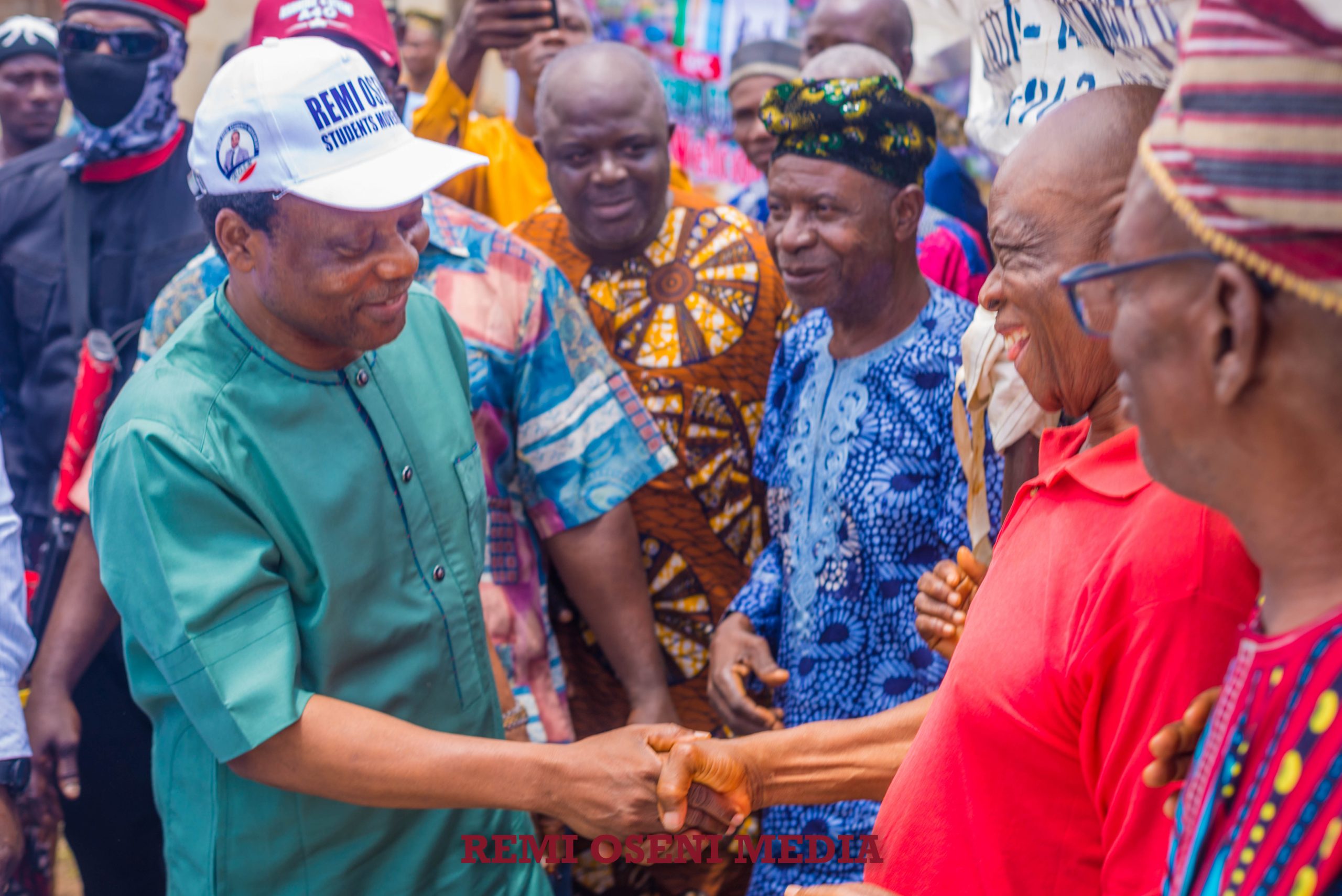
The All Progressives Congress (APC) candidate for Oyo South Senatorial District, Hon. Aderemi Oseni, has approved N100 million for the immediate rehabilitation of a major access road linking seven communities in Ido Local Government Area of Oyo State.
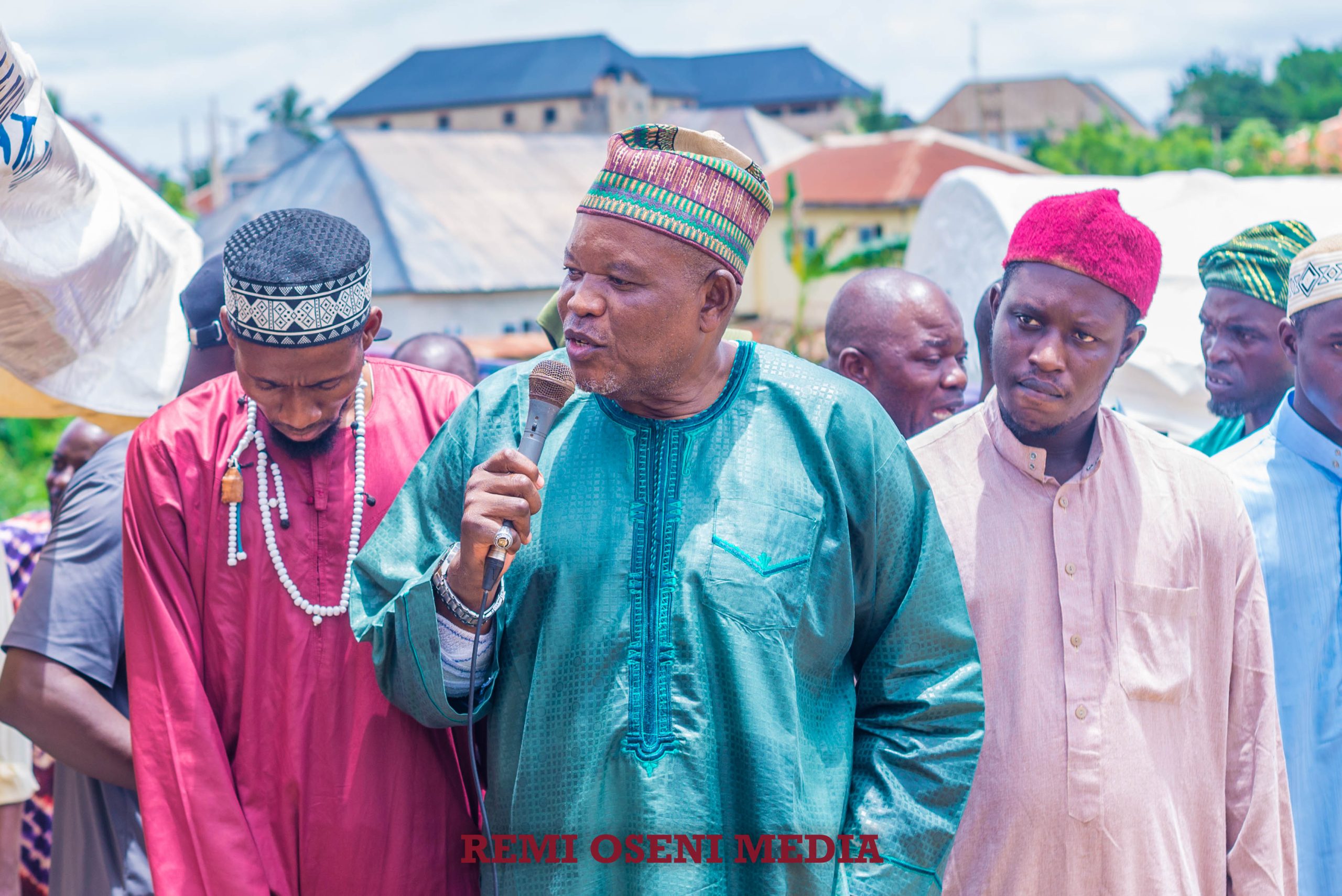
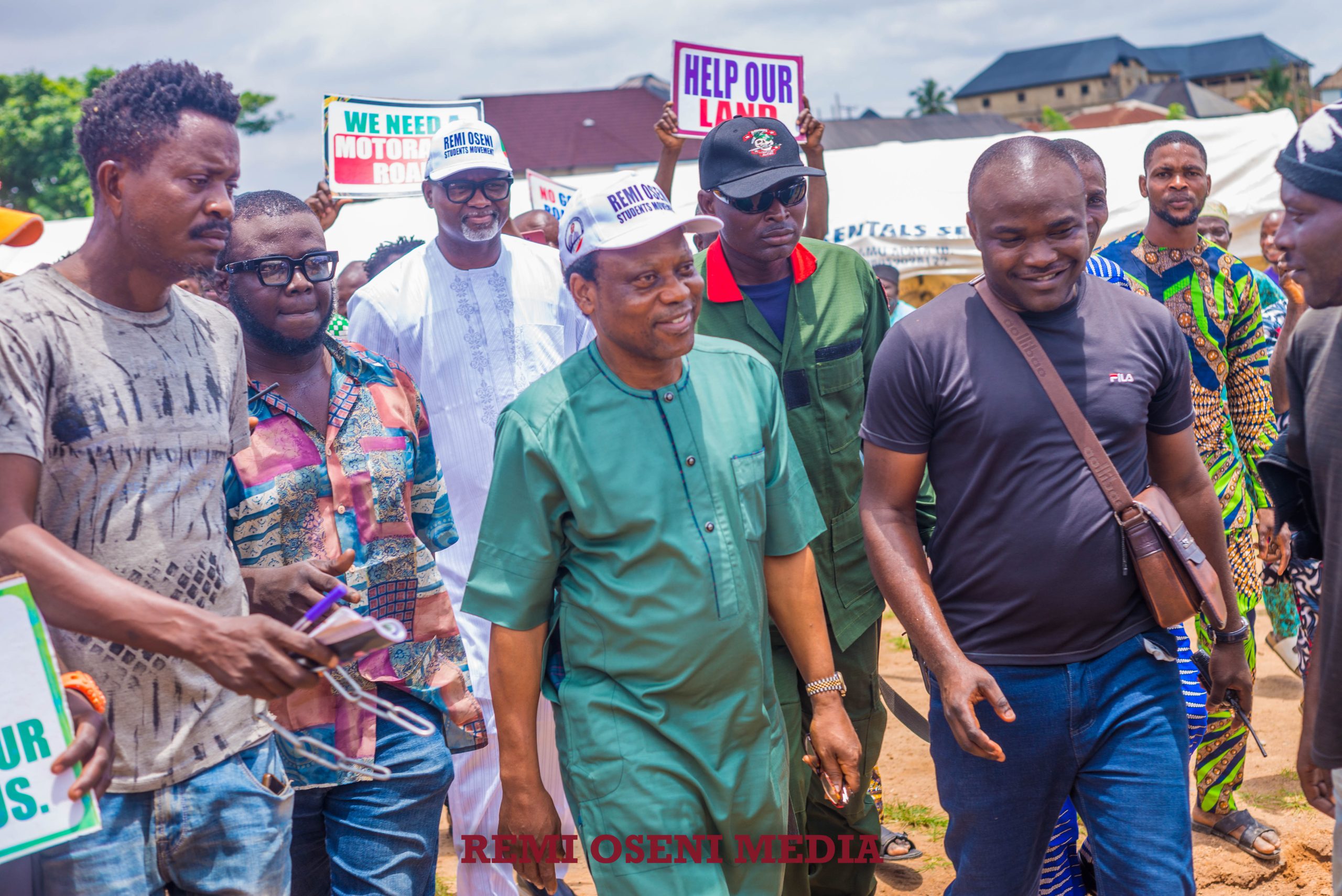
Oseni, who represents Ibarapa East/Ido Federal Constituency in the House of Representatives, announced the intervention on Saturday at a town hall meeting with residents and community leaders from Power Line, Awonsoso, Siba, Olupoyi, Balogun, Baba Agba and Agaloke communities.
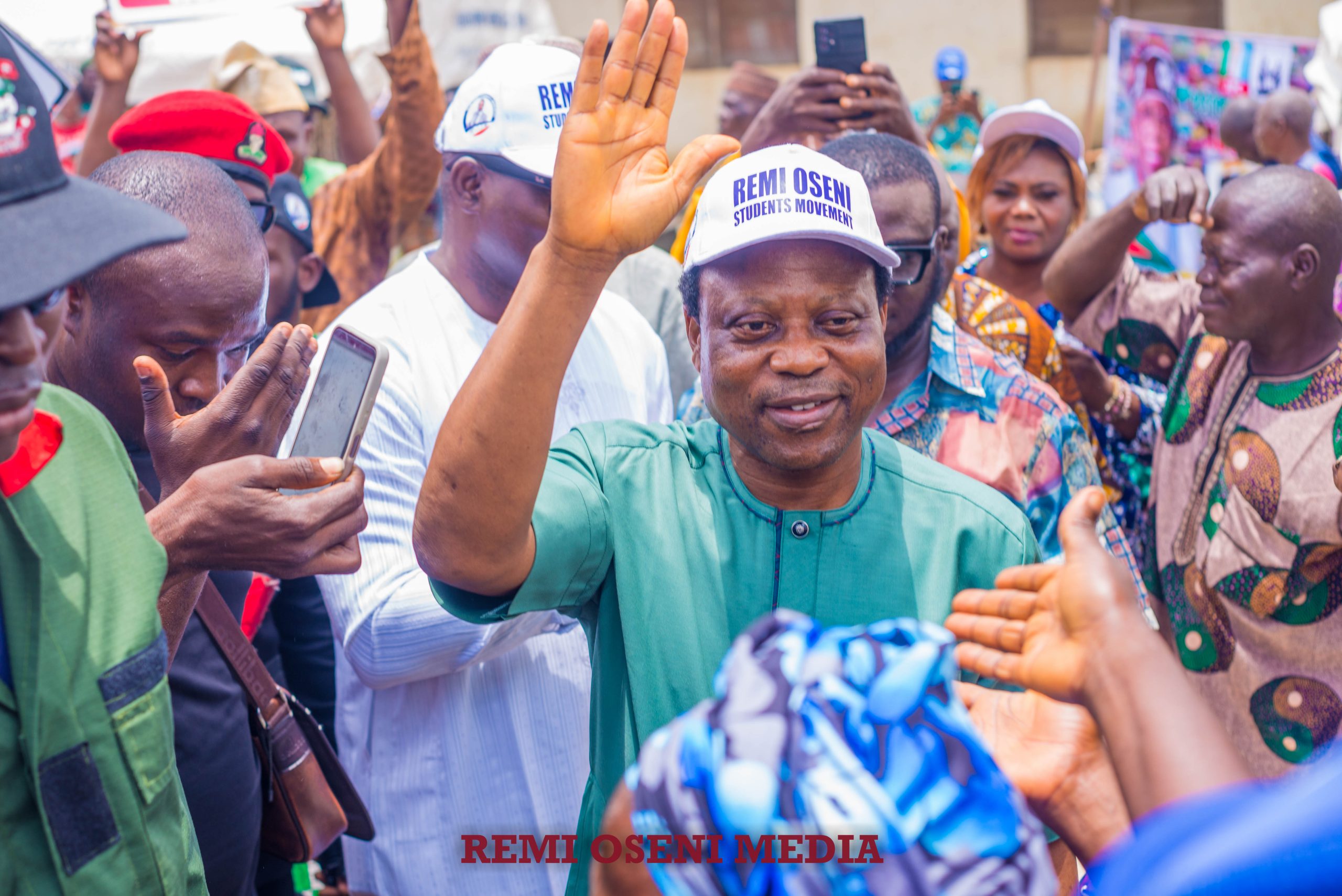
The lawmaker said the decision followed a request by the community stakeholders, who identified the poor condition of the road as their most pressing need. He assured the residents that the rehabilitation would be completed within four months.
Oseni said the intervention was part of his commitment to people-centred representation, stressing that his legislative activities had been focused on issues capable of improving the lives of Nigerians.
He said, “Within the three years plus, I have sponsored bills and moved motions that are carefully designed to positively impact the lives and livelihoods of citizens.”
According to him, some of the legislative initiatives include moves to amend the Federal Medical Centres Act to establish a Federal Medical Centre in Ido Local Government Area, stronger sanctions for contractors who fail to execute government projects according to specifications, and measures to improve accountability in the management of public contracts.
Oseni added that he had also advocated subsidised farm machinery for farmers, measures to reduce the cost of cancer treatment, improved food storage through modern silos and processing facilities, as well as urgent action on flooding and recurring building collapses in major cities among several others.
The lawmaker said his engagements with communities across Oyo South should not be viewed solely through the prism of the 2027 elections, despite the commencement of political activities.
“My visit here today is not to solicit for votes, but to listen and find practical ways to attend to the requests and plights of my people,” he said.
Oseni also disclosed that he had facilitated the distribution of 31 transformers across Ido and Ibarapa, with about 80 per cent of the cost funded through his foundation. He added that other interventions had included solar-powered street lights, boreholes, bridges, public toilets, educational support, infrastructure, health care services, youth and women empowerment, and assistance to artisans, traders and markets across the senatorial district.
The APC chieftain further noted that some youths had also received N1 million each as seed capital to start small businesses.
Oseni acknowledged that his primary responsibility as a federal lawmaker was to make laws and provide effective representation, but said the gap created by ineffective governance at the grassroots had made it necessary for him to support communities through interventions.
He urged youths to remain focused and resilient, recounting how he worked as a bus conductor to raise money for his secondary education before becoming an engineer, businessman and legislator.
Earlier, Chief Muibi Adegoke, Baale of Awonsoso, and Chief Azeez Saka, Baale of Elere Apata, commended the lawmaker for what they described as his performance in legislation and community development. They pledged their support for his political aspiration ahead of the 2027 election.
The meeting was attended by traditional rulers, religious leaders, community elders, women and youth leaders from the affected communities.
(c) Mega Icon Magazine
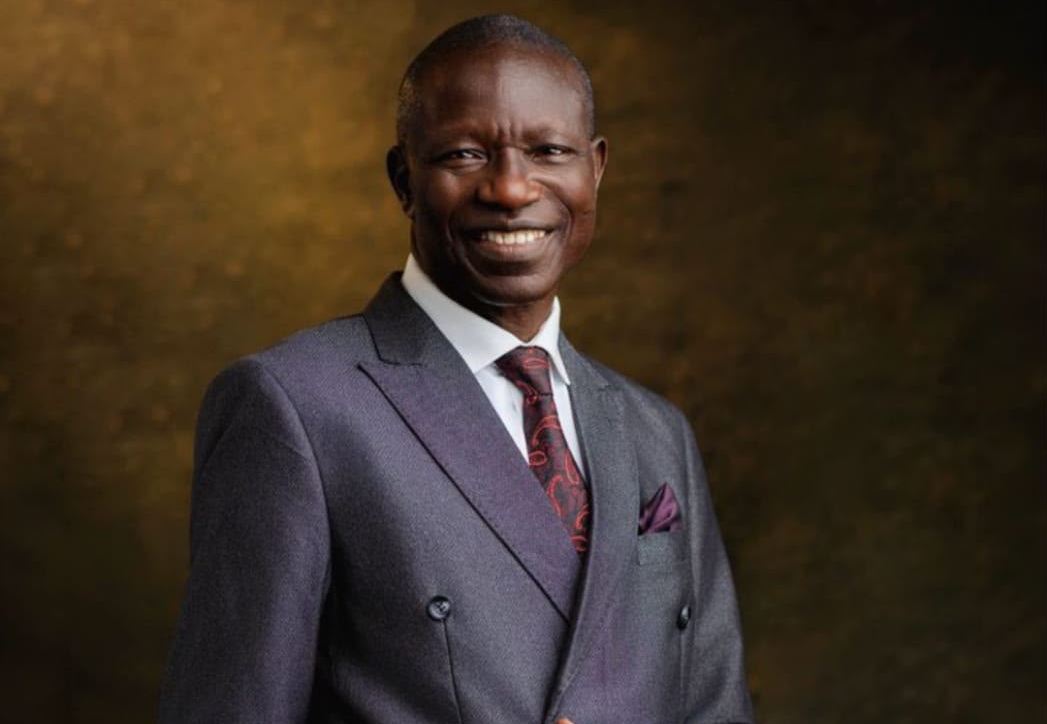
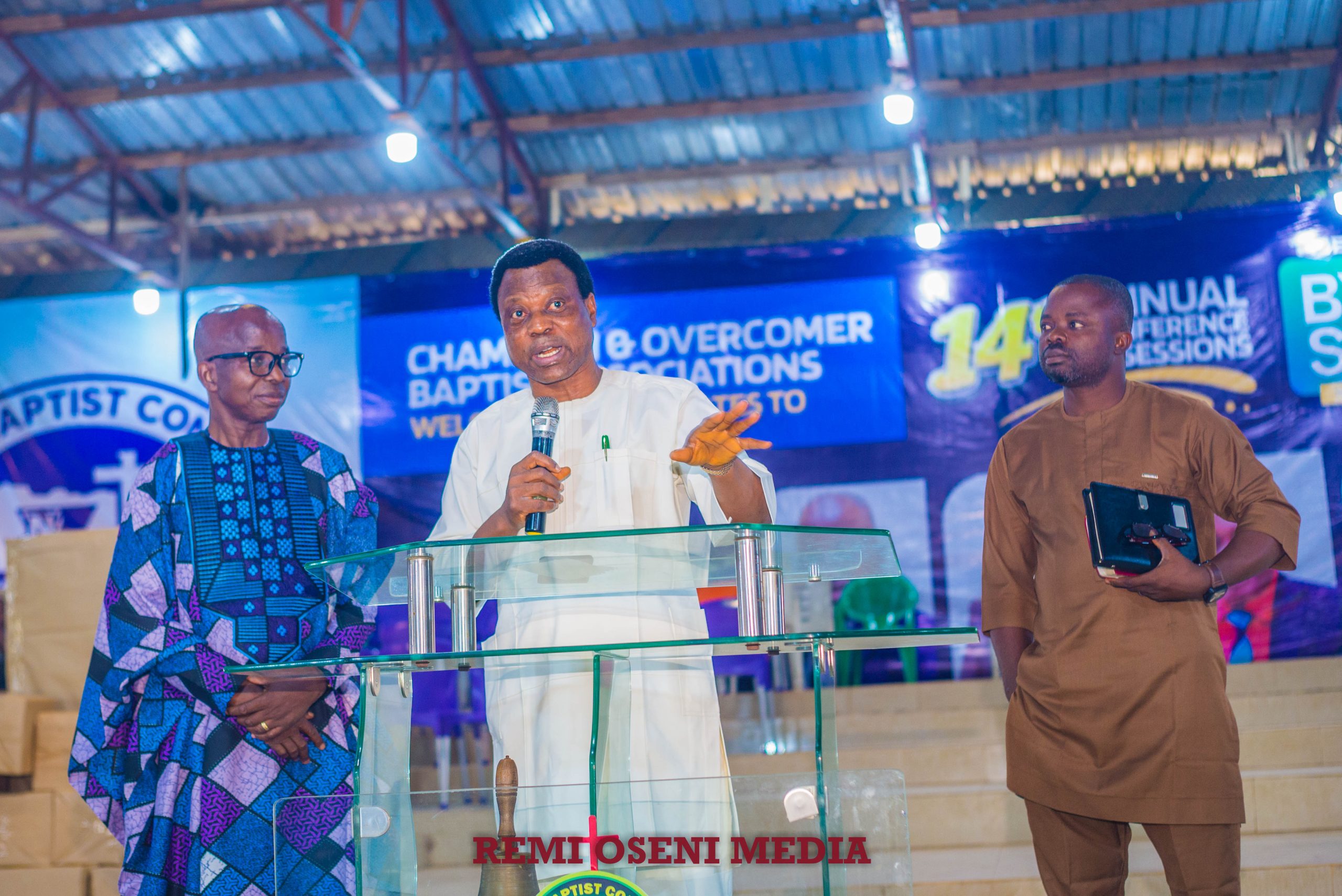
The All Progressives Congress (APC) candidate for Oyo South Senatorial District, Hon. Aderemi Oseni, has donated a 500KVA transformer and N10 million in support of the 14th Annual Conference of the Ibadan Baptist Conference.
Oseni, who represents Ibarapa East/Ido Federal Constituency in the House of Representatives, made the donations on Tuesday while addressing participants at the conference, which was held under the theme, “By His Spirit.”
Speaking at the event, Oseni, who is the Chairman of the House Committee on Federal Roads Maintenance Agency (FERMA), expressed appreciation to the leadership and members of the Baptist Conference for giving him the opportunity to address the gathering. He commended the church for its contributions to the spread of the gospel and its impact on education, humanitarian services and other areas of human development.
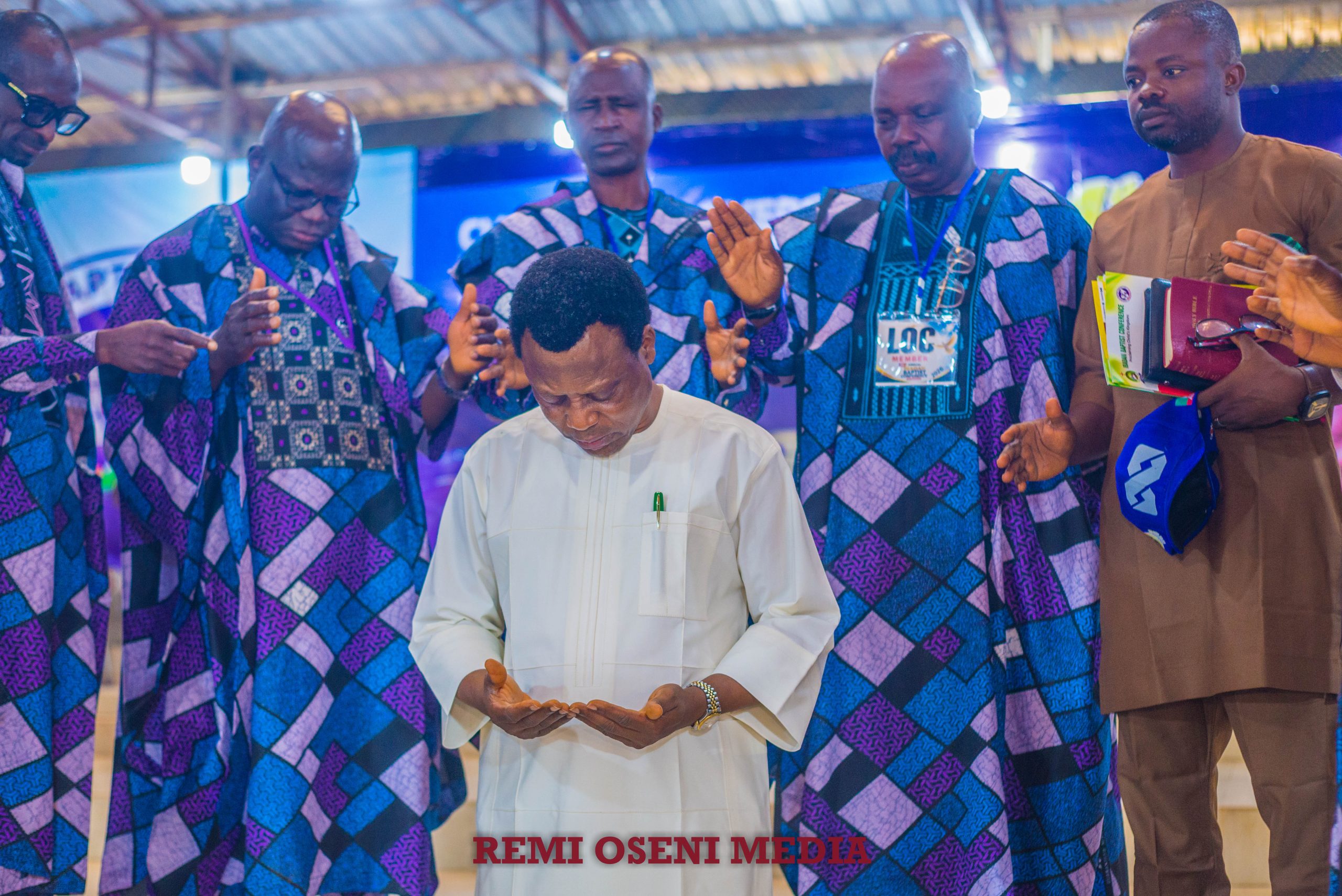
The lawmaker said the challenges facing society could not be overcome through human efforts alone, stressing the need for divine guidance and the power of the Holy Spirit.
“Our efforts are important, but human efforts alone are not enough. We need the direction of God and the power of the Holy Spirit to guide us in our individual lives and in the affairs of our communities,” he said.
Oseni urged the congregation to combine faith with responsible action, saying lasting transformation could only be achieved when individuals and communities sought divine direction while taking practical steps to address their challenges.
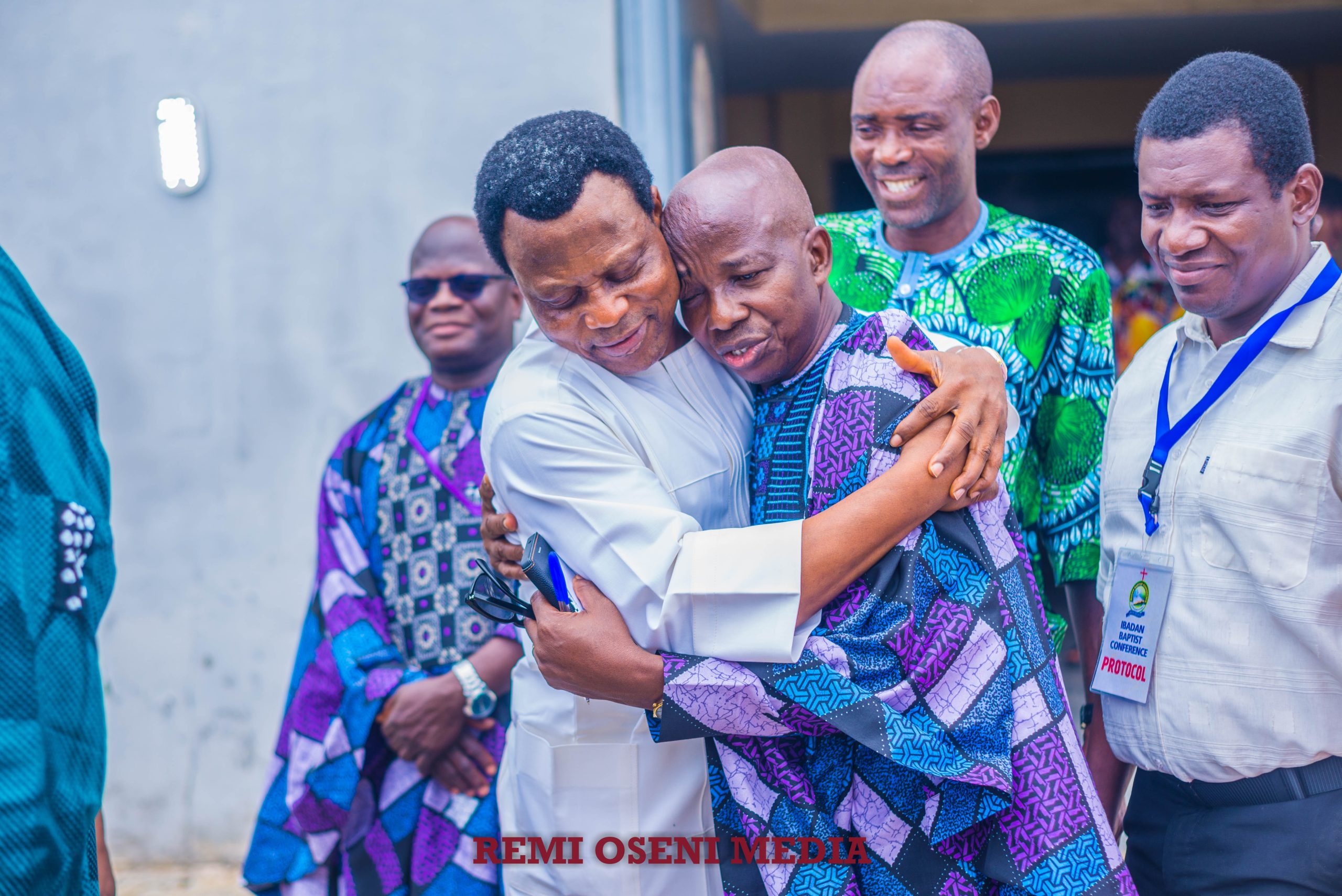
He also encouraged Christians to take greater interest in politics and governance, noting that everyone votes remained an important instrument for determining the quality of leadership in the country.
According to him, “Votes count in Nigeria. Therefore, Christians must not remain on the sidelines. We must participate in politics, contribute ideas and collectively seek solutions to the challenges confronting our society. Governance is about the people and the delivery of services that improve their lives.”
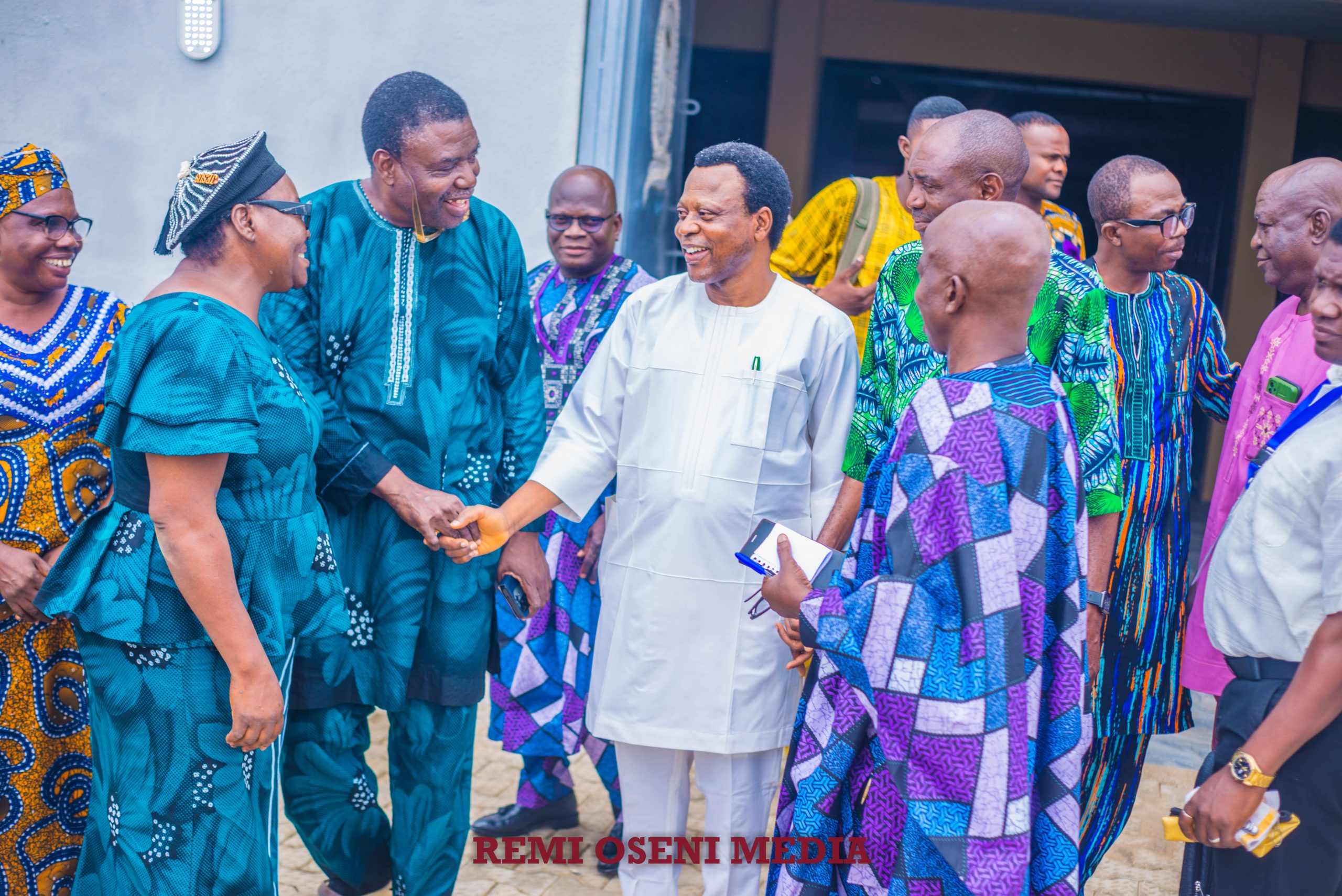
The Oyo South senatorial candidate also solicited support for President Bola Tinubu and other APC candidates, saying leaders should be judged by their commitment to serving the people. He said the participation of responsible citizens in politics was necessary to promote good governance and ensure that public offices were used for the benefit of the people.
Quoting Proverbs 29:2, Oseni said, “When the righteous are in authority, the people rejoice.” He added that such rejoicing should be reflected in improved quality of representation, education, electricity, potable water, empowerment, healthcare, security, infrastructure, economic opportunities and good governance.
He said, “When the people have quality representation and can see the impact of government in their daily lives, that is when they will truly rejoice. Our people deserve access to good education, healthcare, potable water, electricity, security, infrastructure and opportunities to improve their livelihoods.”
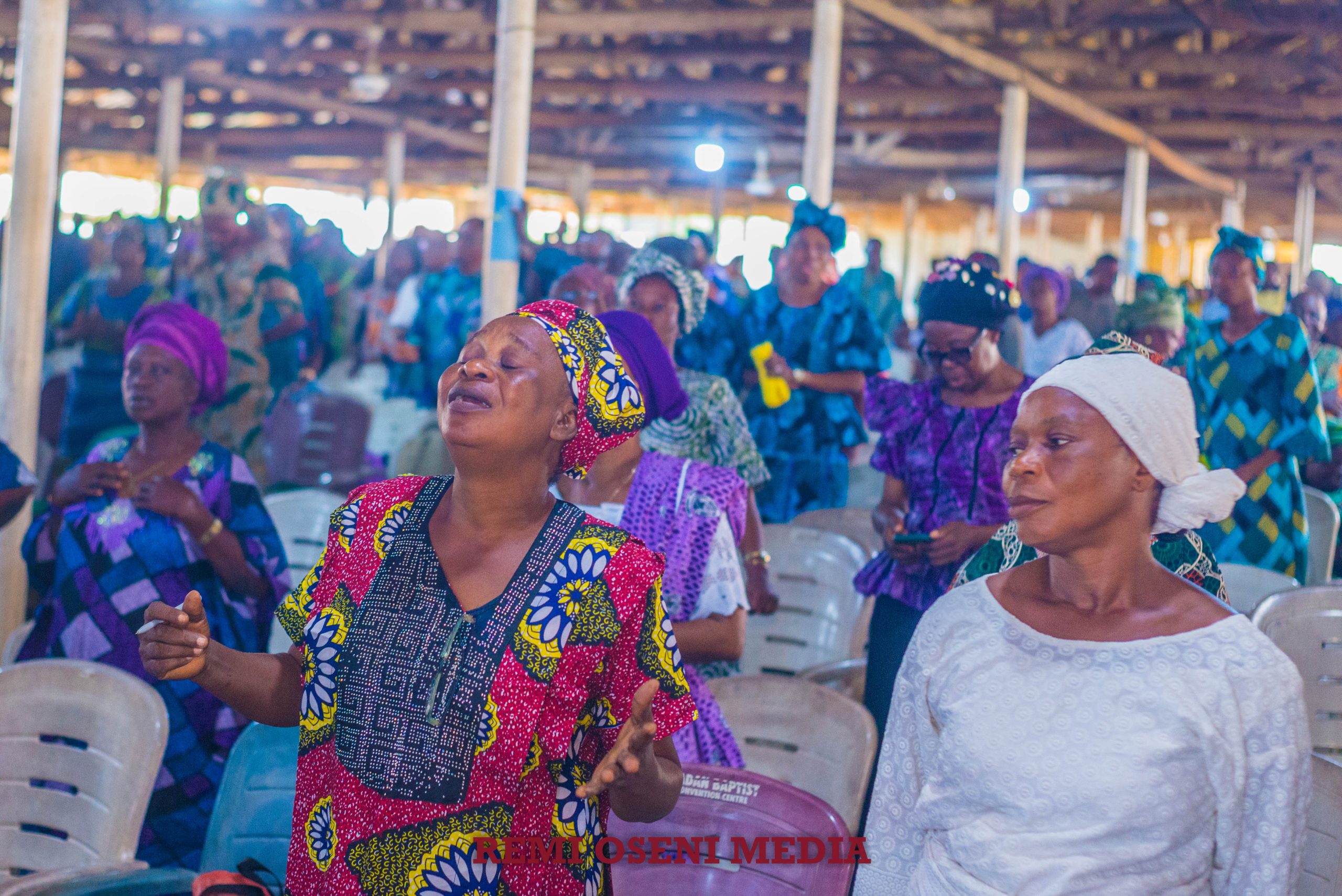
Oseni further urged the congregation to remain united and continue to pray for the country and its leaders, particularly those entrusted with public responsibilities. He appealed to leaders at all levels to always seek wisdom and do what was right in the interest of the people, while assuring the people of his continued commitment to quality representation and service to humanity.
In his remarks, the President of the Ibadan Baptist Conference, Rev. Oyekola Bamidele, commended Oseni for his performance in office and his commitment to humanity.
Oyekola described the lawmaker as “one of our own,” acknowledging his contributions to the development and wellbeing of the people.
The Conference President subsequently invited church leaders, elders and members of the congregation to join him in prayers for Oseni, committing his leadership and future political ambition into the hands of God.
(C) Mega Icon Magazine

Oyo South: Oseni Approves N100m for Ibadan Community Road Rehabilitation

Ondo alcohol deaths: 29 die, 60 affected