Connect with us

News

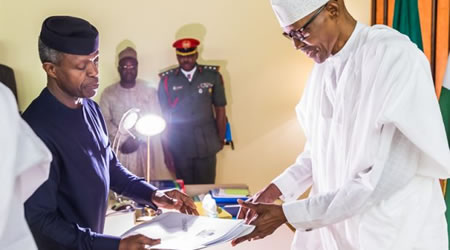
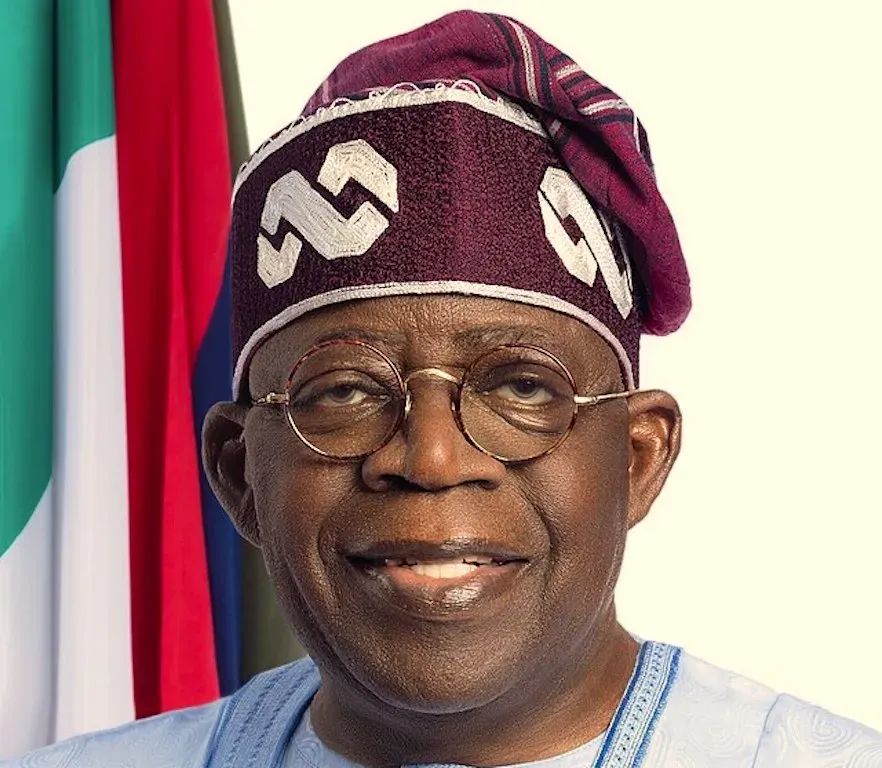
Osinbajo Lists Buhari’s 57 Achievements In Two Years

Published

on

The Presidency on Saturday released a compiled list of achievements by the government of President Muhammadu Buhari over the past two years, all amounting to 57.

According to the released by the Vice President’s Office to mark the independence anniversary of Nigeria, security, results of initiatives on growth of economy, war against corruption, release of Chibok girls and more are top in consideration.

Below are the achievements as compliled by the Offie of the Vice President

57 Achievements Of The Buhari-Led Administration

SECURITY & RELATED MATTERS

Release of 106 Chibok girls, as well as over 16,000 persons in Boko Haram captivity.

Tackling insurgency, decimation of Boko Haram in the North East.

Recovering 14 local governments and territories previously under Boko Haram control in the North East, rebuilding lives of citizens there; about one million displaced persons in the NE have returned to their communities in two years of this administration.

Curbing the incidence of kidnap across the country. (Arrest of kidnap kingpins and dismantling of kidnap cells across the country)

Restoring morale of the Nigerian military; re-organizing and better equipping the Nigerian Armed Forces.

Purchase of 12 Super-Tucano aircrafts worth $600 million to aid the Nigerian military’s current operations in the North East.

Ensuring continued peace in the Niger Delta through consistent funding of the FG amnesty programme for ex-militants.

Introduction of an improved mechanism for distribution of aid to IDPs in the North East through the establishment of the Special Intervention Programme of the Federal Government. (Door-to-door strategy)

ECONOMY

Implementing the National Economic Recovery and Growth Plan (ERGP) to aid economic recovery, taking the country out of her worst recession in 29 years, despite fall in oil prices.

N1.2 trillion expended on capital/infrastructure projects nationwide, a milestone in the nation’s history.

Effective implementation of the Treasury Single Account, and increasing government revenue by over N3 trillion as well as entrenching transparency and accountability.

Implementation of the Bank Verification Number (BVN), thus tackling corruption by plugging loopholes for siphoning of public fund and tracking of illicit funds through multiple accounts

Ease of doing business: the Federal Government signed into law two bills from the National Assembly (Acts are the Secured Transactions in Movable Assets Act, 2017 (otherwise known as Collateral Registry Act) and the Credit Reporting Act, 2017) which has facilitated access to more affordable credit for Nigerians, fast tracked budget submissions and promotes Made-in-Nigeria products.

Establishment of the Presidential Quarterly Business Forum to enhance interaction and private sector participation in the development of the economy.

Institutionalizing E-governance setting the foundation for the creation of a truly digital economy.

Creation of opportunities for youths to leverage innovation in technology through the introduction of the Aso Villa Demo Day (AVDD) through which over N700 million has been disbursed to young entrepreneurs.

The revitalization of the Made-in-Nigeria campaign. (Emphasis on consumption of local products gain grounds)

Implementing reforms in the civil service which has led to the elimination of over 30,000 ghost workers, thereby saving the country billions of naira monthly.

Massive investments in agriculture, e.g, Anchors Borrowers Programme to improve local produce, improving fertiliser distribution and access across states through the Presidential Fertilizer Initiative.

Reduction in rice imports as a result of government’s policies that has encouraged massive rice production across Nigeria.

Improving transport infrastructure (rail and road); construction work ongoing on the Lagos-Ibadan Expressway, renovation of Abuja International Airport runway, completion of Abuja – Kaduna Railway among others.

Social Investment Programmes (SIP): N-Power Volunteer Scheme creating jobs for over 200,000 (and still counting) unemployed graduates in all the 36 states and the FCT.

SIP: Ongoing Government Enterprise and Empowerment (GEEP) Scheme; commenced in November 2016 in collaboration with the Bank of Industry, where soft loans ranging from N10, 000 to N100, 000 have been given to over 189,000 market women and traders across different states.

SIP: Home Grown School Feeding Programme, where almost three million schoolchildren have been fed, while tens of thousands of cooks have been engaged in their respective states.

SIP: Conditional Cash Transfer (CCT) scheme, under which about 25,000 less privileged Nigerians so far are now being funded with the monthly N5,000 stipend in 9 pilot States (Bauchi, Borno, Cross Rivers, Ekiti, Kwara, Kogi, Niger, Osun and Oyo). More beneficiaries are expected to be added in more states.

The establishment of MSMEs Clinics, a small Business support programme to support entrepreneurs and small businesses in different states.

Establishment of One-Stop-Shops to support policies on Ease of Doing Business.

The take-off of the 2nd Niger Bridge.

Phasing out subsidy for petroleum products, elimination of fuel scarcity and queues in petrol stations.

Implementation of the FG Niger Delta new vision, a comprehensive road map to improve livelihood and social infrastructure.

Improved power generation nationwide adding $500million to Nigeria’s sovereign wealth fund and about $87million to its excess crude account.

The creation of the N30billion Solid Minerals Development Fund.

Encouraging the patronage of local contents and increasing export in agriculture.

Signing of Executive Order 001 which is the promotion of transparency and efficiency in the business environment – to ensure that public servants offer prompt service in a predictable and transparent manner, and sanction undue delays.
Signing of Executive Order 002 which is on prompt submission of annual budgetary estimates by all statutory and non-statutory agencies of the Federal Government including incorporated companies wholly owned by FG.
Bailout of cash crunch states; about N689 billion to 27 states of the federation to pay salaries in 2015.

Complete refund of Paris loan deductions to states (unprecedented).

Implementing the 2011 UNEP report for the ongoing Ogoni clean-up process after decades of oil spills and pollution.

Modification of the tax system so that it is more efficient.

Reforms in the airports (reconstruction of the Abuja airport runway and ongoing work at the Lagos airport).

Reforms at the nation’s seaports (Issues with cargo clearance at the ports addressed)
Improved duration (under 48 hours) for visa approval especially for investors.

Resuscitation of the nation’s refineries which are now working at 50 percent capacity for the first time in over a decade.

Eleven of the dead 33 fertilizer plants have been resuscitated while four others are to be revived shortly and this has profound impact on the ongoing revolution in the agricultural sector.

For the first time in more than 45 years, the Mambila Power Plant is set to take off with the allocation of $5.6billion for its realization and an expected 3,050 MW output upon completion.

Increasing external reserves to a 13 month high of $33 billion from $29.13 billion which has surpassed the ERGPs target of $30.56 billion despite global low oil prices and production challenges.

tion of the Joint Venture cash calls with oil multinational companies operating in Nigeria (For the first time in the history of the industry) which has led to savings of billions of dollars lost to fictitious contract payments.

Release of N2 billion take off grant for the Maritime University as part of measures to address agitations in the Niger Delta region.

The new development bank of Nigeria (DBN) is finally taking off with initial funding of $1.3billion (provided by the World Bank, German Development Bank, African Development Bank, Agence Francaise De Development) to provide medium and long term loans to MSMEs.

ANTI – GRAFT WAR.

Improving Nigeria’s international image and regional cooperation with neighbouring countries in fighting insurgency.

Anti-corruption war: Prosecuting alleged corrupt public officers and recovering billions of naira of stolen public funds; the successful establishment of the whistle-blower policy.

Signing of Executive Order 004 – Voluntary Income Asset Declaration Scheme (VAIDS). This aims to increase tax awareness and compliance, and reduce incidence of tax evasion.

Signing of agreements with a number of nations to provide Automatic Exchange of Information.

Signing of the Extradition Treaty between Nigeria and United Arab Emirates (UAE) toward strengthening Nigeria’s anti-corruption campaign.
Establishment of PACAC – a think-tank that has provided leadership, direction and also built capacity of personnel in the fight against corruption.

OTHERS

Eradication of polio disease in the country.

The introduction of the One Primary Health Centre per ward programme of the Federal Government.

Comments

News

Iran War Disrupts Oil Supply, Global Loss Hits $50bn

Published

on

The global oil market has recorded losses exceeding $50bn following massive supply disruptions triggered by the ongoing Iran war, which has now stretched to nearly 50 days.

Data from energy analytics firm Kpler showed that more than 500 million barrels of crude oil and condensate have been wiped off the global market since the crisis began in late February, making it the largest energy supply disruption in modern history.

Iran’s Foreign Minister, Abbas Araqchi, on Friday said the Strait of Hormuz had been reopened after a ceasefire agreement reached in Lebanon.

However, tensions escalated again on Saturday as Tehran warned it could shut the strategic waterway if the United States sustains its blockade of Iranian ports.

Also, U.S. President Donald Trump expressed optimism that a deal to end the conflict could be reached “soon,” although he did not provide a definite timeline.

Analysts warned that the scale of disruption could have prolonged effects on global energy stability, with shocks expected to linger for months or even years.

Providing context, Principal Analyst at Wood Mackenzie, Iain Mowat, said the 500 million barrels lost is equivalent to grounding global aviation demand for 10 weeks, halting all road transport worldwide for 11 days, or shutting down the entire global oil supply for five days.

Further estimates showed that the lost volume is nearly equal to one month of oil demand in the United States or more than a month’s supply for Europe. It also represents about six years of fuel consumption by the U.S. military and could power global shipping activities for approximately four months.

The crisis has significantly affected oil-producing nations in the Gulf, with output losses reaching about eight million barrels per day in March—roughly equivalent to the combined production of two of the world’s largest oil companies.

Jet fuel exports from major producers, including Saudi Arabia, Qatar, the United Arab Emirates, Kuwait, Bahrain, and Oman, dropped sharply from 19.6 million barrels in February to just 4.1 million barrels recorded across March and April combined. Analysts said the shortfall could have powered about 20,000 round-trip international flights.

With crude prices averaging around $100 per barrel since the onset of the conflict, the lost volumes translate to an estimated $50bn in revenue. Experts noted that this figure is equivalent to about one per cent of Germany’s annual Gross Domestic Product, or roughly the size of the economies of smaller European countries.

Meanwhile, global onshore crude inventories have declined by about 45 million barrels in April alone, while total production outages have risen to approximately 12 million barrels per day since late March.

Industry experts cautioned that unless a lasting resolution is reached, the disruption could intensify volatility in global oil markets, worsen inflationary pressures, and further strain fragile economies worldwide.

Continue Reading

News

Oseni Secures Prestigious City People Political Award Nomination

Published

on

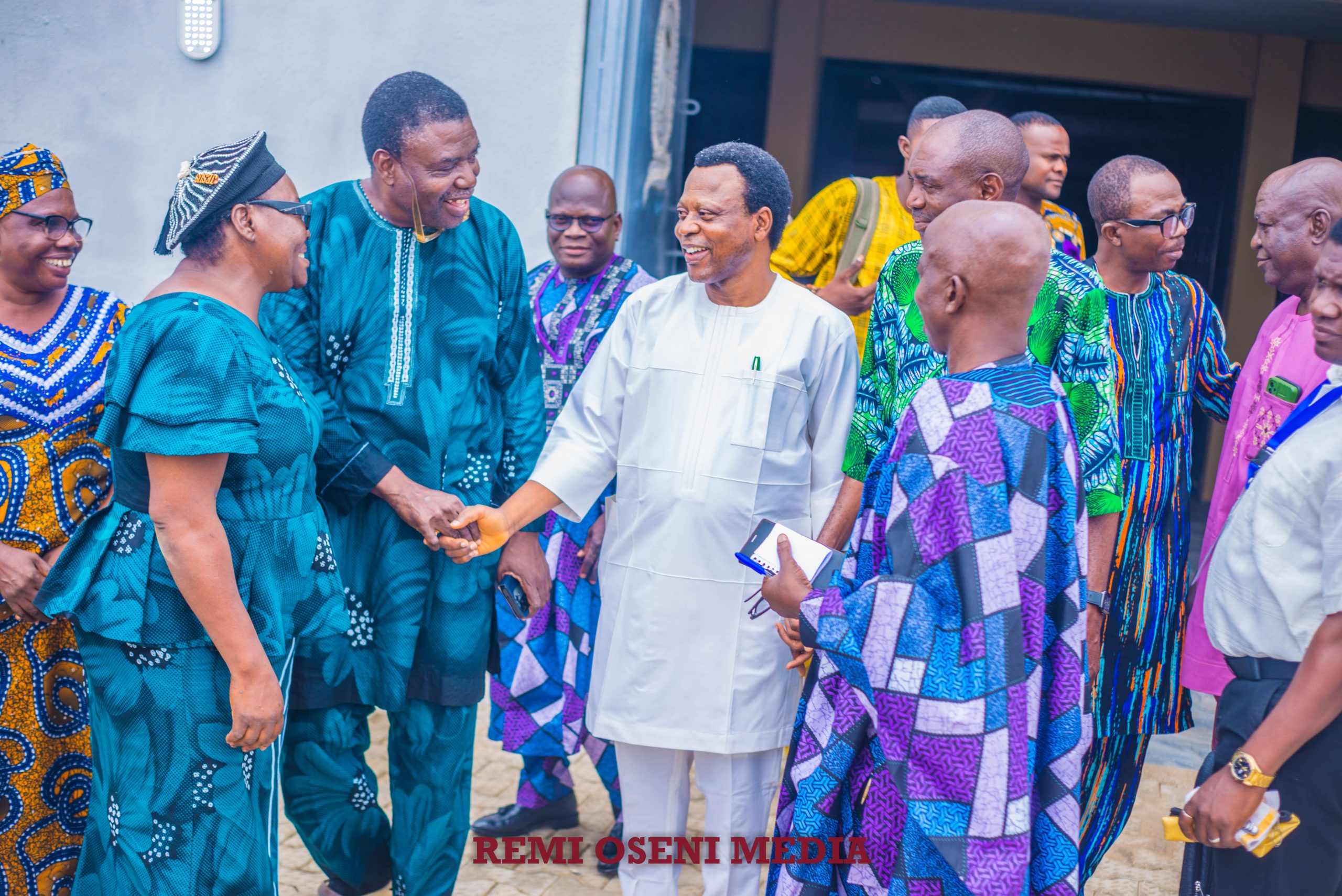
A member of the House of Representatives representing Ibarapa East/Ido Federal Constituency and Chairman of the House Committee on Federal Roads Maintenance Agency, Aderemi Oseni, has been nominated for a Special Award in Politics at the 2026 City People Political Awards.

The nomination was conveyed in a letter dated April 13, 2026, signed by the Publisher/Editor-in-Chief of City People Magazine, Seye Kehinde.

The development was disclosed in a statement issued by Oseni’s media aide, Idowu Ayodele, and made available to journalists in Ibadan on Thursday.

According to the statement, the lawmaker earned the nomination in recognition of his “outstanding contributions to politics in Oyo State, particularly in Ibarapa East/Ido Federal Constituency.”

The organisers noted that Oseni emerged as a nominee following a comprehensive review of performances across sectors by the award’s selection committee.

Part of the letter read, “Having performed creditably well in your sector last year, the Organising Committee presented you as a nominee in your sector.”

The award ceremony is scheduled to hold on Sunday, May 3, 2026, at Etal Hall, Kudirat Abiola Way, Oregun, Ikeja, Lagos, at 4pm.

The City People Awards is an annual event that recognises individuals who have distinguished themselves in governance, public service and other sectors of national development.

Continue Reading

News

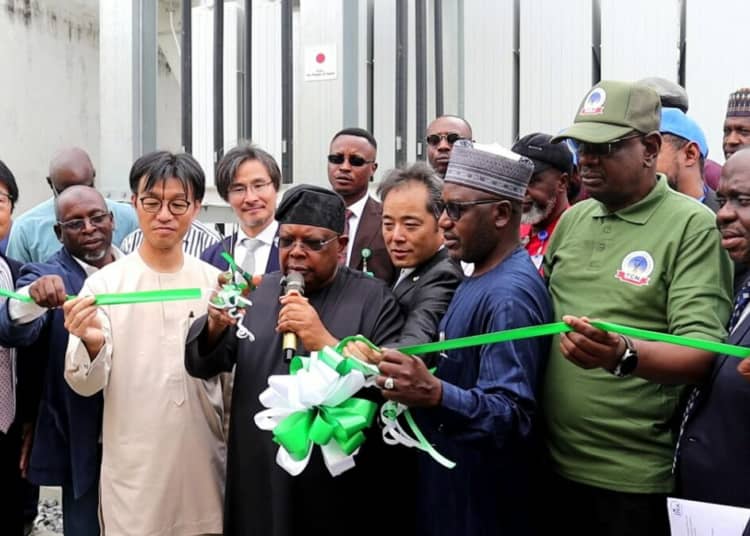
Kaduna Electric to prosecute, expose attackers of staff

Published

on

The Kaduna Electricity Distribution Company has announced a crackdown on individuals who assault its staff, warning that offenders will face prosecution and public exposure.

In a statement issued on Thursday, the company expressed concern over what it described as a “disturbing surge” in attacks on its field workers and third-party partners.

It noted that the affected personnel were mainly engaged in meter installation, revenue collection and maintenance of electricity infrastructure.

According to the firm, the increasing cases of harassment, physical assault and unlawful detention of its workers pose a serious threat to employee safety and the stability of electricity service delivery across its franchise areas.

The Deputy Managing Director, Abubakar Mohammed, said the company would no longer tolerate any form of aggression against its workforce.

“Let this serve as a clear warning to anyone who engages in the assault of our staff. Kaduna Electric will pursue every case to its logical conclusion,” he said.

“We will work closely with security agencies to ensure offenders are brought to justice and face the full weight of the law,” Mohammed added.

He further disclosed that the company would publicly reveal the identities of individuals found culpable.

According to him, names, photographs and other details of offenders would be published on the company’s official platforms as well as in national and local media.

“This measure is intended to ensure accountability and serve as a strong deterrent. Anyone who chooses to attack our personnel should be prepared not only to face prosecution but also public exposure,” he added.

The company stressed that assaults on utility workers attract serious legal and financial consequences, noting that offenders risk criminal charges that may lead to fines or imprisonment.

It added that perpetrators could also face civil liabilities, including compensation for medical treatment, psychological trauma and loss of work hours.
While condemning the attacks, Kaduna Electric urged customers to adopt peaceful and lawful means of resolving disputes.

It advised aggrieved customers to channel complaints through its customer service units or appropriate regulatory bodies.

The management reaffirmed its commitment to protecting its workforce and partners, stressing that a safe working environment is essential for delivering reliable and efficient electricity services.

Although disputes between electricity providers and consumers are often linked to billing issues, metering challenges and service delivery concerns, the company maintained that such matters must be resolved through dialogue, insisting that violence against its staff will no longer be tolerated.

Continue Reading

Advertisement

Entertainment

Advertisement

MegaIcon Magazine Facebook Page

Advertisement

MEGAICON TV

Advertisement

Trending