Connect with us

National Issues

At 76, IBB Sustains His Essential Rhythm

Published

on

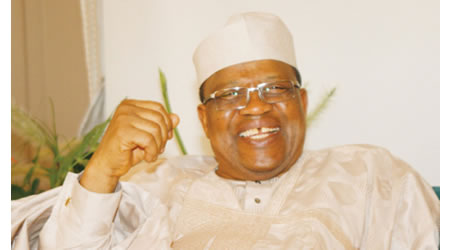
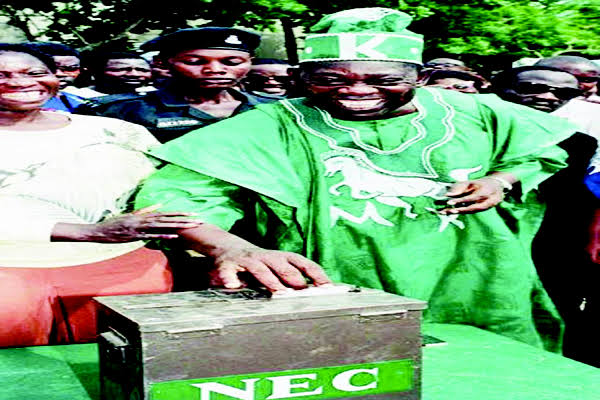
The month of August is special to former military president, General Ibrahim Badamosi Babangida (IBB). It was on the seventeenth of the month in 1941 that he was born in the dusty town of Minna. He assumed presidential power on August 27, 1985 and stepped aside on August 27, 1993, after spending eight years in the saddle. So, essentially, the eighth month in the calendar holds a great deal of attraction and significance for his admirers in the contemplation and celebration of the IBB persona.

By stepping aside amid the ballyhoo that greeted the annulment of the June 12, 1993 presidential election won by the late Chief M.K.O. Abiola, IBB cleverly negotiated his survival against so many forces which engaged him in supremacy battles. For instance, with the support of a carefully selected crop of academics and brilliant minds, he survived the dialectics and polemics of intellectual interrogations of the contents of his transition programme from the wider community of the nation’s anti-military eggheads.

IBB also surmounted the political confrontations by the old guard of barely principled politicians, who piled pressure on him to surrender power to civil authority, as well as the tangible strain by his own military constituency, which was ready to explore the coup option as a last resort to bring his regime to a terminus.

In the peak of the commotion, the army general who survived a bloody coup masterminded by Major Gideon Orkar, decided to stop the seeming unending mesmerisation of the polity, characterised by continuous shifts of and adjustments in the transition timetable. In the face of obvious loss of popular support and national goodwill, the famed Maradona of Nigeria’s political landscape, threw in the towel, emplaced an Interim National Government headed by Chief Ernest Shonekan and retreated to his Hilltop mansion in Minna.

Since 1993, the avuncular IBB has ministered to his loyalists and cult of followership from the mythical Hilltop mansion, which, at an intersection, typified a safe haven – a sanctuary of protection – for his followers against all manner of onslaughts by successive administrations and officialdoms. But that myth was shattered in 2006 when the then president, General Olusegun Obasanjo, unleashed the Economic and Financial Crimes Commission (EFCC) on IBB’s first son, Mohammed, for his alleged 24 percent shareholding in Globacom under the chair of Otunba Mike Adenuga.

The melodrama of Mohammed’s invitation by the EFCC happened about the eve of IBB’s 65th birthday in 2006. It was also a prelude to the widespread agitation by IBB’s followers to have him join the race for the presidency in 2007. Between hunting down Adenuga, who is believed to be a trusted business ally of IBB and Mohammed, IBB’s son, was IBB himself who, although was untouched, got the message that he should not attempt to vie for the presidency on the platform of the Peoples Democratic Party (PDP) or any other party’s platform for that matter.

Since that incident, which saw IBB withdraw his interest after picking the expression of interest form, he has remained a kingmaker with a perceptive oracular divination. His influence in shaping the direction of leadership and governance has not been diminished by the reality of the socio-economic and political condition that served as an endgame to his regime in 1993.

Indeed, the political ferment that culminated in the anti-climax of his historic egress is an inalienable part of the corpus of knowledge that underpins the nation’s ill-fated Third Republic, over which his regime superintended. Notwithstanding, he chose to be his own prophet, declaring that he was stepping aside. The simple deduction from his “step aside” agreement was that he would or could return to power some day. He actually tried but his prophecy did not come to fruition.

The year 2007 marked a dramatic retreat by IBB into his shell. It was a denouement of sorts. There were views in political circles that the political razzmatazz (of announcing his interest in the presidency and picking the PDP expression of interest form) was his last. Validation: in 2007, he was 66 years. That was the year the late President Umaru Musa Yar’Adua emerged as president of Nigeria and succeeded Obasanjo.

But, surprisingly, in 2010, following the death of Yar’Adua, he was one of the northern aspirants shortlisted by some northern leaders for the choice of a consensus candidate that would be supported by the north in the PDP presidential primary. But Atiku Abubakar, the consensus choice of the northern elders, could not stop Goodluck Jonathan from picking the PDP ticket for the 2011 presidential election.

Despite his quiet, intense craving for the presidency, there were reports that IBB did not give the 2010 quest his best push like Atiku. IBB understands the efficacy of support by the federal government in the contestation for and wresting of presidential power from an incumbent president who knows his onions.

But then, how did the Maradona of Nigerian politics get stuck in the mud of his own political calculations (or is it miscalculations)? With his awesome influence and stranglehold on the mechanics of control of successive military governments after his, IBB had been largely, for instance, instrumental to the emergence of Obasanjo as president in 1999.

In 2003, IBB associates’ claim that he allowed Obasanjo to seek a second term in office was understandable. But in 2007, opposition to his presidential aspiration came from Obasanjo. As a passionate and strategic power player, he would have entered the race if he had the support of Obasanjo’s presidency. But because he did not secure the critical support, he decided to withdraw from the race.

In his letter of withdrawal from the race which he sent to Obasanjo, he said he was taking that step because of the moral dilemma occasioned by the entry of General Aliyu Gusau and Alhaji Umar Yar’ Adua both of whom he described as a friend and a younger brother respectively into the race.

There is no doubt that IBB, as an Army General, knows when to advance and when to retreat in the battlefield. A master of his political environment, he is used to having things working or worked out as planned. His decision to step aside from office on August 27, 1993 was hard but expedient. It was a personal sacrifice he had to make in the interest of peace, stability and unity of the nation.

Perhaps, after the 1993 experience, he considered and still considers no sacrifice too difficult to make. This must have been at the bottom of his resolve to quietly ease out of the race without embracing the idea of confronting Obasanjo in a witty and gritty succession battle.

This has been his disposition thus far. Even at the present moment, the gap-toothed general understands the dynamics of the Nigerian political landscape. He knows how to sustain his own political rhythm or relevance. His recent call that Nigeria should embrace restructuring was in apple-pie order and perfectly presented him as a true and perceptive statesman.

At 76, there is nothing more to fear. This is not the time for him to speak tongue-in-cheek. He must continue to speak forcefully and fearlessly. His position on restructuring, regardless of the scathing attacks from some quarters, reinforces the popular agitation for it. IBB, like Atiku Abubakar, has hit the bull’s eye with his advocacy. He must necessarily use his awesome influence and experience to help define and redefine the future and destiny of a restructured Nigeria. For his essential advocacy and numerous legacies in government, I wish IBB well on his 76th birthday.

*Ojeifo, an Abuja-based journalist, contributed this piece via ojwonderngr@yahoo.com

Comments

National Issues

Tinubu vows intelligence-led rescue of abducted Oyo pupils, teachers

Published

on

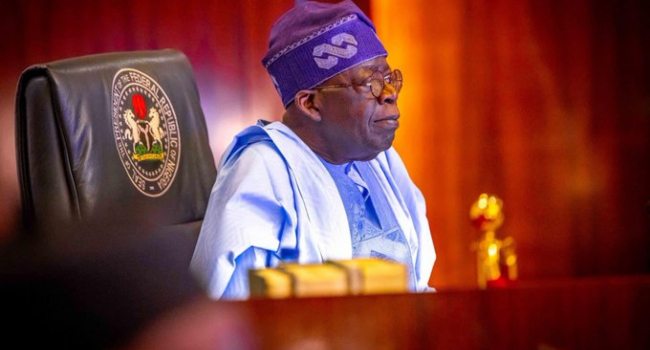
President Bola Tinubu on Monday assured residents of Oyo State that ongoing efforts to rescue abducted pupils and teachers in Oriire Local Government Area would be intelligence-driven, coordinated and sustained.

The President said the Federal Government would deploy every lawful means, including kinetic and non-kinetic measures, to ensure the safe return of the victims abducted during the May 15, 2026 attack in Esiele and Yawota communities.

“Our rescue efforts will be intelligence-led, careful, coordinated, and sustained. We will deploy every lawful tool available, both kinetic and non-kinetic, to ensure our children and teachers are safely returned home,” Tinubu stated in a statement posted on his X handle on Monday.

The President also expressed sorrow over the killing of a school teacher during the abduction and extended condolences to his wife, Mrs Mary Oyedokun, and the bereaved family.

“I also extend my deepest condolences to Mrs Mary Oyedokun, the wife of the late school teacher and her family. Their sacrifice will not be forgotten, and his family will not be abandoned,” he said.

Tinubu stressed that children should never be exposed to the trauma of abduction, noting that no parent should endure the pain associated with such incidents.

“No child should be taken from the safety of a classroom. No parent should have to endure this anguish,” the President added.

He assured affected communities that efforts to secure the release of the abducted pupils and teachers would remain sustained and intelligence-driven.

The statement comes amid growing concerns over insecurity in schools and rural communities following the abduction, which prompted the Federal Government to dispatch a high-powered delegation to the affected communities in Oriire Local Government Area.

The delegation included the Chief of Staff to the President, Femi Gbajabiamila; the National Security Adviser, Nuhu Ribadu; the Minister of Defence; and the Inspector-General of Police, Kayode Egbetokun, alongside other senior government and security officials.

Tinubu further disclosed that he had approved additional security measures, including the deployment of a specialised security unit equipped with advanced rescue capabilities to intensify efforts towards the safe return of the victims.

“I have also directed the deployment of a specialised security unit with advanced rescue capabilities to intensify efforts to secure the safe return of the abducted pupils and teachers,” he stated.

The President also revealed that the Federal Government, in collaboration with the Oyo State Government, was mobilising 1,000 forest guards to improve surveillance in forest corridors frequently exploited by criminal elements.

According to him, the initiative would be complemented by broader operational measures aimed at strengthening rescue operations and preventing future attacks.

Tinubu added that a request for the establishment of a military base in the affected area was receiving urgent consideration as part of efforts to bolster security.

Authorities have continued rescue operations amid rising concerns over the safety of schools and rural settlements, insisting that efforts remain focused on securing the release of the abducted victims and preventing a recurrence.

Continue Reading

National Issues

48 alleged terror financiers named by FG {SEE FULL LIST}

Published

on

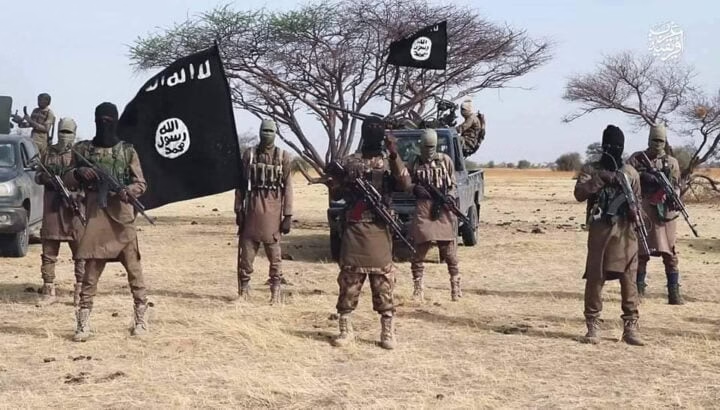
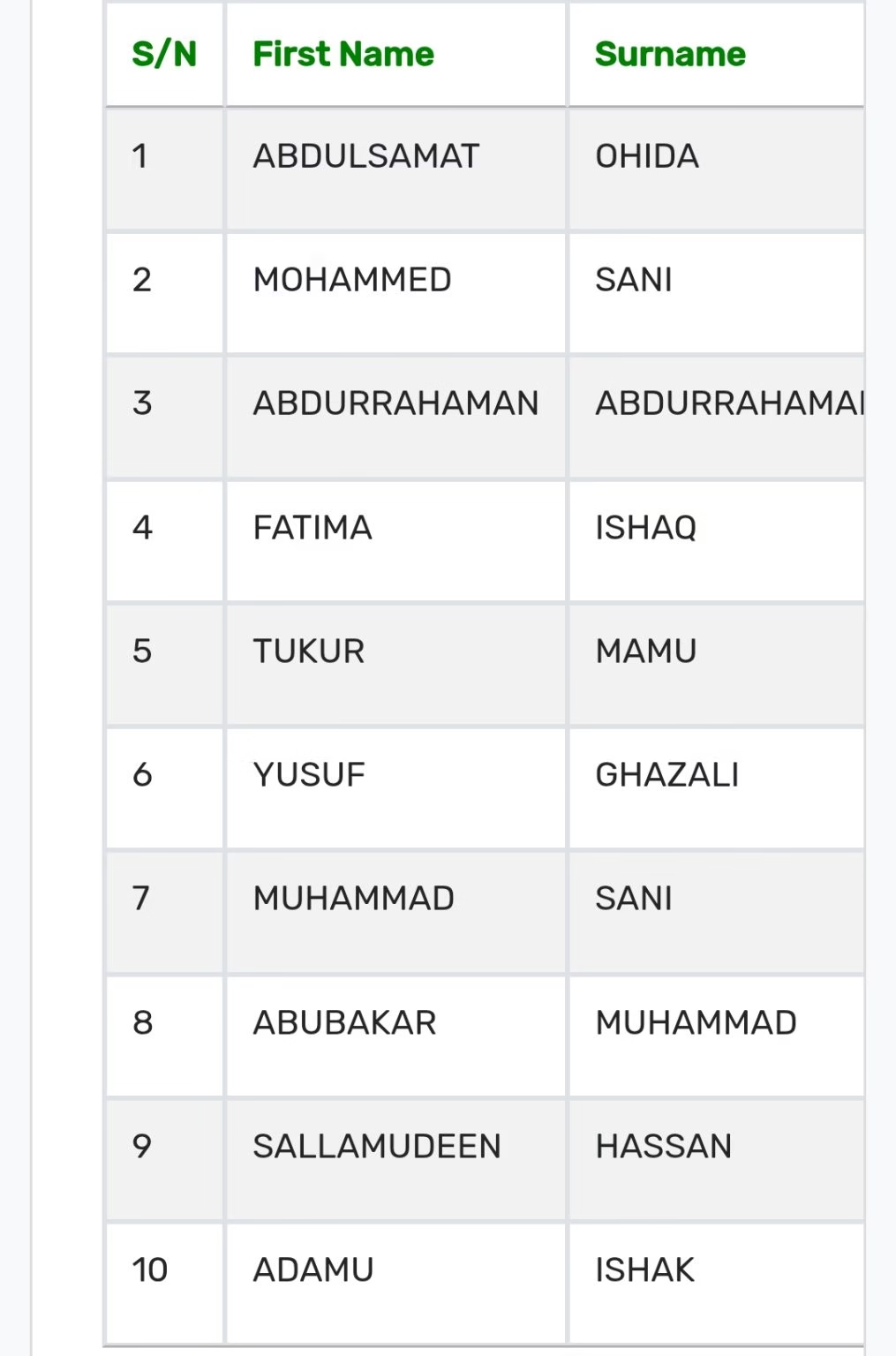
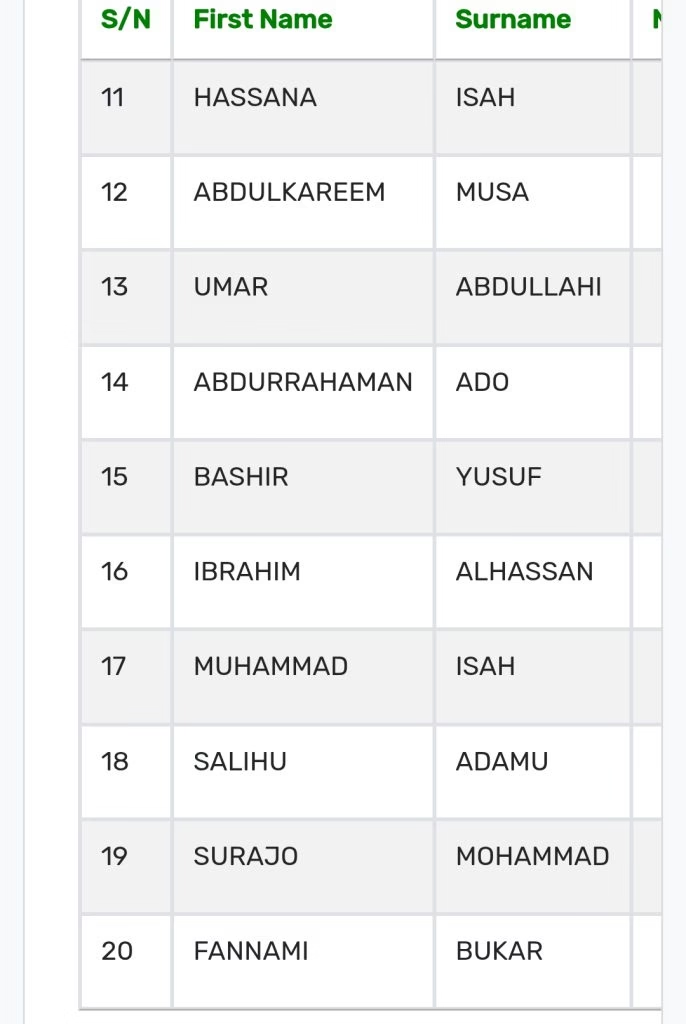
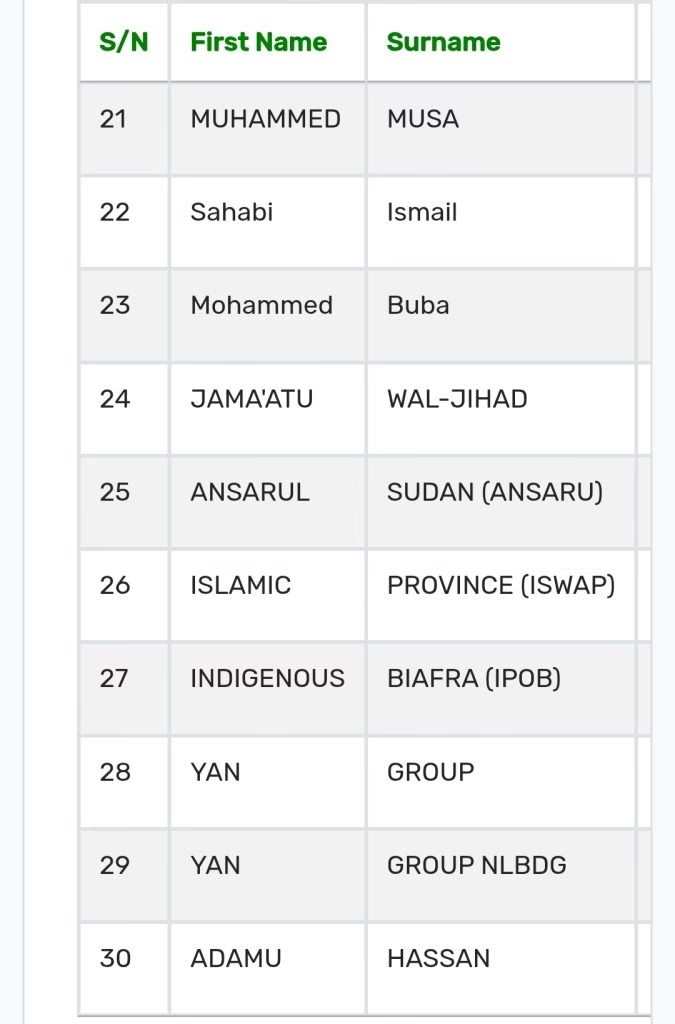
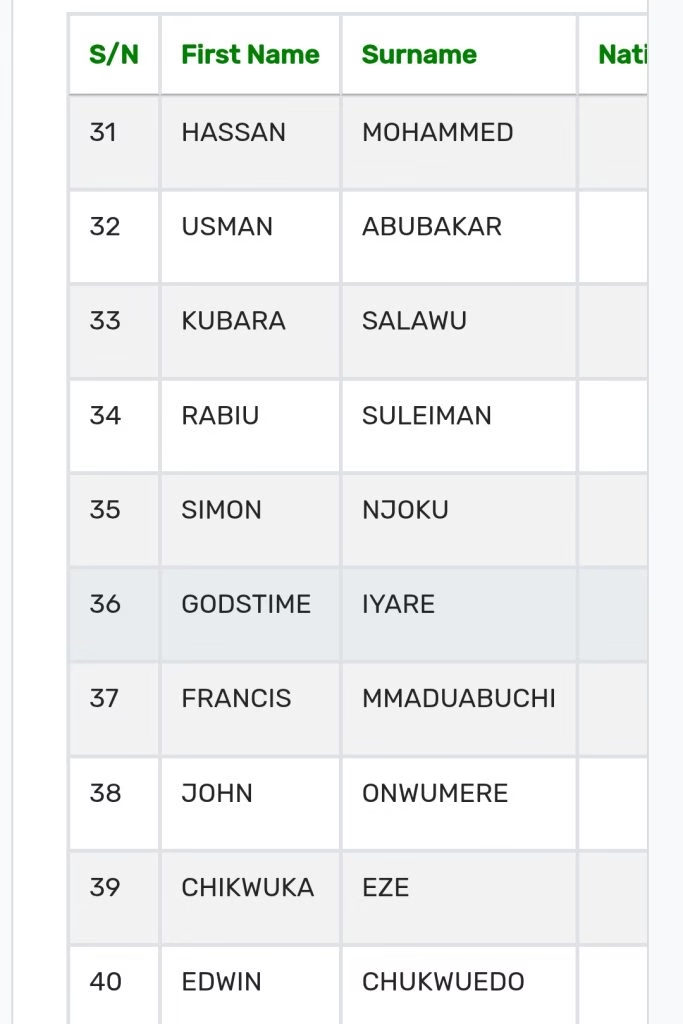
The Federal Government, on Saturday, published a list of 48 individuals and entities allegedly linked to terrorism financing in Nigeria, naming suspects with reported ties to outlawed groups including the Indigenous People of Biafra, Ansaru, and the Islamic State West Africa Province.

The list was released by the Nigeria Sanctions Committee as part of intensified efforts to disrupt financial networks sustaining terrorist activities across the country.

In a statement accompanying the publication, the committee said the designation of the individuals and organisations was in line with Nigeria’s legal and international obligations to combat terrorism financing.

“The Nigeria Sanctions Committee has approved the designation of the following individuals and entities for their alleged involvement in terrorism financing,” the statement read.

It added, “The action is pursuant to relevant laws and regulations aimed at identifying and freezing assets of persons and organisations linked to terrorist activities.”

The committee explained that the move was targeted at dismantling the financial backbone of insurgent and extremist groups operating within and beyond Nigeria’s borders.

Among those listed are individuals reportedly associated with the Indigenous People of Biafra, a proscribed separatist group; Ansaru, a faction linked to Al-Qaeda; and the Islamic State West Africa Province, one of the most active terrorist groups in the region.

Security experts have repeatedly stressed that cutting off funding sources remains a critical strategy in weakening terrorist operations.

Speaking on the development, a senior government official familiar with the process said the publication sends a strong signal about Nigeria’s resolve to confront terrorism at its roots.

“This is not just about naming names; it is about choking the financial lifelines of terror networks. Once funding is disrupted, their operational capacity is significantly weakened,” the source said.

The committee further noted that relevant authorities and financial institutions have been directed to take necessary steps in enforcing sanctions, including the identification and freezing of assets linked to the designated persons and entities.

“The public is also advised to remain vigilant and report suspicious financial activities to appropriate authorities,” the statement added.

The Federal Government reiterated its commitment to safeguarding national security, insisting that individuals or groups found culpable would face the full weight of the law.

As of the time of filing this report, detailed breakdowns of the sanctions and timelines for enforcement were yet to be made public.


Continue Reading

National Issues

Tinubu declares nationwide security emergency, orders massive recruitment

Published

on


Amid rising killings and a wave of mass abductions by gunmen and suspected terrorists across the country, President Bola Tinubu on Wednesday declared a nationwide security emergency.

The President, in a statement personally signed and released in Abuja, also ordered an immediate expansion of the manpower of the Armed Forces and the Nigeria Police Force as the Federal Government rushes to halt the worsening insecurity.

“Today, in view of the emerging security situation, I have decided to declare a nationwide security emergency and order additional recruitment into the Armed Forces,” Tinubu said.

“By this declaration, the police and the army are authorised to recruit more personnel. The police will recruit an additional 20,000 officers, bringing the total to 50,000.”

Tinubu explained that he had already approved upgrades of police training facilities nationwide and authorised the use of selected National Youth Service Corps camps as police training depots.

He added that officers withdrawn from VIP guard duties would undergo “crash training” before being redeployed to areas battling heightened insecurity.

The President also directed the Department of State Services to immediately deploy all trained forest guards to flush out terrorists and bandits hiding in forests across the country. The DSS was further authorised to recruit additional personnel.

“There will be no more hiding places for agents of evil. This is a national emergency. We are deploying more boots on the ground, especially in vulnerable communities. The times require all hands on deck. As Nigerians, we must all get involved in securing our nation,” he said.

Tinubu commended security agencies for jointly securing the release of 24 abducted schoolgirls in Kebbi State and 38 worshippers in Kwara State. He assured that efforts were ongoing to rescue students of Catholic schools in Niger State and other kidnapped Nigerians still in captivity.

“To the leadership and rank and file of our Armed Forces, I commend your courage and sacrifice. This is a challenging moment for our nation and for the military itself. I charge you to remain resolute, restore peace across all theatres of operation, and uphold the highest standards of discipline. There must be no compromise, no collusion, and no negligence,” he added.

The President announced that the Federal Government would support state governments operating community-based security outfits.

Tinubu also urged the National Assembly to begin reviewing laws that would allow states seeking to establish their own police forces to do so.

He warned states against maintaining boarding schools in remote areas without adequate security and advised churches and mosques in vulnerable areas to engage security agencies when organising large gatherings.

On the lingering farmer–herder clashes, Tinubu restated that the newly created Ministry of Livestock Development would provide long-term solutions. He appealed to herders to embrace ranching, end open grazing, and surrender illegal weapons.

“I sympathise with the families who have lost their loved ones in recent attacks on soft targets in Kebbi, Borno, Zamfara, Niger, Yobe, and Kwara states. I also pay tribute to our brave soldiers who have made the ultimate sacrifice, including Brigadier-General Musa Uba,” he said.

Warning criminal groups not to undermine the state, Tinubu emphasised that his administration possessed the resolve and capacity to secure the country.

“Fellow compatriots, I urge you not to give in to fear or despair. Stand firm to defend our freedom and values. Our administration will continue to guarantee peaceful co-existence and preserve our union.”

He called on citizens to remain vigilant, report suspicious activities, and cooperate with security agencies.

Tinubu’s declaration came amid nationwide outrage after the killing of at least five people in Kebbi and Kwara states, and the abduction of over 300 schoolchildren from Government Girls Comprehensive Secondary School, Maga, in Kebbi State, and St Mary’s Catholic School, Papiri, in Niger State.

Continue Reading

Advertisement

Entertainment

Advertisement

MegaIcon Magazine Facebook Page

Advertisement

MEGAICON TV

Advertisement

Trending