Top Stories
12 Images Of Pharaohs That Prove Ancient Egyptians Were Black

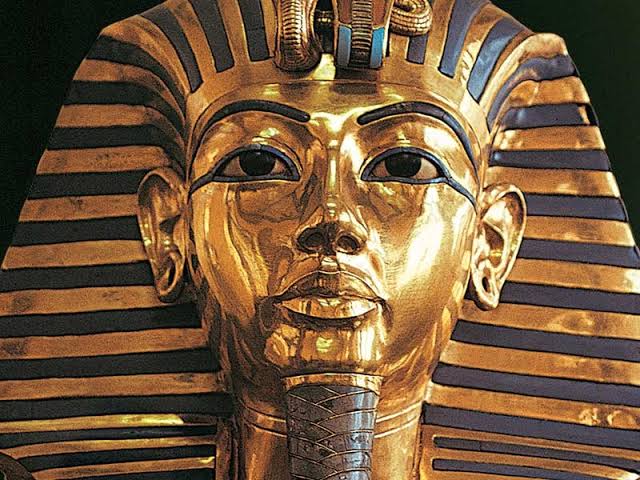

Narmer (Reign: ca. 2650 B.C. — 2632 B.C.) Narmer, also known as Menes, unified Upper and Lower Egypt for the first time and, therefore, founded the first dynasty of a unified Egypt.

Khasekhemwy (Reign: 18 years, ca. 2690 B.C.) Khasekhemwy ended the infighting of the second dynasty and reunited Upper and Lower Egypt after a civil war between the followers of the gods Horus and Set.

Djoser (Reign: 19 or 28 years, ca. 2670 B.C.) Djoser (also read as Djeser and Zoser) is the builder of the Step Pyramid and is believed by most Egyptologists to be the founder of the third dynasty during the Old Kingdom.

Huni (Reign: ca. 2650 B.C. – 2632 B.C.) Huni was the last pharaoh of the third dynasty during the Old Kingdom period.

Khufu (Reign: 2589 B.C. – 2566 B.C.) Khufu was the second pharaoh of the fourth dynasty and is generally accepted as having commissioned the building of the Great Pyramid of Giza, one of the Seven Wonders of the Ancient World.

Khafra (Reign: 26 years, ca. 2570 B.C.) The pharaoh Khafra is the son of Khufu and built the second-largest pyramid at Giza.

Sahure (Reign: 2487 B.C. – 2475 B.C.)
Sahure was the second king of ancient Egypt’s fifth dynasty. Historical records and Egyptian art show that Sahure established an ancient Egyptian navy and sent a fleet to the Land of Punt and traded with cultures in the Eastern Mediterranean.

Mentuhotep II (Reign: c. 2046 B.C. – 1995 B.C.) Nebhepetre Mentuhotep II was a pharaoh of the 11th dynasty who reigned for 51 years. During the 39th year on the throne, he reunited Egypt, thus ending the First Intermediary Period. Consequently, he is considered the first pharaoh of the Middle Kingdom.

Senusret (Reign: 1971 B.C. – 1926 B.C.) Senusret I, also Sesostris I and Senwosret I, was the second pharaoh of the 12th dynasty of Egypt. One of the most powerful kings of this dynasty, he maintained aggressive expansionist policies against Nubia and organized an expedition to a western desert oasis in the Libyan desert. Senusret I established diplomatic relations with some rulers of towns in Syria and Canaan.

Amenemhat III (Reign: c. 1860–1814 BC)
Amenemhat III, also spelled Amenemhet III, was a 12th dynasty pharaoh, whose reign is regarded as the golden age of the Middle Kingdom.

Hatshepsut (c. 1479 B.C. – 1458 B.C.)
Regarded by Egyptologists as one of the most successful pharaohs, Hatshepsut was the fifth ruler of the 18th dynasty. According to Egyptologist James Henry Breasted, she is also known as “the first great woman in history of whom we are informed.”

Ahmose II (Reign: 570 B.C. — 526 B.C.)
Ahmose II, or Amasis II, was a pharaoh of the 26th dynasty of Egypt, the successor of Apries at Sais. He was the last great ruler of Egypt before the Persian conquest.
Source: atlantablackstar.

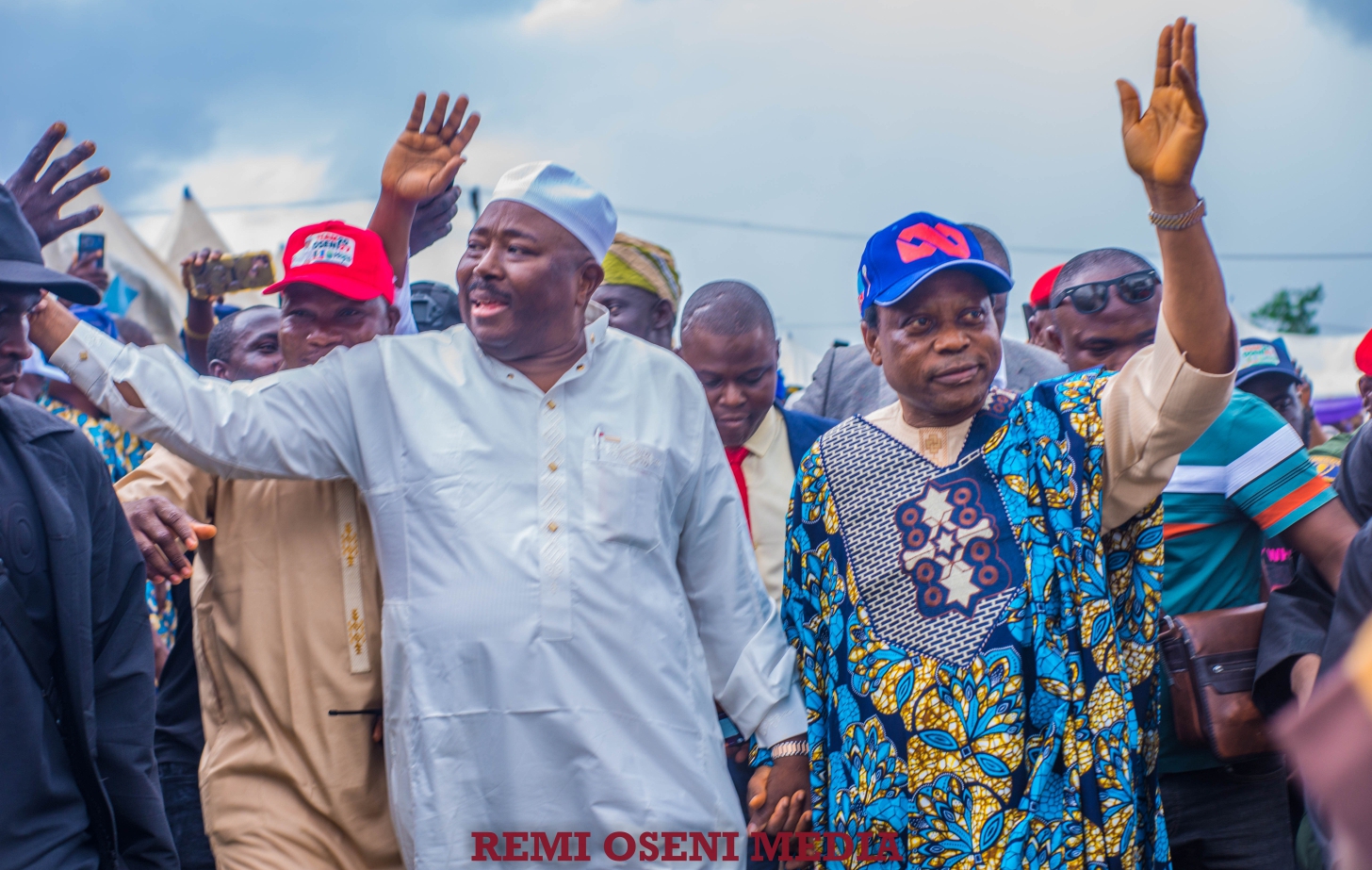
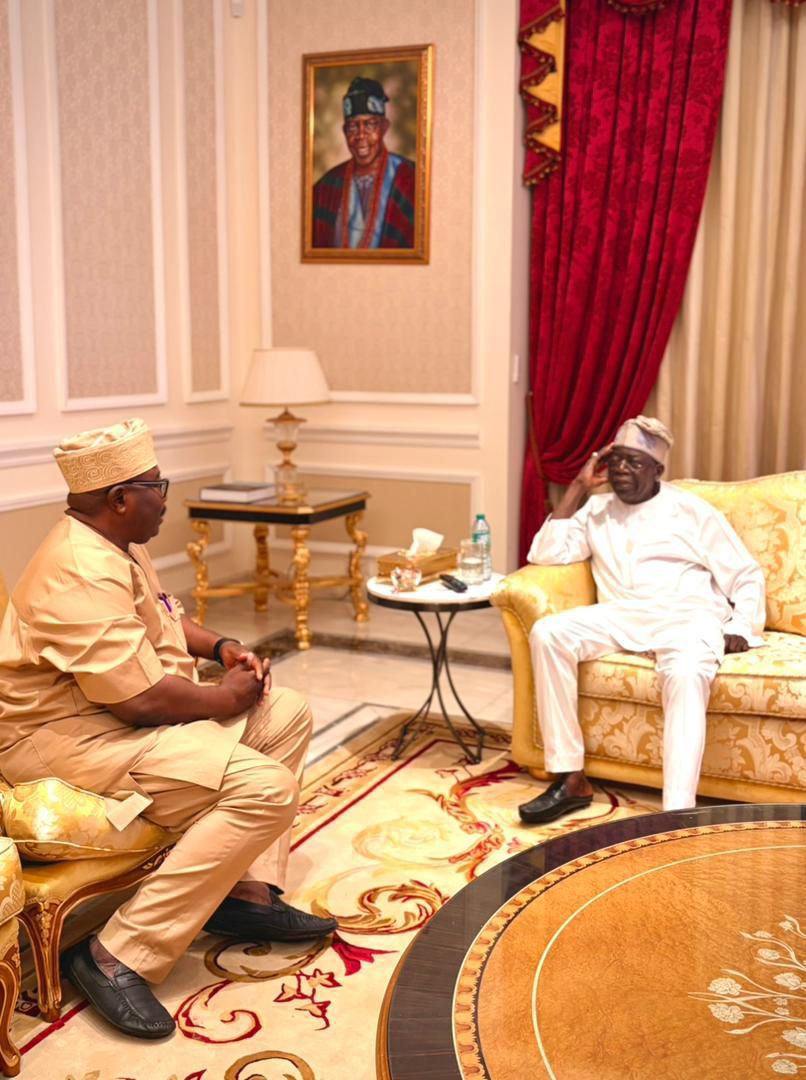
The All Progressives Congress (APC) candidate for Oyo South Senatorial District, Hon. Aderemi Oseni, has condemned the attack on his campaign train at Agbaje Market in Ibadan North-West Local Government Area of Oyo State, calling on security agencies to investigate the incident.
The attack occurred on Wednesday afternoon when Oseni and his team were visiting market associations in Agbaje, Ayeye and Idikan as part of his consultation ahead of the 2027 elections. The trouble started while he was addressing traders at Agbaje Market, when armed political thugs reportedly attacked the venue and started shooting, forcing people to run for safety.
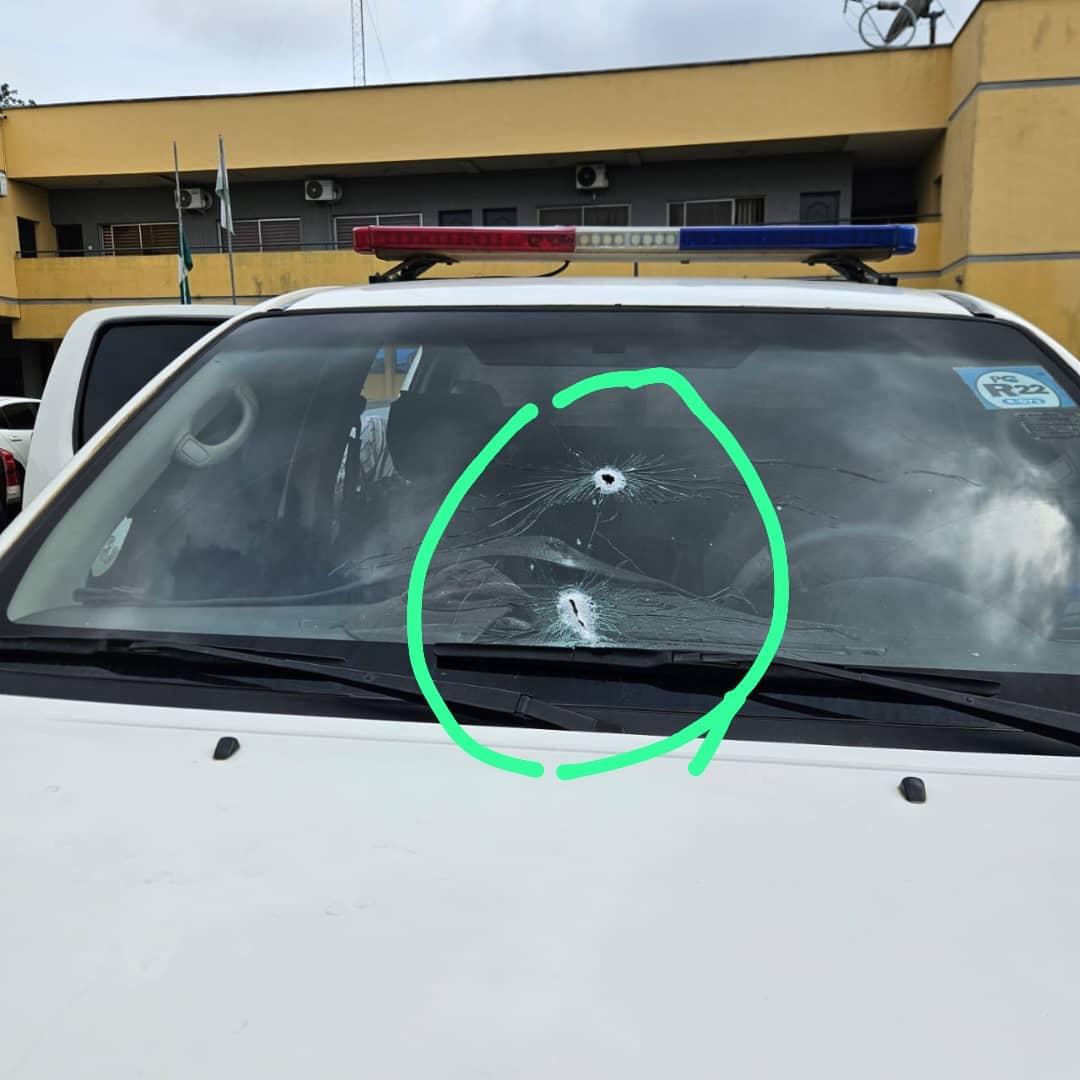
According to a statement by his media aide, Idowu Ayodele, some vehicles in the campaign convoy, including a security utility vehicle, and their windshields were hit by bullets during the attack. The incident caused panic among traders, supporters and other residents at the market.
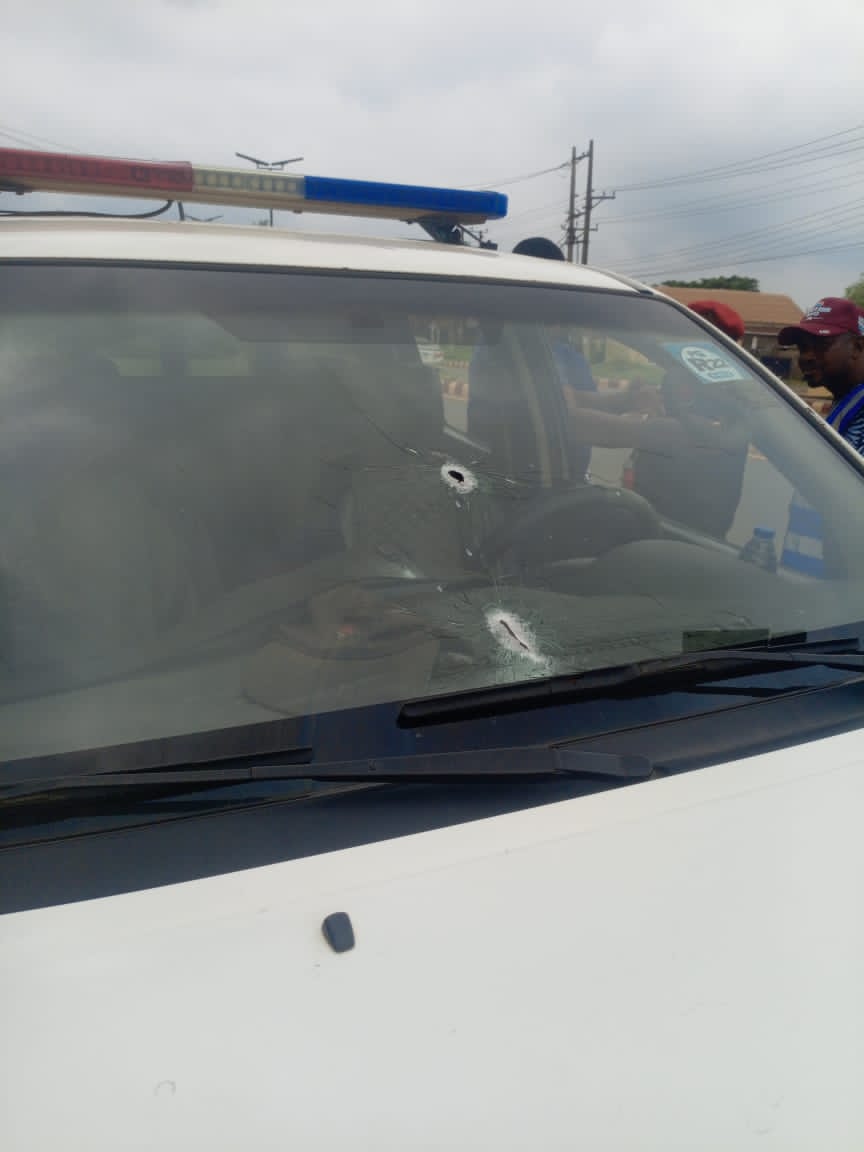
Security operatives attached to the campaign team quickly moved in and helped to control the situation, allowing the lawmaker, members of his entourage and supporters to leave the area safely. Oseni thanked God that no casualty was recorded and commended the security personnel for their intervention.
Describing the incident as disturbing, the chairman House Committee on Federal Roads Maintenance Agency (FERMA) said it was an attack not only on his campaign but also on the right of people to take part in political activities without fear.
“This is a brazen assault on peace, democracy and the constitutional right of every citizen to move freely and participate in political activities without fear or intimidation,” he said.

The APC candidate said the incident would not stop him from meeting the people across Oyo South, adding that his consultations were aimed at listening to their concerns and understanding what they expect from whoever represents them. He said politics should be about ideas, records and the ability to serve the people, rather than violence and intimidation.
Oseni appealed to his supporters not to retaliate, urging them to remain calm and allow the security agencies to deal with those behind the attack. “I appeal to our supporters to remain calm and law-abiding. We must not allow anyone to provoke us into taking the law into our own hands,” he said.
He also thanked the traders, residents, party leaders and supporters who came out for the consultation despite the incident. According to him, the attack would not change the goodwill he enjoys among the people, insisting that voters should be allowed to freely decide who they want to represent them.
“No attack, intimidation or destruction of campaign materials can determine the choice of the people. At the end of the day, it is the people who will decide. Our duty is to present our records and our vision to them, and their decision must be respected,” Oseni said.
He called on the Oyo State Commissioner of Police, the Department of State Services (DSS) and other relevant security agencies to thoroughly investigate the attack, identify those responsible and ensure that anyone found culpable is brought to justice. He said political violence should not be allowed to become part of the build-up to the 2027 elections.
The consultation was attended by the APC candidate for Ibadan North-West/Ibadan South-West Federal Constituency, Hon. Folake Olunloyo; Hon. Lowo Obisesan; party leaders, market stakeholders, supporters and other chieftains.
Oseni said he would continue his consultations across Oyo South, insisting that the incident would not stop him from meeting the people.
“We will continue to go to the people. We will continue to listen and engage peacefully. We will not be intimidated. The people deserve the freedom to choose, and that freedom must be protected,” he stressed.

Oyo: Alli condemns attacks on wife, APC candidates, alleges APM involvement

Alli hails Tinubu, Uzodimma over rescue of 20 Oyo corps members

2027: Oseni condemns attack on campaign train, demands probe



-
 Politics2 weeks ago
APM Rally: APC Tackles Makinde Over Use of ‘CAF-Rejected’ ₦5.5bn Stadium
-
News4 weeks ago
Oyo South: Oseni Approves N100m for Ibadan Community Road Rehabilitation
-
Politics4 weeks ago
Oyo 2027: Alli appoints Oladele, Olaosebikan, Tunji media directors
-
Politics4 weeks ago
Oyo South: Ibadan security groups back Oseni’s senatorial bid