News
Tunisia beach attack: ‘Mastermind’ named


A BBC investigation has identified the man accused of organising the terror attack on a beach that killed 38 people in Tunisia.
Chamseddine al-Sandi is described as the “mastermind” behind the attack in documents obtained by Panorama.
He is named in confessions from suspects who were arrested in connection with the shootings.
Seifeddine Rezgui opened fire on the beach and in the Imperial Hotel near Sousse in June 2015.
Rezgui was killed at the scene, but the documents obtained by Panorama say that he was recruited and directed by al-Sandi.
The confessions say al-Sandi ran a militant cell responsible for both the Sousse shootings and the attack three months earlier at the Bardo National Museum in which 22 people died. Both attacks were claimed by the so-called Islamic State.
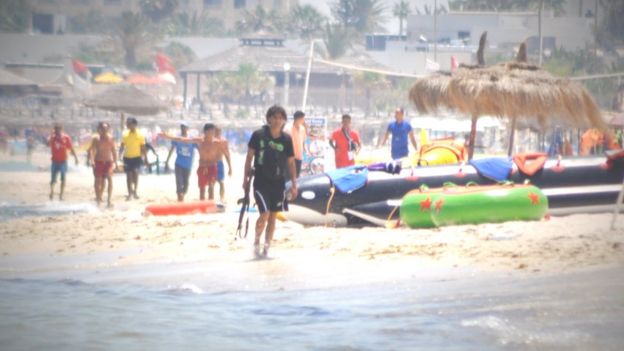
The documents show how closely Rezgui worked with the Bardo gang – describing how he met with them in cafes and mosques in Tunis and how he trained alongside one of the Bardo gunmen in an IS camp in Libya.
According to the confessions, al-Sandi recruited the attackers, paid for them to go to Libya for training and gave them their orders.
Al-Sandi is now believed to be on the run in Libya. The Tunisian authorities have issued warrants for his arrest in connection with both the Bardo and Sousse attacks, but the documents obtained by Panorama reveal the extent of his alleged involvement for the first time.
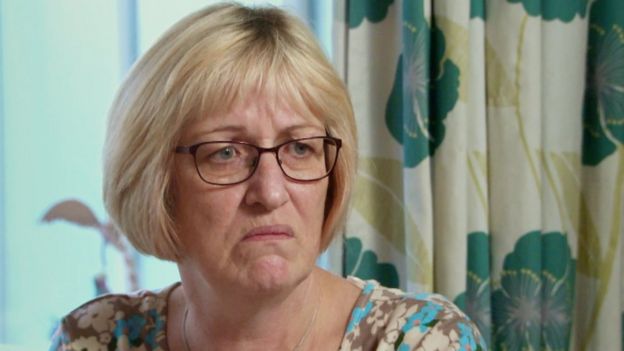
Of the 38 people who were killed in Sousse in June 2015, 30 were British, three were from Ireland, two were German, one was from Russia, one was Belgian and one was from Portugal.
The inquests into the deaths of the British tourists starts next week. But the lawyer representing many of the families told Panorama that he was unaware of al-Sandi’s involvement and had not seen his picture before.
“I have not seen that,” said Demetrius Danas. “If you are right, and the families see that, they will be shocked to see the face of the man who caused them so much sadness.”
Some of the families who were caught up in the Sousse attack have told Panorama that they were assured by tour operator Thomson that it was safe to travel to Tunisia.
Nicki Duffield said she rang Thomson repeatedly to check on the security situation after hearing about the Bardo museum attack.
“I was just constantly asking: ‘Are we going to be safe, can you guarantee we are going to be safe?'” she said. “We were definitely told that there would be increased security.”
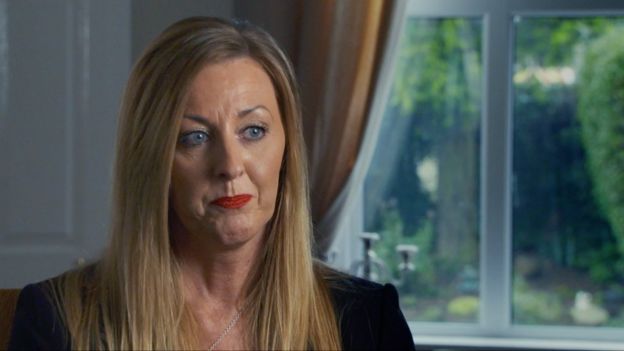
Alison Caine also called Thomson because she was worried about going to Tunisia.
She said: “We called them after Bardo to make sure that it was still safe to travel and they reassured us it was and security had been stepped up. But I just wanted to make sure again the following month so we called them again just to double-check.”
Ms Caine said she felt reassured by Thomson: “Everything was fine, it was safe to travel. They were not doing any refunds or transfers.”
The families say they were told by the tour operator that if they cancelled they wouldn’t get their money back.
TUI, the travel company that owns Thomson, said it wants to understand the specific circumstances that led to the killings.
“We are cooperating fully with the Coroner and will continue to do so, in order to help ensure that the tragic deaths of those killed can be thoroughly investigated, the relevant facts determined and any lessons learned.”
The company said it would be inappropriate to comment further before the inquests but it doesn’t accept the accuracy of all the statements that have been made.


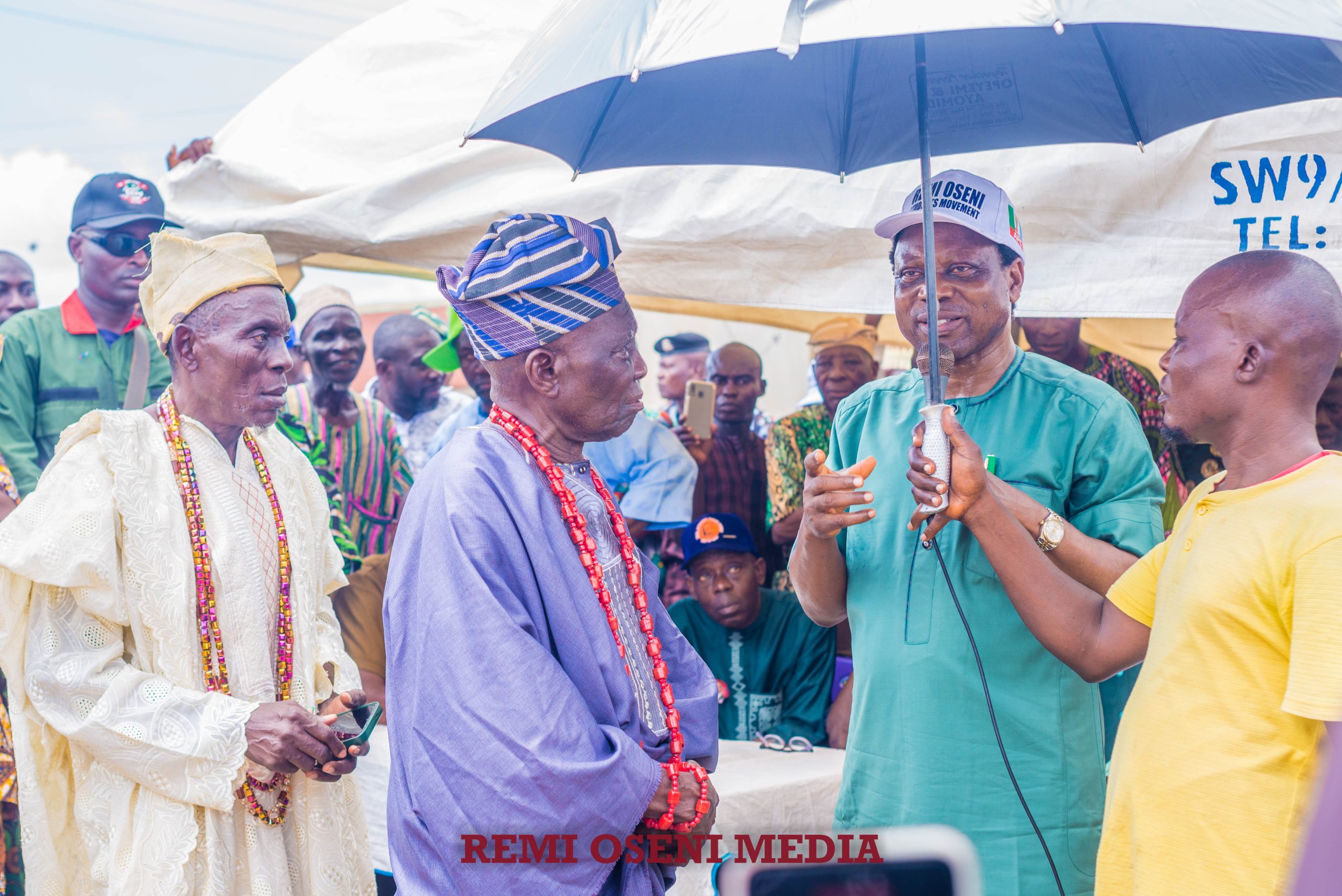
The All Progressives Congress (APC) candidate for Oyo South Senatorial District, Hon. Aderemi Oseni, has approved N100 million for the immediate rehabilitation of a major access road linking seven communities in Ido Local Government Area of Oyo State.
Oseni, who represents Ibarapa East/Ido Federal Constituency in the House of Representatives, announced the intervention on Saturday at a town hall meeting with residents and community leaders from Power Line, Awonsoso, Siba, Olupoyi, Balogun, Baba Agba and Agaloke communities.
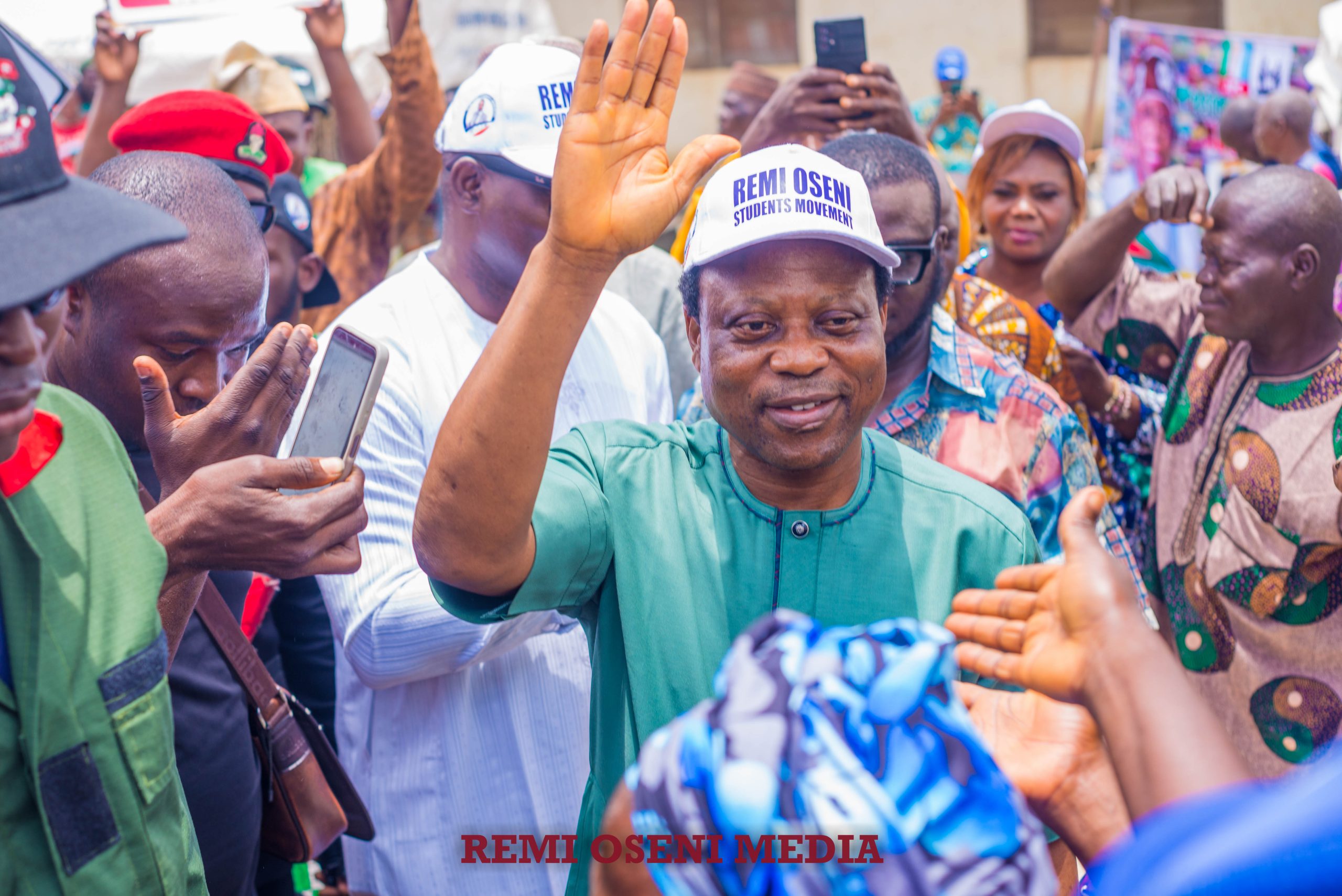
The lawmaker said the decision followed a request by the community stakeholders, who identified the poor condition of the road as their most pressing need. He assured the residents that the rehabilitation would be completed within four months.
Oseni said the intervention was part of his commitment to people-centred representation, stressing that his legislative activities had been focused on issues capable of improving the lives of Nigerians.
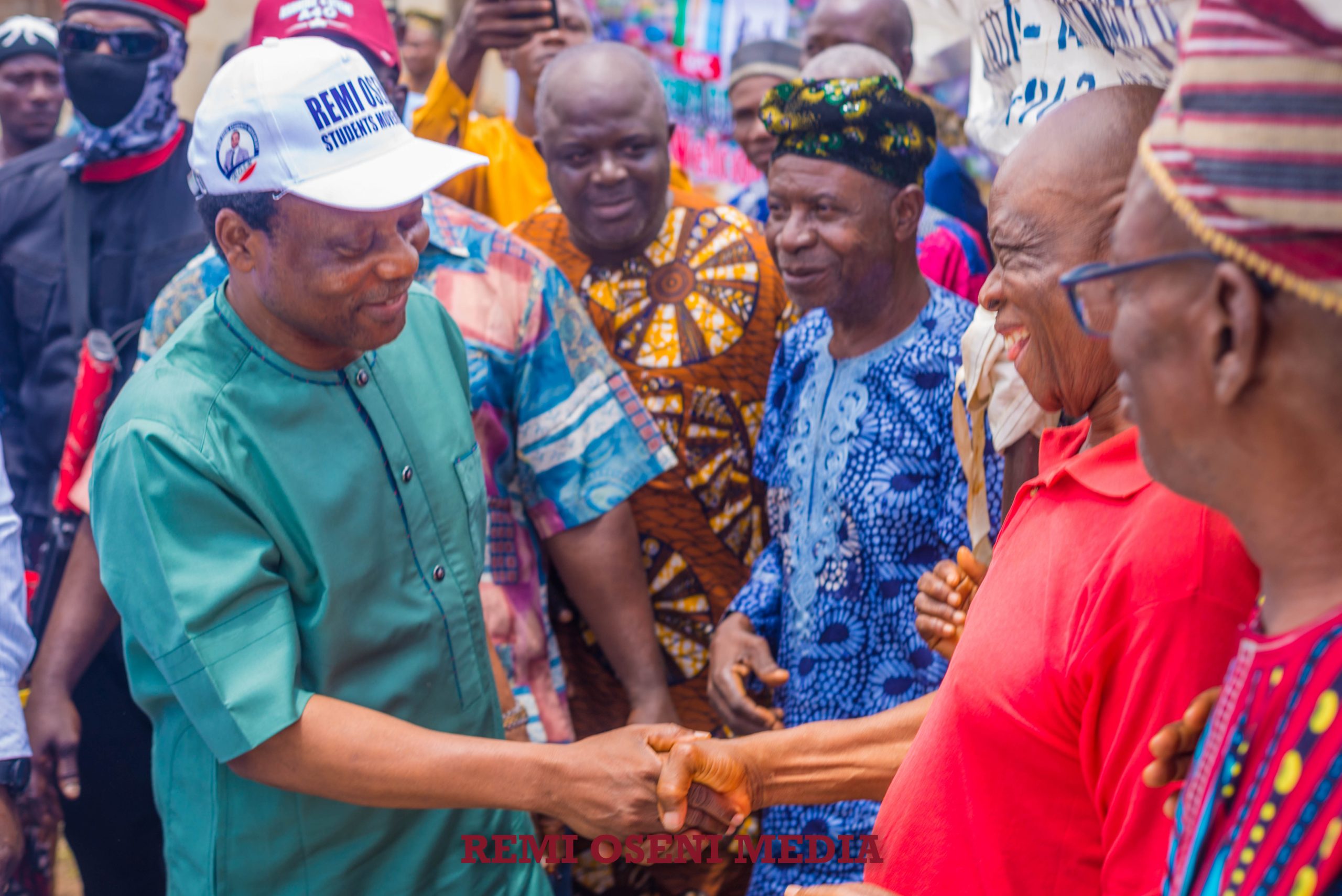
He said, “Within the three years plus, I have sponsored bills and moved motions that are carefully designed to positively impact the lives and livelihoods of citizens.”
According to him, some of the legislative initiatives include moves to amend the Federal Medical Centres Act to establish a Federal Medical Centre in Ido Local Government Area, stronger sanctions for contractors who fail to execute government projects according to specifications, and measures to improve accountability in the management of public contracts.
Oseni added that he had also advocated subsidised farm machinery for farmers, measures to reduce the cost of cancer treatment, improved food storage through modern silos and processing facilities, as well as urgent action on flooding and recurring building collapses in major cities among several others.
The lawmaker said his engagements with communities across Oyo South should not be viewed solely through the prism of the 2027 elections, despite the commencement of political activities.
“My visit here today is not to solicit for votes, but to listen and find practical ways to attend to the requests and plights of my people,” he said.
Oseni also disclosed that he had facilitated the distribution of 31 transformers across Ido and Ibarapa, with about 80 per cent of the cost funded through his foundation. He added that other interventions had included solar-powered street lights, boreholes, bridges, public toilets, educational support, infrastructure, health care services, youth and women empowerment, and assistance to artisans, traders and markets across the senatorial district.
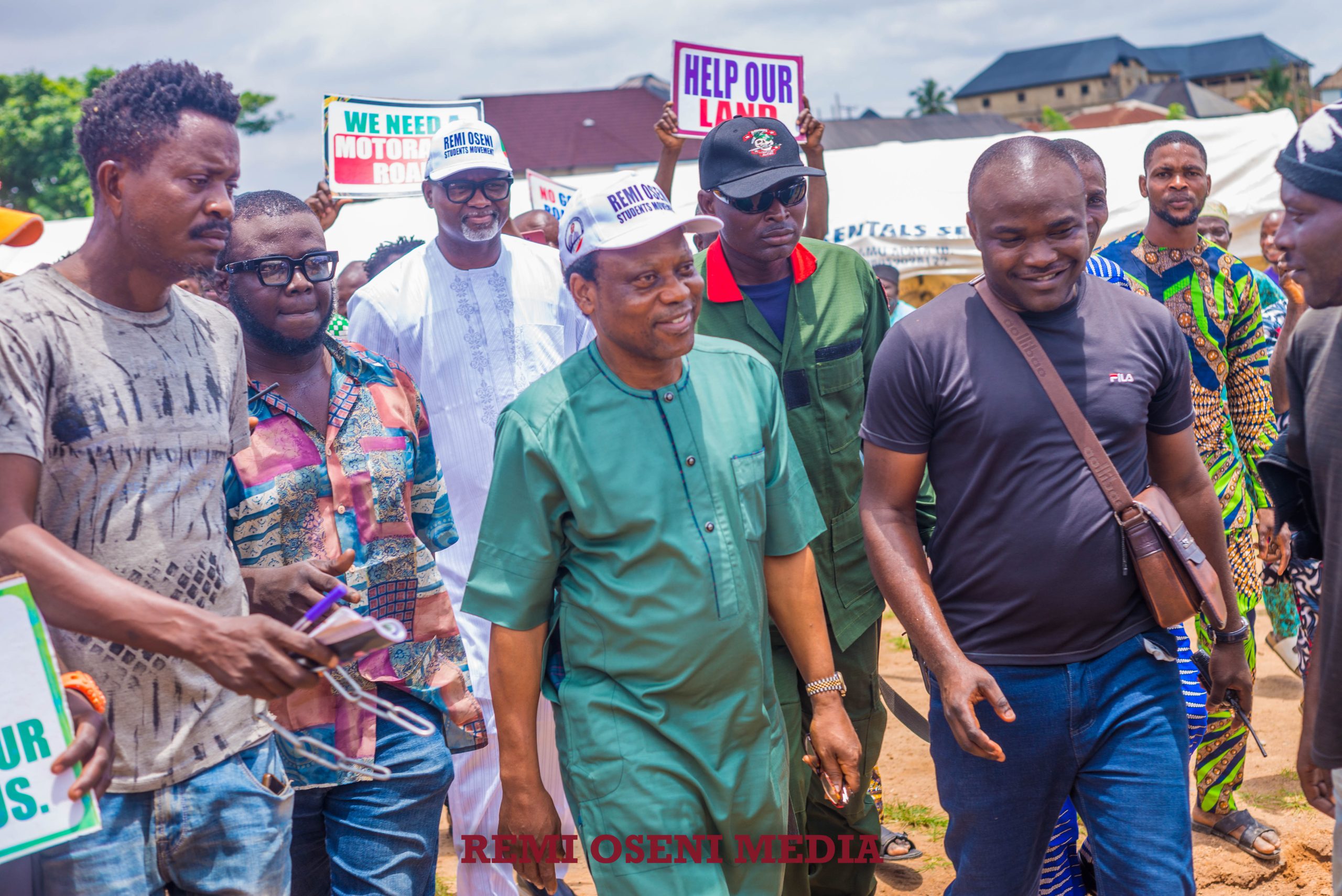
The APC chieftain further noted that some youths had also received N1 million each as seed capital to start small businesses.
Oseni acknowledged that his primary responsibility as a federal lawmaker was to make laws and provide effective representation, but said the gap created by ineffective governance at the grassroots had made it necessary for him to support communities through interventions.
He urged youths to remain focused and resilient, recounting how he worked as a bus conductor to raise money for his secondary education before becoming an engineer, businessman and legislator.
Earlier, Chief Muibi Adegoke, Baale of Awonsoso, and Chief Azeez Saka, Baale of Elere Apata, commended the lawmaker for what they described as his performance in legislation and community development. They pledged their support for his political aspiration ahead of the 2027 election.
The meeting was attended by traditional rulers, religious leaders, community elders, women and youth leaders from the affected communities.
(c) Mega Icon Magazine

2027: Wike backs Tinubu, says PDP will field candidates

Inflation drops marginally to 15.39% — NBS

N85bn French Loan: Oyo APC Guber Candidate, Alli Warns Makinde Against Diversion



-
 Politics4 weeks ago
Adeleke: I Had No Electoral Deal With ADC
-
Metro3 weeks ago
Oyo: Oseni Sympathises With Oranyan Traders Over Market Fire
-
News4 weeks ago
FG adds 208MW to national grid, upgrades Ijora, Apapa substations
-
News3 weeks ago
Oyo: Oseni Donates 500KVA Transformer, N10m to Baptist Conference