News
Tunisia beach attack: ‘Mastermind’ named


A BBC investigation has identified the man accused of organising the terror attack on a beach that killed 38 people in Tunisia.
Chamseddine al-Sandi is described as the “mastermind” behind the attack in documents obtained by Panorama.
He is named in confessions from suspects who were arrested in connection with the shootings.
Seifeddine Rezgui opened fire on the beach and in the Imperial Hotel near Sousse in June 2015.
Rezgui was killed at the scene, but the documents obtained by Panorama say that he was recruited and directed by al-Sandi.
The confessions say al-Sandi ran a militant cell responsible for both the Sousse shootings and the attack three months earlier at the Bardo National Museum in which 22 people died. Both attacks were claimed by the so-called Islamic State.
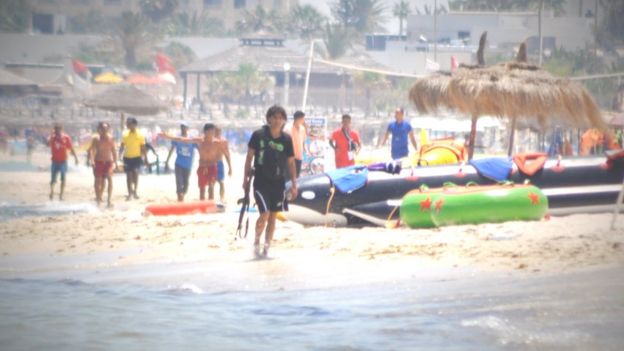
The documents show how closely Rezgui worked with the Bardo gang – describing how he met with them in cafes and mosques in Tunis and how he trained alongside one of the Bardo gunmen in an IS camp in Libya.
According to the confessions, al-Sandi recruited the attackers, paid for them to go to Libya for training and gave them their orders.
Al-Sandi is now believed to be on the run in Libya. The Tunisian authorities have issued warrants for his arrest in connection with both the Bardo and Sousse attacks, but the documents obtained by Panorama reveal the extent of his alleged involvement for the first time.
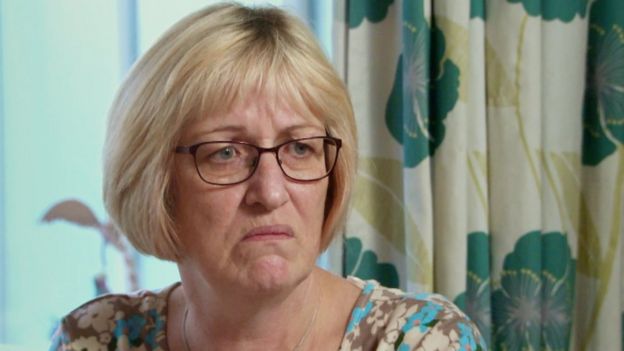
Of the 38 people who were killed in Sousse in June 2015, 30 were British, three were from Ireland, two were German, one was from Russia, one was Belgian and one was from Portugal.
The inquests into the deaths of the British tourists starts next week. But the lawyer representing many of the families told Panorama that he was unaware of al-Sandi’s involvement and had not seen his picture before.
“I have not seen that,” said Demetrius Danas. “If you are right, and the families see that, they will be shocked to see the face of the man who caused them so much sadness.”
Some of the families who were caught up in the Sousse attack have told Panorama that they were assured by tour operator Thomson that it was safe to travel to Tunisia.
Nicki Duffield said she rang Thomson repeatedly to check on the security situation after hearing about the Bardo museum attack.
“I was just constantly asking: ‘Are we going to be safe, can you guarantee we are going to be safe?'” she said. “We were definitely told that there would be increased security.”
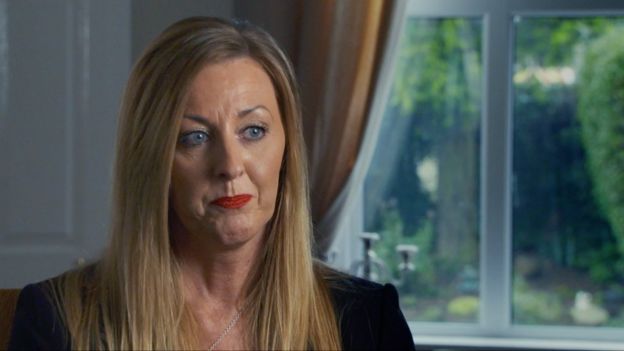
Alison Caine also called Thomson because she was worried about going to Tunisia.
She said: “We called them after Bardo to make sure that it was still safe to travel and they reassured us it was and security had been stepped up. But I just wanted to make sure again the following month so we called them again just to double-check.”
Ms Caine said she felt reassured by Thomson: “Everything was fine, it was safe to travel. They were not doing any refunds or transfers.”
The families say they were told by the tour operator that if they cancelled they wouldn’t get their money back.
TUI, the travel company that owns Thomson, said it wants to understand the specific circumstances that led to the killings.
“We are cooperating fully with the Coroner and will continue to do so, in order to help ensure that the tragic deaths of those killed can be thoroughly investigated, the relevant facts determined and any lessons learned.”
The company said it would be inappropriate to comment further before the inquests but it doesn’t accept the accuracy of all the statements that have been made.

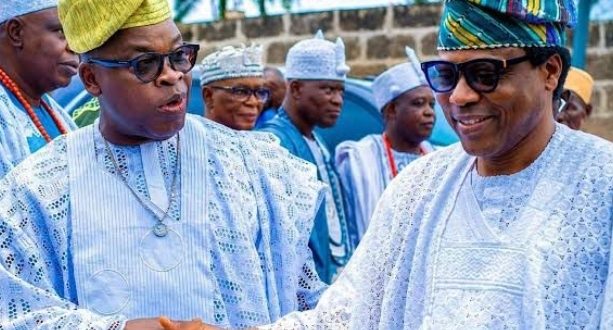
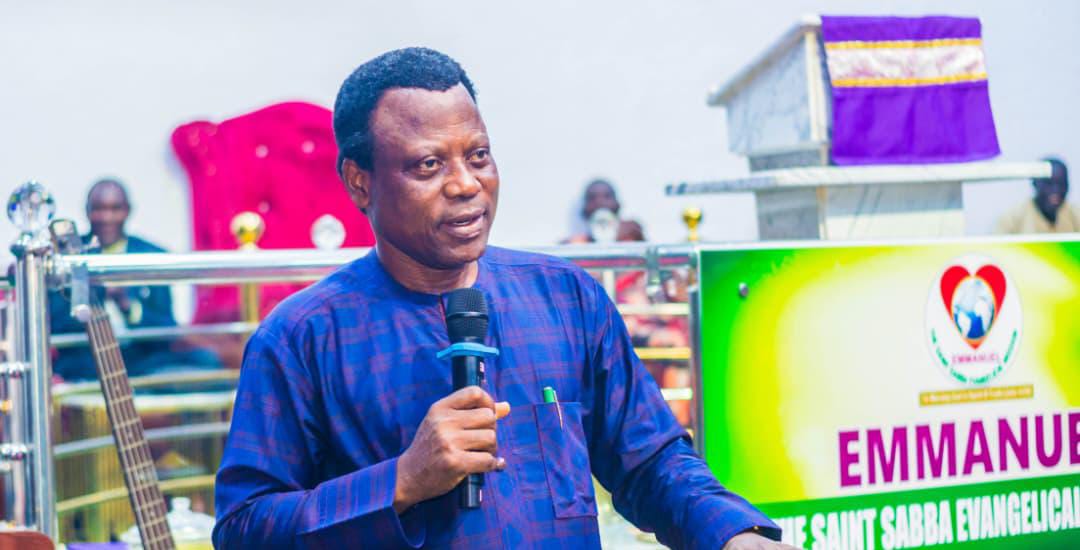
The All Progressives Congress (APC) candidate for Oyo South Senatorial District, Hon. Aderemi Oseni, has called on Nigerians to elect competent and accountable lawmakers, urging voters to understand the constitutional responsibilities of senators ahead of the 2027 general elections.
Oseni warned that misconceptions about the role of senators could undermine effective political representation, particularly when lawmakers are judged primarily by their ability to provide infrastructure, tackle poverty or distribute money to constituents rather than their performance in lawmaking, oversight and representation.
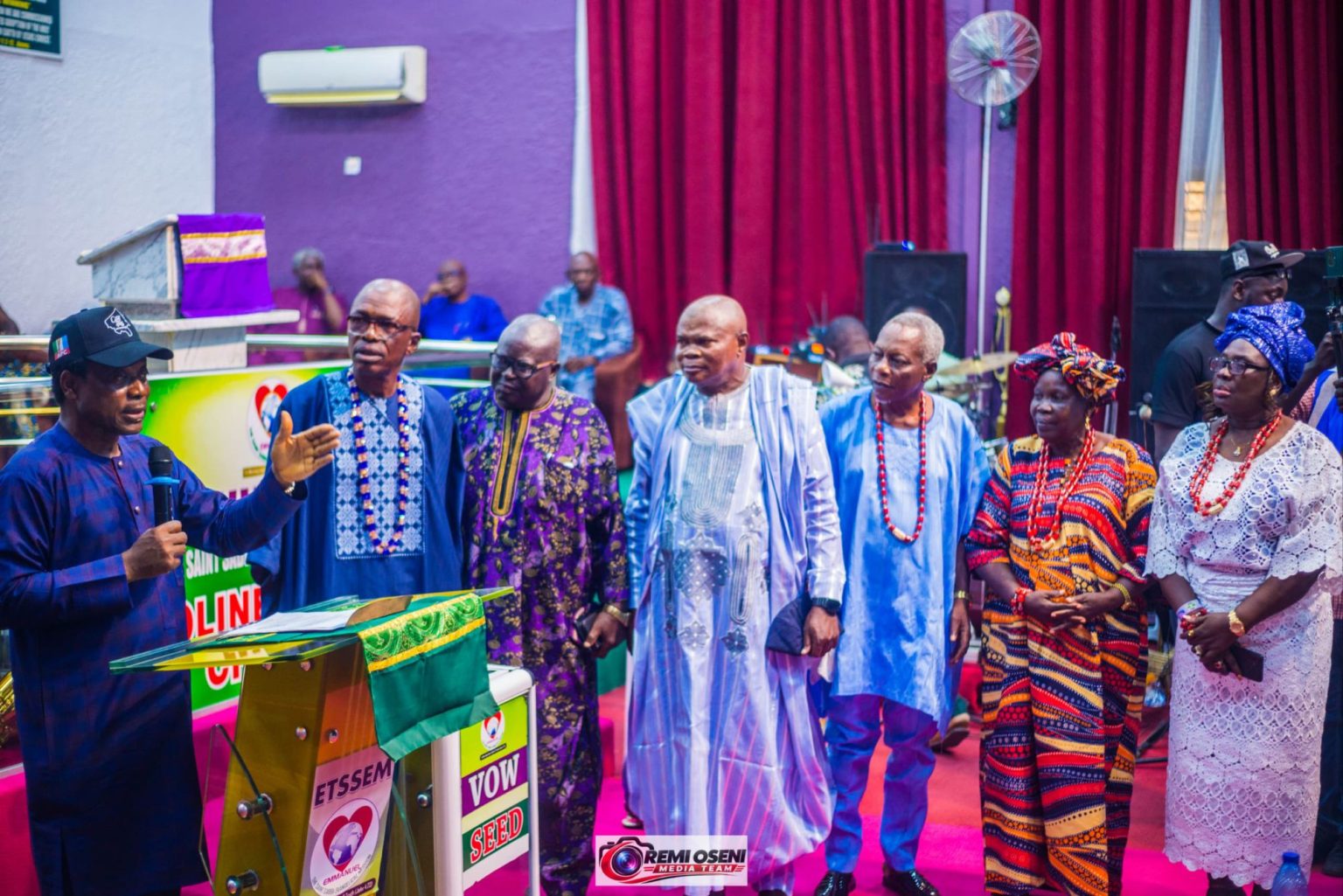
He spoke on Thursday at a political conference organised by the Christian Association of Nigeria (CAN), Ido Local Government Chapter, in Ibadan, the Oyo State capital.
The conference, themed “The Importance of Senatorial Governance and Representation in a Federal Democratic System,” brought together Christian leaders, political stakeholders, professionals, traditional rulers, youths and women to discuss the role of the Senate in Nigeria’s democratic development.
Oseni, who represents Ibarapa East/Ido Federal Constituency in the House of Representatives, identified three major challenges confronting senatorial representation: the election of unsuitable candidates, the failure of some elected senators to discharge their responsibilities effectively, and widespread misconceptions about the office.
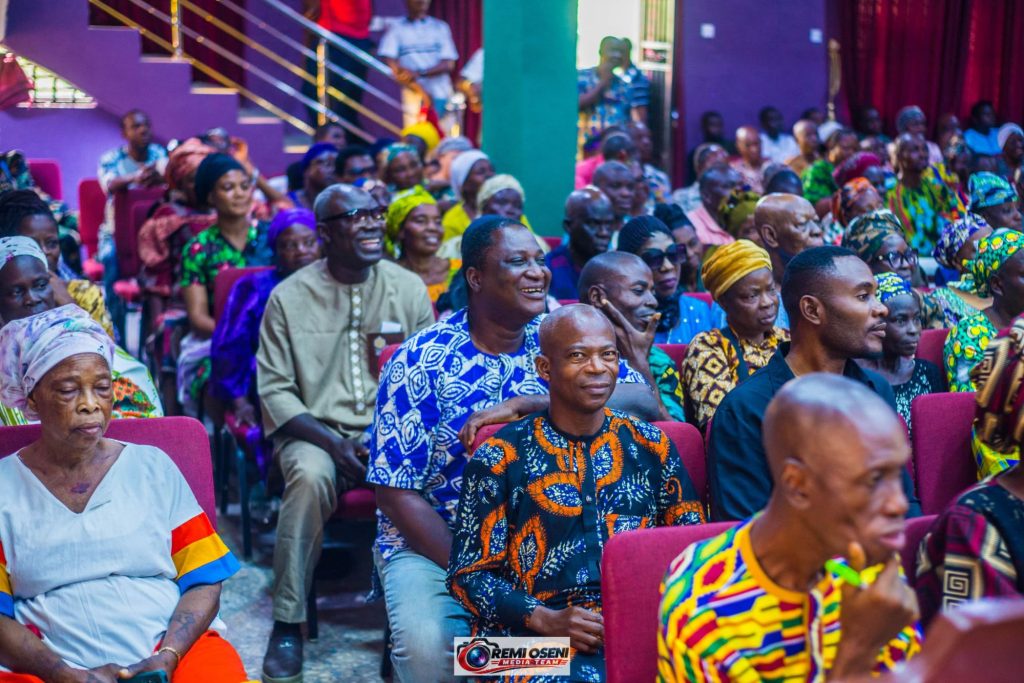
He said these challenges underscored the need for greater public awareness of the constitutional duties of senators.
The Chairman of the House Committee on the Federal Roads Maintenance Agency (FERMA) cautioned against holding senators solely responsible for youth unemployment, poverty, inadequate infrastructure and other development challenges without considering the respective responsibilities of the federal, state and local governments.
He also faulted the expectation that senators should routinely return from Abuja with large sums of money to distribute among their constituents.
“A senator is neither the Chief Executive of a senatorial district nor a replacement for the Governor or Local Government Chairman,” Oseni said.
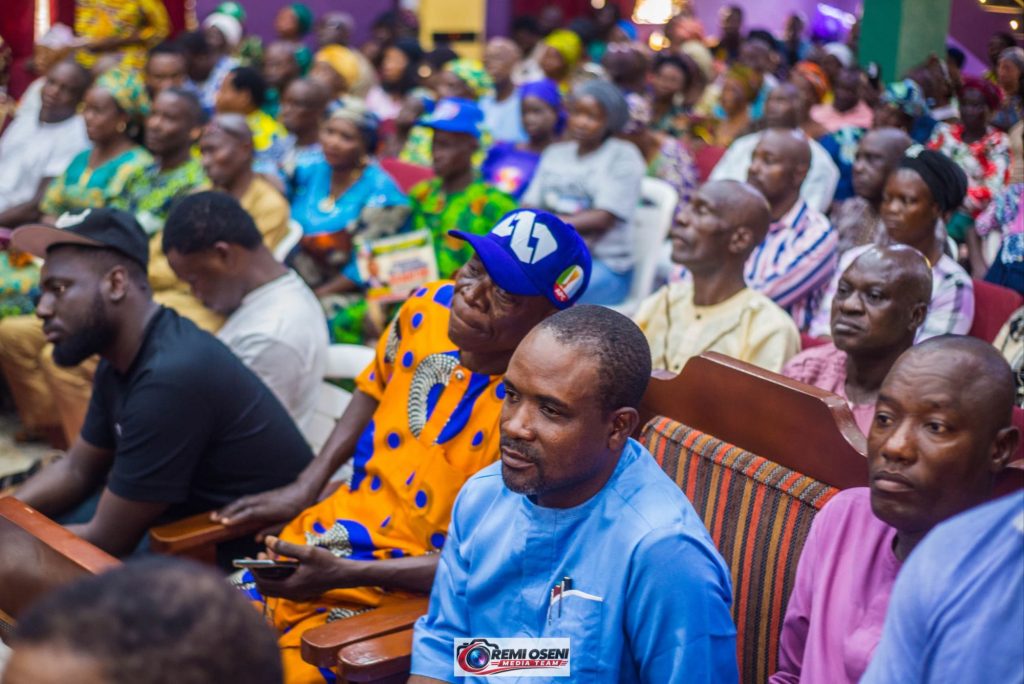
He explained that the primary responsibilities of senators included making laws, conducting legislative oversight, representing their constituents’ interests and advocating policies, projects and programmes capable of improving their welfare.
According to him, effective representation goes beyond occupying a seat in the National Assembly, as senators are expected to serve as a link between their constituents and the Federal Government.
He added that their responsibilities included influencing national policies, advocating development projects, facilitating access to legitimate federal programmes and ensuring that the concerns of their constituencies received adequate attention in national decision-making.
“A senator is the people’s voice at the federal level,” he said, stressing that effective representation required ensuring that constituents’ concerns were heard and considered in decisions affecting the country.
Oseni described the Senate as a critical institution in Nigeria’s federal democratic system, given its responsibilities for lawmaking, accountability and national development. He noted that the choice of a senator had implications not only for the immediate interests of a constituency but also for the country’s broader political and developmental direction.
He said the CAN conference provided an opportunity to promote informed political participation, correct misconceptions about legislative responsibilities and encourage voters in Oyo South to make informed choices ahead of the 2027 elections.
The APC chieftain urged voters to assess senatorial candidates based on their understanding of the legislative process, commitment to constituency representation, ability to scrutinise government policies and willingness to hold public institutions accountable.
He maintained that a better understanding of the Senate’s constitutional responsibilities would enable voters to set realistic expectations, demand accountability and evaluate their elected representatives more effectively.

APC member macheted to death in Ibadan, Alli campaign blames APM hoodlums

Oyo: Oseni Celebrates Dotun Sanusi, Lauds Contributions to Society

‘Senators Are Not Governors, Council Chairmen’ – Oseni Explains Legislative Responsibilities



-
 Politics4 weeks ago
APM Rally: APC Tackles Makinde Over Use of ‘CAF-Rejected’ ₦5.5bn Stadium
-
News4 weeks ago
OYO 2027: ‘Fact-Check Always’ – Oseni’s Aide Replies Ex-AGF , Ojo Over Alli’s Campaign Billboard Claims
-
Politics4 weeks ago
Oyo: No APC Defection To APM, Makinde Lied — APM Scribe
-
News4 weeks ago
Oseni congratulates Ajimobi on Nigeria’s IAEA Board appointment