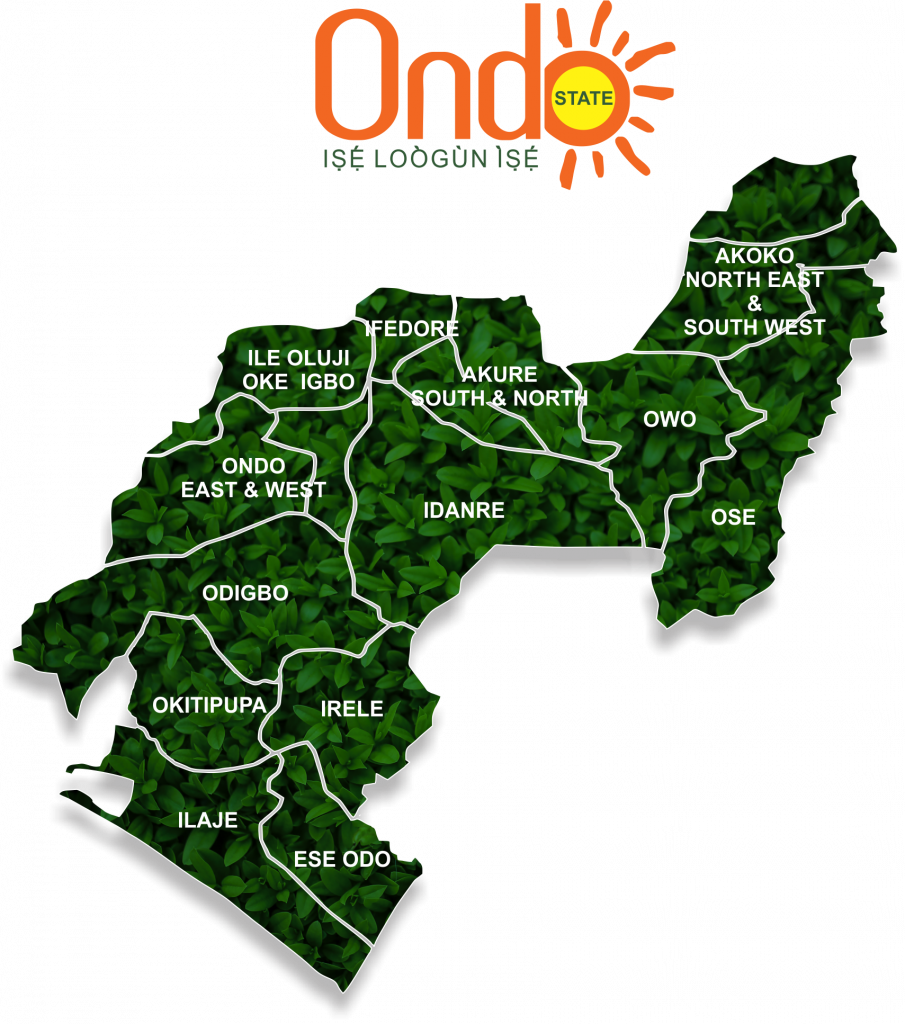
No fewer than 29 people have died after allegedly consuming a suspected contaminated alcoholic beverage in Araromi-Obu and other communities in the Odigbo Local Government Area of Ondo State.
The Ondo State Commissioner for Health, Dr Banji Awolowo-Ajaka, disclosed this on Friday while briefing journalists in Akure.
Awolowo-Ajaka said 60 cases had so far been recorded, with three victims currently receiving treatment in hospitals and 27 others under medical observation.
He said 95 per cent of those affected were males aged between 16 and 55 years.
According to him, the affected communities include Orita Odigbo, Araromi-Obu, Newtown, Odole, Okele and Oniparaga.
The commissioner said the victims exhibited symptoms including headache, body pain, general weakness, visual disturbance, difficulty breathing and altered consciousness.
He added that some of the victims deteriorated rapidly, leading to death within a few hours.
Awolowo-Ajaka said the pattern of illness and the reported history of exposure had raised strong epidemiological suspicion that the victims were exposed to a toxic alcoholic substance.
He, however, stressed that the exact cause of the deaths had not been established through laboratory testing.
“The pattern of illness and reported history of exposure have raised strong epidemiological suspicion of exposure to a probable toxic alcoholic substance. However, we are yet to have laboratory evidence of the cause of the deaths,” he said.
The commissioner disclosed that 36 blood and urine samples had been collected from victims for laboratory analysis, while samples of the suspected alcoholic substances had also been submitted for toxicological investigation.
He said the investigation was being conducted in collaboration with relevant regulatory and security agencies.
As part of measures to contain the situation, the state government has imposed a temporary ban on the production and sale of locally brewed alcoholic herbal beverages in the affected local government area.
Awolowo-Ajaka added that several suspects found selling the substance had been taken into custody.
He urged residents to avoid alcoholic products from unlicensed sources and seek immediate medical attention if they experience blurred vision, difficulty breathing, sudden weakness, confusion or loss of consciousness after consuming alcohol.
The commissioner advised residents to take anyone exhibiting such symptoms to the General Hospital, Ore, or the University of Medical Sciences Teaching Hospital, Ondo, without delay.
He assured the public that the state government was working with national and international partners to identify the exact cause of the deaths and prevent further loss of life.