News
China’s arms sales rise as it vies with US for influence on the world stage

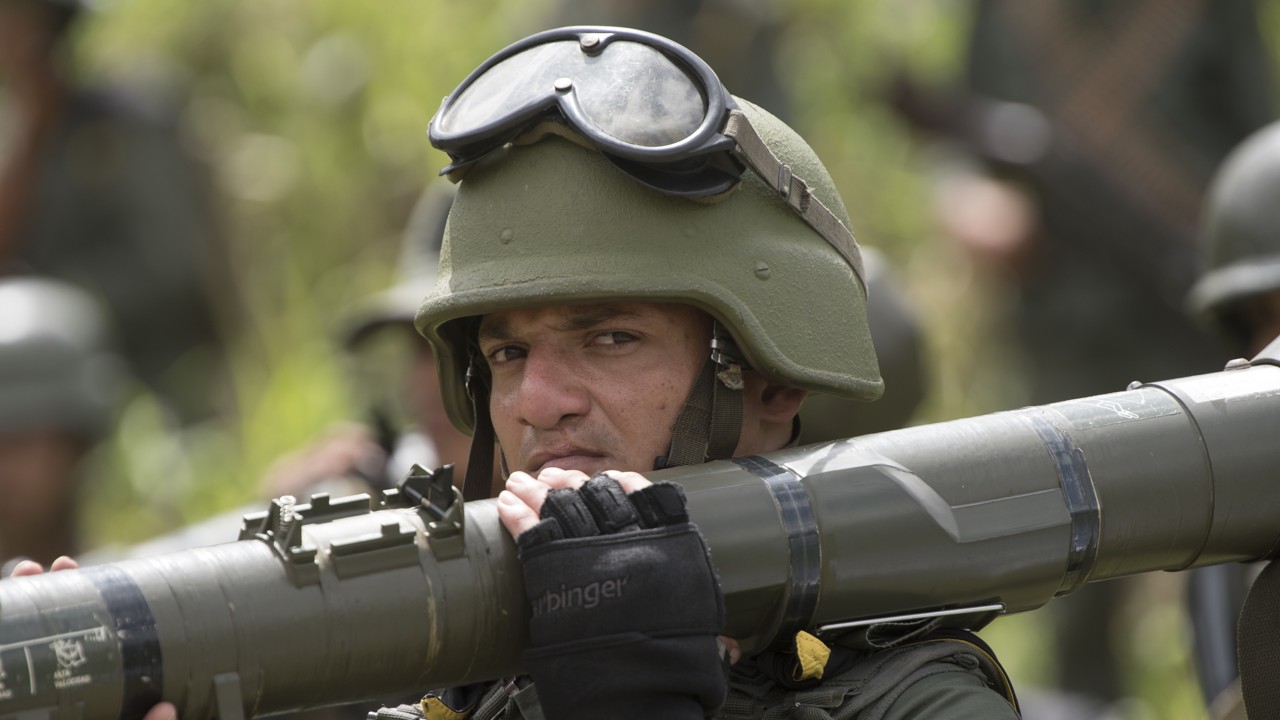
THE rivalry between America and China has seen both sides step up international arms sales and transfers as they seek to strengthen military ties with key allies, according to a report published on Monday.
https://iso.keq.mybluehost.me/why-there-is-crisis-in-nigeria-gani-adams/
The study by the Stockholm International Peace Research Institute (SIPRI), which examined the volume of international transfers of major weapons between 2008 and 2017, showed China’s arms exports represented 5.7 per cent of the world’s share of arms exports between 2013-17 – up by more than a third from the 4.6 per cent recorded between 2008-12.

The report was published a week after China unveiled an 8.1 per cent increase in military spending over a three-year period, although China’s state media defended the rise as proportionate and low, adding that it would not lead to an arms race with the United States.
The administration of US President Donald Trump has dubbed China as a “rival”, and the latest SIPRI report shows how the US has used arms transfers as a foreign policy tool to offset Beijing’s growing influence.
For example, US arms deliveries to India grew by 557 per cent between 2008 and 2017, the year China and India became embroiled in a protracted border dispute over the Doklam region in the Himalayas.
“This development is part of the growing strategic partnership between the two countries under which the USA has begun to supply India with advanced military equipment,” the report said.
The US has also started to increase its security cooperation with Vietnam, which is embroiled in a dispute with Beijing over the South China Sea.
In 2017 it delivered one patrol ship, the USS Morgenthau, to Vietnam – the first major US arms transfer to that country.
Tensions between China and Japan in the East China Sea also saw Japan moving closer to the US, the report said.
It said Tokyo turned to the US for several types of advanced weapons between 2013 and 2017, including the first batches of a total of 42 combat aircraft.
Japan also ordered advanced air and missile defence systems from the US in the same period.
But in cases where US relations with other countries had deteriorated the result was a fall in arms transfers.
For example, the report said that Venezuela, which once relied on the US as its main arms supplier,
had rebuilt its armed forces with weapons from China and Russia after ties with Washington soured following the Hugo Chavez’s election as president in 1999.
As China became increasingly capable of producing its own advanced weapons, its arms exports increased by 38 per cent and its arms imports decreased by 19 per cent in 2013-2017 compared with 2008-2012.
The report showed China delivered major arms to 48 countries in the past five years, with Pakistan topping the list, followed by Bangladesh and Algeria.
https://iso.keq.mybluehost.me/why-there-is-crisis-in-nigeria-gani-adams/
“China was the largest arms supplier to Pakistan in 2008–12 and 2013–17. Although the volume of China’s arms exports to Pakistan remained roughly the same in both periods, its share of Pakistan’s arms imports rose from 45 per cent in 2008–12 to 70 per cent in 2013–17 due to the overall decrease in Pakistan’s arms imports between those periods,” the report stated.
The report also said China’s arms exports to Africa rose by 55 per cent over the period.
Military expert Collin Koh, from the S Rajaratnam School of International Studies at Nanyang Technological University in Singapore, said higher value military items like warships and fighter jets were the major reason for the rise in China’s arms exports.
“This is most notable in naval sales. For example, submarines to Pakistan and Thailand, and corvettes to Bangladesh and Algeria. Even with land-based systems, China has also made inroads in higher value sales, such as its long-range rocket artillery,” he said.






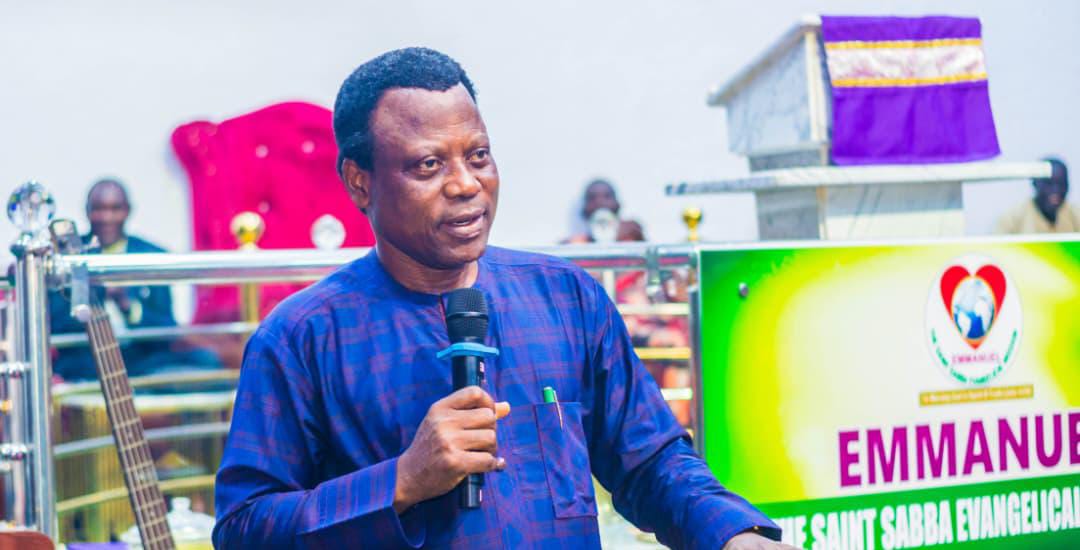
The All Progressives Congress (APC) candidate for Oyo South Senatorial District, Hon. Aderemi Oseni, has called on Nigerians to elect competent and accountable lawmakers, urging voters to understand the constitutional responsibilities of senators ahead of the 2027 general elections.
Oseni warned that misconceptions about the role of senators could undermine effective political representation, particularly when lawmakers are judged primarily by their ability to provide infrastructure, tackle poverty or distribute money to constituents rather than their performance in lawmaking, oversight and representation.
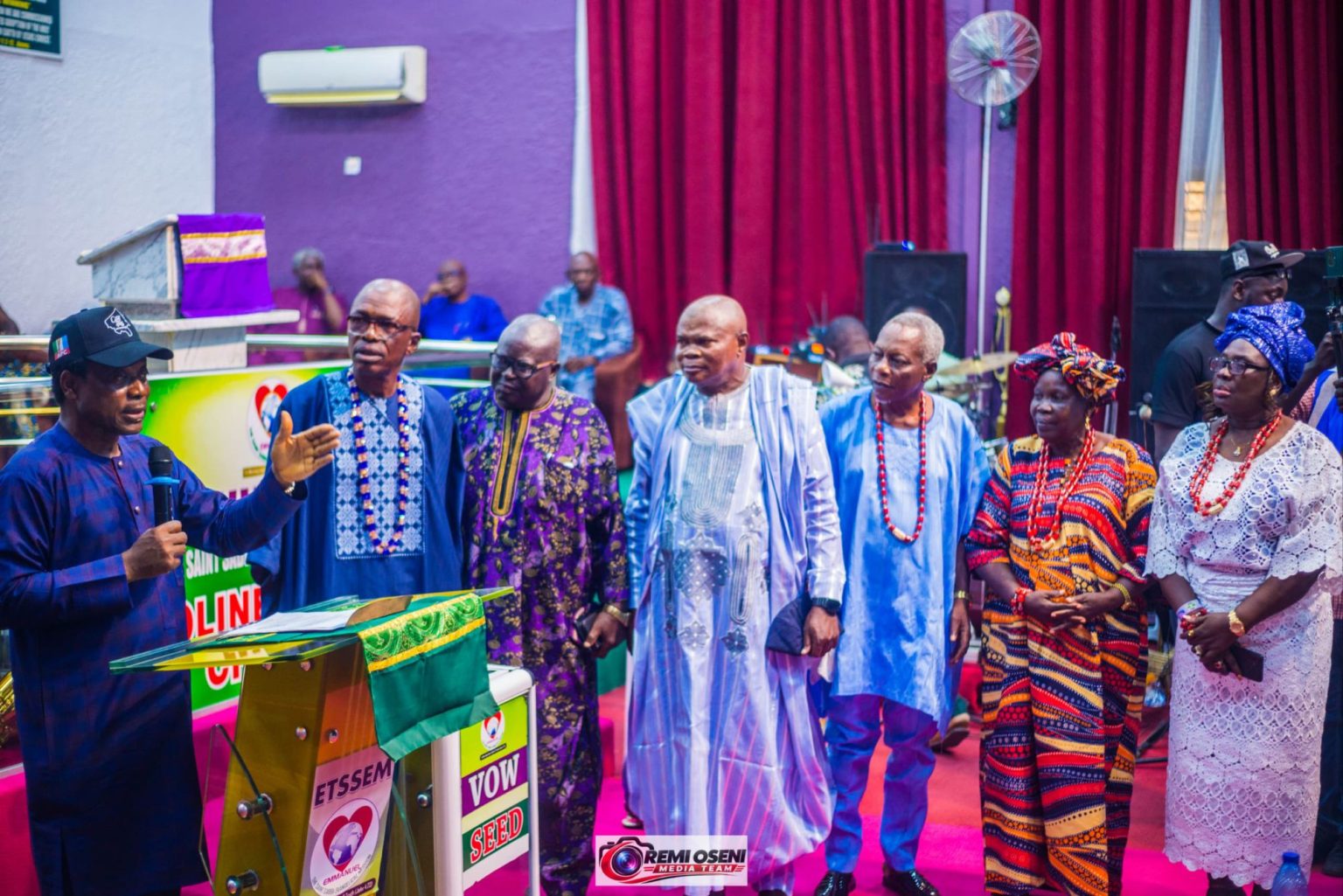
He spoke on Thursday at a political conference organised by the Christian Association of Nigeria (CAN), Ido Local Government Chapter, in Ibadan, the Oyo State capital.
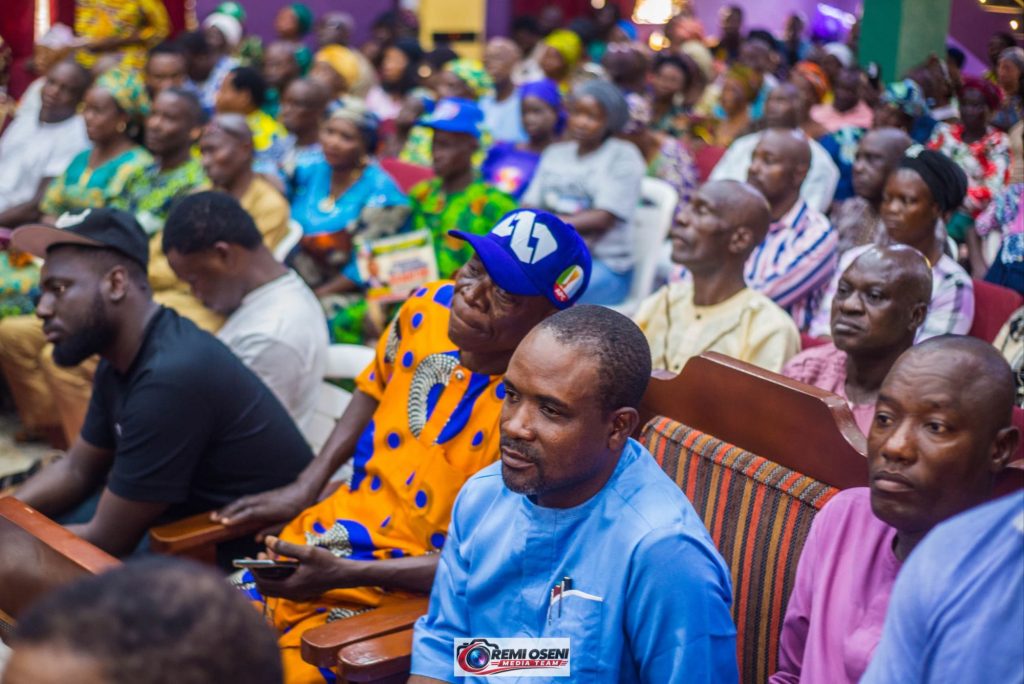
The conference, themed “The Importance of Senatorial Governance and Representation in a Federal Democratic System,” brought together Christian leaders, political stakeholders, professionals, traditional rulers, youths and women to discuss the role of the Senate in Nigeria’s democratic development.
Oseni, who represents Ibarapa East/Ido Federal Constituency in the House of Representatives, identified three major challenges confronting senatorial representation: the election of unsuitable candidates, the failure of some elected senators to discharge their responsibilities effectively, and widespread misconceptions about the office.
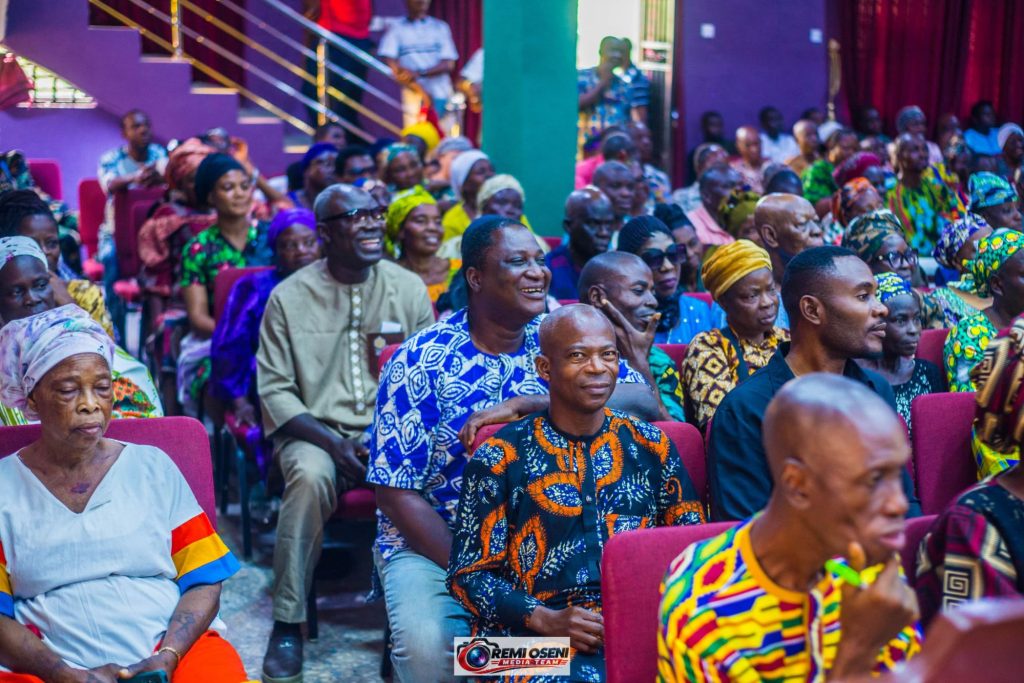
He said these challenges underscored the need for greater public awareness of the constitutional duties of senators.
The Chairman of the House Committee on the Federal Roads Maintenance Agency (FERMA) cautioned against holding senators solely responsible for youth unemployment, poverty, inadequate infrastructure and other development challenges without considering the respective responsibilities of the federal, state and local governments.
He also faulted the expectation that senators should routinely return from Abuja with large sums of money to distribute among their constituents.
“A senator is neither the Chief Executive of a senatorial district nor a replacement for the Governor or Local Government Chairman,” Oseni said.
He explained that the primary responsibilities of senators included making laws, conducting legislative oversight, representing their constituents’ interests and advocating policies, projects and programmes capable of improving their welfare.
According to him, effective representation goes beyond occupying a seat in the National Assembly, as senators are expected to serve as a link between their constituents and the Federal Government.
He added that their responsibilities included influencing national policies, advocating development projects, facilitating access to legitimate federal programmes and ensuring that the concerns of their constituencies received adequate attention in national decision-making.
“A senator is the people’s voice at the federal level,” he said, stressing that effective representation required ensuring that constituents’ concerns were heard and considered in decisions affecting the country.
Oseni described the Senate as a critical institution in Nigeria’s federal democratic system, given its responsibilities for lawmaking, accountability and national development. He noted that the choice of a senator had implications not only for the immediate interests of a constituency but also for the country’s broader political and developmental direction.
He said the CAN conference provided an opportunity to promote informed political participation, correct misconceptions about legislative responsibilities and encourage voters in Oyo South to make informed choices ahead of the 2027 elections.
The APC chieftain urged voters to assess senatorial candidates based on their understanding of the legislative process, commitment to constituency representation, ability to scrutinise government policies and willingness to hold public institutions accountable.
He maintained that a better understanding of the Senate’s constitutional responsibilities would enable voters to set realistic expectations, demand accountability and evaluate their elected representatives more effectively.

APC member macheted to death in Ibadan, Alli campaign blames APM hoodlums

Oyo: Oseni Celebrates Dotun Sanusi, Lauds Contributions to Society

‘Senators Are Not Governors, Council Chairmen’ – Oseni Explains Legislative Responsibilities



-
 Politics4 weeks ago
APM Rally: APC Tackles Makinde Over Use of ‘CAF-Rejected’ ₦5.5bn Stadium
-
News4 weeks ago
OYO 2027: ‘Fact-Check Always’ – Oseni’s Aide Replies Ex-AGF , Ojo Over Alli’s Campaign Billboard Claims
-
Politics4 weeks ago
Oyo: No APC Defection To APM, Makinde Lied — APM Scribe
-
News4 weeks ago
Oseni congratulates Ajimobi on Nigeria’s IAEA Board appointment