News
CBN House Of Horror: Multi-billion Naira Property Turns Hideout for Hoodlums, Rapists and Wild Animals in Ibadan.


*Community Cries Out for help.
These properties were built with public funds. Today, most Federal Government Properties in Nigeria are either abandoned or underused. These national statues are now in ruins and threats to security. Some of these abandoned properties have been hijacked by weeds, rodents, wild animals and reptiles, while also serves as abodes for hoodlums, miscreants, armed robbers, kidnappers and the likes, this is exactly the true picture of the Central Bank of Nigeria property at Owode Estate, Apata, Ibadan, in Ido Local Government Area of Oyo State.
The multi-billion naira property in question owned by the Central Bank of Nigeria has been abandoned for over two decades. Mega Icon Magazine investigations revealed that the property was designed and aimed at providing housing scheme to the staff of CBN. It was also established that the speedily completed Quarters had never accommodated any occupant, even for once, up till date.
Visit to this abandoned, neglected site shows the parlous, pathetic and deplorable situation of the property that could have accommodated an estimated figure of about 10,000 people conveniently.
subsequent to the total neglect and insensitivity of the Federal Government, the property now poses great security risks to residents of the community.
Speaking with one of the community leaders, Deacon Idowu Aladejobi expresses his displeasure about this ugly situation. Aladejobi further stated that the abandoned property has constituted security risks to the community, “we discovered that CBN normally come to the site to burn their refuse (currencies) almost on a daily basis, which is an environmental hazard and injurious to the community.
He stated that the property has also been turned in to a safe haven by rapists who hide in the bushy environment to lure and rape their daughters with reckless abandonment.


Abandoned CBN Quarters housing decayed buildings at Owode Estate, Ibadan.
According to him, men of the underworld also use the abandoned property as hideout to strategize and plan on how to carry out their evil operations, “they always come out of the place to attack and rob the community, this is very dishearten”, he lamented.
Though, one would bewildered with the ease at which CBN abandons its assets to decay still baffles many, other people perceive the problem as misapplied, misconceived, wrongly executed policies and absence of complete honesty in the management.
Stressing further , Aladejobi said the community has taken bold steps by writing the CBN consistently, both the Ibadan Branch and Headquarters in Abuja to curtail this malady.
“ Even former governors of the Bank, Professor Soludo and Mr. Sanusi also came to inspect the property, we thought when they came, they would be able to address the issue, but unfortunately, it is to no avail”, he decried.
He advised the CBN to investigate and appraise the matter, probably release the property to the Local Government, State Government or better still, sell to private individuals, so as to meet other community needs and serve the people.
In a related development, a former President of the Association, Pa. Lawrence Abayomi Kupoluyi make plain the rich history of the abandoned CBN property that should have make the deserted project stand out as a national monument or major source of revenue, but suffers neglect or underutilization.
Kupoluyi in his reaction said that the community had taken several steps to ensure that the place is turned to a useful legacy, “we had written letters to CBN and Housing Corporation on this issue, yet nothing has been done, it is inhuman, our hope is dashed as the residents suffer neglect, we have been dehumanized”, he lamented.

Access road leading to the abandoned property.
Mega Icon Magazine learnt that the abandoned property has been turned to a game reserve where wild animals, including python dwell while corpses are buried at the place since there is nobody to challenge those people who have turned the place into a grave yard.
“A former Nigerian diplomat son, Ambassador Maiyaki was brutally attacked in the Estate by hoodlums who use the site as a hideout and since then, the man had never returned to Nigeria, he is psychologically affected”, another aggrieved resident declared.
Mega Icon Magazine checks further unearthed that different investors had approached the CBN, including Universities, but they never responded.
The leaders, however called on the Oyo State Government and relevant authorities to come to their rescue and save the community before it is too late.
By Idowu Ayodele.

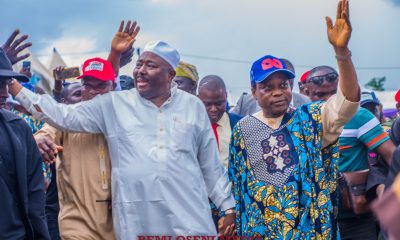




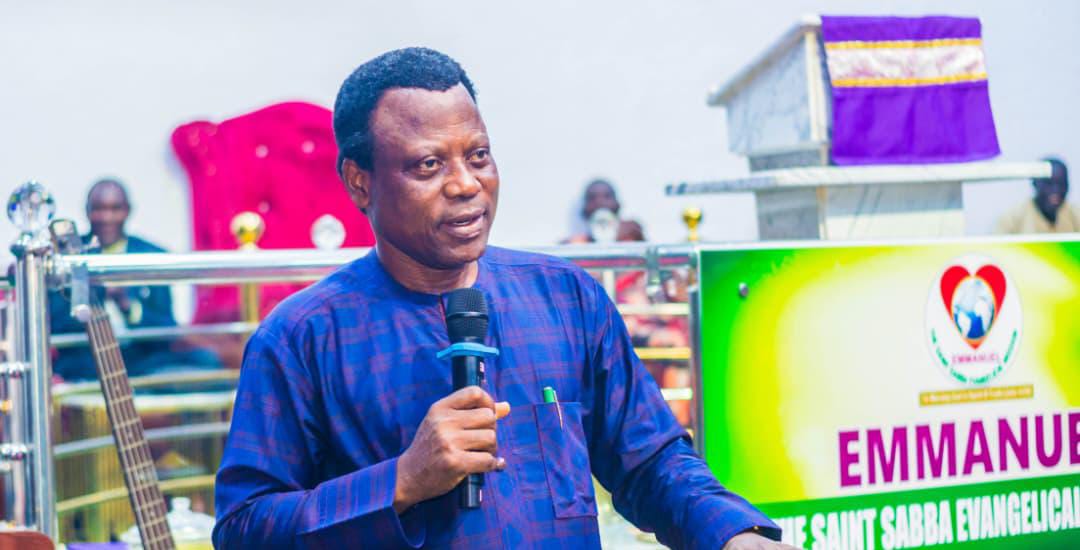
The All Progressives Congress (APC) candidate for Oyo South Senatorial District, Hon. Aderemi Oseni, has called on Nigerians to elect competent and accountable lawmakers, urging voters to understand the constitutional responsibilities of senators ahead of the 2027 general elections.
Oseni warned that misconceptions about the role of senators could undermine effective political representation, particularly when lawmakers are judged primarily by their ability to provide infrastructure, tackle poverty or distribute money to constituents rather than their performance in lawmaking, oversight and representation.
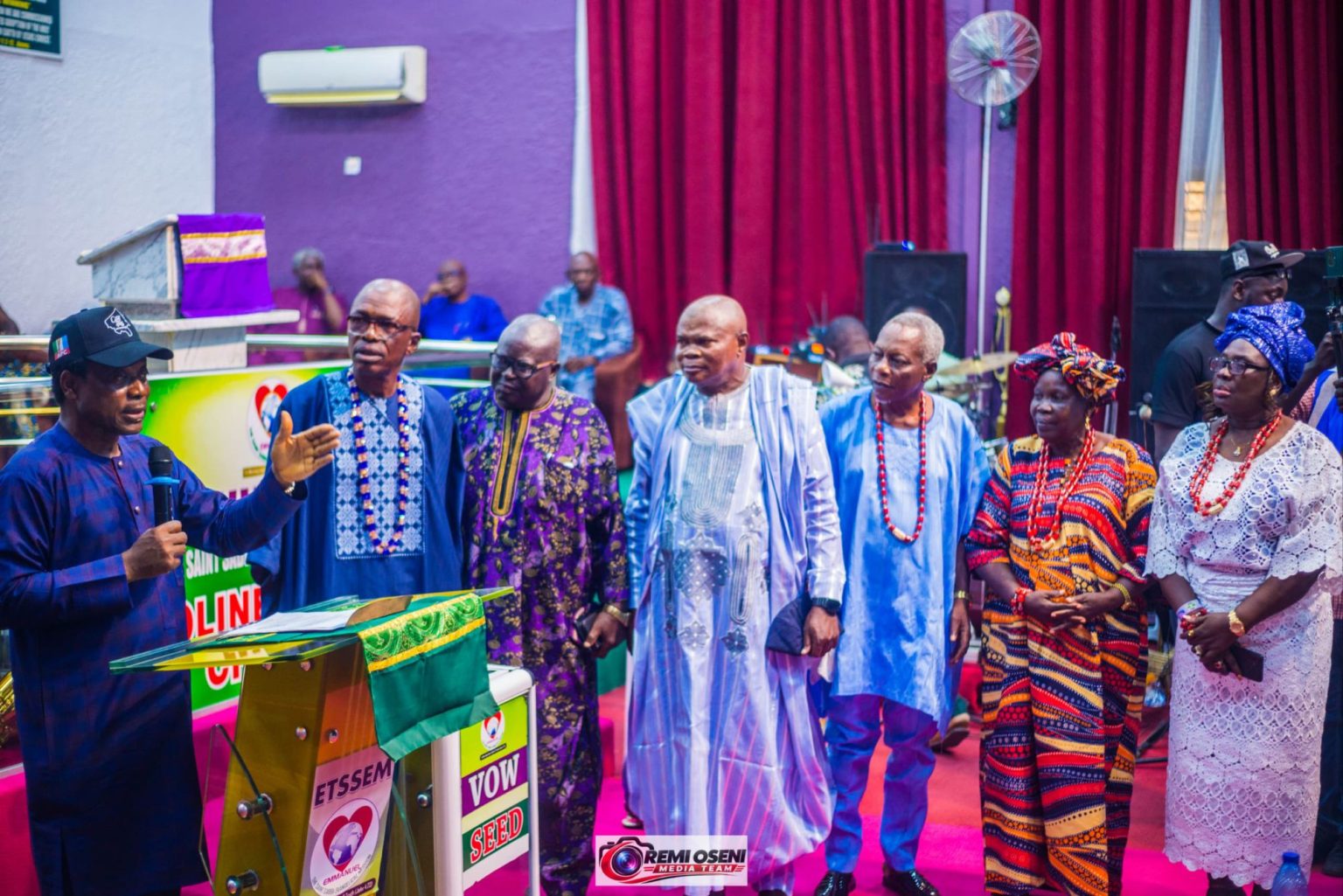
He spoke on Thursday at a political conference organised by the Christian Association of Nigeria (CAN), Ido Local Government Chapter, in Ibadan, the Oyo State capital.
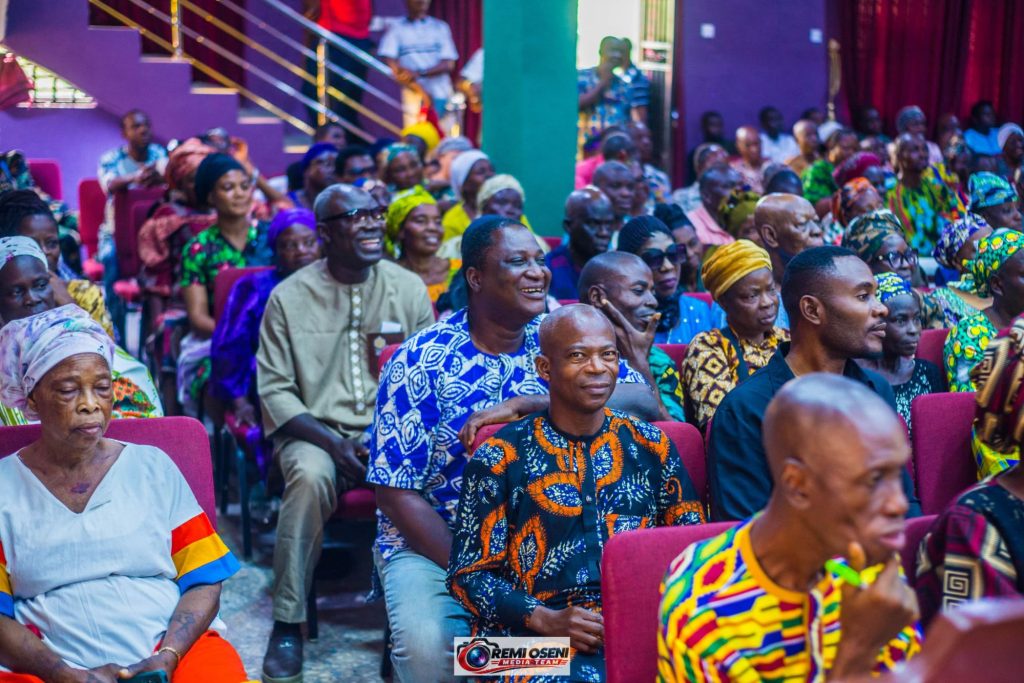
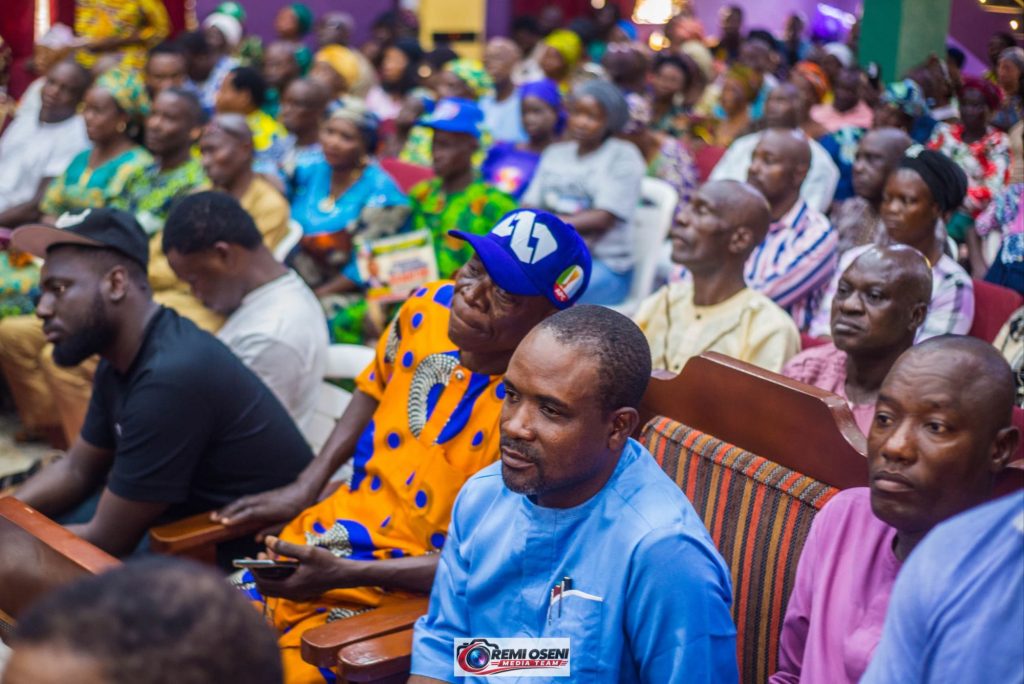
The conference, themed “The Importance of Senatorial Governance and Representation in a Federal Democratic System,” brought together Christian leaders, political stakeholders, professionals, traditional rulers, youths and women to discuss the role of the Senate in Nigeria’s democratic development.
Oseni, who represents Ibarapa East/Ido Federal Constituency in the House of Representatives, identified three major challenges confronting senatorial representation: the election of unsuitable candidates, the failure of some elected senators to discharge their responsibilities effectively, and widespread misconceptions about the office.
He said these challenges underscored the need for greater public awareness of the constitutional duties of senators.
The Chairman of the House Committee on the Federal Roads Maintenance Agency (FERMA) cautioned against holding senators solely responsible for youth unemployment, poverty, inadequate infrastructure and other development challenges without considering the respective responsibilities of the federal, state and local governments.
He also faulted the expectation that senators should routinely return from Abuja with large sums of money to distribute among their constituents.
“A senator is neither the Chief Executive of a senatorial district nor a replacement for the Governor or Local Government Chairman,” Oseni said.
He explained that the primary responsibilities of senators included making laws, conducting legislative oversight, representing their constituents’ interests and advocating policies, projects and programmes capable of improving their welfare.
According to him, effective representation goes beyond occupying a seat in the National Assembly, as senators are expected to serve as a link between their constituents and the Federal Government.
He added that their responsibilities included influencing national policies, advocating development projects, facilitating access to legitimate federal programmes and ensuring that the concerns of their constituencies received adequate attention in national decision-making.
“A senator is the people’s voice at the federal level,” he said, stressing that effective representation required ensuring that constituents’ concerns were heard and considered in decisions affecting the country.
Oseni described the Senate as a critical institution in Nigeria’s federal democratic system, given its responsibilities for lawmaking, accountability and national development. He noted that the choice of a senator had implications not only for the immediate interests of a constituency but also for the country’s broader political and developmental direction.
He said the CAN conference provided an opportunity to promote informed political participation, correct misconceptions about legislative responsibilities and encourage voters in Oyo South to make informed choices ahead of the 2027 elections.
The APC chieftain urged voters to assess senatorial candidates based on their understanding of the legislative process, commitment to constituency representation, ability to scrutinise government policies and willingness to hold public institutions accountable.
He maintained that a better understanding of the Senate’s constitutional responsibilities would enable voters to set realistic expectations, demand accountability and evaluate their elected representatives more effectively.

Folarin Backs Alli, Moves to Reconcile Aggrieved Oyo APC Leaders

Alli Campaign Accuses Makinde, Adekanmbi of Shielding Suspected Attackers

APC member macheted to death in Ibadan, Alli campaign blames APM hoodlums



-
 Politics4 weeks ago
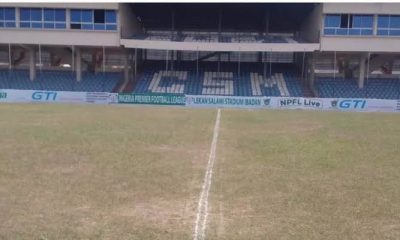
APM Rally: APC Tackles Makinde Over Use of ‘CAF-Rejected’ ₦5.5bn Stadium
-
Politics4 weeks ago
Oyo: No APC Defection To APM, Makinde Lied — APM Scribe
-
News4 weeks ago
Oseni congratulates Ajimobi on Nigeria’s IAEA Board appointment
-
Politics4 weeks ago
2027: Alli’ll spread development across Oyo, says Adedeji