News
Europe’s largest rare earths deposit discovered in Sweden

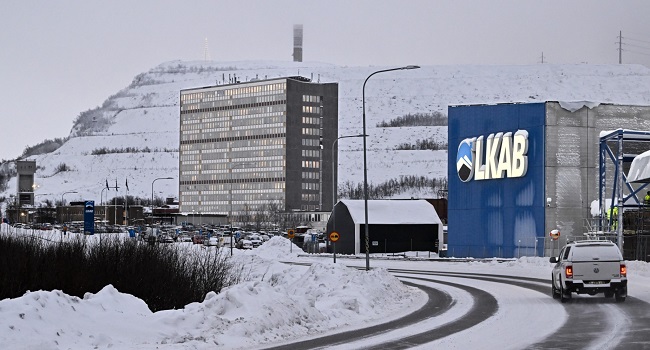
Europe’s largest known deposit of rare earth elements, essential for the manufacturing of electric vehicles, has been discovered in Sweden’s far north, boosting Europe’s hopes of cutting its dependence on China.
Swedish mining group LKAB said Thursday the newly-explored deposit, found right next to its iron ore mine, contained more than one million tonnes of rare earth oxides.
“This is the largest known deposit of rare earth elements in our part of the world, and it could become a significant building block for producing the critical raw materials that are absolutely crucial to enable the green transition,” LKAB’s chief executive Jan Mostrom said in a statement.
“We face a supply problem. Without mines, there can be no electric vehicles,” Mostrom added.
While the find is believed to be the biggest in Europe, it remains small on a global scale, representing less than one percent of the 120 million tonnes estimated worldwide by the US Geological Survey.
In 2021, the European Commission said that 98 percent of the rare earths used in the EU were imported from China, prompting Brussels to urge member states to develop their own extraction capacities.
LKAB’s find was presented as a delegation from the European Commission visited Sweden, which took over the rotating EU presidency at the start of the year.
“Today, the EU is way too dependent on other countries for these materials,” Swedish Energy Minister Ebba Busch told a press conference, pointing specifically to Russia and China.
“This must change. We must take responsibility for the raw material supply needed for the (green) transition,” she added.
– Trade not enough –
The European Union has agreed to phase out new CO2-emitting vehicles by 2035, effectively banning combustion engine cars, meaning the need for rare earth materials will only increase.
In the short term, Busch said the EU needed to “diversify” its trade.
“But in the long run, we cannot rely on trade agreements only,” she said.
Mostrom said the full extent of the deposit had yet to be established.
“We are continuing to conduct exploration to see how big this is,” Mostrom told AFP, adding that LKAB was also still in the process of figuring out how the new deposit could be mined.
Mostrom said it was difficult to accurately gauge the impact of the discovery on reducing Europe’s dependence on Chinese imports.
But he said he was confident “it will have a huge impact.”
Asked during a press conference when the deposit could actually be mined and deliver raw materials to the market, Mostrom said it would largely depend on how quickly permits could be secured.
But based on experience, it would likely be “10 to 15 years”, he said.
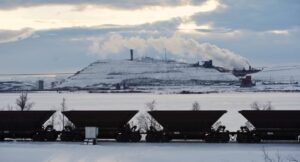
(FILES) This file photo taken on November 16, 2012 shows the iron mine of Swedish state-owned mining company LKAB (Luossavaara-Kiirunavaara Aktiebolag) at Sweden’s northernmost town of Kiruna. – Europe’s largest known deposit of rare earth elements — key for the production of electric cars — has been discovered in Sweden’s far north, Swedish mining company LKAB said on January 12, 2023. LKAB said the newly-explored deposit, found right next to an iron ore mine, contained more than one million tonnes of rare earth oxides. (Photo by Jonathan NACKSTRAND / AFP)
According to LKAB, the rare earth elements found in the Per Geijer deposit occurred “in what is mainly an iron ore deposit and which may therefore be produced as by-products,” creating new opportunities for potentially “competitive mining.”
– From magnets to lenses –
Rare earth minerals with names like neodymium, praseodymium and dysprosium are crucial to the manufacture of magnets used in industries of the future, like wind turbines and electric cars.
They are also present in consumer goods such as smartphones, computer screens and telescopic lenses.
Others have more traditional uses, like cerium for glass polishing and lanthanum for car catalysts or optical lenses.
Sweden is one of the EU’s biggest mining countries.
More than 90 percent of the EU’s iron ore production comes from the Scandinavian country, which also has the bloc’s largest lead and zinc production, the second largest silver production, and among the highest gold and copper production, according to the Geological Survey of Sweden.

The All Progressives Congress (APC) candidate for Oyo South Senatorial District, Hon. Aderemi Oseni, has called on Nigerians to elect competent and accountable lawmakers, urging voters to understand the constitutional responsibilities of senators ahead of the 2027 general elections.
Oseni warned that misconceptions about the role of senators could undermine effective political representation, particularly when lawmakers are judged primarily by their ability to provide infrastructure, tackle poverty or distribute money to constituents rather than their performance in lawmaking, oversight and representation.
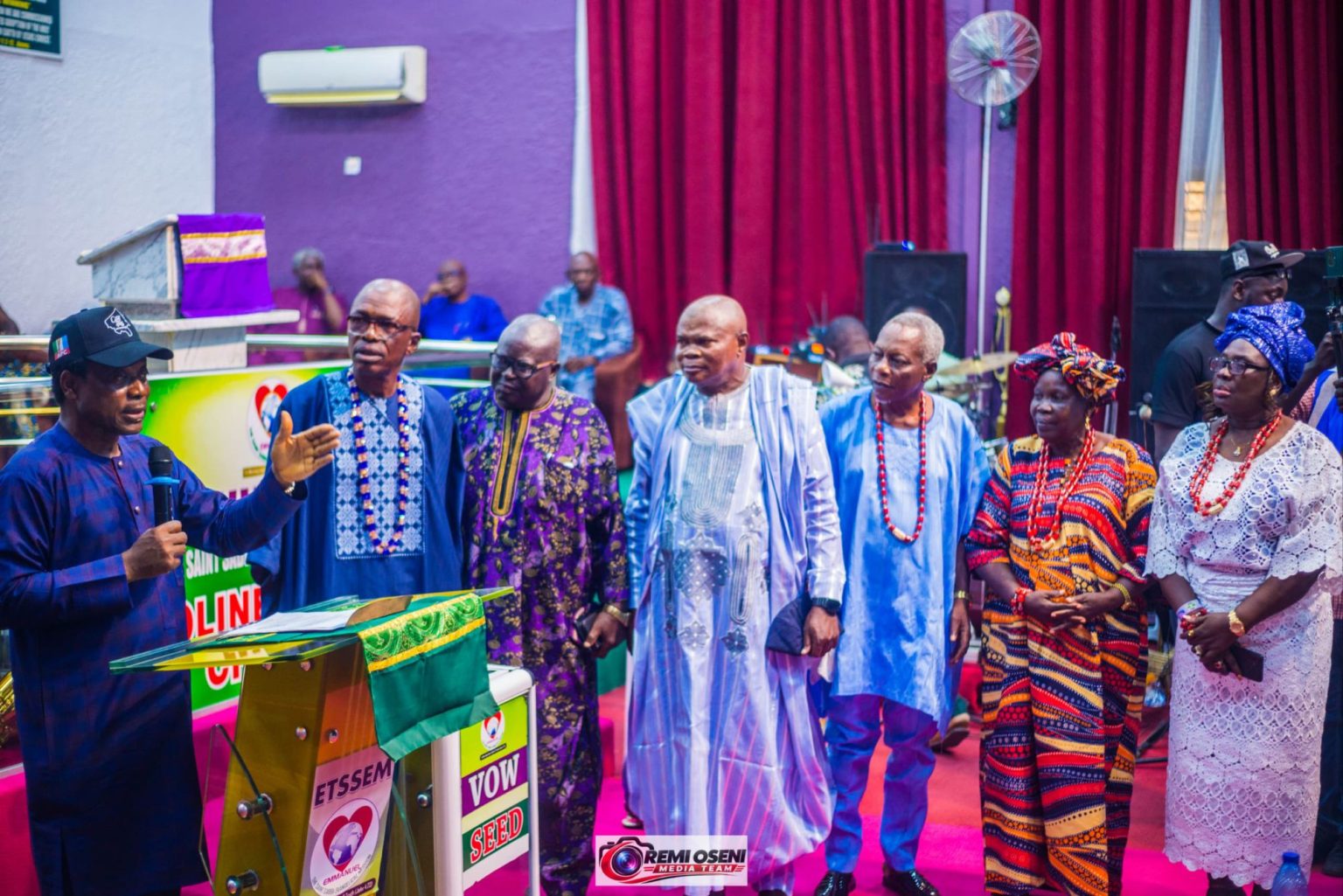
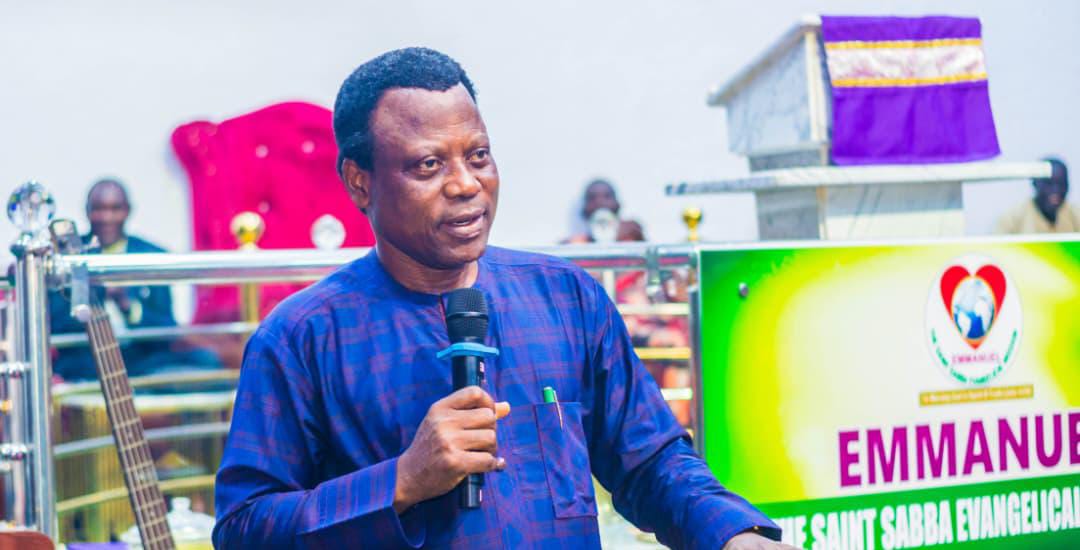
He spoke on Thursday at a political conference organised by the Christian Association of Nigeria (CAN), Ido Local Government Chapter, in Ibadan, the Oyo State capital.
The conference, themed “The Importance of Senatorial Governance and Representation in a Federal Democratic System,” brought together Christian leaders, political stakeholders, professionals, traditional rulers, youths and women to discuss the role of the Senate in Nigeria’s democratic development.
Oseni, who represents Ibarapa East/Ido Federal Constituency in the House of Representatives, identified three major challenges confronting senatorial representation: the election of unsuitable candidates, the failure of some elected senators to discharge their responsibilities effectively, and widespread misconceptions about the office.
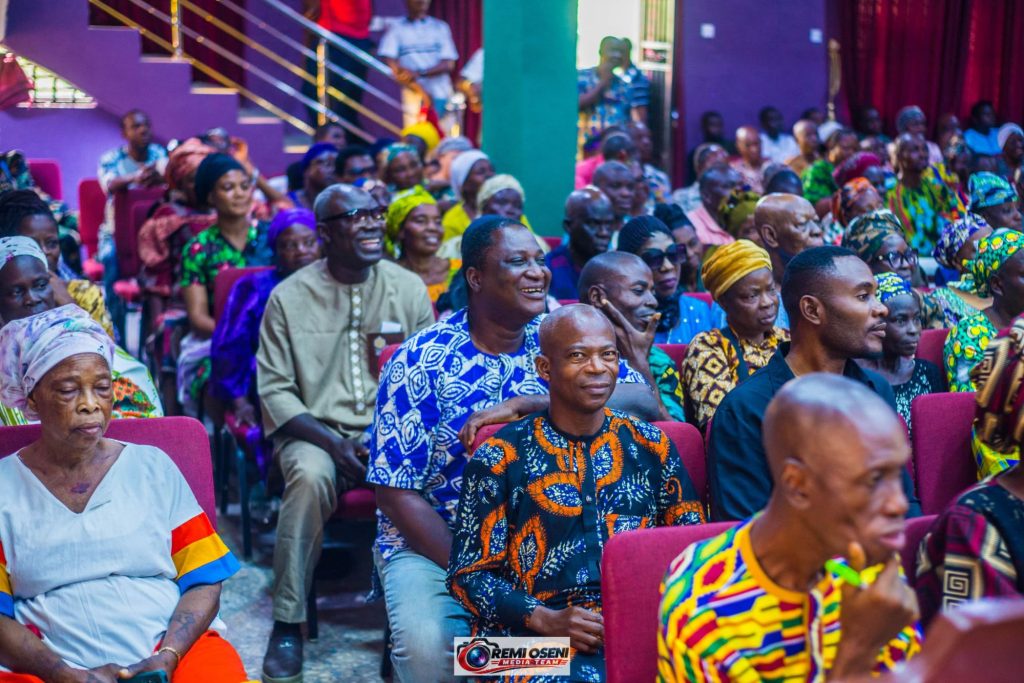
He said these challenges underscored the need for greater public awareness of the constitutional duties of senators.
The Chairman of the House Committee on the Federal Roads Maintenance Agency (FERMA) cautioned against holding senators solely responsible for youth unemployment, poverty, inadequate infrastructure and other development challenges without considering the respective responsibilities of the federal, state and local governments.
He also faulted the expectation that senators should routinely return from Abuja with large sums of money to distribute among their constituents.
“A senator is neither the Chief Executive of a senatorial district nor a replacement for the Governor or Local Government Chairman,” Oseni said.
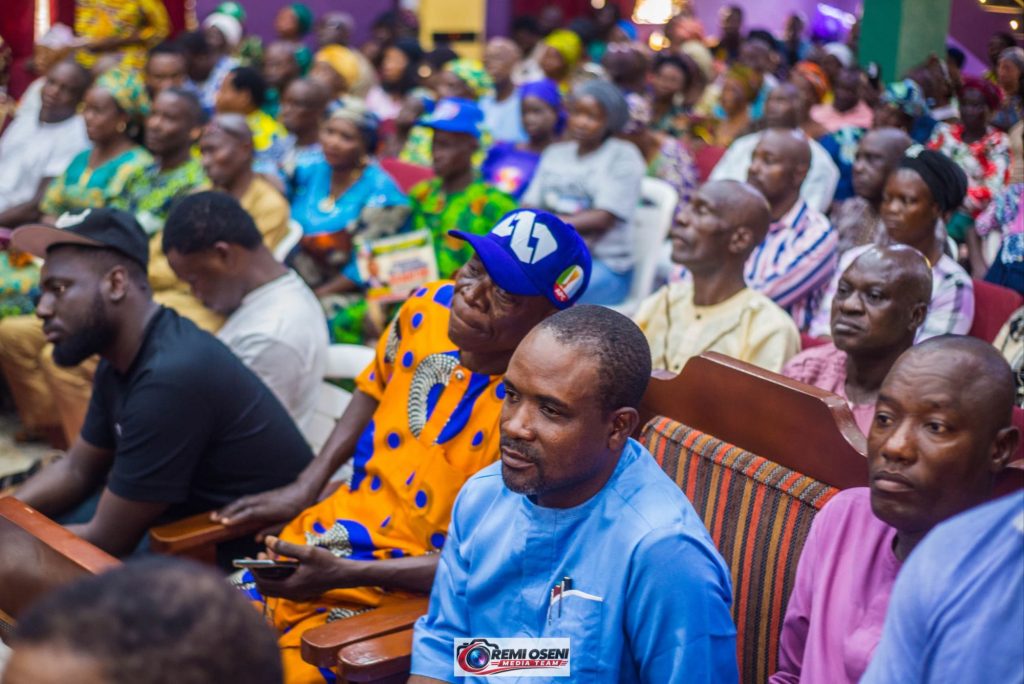
He explained that the primary responsibilities of senators included making laws, conducting legislative oversight, representing their constituents’ interests and advocating policies, projects and programmes capable of improving their welfare.
According to him, effective representation goes beyond occupying a seat in the National Assembly, as senators are expected to serve as a link between their constituents and the Federal Government.
He added that their responsibilities included influencing national policies, advocating development projects, facilitating access to legitimate federal programmes and ensuring that the concerns of their constituencies received adequate attention in national decision-making.
“A senator is the people’s voice at the federal level,” he said, stressing that effective representation required ensuring that constituents’ concerns were heard and considered in decisions affecting the country.
Oseni described the Senate as a critical institution in Nigeria’s federal democratic system, given its responsibilities for lawmaking, accountability and national development. He noted that the choice of a senator had implications not only for the immediate interests of a constituency but also for the country’s broader political and developmental direction.
He said the CAN conference provided an opportunity to promote informed political participation, correct misconceptions about legislative responsibilities and encourage voters in Oyo South to make informed choices ahead of the 2027 elections.
The APC chieftain urged voters to assess senatorial candidates based on their understanding of the legislative process, commitment to constituency representation, ability to scrutinise government policies and willingness to hold public institutions accountable.
He maintained that a better understanding of the Senate’s constitutional responsibilities would enable voters to set realistic expectations, demand accountability and evaluate their elected representatives more effectively.

APC member macheted to death in Ibadan, Alli campaign blames APM hoodlums

Oyo: Oseni Celebrates Dotun Sanusi, Lauds Contributions to Society

‘Senators Are Not Governors, Council Chairmen’ – Oseni Explains Legislative Responsibilities



-
 Politics3 weeks ago
APM Rally: APC Tackles Makinde Over Use of ‘CAF-Rejected’ ₦5.5bn Stadium
-
News4 weeks ago
OYO 2027: ‘Fact-Check Always’ – Oseni’s Aide Replies Ex-AGF , Ojo Over Alli’s Campaign Billboard Claims
-
Politics4 weeks ago
Oyo: No APC Defection To APM, Makinde Lied — APM Scribe
-
News4 weeks ago
Oseni congratulates Ajimobi on Nigeria’s IAEA Board appointment