Connect with us

National Issues

50 years after the Biafra War, a turning point for humanitarian assistance

Published

on

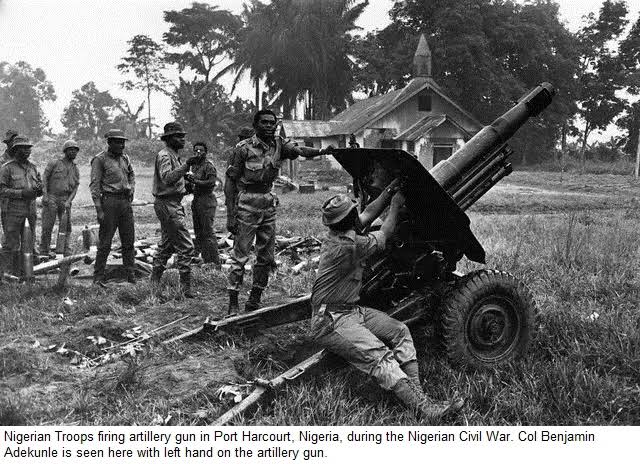
The Biafra War (1967-1970) in Nigeria led to a humanitarian crisis and the world’s largest civilian airlift. As a result, groundbreaking reforms were launched in humanitarian assistance.

The Biafra War in the public eye

In 1968, the world saw pictures of starving children in Biafra. These images shone a spotlight on a conflict, the Biafra War in Nigeria, which had been raging virtually unnoticed by the West. Southeast Nigeria had declared its independence in May 1967, leading to a protracted civil war and a humanitarian crisis. The war only ended two‑and‑a‑half years later, on 15 January 1970. Up to two million people died, many of them from starvation.

The images of the “Biafra children” created a wave of solidarity in many countries and a flood of donations. Furthermore, the Biafra War became a turning point for the development of humanitarian assistance. The churches played a crucial role in Biafra. Church organisations of various denominations and from different countries joined forces to form an aid alliance and provided people in the Biafran enclave with food and medicine via an airlift. Although it is less famous than the Berlin Airlift, this was the largest civilian airlift in world history, with 80,000 tonnes of food and medicine transported by over 7000 flights. According to official figures, the airlift saved a million lives.

Conference on humanitarian assistance 50 years after Biafra

An event co-organised with Diakonie Katastrophenhilfe and Caritas International is taking place at the Federal Foreign Office on 14 January 2020 to mark the fiftieth anniversary of the end of the Biafra War. Experts from humanitarian organisations, academia and civil society will discuss developments in humanitarian assistance and the importance of the humanitarian principles. Civil‑society and church organisations are essential partners in alleviating human suffering around the world. The Federal Foreign Office supports a large number of humanitarian aid projects run by organisations such as Diakonie Katastrophenhilfe and Caritas International.

Establishment of the humanitarian principles

Similar questions arise in humanitarian aid today as those posed by the Biafra War. How can access to people in need be ensured? Which principles define the provision of aid? Humanitarian assistance has developed significantly since the time of the Biafra War. The humanitarian principles of humanity, impartiality, neutrality and independence are now well established. While long‑term aid was primarily provided by church organisations during the Biafra War, humanitarian assistance is now more firmly part of the international system, for example under the auspices of the United Nations.

Bärbel Kofler, Federal Government Commissioner for Human Rights Policy and Humanitarian Assistance at the Federal Foreign Office, commented as follows:

“Humanitarian assistance has developed tremendously in the past 50 years. As one of the largest humanitarian donors, Germany works with its partners to ensure that the humanitarian principles of humanity, impartiality, neutrality and independence are upheld and promoted, as respect for these principles helps humanitarian organisations and aid workers to negotiate access and people in need to receive aid even in complex crises and conflicts.”

Comments

National Issues

Tinubu vows intelligence-led rescue of abducted Oyo pupils, teachers

Published

on

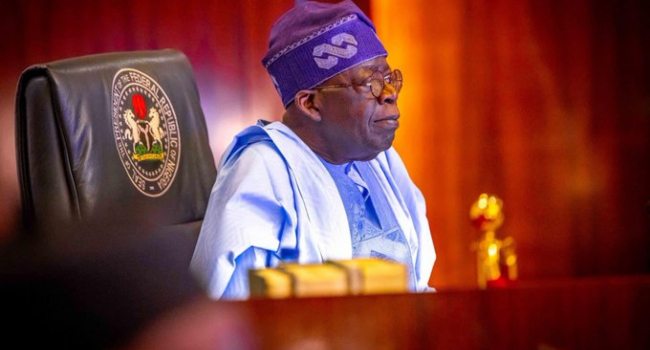
President Bola Tinubu on Monday assured residents of Oyo State that ongoing efforts to rescue abducted pupils and teachers in Oriire Local Government Area would be intelligence-driven, coordinated and sustained.

The President said the Federal Government would deploy every lawful means, including kinetic and non-kinetic measures, to ensure the safe return of the victims abducted during the May 15, 2026 attack in Esiele and Yawota communities.

“Our rescue efforts will be intelligence-led, careful, coordinated, and sustained. We will deploy every lawful tool available, both kinetic and non-kinetic, to ensure our children and teachers are safely returned home,” Tinubu stated in a statement posted on his X handle on Monday.

The President also expressed sorrow over the killing of a school teacher during the abduction and extended condolences to his wife, Mrs Mary Oyedokun, and the bereaved family.

“I also extend my deepest condolences to Mrs Mary Oyedokun, the wife of the late school teacher and her family. Their sacrifice will not be forgotten, and his family will not be abandoned,” he said.

Tinubu stressed that children should never be exposed to the trauma of abduction, noting that no parent should endure the pain associated with such incidents.

“No child should be taken from the safety of a classroom. No parent should have to endure this anguish,” the President added.

He assured affected communities that efforts to secure the release of the abducted pupils and teachers would remain sustained and intelligence-driven.

The statement comes amid growing concerns over insecurity in schools and rural communities following the abduction, which prompted the Federal Government to dispatch a high-powered delegation to the affected communities in Oriire Local Government Area.

The delegation included the Chief of Staff to the President, Femi Gbajabiamila; the National Security Adviser, Nuhu Ribadu; the Minister of Defence; and the Inspector-General of Police, Kayode Egbetokun, alongside other senior government and security officials.

Tinubu further disclosed that he had approved additional security measures, including the deployment of a specialised security unit equipped with advanced rescue capabilities to intensify efforts towards the safe return of the victims.

“I have also directed the deployment of a specialised security unit with advanced rescue capabilities to intensify efforts to secure the safe return of the abducted pupils and teachers,” he stated.

The President also revealed that the Federal Government, in collaboration with the Oyo State Government, was mobilising 1,000 forest guards to improve surveillance in forest corridors frequently exploited by criminal elements.

According to him, the initiative would be complemented by broader operational measures aimed at strengthening rescue operations and preventing future attacks.

Tinubu added that a request for the establishment of a military base in the affected area was receiving urgent consideration as part of efforts to bolster security.

Authorities have continued rescue operations amid rising concerns over the safety of schools and rural settlements, insisting that efforts remain focused on securing the release of the abducted victims and preventing a recurrence.

Continue Reading

National Issues

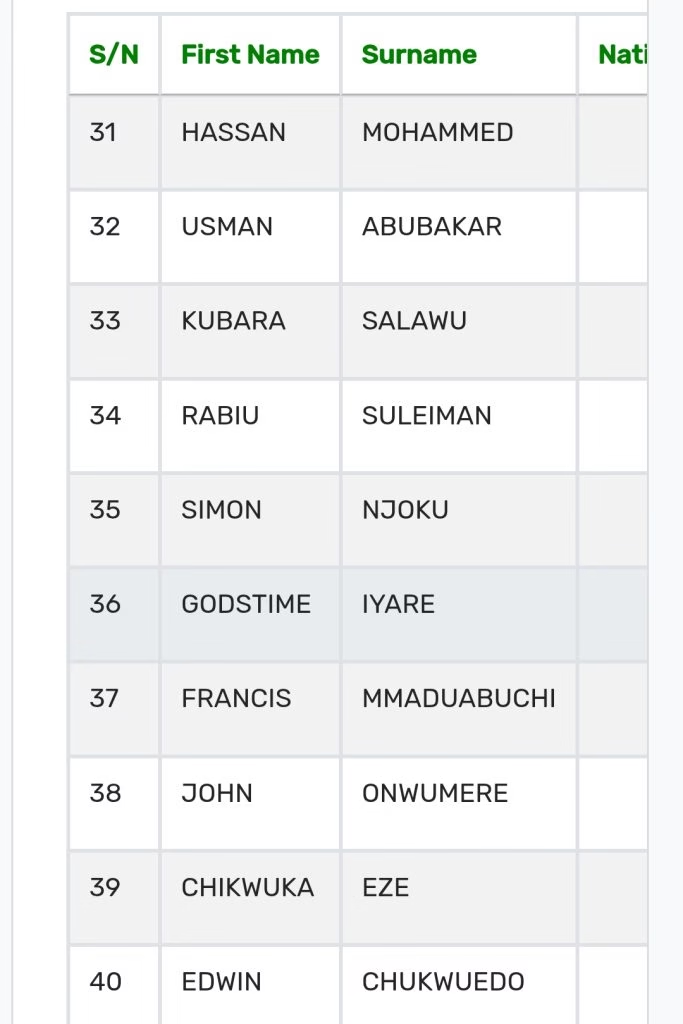
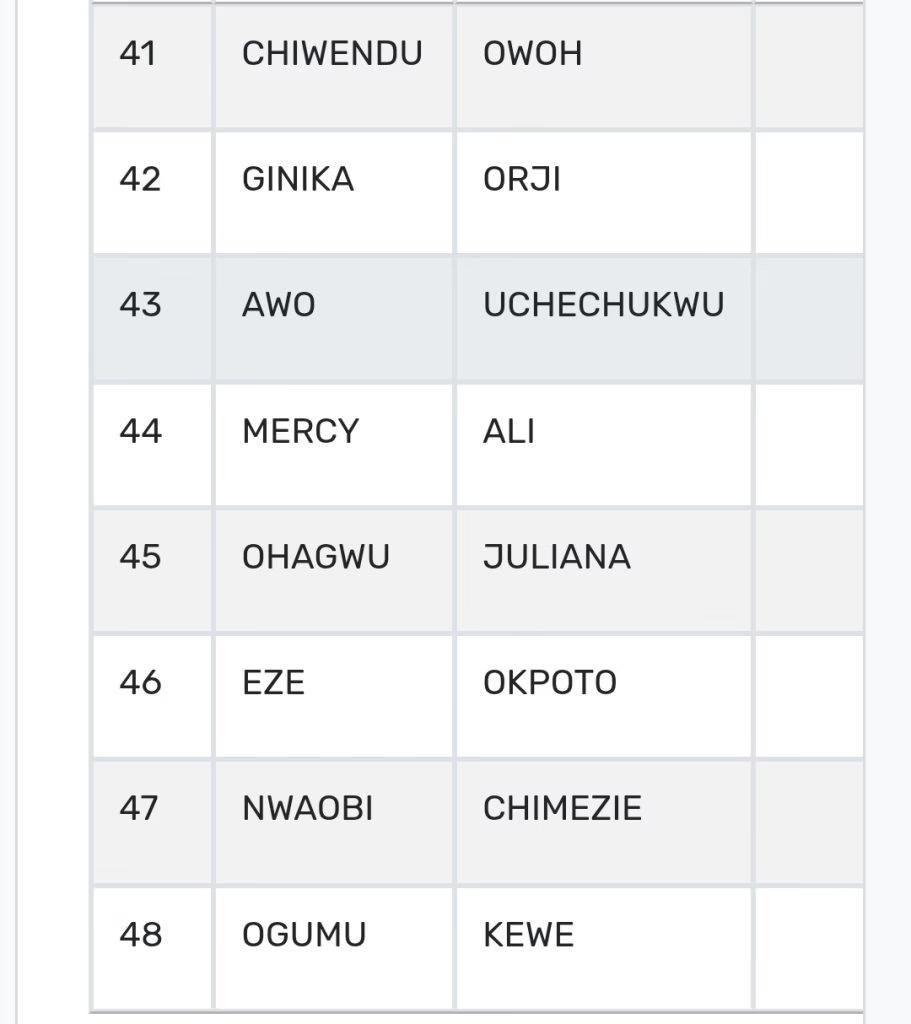
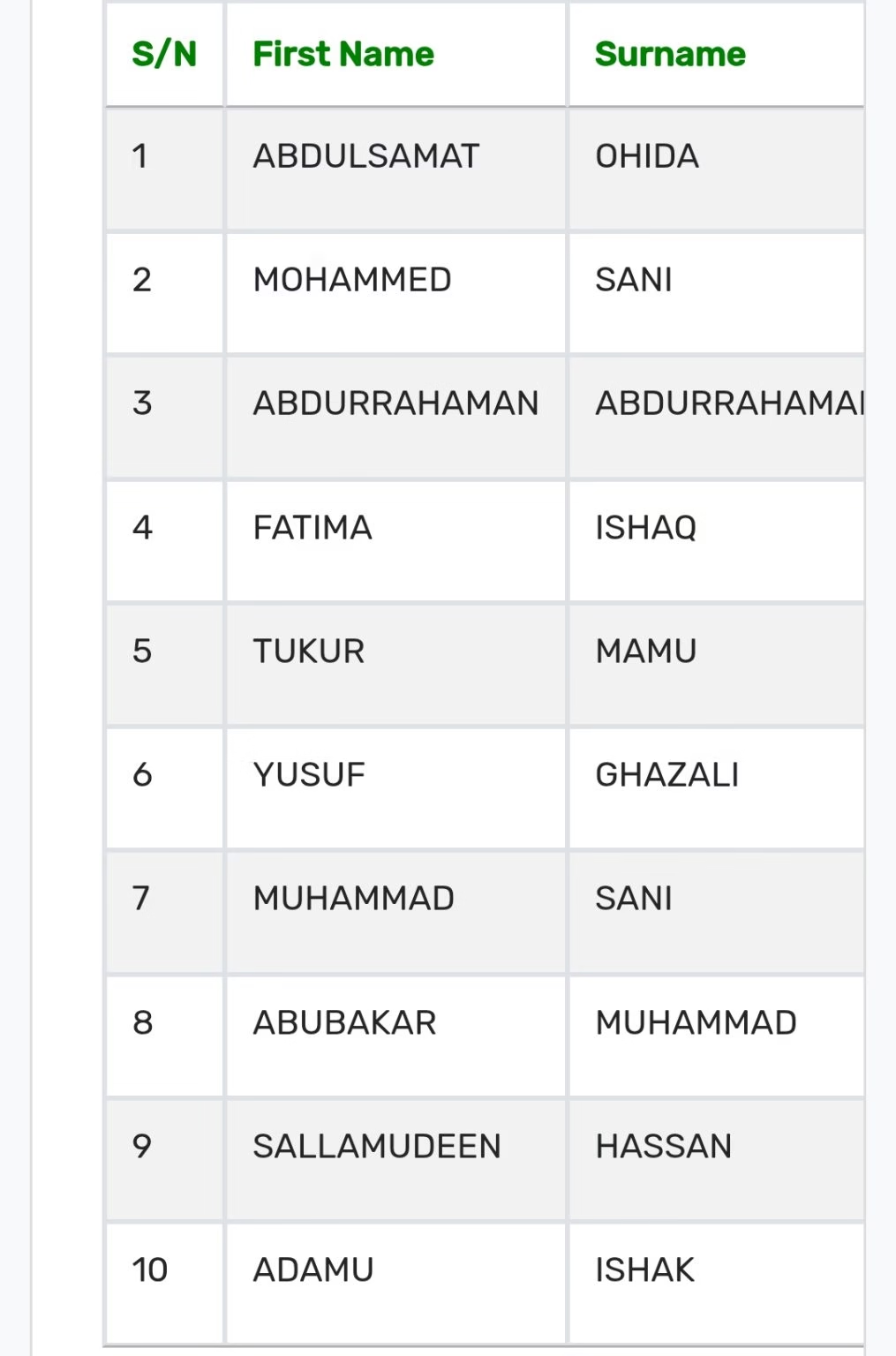
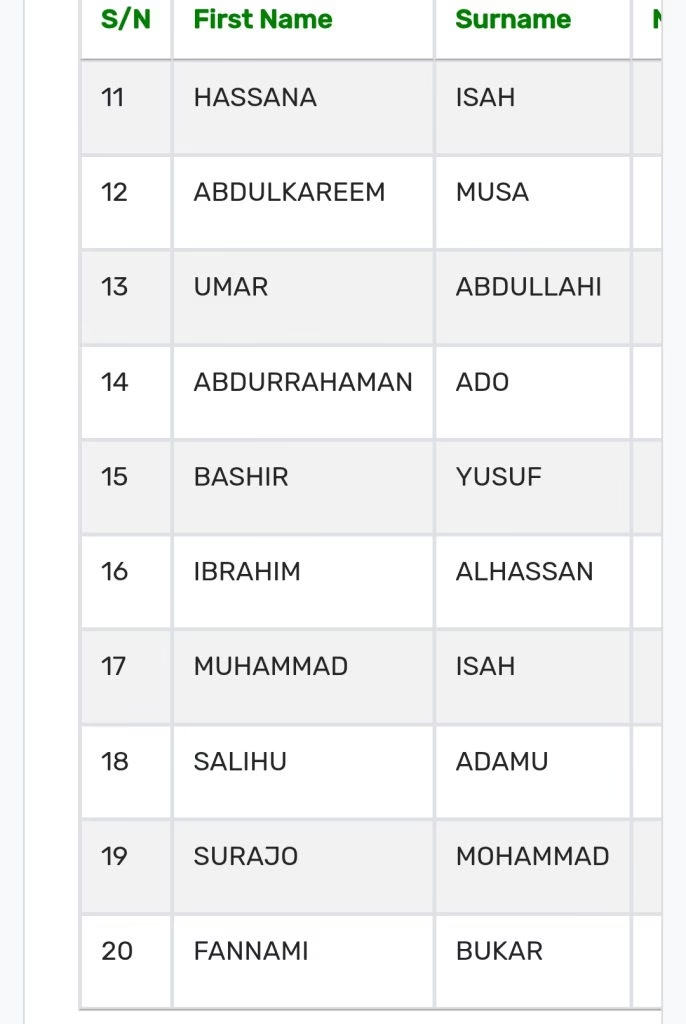
48 alleged terror financiers named by FG {SEE FULL LIST}

Published

on

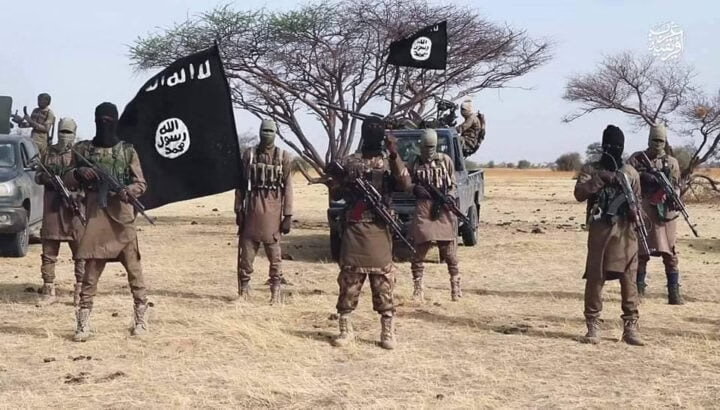
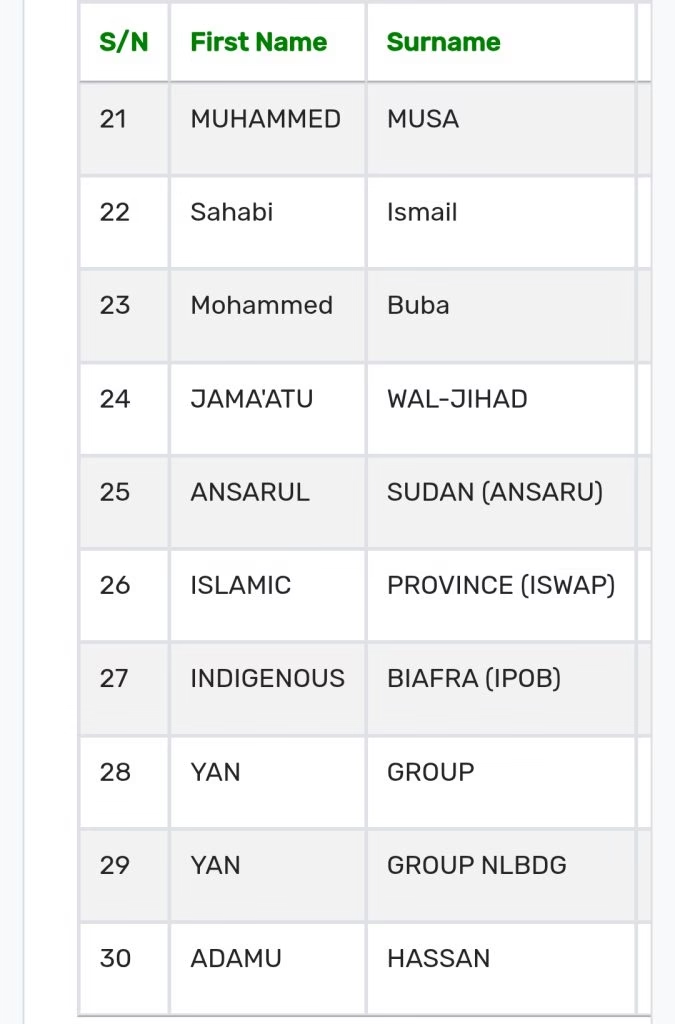
The Federal Government, on Saturday, published a list of 48 individuals and entities allegedly linked to terrorism financing in Nigeria, naming suspects with reported ties to outlawed groups including the Indigenous People of Biafra, Ansaru, and the Islamic State West Africa Province.

The list was released by the Nigeria Sanctions Committee as part of intensified efforts to disrupt financial networks sustaining terrorist activities across the country.

In a statement accompanying the publication, the committee said the designation of the individuals and organisations was in line with Nigeria’s legal and international obligations to combat terrorism financing.

“The Nigeria Sanctions Committee has approved the designation of the following individuals and entities for their alleged involvement in terrorism financing,” the statement read.

It added, “The action is pursuant to relevant laws and regulations aimed at identifying and freezing assets of persons and organisations linked to terrorist activities.”

The committee explained that the move was targeted at dismantling the financial backbone of insurgent and extremist groups operating within and beyond Nigeria’s borders.

Among those listed are individuals reportedly associated with the Indigenous People of Biafra, a proscribed separatist group; Ansaru, a faction linked to Al-Qaeda; and the Islamic State West Africa Province, one of the most active terrorist groups in the region.

Security experts have repeatedly stressed that cutting off funding sources remains a critical strategy in weakening terrorist operations.

Speaking on the development, a senior government official familiar with the process said the publication sends a strong signal about Nigeria’s resolve to confront terrorism at its roots.

“This is not just about naming names; it is about choking the financial lifelines of terror networks. Once funding is disrupted, their operational capacity is significantly weakened,” the source said.

The committee further noted that relevant authorities and financial institutions have been directed to take necessary steps in enforcing sanctions, including the identification and freezing of assets linked to the designated persons and entities.

“The public is also advised to remain vigilant and report suspicious financial activities to appropriate authorities,” the statement added.

The Federal Government reiterated its commitment to safeguarding national security, insisting that individuals or groups found culpable would face the full weight of the law.

As of the time of filing this report, detailed breakdowns of the sanctions and timelines for enforcement were yet to be made public.
 

Continue Reading

National Issues

Tinubu declares nationwide security emergency, orders massive recruitment

Published

on


Amid rising killings and a wave of mass abductions by gunmen and suspected terrorists across the country, President Bola Tinubu on Wednesday declared a nationwide security emergency.

The President, in a statement personally signed and released in Abuja, also ordered an immediate expansion of the manpower of the Armed Forces and the Nigeria Police Force as the Federal Government rushes to halt the worsening insecurity.

“Today, in view of the emerging security situation, I have decided to declare a nationwide security emergency and order additional recruitment into the Armed Forces,” Tinubu said.

“By this declaration, the police and the army are authorised to recruit more personnel. The police will recruit an additional 20,000 officers, bringing the total to 50,000.”

Tinubu explained that he had already approved upgrades of police training facilities nationwide and authorised the use of selected National Youth Service Corps camps as police training depots.

He added that officers withdrawn from VIP guard duties would undergo “crash training” before being redeployed to areas battling heightened insecurity.

The President also directed the Department of State Services to immediately deploy all trained forest guards to flush out terrorists and bandits hiding in forests across the country. The DSS was further authorised to recruit additional personnel.

“There will be no more hiding places for agents of evil. This is a national emergency. We are deploying more boots on the ground, especially in vulnerable communities. The times require all hands on deck. As Nigerians, we must all get involved in securing our nation,” he said.

Tinubu commended security agencies for jointly securing the release of 24 abducted schoolgirls in Kebbi State and 38 worshippers in Kwara State. He assured that efforts were ongoing to rescue students of Catholic schools in Niger State and other kidnapped Nigerians still in captivity.

“To the leadership and rank and file of our Armed Forces, I commend your courage and sacrifice. This is a challenging moment for our nation and for the military itself. I charge you to remain resolute, restore peace across all theatres of operation, and uphold the highest standards of discipline. There must be no compromise, no collusion, and no negligence,” he added.

The President announced that the Federal Government would support state governments operating community-based security outfits.

Tinubu also urged the National Assembly to begin reviewing laws that would allow states seeking to establish their own police forces to do so.

He warned states against maintaining boarding schools in remote areas without adequate security and advised churches and mosques in vulnerable areas to engage security agencies when organising large gatherings.

On the lingering farmer–herder clashes, Tinubu restated that the newly created Ministry of Livestock Development would provide long-term solutions. He appealed to herders to embrace ranching, end open grazing, and surrender illegal weapons.

“I sympathise with the families who have lost their loved ones in recent attacks on soft targets in Kebbi, Borno, Zamfara, Niger, Yobe, and Kwara states. I also pay tribute to our brave soldiers who have made the ultimate sacrifice, including Brigadier-General Musa Uba,” he said.

Warning criminal groups not to undermine the state, Tinubu emphasised that his administration possessed the resolve and capacity to secure the country.

“Fellow compatriots, I urge you not to give in to fear or despair. Stand firm to defend our freedom and values. Our administration will continue to guarantee peaceful co-existence and preserve our union.”

He called on citizens to remain vigilant, report suspicious activities, and cooperate with security agencies.

Tinubu’s declaration came amid nationwide outrage after the killing of at least five people in Kebbi and Kwara states, and the abduction of over 300 schoolchildren from Government Girls Comprehensive Secondary School, Maga, in Kebbi State, and St Mary’s Catholic School, Papiri, in Niger State.

Continue Reading

Advertisement

Entertainment

Advertisement

MegaIcon Magazine Facebook Page

Advertisement

MEGAICON TV

Advertisement

Trending